𝗪𝗵𝗮𝘁 𝗮𝗿𝗲 𝗣𝗲𝗮𝗿𝗹𝗲𝘀𝗰𝗲𝗻𝘁 𝗣𝗶𝗴𝗺𝗲𝗻𝘁𝘀?
Pearlescent pigments are specialized colorants that provide a unique shimmering effect, reminiscent of natural pearls. These pigments are typically composed of layered materials that reflect light in various ways, creating a depth of color and an iridescent appearance. They are often used to enhance the visual appeal of products, providing a sophisticated touch that standard colorants cannot achieve.
These pigments find applications across a wide range of industries, including cosmetics, automotive, coatings, plastics, and textiles. In cosmetics, for instance, they are incorporated into makeup products to create luminous finishes. Similarly, in automotive applications, they enhance vehicle exteriors with a striking visual effect. The demand for pearlescent pigments has been growing, driven by trends in aesthetics and design that prioritize unique visual experiences.
The market for pearlescent pigments is expanding globally, fueled by innovations in production processes and an increasing focus on sustainable materials. As industries strive for eco-friendly alternatives, pearlescent pigments are evolving to meet these demands, thus solidifying their relevance across various sectors.
𝗞𝗲𝘆 𝗙𝗲𝗮𝘁𝘂𝗿𝗲𝘀 𝗮𝗻𝗱 𝗦𝗽𝗲𝗰𝗶𝗳𝗶𝗰𝗮𝘁𝗶𝗼𝗻𝘀
Pearlescent pigments are characterized by their unique optical properties and versatility in application. Understanding their features is essential for industries looking to enhance product aesthetics.
Key specifications include:
1. Color Variety
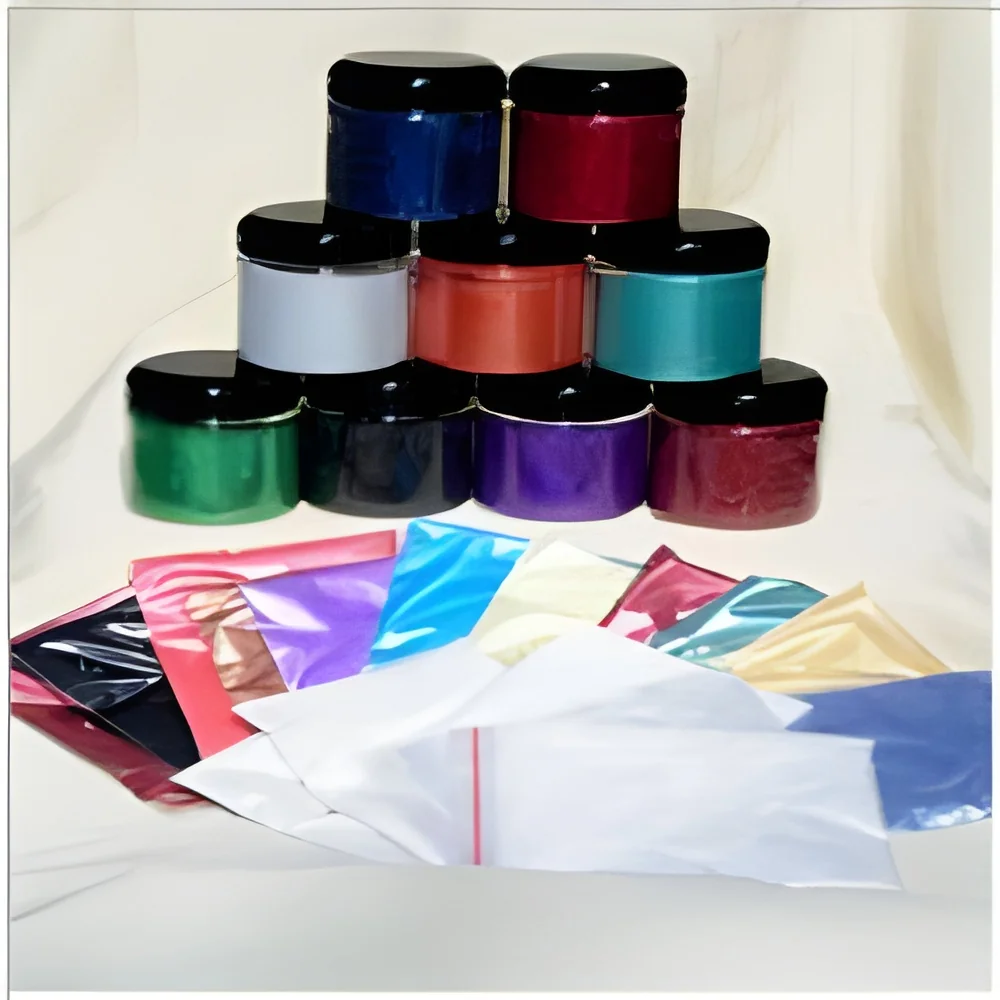
- Available in a wide spectrum of colors, ranging from classic whites to vibrant hues.
- Custom color matching is often possible to meet specific design needs.
2. Particle Size
- Typically ranges from 5 to 100 microns.
- Smaller particles yield a more delicate and subtle effect, while larger particles create bolder appearances.
3. Light Reflection
- Designed to reflect light in multiple directions, enhancing the pearlescent effect.
- Light interference can vary based on application and desired finish.
4. Chemical Resistance
- Resistant to many chemicals, making them suitable for use in harsh environments.
- Stability in various formulations increases their utility across industries.
5. Heat Stability
- Generally stable under high temperatures, though specific resistance varies by formulation.
- Important for applications involving exposure to heat during manufacturing processes.
6. Compatibility
- Compatible with various media, including water-based and solvent-based systems.
- Easy to incorporate into existing formulations without compromising performance.
7. Safety Standards
- Compliant with various industry safety standards, ensuring they are safe for use in products.
8. Environmental Impact
- Many manufacturers are focusing on producing eco-friendly variants, minimizing environmental impact.
In summary, pearlescent pigments offer a range of features that enhance their applicability across diverse industries while meeting aesthetic and functional requirements.
𝗖𝗼𝗺𝗺𝗼𝗻 𝗔𝗽𝗽𝗹𝗶𝗰𝗮𝘁𝗶𝗼𝗻𝘀 𝗮𝗻𝗱 𝗨𝘀𝗲 𝗖𝗮𝘀𝗲𝘀
Pearlescent pigments serve various industries, enhancing products with their visual appeal and performance.
1. Cosmetics: Widely used in makeup products such as eyeshadows, lipsticks, and nail polishes to create luminous finishes and enhance the overall aesthetic.
2. Automotive: Employed in automotive paints, providing vehicles with a striking appearance that stands out in the market.
3. Coatings: Incorporated into industrial coatings and decorative paints to add depth and brilliance to surfaces.
4. Plastics: Utilized in plastic applications, such as toys and consumer goods, to provide an attractive finish that appeals to consumers.
5. Textiles: Used in fabric treatments to add shimmering colors and patterns, enhancing the visual appeal of garments.
6. Packaging: Applied in packaging materials to create eye-catching designs that attract consumer attention.
7. Arts and Crafts: Popular in art supplies, including paints and inks, allowing artists to achieve unique effects in their work.
𝗣𝗿𝗼𝗱𝘂𝗰𝘁 𝗩𝗮𝗿𝗶𝗮𝗻𝘁𝘀 𝗮𝗻𝗱 𝗦𝘂𝗯𝗰𝗮𝘁𝗲𝗴𝗼𝗿𝗶𝗲𝘀
Pearlescent pigments come in a diverse range of variants, each designed for specific applications and effects. These variants allow manufacturers to choose the best option for their needs.
Standard Pearlescent Pigments
These pigments are versatile and can be used across various applications. They offer a wide range of colors and can be easily mixed with other materials.
Specialty Pearlescent Pigments
These are designed for specific industries or applications, such as automotive or cosmetics. They may feature enhanced durability or specific color effects tailored to meet unique requirements.
Eco-Friendly Pearlescent Pigments
With a growing emphasis on sustainability, these pigments are formulated to minimize environmental impact. They are made from natural or recycled materials, making them suitable for eco-conscious brands.
𝗕𝗲𝗻𝗲𝗳𝗶𝘁𝘀 𝗮𝗻𝗱 𝗔𝗱𝘃𝗮𝗻𝘁𝗮𝗴𝗲𝘀
Sourcing pearlescent pigments offers numerous advantages for businesses looking to enhance their products' visual appeal.
1. Aesthetic Appeal: Pearlescent pigments provide a unique and sophisticated look that can differentiate products in competitive markets.
2. Versatility: Suitable for a wide range of applications, these pigments can be used in various industries, making them a valuable addition to product lines.
3. Customization: Many suppliers offer custom formulations and colors, allowing businesses to create unique products tailored to their specific needs.
4. Durability: Pearlescent pigments are often chemically and heat resistant, ensuring longevity in finished products.
5. Market Demand: The rising trend for visually striking products means that incorporating pearlescent pigments can align with consumer preferences.
6. Eco-Friendly Options: With the availability of sustainable variants, businesses can cater to environmentally conscious consumers while maintaining aesthetic quality.
𝗕𝘂𝘆𝗶𝗻𝗴 𝗚𝘂𝗶𝗱𝗲 𝗳𝗼𝗿 𝗕𝟮𝗕 𝗕𝘂𝘆𝗲𝗿𝘀
When sourcing pearlescent pigments, it is essential to consider several factors to ensure quality and suitability for specific applications.
1. Quality Assessment: Evaluate the quality of pigments based on visual appearance, consistency, and performance in various media. Testing samples can help determine suitability.
2. Supplier Verification: It is crucial to vet suppliers for reliability and reputation in the industry. Look for reviews, certifications, and previous customer experiences.
3. Pricing and MOQ: Understand the pricing structure and minimum order quantities (MOQ) required by suppliers. This can vary based on the pigment type and customization needs.
4. Delivery and Lead Times: Inquire about logistics and lead times for orders to ensure that production schedules are met. Timely delivery is essential for maintaining supply chain efficiency.
5. Compliance Requirements: Ensure that the pigments comply with relevant safety and regulatory standards in your industry. This may include certifications such as CE and adherence to environmental regulations.
𝗖𝗼𝗺𝗽𝗹𝗶𝗮𝗻𝗰𝗲 𝗮𝗻𝗱 𝗖𝗲𝗿𝘁𝗶𝗳𝗶𝗰𝗮𝘁𝗶𝗼𝗻𝘀
Pearlescent pigments must meet various compliance and certification standards to ensure safety and quality across industries. Key relevant standards include ISO 9001, which focuses on quality management systems, ensuring consistent quality in production processes.
Additionally, industry certifications such as CE indicate compliance with European health, safety, and environmental protection standards.
Safety and testing requirements are essential, especially in industries such as cosmetics and food packaging, where pigments may come into direct contact with consumers.
Regional compliance considerations should also be taken into account, as regulations may vary significantly between different markets. Ensuring that pigments meet local standards is crucial for successful market entry and product acceptance.
𝗪𝗵𝘆 𝗦𝗼𝘂𝗿𝗰𝗲 𝗣𝗲𝗮𝗿𝗹𝗲𝘀𝗰𝗲𝗻𝘁 𝗣𝗶𝗴𝗺𝗲𝗻𝘁𝘀 𝗳𝗿𝗼𝗺 𝗣𝗲𝗽𝗮𝗴𝗼𝗿𝗮?
Pepagora provides a trusted platform for sourcing pearlescent pigments, offering several key advantages for B2B buyers.
Verified Supplier Network: Pepagora has established a robust network of verified suppliers, ensuring that buyers have access to high-quality pigments from trusted manufacturers. This network is crucial for maintaining product integrity and reliability.
Streamlined RFQ Process: The request for quotation (RFQ) process on Pepagora is designed to be straightforward and efficient, allowing buyers to quickly obtain quotes and compare options from various suppliers. This facilitates informed decision-making.
Trade Assurance and Support: Buyers on Pepagora benefit from trade assurance, which provides protection throughout the purchasing process. This includes support for resolving issues and ensuring satisfaction with the products received.
Regional Coverage: Pepagora's geographic reach extends across India, the GCC, and Southeast Asia, making it easy for buyers to source pearlescent pigments tailored to local market needs. This broad coverage ensures that businesses can access products that align with regional preferences and regulations.

 IN
IN