
 IN
Sulfur Dyes
24 products available
What are Sulfur Dyes?
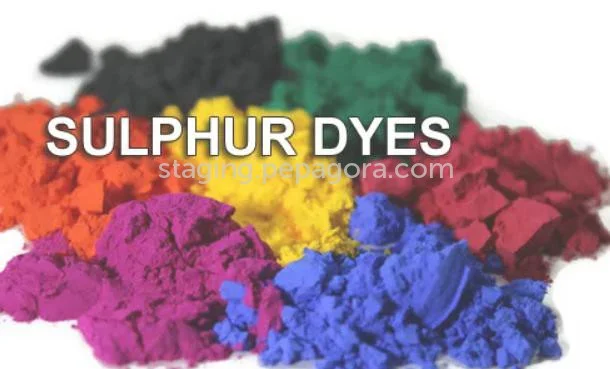
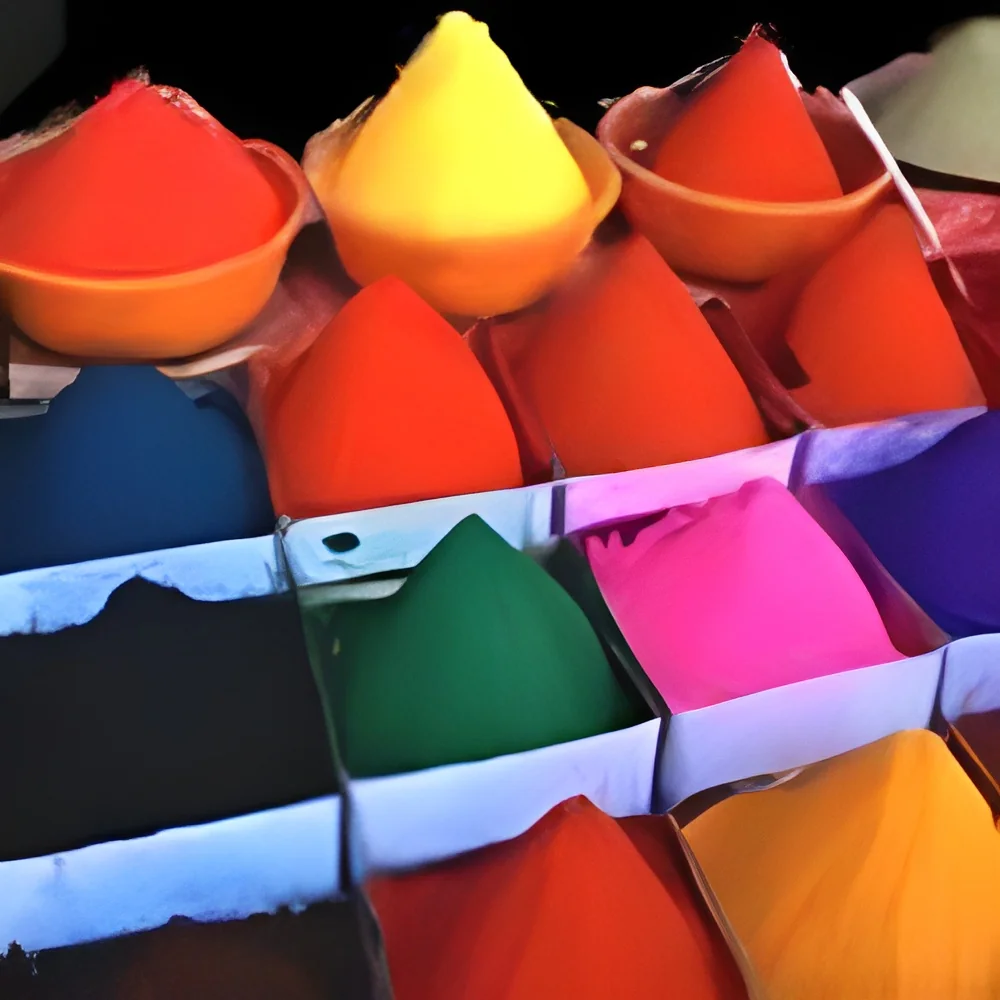
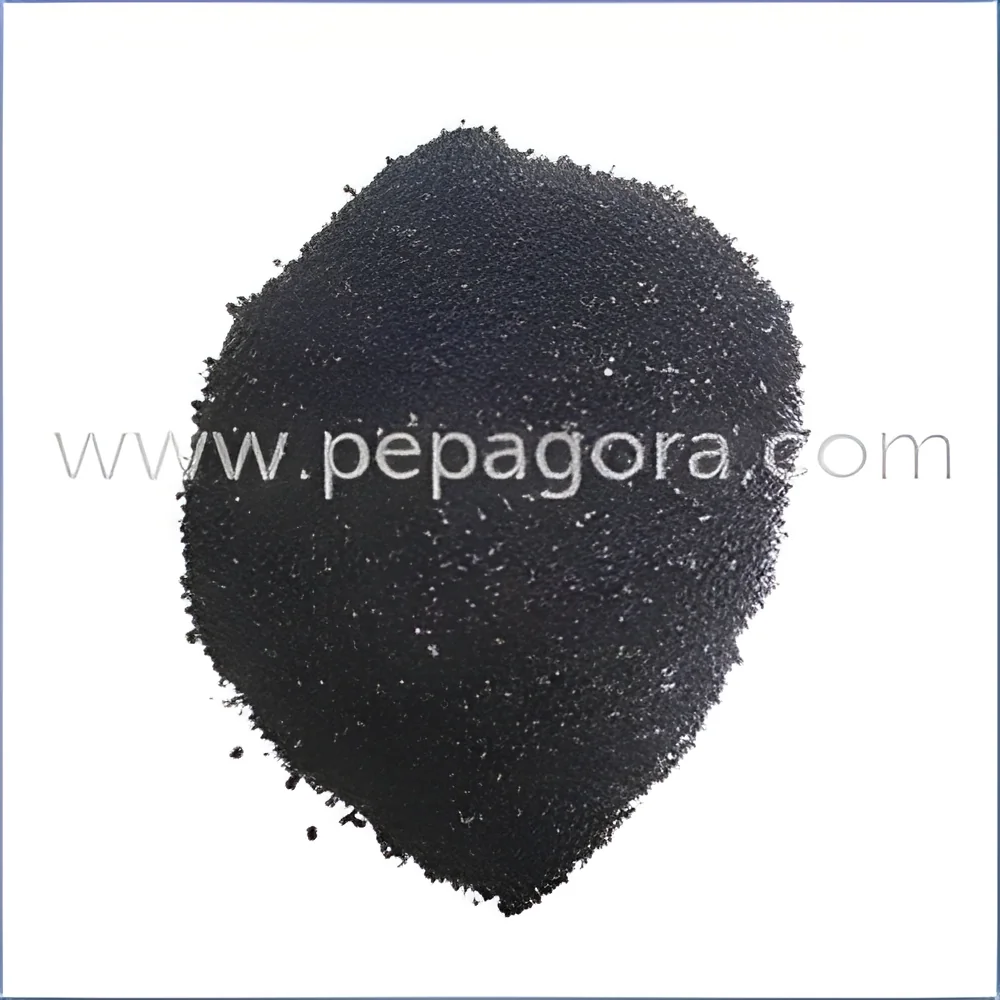
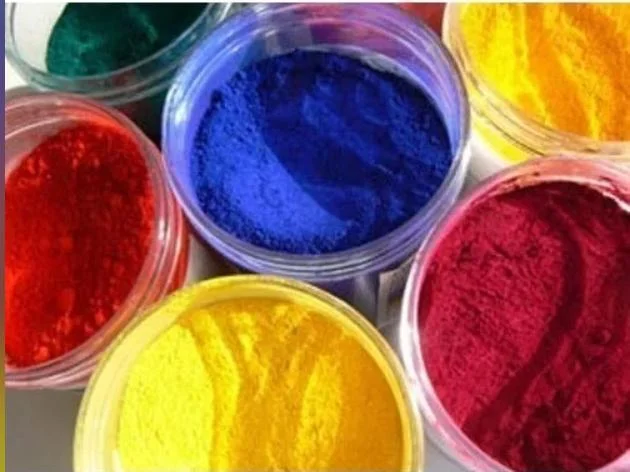
Sulfur dyes are a category of synthetic dyes that are primarily used for dyeing textiles made from cellulose fibers like cotton and rayon. These dyes are known for their excellent wash and light fastness properties, which means that they maintain their color even after repeated washing and exposure to light. Sulfur dyes are produced through the reaction of sulfur compounds with organic compounds, resulting in a wide range of colors that can be tailored to meet specific requirements.
These dyes find extensive use in various sectors, primarily in the textile industry. They are commonly employed for dyeing denim, cotton fabrics, and other materials where durability and color retention are critical. Sulfur dyes are also used in the manufacture of leather and paper products, demonstrating their versatility across multiple applications. The demand for sulfur dyes has increased globally, driven by the growing textile and apparel industry, making them highly relevant in today’s market.
Key Features and Specifications
Sulfur dyes come with several important features and specifications that make them suitable for commercial applications. These characteristics include high color fastness, ease of application, and compatibility with various substrates. Understanding these specifications is crucial for businesses looking to choose the right products for their needs.
Key specifications include:
1. Color Fastness
- Excellent resistance to washing and light exposure
- Rated on a scale from 1 to 8, with 8 being the highest
2. Application Method
- Typically applied using a reductive dyeing process
- Requires specific temperatures and pH levels for optimal results
3. Solubility
- Generally soluble in alkaline conditions
- Varies by dye type and color
4. Environmental Compliance
- Must meet specific environmental regulations
- Consideration for biodegradability and toxicity
5. Stability
- Maintains color integrity over a range of temperatures and conditions
- Low tendency for fading or bleeding
6. Availability
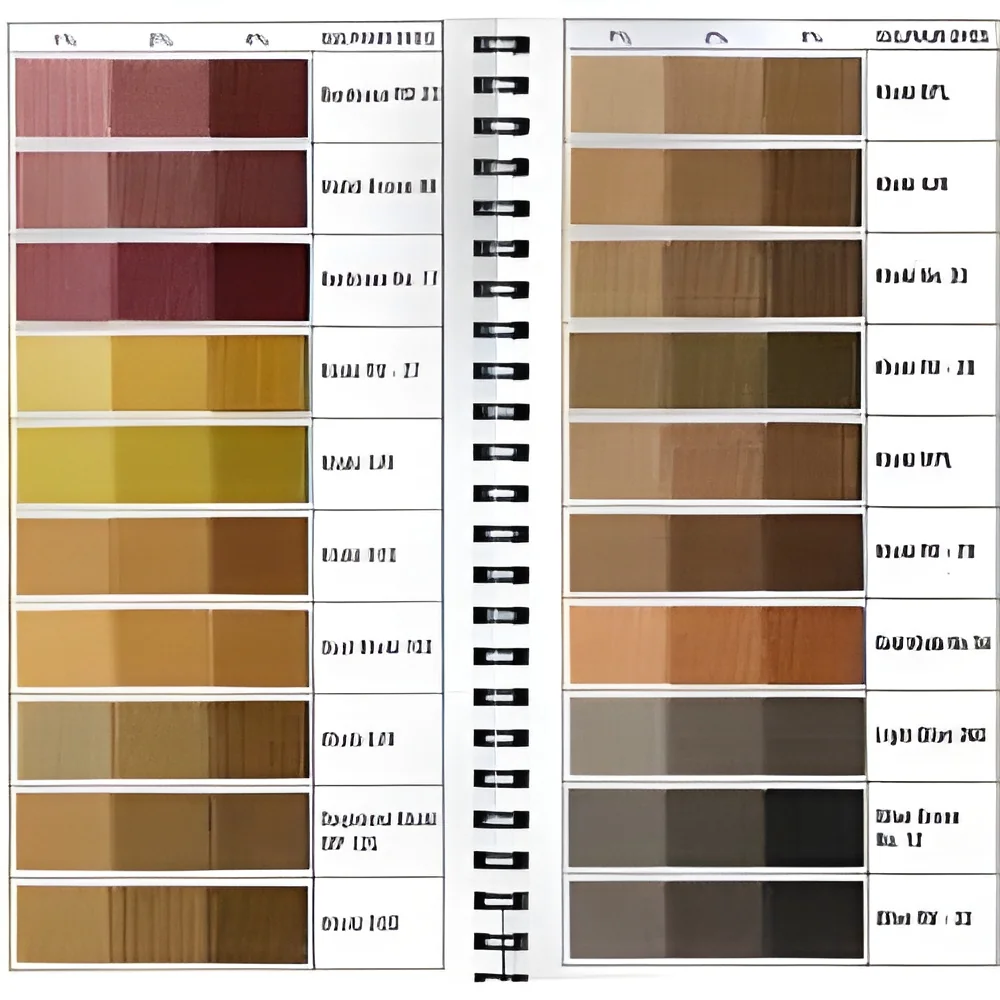
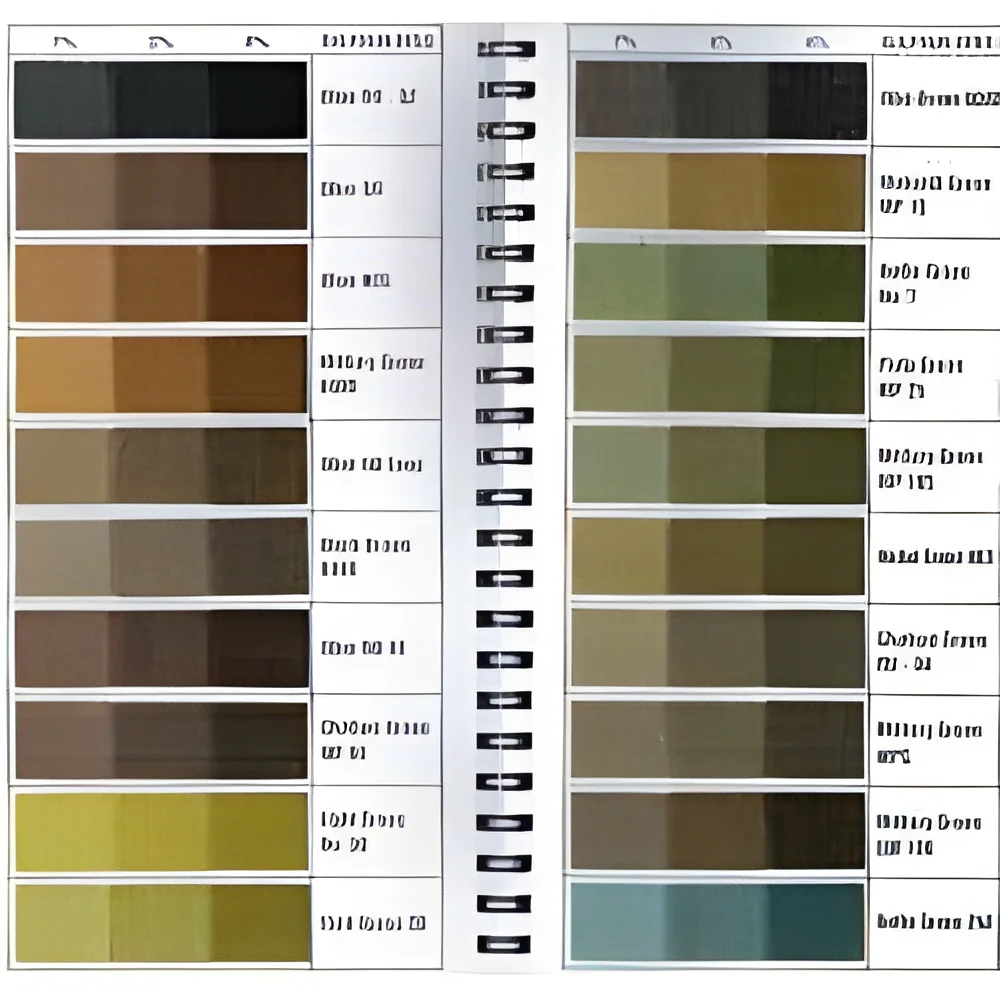
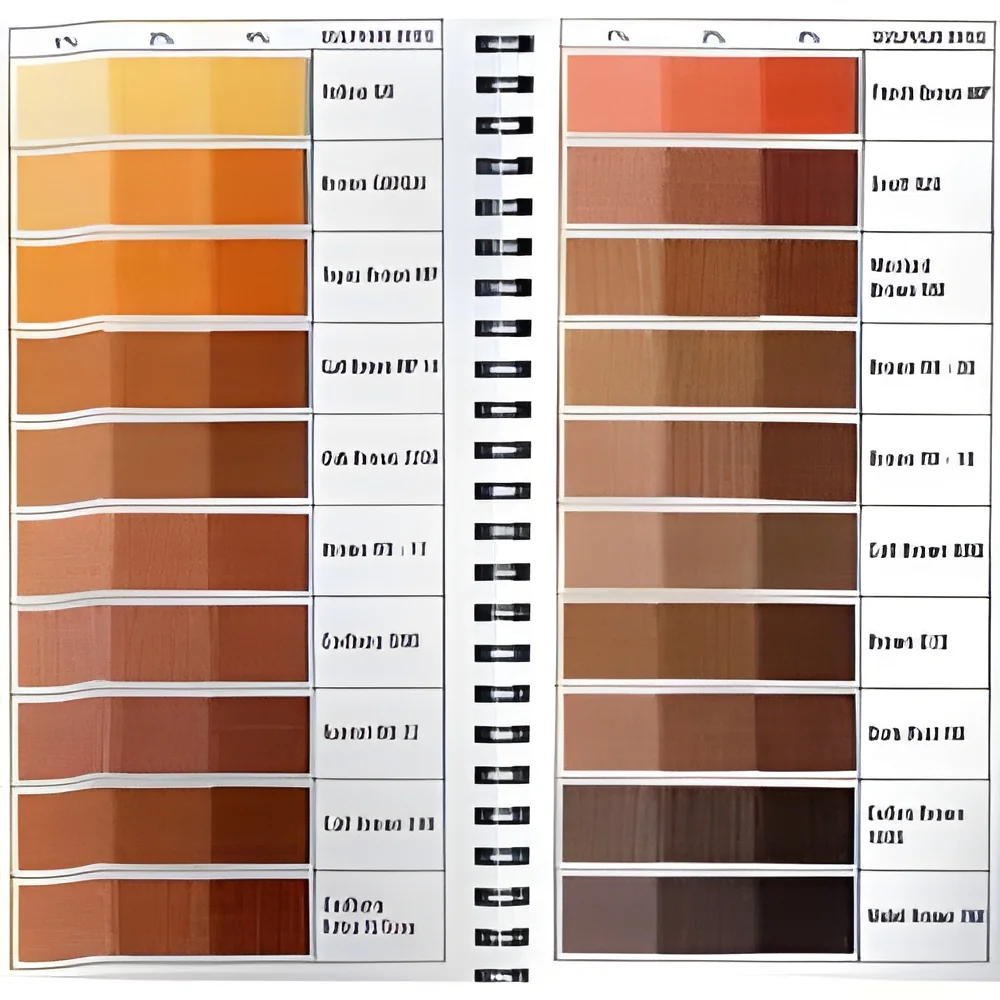
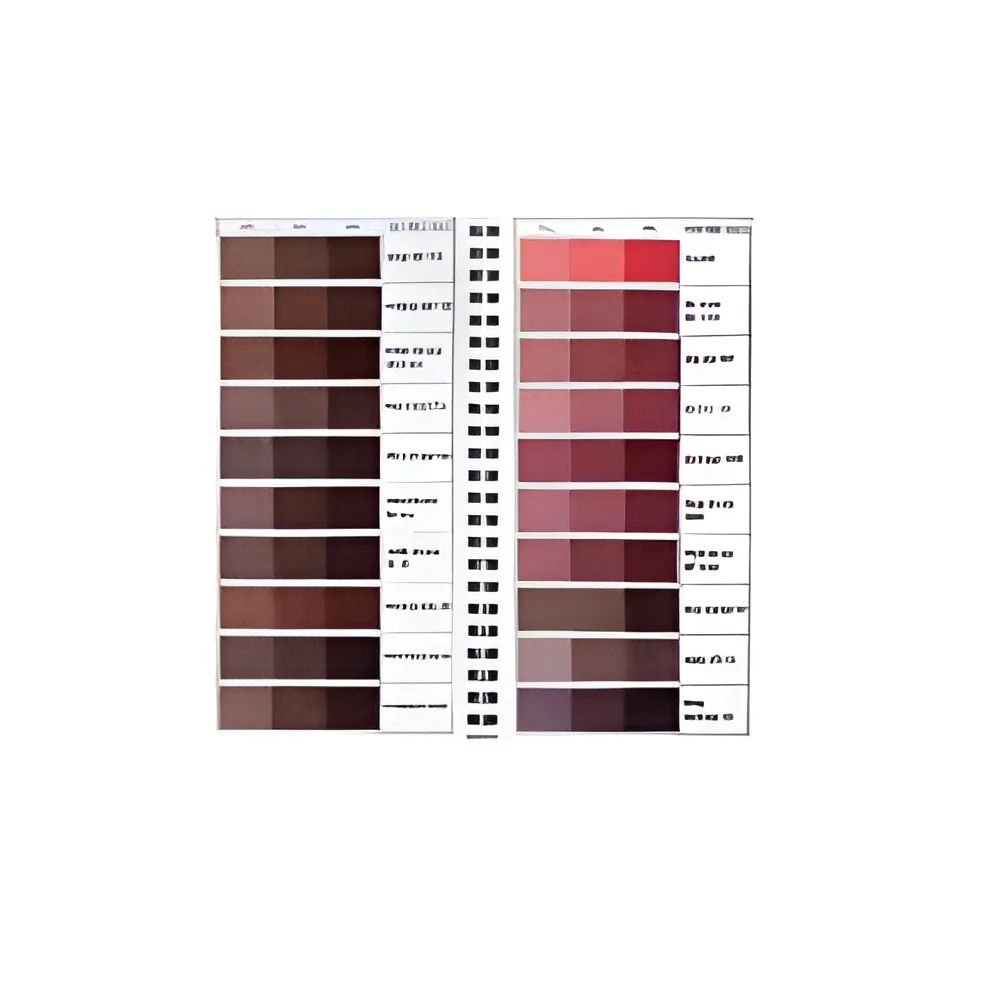
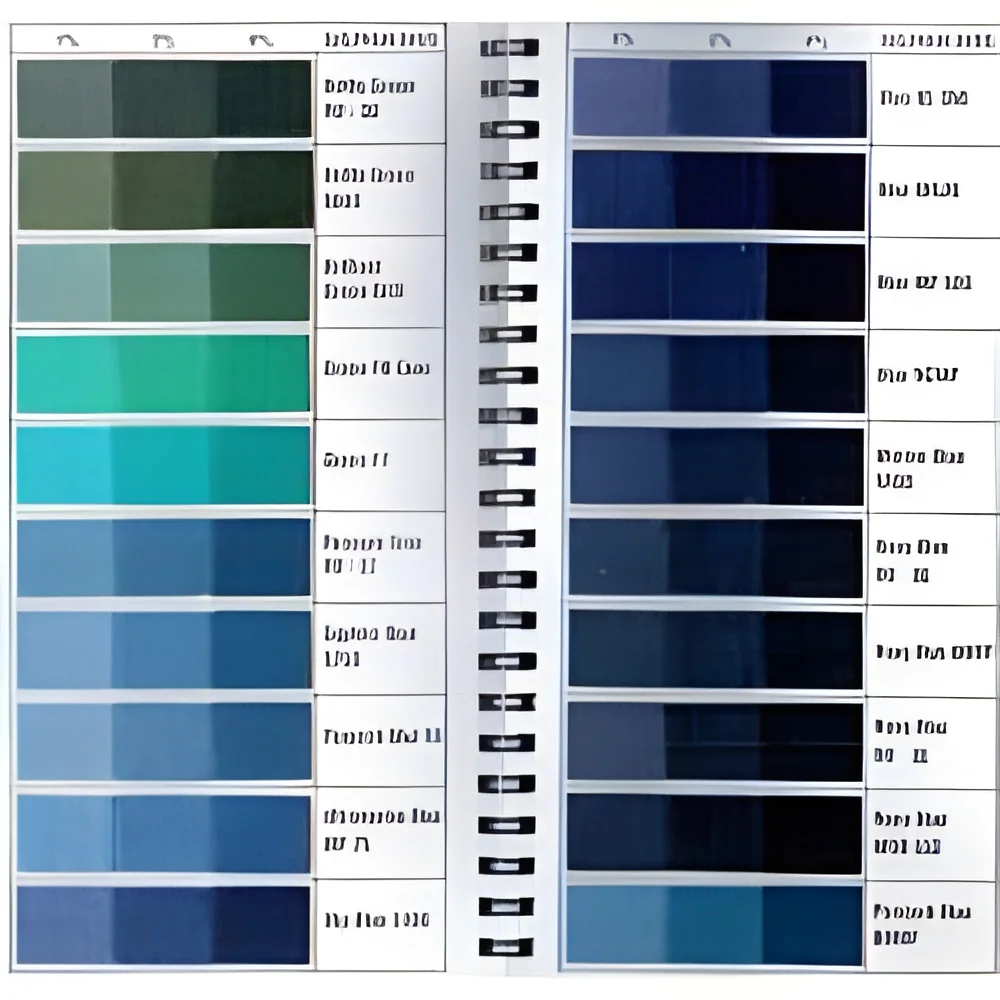
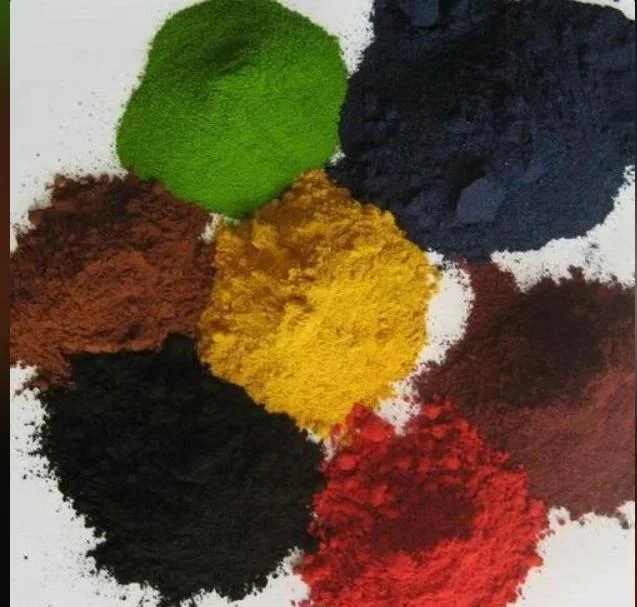
- Offered in a wide spectrum of colors
- Custom formulations may be available upon request
In summary, the specifications of sulfur dyes highlight their performance and suitability for various industrial applications, making them a preferred choice in the textiles sector.
Common Applications and Use Cases
Sulfur dyes serve numerous industries, each benefiting from their specific properties.
1. Textile Industry: Sulfur dyes are predominantly used in dyeing cotton and cotton blends. They provide vibrant colors and exceptional durability, making them ideal for everyday clothing and fashion apparel.
2. Denim Manufacturing: The denim industry relies heavily on sulfur dyes for their ability to produce deep blues and blacks. These dyes contribute to the characteristic look of denim while ensuring long-lasting color.
3. Leather Production: In leather manufacturing, sulfur dyes are used for coloring leather goods. They provide a rich color palette while offering good fastness properties.
4. Paper Industry: Sulfur dyes are sometimes used in the paper industry to impart color to paper products. Their stability and fastness are beneficial in this application.
5. Home Textiles: Items such as curtains, upholstery, and bed linens are often dyed using sulfur dyes due to their durability and vibrant color options.
6. Automotive Textiles: Automotive upholstery also utilizes sulfur dyes for their resistance to fading and wear, ensuring that car interiors maintain their aesthetic appeal over time.
7. Footwear: Sulfur dyes are employed in the footwear industry for coloring synthetic and leather materials, providing an attractive finish.
Product Variants and Subcategories
While specific subcategories of sulfur dyes are not available, there is a diversity in color and application methods that cater to different market needs.
Standard Sulfur Dyes
These are the most commonly used sulfur dyes that provide a wide range of colors suitable for various applications. Their robust properties make them ideal for textiles that require high durability.
Reactive Sulfur Dyes
These dyes are designed to enhance color bonding with fibers, ensuring superior wash and light fastness. They are often used in high-end textile applications where color precision is crucial.
Benefits and Advantages
Sulfur dyes offer several key benefits that make them a preferred choice in various industries.
1. High Color Fastness: Sulfur dyes maintain their vibrant colors even after multiple washes, making them ideal for clothing and textiles.
2. Cost-Effectiveness: The production process for sulfur dyes is generally less expensive compared to other dye types, providing economical options for manufacturers.
3. Versatile Application: Sulfur dyes can be used across a range of materials, including cotton and leather, enhancing their usability in different sectors.
4. Environmental Compliance: Many sulfur dyes are designed to meet environmental regulations, ensuring safer use in manufacturing processes.
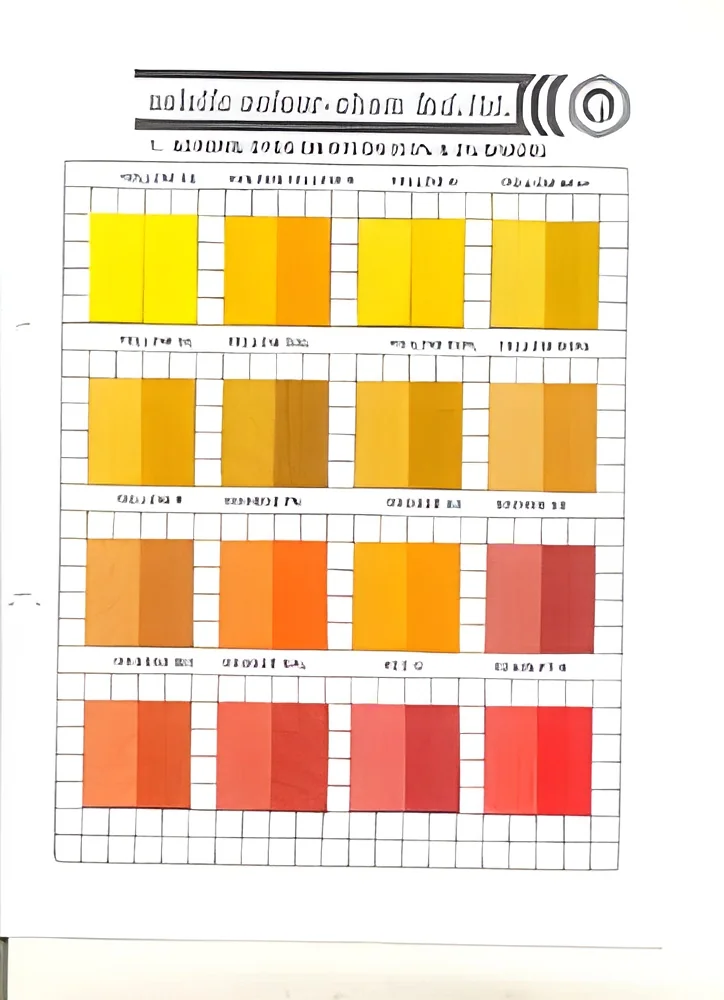
5. Wide Color Range: These dyes are available in a broad spectrum of colors, allowing for creative flexibility in design and production.
6. Easy Application: The application process for sulfur dyes is straightforward, making them accessible for large-scale manufacturing.
Buying Guide for B2B Buyers
When sourcing sulfur dyes, several important factors should be considered to ensure the best choice for your business needs.
1. Quality Assessment: Evaluate the quality of sulfur dyes based on their color fastness ratings and stability under various conditions. Reliable suppliers should provide detailed specifications.
2. Supplier Verification: Conduct thorough checks on potential suppliers to ensure they have a track record of quality and reliability. Look for certifications and customer reviews.
3. Pricing and MOQ: Understand the pricing structure and minimum order quantities (MOQ) offered by suppliers. Compare quotes to find the best value while considering shipping costs.
4. Delivery and Lead Times: Discuss delivery timelines with suppliers to ensure that they can meet your production schedules. Plan ahead to avoid delays.
5. Compliance Requirements: Verify that the sulfur dyes meet regional and international compliance standards. This is crucial for avoiding legal issues and ensuring product safety.
Compliance and Certifications
Sulfur dyes must adhere to various quality standards and regulations to ensure their safe and effective use in industrial applications. Common standards include ISO 9001, which addresses quality management systems, and HACCP, focusing on food safety management when applicable. Compliance with GDP guidelines is also essential for maintaining product quality during storage and distribution.
Additionally, industry certifications such as UL and CE indicate that sulfur dyes meet specific safety and performance criteria, allowing for broader market acceptance. Companies should also consider regional compliance, as different countries may have varying regulations regarding chemical safety and environmental impact. Ensuring that all products are tested for safety and comply with relevant standards is critical for maintaining industry credibility and customer trust.
Why Source Sulfur Dyes from Pepagora?
Pepagora provides a trusted platform for sourcing sulfur dyes, ensuring that businesses receive high-quality products backed by reliable services.
Verified Supplier Network: Pepagora connects buyers with a network of verified suppliers, ensuring that each supplier meets stringent quality standards. This verification process helps businesses make informed purchasing decisions.
Streamlined RFQ Process: The platform simplifies the request for quotation (RFQ) process, allowing buyers to quickly compare options and receive timely responses from suppliers. This efficiency saves time and enhances procurement strategies.
Trade Assurance and Support: Pepagora offers trade assurance measures that protect buyers throughout the purchasing process. This includes support for resolving disputes and ensuring that products meet specified requirements.
Regional Coverage: With a presence in India, the GCC, and Southeast Asia, Pepagora provides extensive geographic reach. This allows businesses to access sulfur dyes from diverse markets, ensuring competitive pricing and availability.

Frequently Asked Questions
What are Sulfur Dyes?
Sulfur dyes are a type of dye that is derived from sulfur compounds. They are primarily used for dyeing cellulose fibers, such as cotton, due to their good wash and light fastness properties. These dyes are known for their ability to produce deep and vibrant colors.
What are the different types of Sulfur Dyes?
There are several types of sulfur dyes, including soluble and insoluble varieties. Soluble sulfur dyes can be used in a one-bath process, while insoluble sulfur dyes require a two-bath process. They are categorized based on their color range, application methods, and chemical structures.
How do I choose the right Sulfur Dyes?
Choosing the right sulfur dyes involves considering the type of fiber you are dyeing, the desired color, and the application method. It's important to consult with suppliers to understand their available products and how they match your specific requirements for color fastness and application.
What are the standard specifications for Sulfur Dyes?
Standard specifications for sulfur dyes often include color strength, solubility, and fastness properties such as light, wash, and rub fastness. Additionally, dye purity and the presence of any impurities are also specified to ensure quality and consistency in dyeing processes.
What is the price range for Sulfur Dyes?
The price range for sulfur dyes can vary significantly based on factors such as the type of dye, supplier, and order quantity. Generally, prices can range from a few hundred to several thousand Indian Rupees per kilogram, depending on the quality and specifications of the dyes.
What quality standards apply to Sulfur Dyes?
Quality standards for sulfur dyes typically align with national and international textile quality regulations. Common standards include ISO certifications, which ensure that the dyes meet specific environmental and safety criteria, and AATCC standards for color fastness.
Where can I find Sulfur Dyes suppliers in India?
You can find sulfur dyes suppliers in India through online B2B marketplaces like Pepagora, trade shows, and industry directories. It's advisable to research suppliers based on their reputation, product quality, and customer reviews to ensure reliable sourcing.
Can Sulfur Dyes be customized?
Yes, sulfur dyes can often be customized based on specific requirements such as color shades, solubility, and application methods. Many manufacturers offer customization services to meet the unique needs of textile manufacturers.
What is the typical minimum order quantity for Sulfur Dyes?
The minimum order quantity (MOQ) for sulfur dyes varies by supplier and can range from 25 kilograms to several hundred kilograms. It's important to confirm the MOQ with suppliers when placing orders to ensure you meet their requirements.
What is the typical lead time for Sulfur Dyes?
The typical lead time for sulfur dyes can range from one to four weeks, depending on the supplier, order size, and whether the dyes are in stock. It's advisable to discuss lead times with suppliers during the ordering process to plan accordingly.
Why Businesses Trust Pepagora
Thousands of companies trust Pepagora to source smarter and sell faster
Expand Your Sales Globally

Source Smarter,Grow Faster
