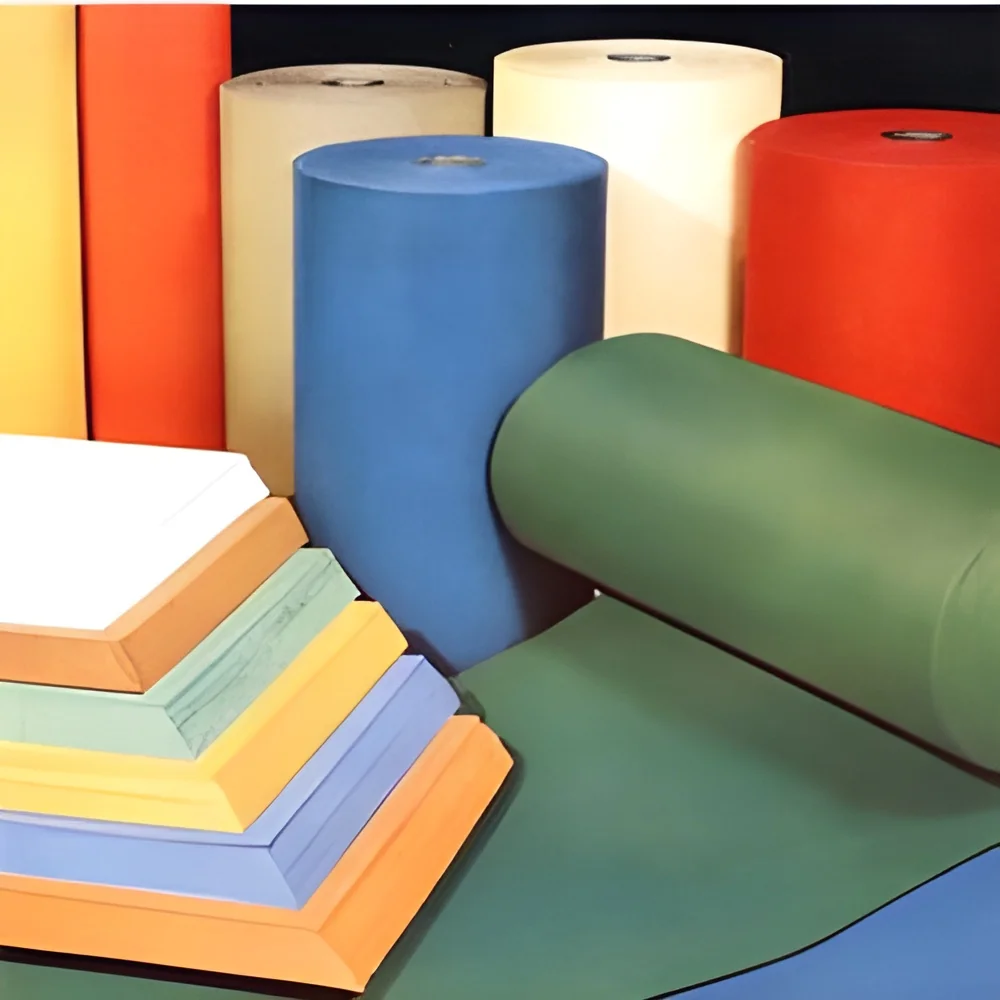
What are Paper Dyes?
Paper dyes are coloring agents specifically designed for the paper industry. They are used to impart a wide range of colors to various paper products, enhancing their aesthetic appeal and functionality. These dyes can be either synthetic or natural, depending on the desired application and the properties required by manufacturers. The chemical composition of paper dyes allows them to bond effectively with cellulose fibers, ensuring that colors remain vibrant and consistent throughout the product's lifecycle.
The primary uses of paper dyes include coloring writing paper, packaging materials, and specialty papers. In the B2B context, manufacturers often rely on these dyes to create products that meet specific customer requirements. For instance, in the packaging sector, vibrant colors can help brands stand out on store shelves. Additionally, paper dyes are essential in producing eco-friendly paper products, with many businesses seeking sustainable options that align with environmental regulations.
The market for paper dyes is influenced by several factors, including technological advancements, consumer preferences for quality and sustainability, and regulatory changes. As industries continue to evolve, the demand for high-quality paper dyes that meet both aesthetic and functional needs is expected to grow. This positions paper dyes as a critical component in the supply chain of various paper-based products.
Key Features and Specifications
Paper dyes come with various features and specifications that cater to the diverse needs of manufacturers. Understanding these specifications is vital for businesses looking to source the right products.
Key specifications include:
1. Color Fastness
- Resistance to fading when exposed to light, heat, or washing.
- Typically rated on a scale from 1 to 8, with higher values indicating better performance.
2. Solubility
- The ability of the dye to dissolve in water or solvents.
- Solubility can vary from fully soluble to partially soluble, impacting application methods.
3. Application Method
- Different dyes may be suited for various application techniques, such as dip dyeing, spray application, or printing.
- Compatibility with existing production processes is crucial.
4. pH Stability
- The stability of the dye in different pH environments.
- Important for maintaining color integrity during processing.
5. Viscosity
- Measurement of the dye's thickness, which can affect application techniques.
- Typically measured in centipoise (cP).
6. Safety Considerations
- Compliance with safety regulations and standards such as CE certification.
- Important for ensuring safe handling and use in manufacturing environments.
7. Environmental Impact
- Assessment of the dye’s biodegradability and impact on the environment.
- Increasingly significant as businesses seek sustainable solutions.
In summary, selecting the right paper dye involves understanding these specifications to ensure compatibility with production processes and compliance with industry standards.
Common Applications and Use Cases
Paper dyes are utilized across various industries, each with specific applications that leverage the unique properties of these coloring agents.
1. Packaging Industry: Paper dyes are used to create vibrant packaging materials that attract consumers. This includes colored boxes, bags, and labels that enhance product visibility.
2. Printing Industry: In the printing sector, dyes are used to color inks for various printed materials. They ensure high-quality, consistent colors for books, magazines, and promotional materials.
3. Stationery Production: Manufacturers of writing paper and notebooks rely on paper dyes to produce aesthetically pleasing products. These dyes contribute to the overall quality and appeal of stationery items.
4. Art and Craft Supplies: Paper dyes are popular in the arts and crafts sector, where they are used to color paper for scrapbooking, card making, and other creative projects.
5. Specialty Papers: Industries producing specialty papers, such as filter paper or medical-grade paper, use specific dyes that meet stringent performance and safety requirements.
6. Eco-friendly Products: As sustainability becomes a priority, manufacturers seek paper dyes that are non-toxic and biodegradable, ensuring minimal environmental impact.
By understanding the various applications, businesses can better identify how paper dyes can meet their specific needs.
Product Variants and Subcategories
Paper dyes come in a variety of formulations to suit different applications and processes. While specific subcategories are not available, it is essential to recognize the diversity within this product line.
Liquid Dyes: These dyes are easily soluble and can be mixed with solvents or water. They are ideal for applications requiring quick absorption and even color distribution.
Powder Dyes: Often used in bulk applications, powder dyes provide flexibility in formulations. They can be mixed with various mediums to achieve desired colors and effects.
Concentrated Dyes: These highly concentrated dyes are designed for industries requiring intense colors with minimal usage. They are cost-effective and efficient for large-scale production.
Benefits and Advantages
Sourcing quality paper dyes offers numerous benefits to manufacturers and businesses in the paper industry.
1. Enhanced Product Appeal: Paper dyes improve the visual quality of products, making them more attractive to consumers. Bright colors can significantly influence purchasing decisions.
2. Customization Options: With a wide range of colors and formulations available, businesses can customize their products to meet specific branding and design requirements.
3. Improved Performance: High-quality dyes ensure that colors remain vibrant and consistent throughout the product's use, enhancing overall product reliability.
4. Sustainability: Many modern paper dyes are designed to be eco-friendly, allowing businesses to align with sustainability goals and meet regulatory standards.
5. Versatility: Paper dyes can be used in various applications and industries, making them suitable for multiple product lines and customer needs.
6. Cost-Effectiveness: By selecting the right dyes, businesses can optimize their production processes and reduce waste, leading to lower operational costs.
Buying Guide for B2B Buyers
When sourcing paper dyes, it is essential for B2B buyers to consider several key factors to ensure they make informed purchasing decisions.
1. Quality Assessment: Evaluate the quality of dyes by reviewing technical data sheets and performance reports. Look for color fastness, solubility, and safety certifications to ensure product reliability.
2. Supplier Verification: Vet potential suppliers by checking their industry reputation, certifications, and customer reviews. Establishing a relationship with reliable suppliers is crucial for consistent quality.
3. Pricing and MOQ: Understand the pricing structure and minimum order quantities (MOQ) to align with budget constraints and production needs. Compare quotes from multiple suppliers to find the best value.
4. Delivery and Lead Times: Assess suppliers' delivery capabilities and lead times to ensure timely production schedules. Having a reliable supply chain is vital for meeting customer demands.
5. Compliance Requirements: Be aware of regional compliance and safety regulations for paper dyes. Ensuring that products meet these standards is essential for avoiding potential legal issues.
Compliance and Certifications
Compliance with industry standards and certifications is crucial in the paper dye market.
Many paper dyes adhere to quality standards such as ISO 9001, which focuses on quality management systems. This certification ensures that products meet customer and regulatory requirements consistently.
CE certification is another important aspect, particularly for products sold in European markets. This certification indicates that the dye meets safety and environmental standards, providing assurance for users.
Safety and testing requirements also play a significant role in the paper dye industry. Ensuring that dyes are non-toxic and safe for use in various applications is vital for protecting both consumers and the environment.
Additionally, regional compliance considerations may vary. It is essential for businesses to stay informed about specific regulations in their target markets to ensure compliance.
Why Source Paper Dyes from Pepagora?
Pepagora offers a trusted platform for sourcing paper dyes, providing several key advantages for B2B buyers.
Verified Supplier Network: Pepagora features a network of verified suppliers, ensuring that buyers can access high-quality products from reputable manufacturers. This network helps businesses avoid risks associated with sourcing from unknown suppliers.
Streamlined RFQ Process: The platform simplifies the request for quotation (RFQ) process, allowing buyers to easily compare offers from different suppliers. This efficiency saves time and helps buyers make informed decisions quickly.
Trade Assurance and Support: Pepagora provides trade assurance and buyer protection, ensuring that transactions are secure. This support facilitates a smooth purchasing experience, giving buyers peace of mind.
Regional Coverage: With a strong geographic reach in India, the GCC, and Southeast Asia, Pepagora connects buyers with suppliers across these regions. This extensive coverage allows businesses to find the right products tailored to their specific needs.

 IN
IN