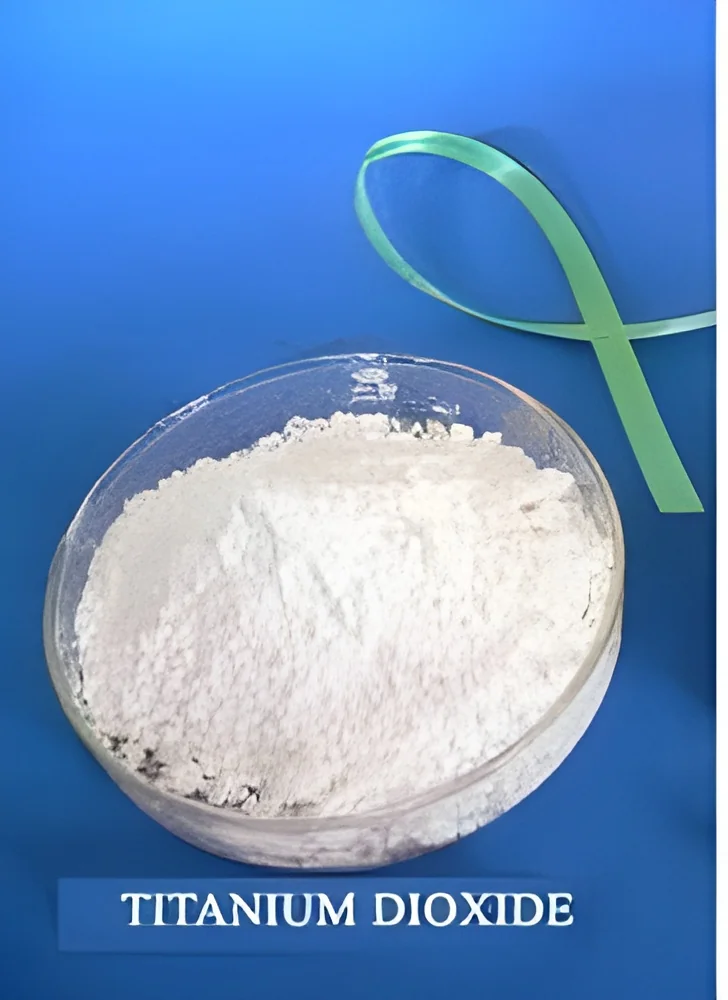
What are Titanium Dioxide?
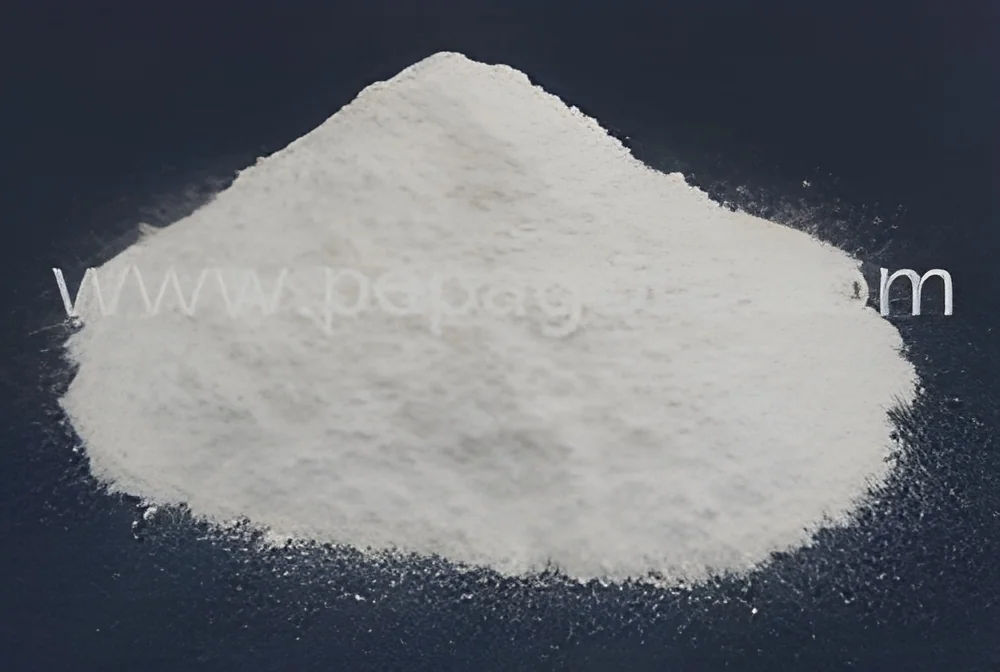
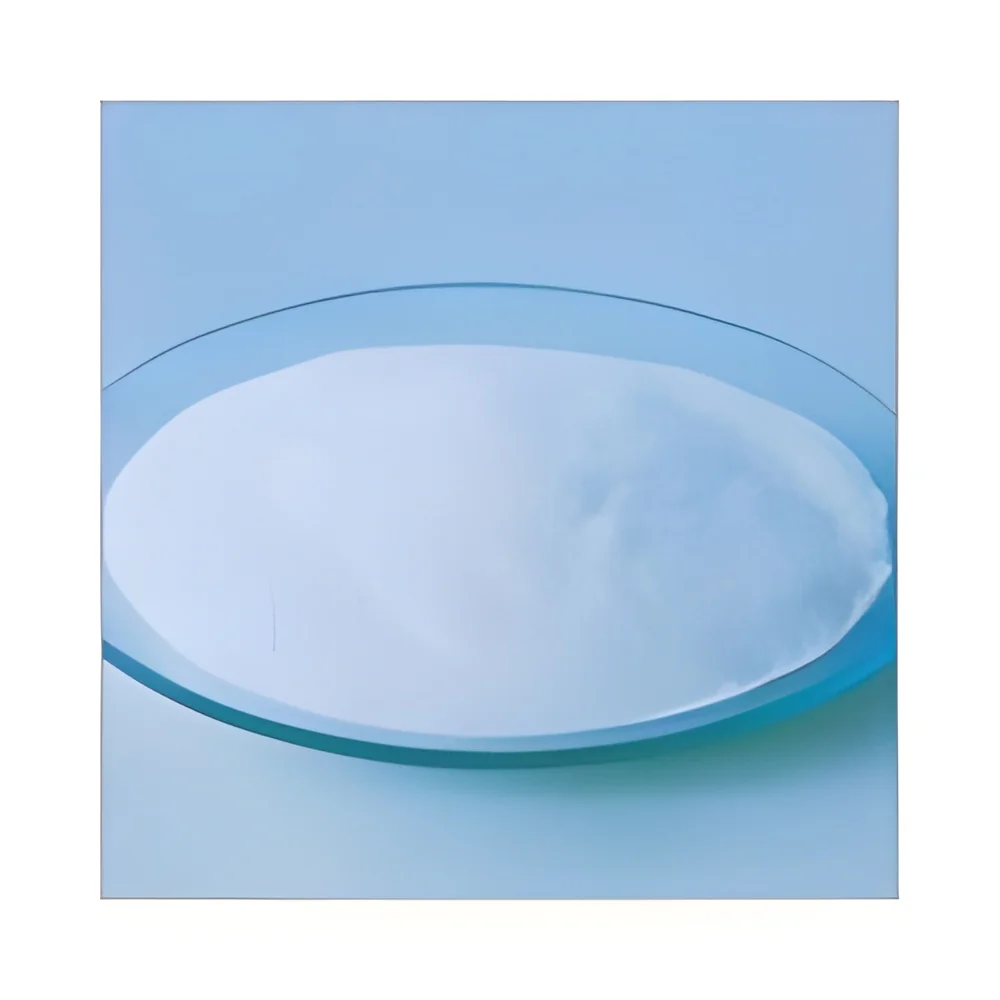
Titanium Dioxide (TiO2) is a white, inorganic compound known for its high refractive index and excellent opacity. It is widely utilized as a pigment due to its bright whiteness and ability to scatter light. This compound is produced primarily through two processes: the sulfate process and the chloride process. Each method results in different grades of Titanium Dioxide, which varies in purity and particle size.
Titanium Dioxide has a diverse range of applications across multiple industries. It is predominantly used in paints, coatings, plastics, and paper as a pigment to enhance brightness and durability. Additionally, it plays a significant role in the cosmetic industry as a UV filter in sunscreens. The market for Titanium Dioxide has seen steady growth due to increasing demand in construction, automotive, and consumer goods. Companies are focusing on innovations to improve performance and reduce environmental impact, making it a vital substance in modern manufacturing.
Key Features and Specifications
Titanium Dioxide is characterized by several key features that make it suitable for various applications. These specifications are important for industries looking to utilize this compound effectively.
Key specifications include:
1. Purity
- A measure of the Titanium Dioxide content
- Typically ranges from 85% to 99%
2. Particle Size
- Refers to the diameter of the Titanium Dioxide particles
- Ranges from 100 nm to 400 nm
3. Refractive Index
- Indicates the degree to which the material bends light
- Approximately 2.7 to 2.9
4. Oil Absorption
- The amount of oil required to cover a given weight of pigment
- Typically between 15 g/100g to 25 g/100g
5. Bulk Density
- The mass of Titanium Dioxide per unit volume
- Generally ranges from 0.5 g/cm³ to 0.9 g/cm³
6. pH Level
- Indicates the acidity or alkalinity of the product
- Usually falls between 6 and 8
7. Oil Content
- Refers to the residual oil after processing
- Usually less than 1%
8. Color Value
- Measured by the whiteness and brightness of the product
- Typically has a color value higher than 95%
In summary, understanding these specifications is crucial for companies to select the right grade of Titanium Dioxide for their specific applications.
Common Applications and Use Cases
Titanium Dioxide is utilized across various industries, demonstrating its versatility.
1. Paints and Coatings: Titanium Dioxide is a primary pigment in the production of paints, providing excellent coverage and durability.
2. Plastics: In the plastics industry, it enhances opacity and brightness in products such as containers and packaging.
3. Paper: It is used in the paper industry to improve brightness and print quality, making it a vital component in high-quality paper products.
4. Cosmetics: Titanium Dioxide serves as a key ingredient in sunscreens and makeup, acting as a UV filter to protect the skin.
5. Food Industry: It is occasionally used as a food coloring agent, providing a bright white color to products.
6. Pharmaceuticals: In the pharmaceutical sector, it is used as a pigment in tablets and capsules, improving both aesthetics and performance.
7. Rubber: It enhances the durability and longevity of rubber products, making it essential in tire manufacturing.
Product Variants and Subcategories
Titanium Dioxide comes in various forms to cater to different industrial needs.
Rutile Titanium Dioxide
This variant is known for its superior opacity and brightness. It is widely used in coatings and plastics due to its excellent light scattering properties.
Anatase Titanium Dioxide
Anatase has a lower refractive index and is often used in applications requiring less opacity. It is commonly found in photocatalytic applications and some specialized plastics.
Benefits and Advantages
Sourcing Titanium Dioxide offers several advantages for businesses.
1. High Opacity: Titanium Dioxide provides exceptional coverage and brightness, making it ideal for paints and coatings.
2. UV Protection: In cosmetics and sunscreens, it acts as a reliable UV filter, protecting skin from harmful rays.
3. Chemical Stability: Its stability ensures long-lasting performance in various applications, reducing the need for frequent replacements.
4. Non-Toxic: Generally regarded as safe, Titanium Dioxide is widely accepted in food and cosmetic industries.
5. Versatile Applications: Its adaptability across industries means it can serve multiple functions, simplifying sourcing for companies.
6. Cost-Effectiveness: Due to its efficiency, Titanium Dioxide can reduce overall production costs in manufacturing processes.
Buying Guide for B2B Buyers
When sourcing Titanium Dioxide, it is essential to consider several key factors to ensure quality and compliance.
1. Quality Assessment: Evaluate the purity and specifications of Titanium Dioxide to meet your application needs. Request samples and conduct tests to verify quality.
2. Supplier Verification: Vet suppliers by checking their certifications and industry reputation. Look for those who have a proven track record in supplying quality materials.
3. Pricing and MOQ: Understand the cost per unit and minimum order quantities to assess budget requirements. Consider bulk purchasing for cost savings.
4. Delivery and Lead Times: Confirm delivery schedules and lead times to ensure timely project completion. Discuss logistics arrangements early in the negotiation process.
5. Compliance Requirements: Ensure that the Titanium Dioxide meets relevant regulations and quality standards for your industry, including safety certifications.
Compliance and Certifications
Titanium Dioxide must adhere to various quality standards and regulations to ensure its safe and effective use across industries.
Relevant quality standards such as ISO 9001 ensure that manufacturers maintain consistent quality in their products. Compliance with Hazard Analysis Critical Control Point (HACCP) protocols is crucial for food-grade applications, ensuring that the product is safe for consumption.
In addition, obtaining certifications like CE signifies that the product meets European safety standards. These certifications play an essential role in facilitating international trade and ensuring that products are safe for end-users.
Safety and testing requirements are also imperative. Regular testing for heavy metals and contaminants is often necessary to comply with industry regulations. Furthermore, awareness of regional compliance considerations is vital, as different countries may have varying regulations regarding the use and labeling of Titanium Dioxide.
Why Source Titanium Dioxide from Pepagora?
Pepagora offers a reliable platform for sourcing Titanium Dioxide, providing several key advantages for B2B buyers.
Verified Supplier Network: Pepagora collaborates with a comprehensive network of verified suppliers to ensure that buyers receive only high-quality products. This network is essential for maintaining product integrity and safety.
Streamlined RFQ Process: The request for quotation (RFQ) process on Pepagora is designed to be efficient and user-friendly. Buyers can quickly obtain quotes from multiple suppliers, making it easier to compare prices and specifications.
Trade Assurance and Support: Pepagora prioritizes buyer protection through trade assurance features that safeguard transactions. This support helps buyers feel confident in their sourcing decisions.
Regional Coverage: Pepagora's operations extend across India, the GCC, and Southeast Asia, providing extensive regional coverage. This allows businesses in these areas to access Titanium Dioxide conveniently while benefiting from localized support and services.

 IN
IN