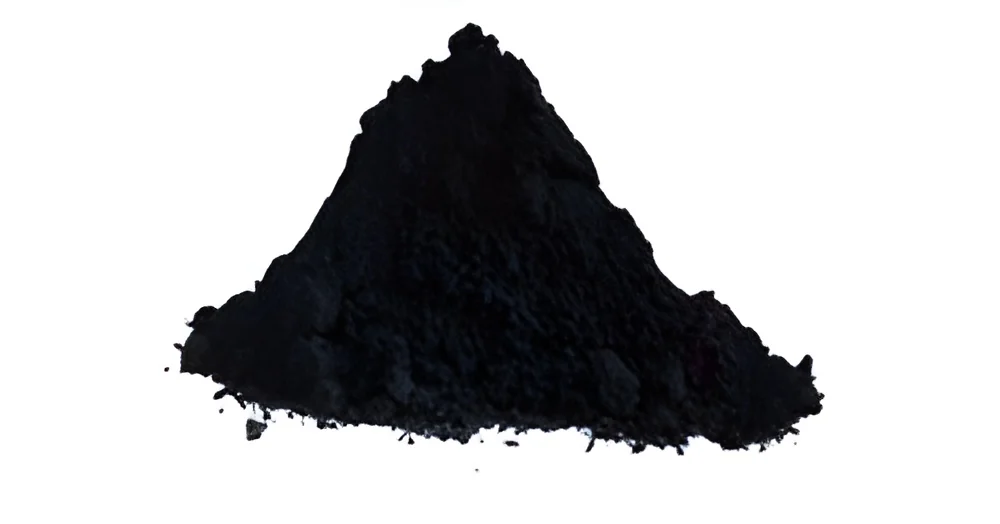
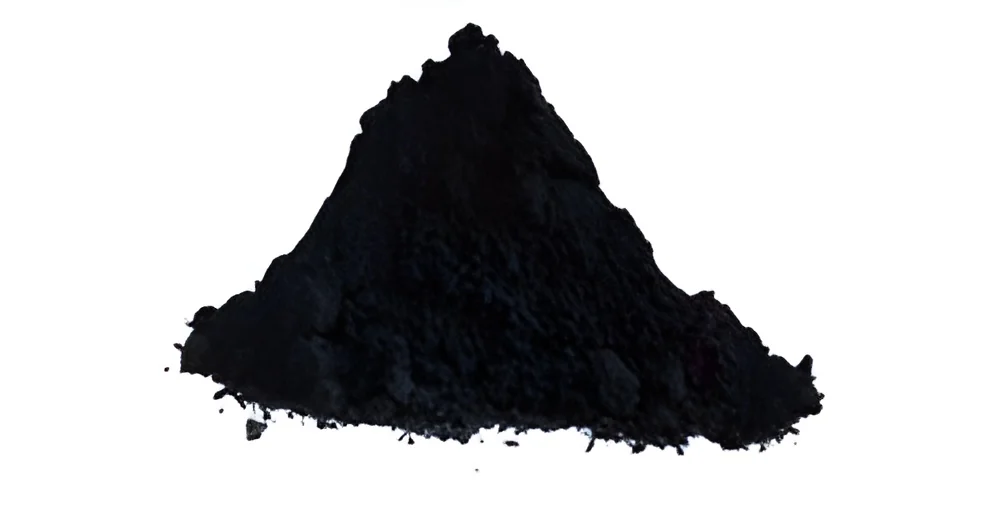
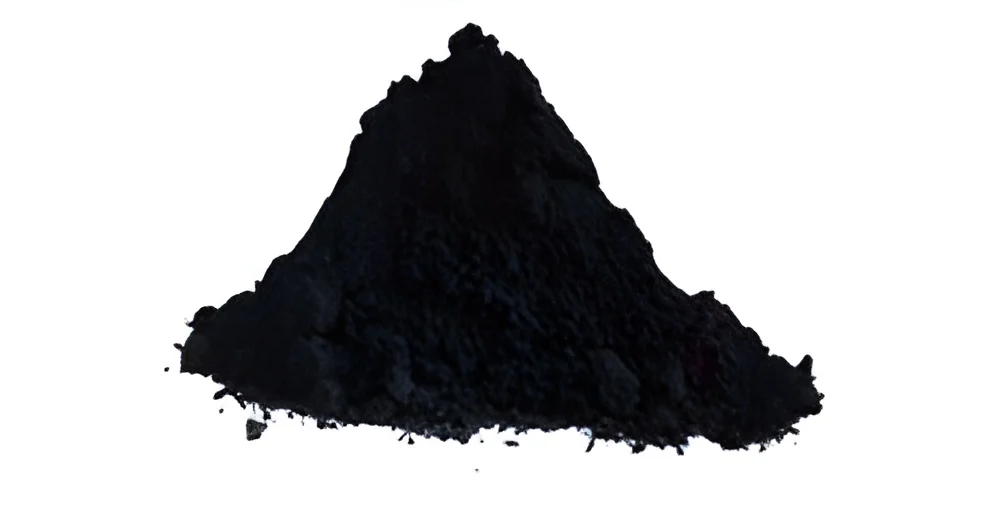
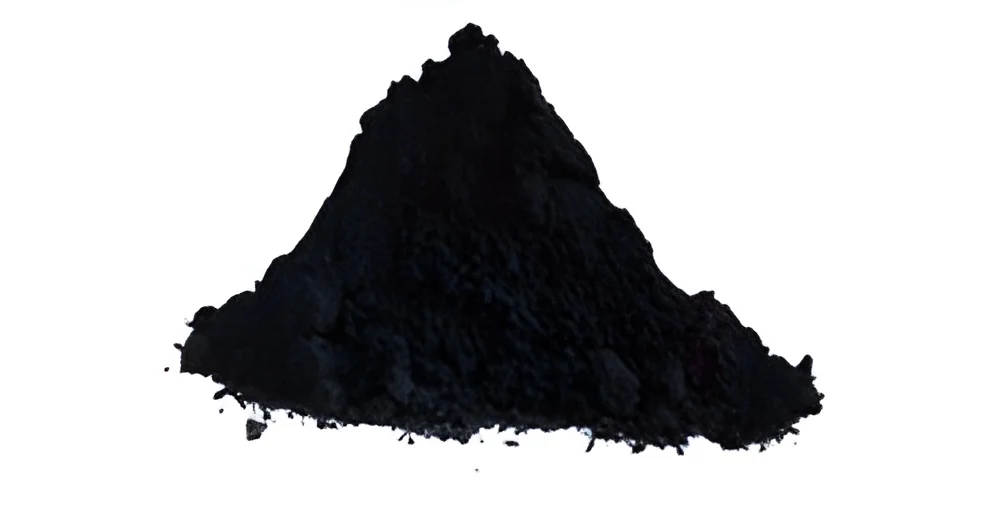
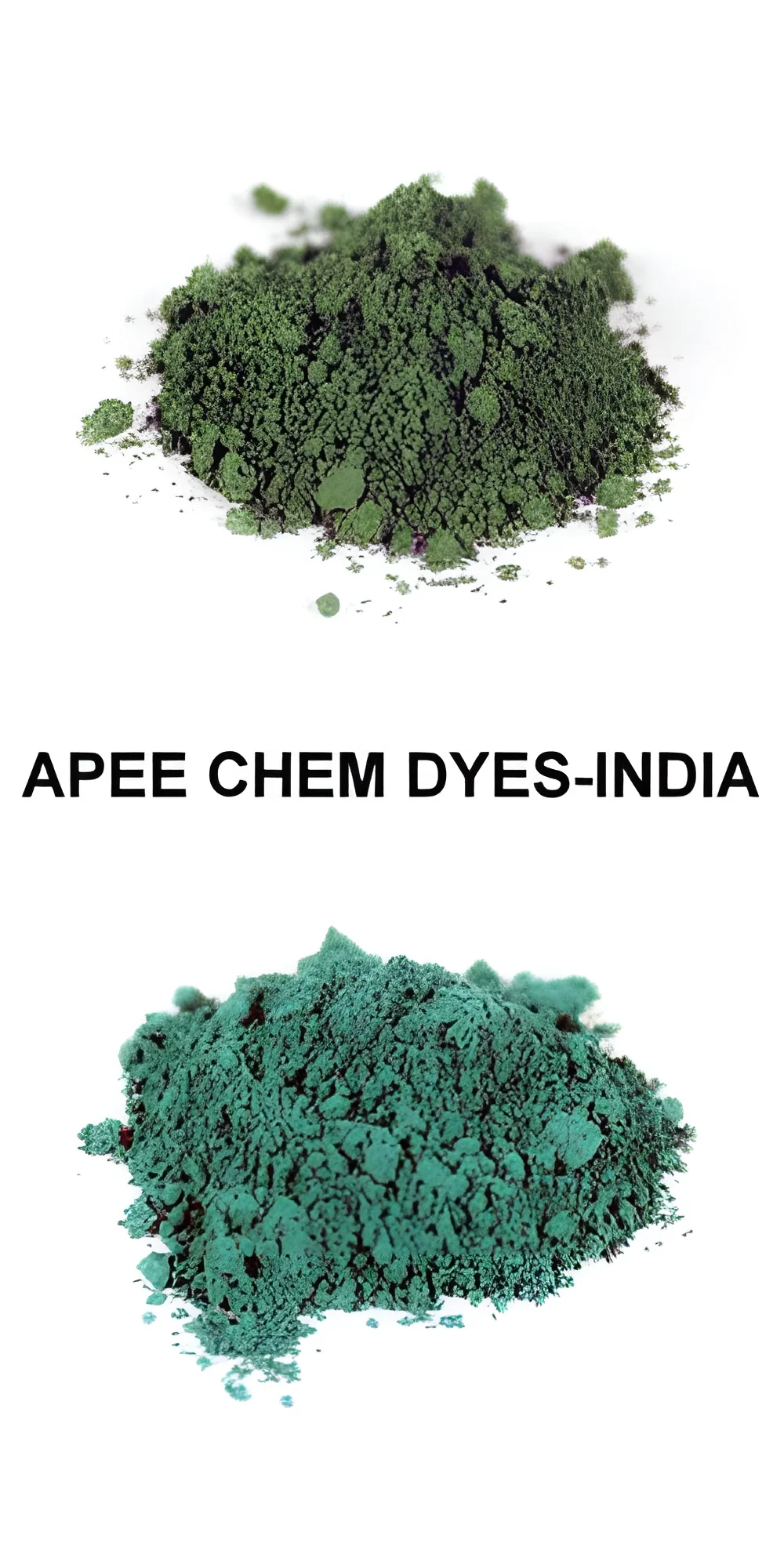
What are Pigment Powders?
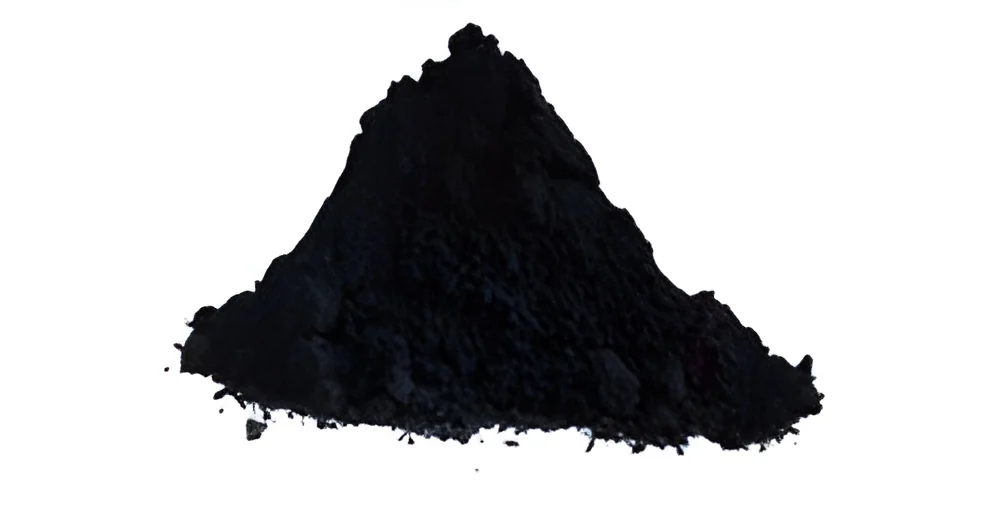
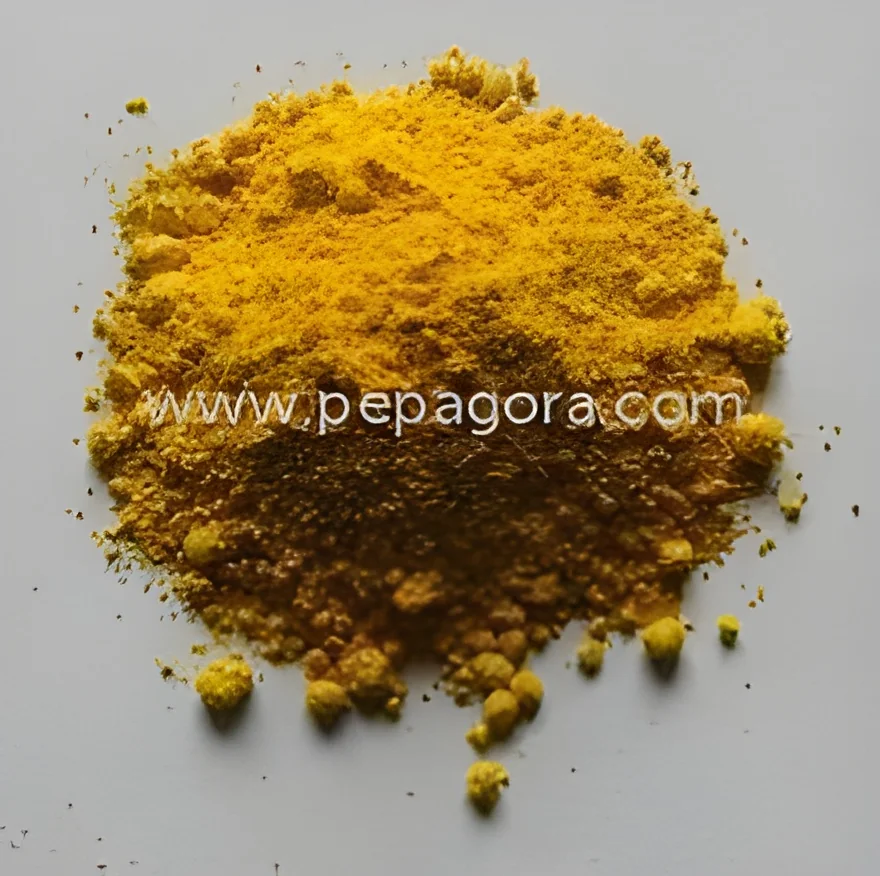
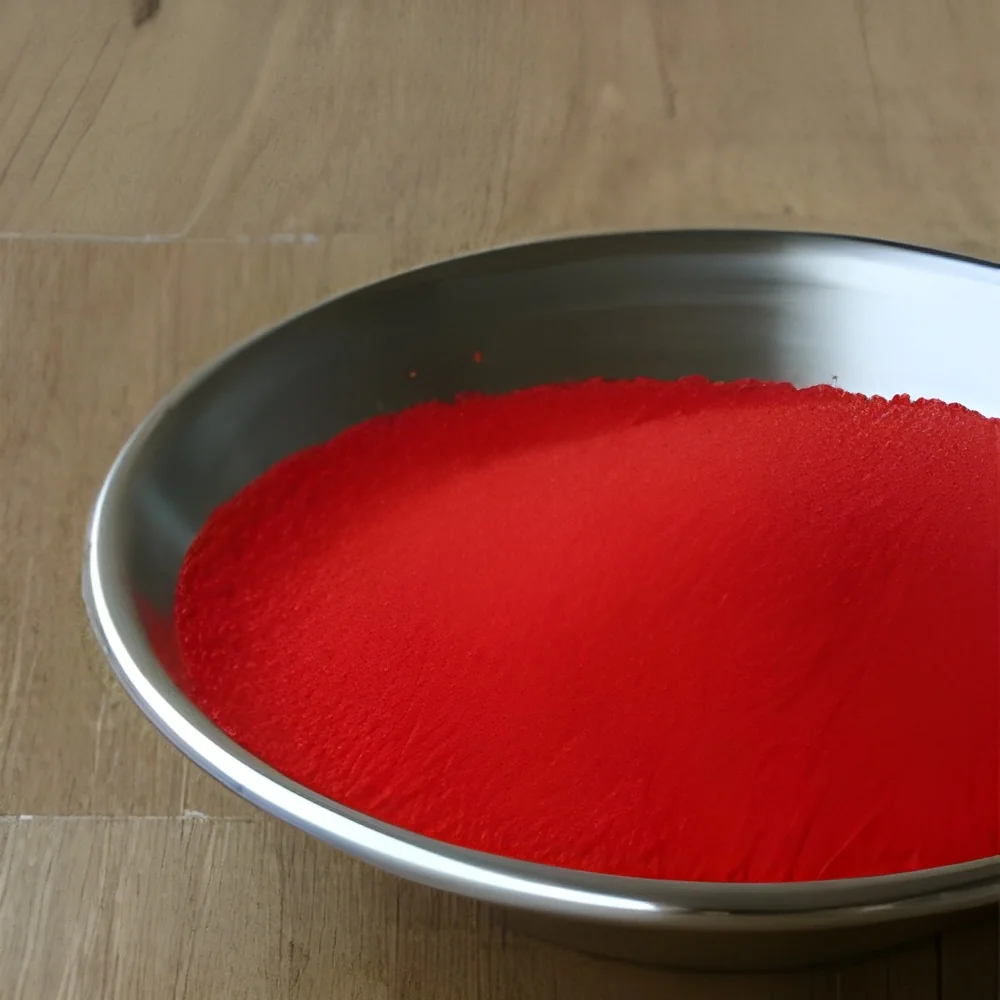
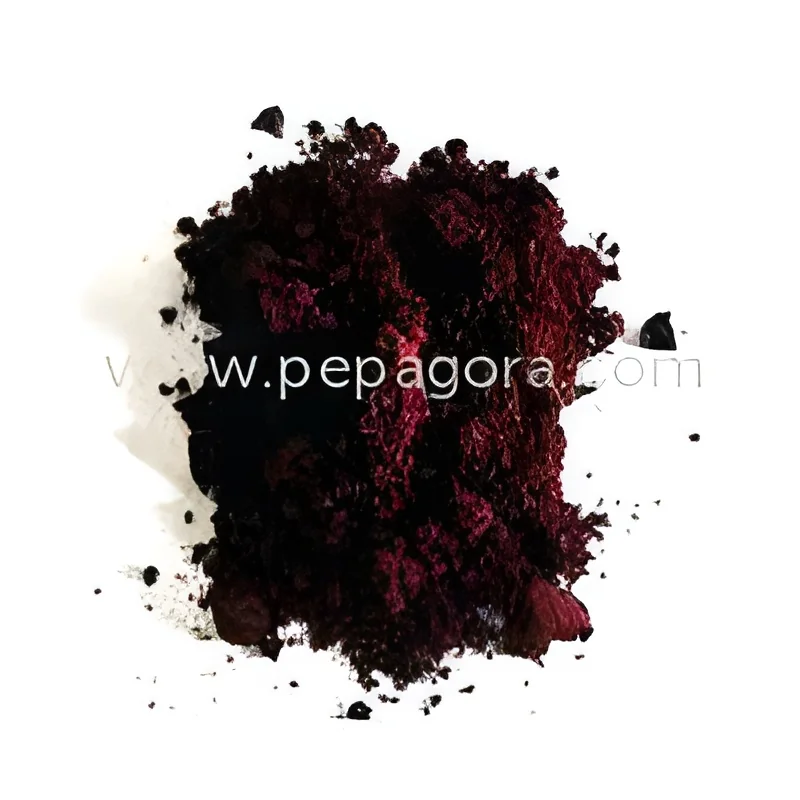
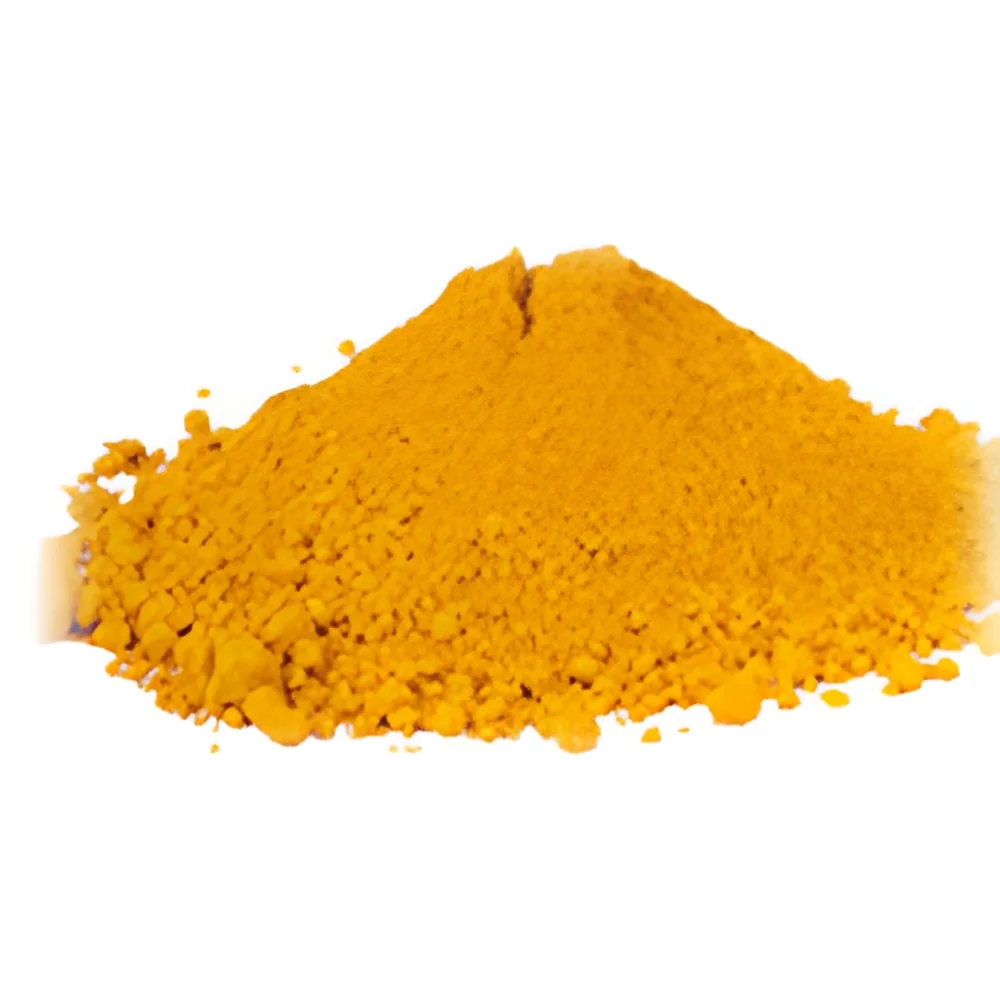
Pigment powders are finely ground materials used to impart color to various substances. They are typically composed of inorganic or organic compounds that can provide a wide range of shades and hues. These powders are used in many industries, including coatings, plastics, cosmetics, and construction. The unique properties of pigment powders allow them to be mixed with different carriers and mediums, making them versatile for multiple applications.
The primary uses of pigment powders include coloring paints, inks, and plastics, as well as enhancing the aesthetic appeal of consumer products. In the construction industry, pigment powders are used in concrete and paving materials to achieve desired color effects. Additionally, they play a significant role in the cosmetics industry, where they are used to create various makeup products. Understanding the market context, the demand for high-quality pigment powders continues to grow, driven by advancements in technology and an increasing focus on sustainability across industries.
Key Features and Specifications
Pigment powders possess several key features that make them suitable for various applications. Their specifications can influence the performance and quality of the final product.
Key specifications include:
1. Color Strength
- Indicates the intensity of the color produced by the pigment.
- Measured in terms of tinting strength or chromaticity.
2. Particle Size
- Refers to the fineness of the pigment powder.
- Typically measured in microns, affecting dispersion and opacity.
3. Lightfastness
- Describes the pigment's resistance to fading when exposed to light.
- Rated on a scale, with higher ratings indicating better performance.
4. Weather Resistance
- Evaluates the pigment's ability to withstand environmental conditions.
- Important for outdoor applications to prevent degradation.
5. Chemical Resistance
- Measures the pigment's stability when exposed to various chemicals.
- Essential for applications in aggressive environments.
6. Solubility
- Indicates how well the pigment can dissolve in a given medium.
- Impacts the ease of use in specific formulations.
7. Toxicity and Safety
- Refers to the health and safety profile of the pigment.
- Compliance with safety regulations is crucial for user safety.
8. Regulatory Compliance
- Addresses adherence to industry standards and certifications.
- Important for ensuring product quality and safety.
In summary, understanding these specifications is vital for businesses to select the right pigment powders for their applications and maintain the desired quality in end products.
Common Applications and Use Cases
Pigment powders serve various industries, providing essential color solutions.
1. Coatings and Paints: Pigment powders are integral to the production of paints and coatings, enabling a wide range of colors and finishes for residential and industrial use.
2. Plastics: In the plastics industry, pigment powders are used to color plastic products, ensuring vibrant and consistent hues that meet consumer expectations.
3. Cosmetics: The cosmetics sector utilizes pigment powders in products such as foundations, eyeshadows, and lipsticks, where color quality and safety are paramount.
4. Construction: In construction, pigment powders are added to concrete and masonry products to enhance aesthetic appeal while providing durability against weathering.
5. Inks: The printing industry relies on pigment powders for inks, ensuring high-quality prints with excellent color reproduction and stability.
6. Textiles: Pigment powders are used in dyeing processes for textiles, allowing for vivid colors and patterns that withstand washing and light exposure.
7. Food Industry: Certain food-grade pigment powders are used to color food products, enhancing visual appeal while ensuring safety and compliance with regulations.
Product Variants and Subcategories
Pigment powders come in various forms and formulations, catering to different industry needs.
Organic Pigment Powders: These are derived from natural sources and are known for their bright colors and environmental friendliness. They are commonly used in cosmetics and art supplies.
Inorganic Pigment Powders: Made from mineral sources, these pigments are valued for their durability and resistance to fading. They are widely used in paints, coatings, and construction materials.
Specialty Pigments: These include effects pigments that provide unique optical properties, such as pearlescent or metallic finishes. They are often used in high-end cosmetics and decorative coatings.
Color Matching Pigments: These pigments are designed for specific applications, ensuring that the color matches existing products or standards. They are essential in industries that require consistency in color.
Benefits and Advantages
Pigment powders offer numerous benefits that make them valuable in various applications.
1. Versatility: Pigment powders can be used across different industries, from coatings to cosmetics, providing flexibility in usage.
2. Color Range: They provide a vast spectrum of colors, allowing businesses to meet diverse customer preferences.
3. Durability: Many pigment powders are resistant to fading, weathering, and chemical exposure, ensuring long-lasting color performance.
4. Customization: Pigment powders can often be tailored to meet specific formulation needs, enhancing the final product's quality.
5. Environmental Compliance: Many pigment powders are formulated to meet environmental regulations, making them suitable for eco-conscious brands.
6. Cost-Effectiveness: With the right selection, pigment powders can enhance product quality without significantly increasing production costs.
Buying Guide for B2B Buyers
When sourcing pigment powders, it is essential to consider various factors that can impact your purchasing decision.
1. Quality Assessment: Evaluate the quality of pigment powders based on color strength, lightfastness, and compliance with industry standards. Testing samples can provide insights into their performance.
2. Supplier Verification: Choose suppliers with a proven track record and positive reviews. Verify their certifications and quality control processes to ensure reliability.
3. Pricing and MOQ: Understand the pricing structure and minimum order quantities (MOQs) offered by suppliers. This helps in budgeting and ensures you meet your production needs.
4. Delivery and Lead Times: Consider the logistics of sourcing pigment powders, including delivery times and shipping options. Timely delivery is crucial for maintaining production schedules.
5. Compliance Requirements: Ensure that the pigment powders meet relevant regulatory standards and safety requirements. This is essential for industries like cosmetics and food, where compliance is critical.
Compliance and Certifications
Pigment powders must adhere to various quality standards and certifications to ensure safety and performance.
ISO 9001: This certification indicates that the manufacturer follows a quality management system, ensuring consistent quality in production processes.
CE Certification: This demonstrates that the pigment powders meet European safety and health requirements, allowing them to be marketed in the European Economic Area.
Safety and Testing Requirements: Manufacturers must conduct safety assessments and tests to ensure that pigment powders do not pose health risks to consumers or users. This includes toxicological evaluations and stability tests.
Regional Compliance Considerations: Depending on the market, specific regulations may apply to pigment powders, including environmental and safety standards. Buyers should be aware of local compliance requirements to avoid legal issues.
Why Source Pigment Powders from Pepagora?
Pepagora provides a trusted platform for sourcing pigment powders with several key advantages that benefit B2B buyers.
Verified Supplier Network: Pepagora ensures that all suppliers in its network are thoroughly vetted for quality and reliability. This builds confidence in sourcing decisions.
Streamlined RFQ Process: The request for quotation process is simplified, allowing buyers to obtain competitive quotes from multiple suppliers quickly. This efficiency can save time and resources.
Trade Assurance and Support: Pepagora offers trade assurance measures, providing protection for buyers in case of disputes. Additionally, dedicated support personnel are available to assist with inquiries and issues.
Regional Coverage: With a strong presence in India, the GCC, and Southeast Asia, Pepagora connects buyers with suppliers across these regions. This geographic reach enhances sourcing options and facilitates smoother transactions.

 IN
IN