
 IN
Metallic Pigments
9 products available
What are Metallic Pigments?
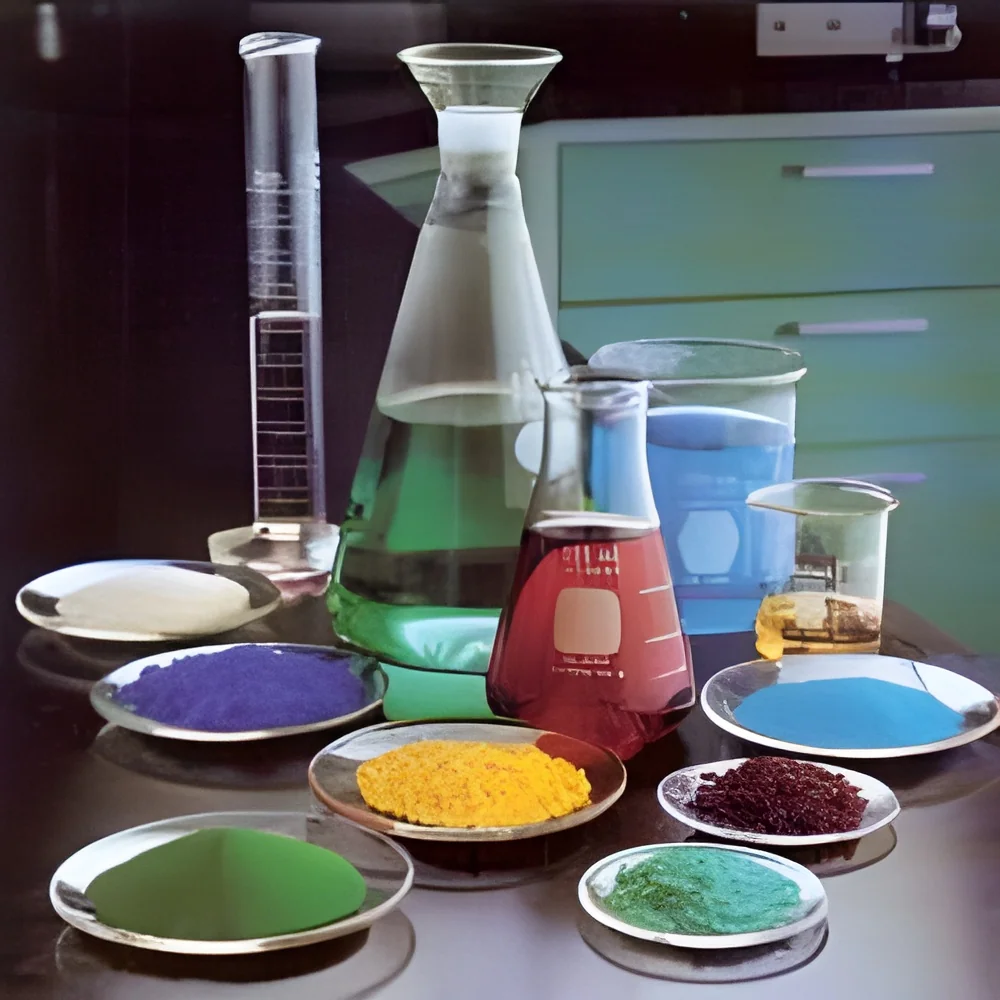
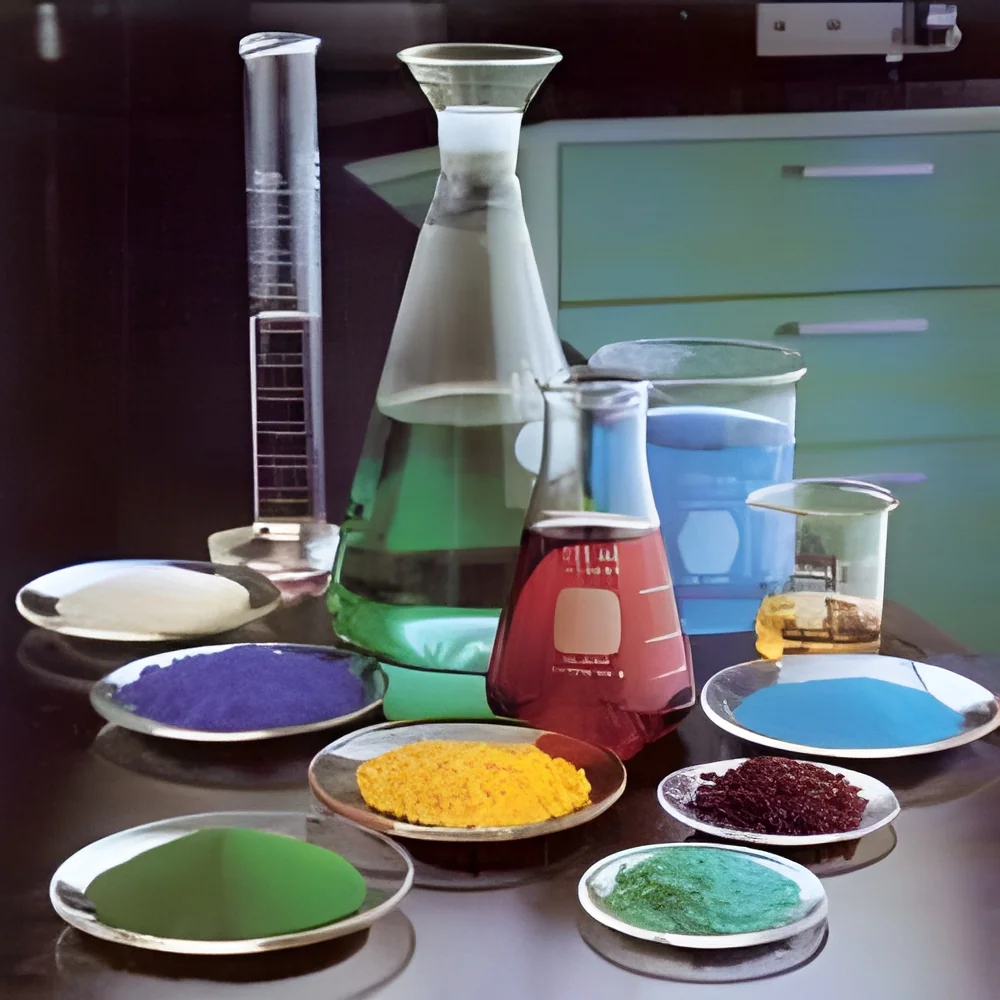
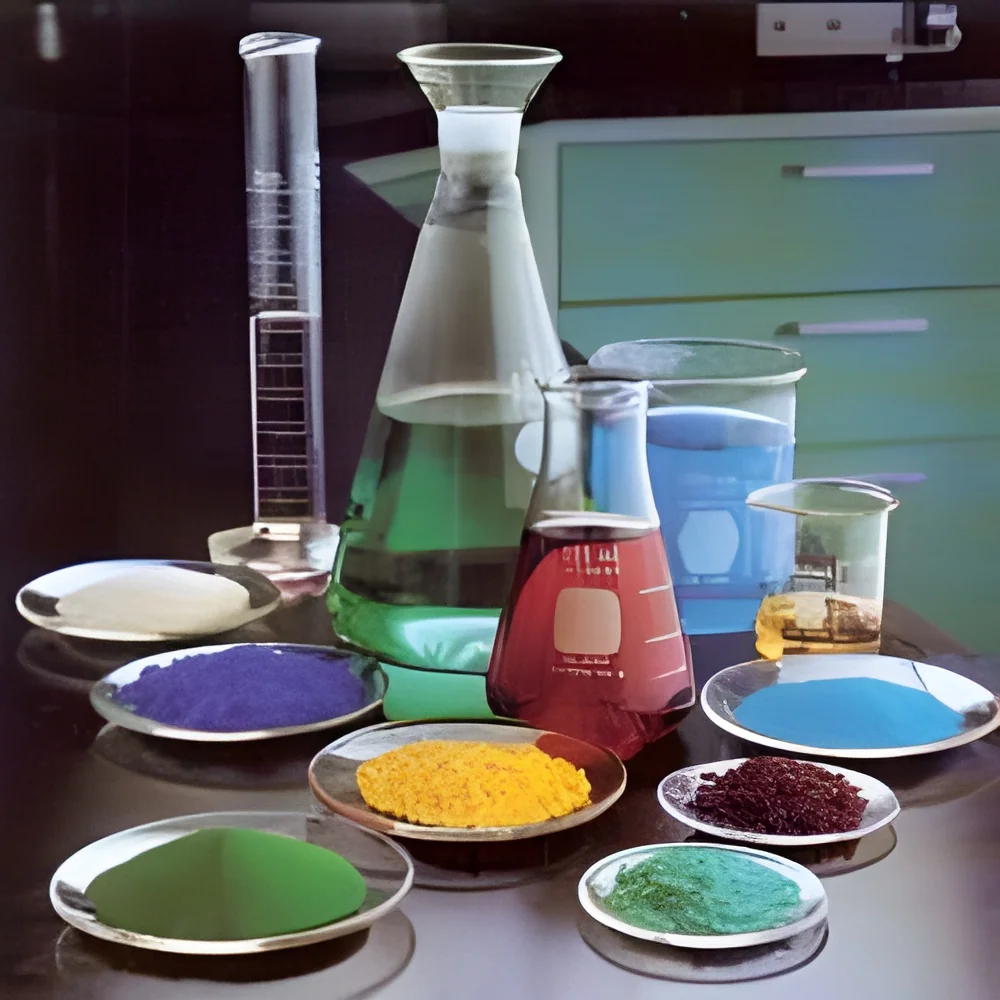
Metallic pigments are fine particles that impart a metallic sheen to various materials, enhancing their aesthetic appeal. These pigments can be made from a variety of metals or metal alloys and are often used to create a reflective finish in coatings, plastics, and other substrates. The unique properties of metallic pigments, such as their ability to reflect light and create depth, make them a popular choice in many industrial applications.
Primarily, metallic pigments find their use in industries such as automotive, cosmetics, and packaging. In automotive applications, for example, they are used to create vibrant paint finishes that not only look attractive but also provide durability. In the cosmetics industry, metallic pigments are utilized in products like eyeshadows and nail polishes to provide a shimmer effect. The growing demand for innovative and high-quality finishes in various applications has led to a significant increase in the use of metallic pigments across numerous sectors.
As the market for metallic pigments continues to expand, manufacturers are focusing on developing advanced formulations that enhance performance while meeting environmental standards. This trend reflects the increasing relevance of metallic pigments in modern manufacturing processes, where aesthetics and functionality are equally valued.
Key Features and Specifications
Metallic pigments are characterized by a range of features that make them suitable for various applications. Understanding these specifications can help businesses choose the right products for their needs.
Key specifications include:
1. Particle Size
- Typically ranges from 10 to 50 microns
- Influences the finish and appearance in applications
2. Color Variation
- Available in various colors including gold, silver, copper, and custom hues
- Allows for creative flexibility in product design
3. Light Reflectance
- High reflectance properties enhance visual effects
- Ideal for applications requiring a metallic finish
4. Chemical Resistance
- Resistant to many solvents and chemicals
- Ensures durability in harsh environments
5. Application Method
- Can be used in various forms such as dry powder or liquid dispersions
- Compatible with different application techniques
6. Density
- Varies based on pigment type, typically between 2.5 to 6.0 g/cm3
- Important for formulation calculations
7. Shelf Life
- Generally ranges from 12 to 24 months when stored properly
- Affects inventory management and product usability
In summary, selecting metallic pigments requires careful consideration of these specifications to ensure compatibility with specific industrial applications.
Common Applications and Use Cases
Metallic pigments are versatile and find applications in numerous industries.
1. Automotive Industry: Used in automotive paints and coatings to create visually appealing finishes that withstand environmental exposure.
2. Cosmetics Industry: Incorporated into makeup products such as lipsticks and eye shadows to provide a shimmering effect that enhances beauty.
3. Packaging Industry: Utilized in printing inks and coatings to enhance the visual appeal of packaging materials, making products stand out on shelves.
4. Construction Industry: Employed in decorative paints and coatings for architectural elements, adding aesthetic value while providing protection.
5. Electronics Industry: Used in the production of various electronic components to improve thermal and electrical properties.
6. Textiles Industry: Applied in textile coatings and finishes to achieve metallic effects on fabrics, enhancing fashion and design.
7. Arts and Crafts: Popular in DIY projects and art supplies, providing enthusiasts with a way to enhance their creations with metallic finishes.
Product Variants and Subcategories
Metallic pigments come in various types and formulations to cater to different applications.
Aluminum Pigments
These pigments are widely used in coatings and inks, providing high reflectivity and a brilliant metallic finish. They are especially favored in automotive and industrial applications for their durability.
Copper Pigments
Copper pigments add a unique reddish metallic finish and are often used in artistic applications and specialty coatings. They provide a warm tone that enhances the visual appeal of products.
Gold Pigments
These pigments mimic the appearance of gold and are used in luxury items, cosmetics, and high-end packaging. They offer a rich, elegant finish that adds value to the final product.
Silver Pigments
Popular in both industrial and cosmetic applications, silver pigments provide a classic metallic look. They are versatile and can be used in a range of formulations.
Benefits and Advantages
Metallic pigments provide numerous advantages for businesses looking to enhance their products.
1. Aesthetic Appeal: Metallic pigments create visually striking finishes that attract consumer attention and enhance product value.
2. Versatility: These pigments can be used in a wide range of applications across various industries, making them highly adaptable.
3. Durability: Many metallic pigments exhibit excellent resistance to wear, chemicals, and environmental factors, ensuring longevity in applications.
4. Customization: Manufacturers can create custom colors and formulations, allowing businesses to differentiate their products.
5. Enhanced Performance: Advanced metallic pigments can improve the functional properties of coatings, such as UV resistance and thermal stability.
6. Competitive Edge: Utilizing high-quality metallic pigments can give businesses a competitive advantage by improving product aesthetics and functionality.
Buying Guide for B2B Buyers
When sourcing metallic pigments, businesses should consider several crucial factors to ensure they choose the right products for their needs.
1. Quality Assessment: Evaluate the quality of pigments by reviewing specifications and seeking samples. Consider factors such as particle size, light reflectance, and chemical resistance.
2. Supplier Verification: Vet potential suppliers by checking their reputation, certification status, and customer reviews. This ensures reliability and product consistency.
3. Pricing and MOQ: Understand the pricing structure and minimum order quantities (MOQ) for pigments. This helps in budgeting and planning procurement.
4. Delivery and Lead Times: Confirm delivery schedules and lead times with suppliers to ensure timely availability of pigments for production needs.
5. Compliance Requirements: Investigate regulatory compliance related to pigments, including safety standards and environmental regulations, to avoid potential legal issues.
Compliance and Certifications
Metallic pigments are subject to various quality standards and certifications to ensure safety and performance. Commonly recognized standards include ISO 9001, which outlines quality management systems, and CE certification, indicating conformity with health, safety, and environmental protection standards.
Safety and testing requirements are critical in the production of metallic pigments. They must adhere to guidelines that ensure they are safe for use in consumer products, particularly in cosmetics and food packaging.
Additionally, manufacturers should consider regional compliance requirements, as regulations may vary by country or region. This is essential for companies operating in international markets where different standards may apply.
Why Source Metallic Pigments from Pepagora?
Pepagora offers a reliable platform for sourcing metallic pigments with several key advantages.
Verified Supplier Network: Pepagora connects buyers with a network of verified suppliers, ensuring that businesses can source high-quality pigments from reputable manufacturers. This minimizes the risk of sourcing inferior products.
Streamlined RFQ Process: The platform provides an efficient request for quotation (RFQ) process, allowing buyers to obtain competitive pricing quickly and easily. This simplifies procurement and facilitates better decision-making.
Trade Assurance and Support: Pepagora offers trade assurance to protect buyers, ensuring that transactions are secure and disputes can be resolved effectively. This adds an extra layer of confidence when sourcing products.
Regional Coverage: With a strong presence in regions like India, the GCC, and Southeast Asia, Pepagora enables businesses to access a diverse range of metallic pigments suitable for various applications. This geographic reach enhances supply chain efficiency and product availability.

Frequently Asked Questions
What are Metallic Pigments?
Metallic pigments are finely ground particles that impart a metallic sheen or luster to various materials, including paints, coatings, plastics, and cosmetics. They are composed of metal or metal-like materials and are used to enhance the aesthetic appeal and performance of products.
What are the different types of Metallic Pigments?
There are several types of metallic pigments, including aluminum, bronze, copper, and stainless steel pigments. Each type has distinct properties and applications, such as aluminum pigments being widely used in automotive paints while bronze pigments are often utilized in decorative coatings.
How do I choose the right Metallic Pigments?
Choosing the right metallic pigments involves considering factors such as the desired finish, application method, and compatibility with other materials. It is also important to evaluate the pigment's particle size and color properties to ensure they meet your specific requirements.
What are the standard specifications for Metallic Pigments?
Standard specifications for metallic pigments typically include particle size distribution, color strength, opacity, and resistance to light and heat. Manufacturers often provide technical data sheets that outline these specifications to help buyers make informed decisions.
What is the price range for Metallic Pigments?
The price of metallic pigments can vary widely based on factors such as type, quality, and supplier. Generally, prices may range from a few hundred to several thousand Indian Rupees per kilogram, depending on the specific product and market conditions.
What quality standards apply to Metallic Pigments?
Metallic pigments must adhere to various quality standards, including ASTM and ISO specifications, which ensure their performance and safety in applications. Compliance with these standards helps maintain consistency and reliability in the final products.
Where can I find Metallic Pigments suppliers in India?
You can find metallic pigments suppliers in India through B2B marketplaces like Pepagora, trade shows, and industry directories. It is advisable to evaluate multiple suppliers based on their product offerings, customer reviews, and certifications before making a selection.
Can Metallic Pigments be customized?
Yes, many manufacturers offer customization options for metallic pigments, allowing adjustments in color, particle size, and formulation to meet specific customer needs. Discussing your requirements with suppliers can help you find tailored solutions.
What is the typical minimum order quantity for Metallic Pigments?
The typical minimum order quantity (MOQ) for metallic pigments varies by supplier but is generally between 5 to 25 kilograms. It's important to check with individual suppliers for their specific MOQs.
What is the typical lead time for Metallic Pigments?
The lead time for metallic pigments can range from a few days to several weeks, depending on factors such as order size, customization requirements, and supplier location. It is advisable to confirm the lead time with your supplier at the time of ordering.
Why Businesses Trust Pepagora
Thousands of companies trust Pepagora to source smarter and sell faster
Expand Your Sales Globally

Source Smarter,Grow Faster
