What are Fluorescent Dyes?
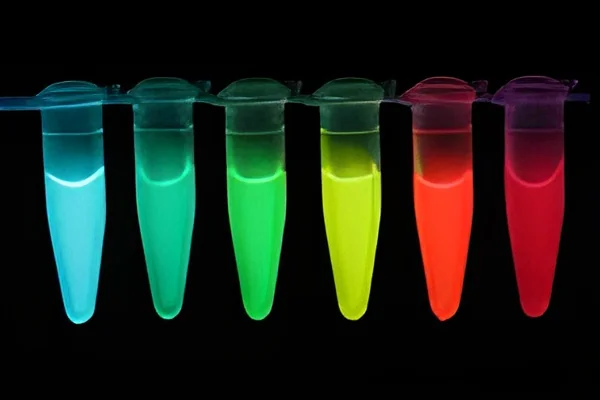
Fluorescent dyes are organic compounds that emit light upon exposure to specific wavelengths of light. These dyes exhibit fluorescence, which is the emission of light by a substance that has absorbed light or other electromagnetic radiation. Fluorescent dyes are characterized by their vibrant colors and high brightness, making them useful in a variety of applications across different industries.
In business, fluorescent dyes are primarily used for labeling, marking, and detection purposes. They are commonly found in the textile, plastics, and food industries, where they serve to enhance visibility and safety. Additionally, fluorescent dyes are utilized in scientific research for biological imaging and analysis, enabling researchers to track and visualize cellular processes. The market for fluorescent dyes is growing, driven by advancements in technology and increasing demand for high-performance materials.
Key Features and Specifications
Fluorescent dyes are known for their unique properties, which are critical to their effectiveness in various applications. Understanding these features helps businesses select the right dyes for their needs.
Key specifications include:
1. Fluorescence Intensity
- Measures the brightness of the dye when exposed to light.
- Varies between low to high intensity depending on the dye formulation.
2. Spectral Range
- Indicates the wavelengths of light emitted by the dye.
- Typically ranges from visible to near-infrared light.
3. Solubility
- Refers to the dye's ability to dissolve in solvents.
- Commonly available in water-soluble and solvent-soluble forms.
4. Stability
- Describes the dye's resistance to environmental factors like heat and light.
- Stability can range from short-term to long-term.
5. Safety Profile
- Evaluates the potential health risks associated with the dye.
- Many dyes are required to meet safety regulations to ensure safe usage.
6. Customization Options
- Availability of dyes tailored to specific industrial needs.
- Customization may include color variations and concentration levels.
7. Regulatory Compliance
- Indicates adherence to industry standards and regulations.
- Compliance with certifications such as CE is essential.
8. Application Versatility
- Highlights the range of industries that can utilize the dyes.
- Suitable for textiles, plastics, and biological research among others.
In summary, the key features and specifications of fluorescent dyes play a significant role in their functionality and application across various industries.
Common Applications and Use Cases
Fluorescent dyes serve multiple industries, contributing to enhanced visibility and safety in various applications.
1. Textiles: In the textile industry, fluorescent dyes are used for coloring fabrics and creating vibrant patterns that stand out. They are often employed in safety apparel to ensure high visibility in low-light conditions.
2. Plastics: Manufacturers use fluorescent dyes to enhance the appearance of plastic products. These dyes improve the aesthetic appeal and can also provide functional benefits, such as UV stability.
3. Food and Beverage: Fluorescent dyes are utilized in food labeling and packaging. They help in identifying products and ensuring compliance with safety regulations.
4. Biological Research: In scientific research, fluorescent dyes are essential for marking and imaging cellular structures. They allow researchers to visualize processes at the molecular level, aiding in advancements in health and medicine.
5. Cosmetics: The cosmetics industry employs fluorescent dyes to create products with bright and appealing colors. These dyes enhance the visual appeal of makeup and skincare items.
6. Printing: In the printing industry, fluorescent dyes are used in inks to produce bright colors that attract consumer attention. They are commonly found in advertising materials and promotional items.
7. Security: Fluorescent dyes play a role in anti-counterfeiting measures. They can be added to products to create unique markers that are difficult to replicate.
Product Variants and Subcategories
Fluorescent dyes come in various forms to meet the diverse needs of industries. Each variant offers distinct features and applications.
Fluorescent Dye A
This variant is known for its high solubility in water, making it ideal for use in textiles and paper products. It provides excellent brightness and is often used in safety garments.
Fluorescent Dye B
This variant is designed for use in plastics, offering outstanding thermal stability. It enhances the visual appeal of plastic products and is resistant to fading under UV light exposure.
Fluorescent Dye C
This variant is specially formulated for biological applications. It provides high fluorescence intensity and is used in various imaging techniques to observe cellular processes.
Fluorescent Dye D
This variant is particularly suited for the food and beverage industry, adhering to safety standards for food contact. Its vibrant colors enhance product labeling and packaging.
Benefits and Advantages
Fluorescent dyes offer several advantages that make them valuable across industries.
1. Enhanced Visibility: These dyes improve the visibility of products, ensuring safety and compliance in various applications.
2. Color Vibrancy: Fluorescent dyes provide bright, eye-catching colors that attract consumers and enhance product appeal.
3. Versatility: The dyes can be used in multiple applications, ranging from textiles to biological research, making them a flexible choice for manufacturers.
4. Customization: Many fluorescent dyes can be tailored to meet specific industrial needs, allowing businesses to create products that stand out.
5. Regulatory Compliance: Sourcing compliant dyes ensures that products meet industry standards, reducing the risk of legal issues.
6. Improved Performance: High-quality fluorescent dyes enhance the performance of products, whether in terms of durability, visibility, or functionality.
Buying Guide for B2B Buyers
When sourcing fluorescent dyes, it is essential to consider several factors to ensure an informed purchase.
1. Quality Assessment: Evaluate the quality of dyes based on their fluorescence intensity and stability. Look for suppliers who provide testing data or samples for evaluation.
2. Supplier Verification: Vet potential suppliers to ensure they have a solid reputation and comply with industry standards. Check for references and customer reviews.
3. Pricing and MOQ: Understand the pricing structure of the dyes and any minimum order quantities. Compare prices among different suppliers to find the best value.
4. Delivery and Lead Times: Discuss logistics with suppliers to ensure timely delivery of products. Consider lead times when planning production schedules.
5. Compliance Requirements: Ensure the dyes meet all relevant regulatory requirements for your industry. Confirm certifications such as CE to guarantee safety and quality.
Compliance and Certifications
Fluorescent dyes must adhere to various quality standards and regulations to ensure their safety and effectiveness in applications. Relevant quality standards include ISO 9001, which outlines quality management systems for consistent product quality. Additionally, certifications like CE indicate compliance with European health and safety standards.
Testing requirements often involve assessing the dyes for safety, stability, and performance under different conditions. These tests help ensure that the dyes can withstand environmental factors and maintain their properties over time.
Regional compliance considerations may vary, depending on local regulations and industry standards. It is important for businesses to stay informed about compliance requirements in their respective markets to avoid potential legal issues.
Why Source Fluorescent Dyes from Pepagora?
Pepagora offers a reliable platform for sourcing fluorescent dyes with numerous key advantages that benefit B2B buyers.
Verified Supplier Network: Pepagora has established a network of trusted suppliers, ensuring that buyers can access quality products from reputable manufacturers. Each supplier undergoes a rigorous vetting process to guarantee reliability.
Streamlined RFQ Process: The platform features an efficient Request for Quotation (RFQ) system, simplifying the procurement process. Buyers can easily request quotes and receive timely responses from multiple suppliers.
Trade Assurance and Support: Pepagora provides trade assurance to protect buyers from potential disputes. The platform supports secure transactions, ensuring that buyers receive the products as promised.
Regional Coverage: With a strong presence in India, the GCC, and Southeast Asia, Pepagora offers extensive regional coverage. This allows buyers to access local suppliers while benefiting from competitive pricing and reduced shipping times.
In conclusion, Pepagora is a valuable resource for businesses seeking fluorescent dyes, combining a trusted supplier network with an efficient procurement process and strong buyer support.

 IN
IN