
 IN
INVat Dyes
13 products available
What are Vat Dyes?
Key Features and Specifications
Common Applications and Use Cases
Product Variants and Subcategories
Benefits and Advantages
Buying Guide for B2B Buyers
Compliance and Certifications
Why Source Vat Dyes from Pepagora?



Frequently Asked Questions
What are Vat Dyes?
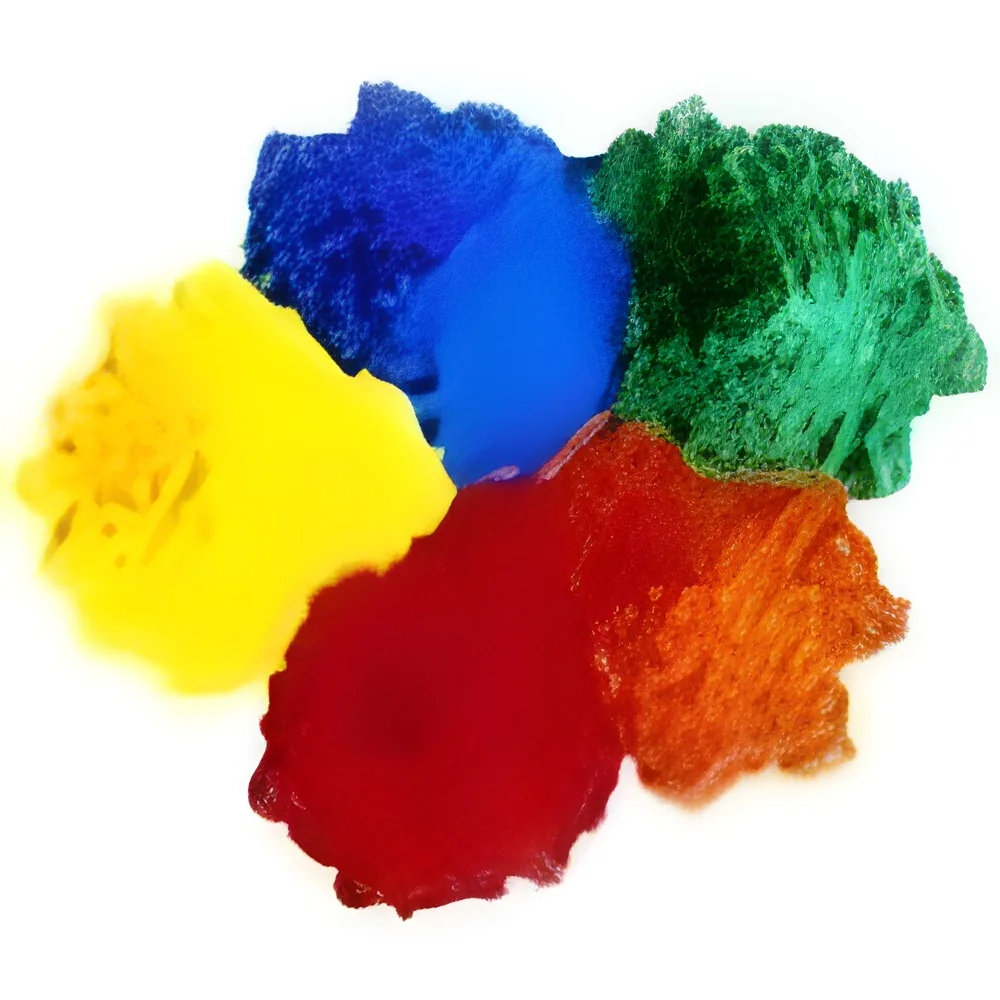
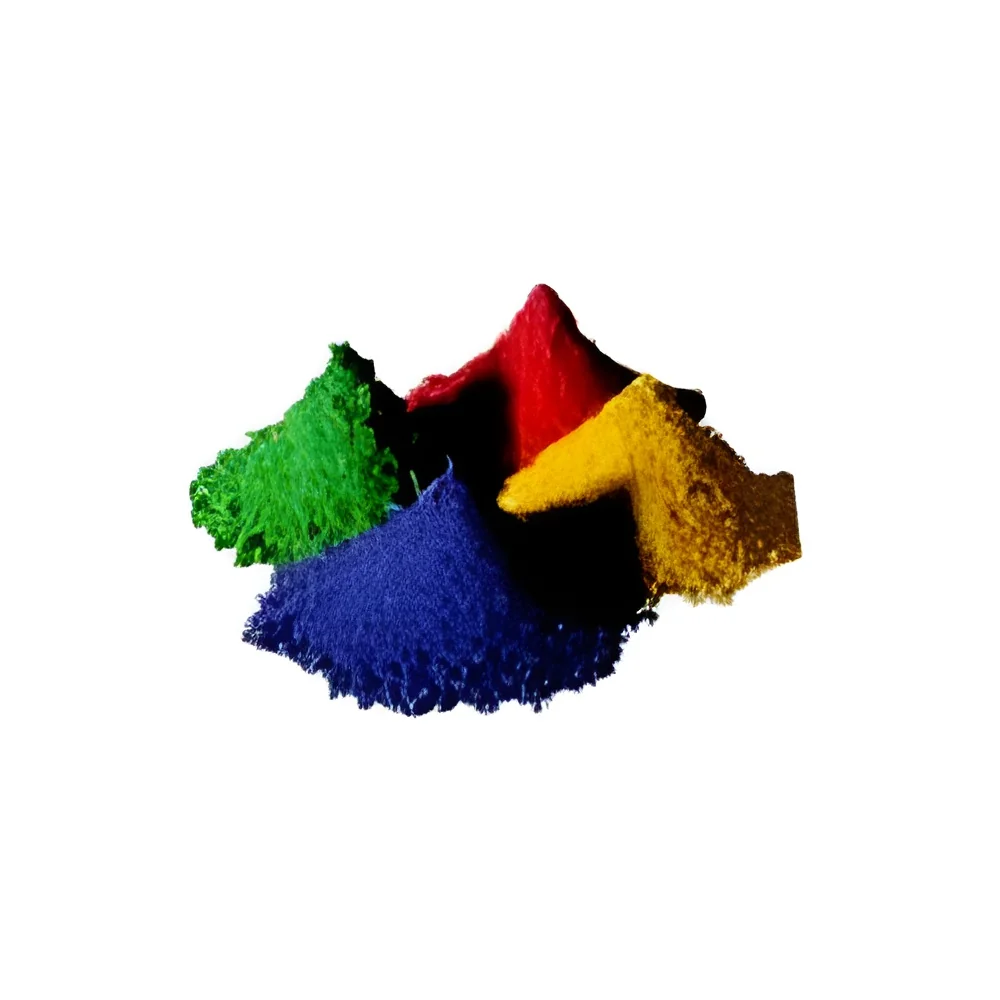
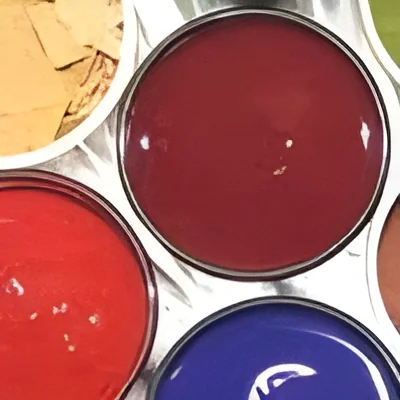
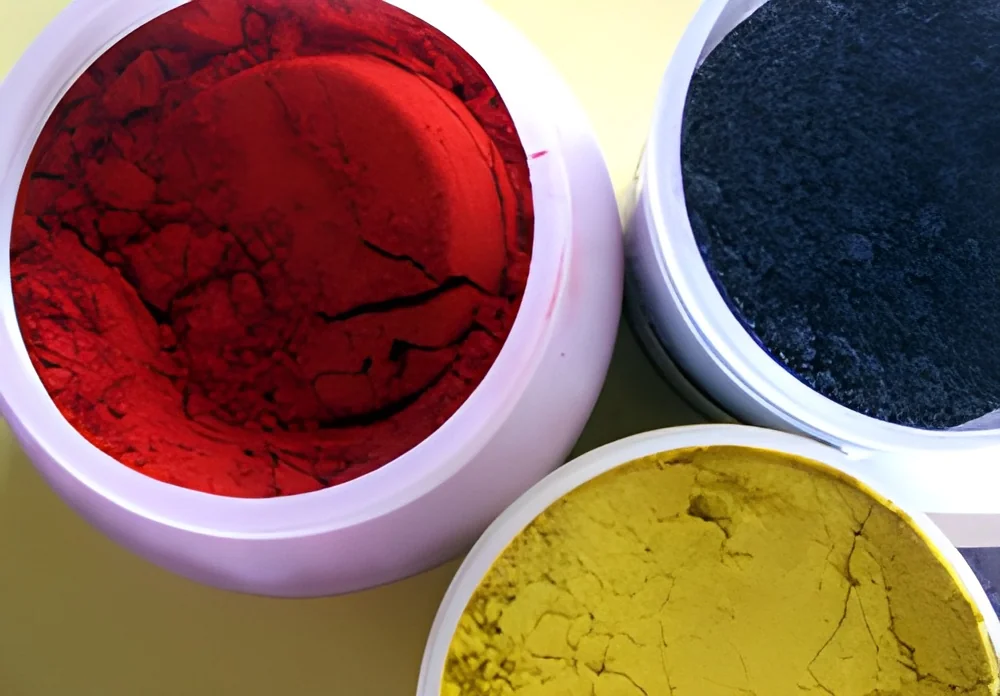
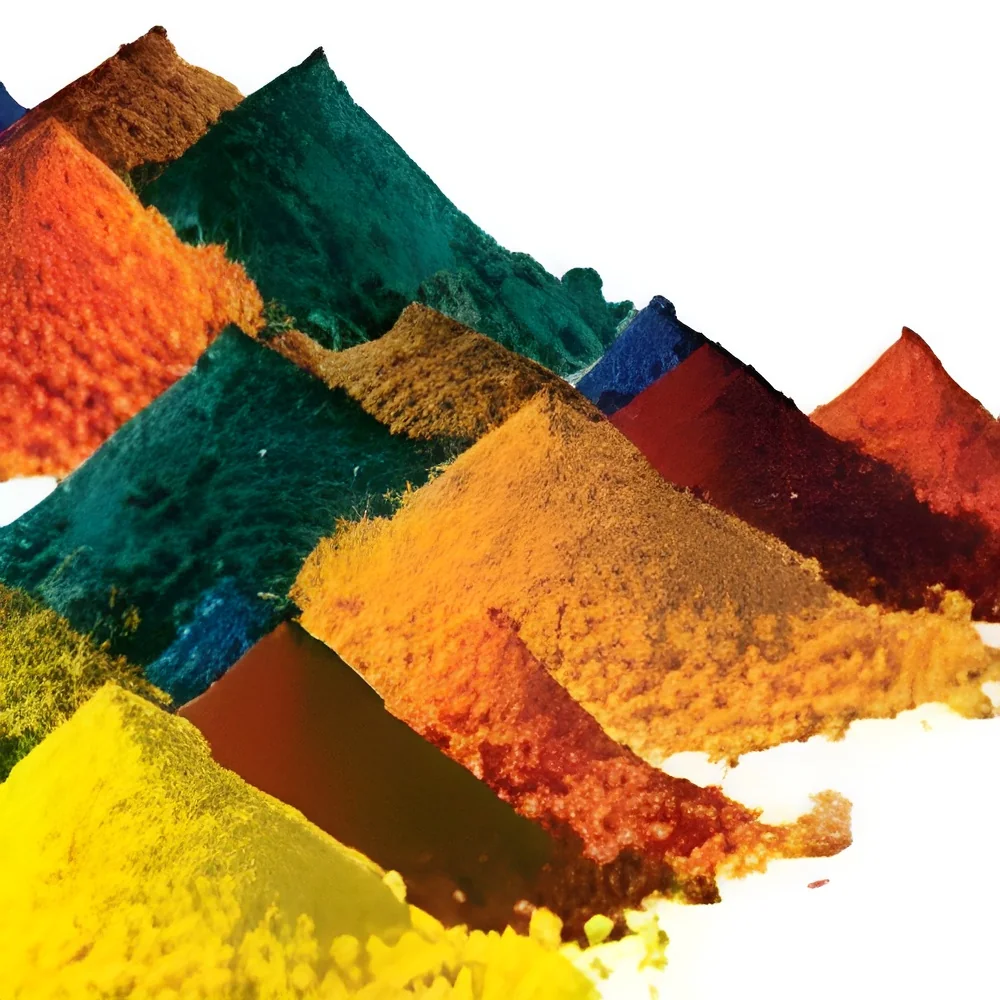
Vat dyes are a class of colorants that are used primarily for dyeing cotton and other cellulosic fibers. They are characterized by their ability to be insoluble in water but can be made soluble through a reduction process before application. Once applied, they are oxidized back to their insoluble form, resulting in a durable color fastness.
What are the different types of Vat Dyes?
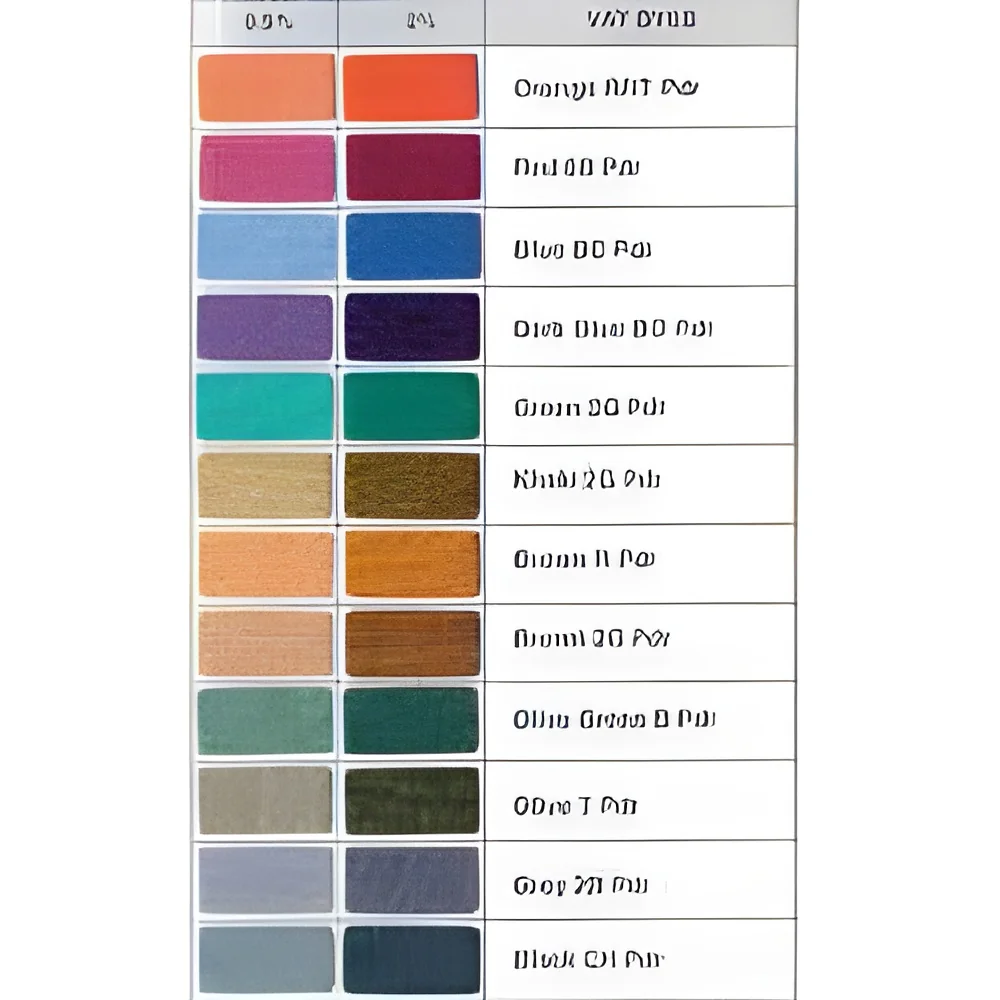
There are several types of vat dyes, including indigo, which is the most well-known, and other synthetic vat dyes like reactive vat dyes. They can be categorized based on their chemical structure and application methods. Each type offers different characteristics in terms of color range and application techniques.
How do I choose the right Vat Dyes?
Choosing the right vat dyes involves considering factors such as the type of fabric you are dyeing, the desired color fastness, and the dyeing process you plan to use. It is also important to evaluate the compatibility of the dye with other chemicals and processes in your production line. Consulting with suppliers and reviewing product specifications can aid in making an informed decision.
What are the standard specifications for Vat Dyes?
Standard specifications for vat dyes typically include color strength, solubility, pH levels, and fastness properties such as light, wash, and rub fastness. These specifications ensure that the dyes perform well during the dyeing process and maintain color integrity in the final product. Manufacturers often provide detailed technical data sheets for their products.
What is the price range for Vat Dyes?
The price range for vat dyes can vary significantly based on factors such as the type of dye, supplier, and quantity purchased. Generally, vat dyes can range from a few hundred to several thousand Indian Rupees per kilogram. Bulk purchases often lead to better pricing options.
What quality standards apply to Vat Dyes?
Vat dyes are subject to various quality standards that ensure their effectiveness and safety for use in textiles. Common standards include ISO and ASTM specifications, which cover aspects like color fastness, toxicity, and environmental impact. Suppliers should provide certifications to confirm compliance with these standards.
Where can I find Vat Dyes suppliers in India?
You can find vat dyes suppliers in India through various B2B marketplaces, trade shows, and industry directories. Websites like Pepagora.com offer a comprehensive list of manufacturers and suppliers where you can compare products and prices. Additionally, local textile fairs can also be a good source for finding reputable suppliers.
Can Vat Dyes be customized?
Yes, vat dyes can often be customized to meet specific requirements such as color shade, formulation, and application needs. Many manufacturers offer customization options to cater to the unique demands of their clients. It is advisable to discuss your specific needs with suppliers to explore available customization options.
What is the typical minimum order quantity for Vat Dyes?
The minimum order quantity (MOQ) for vat dyes can vary widely among suppliers and may range from 5 to 100 kilograms or more. Factors influencing MOQ include the dye type, supplier policies, and production capabilities. It's best to check with individual suppliers for their specific MOQ requirements.
What is the typical lead time for Vat Dyes?
The typical lead time for vat dyes can vary based on the supplier and the specifics of the order, but it generally ranges from 1 to 4 weeks. Factors such as customization, stock availability, and shipping logistics can influence lead times. It's advisable to confirm lead times with suppliers during the ordering process.
Why Businesses Trust Pepagora
Thousands of companies trust Pepagora to source smarter and sell faster
Expand Your Sales Globally

Source Smarter,Grow Faster
