
 IN
Fluorescent Pigments
3 products available
What are Fluorescent Pigments?
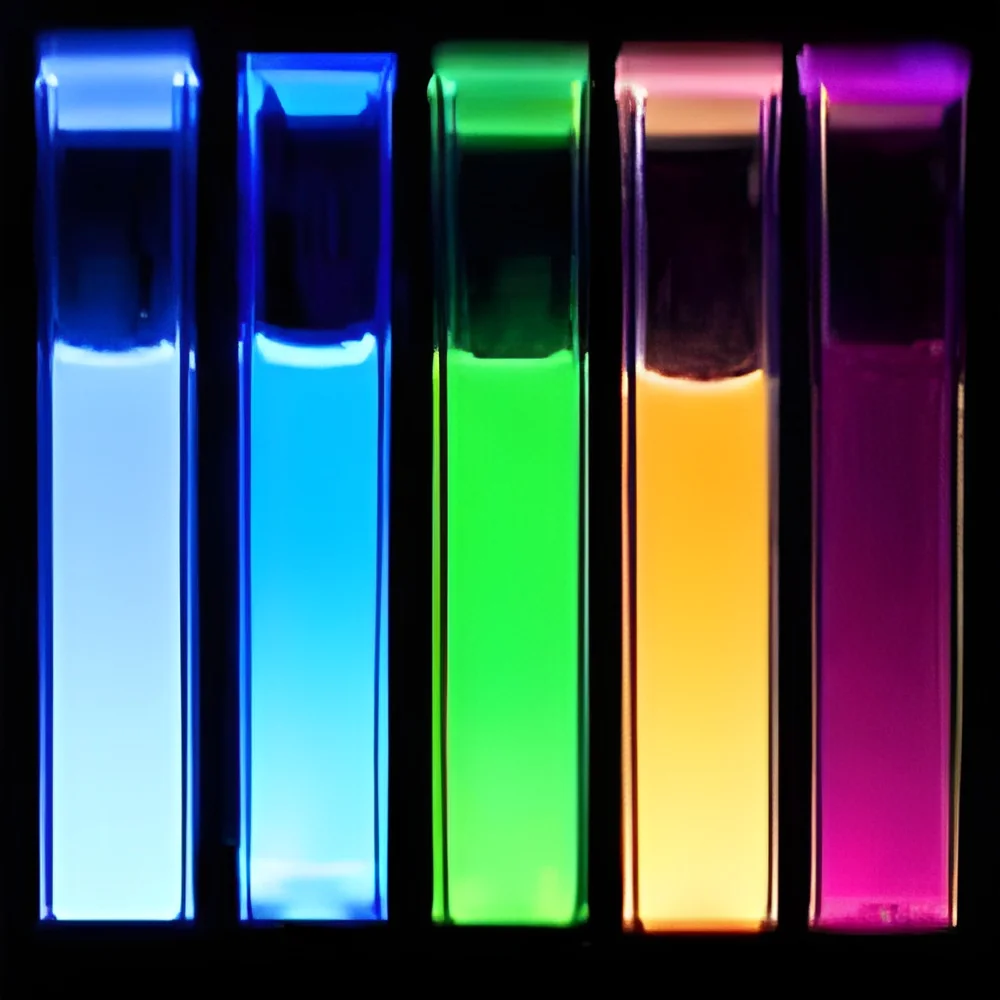
Fluorescent pigments are high-performance colorants that exhibit bright, vivid colors under ultraviolet light. These pigments are unique because they absorb light at specific wavelengths and re-emit it at visible wavelengths, resulting in an intense glow. They are available in a variety of colors and can be incorporated into various materials, including plastics, paints, coatings, and inks. The ability to enhance visibility and provide vibrant hues makes fluorescent pigments highly sought after in many applications.
These pigments are commonly used in industries such as textiles, automotive, and packaging. In textiles, they are often used to create vibrant patterns and designs that stand out. In the automotive industry, they can be found in safety gear and vehicle markings to enhance visibility. Additionally, fluorescent pigments are widely used in promotional items and packaging to attract consumer attention and differentiate products on the shelf. Their relevance in today's market is evident, as businesses continuously seek innovative ways to enhance product appeal and safety.
Key Features and Specifications
Fluorescent pigments are characterized by their unique properties that make them suitable for various applications. Understanding these features is essential for businesses looking to integrate them into their products.
Key specifications include:
1. Color Range
- Available in a wide spectrum of colors
- Options for custom color matching
2. Lightfastness
- Resistance to fading when exposed to light
- Varies by pigment type and formulation
3. Solubility
- Options for both water-soluble and solvent-soluble pigments
- Important for compatibility with different formulations
4. Particle Size
- Varies typically from 5 to 50 microns
- Affects dispersion and application characteristics
5. Application Method
- Can be used in powders, liquids, or dispersions
- Suitable for various application techniques like spraying or brushing
6. Temperature Stability
- Performance varies with temperature exposure
- Specific data not available for ranges
7. Chemical Resistance
- Varies by specific pigment composition
- Important for applications in harsh environments
8. Regulatory Compliance
- Must meet safety and environmental standards
- Certification such as CE may apply
Understanding these specifications helps businesses make informed choices about the right fluorescent pigments for their applications.
Common Applications and Use Cases
Fluorescent pigments serve a diverse range of industries, each leveraging their unique properties for specific applications.
1. Textiles: Used in fabric dyes and printing to create vibrant patterns that catch the eye. They enhance visibility for sportswear and safety clothing.
2. Automotive: Applied in safety signage and vehicle markings to improve visibility and compliance with safety regulations. They are often used in high-visibility apparel for workers.
3. Packaging: Incorporated into packaging materials to attract consumer attention and enhance branding. Their bright colors help products stand out on store shelves.
4. Paints and Coatings: Used in industrial and decorative paints to provide unique visual effects. They enhance aesthetics while offering functional benefits like UV protection.
5. Arts and Crafts: Popular in artistic applications, including paints and craft supplies, to create luminous effects in artwork.
6. Signage: Utilized in signage materials for improved visibility in low-light conditions. They are essential in safety and warning signs.
7. Consumer Products: Found in toys, cosmetics, and promotional items to create eye-catching designs. Their vibrant hues appeal to children and adults alike.
Product Variants and Subcategories
Fluorescent pigments come in various forms to suit different applications and customer needs. This diversity allows businesses to choose the right variant for their specific requirements.
Fluorescent Powder Pigments
These pigments are available in dry powder form, making them easy to mix with various mediums. They are ideal for applications in paints and coatings where a strong visual impact is desired.
Fluorescent Liquid Pigments
These are concentrated liquid formulations that can be easily integrated into various applications, including inks and dyes. They offer excellent dispersion and vibrant color delivery.
Fluorescent Masterbatches
These are pre-compounded formulations that combine fluorescent pigments with a carrier resin. They are designed for use in plastics and provide uniform color throughout the material.
Benefits and Advantages
Fluorescent pigments offer several key advantages that make them appealing to businesses across various industries.
1. High Visibility: Their bright and vivid colors enhance visibility, making them ideal for safety applications and consumer products.
2. Versatility: They can be used in multiple applications, including textiles, paints, and packaging, allowing for creative freedom in product design.
3. Customization: Many suppliers offer options for custom color matching, enabling businesses to create unique products that align with their brand identity.
4. Durability: Fluorescent pigments can provide excellent lightfastness and chemical resistance, ensuring long-lasting performance in various environments.
5. Market Differentiation: The use of fluorescent pigments can help products stand out in competitive markets, attracting consumer attention and driving sales.
6. Easy Integration: Available in various forms, they can be easily incorporated into existing manufacturing processes, minimizing disruption during production.
Buying Guide for B2B Buyers
When sourcing fluorescent pigments, it is important for B2B buyers to consider several key factors to ensure they select the right product and supplier.
1. Quality Assessment: Evaluate the quality of pigments based on performance metrics such as lightfastness and color consistency. Request samples to test compatibility with your application.
2. Supplier Verification: Vet suppliers to ensure they meet industry standards and have a reputation for reliability. Check for reviews and ask for references from other clients.
3. Pricing and MOQ: Understand the pricing structure and minimum order quantities (MOQ) required by suppliers. Balance cost with quality to find the best value.
4. Delivery and Lead Times: Confirm delivery schedules and lead times to ensure timely production. Plan for potential delays in the supply chain.
5. Compliance Requirements: Ensure that the pigments comply with relevant safety and environmental regulations. Check for certifications such as CE to ensure quality and safety standards are met.
Compliance and Certifications
Compliance and certifications are critical components in the use of fluorescent pigments as they ensure safety and quality across various applications.
Fluorescent pigments must adhere to relevant quality standards such as ISO 9001, which focuses on maintaining effective quality management systems. This certification assures buyers that the products meet consistent quality requirements.
Additionally, industry certifications like CE are important for ensuring that the pigments comply with European health, safety, and environmental protection standards. This is essential for products intended for markets within the European Union.
Safety and testing requirements also play a significant role in the production and use of fluorescent pigments. Manufacturers must conduct thorough testing to demonstrate that their products are safe for end-users, particularly in consumer goods.
Regional compliance considerations should also be taken into account, as different regions may have specific regulations governing the use of colorants in various applications. Understanding these requirements helps businesses avoid potential legal issues and ensures products are market-ready.
Why Source Fluorescent Pigments from Pepagora?
Pepagora provides a trusted platform for sourcing fluorescent pigments, offering several key advantages for businesses.
Verified Supplier Network: Pepagora connects buyers with a network of verified suppliers, ensuring that you have access to high-quality pigments from reputable manufacturers. This network is essential for finding reliable partners in your supply chain.
Streamlined RFQ Process: The platform features a user-friendly Request for Quotation (RFQ) system that simplifies the process of obtaining quotes from multiple suppliers. This efficiency saves time and allows for better comparison of options.
Trade Assurance and Support: Pepagora offers buyer protection through trade assurance programs. This support provides peace of mind when making purchasing decisions, knowing that you are safeguarded against potential issues.
Regional Coverage: With a strong presence in India, the GCC, and Southeast Asia, Pepagora ensures that businesses can source fluorescent pigments from diverse regions. This geographic reach provides access to a wide variety of products and suppliers, making it easier to meet specific business needs.


Frequently Asked Questions
What are Fluorescent Pigments?
Fluorescent pigments are bright, vivid colorants that exhibit fluorescence, meaning they can absorb light and re-emit it at a different wavelength, resulting in a bright glow under UV light. These pigments are commonly used in various applications, including paints, inks, plastics, and textiles, to enhance visibility and aesthetics.
What are the different types of Fluorescent Pigments?
There are several types of fluorescent pigments, including organic and inorganic pigments. Organic fluorescent pigments are known for their bright colors and high transparency, while inorganic pigments tend to be more stable and durable. Additionally, these pigments can be categorized based on their application, such as in coatings, plastics, or textiles.
How do I choose the right Fluorescent Pigments?
Choosing the right fluorescent pigments involves considering factors such as the desired color, application method, and environmental conditions. It's essential to evaluate the pigment's compatibility with the medium it will be used in, as well as its lightfastness and stability under various conditions.
What are the standard specifications for Fluorescent Pigments?
Standard specifications for fluorescent pigments typically include color strength, particle size, lightfastness, and chemical resistance. Manufacturers may provide detailed data sheets outlining these specifications, which help buyers assess the suitability of the pigments for their specific applications.
What is the price range for Fluorescent Pigments?
The price of fluorescent pigments can vary widely based on factors such as quality, type, and supplier. Generally, prices may range from a few hundred to several thousand Indian Rupees per kilogram, depending on the specific characteristics and application requirements of the pigments.
What quality standards apply to Fluorescent Pigments?
Quality standards for fluorescent pigments may include compliance with ASTM, ISO, and other relevant industry standards. These standards ensure that the pigments meet specific criteria for performance, safety, and environmental impact, which is crucial for applications in consumer products and industrial uses.
Where can I find Fluorescent Pigments suppliers in India?
You can find fluorescent pigments suppliers in India through various online B2B marketplaces, trade shows, and industry directories. Platforms like Pepagora.com list reputable manufacturers and suppliers, allowing you to compare products and request quotes directly.
Can Fluorescent Pigments be customized?
Yes, many manufacturers offer customization options for fluorescent pigments based on specific application requirements. Customization may include adjustments in color, particle size, or formulation to meet the unique needs of different industries and applications.
What is the typical minimum order quantity for Fluorescent Pigments?
The typical minimum order quantity (MOQ) for fluorescent pigments can vary by supplier, but it usually ranges from 1 to 25 kilograms. It's advisable to check with individual suppliers for their specific MOQs and any bulk order discounts that may apply.
What is the typical lead time for Fluorescent Pigments?
The typical lead time for fluorescent pigments can range from a few days to several weeks, depending on the supplier's inventory and production capabilities. Factors such as order size, customization, and shipping logistics can also influence the delivery timeframe.
Why Businesses Trust Pepagora
Thousands of companies trust Pepagora to source smarter and sell faster
Expand Your Sales Globally

Source Smarter,Grow Faster
