What are Ink Dyes?
Ink dyes are specialized coloring agents used in various applications to impart color to a wide range of substrates. Unlike conventional pigments, which remain suspended in a medium, dyes are soluble and penetrate materials, resulting in vibrant and long-lasting colors. The composition of ink dyes can vary, including synthetic and natural sources, which allows for a diverse range of colors and properties.
These dyes find primary uses in industries such as textiles, printing, plastics, and paper manufacturing. In textiles, they are crucial for dyeing fabrics and producing patterns. In the printing industry, ink dyes are utilized in inks for various printing techniques, ensuring that colors are bright and consistent. Furthermore, ink dyes play a significant role in the plastic industry, where they are used to color products during the manufacturing process. The relevance of ink dyes in today's industrial landscape is underscored by constant innovations aimed at improving color fastness, environmental impact, and production efficiency.
Key Features and Specifications
Ink dyes come with a range of features and specifications that cater to different industrial needs. It's essential to understand these specifications when selecting the right dye for specific applications.
Key specifications include:
1. Color Range
- Ink dyes are available in a wide spectrum of colors.
- Custom color matching can often be provided based on client requirements.
2. Solubility
- Ink dyes can be water-soluble or solvent-soluble.
- Each type has distinct applications depending on the substrate and process.
3. Lightfastness
- Refers to the resistance of dye to fading when exposed to light.
- Rated on a scale from 1 to 8, with higher values indicating better performance.
4. Temperature Stability
- Many ink dyes perform well under varying temperature conditions.
- Critical for applications involving heat, such as thermal printing.
5. Viscosity
- Ink dyes can have varying viscosity levels, affecting the flow and application process.
- Important for compatibility with different printing equipment.
6. Environmental Compliance
- Many ink dyes meet specific environmental standards.
- This includes restrictions on hazardous substances and sustainability certifications.
7. Shelf Life
- Ink dyes typically have a defined shelf life.
- Proper storage conditions can help maximize usability.
8. Application Method
- Dyes can be used in various methods including immersion, spraying, and printing.
- Selection depends on the desired effect and substrate type.
In summary, understanding these features and specifications is crucial for selecting the right ink dye for your business needs.
Common Applications and Use Cases
Ink dyes serve various industries with specific applications tailored to their requirements.
1. Textile Industry: Ink dyes are extensively used to dye fabrics, creating vibrant colors for garments and upholstery. Techniques such as direct dyeing and printing are common.
2. Printing Industry: These dyes are integral to producing high-quality inks used in digital and offset printing. They ensure sharp images and consistent color reproduction.
3. Plastics Manufacturing: Ink dyes are used to color plastic products during production, allowing for uniform coloring and aesthetic appeal in consumer goods.
4. Paper Industry: Ink dyes are employed in the production of colored paper products, providing a wide range of hues for stationery and packaging.
5. Food Packaging: Certain ink dyes meet safety standards for use in food packaging applications, ensuring that printed materials are safe and visually appealing.
6. Cosmetics: Ink dyes are also used in cosmetic products, providing color for items such as lipsticks and eye shadows while adhering to safety regulations.
7. Arts and Crafts: Ink dyes are popular in the craft industry for tie-dyeing and other artistic applications, allowing for creative expression.
Product Variants and Subcategories
Ink dyes come in various forms to meet diverse industrial needs. Although specific subcategories are not available, understanding the main variants can help in selection.
Liquid Ink Dyes: These are concentrated solutions that can be diluted for various applications. They are often used in textile dyeing and printing.
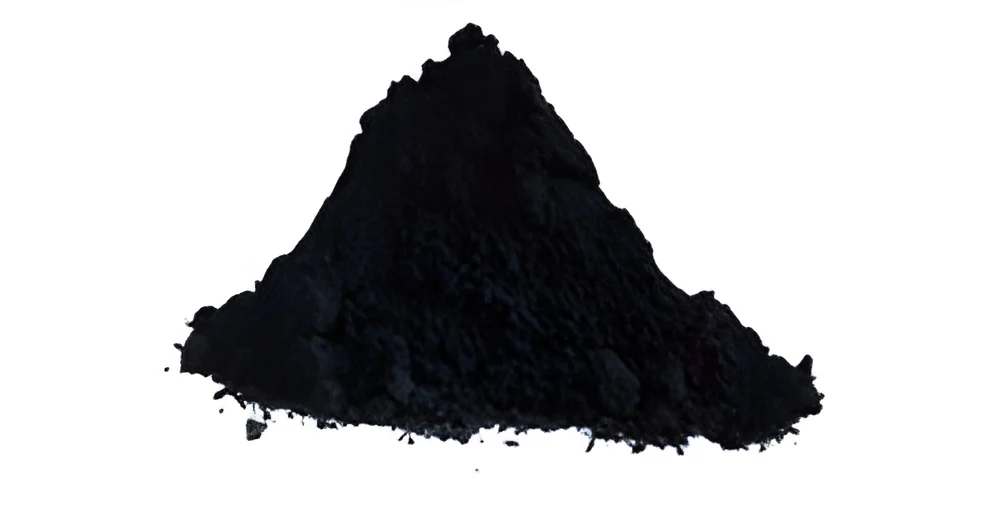
Powdered Ink Dyes: These are dry dyes that require mixing with a solvent or water before use. They offer flexibility in application and are suitable for large-scale manufacturing processes.
Concentrated Ink Dyes: These dyes are formulated for specific applications, providing intense colors with minimal usage. They are commonly used in high-quality printing applications.
Benefits and Advantages
Choosing ink dyes provides several advantages for businesses aiming to enhance their product offerings.
1. Vibrant Colors: Ink dyes deliver bright and vivid colors that enhance the visual appeal of products.
2. Versatility: They can be used across various substrates and industries, making them adaptable to different manufacturing needs.
3. Cost-Effective: Ink dyes can be more economical compared to pigments, especially in large-scale applications, due to their efficient coloring properties.
4. Ease of Application: The solubility of ink dyes allows for straightforward application methods, streamlining production processes.
5. Environmental Compliance: Many ink dyes are formulated to meet environmental regulations, making them suitable for businesses focused on sustainability.
6. Customization: Businesses can often request custom colors and formulations, allowing for unique product offerings that stand out in the market.
Buying Guide for B2B Buyers
When sourcing ink dyes, several key factors should be taken into consideration to ensure informed purchasing decisions.
1. Quality Assessment: Evaluate the quality of the ink dyes by seeking samples and reviewing test results. Look for consistent color performance and lightfastness ratings.
2. Supplier Verification: Vet potential suppliers by checking their reputation, certifications, and customer reviews. A reliable supplier should have a proven track record in the industry.
3. Pricing and MOQ: Understand the pricing structure and minimum order quantities. Compare costs across suppliers to find the best value for your needs.
4. Delivery and Lead Times: Inquire about lead times to ensure timely delivery. A reliable supplier should provide clear timelines for order fulfillment.
5. Compliance Requirements: Confirm that the ink dyes meet relevant regulatory standards for your industry. This may include safety, environmental, and quality certifications.
Compliance and Certifications
Ink dyes are subject to various compliance and certification standards that ensure their safety and efficacy in manufacturing processes.
Quality standards such as ISO 9001 are relevant, as they focus on maintaining quality management systems across suppliers. This certification ensures that the manufacturing processes behind ink dyes meet international quality benchmarks.
Additionally, industry certifications like CE indicate that the ink dyes comply with European health, safety, and environmental protection standards. These certifications are crucial for businesses operating in regions with stringent regulations.
Safety and testing requirements also play a significant role in the acceptance of ink dyes in various applications. Regular testing for toxic substances and environmental impact is essential.
Regional compliance considerations are important, as different countries may have specific regulations governing the manufacturing and use of ink dyes. Businesses should be aware of these requirements to avoid legal complications and ensure product safety.
Why Source Ink Dyes from Pepagora?
Pepagora provides a trusted platform for sourcing ink dyes with several key advantages that benefit B2B buyers.
Verified Supplier Network: Pepagora has established a network of verified suppliers, ensuring that buyers can access high-quality ink dyes from reputable manufacturers. This reduces the risk associated with sourcing materials.
Streamlined RFQ Process: The Request for Quotation (RFQ) process on Pepagora is designed to simplify procurement. Buyers can easily submit their requirements and receive competitive quotes from multiple suppliers in a short time.
Trade Assurance and Support: Pepagora offers trade assurance to protect buyers, ensuring that they receive the quality promised by suppliers. This support builds confidence in purchasing decisions.
Regional Coverage: Pepagora's geographic reach spans India, the Gulf Cooperation Council (GCC) countries, and Southeast Asia. This extensive coverage allows businesses to find local suppliers and reduce shipping times and costs.
By choosing Pepagora, businesses can streamline their sourcing process and gain access to a wide range of ink dyes tailored to their specific needs.

 IN
IN