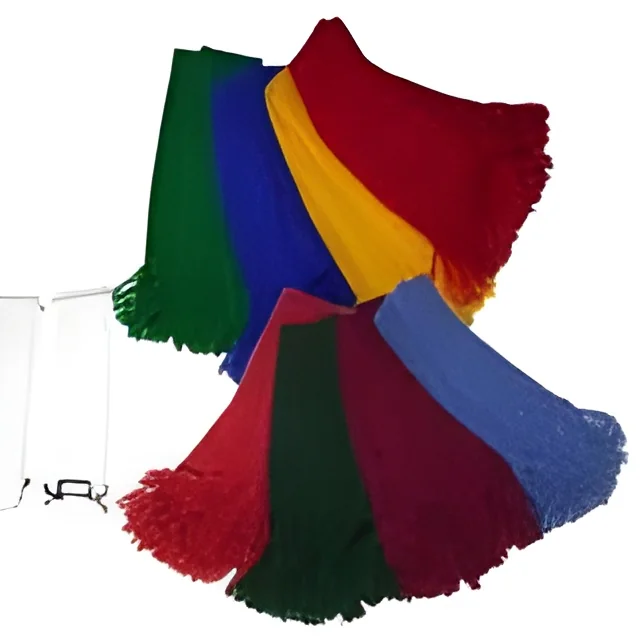
What are Natural Dyes?
Natural dyes are colorants derived from natural sources such as plants, minerals, and insects. These dyes have been used for centuries in various cultures for textile coloring, food, and even cosmetics. Unlike synthetic dyes, natural dyes offer a range of colors that are often more muted and earthy, appealing to consumers seeking environmentally friendly options. They can be extracted from different parts of plants, including roots, bark, leaves, and flowers, making them versatile and sustainable.
The primary uses of natural dyes lie in the textile industry, where they are favored for their eco-friendly characteristics and unique color palette. Businesses in fashion, home textiles, and crafts utilize these dyes to create products that stand out in a crowded market. Beyond textiles, natural dyes also find applications in food coloring and cosmetics, reinforcing their relevance across various industries. As more companies prioritize sustainable practices, the demand for natural dyes is growing, making them a significant player in the market.
Natural dyes are gaining traction in the context of increasing awareness around environmental impacts. As consumers become more conscious of the ecological footprint of their purchases, industries that embrace natural dyes position themselves favorably. This trend reflects a broader shift towards sustainability, making natural dyes not only a product choice but also a strategic advantage for businesses aiming to resonate with eco-aware customers.
Key Features and Specifications
Natural dyes are characterized by several key features that make them suitable for a variety of applications. Their specifications vary depending on the source of the dye and the intended use.
Key specifications include:
1. Source Material
- Derived from plants, minerals, or insects
- Diverse color spectrum based on source
2. Color Fastness
- Resistance to fading when exposed to light and washing
- Varies according to dye type and application technique
3. Application Method
- Can be applied through immersion, painting, or printing
- Requires different processes based on fabric type and desired effect
4. Environmental Impact
- Biodegradable and non-toxic
- Minimal environmental footprint compared to synthetic alternatives
5. Customizability
- Ability to create unique shades through various extraction techniques
- Tailor-made solutions for specific business needs
6. Regulatory Compliance
- Must meet industry standards for safety and quality
- Adherence to local and international regulations
7. Shelf Life
- Varies with storage conditions and formulation
- Requires proper storage to maintain efficacy
8. pH Sensitivity
- Some dyes require specific pH levels for optimal color results
- Important for achieving desired shades in textile applications
Natural dyes offer a compelling option for businesses looking to incorporate sustainable practices while maintaining quality in their products.
Common Applications and Use Cases
Natural dyes find applications across a range of industries, showcasing their versatility and appeal.
1. Textile Industry: Natural dyes are extensively used for coloring fabrics, from cotton to wool. Artisans and manufacturers value the unique hues and eco-friendly attributes they provide.
2. Food and Beverage: These dyes are employed to enhance the visual appeal of food products. They are often used in organic foods to align with consumer preferences for natural ingredients.
3. Cosmetics: Natural dyes are incorporated into skincare and cosmetic products, ensuring color without harmful chemicals. Brands focusing on natural beauty products often utilize these dyes.
4. Crafts and DIY: Hobbyists and artisans utilize natural dyes for handmade crafts, including yarn and fabric dyeing, which adds value to their creations.
5. Home Decor: Designers use natural dyes for rugs, curtains, and upholstery, offering customers an environmentally friendly option that enhances aesthetic appeal.
6. Art and Illustration: Artists often prefer natural pigments for painting and illustration due to their unique qualities and sustainable properties.
7. Historical and Cultural Reenactment: Natural dyes are used in the recreation of historical textiles, providing an authentic touch to period costumes and artifacts.
Product Variants and Subcategories
Natural dyes come in a variety of options, catering to different preferences and applications.
Organic Plant-Based Dyes: These dyes are extracted from organically grown plants, ensuring no harmful pesticides are involved. They are popular among eco-conscious manufacturers.
Mineral-Based Dyes: Sourced from natural minerals, these dyes provide vibrant colors and are favored in specific applications where durability is essential.
Insect-Based Dyes: Derived from insects such as cochineal, these dyes offer rich reds and are often used in high-end textiles and cosmetics. Their unique sourcing appeals to niche markets.
Powdered Natural Dyes: These concentrated forms of natural dyes are easy to store and use. They allow for precise measurements, making them ideal for tailored applications.
Liquid Natural Dyes: Available for immediate use, liquid forms of natural dyes are convenient for businesses that require quick application without extensive preparation.
Benefits and Advantages
Natural dyes offer numerous advantages for businesses looking to enhance their product offerings.
1. Environmental Sustainability: Natural dyes are biodegradable and reduce reliance on synthetic chemicals, aligning with eco-friendly initiatives.
2. Unique Color Palette: The diverse range of colors derived from natural sources allows brands to stand out with distinctive shades not found in synthetic options.
3. Consumer Appeal: Increasing consumer demand for sustainable products makes natural dyes an attractive choice for businesses aiming to capture eco-conscious markets.
4. Safety: Natural dyes are generally non-toxic, making them safer for both consumers and workers involved in the dyeing process.
5. Customization Potential: The ability to create bespoke colors tailored to specific needs enhances product differentiation and customer satisfaction.
6. Cultural Authenticity: Utilizing natural dyes can add a layer of cultural significance to products, appealing to markets interested in heritage and traditional craftsmanship.
Buying Guide for B2B Buyers
When sourcing natural dyes, several factors should be considered to ensure the best choice for your business.
1. Quality Assessment: Evaluate the dye's color fastness, pH levels, and purity. Quality criteria are essential to ensure that the dyes meet industry standards for performance.
2. Supplier Verification: Vet potential suppliers for their sourcing methods, production practices, and certifications. Building relationships with reputable suppliers is crucial for reliability.
3. Pricing and MOQ: Understand the pricing structure and minimum order quantities (MOQ) required by suppliers. This knowledge will aid in budgeting and inventory management.
4. Delivery and Lead Times: Inquire about logistics and the typical lead times for delivery. Timely access to materials is essential for maintaining production schedules.
5. Compliance Requirements: Be aware of any regulatory standards that apply to the use of natural dyes in your industry. Compliance with safety and quality regulations is critical for market acceptance.
Compliance and Certifications
Natural dyes must adhere to various quality standards that ensure their safety and efficacy in applications.
ISO 9001 is a quality management standard that outlines the criteria for a quality management system. This certification ensures that suppliers maintain consistent quality in their products, including natural dyes.
HACCP (Hazard Analysis Critical Control Point) is essential for natural dyes used in food applications. This standard ensures that products are safe for consumption and free from harmful contaminants.
CE certification is relevant for natural dyes used in cosmetics and personal care products. It signifies compliance with European health, safety, and environmental protection standards.
Safety testing is crucial for natural dyes to ensure they do not pose health risks to consumers. This includes evaluating for allergens and skin sensitivities.
Regional compliance considerations may vary based on local regulations. It is essential for businesses to understand the specific requirements in their target markets to avoid legal issues.
Why Source Natural Dyes from Pepagora?
Pepagora provides a trusted platform for sourcing natural dyes, ensuring businesses can find reliable suppliers and high-quality products.
Verified Supplier Network: Pepagora boasts a network of verified suppliers who adhere to industry standards. This network ensures that buyers can source dyes with confidence, knowing they meet quality benchmarks.
Streamlined RFQ Process: The platform offers a straightforward request for quotation (RFQ) process, allowing buyers to efficiently compare options. This system simplifies the procurement process and saves time.
Trade Assurance and Support: Pepagora provides trade assurance, protecting buyers from potential issues during transactions. Their support team is available to assist with any inquiries, ensuring a smooth purchasing experience.
Regional Coverage: With a strong presence in India, GCC, and Southeast Asia, Pepagora connects buyers with local suppliers. This geographic reach facilitates better logistics and supports businesses looking to source natural dyes tailored to regional needs.

 IN
IN