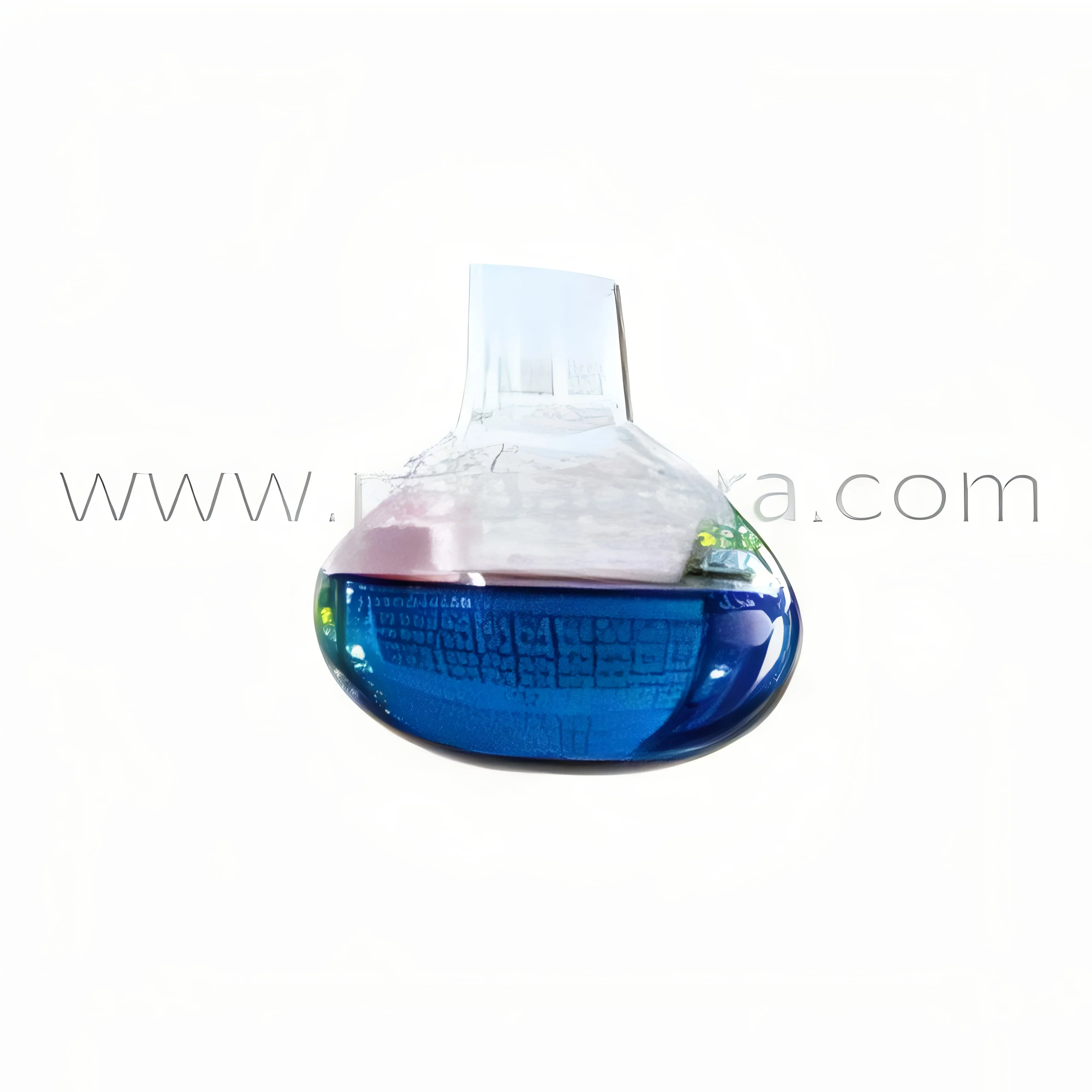
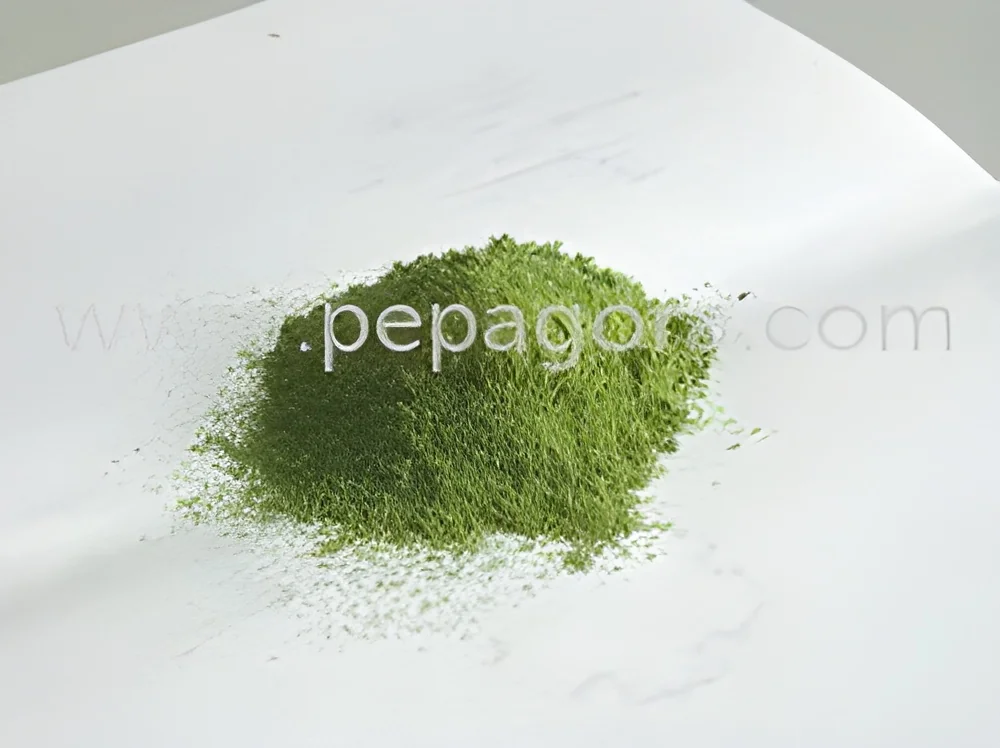
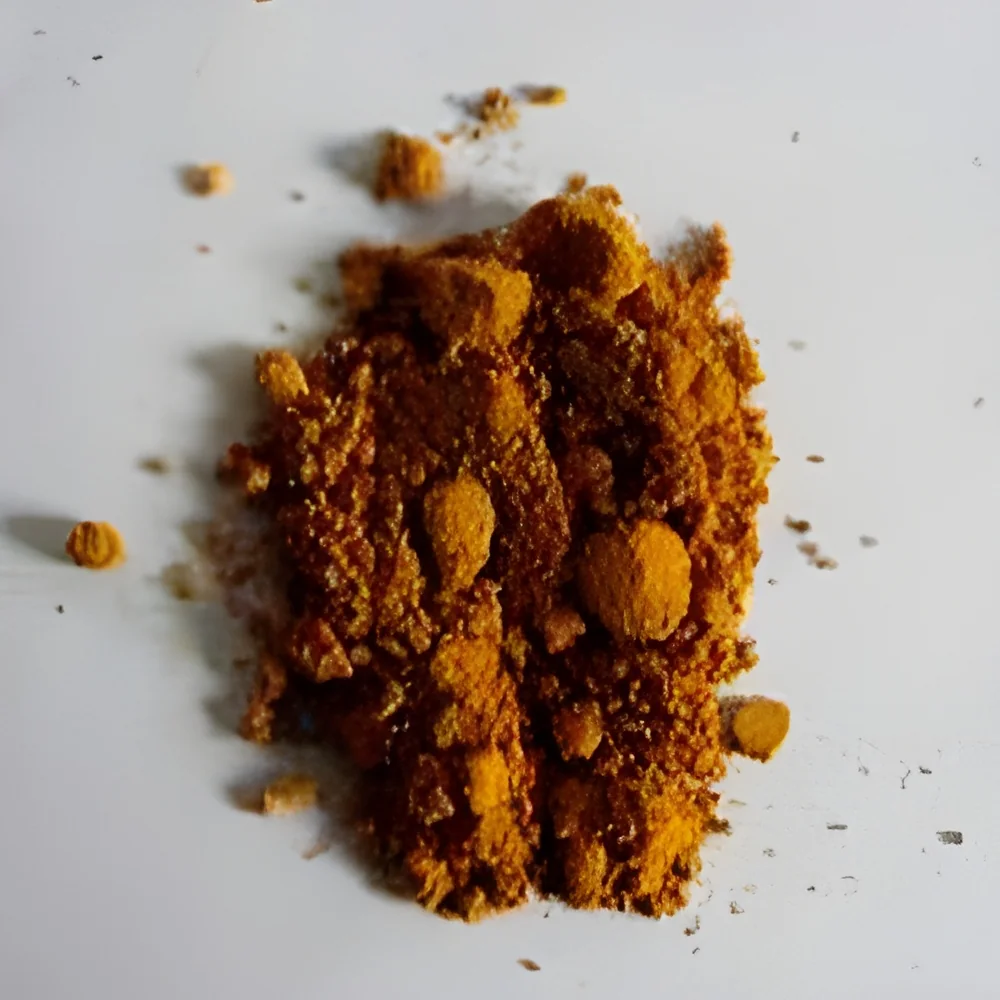
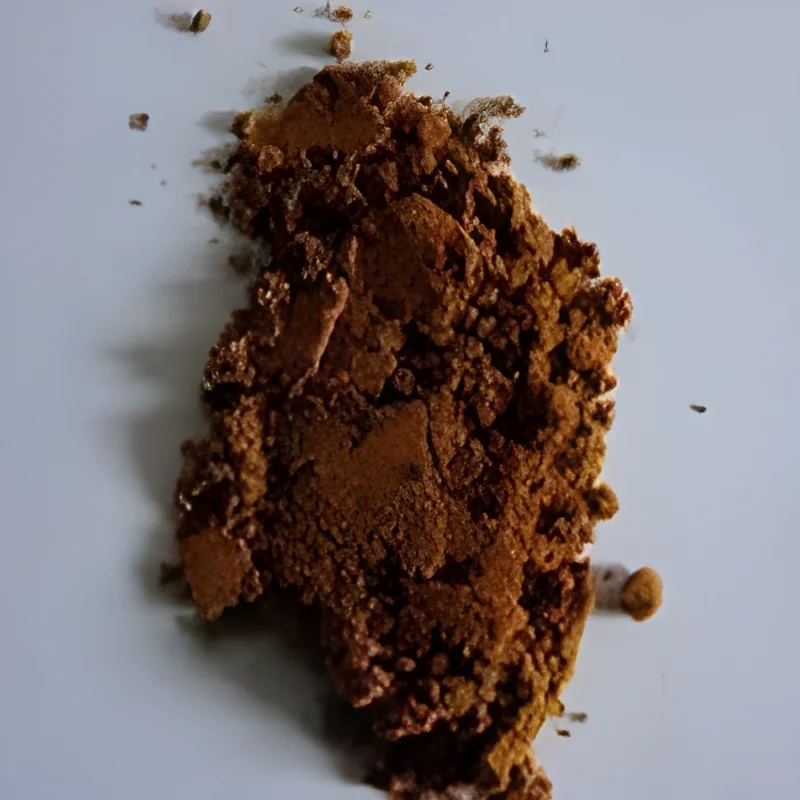
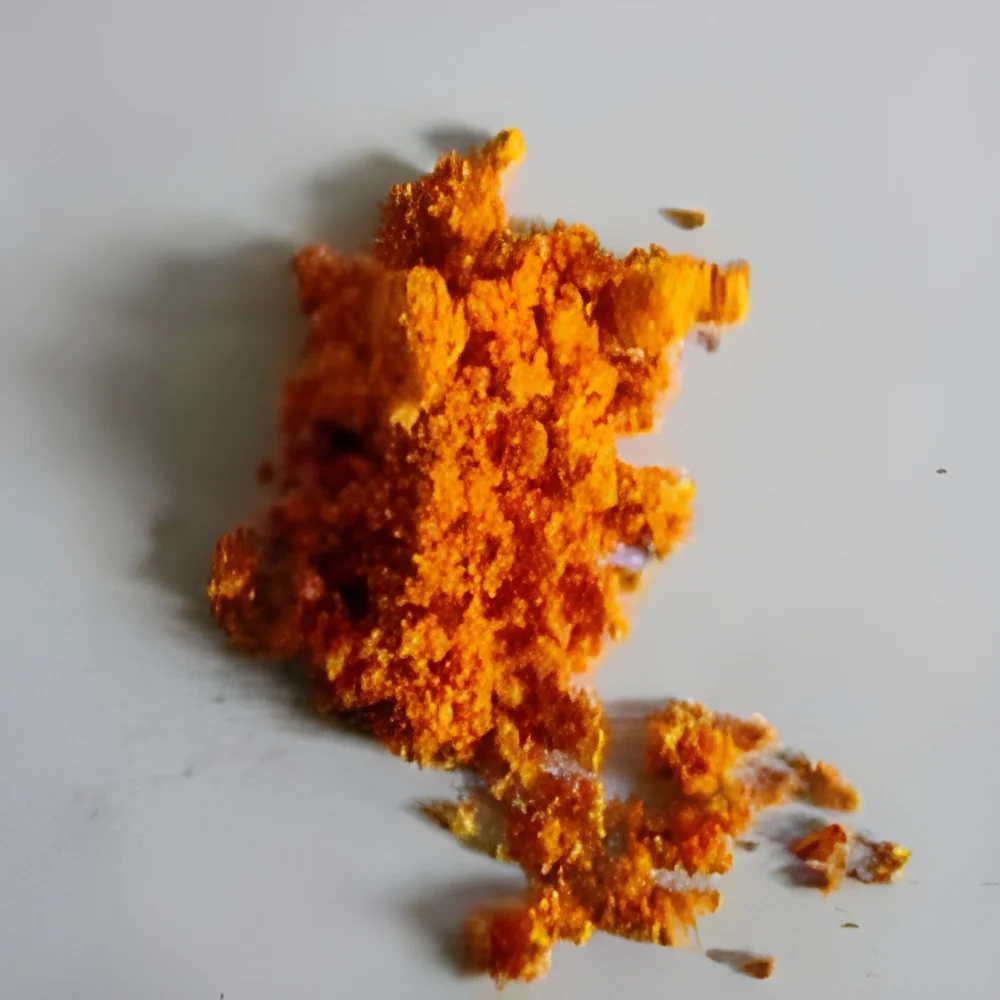
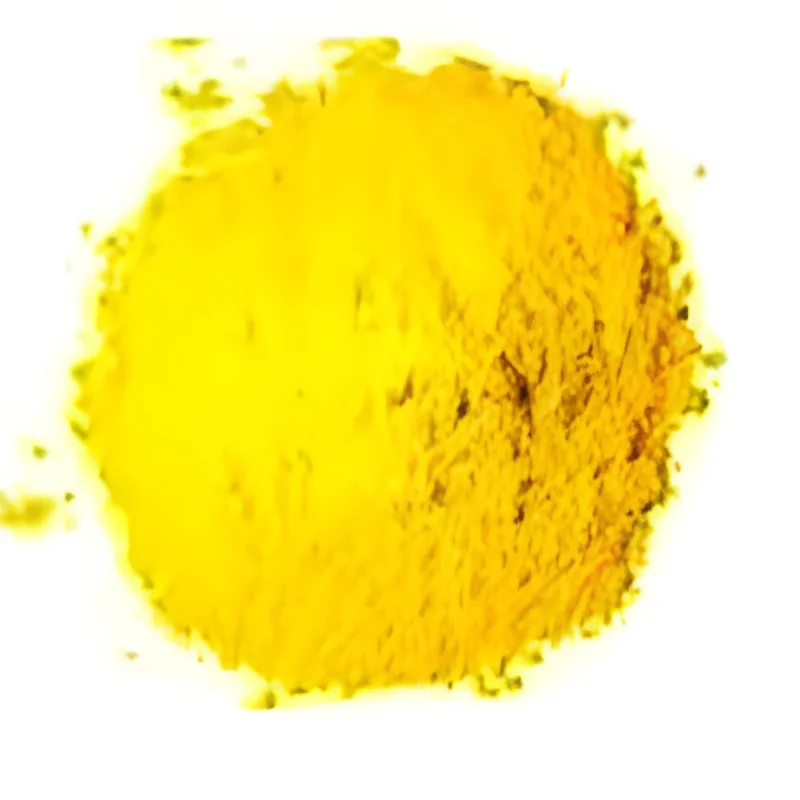
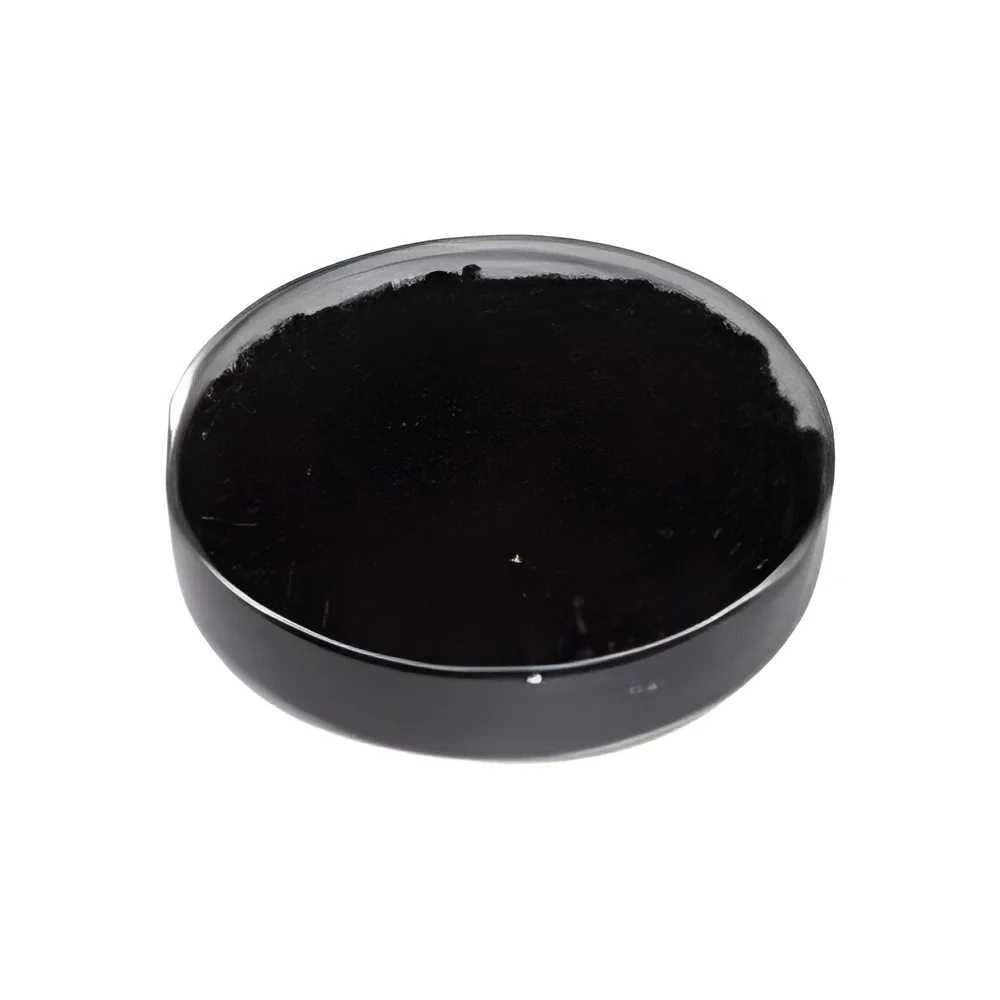
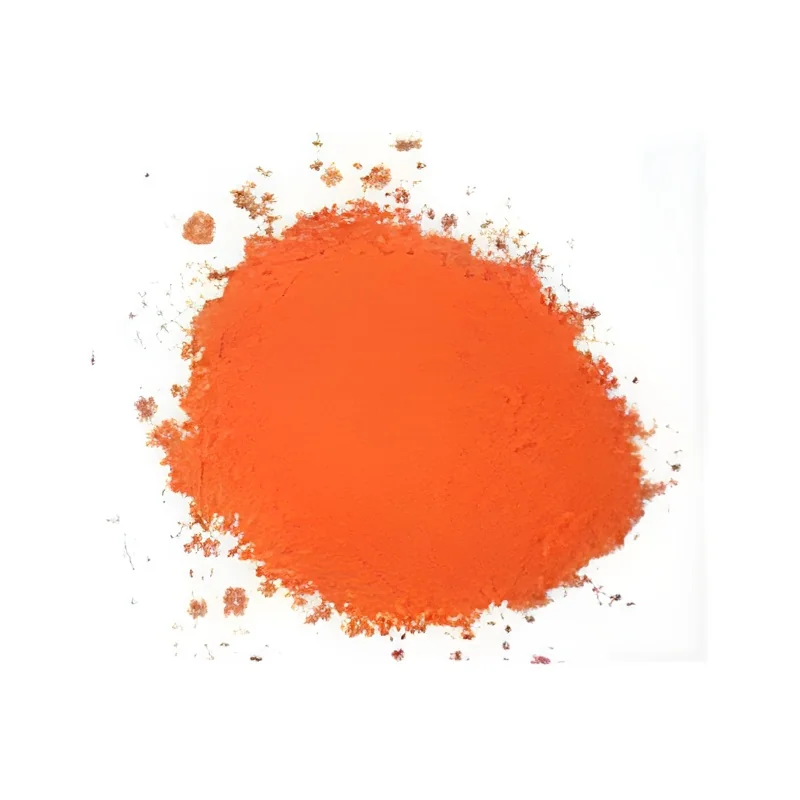
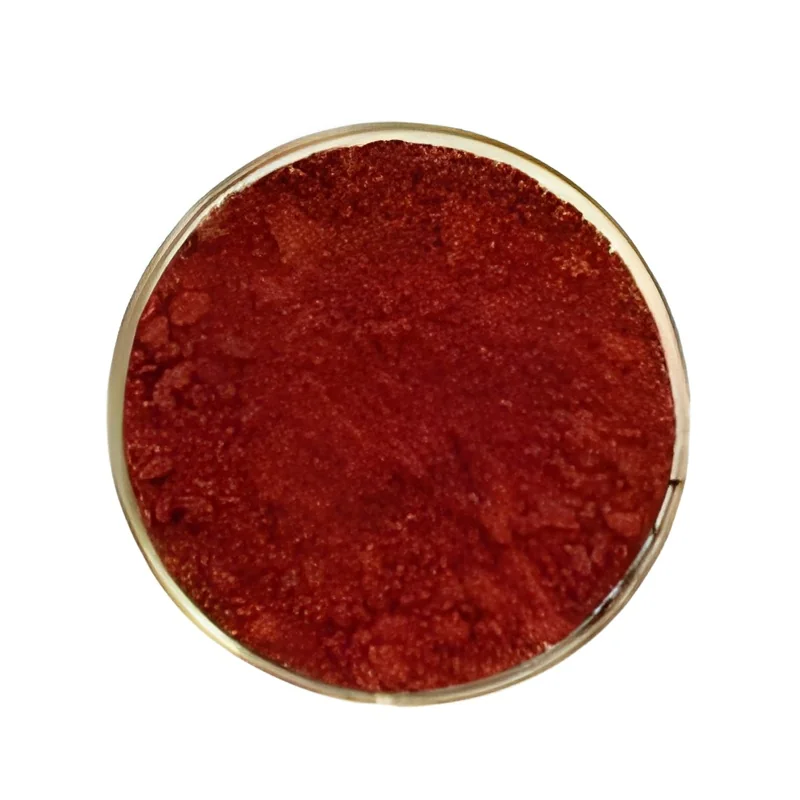
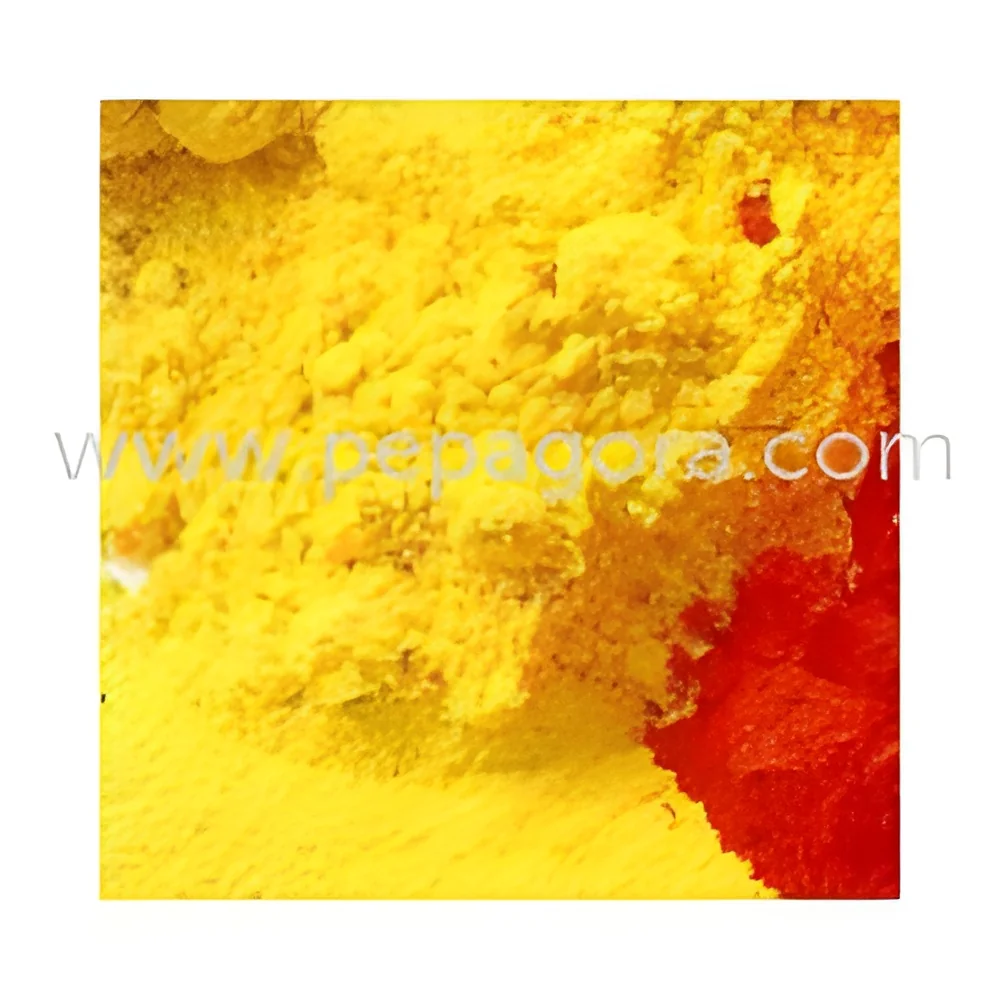
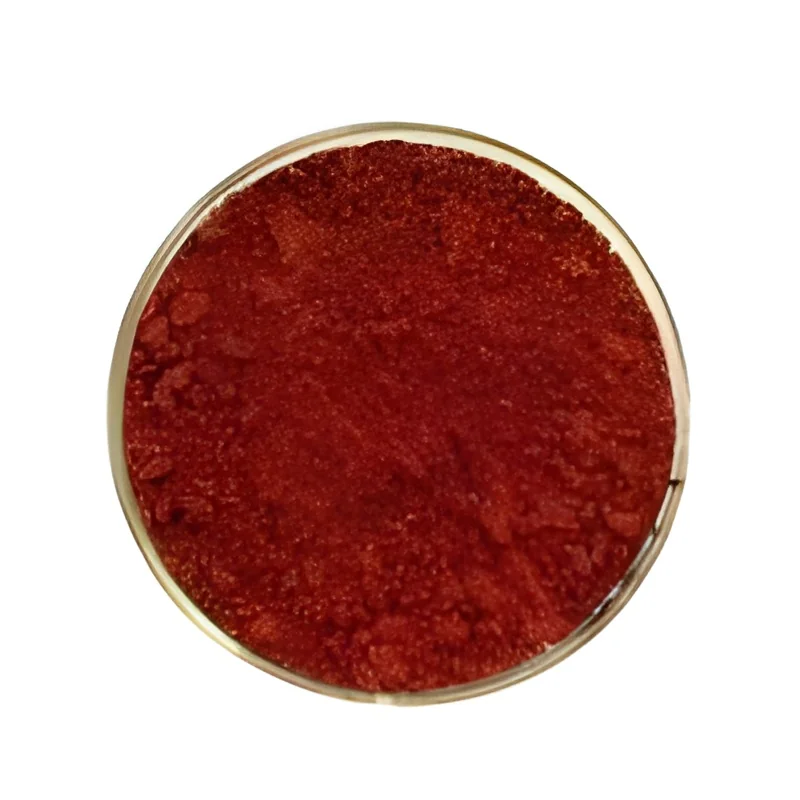
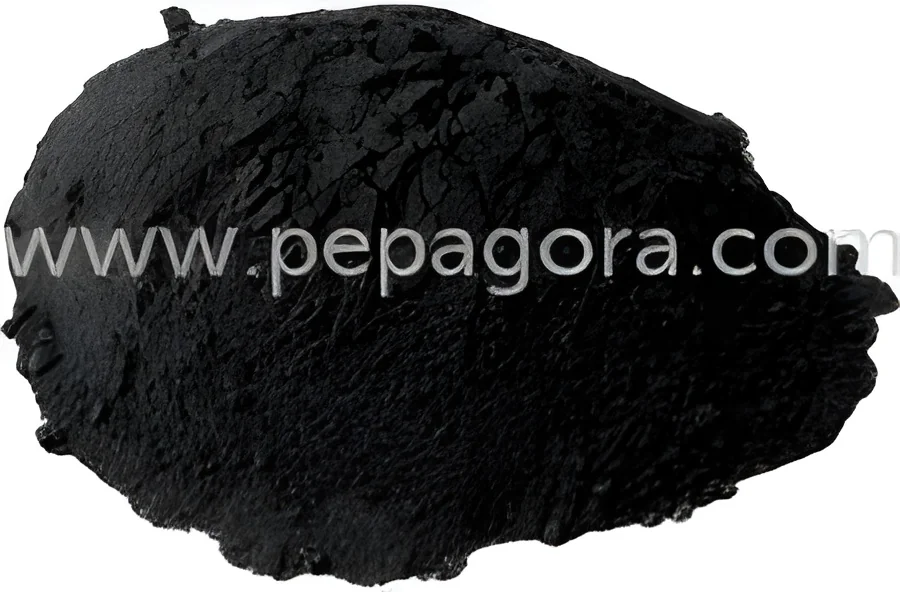
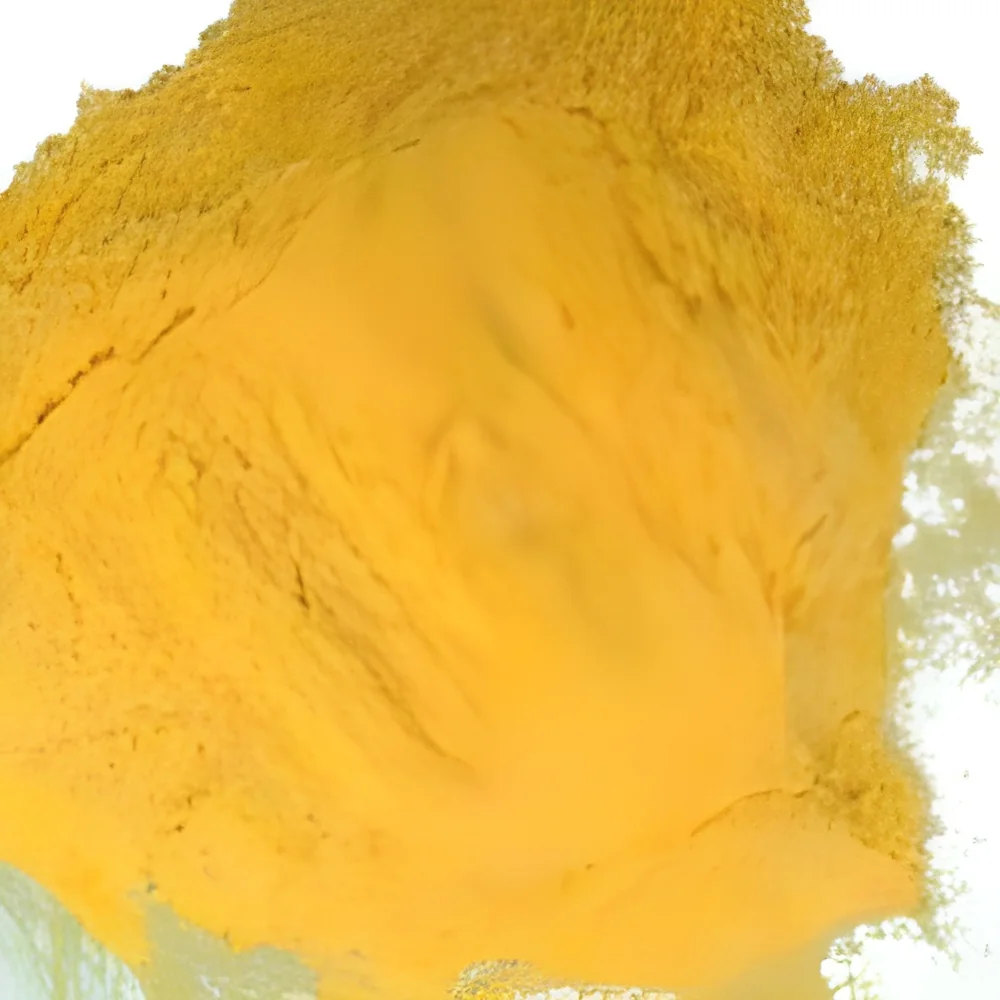
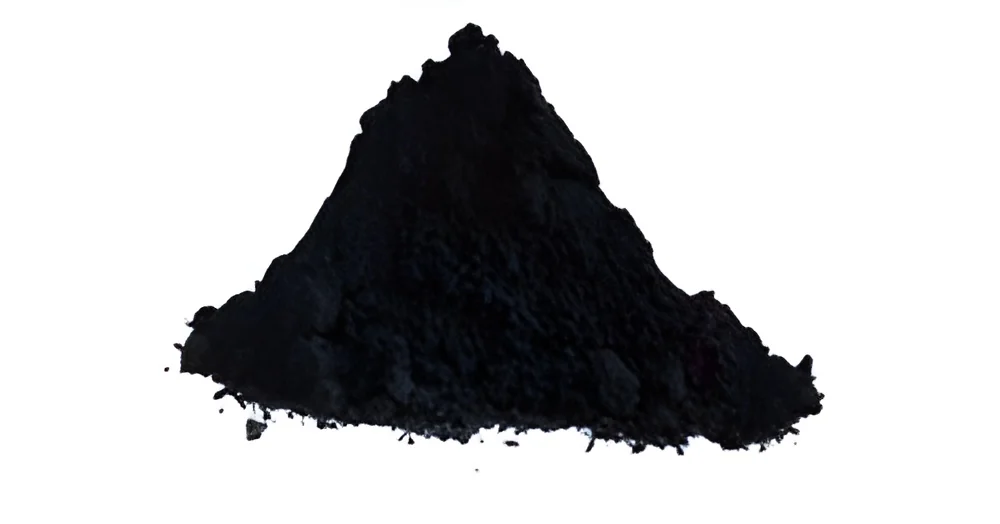
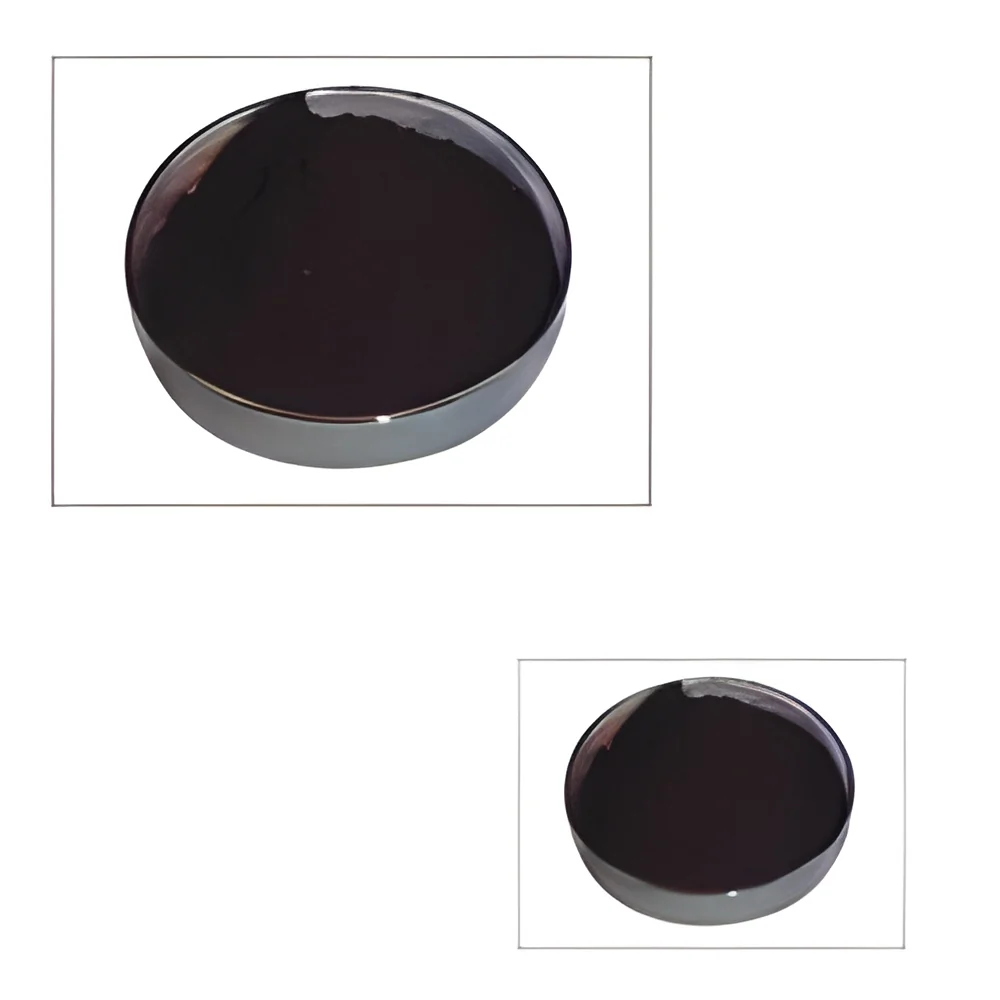
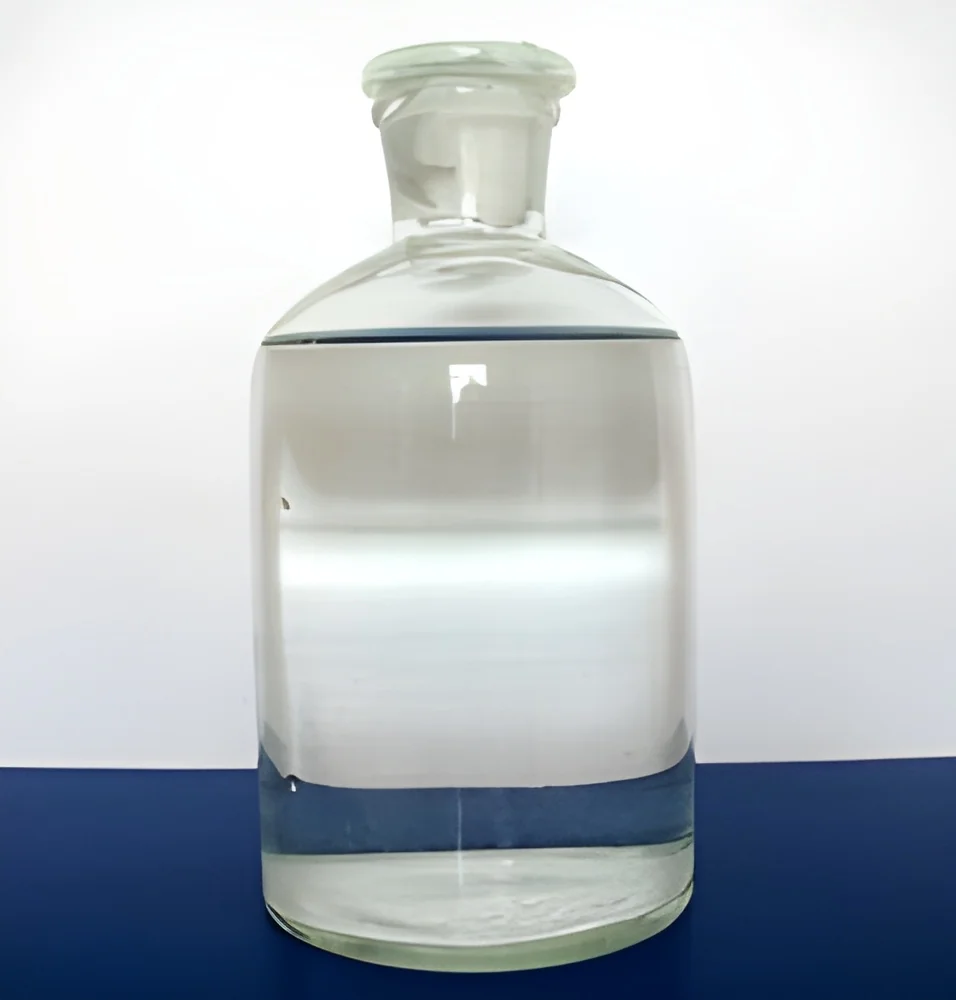
What are Solvent Dyes?
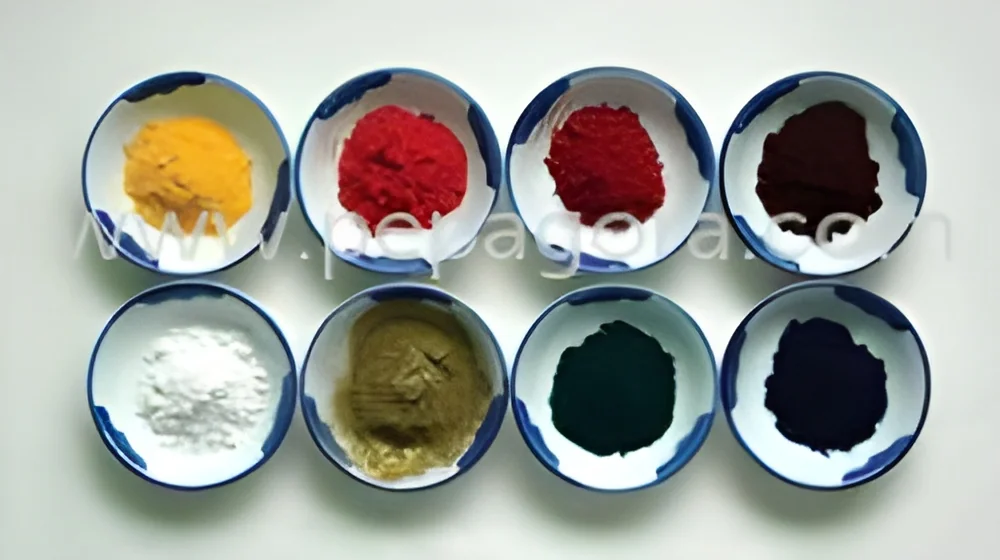
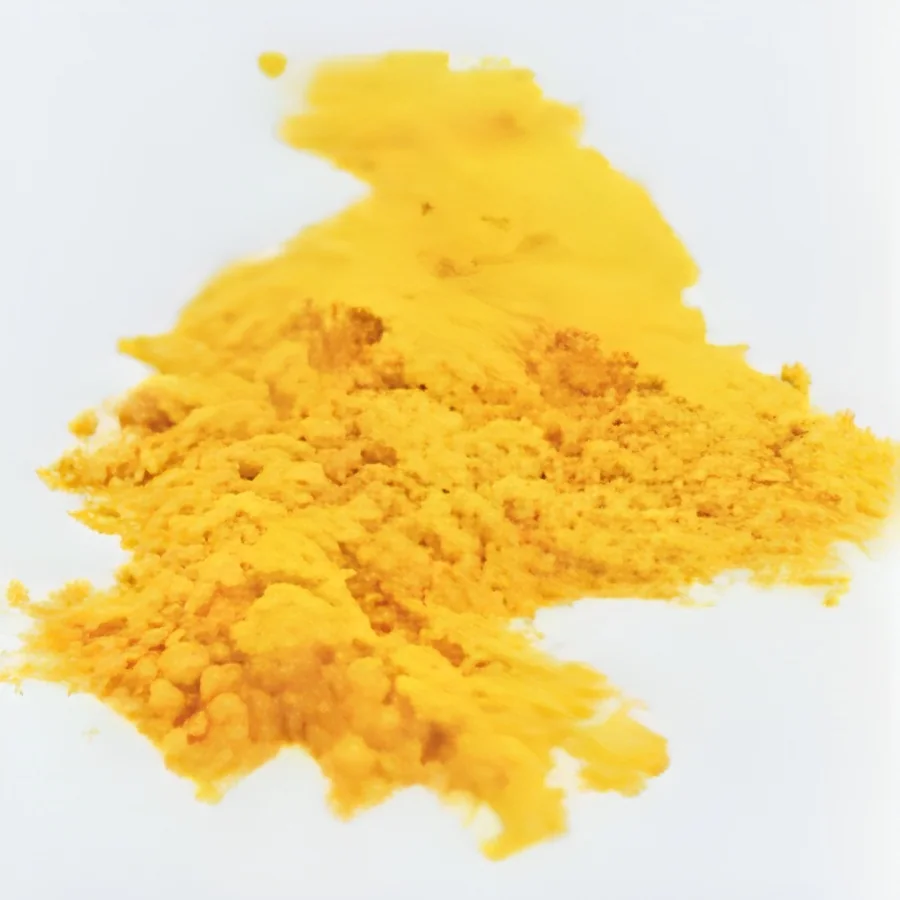
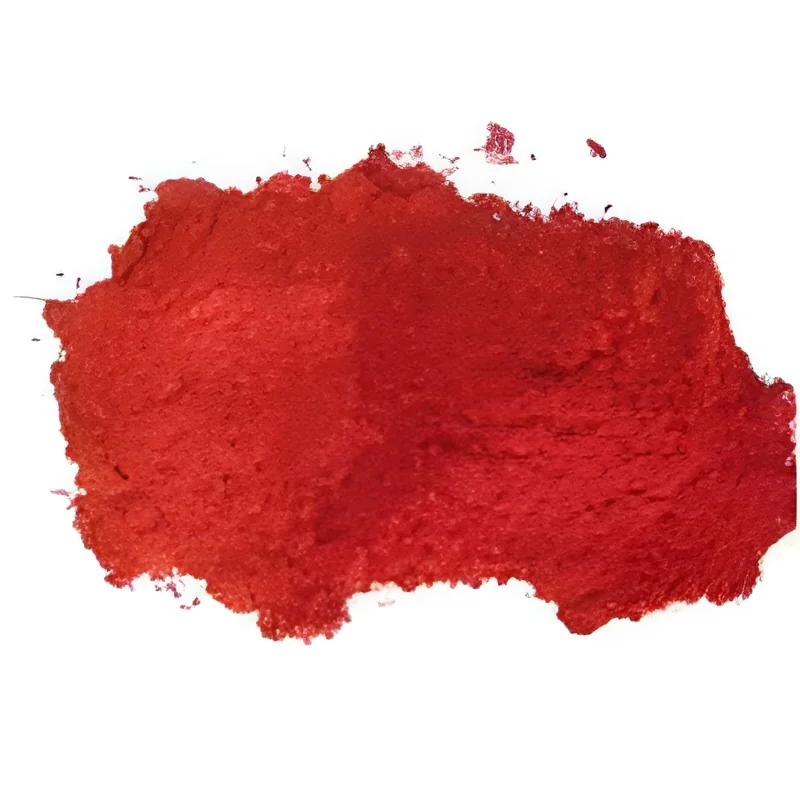
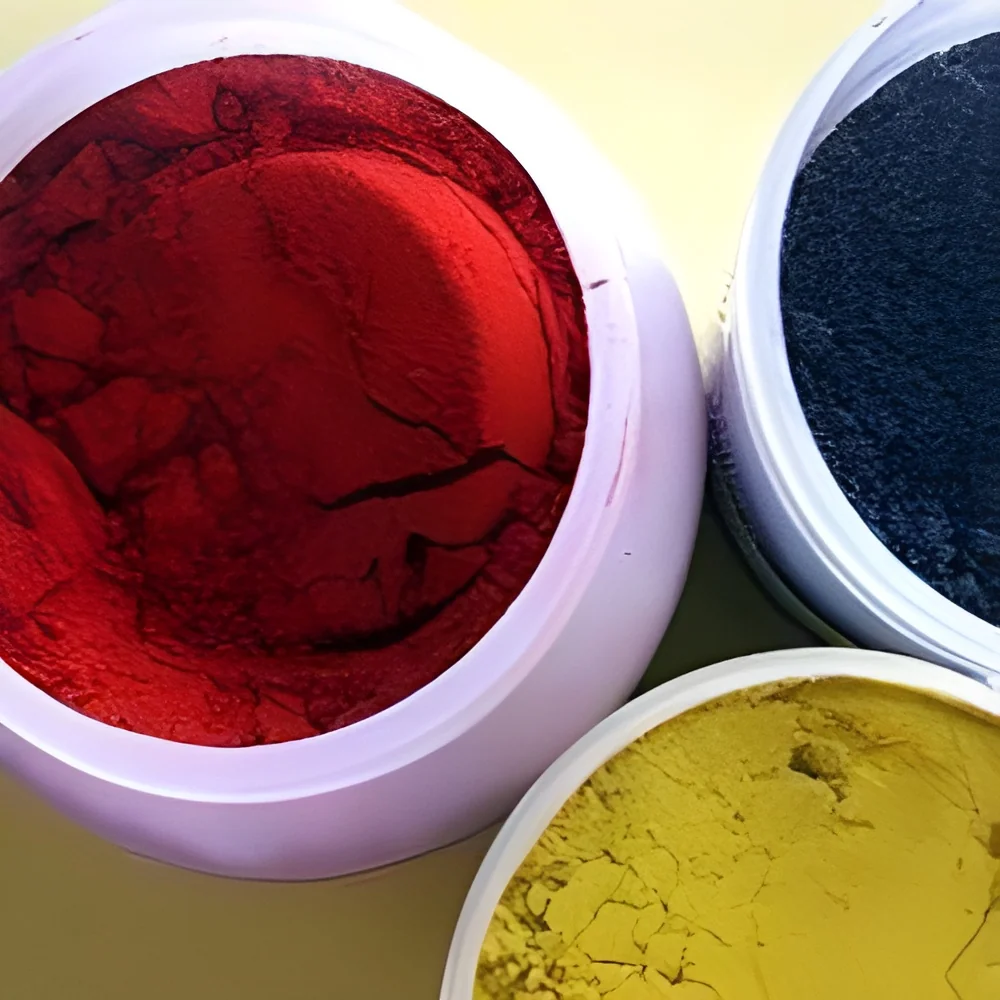
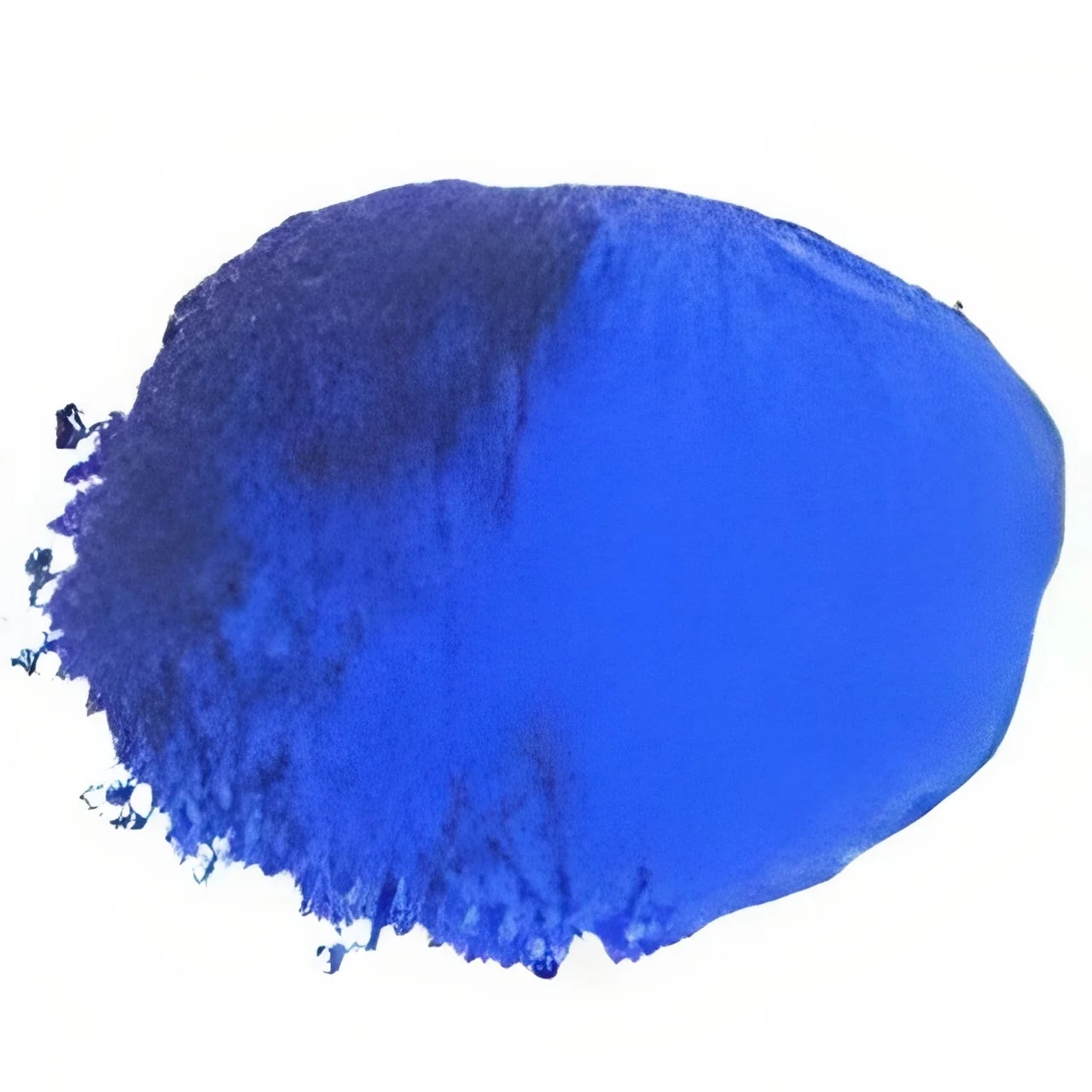
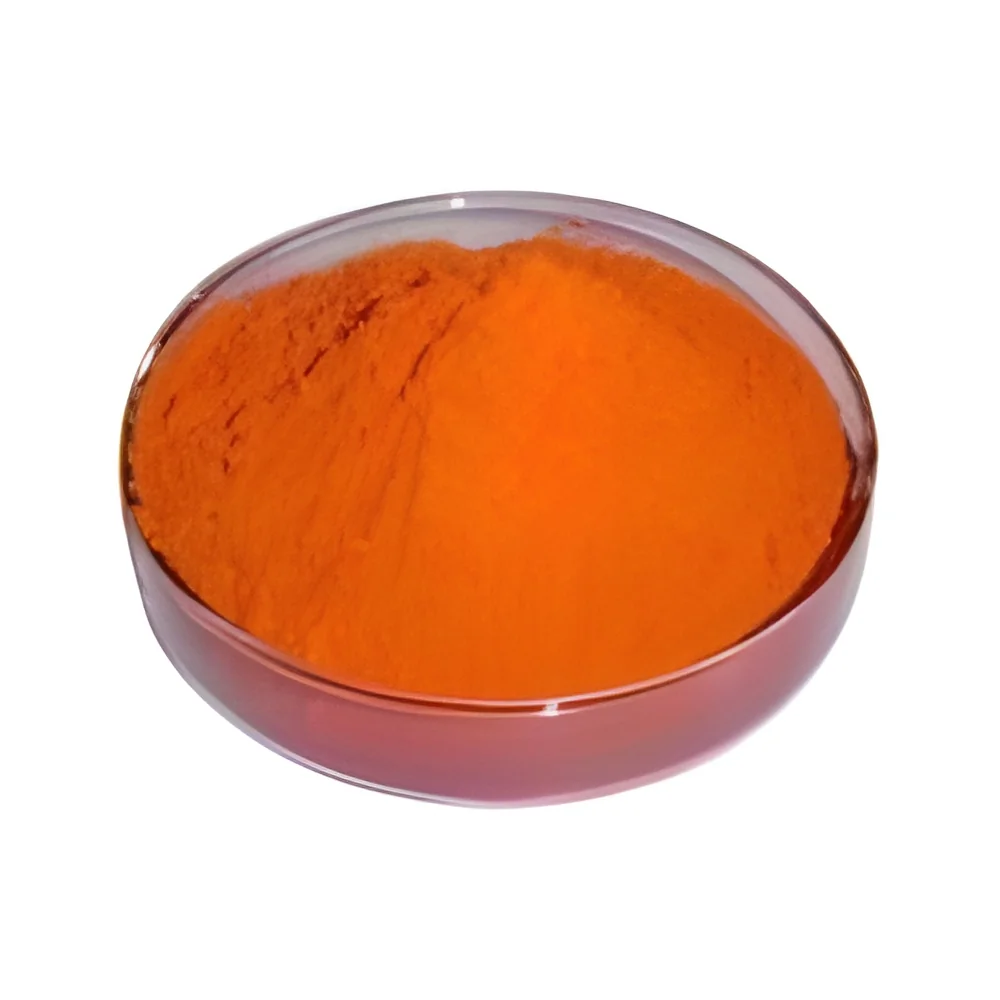
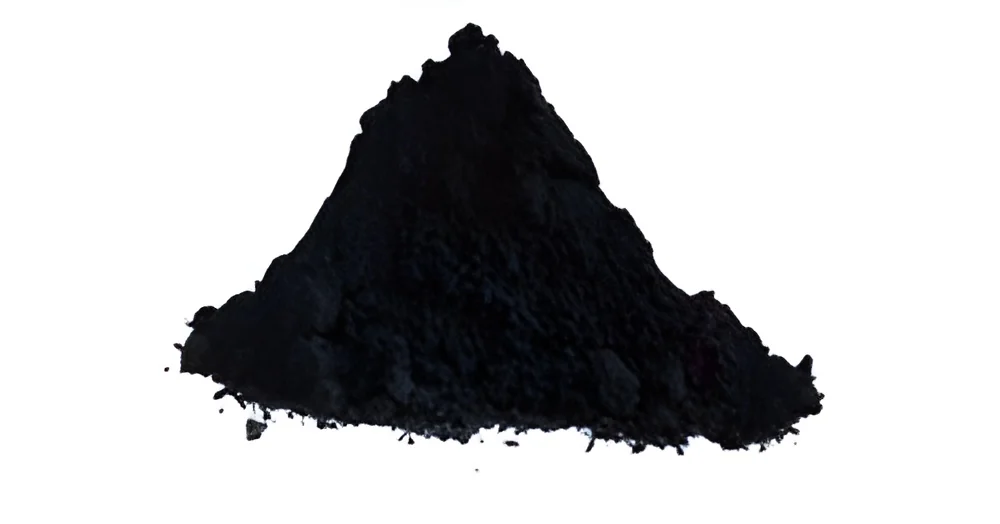
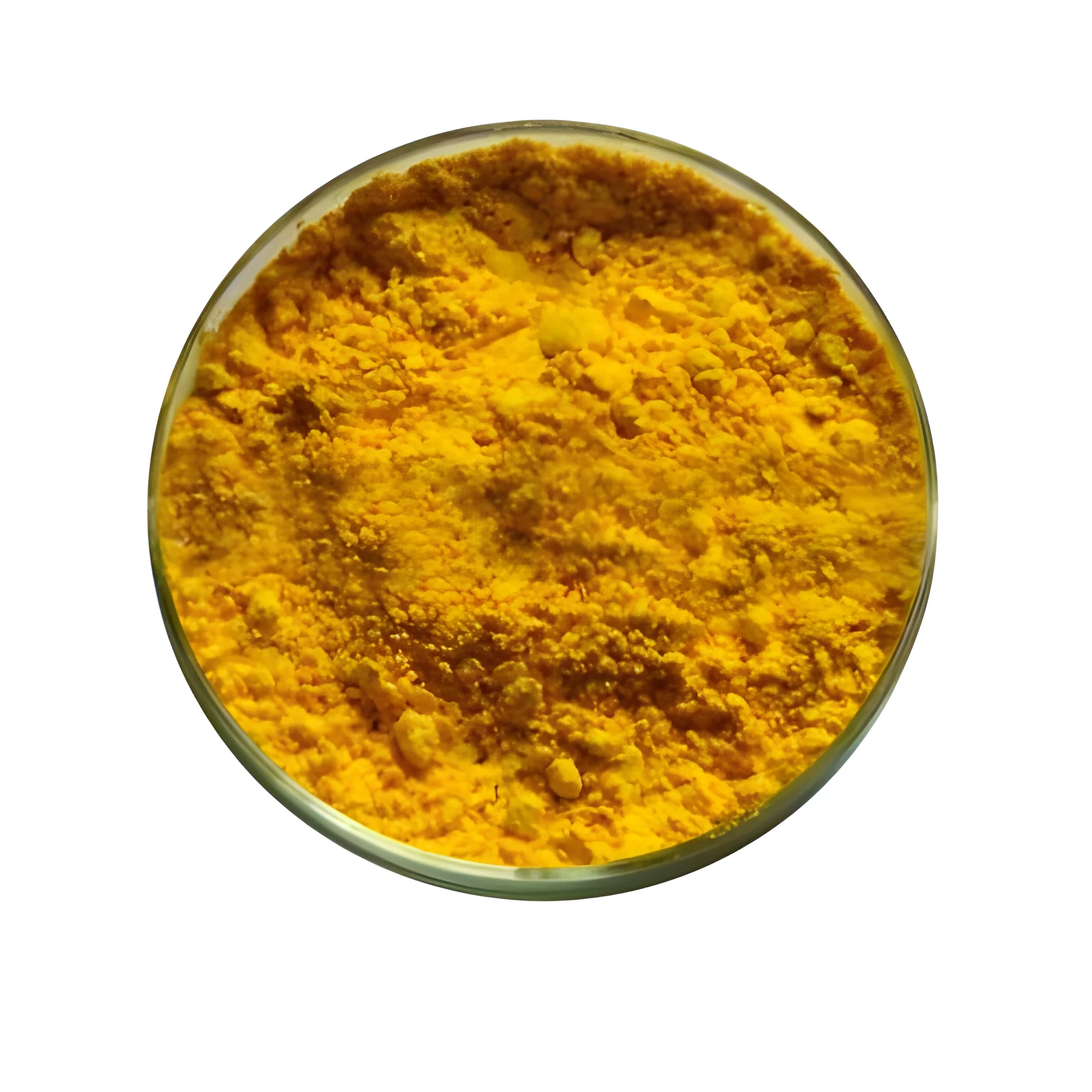
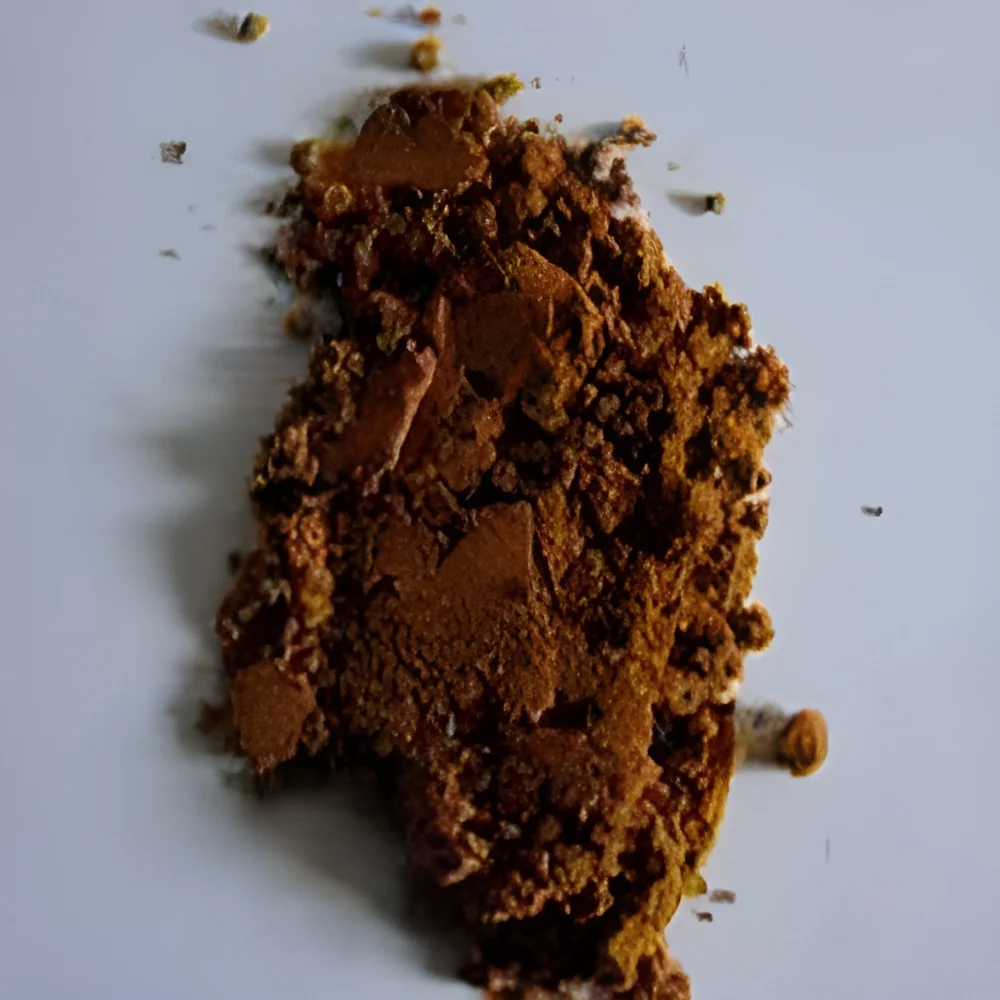
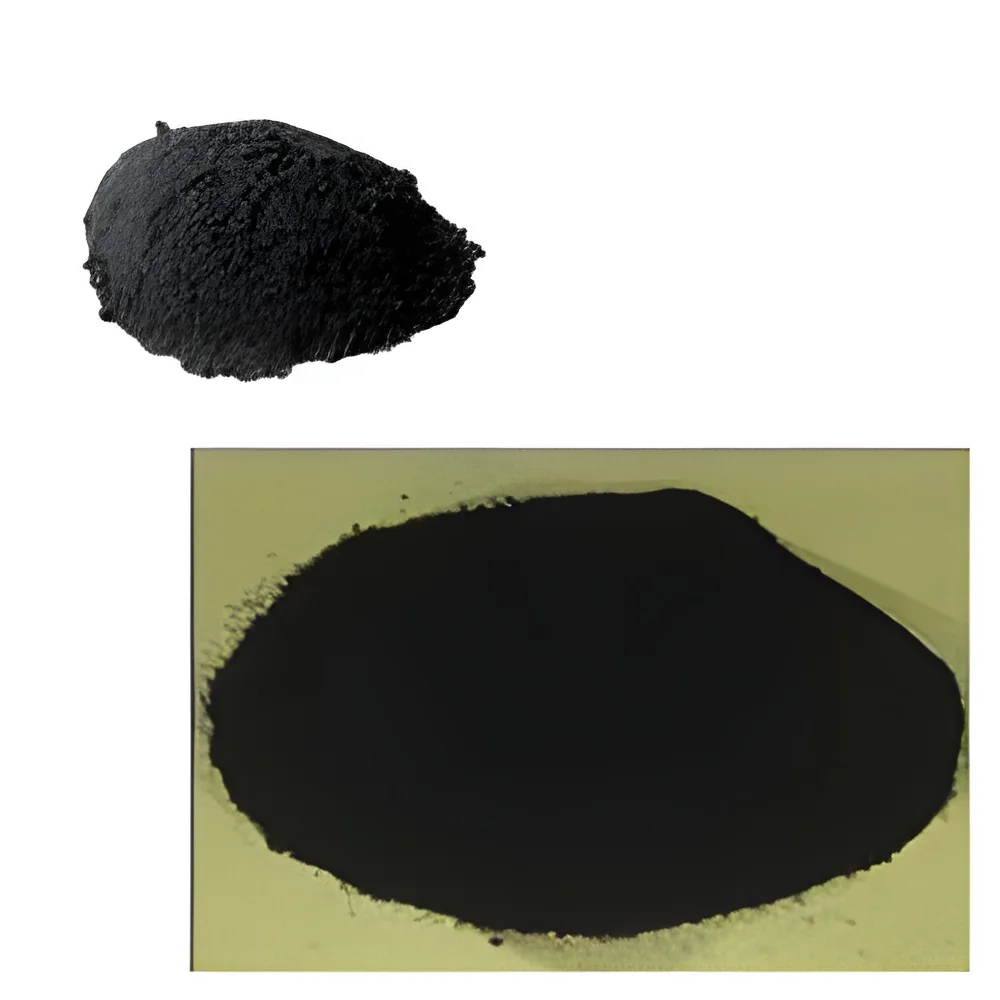
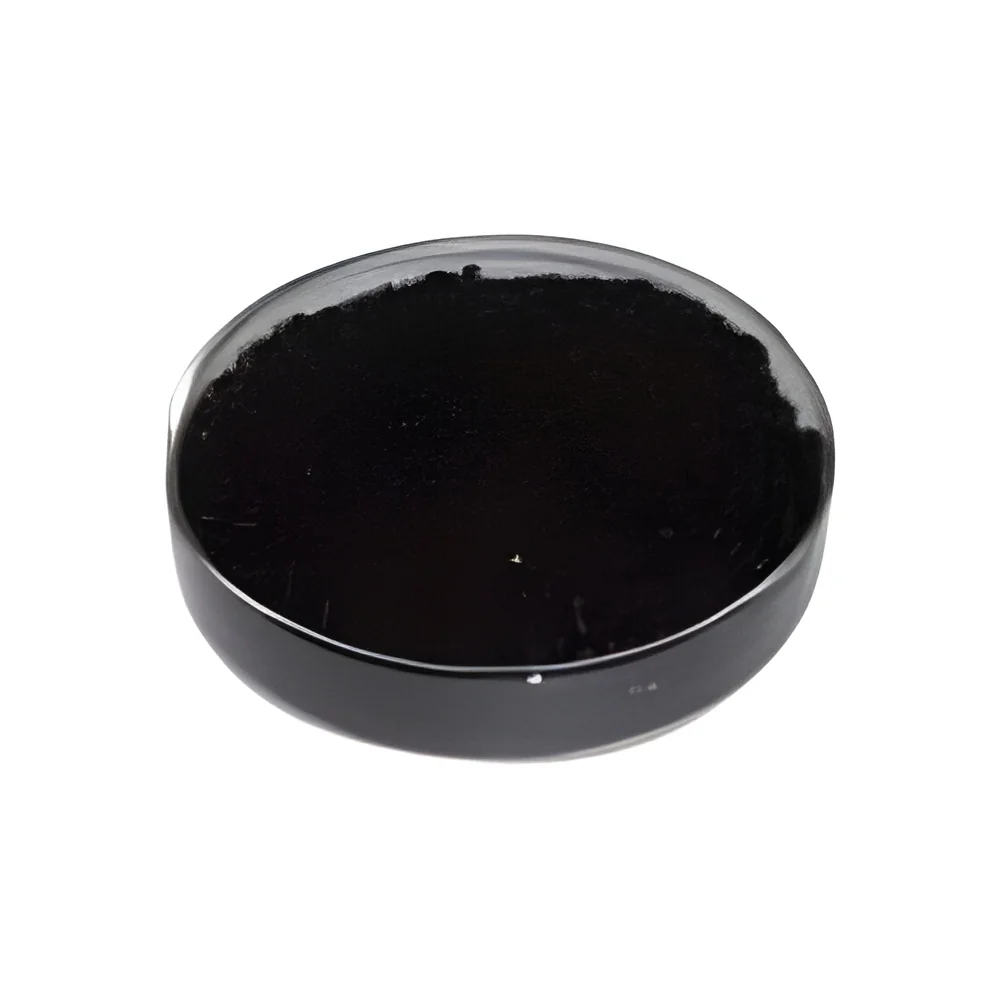
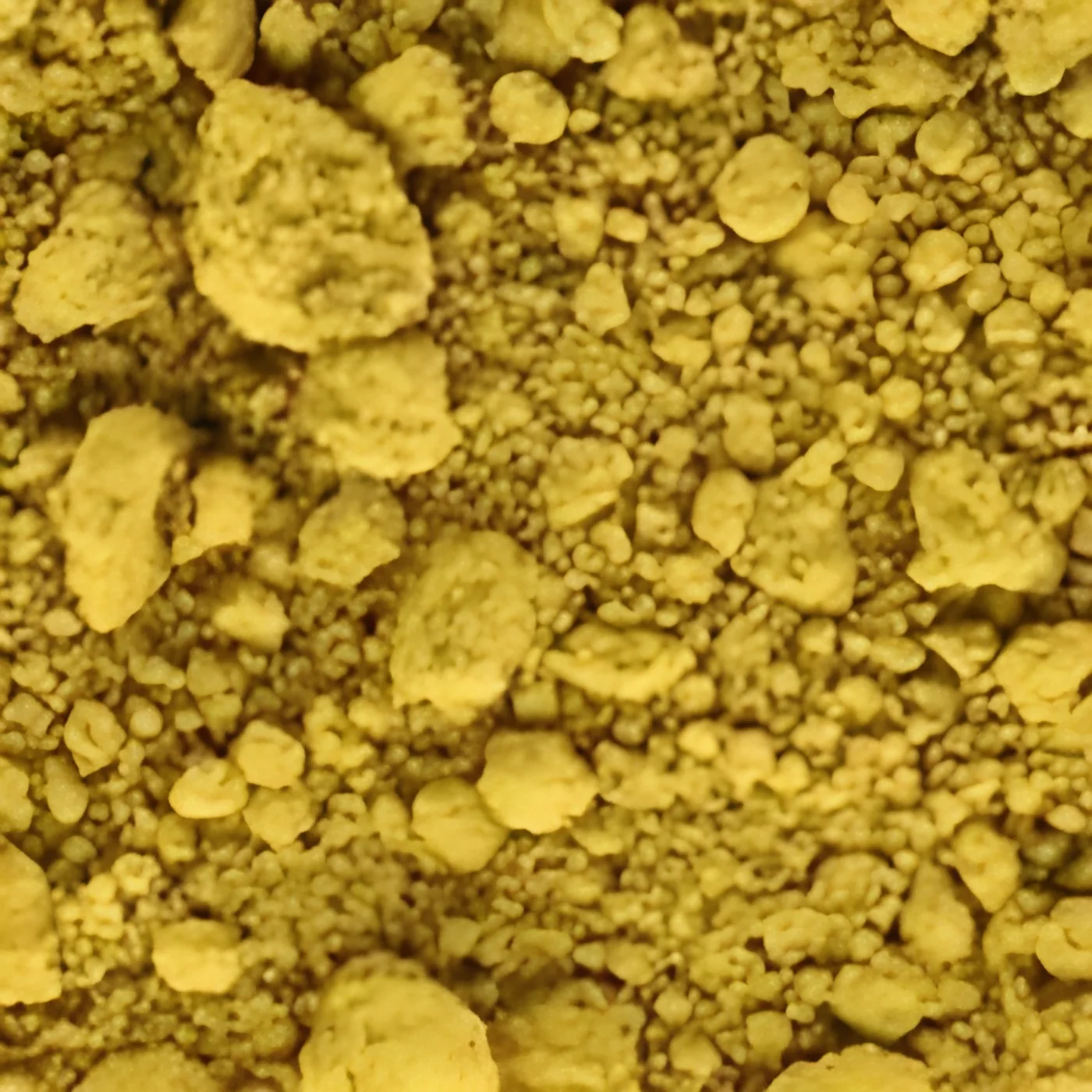
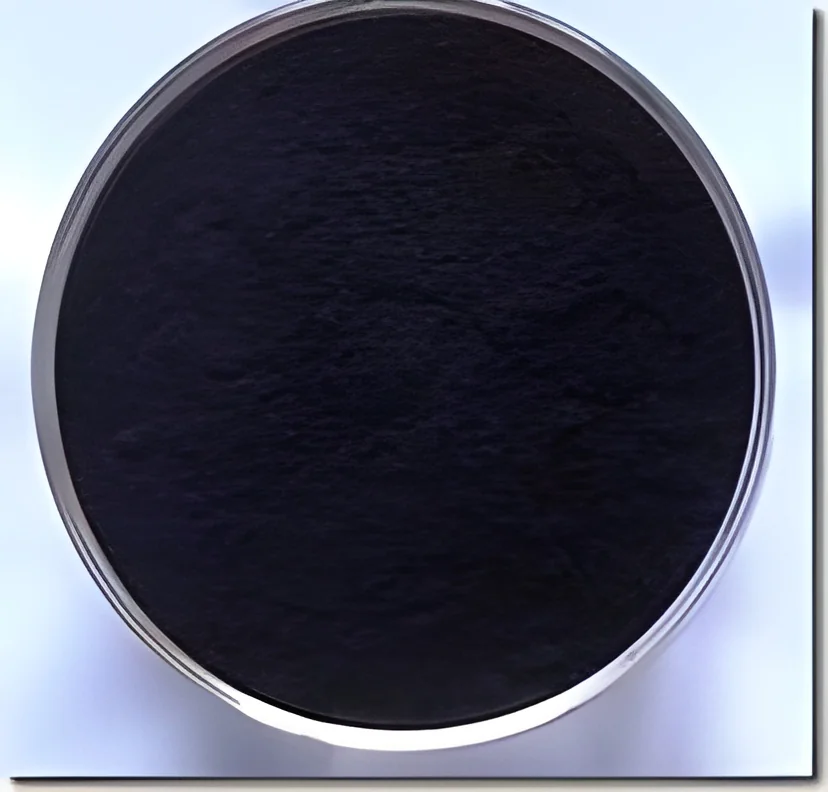
Solvent dyes are organic colorants that dissolve in organic solvents rather than water. They are known for their high color intensity, transparency, and excellent lightfastness, making them suitable for a variety of applications. Unlike water-soluble dyes, solvent dyes are often used in environments where moisture is a concern, as they remain stable in non-aqueous environments.
These dyes find primary use in industries such as plastics, coatings, and inks, where they impart vibrant colors and enhance the aesthetic appeal of products. They are frequently applied in automotive paints, industrial coatings, and markers, where durability and resistance to fading are crucial. The growing demand for high-quality finishes and the expansion of end-use industries contribute to the increasing relevance of solvent dyes in the market.
Key Features and Specifications
Solvent dyes offer a range of features that cater to diverse industrial applications. Their solubility in organic solvents allows for easy incorporation into various formulations. Additionally, they provide excellent stability under different conditions, which is essential for long-lasting applications.
Key specifications include:
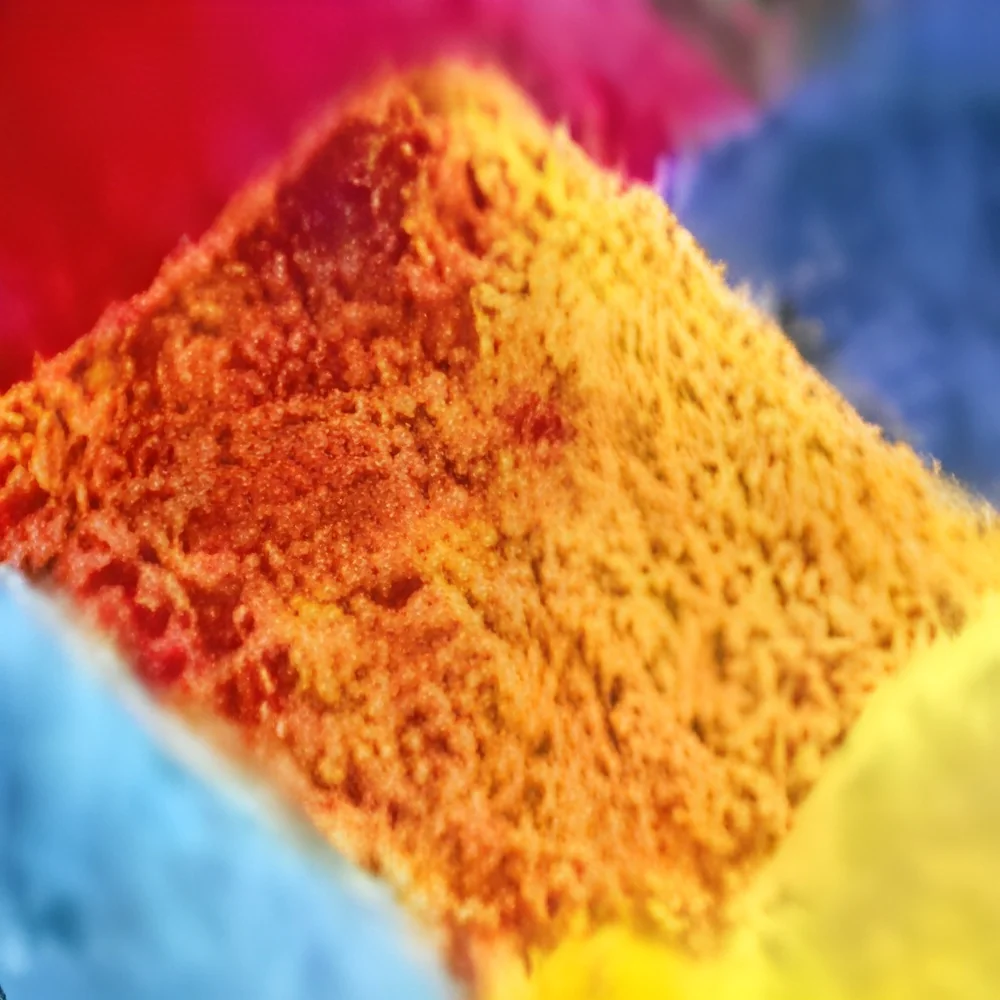
1. Color Range
- Available in a wide spectrum of colors
- Custom color matching options available
2. Solubility
- Highly soluble in organic solvents
- Limited solubility in water
3. Lightfastness
- Superior lightfastness compared to other dye types
- Rated on a scale from 1 to 8, with higher ratings indicating better performance
4. Temperature Stability
- Stable at elevated temperatures
- Can withstand processing conditions typical in industrial applications
5. Viscosity
- Low to moderate viscosity, facilitating ease of handling
- Viscosity varies based on the specific dye formulation
6. Chemical Resistance
- Resistant to various chemicals and solvents
- Suitable for use in harsh industrial environments
7. Performance in Coatings
- Provides excellent coverage and uniformity in coatings
- Enhances the overall finish and durability of the applied surface
In summary, solvent dyes are characterized by their vibrant color range, high solubility in organic solvents, and excellent performance in various applications, making them a preferred choice among manufacturers.
Common Applications and Use Cases
Solvent dyes are utilized across multiple industries due to their unique properties and versatility.
1. Plastics: Solvent dyes are extensively used to color plastics, including polyethylene and polypropylene, providing vibrant hues that enhance product appeal.
2. Coatings: In the coatings industry, these dyes are employed in automotive paints and industrial coatings, where durability and weather resistance are critical.
3. Inks: Solvent-based inks for printing applications benefit from the rich colors and fast drying times provided by solvent dyes.
4. Textiles: Some textiles use solvent dyes for their ability to penetrate fibers, resulting in vivid colors that resist fading.
5. Leather: In the leather industry, solvent dyes are used for finishing, offering a wide range of colors while ensuring water resistance.
6. Cosmetics: Certain cosmetics formulations incorporate solvent dyes to achieve desired color effects while maintaining product stability.
7. Adhesives: Solvent dyes can also be used in adhesive formulations to enhance visibility or branding.
Product Variants and Subcategories
Solvent dyes come in various formulations tailored to meet specific industry needs.
Variant 1: High-performance Solvent Dyes
These dyes are designed for applications requiring superior lightfastness and chemical resistance. They are suitable for industrial coatings and automotive applications.
Variant 2: General-purpose Solvent Dyes
Ideal for a wide range of applications, these dyes offer an economical solution for coloring plastics and inks while maintaining good performance.
Variant 3: Specialty Solvent Dyes
These dyes are formulated for niche applications, including cosmetics and specialty inks, providing unique color properties suited for specific requirements.
Benefits and Advantages
Choosing solvent dyes offers numerous advantages for manufacturers.
1. High Color Strength: Solvent dyes provide intense coloration, enabling manufacturers to use less product while achieving vibrant results.
2. Excellent Lightfastness: Their superior lightfastness ensures colors remain bright and vivid over time, even under exposure to sunlight.
3. Versatility: Solvent dyes can be utilized in various applications, making them suitable for multiple industries.
4. Chemical Resistance: They withstand exposure to solvents and harsh chemicals, ensuring long-lasting performance in challenging environments.
5. Easy Processing: Their compatibility with various solvents facilitates easy incorporation into formulations, streamlining production processes.
6. Customization: Many suppliers offer custom color matching services, allowing businesses to obtain specific shades tailored to their brand or product line.
Buying Guide for B2B Buyers
When sourcing solvent dyes, various factors need to be considered to ensure the right choice for your business needs.
1. Quality Assessment: Evaluate the quality of dyes through supplier certifications and product samples. Look for consistency in color and performance characteristics.
2. Supplier Verification: Vet potential suppliers thoroughly. Assess their reputation, years in business, and customer reviews to ensure reliability and product quality.
3. Pricing and MOQ: Understand the pricing structure and minimum order quantities (MOQ) required by suppliers. Compare prices while considering quality to make informed purchasing decisions.
4. Delivery and Lead Times: Inquire about delivery schedules and lead times. Timely delivery is essential to maintain production schedules.
5. Compliance Requirements: Ensure that the solvent dyes meet local and international regulatory standards. Familiarize yourself with any compliance requirements that may impact your sourcing decisions.
Compliance and Certifications
Compliance and certifications are critical aspects of sourcing solvent dyes.
Many solvent dyes adhere to quality standards such as ISO 9001, which ensures that manufacturers maintain quality management systems. Certifications like CE indicate compliance with European safety and health regulations, enhancing product credibility.
Safety and testing requirements are also paramount. Dyes must meet rigorous testing for toxicity and environmental impact, ensuring they are safe for use in various applications.
Regional compliance considerations may vary based on geographic location. Understanding local regulations can help businesses avoid legal issues and ensure product safety.
Why Source Solvent Dyes from Pepagora?
Pepagora provides a trusted platform for sourcing solvent dyes, offering several key advantages to B2B buyers.
Verified Supplier Network: Pepagora connects buyers with a network of verified suppliers, ensuring that all partners meet strict quality standards. This minimizes the risk associated with sourcing from unknown vendors.
Streamlined RFQ Process: The platform simplifies the request for quotation (RFQ) process, allowing buyers to efficiently gather and compare offers from multiple suppliers in one place, saving time and resources.
Trade Assurance and Support: Pepagora offers trade assurance and buyer protection, providing peace of mind to customers. Support services help address any issues that may arise during the procurement process.
Regional Coverage: With a strong presence in India, the GCC, and Southeast Asia, Pepagora facilitates regional sourcing, making it easier for businesses to connect with local suppliers and optimize their supply chains.

 IN
IN