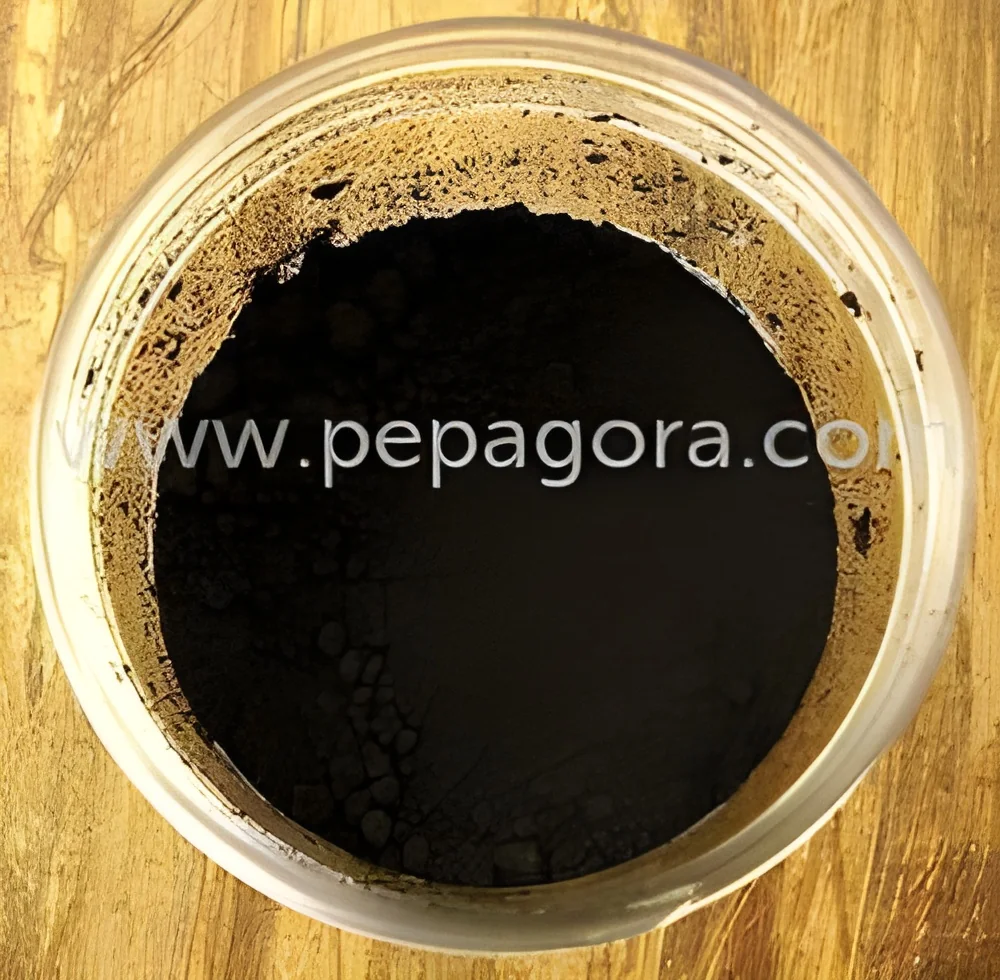
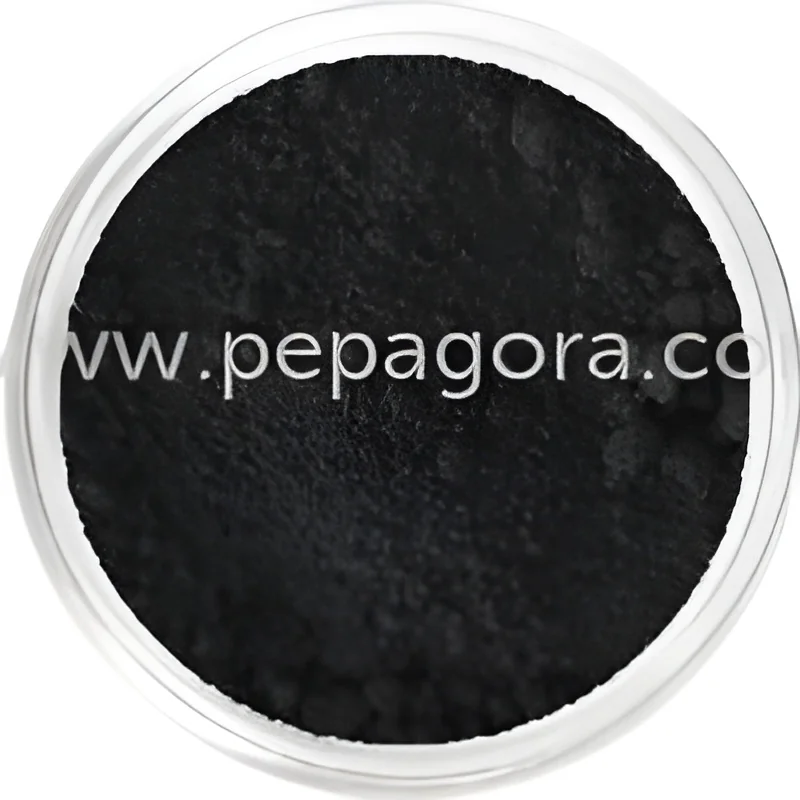
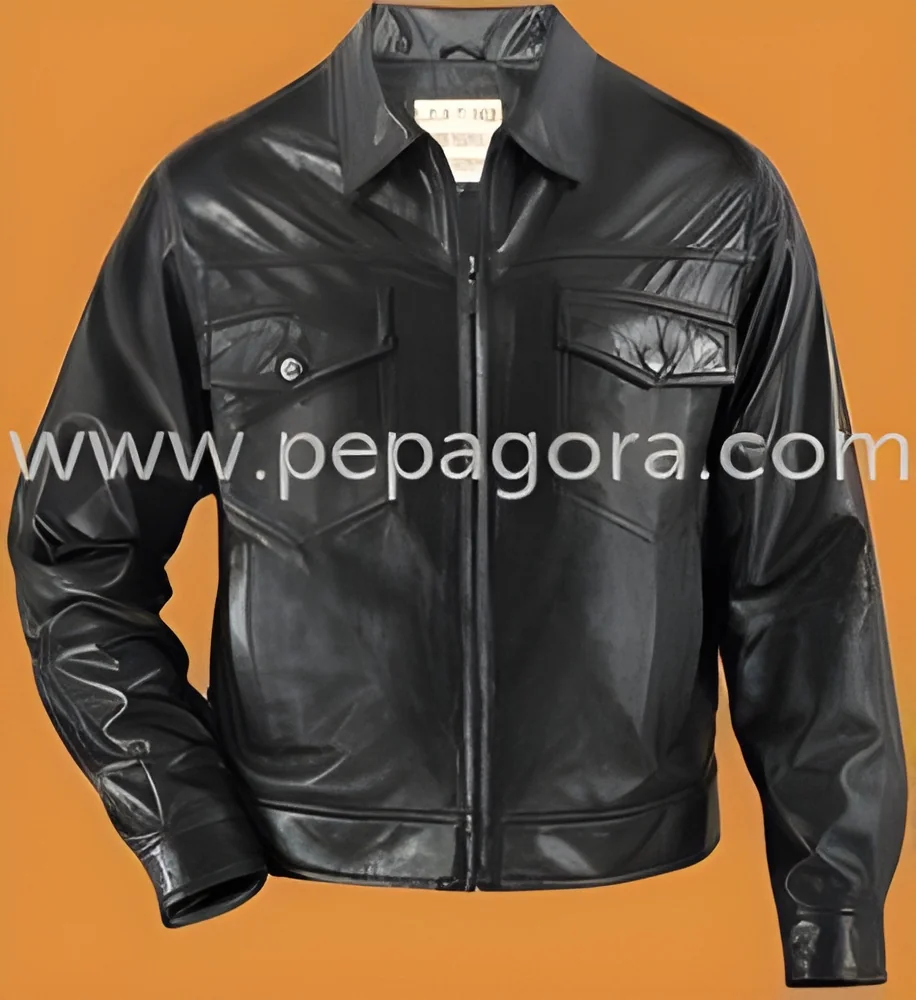
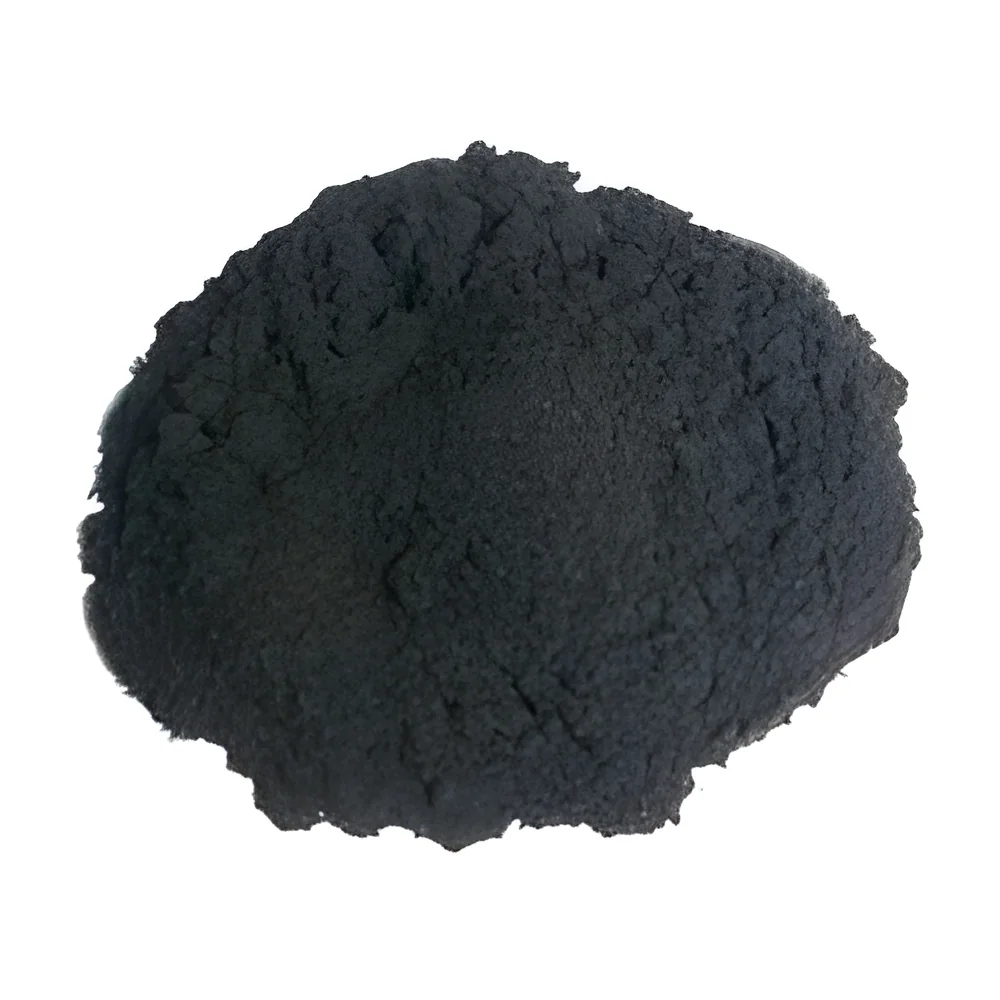
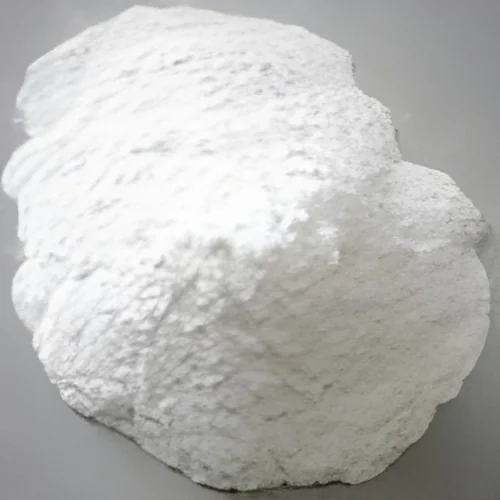
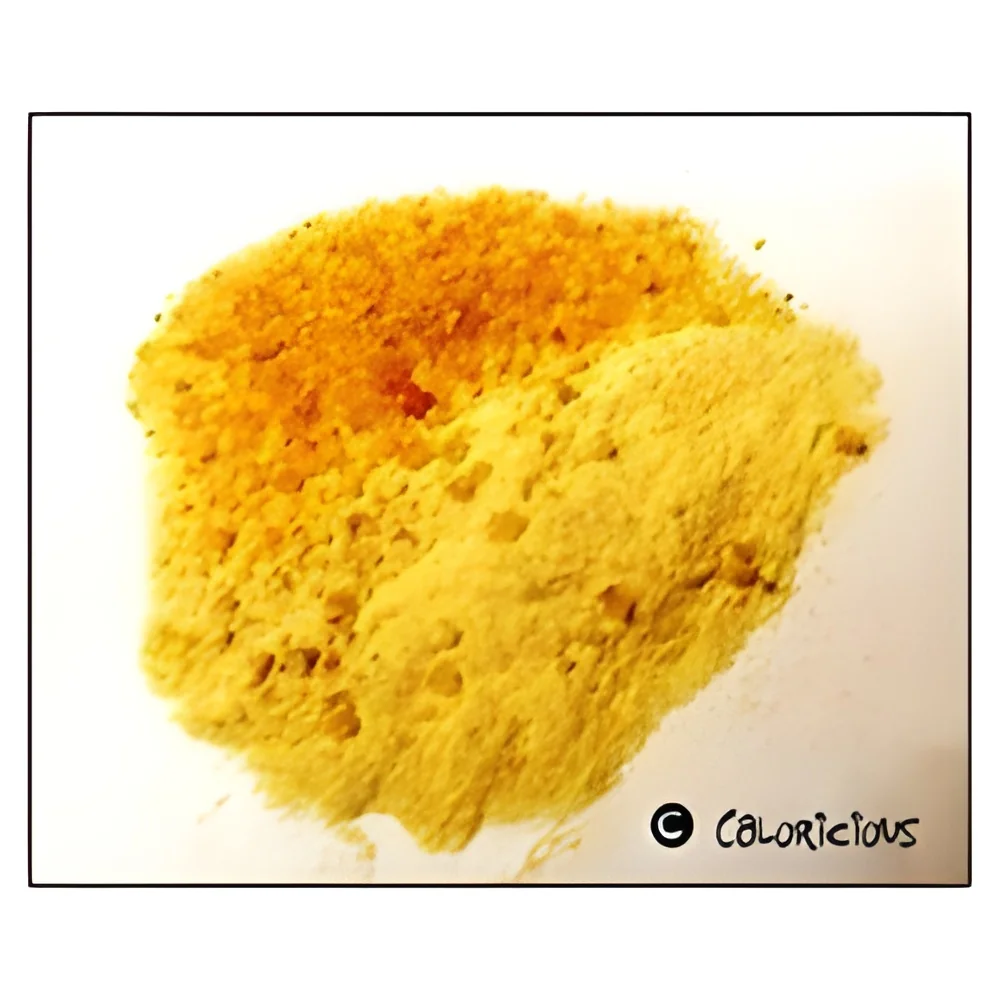
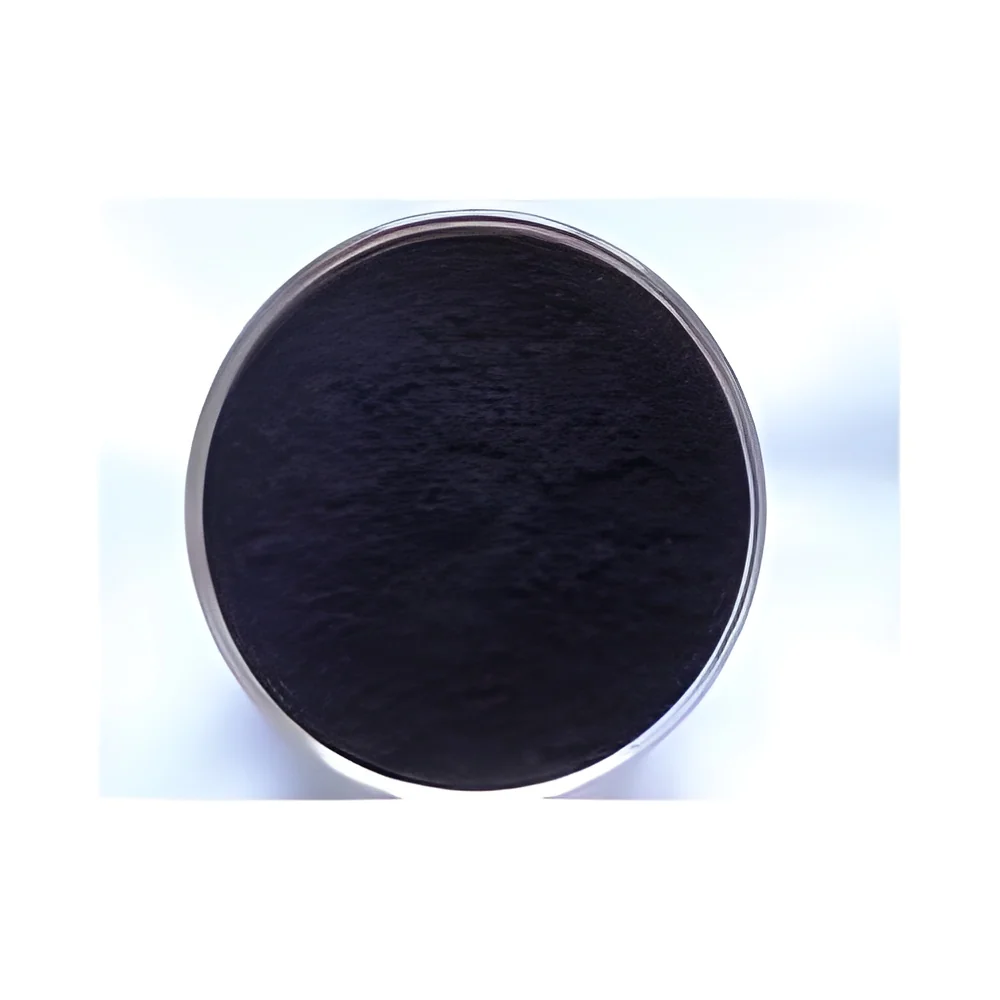
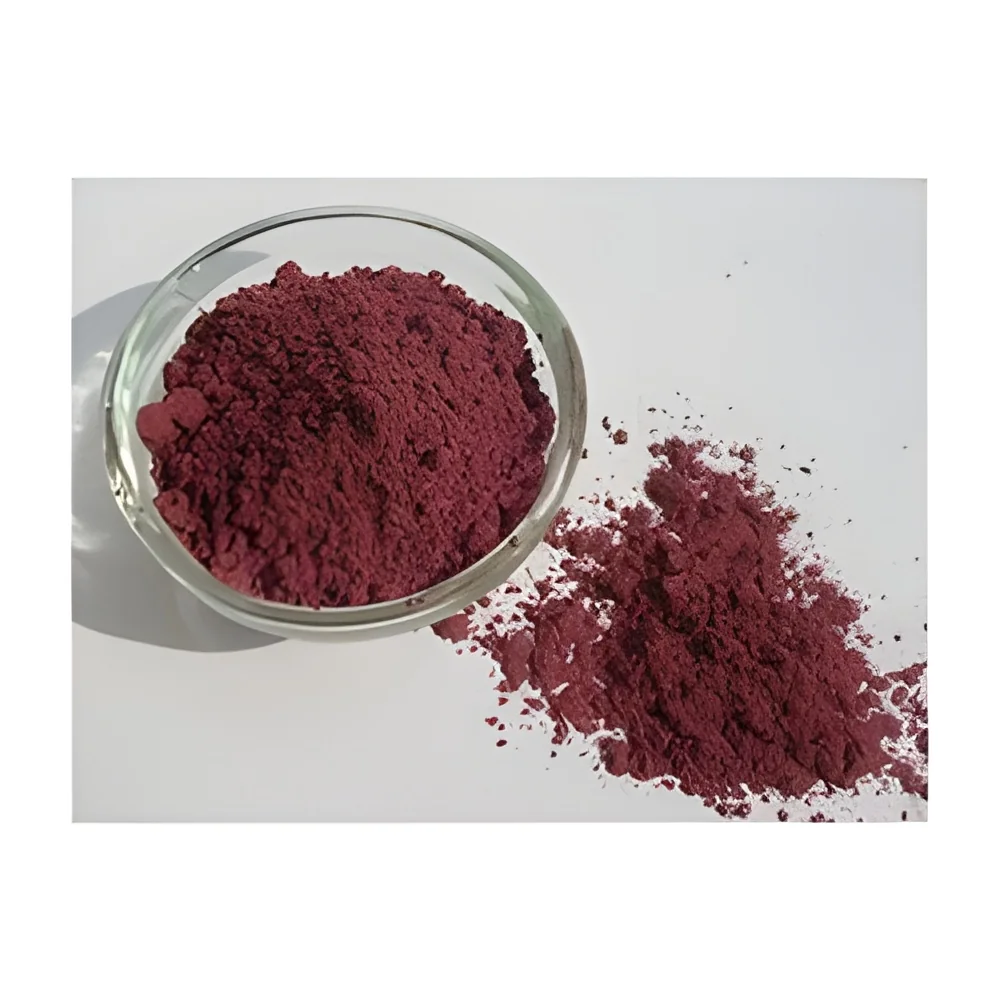
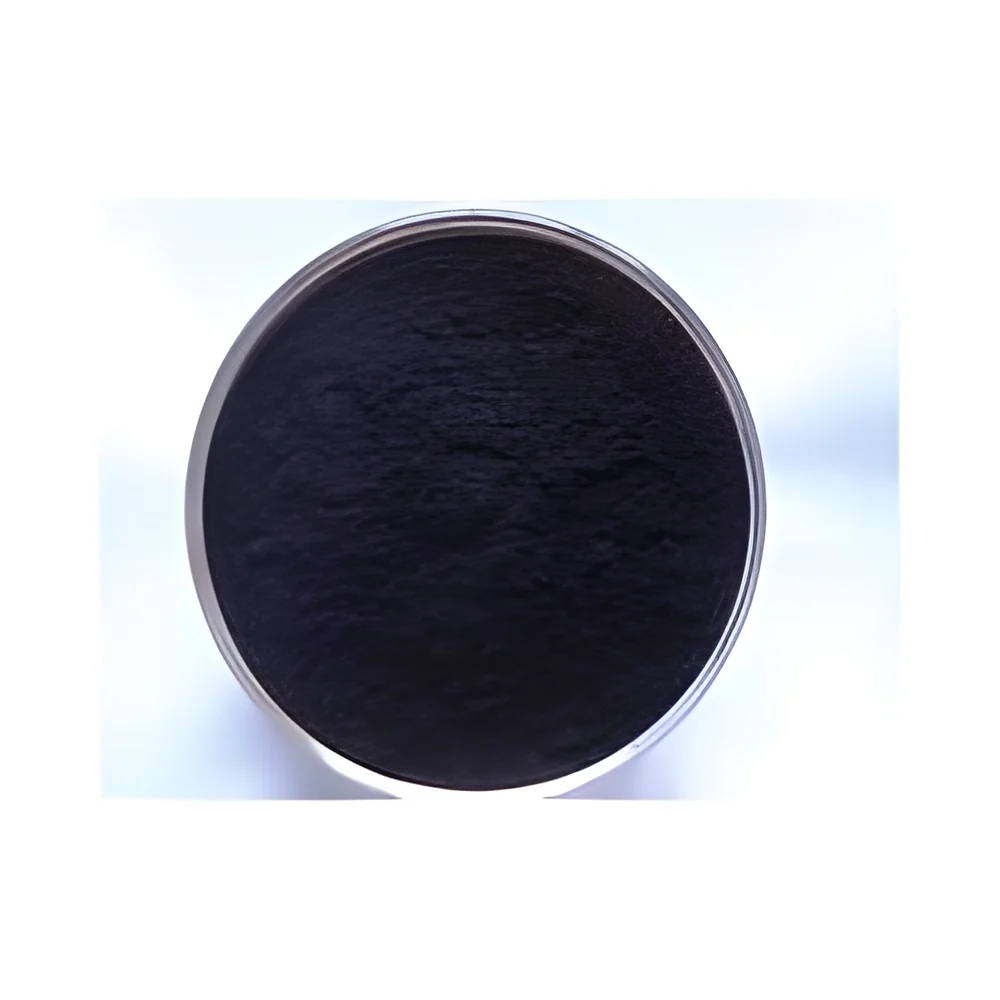
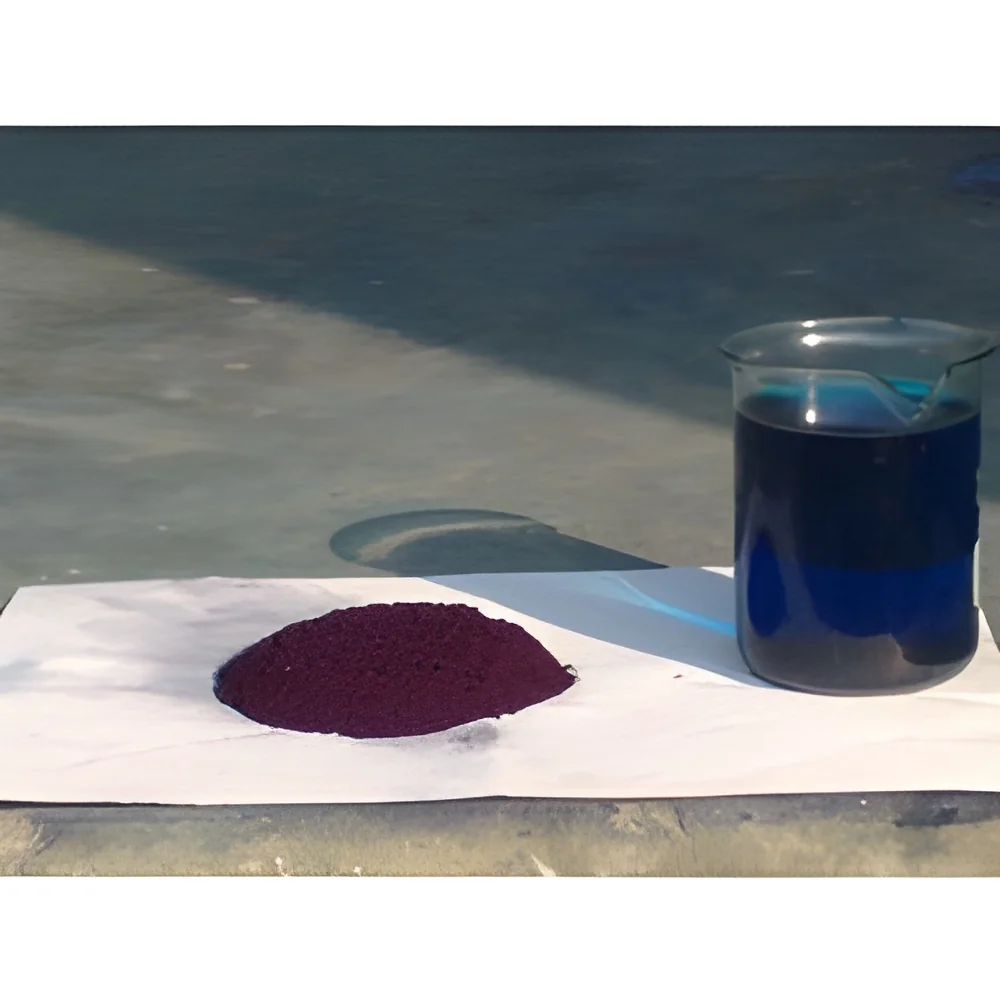
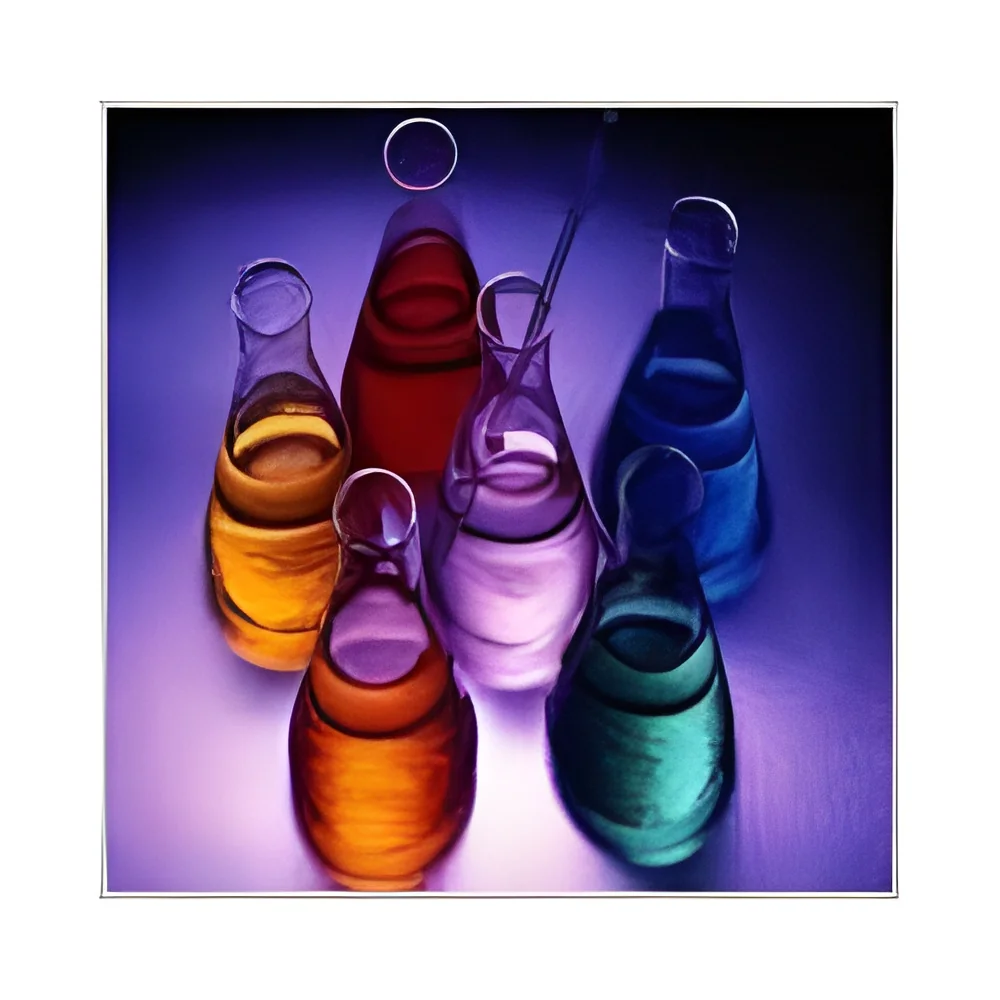
What are Acid Dyes?
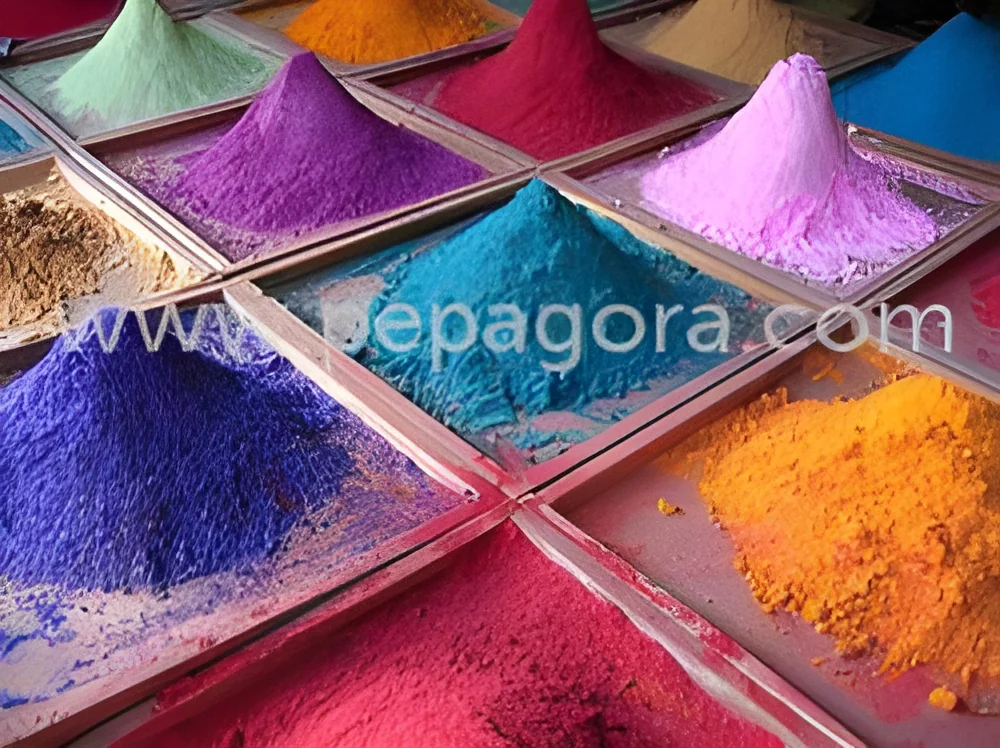
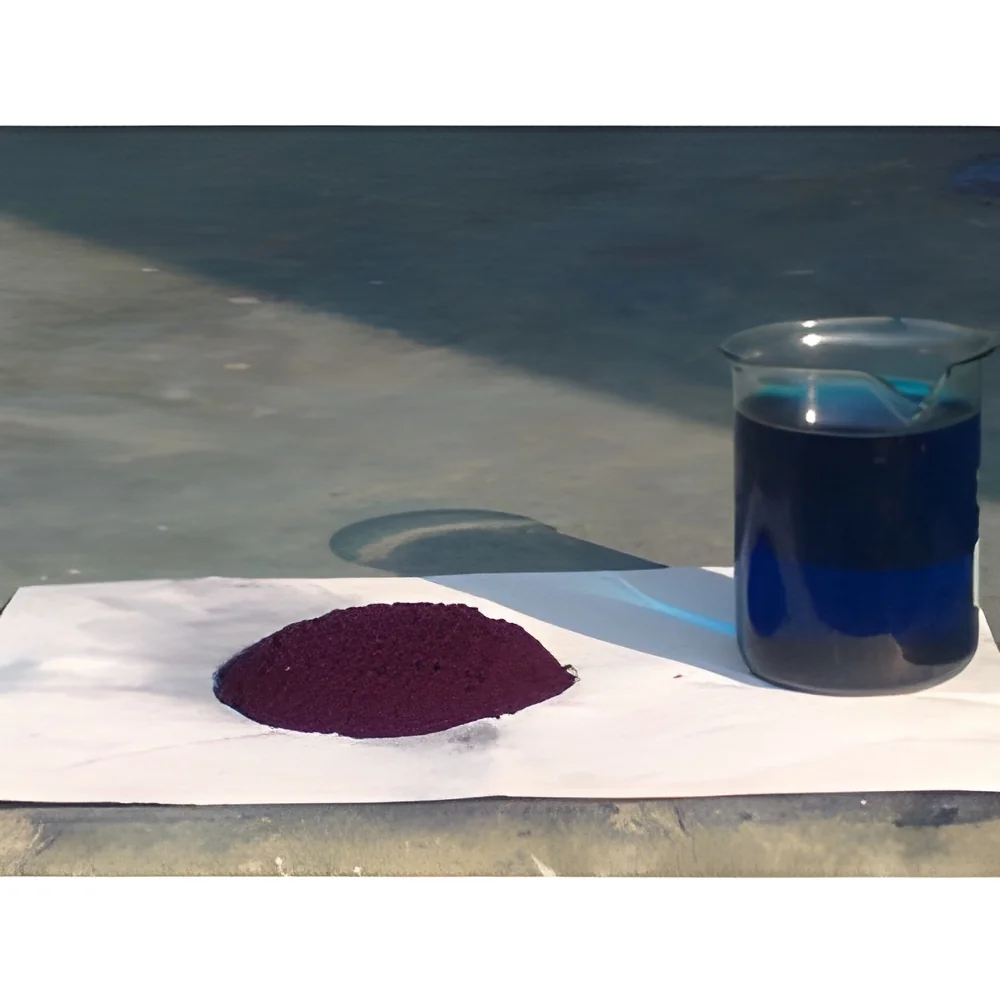
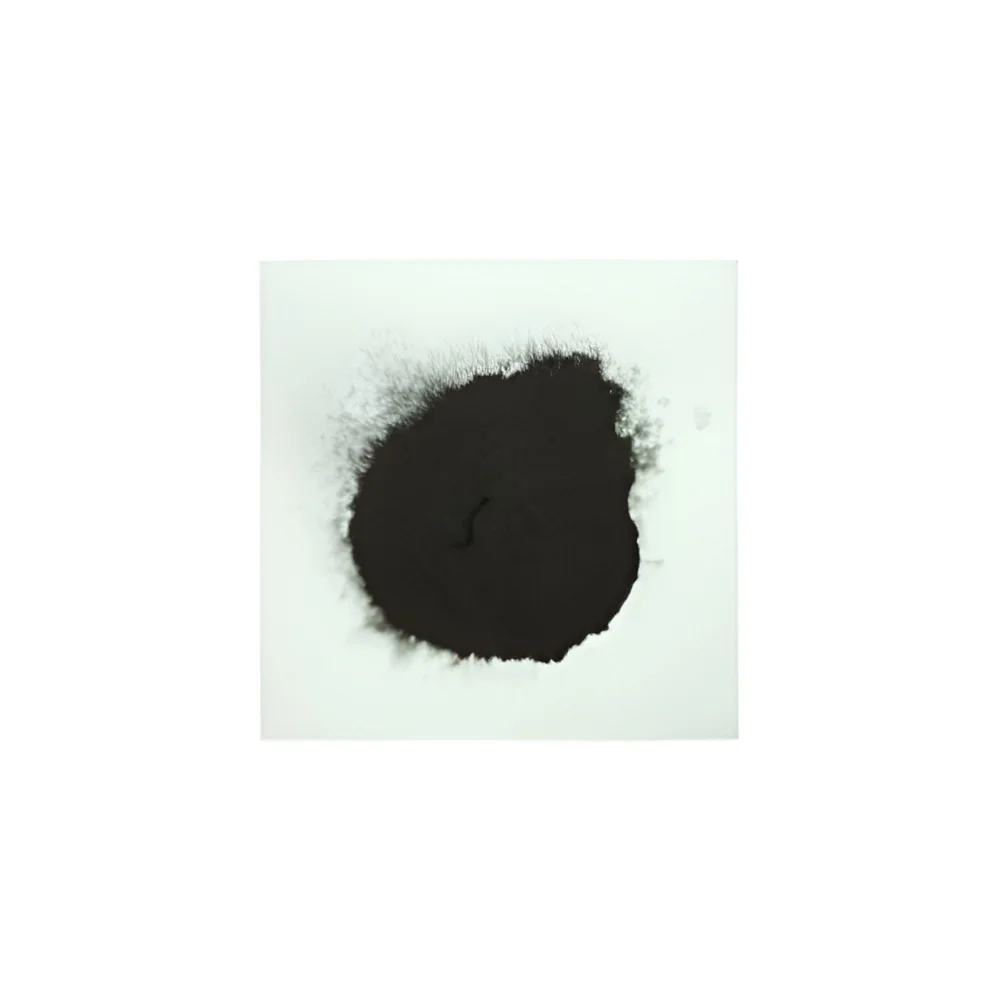
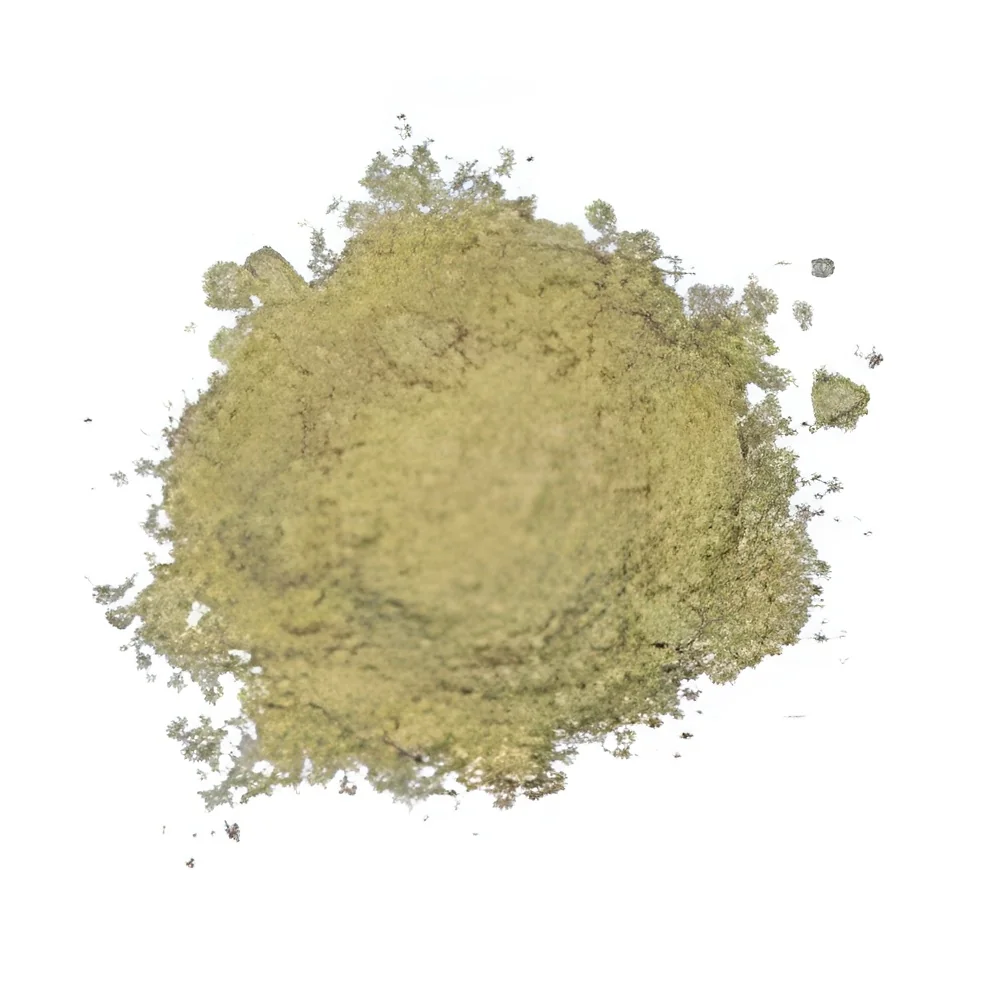
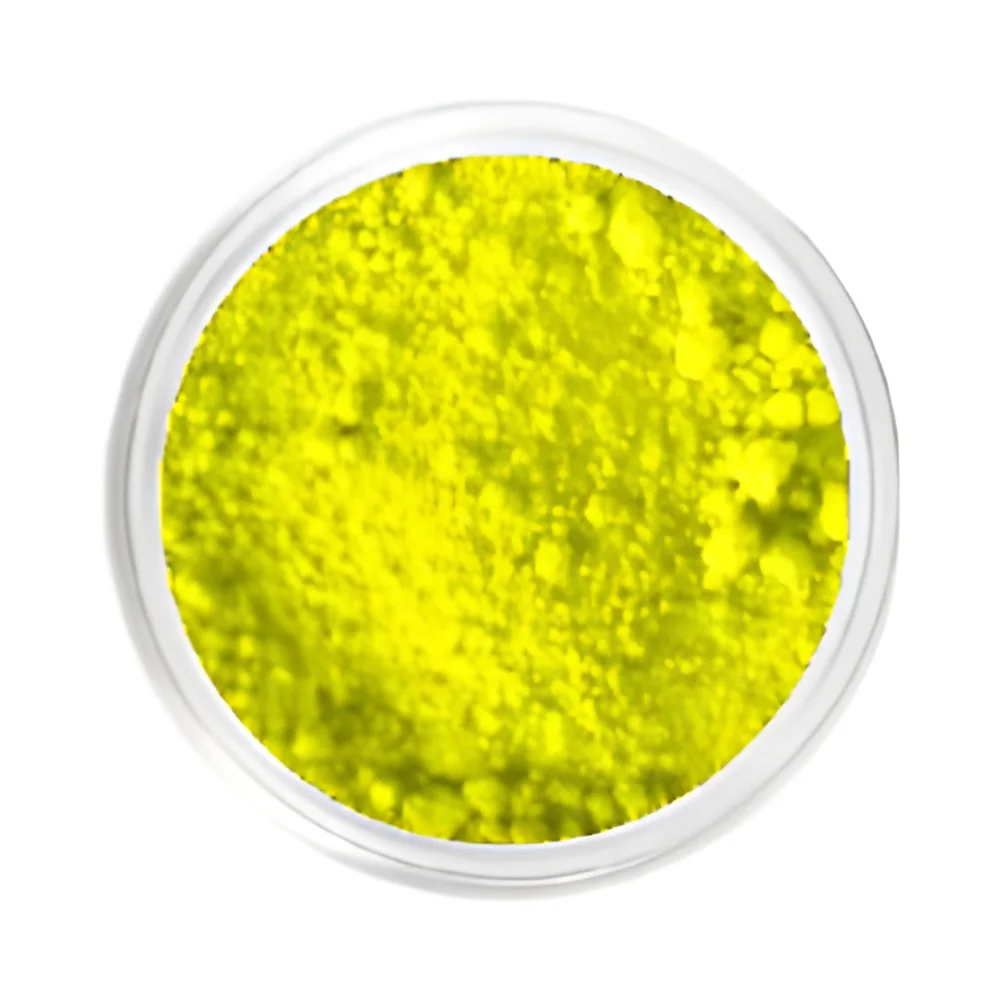
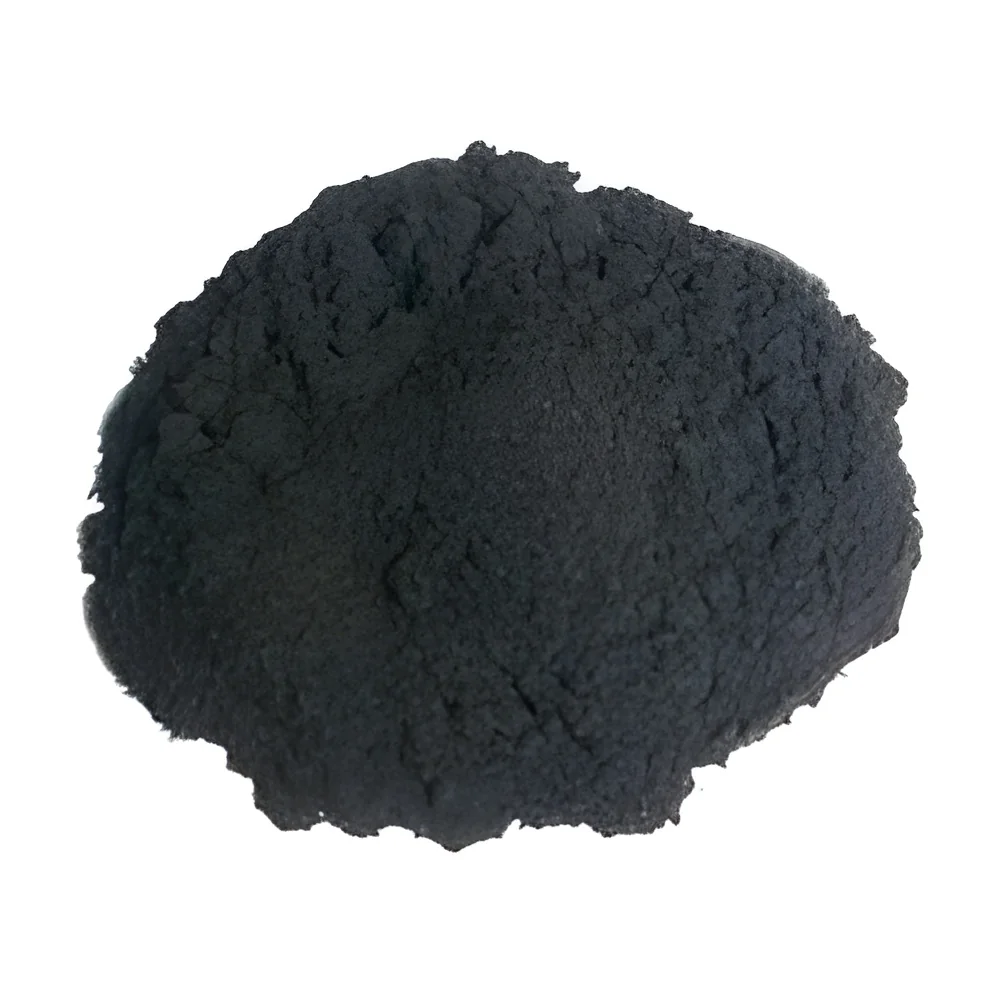
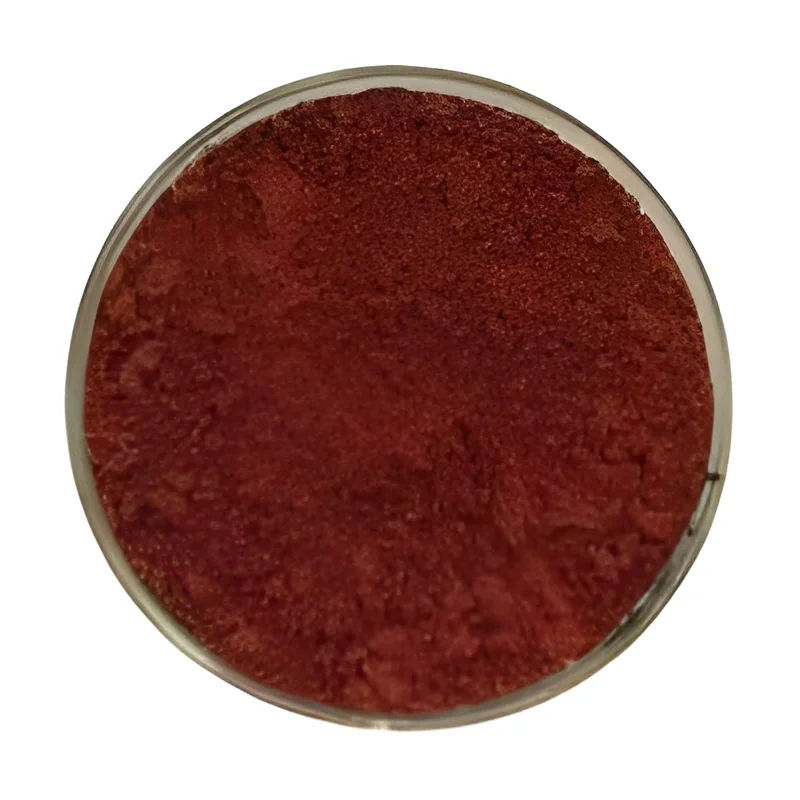
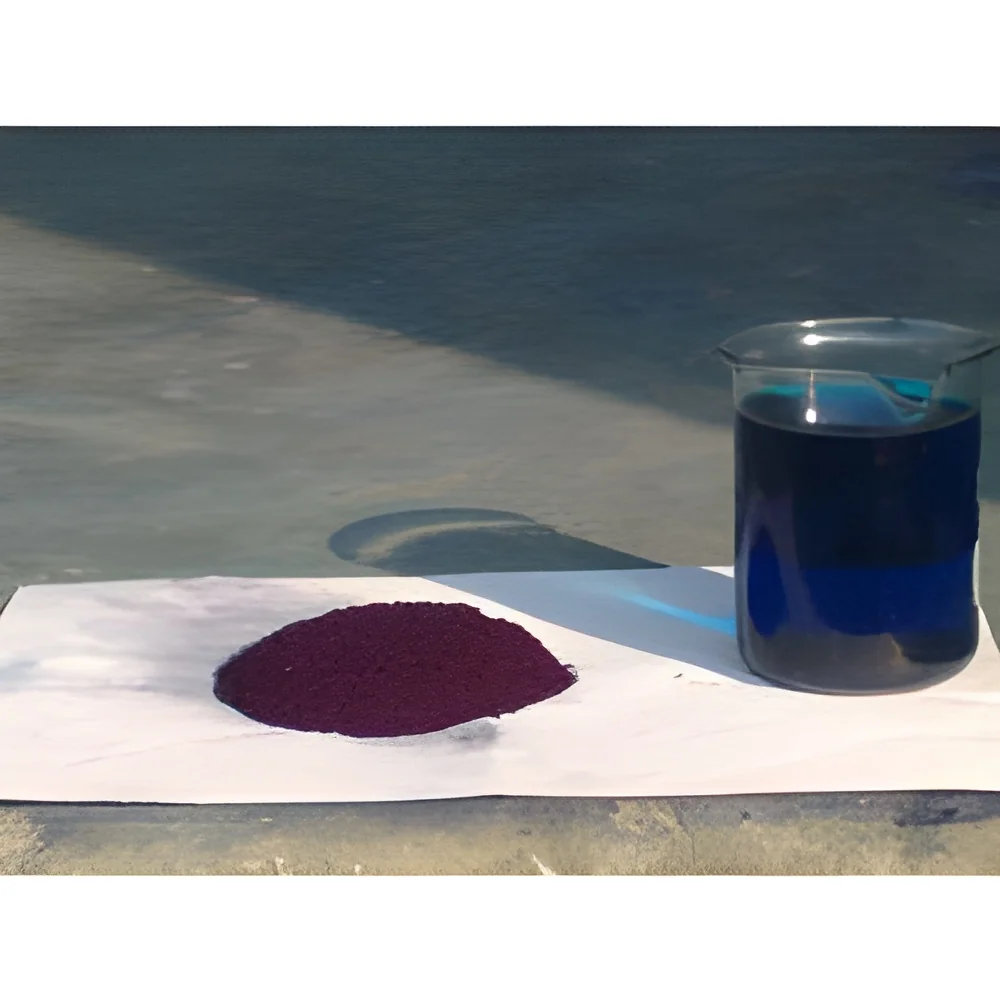
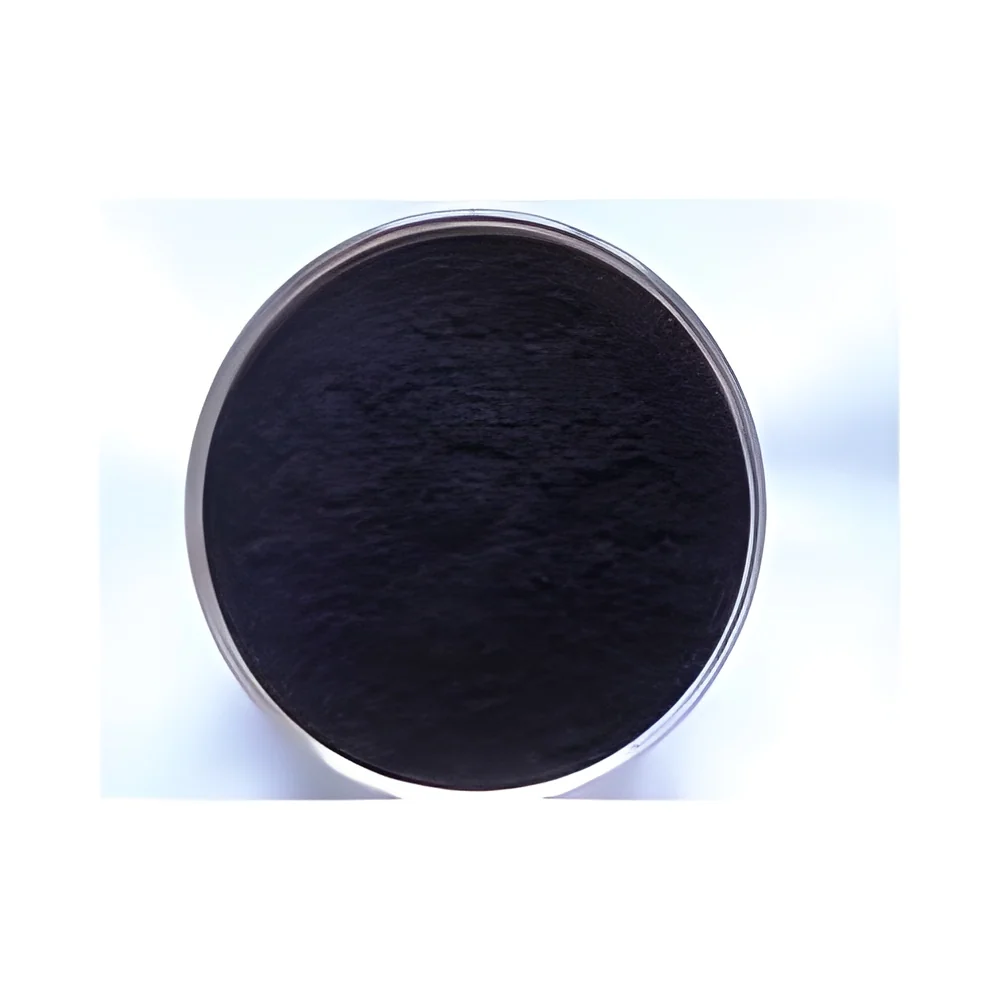
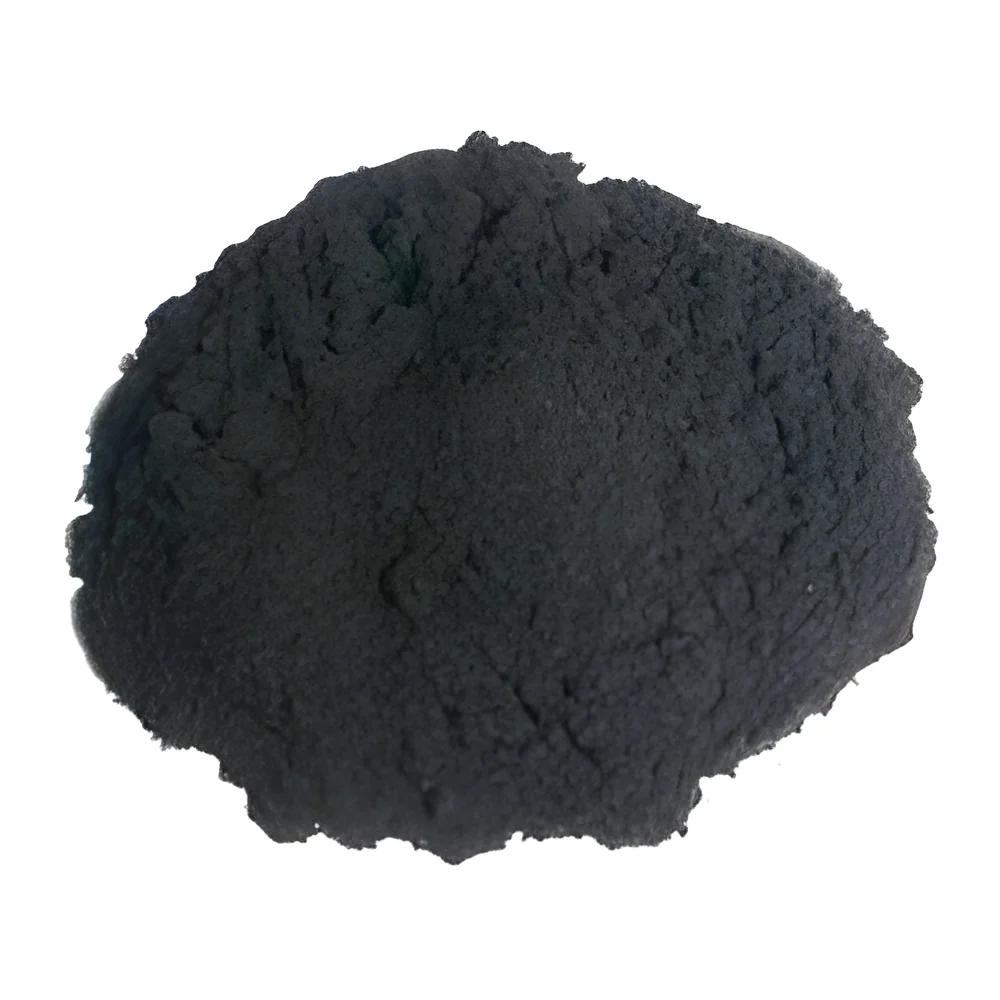
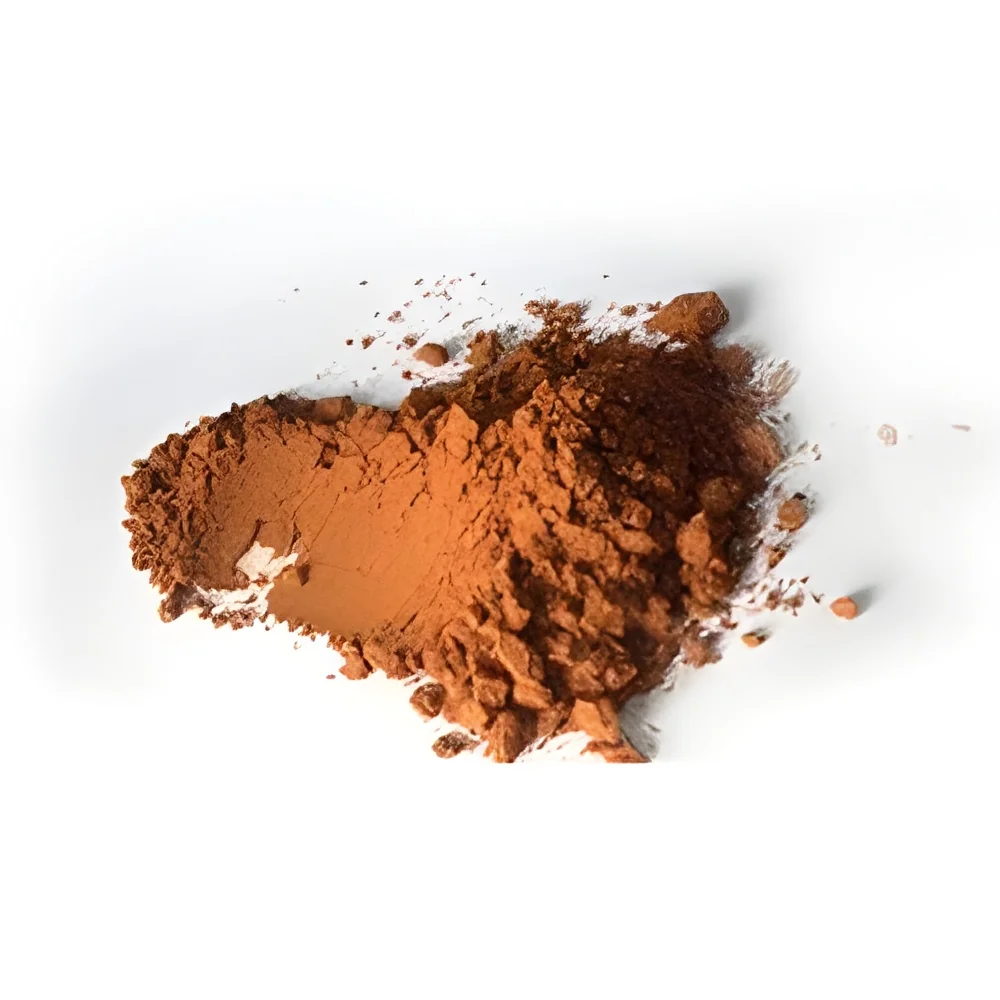
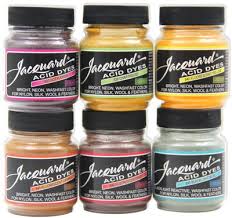
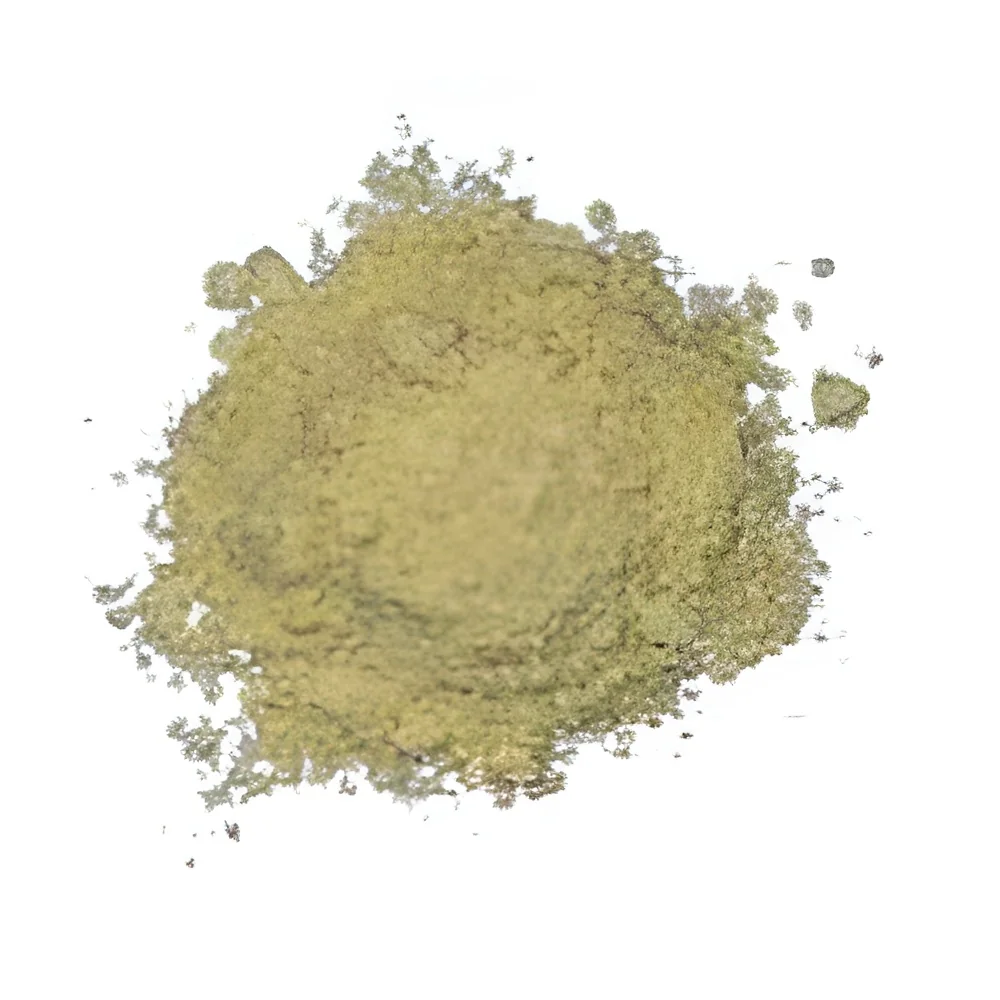
Acid dyes are synthetic dyes that are soluble in water and primarily used for coloring textiles, leather, and paper. They are known for their vibrant hues and excellent lightfastness, making them a popular choice in various dyeing processes. Acid dyes are typically applied to materials that contain protein fibers, such as wool, silk, and nylon, through processes that involve acidic conditions. Their ability to bond chemically with fiber molecules results in deep, rich colors that are difficult to achieve with other dye types.
The primary applications of acid dyes span various industries, including textiles, leather, and food. In the textile industry, acid dyes are favored for their ability to produce bright, saturated colors on wool and silk fabrics. In the leather industry, they are used to achieve uniform coloring in leather products. Additionally, acid dyes find applications in food processing, where they are employed as colorants for various food products. The market for acid dyes is expanding, driven by increasing demand for high-quality, vibrant color solutions across these industries.
Key Features and Specifications
Acid dyes offer a range of features that make them suitable for various industrial applications. They are characterized by their solubility in water and affinity for protein fibers, which allows for efficient dyeing processes. Additionally, they provide excellent lightfastness and stability under various environmental conditions.
Key specifications include:
1. Solubility
- Water-soluble
- Ensures easy application in dyeing processes
2. Color Range
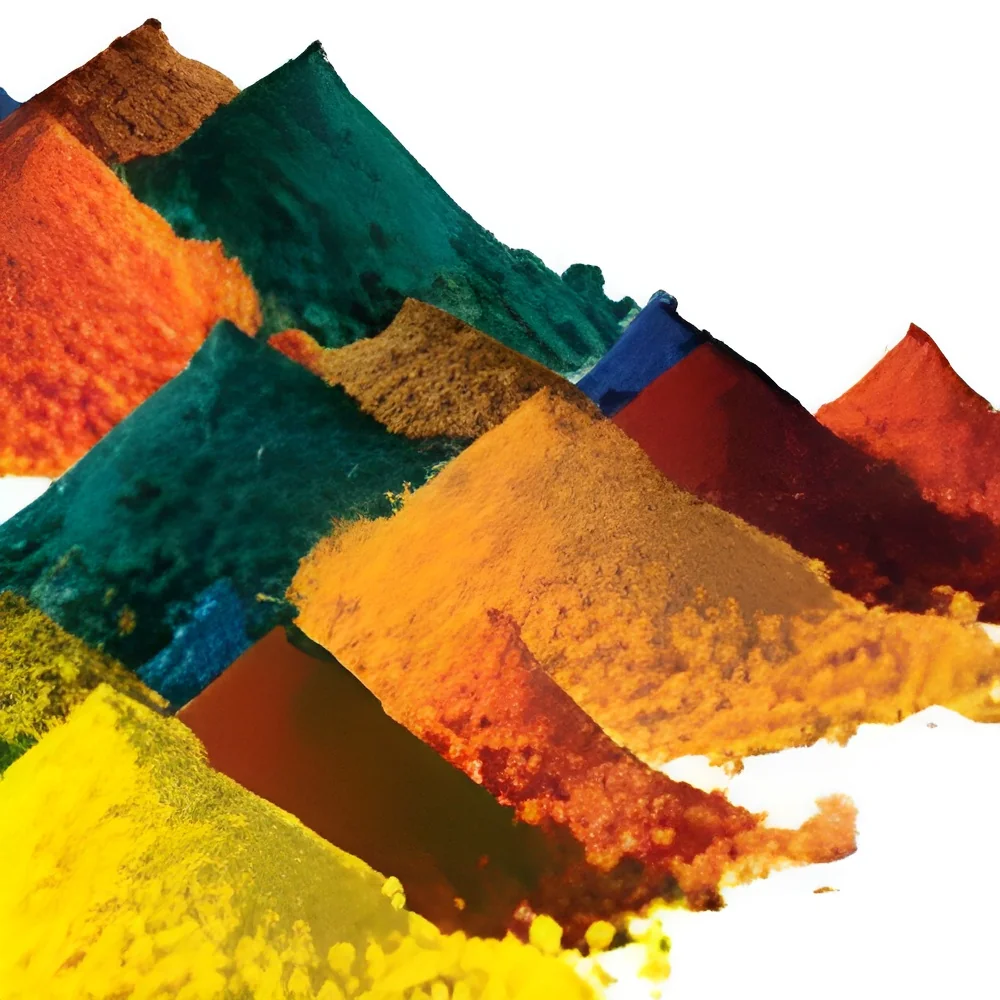
- Available in a wide spectrum of colors
- Supports diverse applications across different industries
3. Lightfastness
- High resistance to fading when exposed to light
- Essential for products requiring long-lasting color
4. pH Stability
- Effective within a specific pH range
- Ensures optimal performance in dyeing conditions
5. Chemical Resistance
- Durable against various chemicals
- Suitable for industrial applications requiring chemical exposure
6. Application Methods
- Compatible with both batch and continuous dyeing processes
- Flexibility in manufacturing setups
7. Environmental Safety
- Some variants comply with environmental regulations
- Supports sustainability initiatives in manufacturing
8. Regulatory Compliance
- Meets necessary compliance standards for different industries
- Important for quality assurance and safety protocols
In summary, acid dyes provide a versatile and effective solution for achieving vibrant colors in various applications, with specifications that cater to the specific needs of different industries.
Common Applications and Use Cases
Acid dyes are utilized in several key industries, each with unique applications.
1. Textile Industry: Acid dyes are extensively used for dyeing wool and silk fabrics. Their ability to create bright colors makes them ideal for fashion and upholstery applications.
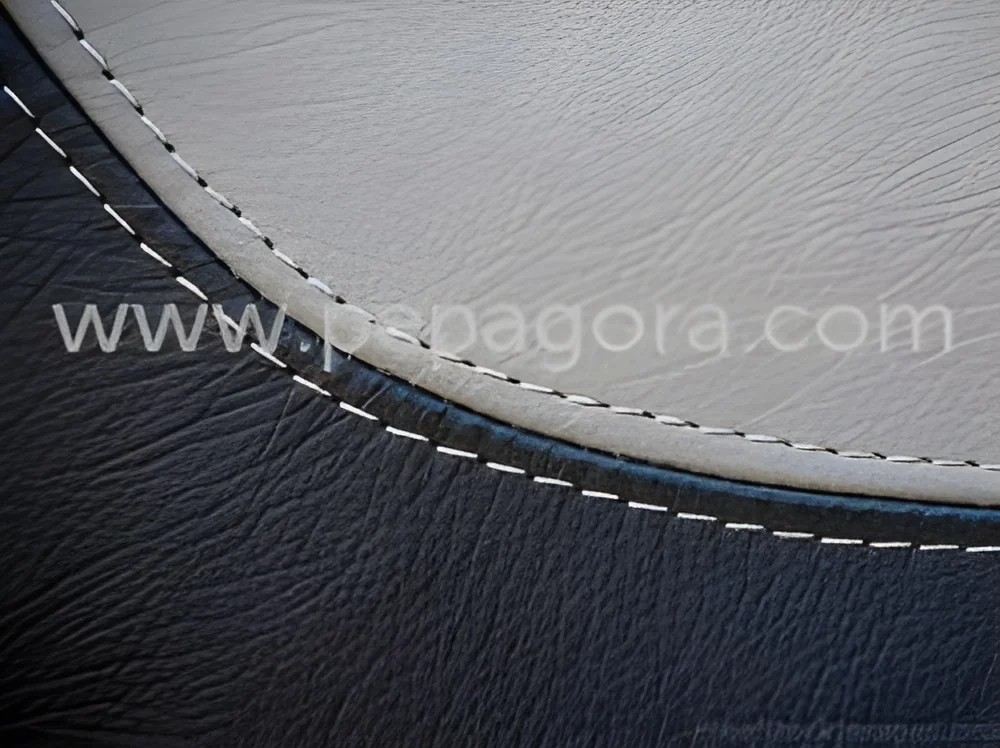
2. Leather Industry: They are employed to achieve uniform coloration in leather products, enhancing the aesthetic appeal and marketability of finished goods.
3. Food Industry: Acid dyes are used as colorants in food processing, helping enhance the visual appeal of various products, such as confectionery and beverages.
4. Paper Industry: Acid dyes can be used to color paper products, providing a range of options for decorative and functional applications.
5. Cosmetics Industry: They are incorporated into certain cosmetic products for coloring, ensuring products meet consumer expectations for appearance.
6. Printing Inks: Acid dyes find applications in the formulation of printing inks, especially for fabrics, offering vibrant color and durability.
7. Pharmaceuticals: In some cases, acid dyes are used in the pharmaceutical industry for coloring tablets and capsules, ensuring product identification and branding.
Product Variants and Subcategories
Acid dyes come in a variety of forms to meet the diverse needs of industries.
Variant 1: Direct Acid Dyes
These dyes are characterized by their ease of use and are suitable for direct application on textiles. They provide vibrant colors and are often used in the dyeing of wool and silk.
Variant 2: Reactive Acid Dyes
This variant offers enhanced bonding capabilities with fibers, resulting in superior wash and lightfastness. They are ideal for high-performance textile applications.
Variant 3: Pre-Metalized Acid Dyes
These dyes contain metal ions that improve their fastness properties. They are commonly used in industrial applications where durability is crucial.
Variant 4: Milling Acid Dyes
Designed for the dyeing of protein fibers, milling acid dyes are known for their brilliant colors and are used in various textile applications.
Benefits and Advantages
Acid dyes provide numerous advantages that make them a valuable choice for various industries.
1. Vibrant Colors: Acid dyes are known for their ability to produce bright and saturated colors, enhancing the visual appeal of products.
2. Excellent Fastness: The dyes offer high lightfastness and washfastness, ensuring that colors remain vibrant over time and through multiple washes.
3. Versatility: They can be applied to a wide range of materials, including textiles and leather, making them suitable for diverse applications.
4. Easy Application: Acid dyes are water-soluble, which simplifies the dyeing process and allows for easy mixing and application.
5. Cost-Effective: Their efficiency in achieving rich colors can reduce the overall cost of dyeing processes, making them economically viable for manufacturers.
6. Compliance with Standards: Many acid dyes meet industry standards for safety and environmental compliance, supporting responsible manufacturing practices.
Buying Guide for B2B Buyers
When sourcing acid dyes, it is essential for buyers to consider several critical factors to ensure they make informed purchasing decisions.
1. Quality Assessment: Evaluate the quality of the dyes by reviewing technical data sheets and samples. Look for consistent color application and fastness properties.
2. Supplier Verification: Vet potential suppliers by checking their reputation, certifications, and customer reviews. Ensure they have a track record of reliable delivery and product quality.
3. Pricing and MOQ: Understand the pricing structure and minimum order quantities. Consider negotiating terms to achieve favorable pricing based on order volume.
4. Delivery and Lead Times: Discuss logistics and expected lead times for delivery. Timely delivery is crucial for maintaining production schedules.
5. Compliance Requirements: Ensure that the dyes meet relevant safety and environmental regulations. This is vital for compliance in various industries and maintaining product integrity.
Compliance and Certifications
Acid dyes must adhere to various quality standards and certifications to ensure safety and performance. ISO 9001 is a common quality management standard that manufacturers may pursue to demonstrate their commitment to quality. Additionally, compliance with HACCP and GDP guidelines is essential in industries such as food processing.
Industry certifications, such as CE marking, indicate that the products meet European health, safety, and environmental protection standards. Safety and testing requirements are crucial, particularly in applications involving textiles or food, where contact with skin or ingestion might occur.
Regional compliance considerations vary, with different regions having specific regulations regarding dyeing chemicals. Manufacturers should stay informed about these regulations to ensure compliance and avoid potential legal issues.
Why Source Acid Dyes from Pepagora?
Pepagora offers a reliable platform for sourcing acid dyes, providing several key advantages to B2B buyers.
Verified Supplier Network: Pepagora connects buyers with a network of verified suppliers. This reduces the risk of sourcing from unreliable vendors and ensures that buyers receive quality products.
Streamlined RFQ Process: The platform features a straightforward request for quotation (RFQ) process, allowing buyers to easily compare offerings from multiple suppliers. This helps in making informed decisions quickly.
Trade Assurance and Support: Pepagora provides trade assurance, protecting buyers from potential disputes. Their support team is available to assist with any issues that may arise during the sourcing process.
Regional Coverage: With a presence in India, the GCC, and Southeast Asia, Pepagora offers comprehensive geographic coverage. This enables buyers to find local suppliers, potentially reducing shipping costs and lead times.

 IN
IN