
 IN
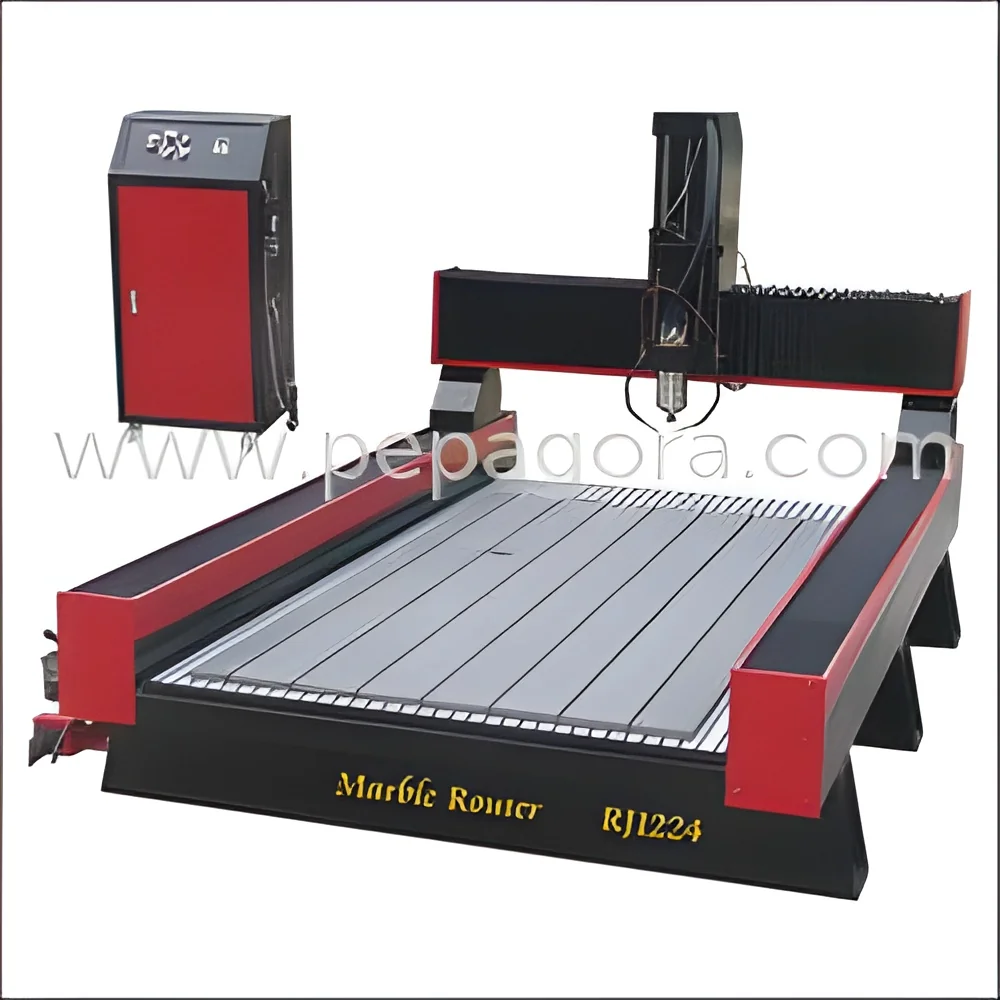
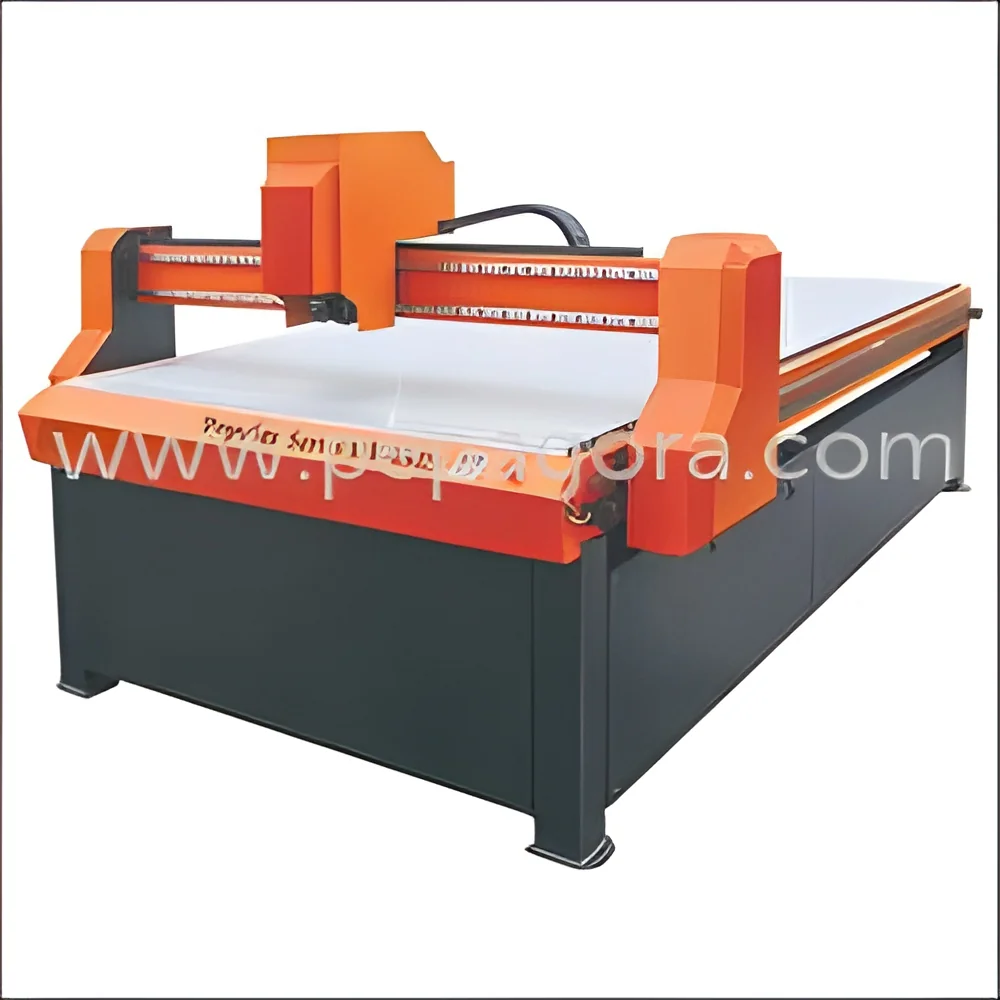
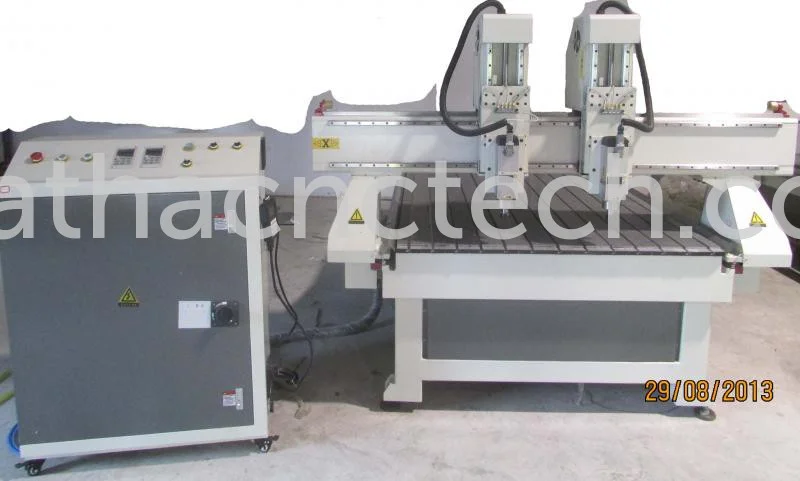
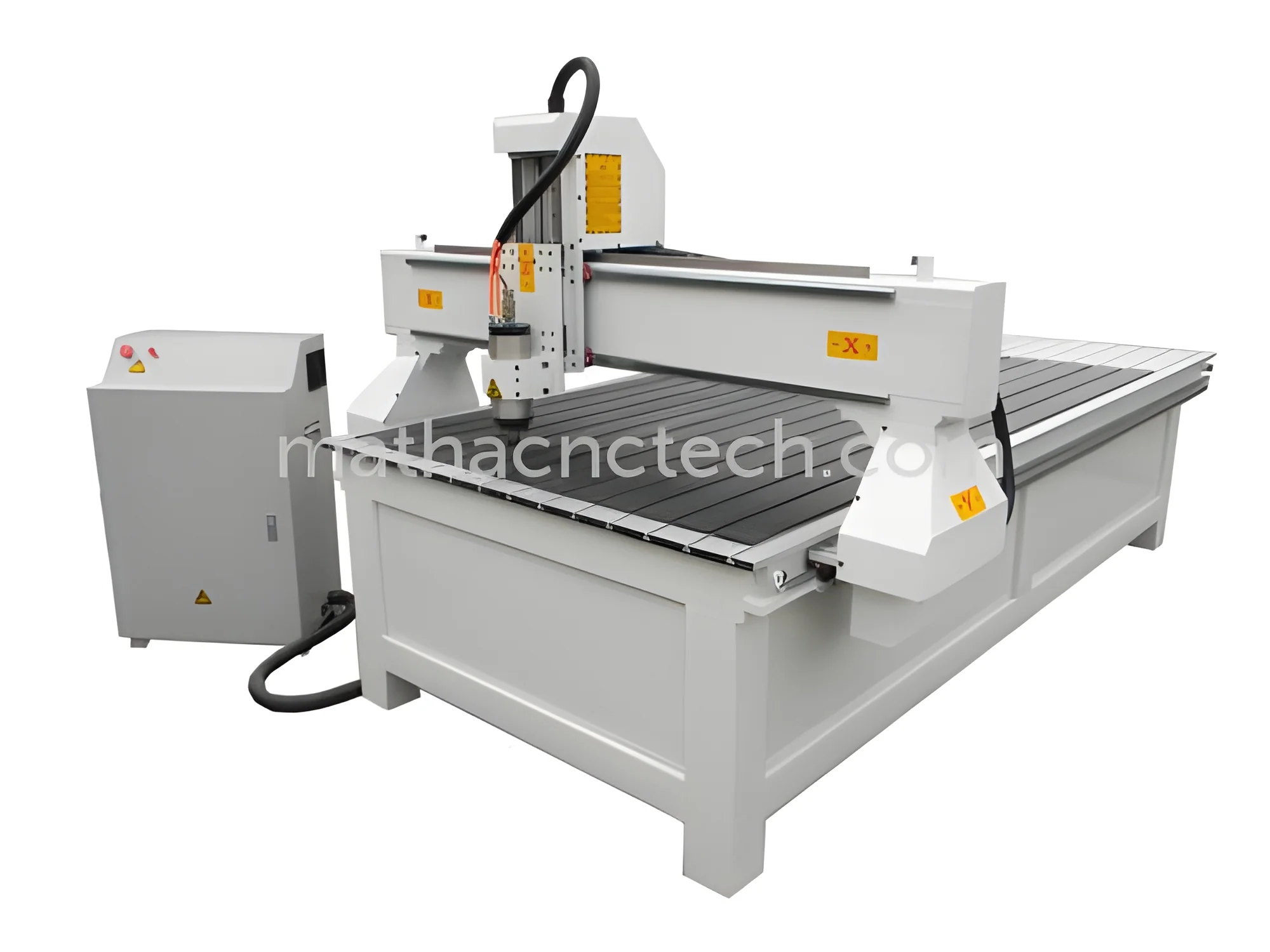
Wood Router
53 products available
What are Wood Router?
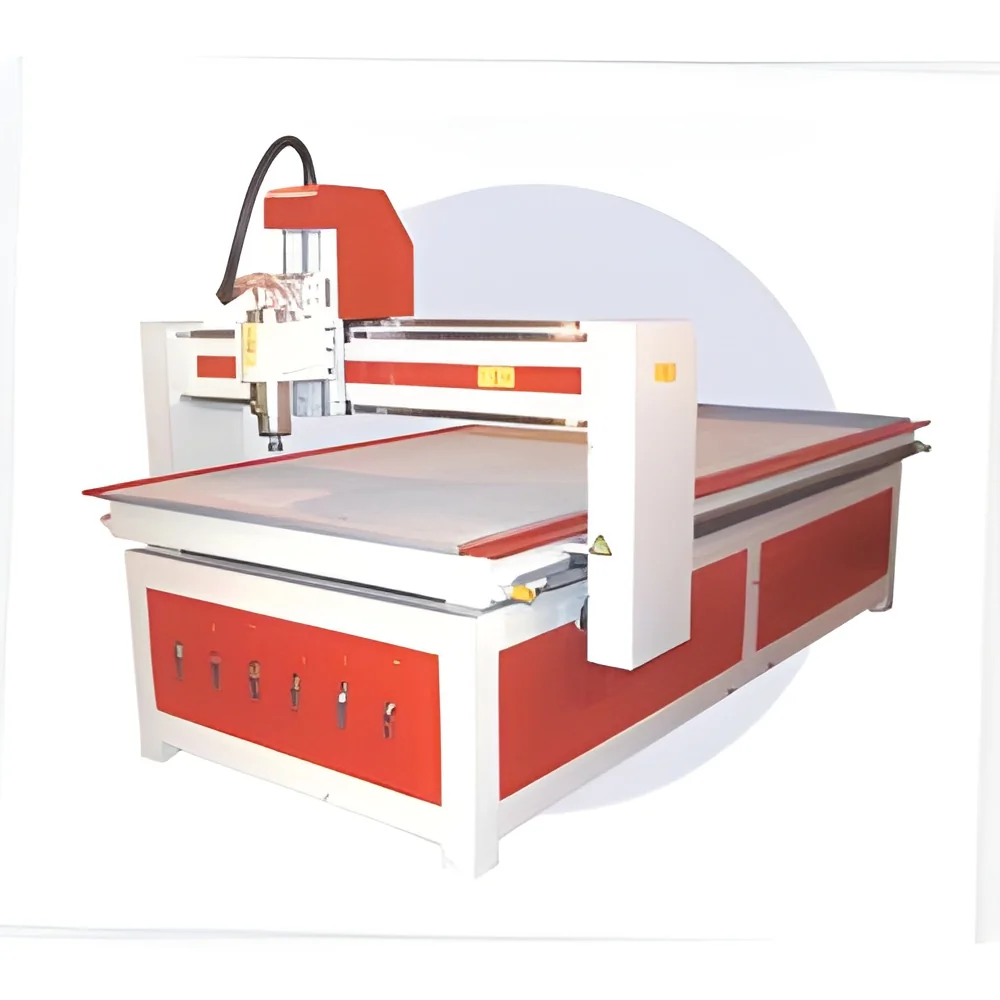
A wood router is a versatile power tool used to hollow out an area in a piece of wood. It can create decorative edges, grooves, and profiles, and is an essential tool in woodworking and carpentry. Wood routers come in various types, including fixed-base, plunge, and combination routers, each designed to meet different woodworking needs. These tools are powered by electric motors and offer adjustable speed settings to accommodate different materials and tasks.
In business applications, wood routers are commonly used in furniture manufacturing, cabinetry, and custom woodworking. They enable precision cuts and designs, enhancing both the aesthetic and functional qualities of wood products. Industries such as construction, interior design, and crafts utilize wood routers for creating intricate designs and detailed finishes. The growing demand for customized wood products has further fueled the market for wood routers, positioning them as essential tools across various sectors.
Key Features and Specifications
Wood routers are equipped with a range of features that enhance their functionality and ease of use. Key specifications to consider include:
1. Motor Power
- Typically ranges from 1.5 to 3.5 horsepower
- Higher power ratings allow for cutting through denser materials
2. Speed Control
- Variable speed settings from 8,000 to 25,000 RPM
- Allows users to adjust speed for different types of cuts and materials
3. Base Type
- Fixed-base or plunge base options available
- Plunge routers allow for vertical movement, while fixed routers maintain height
4. Collet Size
- Common sizes include 1/4 inch and 1/2 inch
- Determines the compatibility with various router bits
5. Weight
- Typically weighs between 5 to 15 pounds
- Heavier models may offer more stability during use
6. Dust Collection
- Many models feature integrated dust ports
- Helps maintain a clean workspace and improve visibility
7. Safety Features
- Include soft-start motors and electronic braking
- Enhance user safety and tool control during operation
In summary, wood routers are characterized by their powerful motors, adjustable speed, and various base types, making them suitable for a wide range of woodworking applications.
Common Applications and Use Cases
Wood routers are used across multiple industries for various applications.
1. Furniture Manufacturing: They are utilized to create detailed designs and joinery in wooden furniture, enhancing both aesthetics and durability.
2. Cabinetry: Wood routers enable precise cuts and patterns in cabinets, allowing for custom designs that meet specific client needs.
3. Architectural Woodwork: These tools are essential for creating moldings, trim work, and other architectural features that require high precision.
4. Sign Making: Wood routers allow for intricate lettering and designs in wood signs, making them popular in the signage industry.
5. Musical Instruments: Crafting wooden parts for instruments such as guitars and pianos often requires the precision that wood routers provide.
6. DIY Projects: Hobbyists and woodworkers use routers for various home improvement projects, including creating custom shelves and decorative accents.
Product Variants and Subcategories
Wood routers come in various types to cater to different user needs and applications.
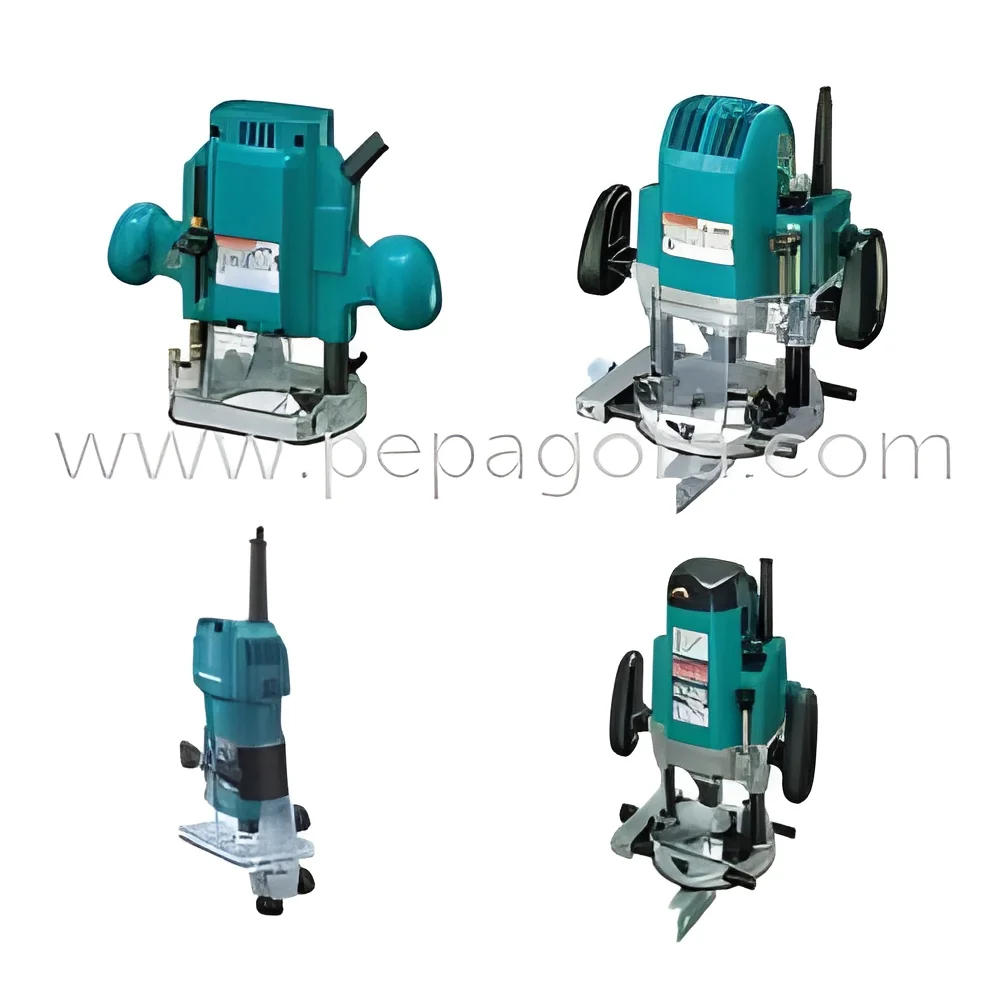
Fixed-Base Router: This type offers stability and precision for edge routing and pattern work. It is ideal for making straight cuts and is commonly used in furniture and cabinetry.
Plunge Router: Designed for versatility, a plunge router allows users to start cuts in the middle of a workpiece. It is particularly useful for creating cavities or grooves, making it a favorite in custom woodworking.
Combination Router: This variant combines features of both fixed-base and plunge routers. It provides flexibility in routing tasks, allowing woodworkers to switch between techniques easily.
Benefits and Advantages
Wood routers offer several significant advantages to users.
1. Precision Cutting: The ability to adjust speed and depth allows for intricate designs and accurate cuts, enhancing the quality of the finished product.
2. Versatility: Wood routers can perform a variety of tasks, from edge profiling to joinery, making them invaluable in woodworking.
3. Enhanced Efficiency: With powerful motors and specialized bits, wood routers can complete tasks faster than manual methods, saving time and labor costs.
4. Customization: The wide range of available router bits enables users to create unique designs tailored to specific projects.
5. User-Friendly: Many wood routers are designed with ergonomic features and safety mechanisms, making them accessible for both professionals and hobbyists.
Buying Guide for B2B Buyers
When sourcing wood routers, it is essential for B2B buyers to consider several key factors.
1. Quality Assessment: Look for routers from reputable manufacturers that adhere to industry standards. Ensure the tools have been rigorously tested for durability and performance.
2. Supplier Verification: Conduct thorough background checks on potential suppliers. Verify their credentials, customer reviews, and quality of their products to ensure a reliable partnership.
3. Pricing and MOQ: Understand the pricing structure and minimum order quantities (MOQ) for bulk purchases. Compare quotes from multiple suppliers to find the best deal without compromising quality.
4. Delivery and Lead Times: Discuss logistics and delivery schedules with suppliers. Ensure they can meet your timelines to avoid disruptions in your production process.
5. Compliance Requirements: Be aware of any regulatory standards applicable to wood routers in your region. Ensure that the products comply with safety and quality certifications like CE.
Compliance and Certifications
Compliance with quality standards is crucial in the manufacturing of wood routers. Many products are designed to meet ISO 9001 standards, ensuring consistent quality management practices. This certification indicates that the manufacturer adheres to international quality assurance protocols.
Additionally, industry certifications such as CE signify that the product meets European safety, health, and environmental protection standards. These certifications are vital for ensuring the safety of users and compliance with regulatory requirements.
Safety and testing requirements for wood routers often involve evaluations of electrical components and mechanical safety features. It is essential for buyers to verify that their chosen products comply with these standards to mitigate risks associated with product failure.
Regional compliance considerations may vary, so buyers should familiarize themselves with local regulations regarding power tools and their safety features. This knowledge is essential for ensuring that the products sourced are legally compliant and safe for use.
Why Source Wood Router from Pepagora?
Pepagora is a leading platform for sourcing wood routers, offering significant advantages for B2B buyers.
Verified Supplier Network: Pepagora has a robust network of verified suppliers, ensuring that buyers can trust the quality and reliability of the products they purchase.
Streamlined RFQ Process: The platform simplifies the Request for Quotation (RFQ) process, allowing buyers to easily compare offers and select the best suppliers for their needs.
Trade Assurance and Support: Pepagora provides trade assurance, protecting buyers throughout the purchasing process. This support includes assistance with negotiations and quality checks.
Regional Coverage: With a strong presence in India, the GCC, and Southeast Asia, Pepagora caters to a diverse range of buyers, making it easier to source wood routers tailored to specific regional requirements.


 India
 India
 India
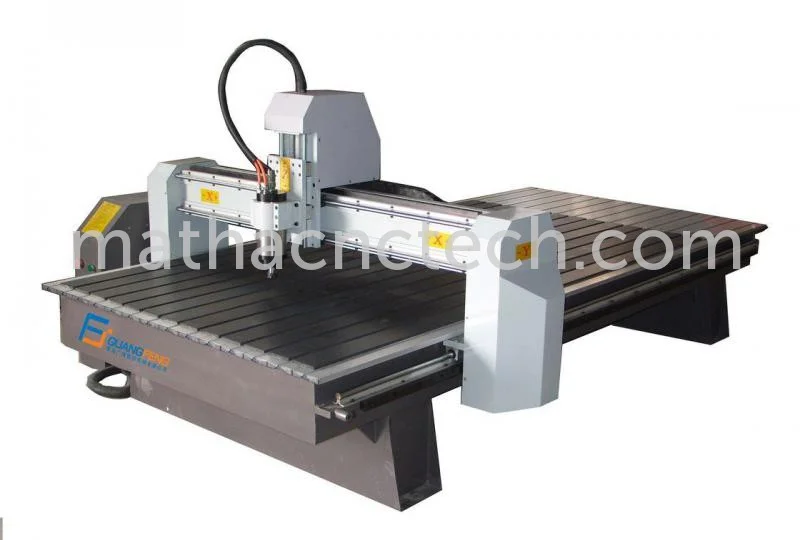
 India
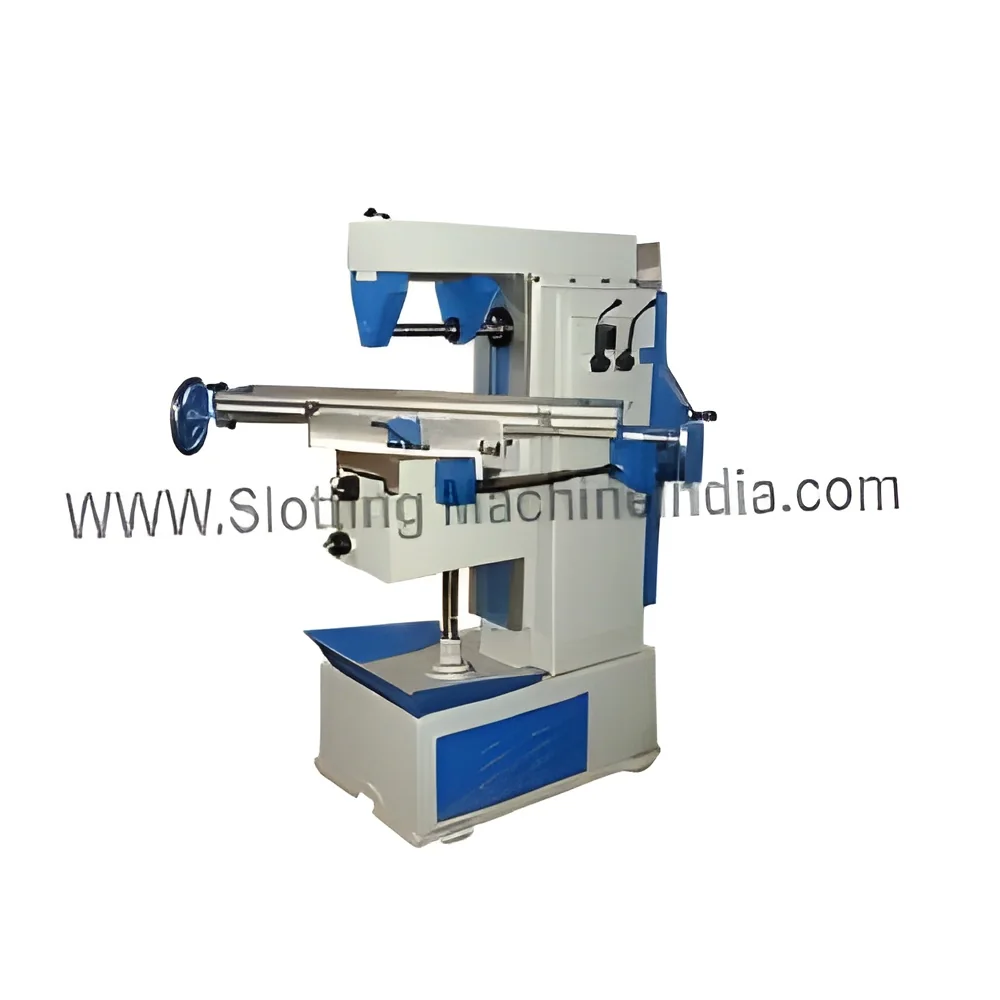
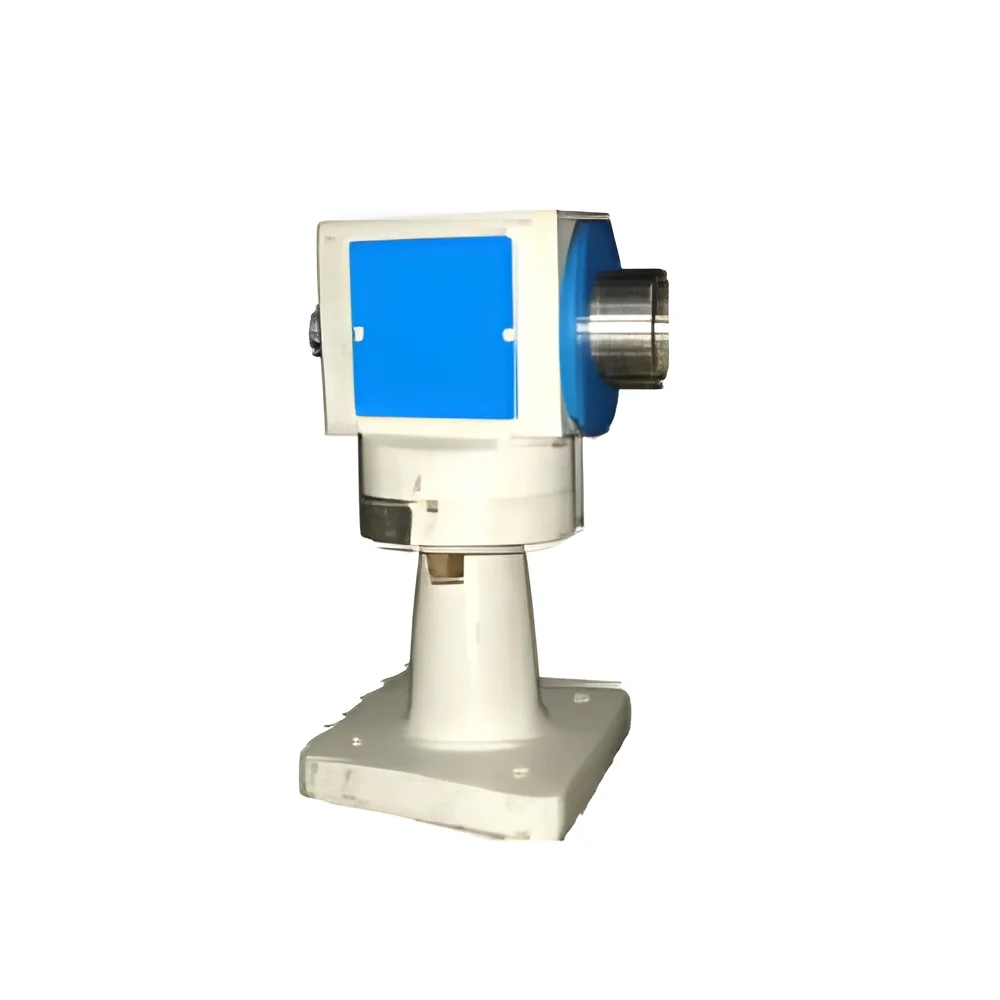
 India
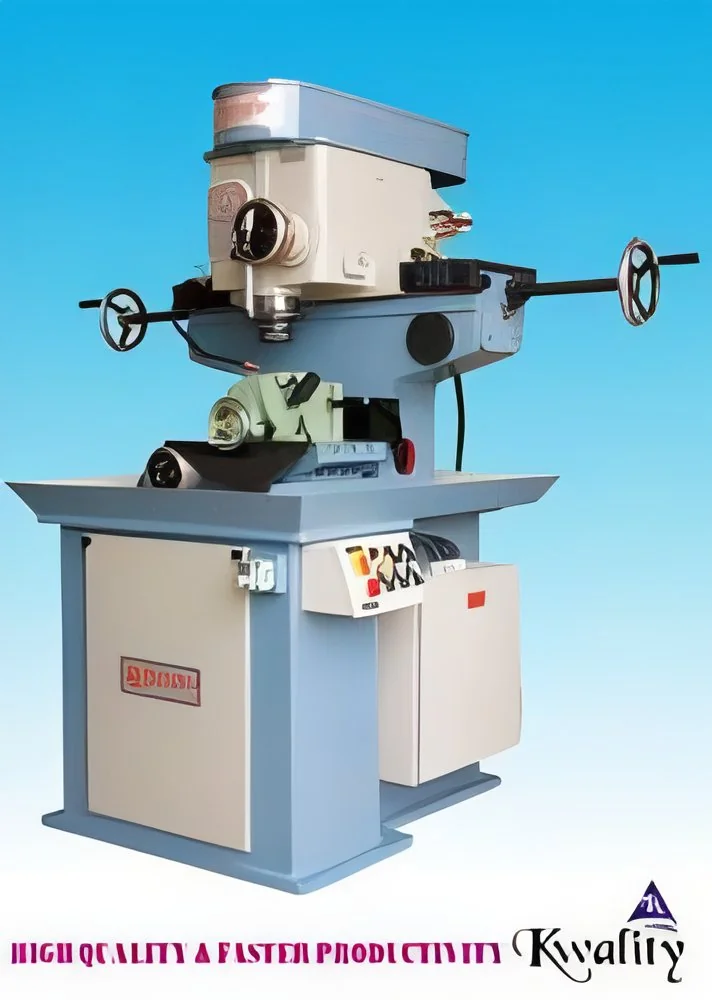
 India
 India
 India

 India


 India
 India
 India
 India
 India

 India
 India
 India
 India
 India

 India
 India
 India
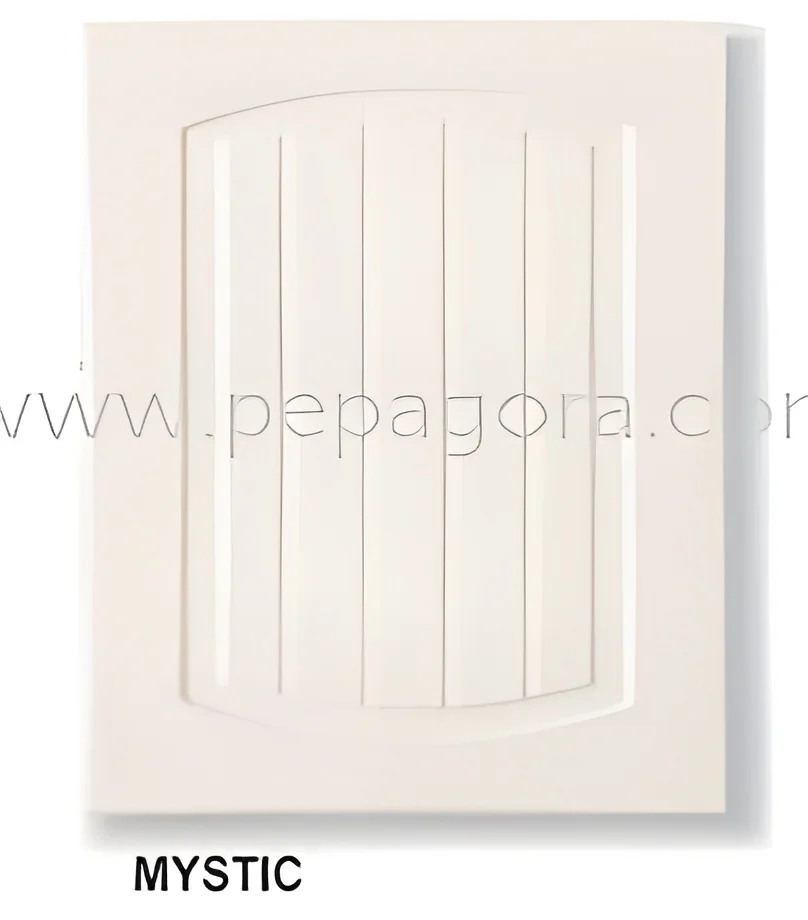
 India
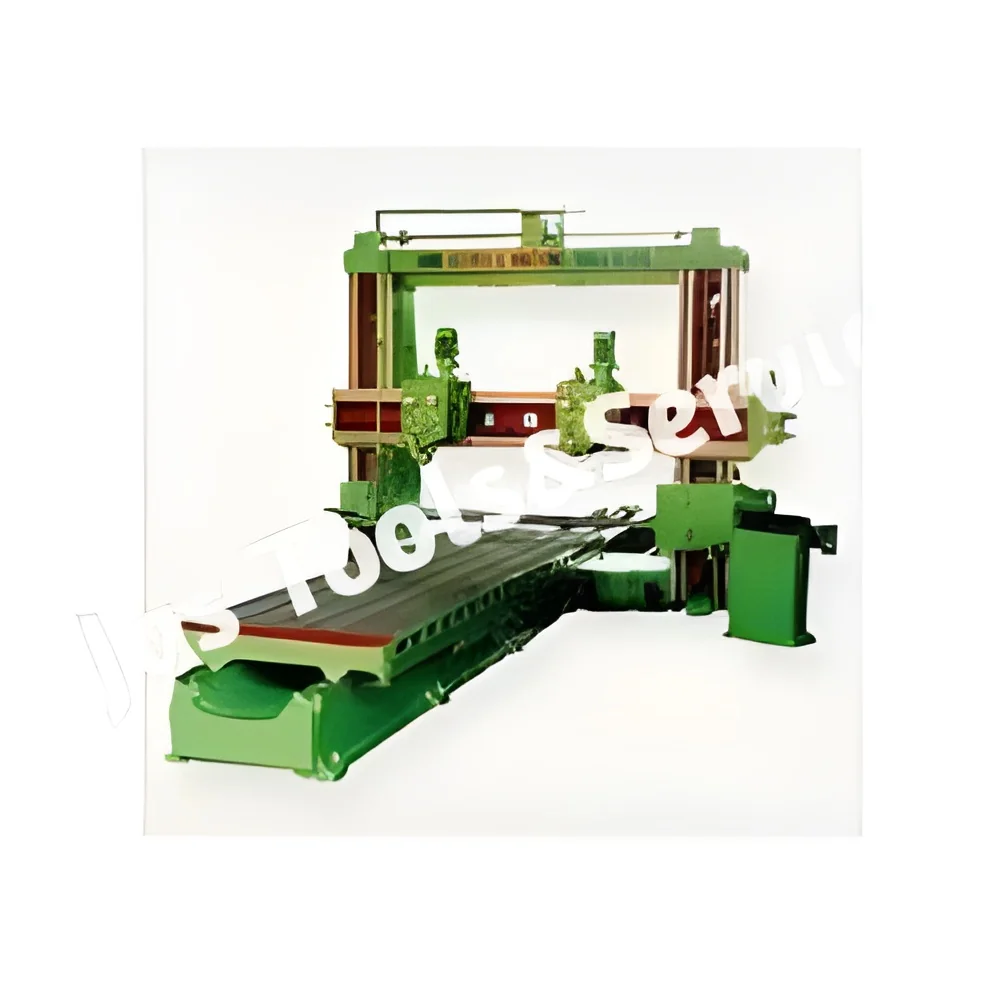 India
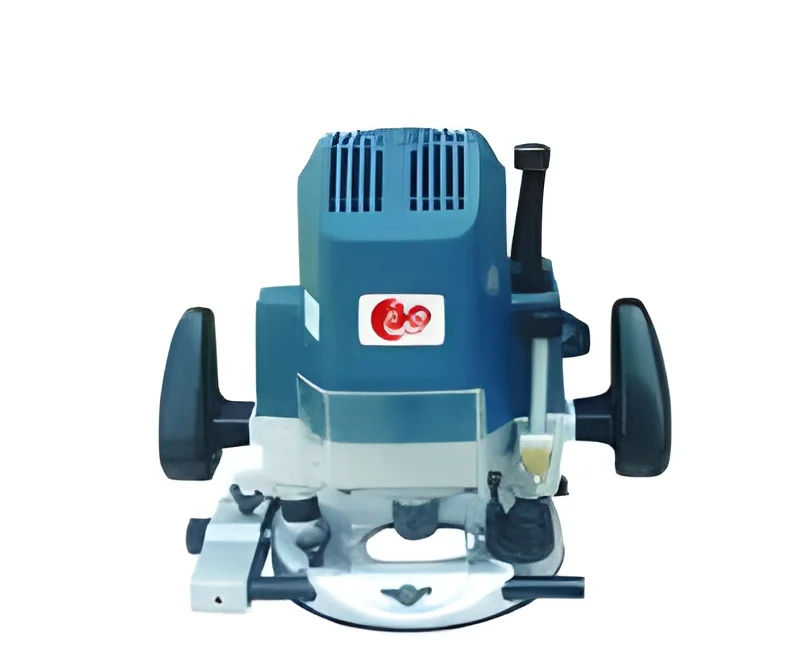 India
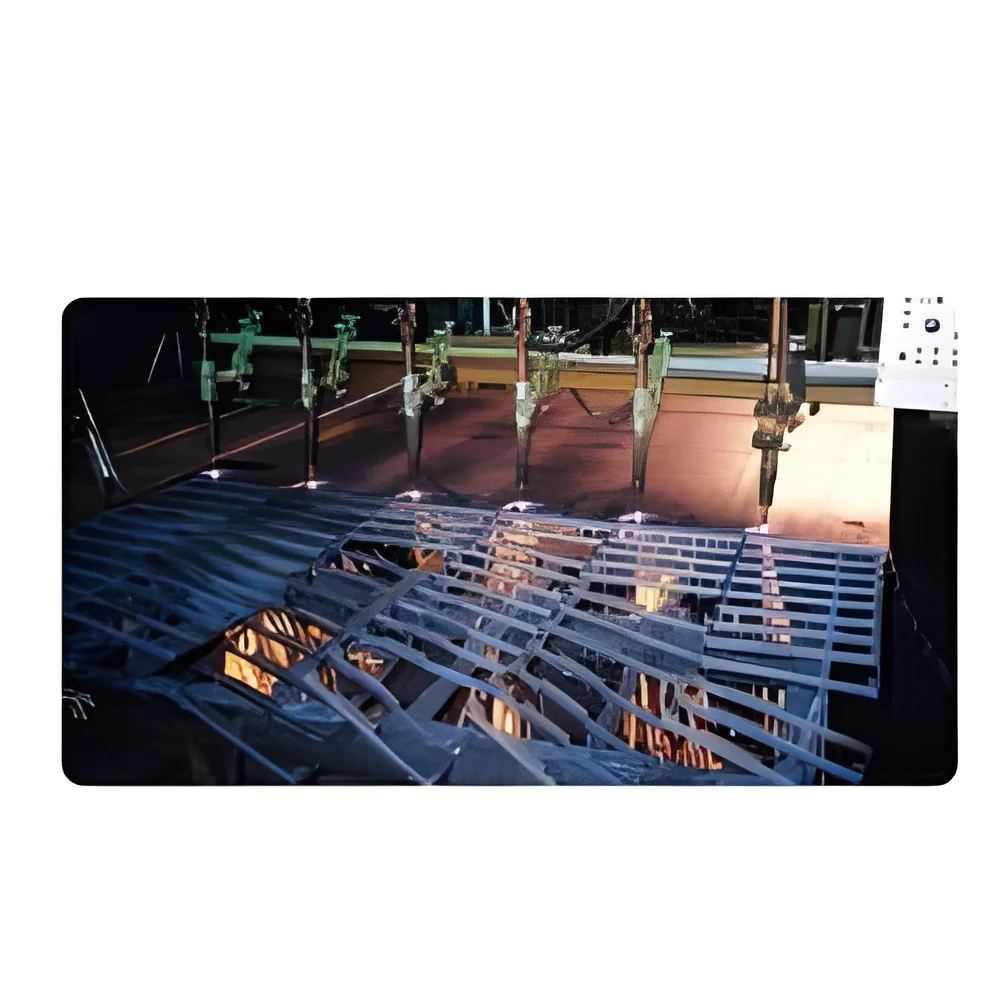
 India
 India
 India
Frequently Asked Questions
What are Wood Router?
Wood routers are versatile power tools used for hollowing out an area in a piece of wood. They can create decorative edges, grooves, and joinery, making them essential for woodworking projects.
What are the different types of Wood Router?
The main types of wood routers include fixed-base routers, plunge routers, and combination routers. Fixed-base routers are suitable for edge routing, while plunge routers allow for more flexibility in depth control, making them ideal for various applications.
How do I choose the right Wood Router?
Choosing the right wood router depends on your specific woodworking needs and skill level. Consider factors such as the type of projects you'll undertake, the router's power, speed settings, and the types of bits compatible with the router.
What are the standard specifications for Wood Router?
Standard specifications for wood routers typically include motor power ranging from 1 to 3 HP, variable speed settings from 8,000 to 25,000 RPM, and compatibility with different collet sizes. It's also important to consider the router's weight and ergonomics for ease of use.
What is the price range for Wood Router?
The price range for wood routers can vary significantly based on brand, specifications, and features. Generally, you can find wood routers priced from around INR 3,000 to INR 25,000 in the Indian market.
What quality standards apply to Wood Router?
Wood routers must adhere to various quality standards, including safety regulations and performance specifications defined by organizations such as ISI or international standards like ISO. It's essential to select routers from reputable manufacturers to ensure reliability and durability.
Where can I find Wood Router suppliers in India?
You can find wood router suppliers in India through B2B marketplaces like Pepagora, industry trade shows, and manufacturer directories. It's advisable to compare multiple suppliers to ensure quality and competitive pricing.
Can Wood Router be customized?
Yes, many manufacturers offer customization options for wood routers based on specific requirements. Customization can include features like power adjustments, specialized bits, and ergonomic designs tailored to individual needs.
What is the typical minimum order quantity for Wood Router?
The minimum order quantity (MOQ) for wood routers typically varies by supplier but often ranges from 5 to 100 units. It's recommended to check with individual suppliers for their specific MOQ policies.
What is the typical lead time for Wood Router?
The typical lead time for wood routers can range from 1 to 4 weeks, depending on the supplier's inventory and whether the order is customized. Always confirm lead times with the supplier before placing an order.
Why Businesses Trust Pepagora
Thousands of companies trust Pepagora to source smarter and sell faster
Expand Your Sales Globally

Source Smarter,Grow Faster
