IN
IN₹
Apparel & Fashion
Description
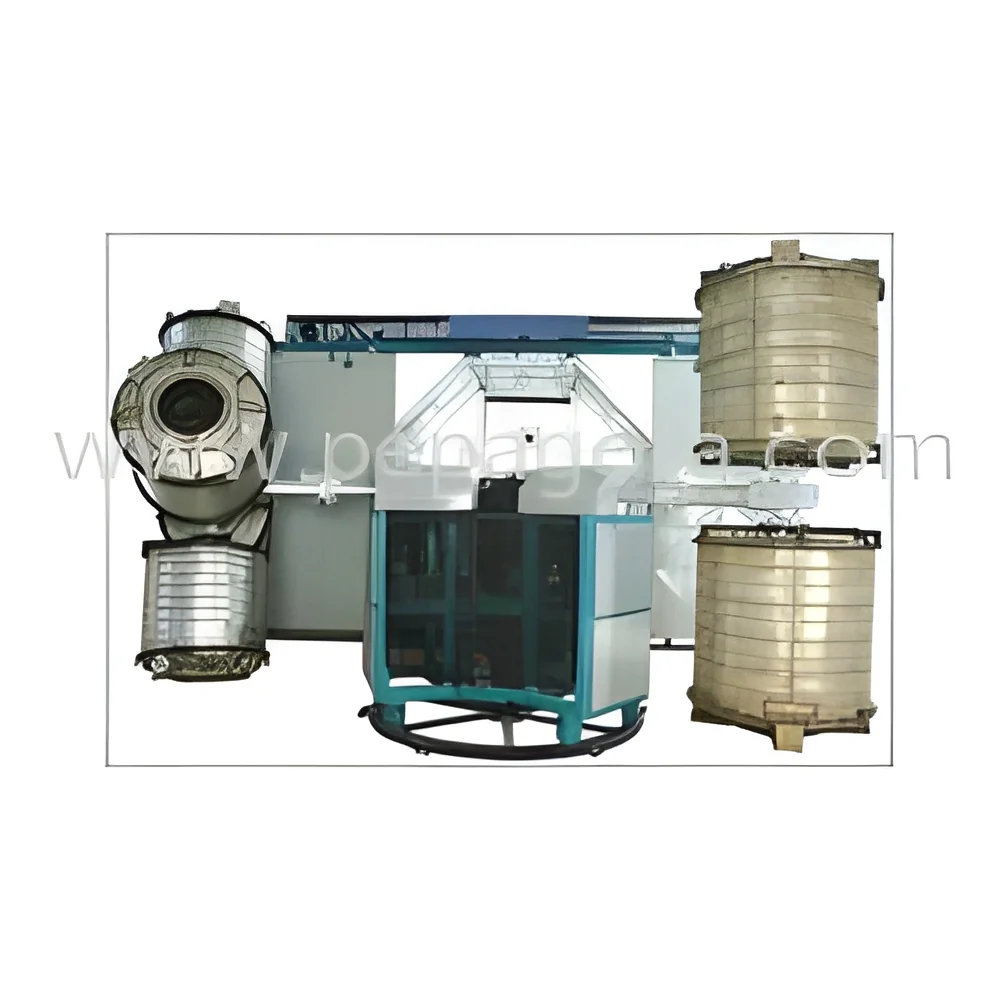
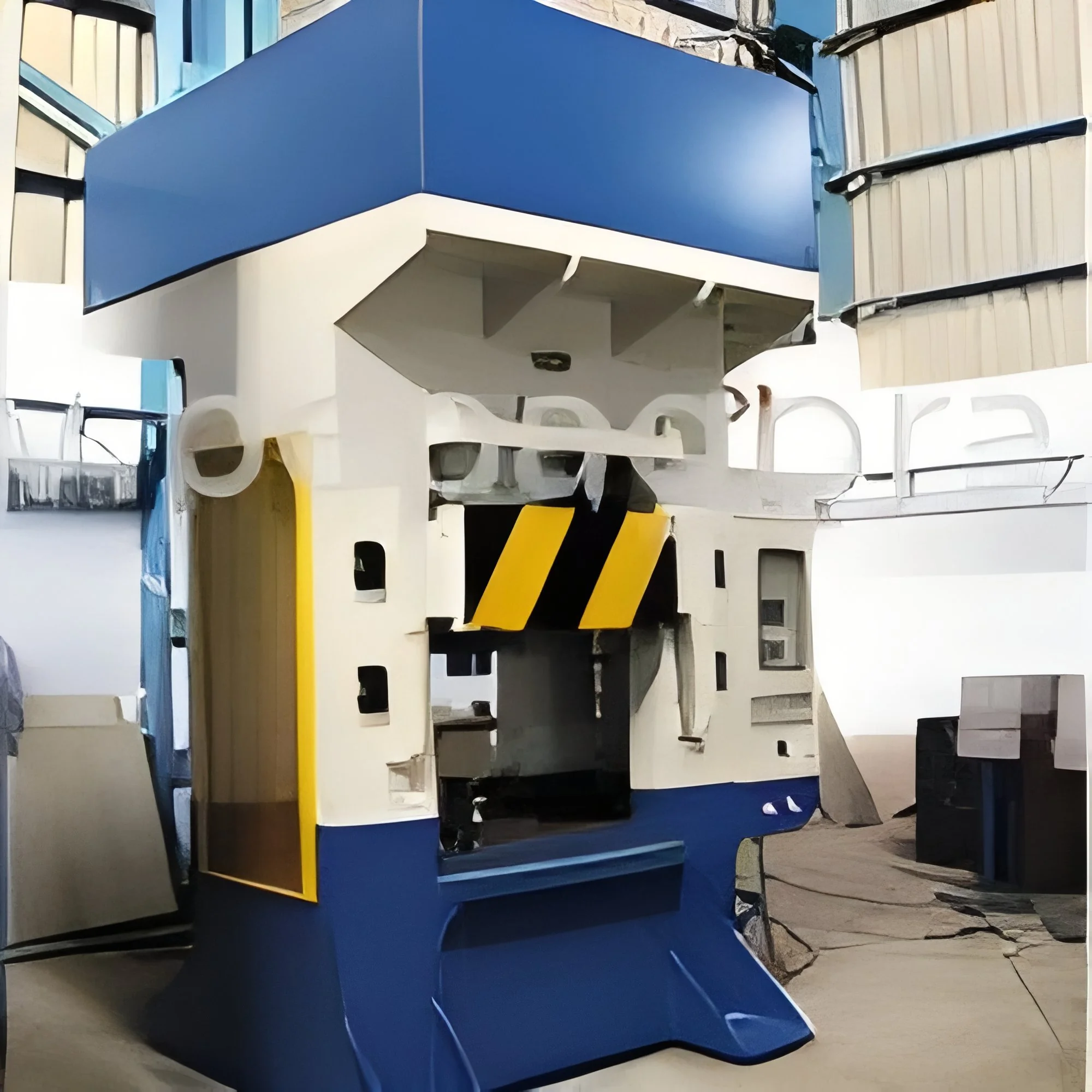
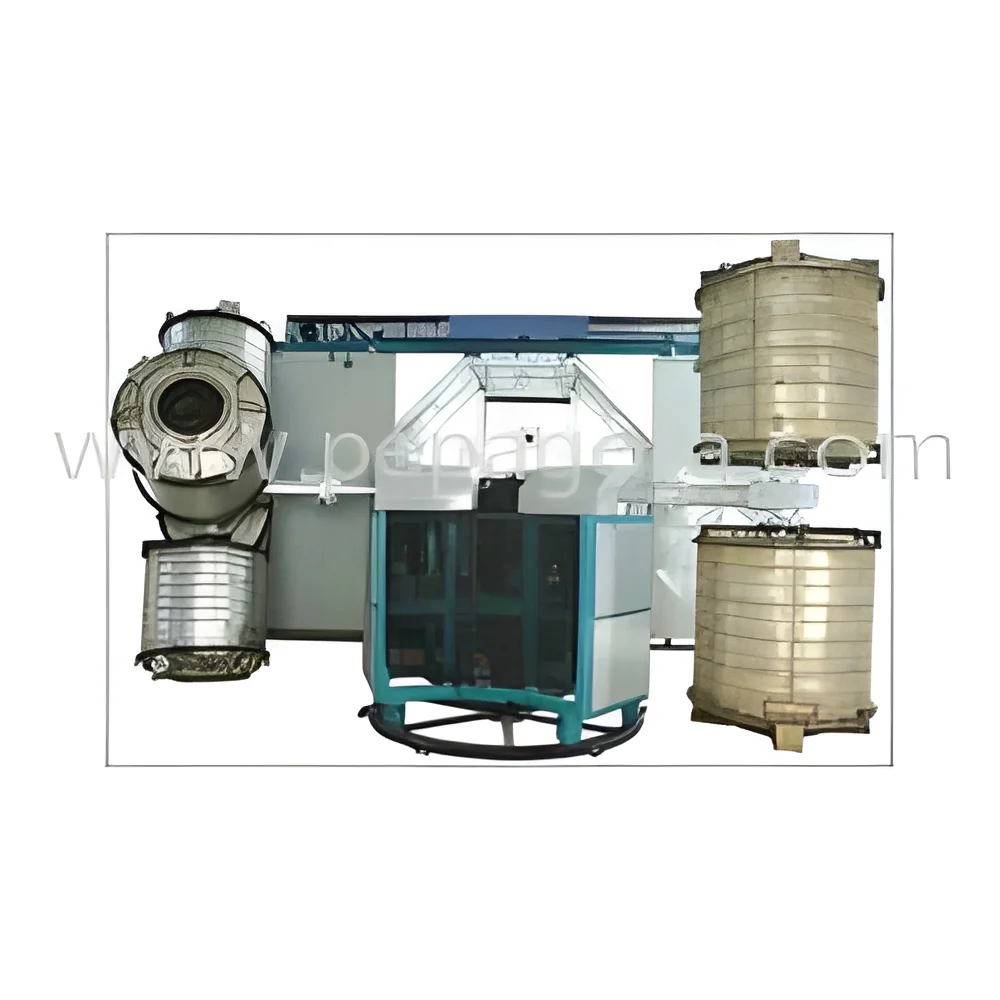
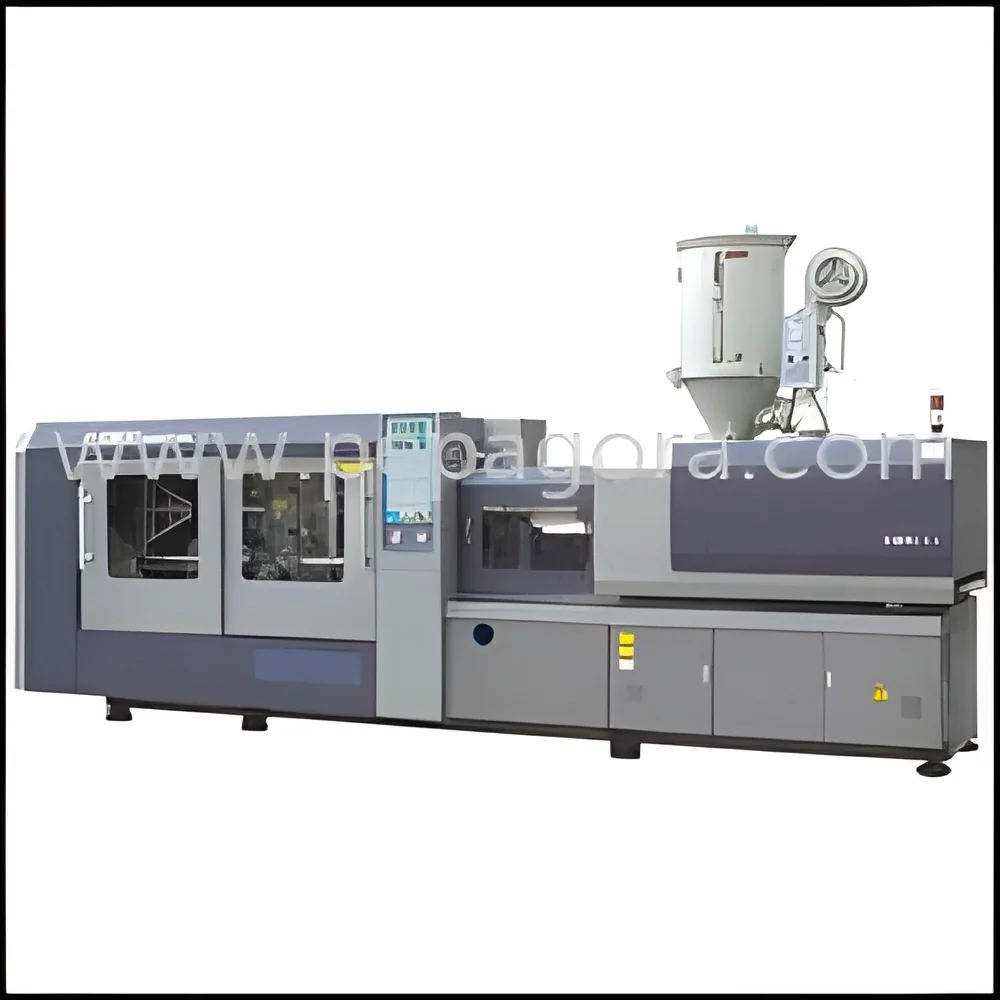
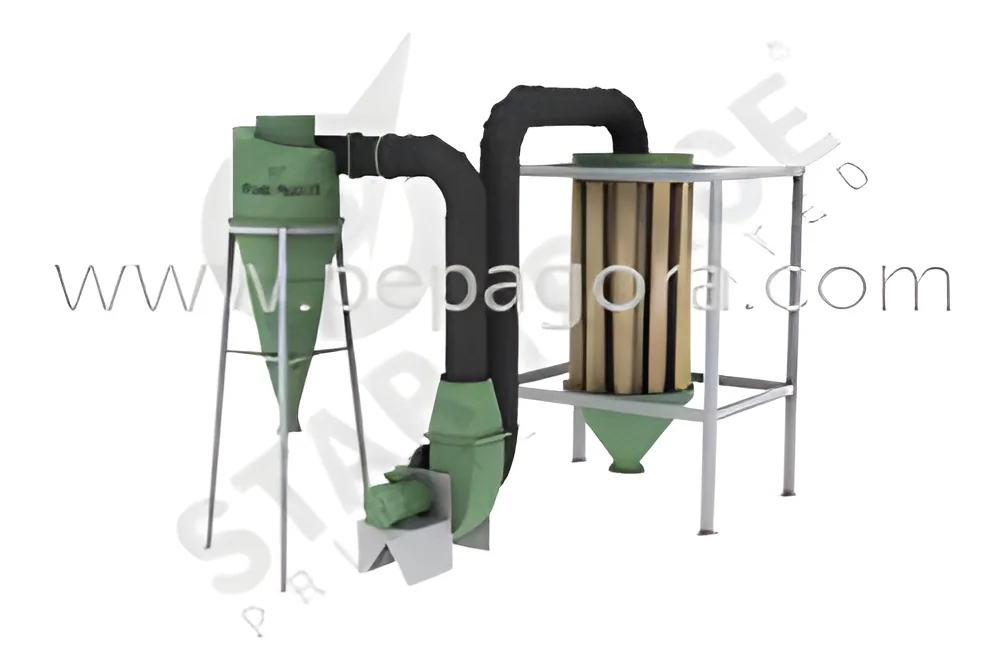
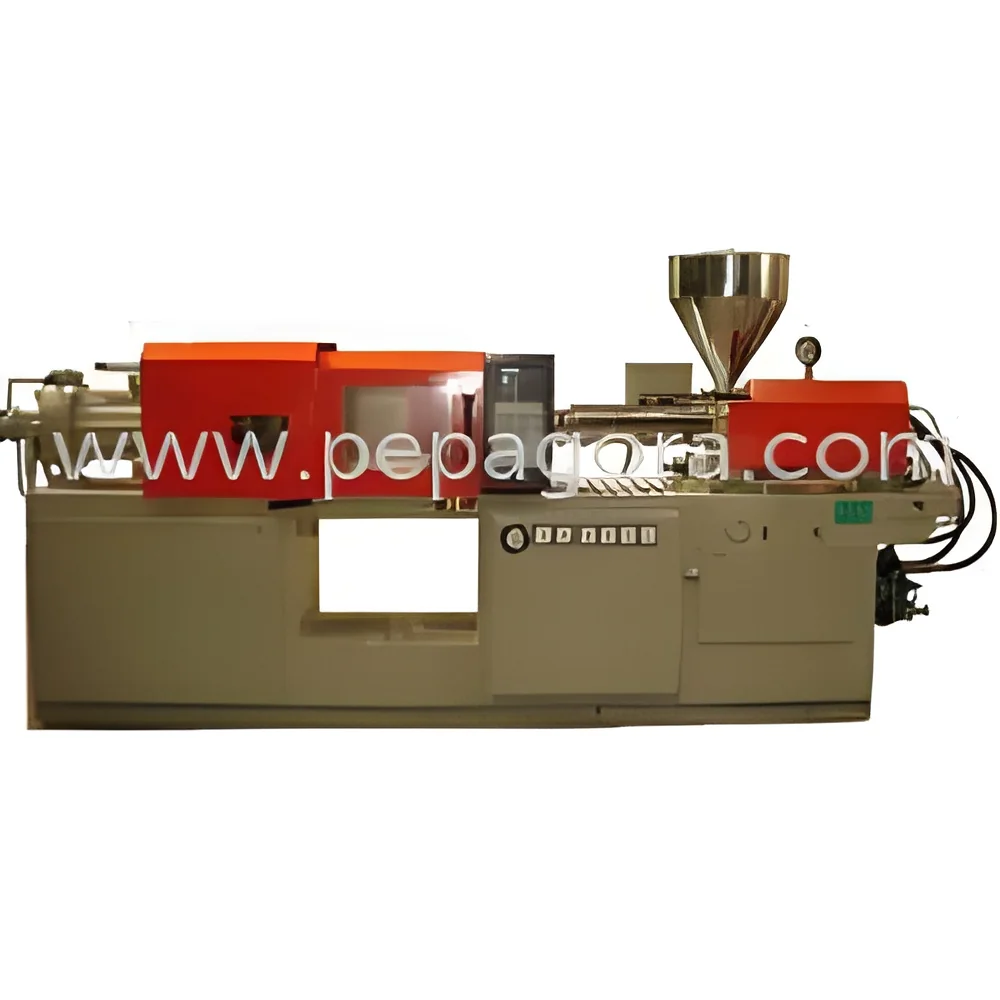
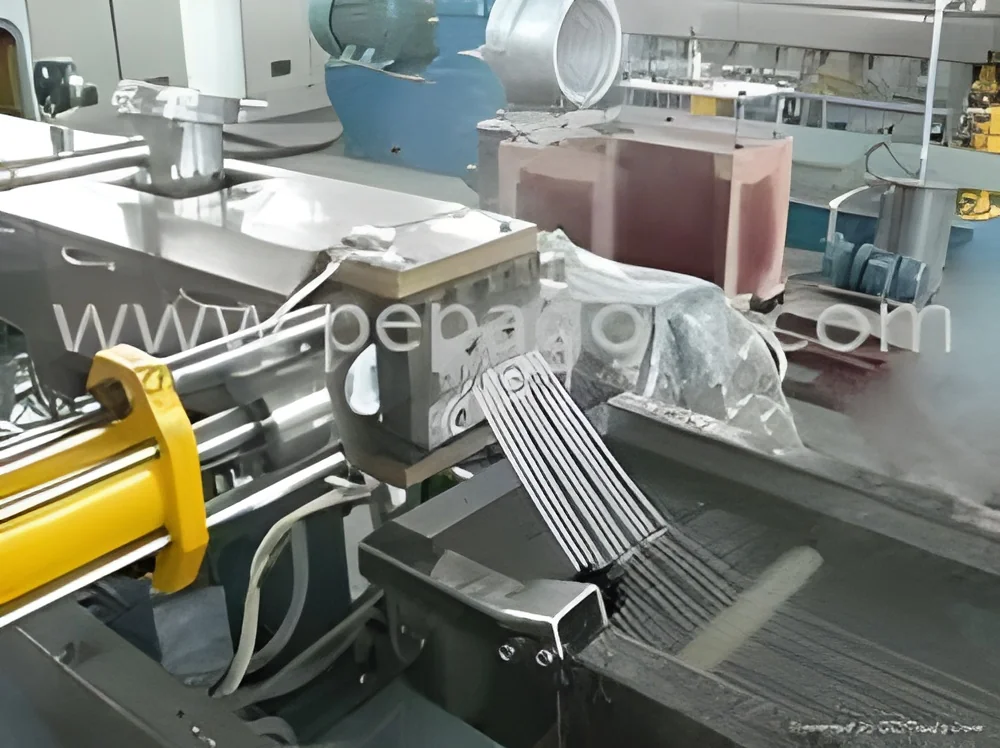
Industrial pelletizing machines are robust processing equipment designed to agglomerate fine materials into dense, uniform pellets through compression and extrusion. These machines handle demanding applications with materials ranging from iron ore concentrates to animal feed mixtures, delivering consistent pellet quality through precise control systems. Engineered for industrial environments, they feature durable construction with components selected for wear resistance and long service life. The pelletizing process improves material characteristics by increasing bulk density, enhancing flow properties, and reducing dust generation, making subsequent handling, storage, and transportation significantly more efficient and economical.

These machines serve critical functions across multiple industries where material consolidation is essential. In mining and metallurgy, they process iron ore fines into pellets for steel manufacturing, improving blast furnace performance while reducing envi...
Industrial pelletizing machines are robust processing equipment designed to agglomerate fine materials into dense, uniform pellets through compression and extrusion. These machines handle demanding applications with materials ranging from iron ore concentrates to animal feed mixtures, delivering consistent pellet quality through precise control systems. Engineered for industrial environments, they feature durable construction with components selected for wear resistance and long service life. The pelletizing process improves material characteristics by increasing bulk density, enhancing flow properties, and reducing dust generation, making subsequent handling, storage, and transportation significantly more efficient and economical.

These machines serve critical functions across multiple industries where material consolidation is essential. In mining and metallurgy, they process iron ore fines into pellets for steel manufacturing, improving blast furnace performance while reducing environmental impact. The agricultural sector utilizes them for producing animal feed pellets that ensure proper nutrition delivery and reduce feed waste. Chemical and fertilizer industries benefit from dust-free pellet forms that enhance worker safety and application precision. Additionally, recycling operations use pelletizing to convert various waste materials into manageable, transportable forms for reuse or disposal, demonstrating the equipment's broad industrial relevance.

The business value of industrial pelletizing machines lies in their ability to enhance operational efficiency while reducing long-term costs. Their reliable performance ensures consistent production output with minimal downtime, supporting just-in-time manufacturing schedules and supply chain requirements. The low-maintenance design reduces operational expenses through fewer service interruptions and lower spare parts consumption. By converting fine materials into pellets, businesses achieve significant savings in transportation and storage costs while improving workplace safety through dust reduction. This equipment represents a strategic investment that delivers measurable returns through improved process efficiency and material utilization.

Key Features:
- Heavy-duty construction with wear-resistant components for extended operational life in demanding environments.
- Precision control systems ensuring consistent pellet size, density, and hardness for uniform product quality.
- Versatile material handling capabilities processing iron ore, animal feed, fertilizers, and industrial raw materials.
- Efficient compression mechanisms delivering high throughput with optimized energy consumption.
- Robust design requiring minimal maintenance and offering easy access for routine service procedures.

Benefits:
- Enhanced material handling efficiency through increased bulk density and improved flow characteristics.
- Reduced transportation and storage costs by converting fine materials into compact, uniform pellets.
- Improved workplace safety with significant dust reduction during material processing and handling.
- Consistent product quality supporting downstream processing efficiency and final product specifications.
- Long-term operational reliability with minimal downtime, ensuring continuous production cycles.
Specifications
| Additional Information | |
|---|---|
| Country of Origin | India |
Application
Industrial pelletizing machines transform powdered or granular materials into compact, uniform pellets, significantly improving material density and flow characteristics. This process enhances handling efficiency, reduces storage space requirements, and minimizes dust during transportation, making bulk material management safer and more cost-effective across multiple sectors.
These versatile machines process diverse materials including iron ore concentrates, animal feed mixtures, and various industrial raw materials. Their precise operation ensures consistent pellet size and hardness, which is crucial for downstream processing efficiency and final product quality in both heavy industry and agricultural production systems.
- Iron ore pelletizing for steel production, creating uniform feed material for blast furnaces to improve efficiency and reduce emissions.
- Animal feed manufacturing, producing durable, nutritionally balanced pellets for livestock, poultry, and aquaculture operations.
- Fertilizer production, converting powdered nutrients into dust-free, easy-to-apply pellets for agricultural use.
- Mineral processing, agglomerating fine ores and concentrates for improved smelting and transportation.
- Biomass and waste recycling, compacting organic materials into fuel pellets for energy generation.
Trade Details
| Available Stock | In Stock |
| Sample Availability | No |
Payment Terms
| Payment Terms |
|
Company Profile
Plasmec Engineering Pvt Ltd, Maharashtra
 Maharashtra, India
Maharashtra, IndiaConstruction•Manufacturer•Distributor / Wholesaler•Importer / Exporter
Factory Details
Factory SizeBelow 1000 sqm
Annual Production Capacity0
Industrial Pelletizing Machines For Iron Ore And Animal Feed Processing
Industrial pelletizing machines compress iron ore, animal feed, and raw materials into uniform, dense pellets. These reliable, high-performance units are built for low maintenance and consistent output in demanding processing environments.
Min. Order Quantity: 1 unit
Shipping
Shipping fee and delivery date to be negotiated. Contact supplier now for more details.
Plasmec Engineering Pvt Ltd
 Maharashtra, India
Maharashtra, IndiaConstructionManufacturer