
 IN
Wood Debarker
2 products available
What are Wood Debarker?
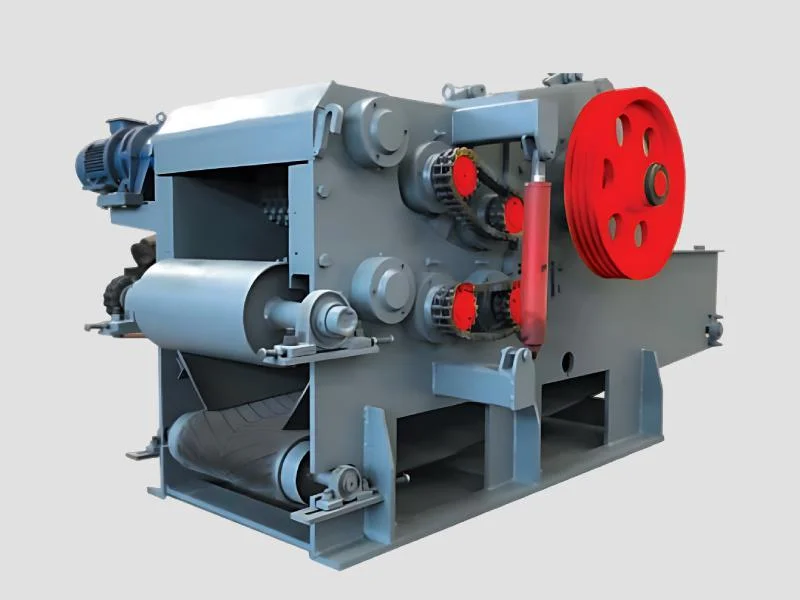
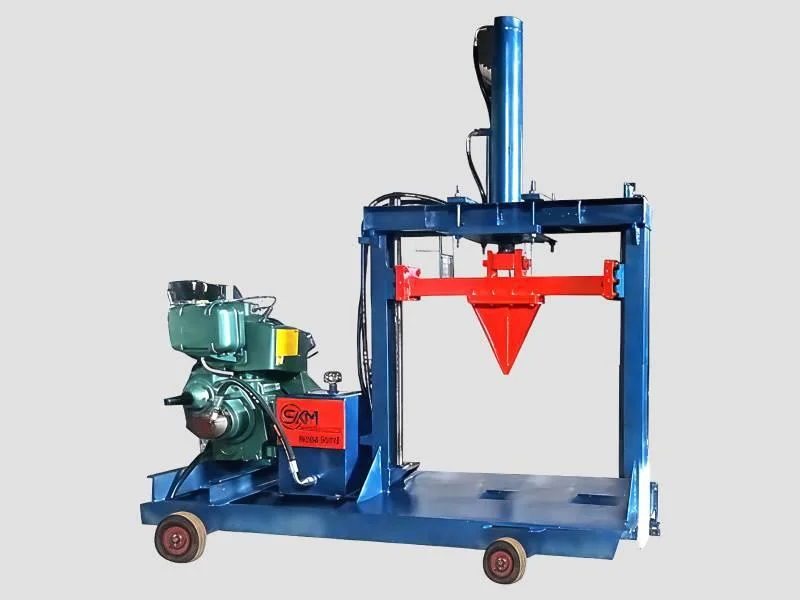
Wood debarkers are specialized machines designed to remove the bark from logs with efficiency and precision. These machines are essential in the lumber and wood processing industries, where the removal of bark is a critical step before further processing. By utilizing various mechanical methods, wood debarkers can effectively strip away the bark without damaging the underlying wood, ensuring high-quality output for subsequent manufacturing processes.
The primary applications of wood debarkers include preparing timber for construction, furniture making, and paper production. They are widely used in sawmills and wood processing facilities, where the quality of the final product is paramount. By removing the bark, these machines not only enhance the aesthetic appeal of the wood but also help in preventing damage caused by pests and decay. With the growing demand for sustainable and high-quality wood products, the relevance of wood debarkers in the industry continues to rise.
In the current market context, wood debarkers play a vital role as companies strive for efficiency and sustainability. As industries increasingly focus on reducing waste and maximizing raw material usage, the importance of effective bark removal becomes clear. The ability to process logs quickly and effectively adds significant value to wood processing operations, reinforcing the need for reliable wood debarkers.
Key Features and Specifications
Wood debarkers come with a variety of features designed to meet the needs of different wood processing operations. These features enhance the efficiency, safety, and effectiveness of the bark removal process. Understanding the key specifications can help businesses choose the right equipment for their operations.
Key specifications include:
1. Debarking Method
- Types include rotary, drum, and ring debarkers
- Each method varies in efficiency and suitability for different wood types
2. Processing Capacity
- Measured in logs per hour
- Typical ranges can vary from 5 to 50 logs depending on machine size and model
3. Power Requirements
- Electrical or hydraulic power sources are common
- Power ratings typically range from 10 HP to 200 HP
4. Material Compatibility
- Suitable for various wood species, including softwoods and hardwoods
- Specific models may cater to particular wood types
5. Safety Features
- Emergency stop buttons and protective guards
- Compliance with industry safety standards
6. Maintenance Needs
- Maintenance intervals and ease of access for repairs
- Recommendations for routine checks to ensure optimal performance
7. Control Systems
- Manual or automated control options available
- Advanced models may include programmable logic controllers (PLC)
8. Footprint and Mobility
- Dimensions and weight can vary significantly
- Options for stationary or mobile units based on operational needs
In summary, understanding these key features and specifications is crucial for businesses looking to invest in wood debarkers. The right choice can significantly impact efficiency and product quality in wood processing operations.
Common Applications and Use Cases
Wood debarkers are utilized across various industries, each with specific applications that highlight their versatility and importance.
1. Sawmills: In sawmills, wood debarkers are essential for preparing logs before they are cut into lumber. Efficient debarking ensures clean wood surfaces for further processing.
2. Plywood Manufacturing: In plywood production, debarked logs are crucial for achieving high-quality sheets. The removal of bark prevents contamination and enhances adhesion during the lamination process.
3. Biomass Production: Debarkers play a significant role in biomass energy production. Bark removal increases the energy yield from wood chips and enhances the efficiency of biomass boilers.
4. Furniture Industry: In furniture manufacturing, debarked wood is preferred for its aesthetic qualities. The smooth surface of debarked logs facilitates better finishing and reduces production time.
5. Paper Industry: Wood debarkers prepare logs for pulping in paper mills. Bark-free logs yield higher-quality pulp and improve the overall efficiency of the paper production process.
6. Wood Pellet Production: For wood pellets, debarked logs ensure higher energy density and quality. This is vital for meeting market demands for clean and efficient fuel sources.
7. Export Market: In the export of raw timber, debarked logs meet international standards and regulations, reducing the risk of pest transmission and improving marketability.
Product Variants and Subcategories
Wood debarkers come in various designs tailored to specific processing needs. This diversity allows businesses to select models that best fit their operational requirements.
Rotary Debarker: This variant uses a rotating drum to efficiently remove bark from logs. It is suitable for high-capacity operations and can handle various log sizes.
Ring Debarker: Known for its precision, the ring debarker strips bark in a controlled manner, making it ideal for high-quality wood products. It is often used in specialty lumber applications.
Drum Debarker: The drum debarker offers versatility and is effective for different wood species. It is commonly found in medium to large sawmills due to its efficiency.
Mobile Debarker: Designed for portability, mobile debarkers are suitable for on-site log processing. They are particularly useful in remote areas or for companies with variable processing locations.
Benefits and Advantages
Investing in wood debarkers provides several key advantages that can enhance operational efficiency and product quality.
1. Increased Efficiency: Wood debarkers streamline the bark removal process, allowing for faster processing times and higher throughput in wood operations.
2. Improved Wood Quality: By effectively removing bark, these machines ensure that the wood is free from contaminants, resulting in a higher-quality final product.
3. Cost Savings: Reducing waste and improving processing efficiency can lead to significant cost savings in the long run, especially for high-volume operations.
4. Enhanced Safety: Modern wood debarkers come equipped with safety features that protect operators and reduce the risk of accidents during operation.
5. Sustainability: By optimizing the use of raw materials, wood debarkers contribute to more sustainable wood processing practices, aligning with industry trends toward environmental responsibility.
6. Versatility: With various models available, businesses can choose debarkers that fit specific needs, whether for high-capacity production or specialty applications.
Buying Guide for B2B Buyers
When sourcing wood debarkers for your business, it is essential to consider several factors to ensure you make an informed decision.
1. Quality Assessment: Evaluate the quality of the debarker based on its construction, materials used, and reliability. Look for machines that are built to withstand continuous operation and meet industry standards.
2. Supplier Verification: Research and verify suppliers to ensure they have a proven track record in delivering quality equipment. Check references and reviews from other businesses.
3. Pricing and MOQ: Understand the pricing structure, including any minimum order quantities. Compare prices among different suppliers while considering the total cost of ownership.
4. Delivery and Lead Times: Inquire about delivery schedules and lead times, especially if you have tight project timelines. Ensure the supplier can meet your operational needs.
5. Compliance Requirements: Be aware of any regulatory requirements related to wood processing in your region. Ensure that the debarker complies with local and international standards.
Compliance and Certifications
Wood debarkers must adhere to various quality standards and certifications to ensure safety and reliability. One of the relevant quality standards is ISO 9001, which focuses on quality management systems. This certification demonstrates a commitment to consistent quality in manufacturing processes.
Additionally, industry certifications like CE indicate that the equipment meets European safety, health, and environmental protection requirements. Manufacturers often pursue these certifications to enhance their marketability and credibility.
Safety and testing requirements are critical in the production of wood debarkers. Compliance with these standards ensures that the machines operate safely and effectively. Regular testing for performance and safety is essential in maintaining operational reliability.
Regional compliance considerations may vary based on local regulations. It is crucial for buyers to understand these requirements to avoid any legal complications and ensure that they operate within the law.
Why Source Wood Debarker from Pepagora?
Pepagora provides a trusted platform for sourcing wood debarkers, offering several key advantages that set it apart from other suppliers.
Verified Supplier Network: Pepagora features a network of verified suppliers, ensuring that buyers can trust the quality and reliability of the equipment. This verification process enhances buyer confidence in their purchasing decisions.
Streamlined RFQ Process: The request for quotation (RFQ) process on Pepagora is designed to be efficient and user-friendly. Buyers can easily compare quotes from different suppliers, facilitating informed choices.
Trade Assurance and Support: Pepagora offers trade assurance, protecting buyers throughout the purchasing process. Comprehensive support helps address any inquiries or concerns that may arise.
Regional Coverage: With a strong presence in regions such as India, the GCC, and Southeast Asia, Pepagora connects buyers with suppliers that can meet their specific needs while providing logistical support for smooth transactions.



Frequently Asked Questions
What are Wood Debarker?
Wood Debarkers are machines designed to remove the bark from logs before they are processed into timber or other wood products. They enhance the efficiency of wood processing by ensuring that the wood is clean and free from any outer bark, which can affect the quality of the final product.
What are the different types of Wood Debarker?
There are several types of Wood Debarkers, including rotary debarkers, ring debarkers, and drum debarkers. Each type has its own mechanism and is suited for different sizes and types of logs, allowing for flexibility depending on the processing needs.
How do I choose the right Wood Debarker?
Choosing the right Wood Debarker involves considering factors such as the type and size of logs you will be processing, the volume of wood, and the desired level of bark removal. Additionally, evaluating the machine's capacity, efficiency, and maintenance requirements is essential for making an informed decision.
What are the standard specifications for Wood Debarker?
Standard specifications for Wood Debarkers typically include dimensions, processing capacity (logs per hour), power requirements, and the type of logs they can handle. It is important to review these specifications to ensure that the debarker meets your operational needs.
What is the price range for Wood Debarker?
The price range for Wood Debarkers can vary significantly based on the type, size, and manufacturer. Generally, prices can range from INR 1 lakh to several lakhs, depending on the features and capabilities of the machine.
What quality standards apply to Wood Debarker?
Wood Debarkers are typically manufactured to meet industry standards such as ISO 9001 for quality management systems. Compliance with these standards ensures that the machines are reliable, efficient, and safe for use in wood processing operations.
Where can I find Wood Debarker suppliers in India?
You can find Wood Debarker suppliers in India through various online B2B marketplaces, industry trade shows, and directories. Websites like Pepagora.com feature a range of suppliers and manufacturers, making it easier to compare products and services.
Can Wood Debarker be customized?
Yes, many manufacturers offer customization options for Wood Debarkers to meet specific processing requirements. Customizations can include modifications to size, capacity, and features based on the buyer's operational needs.
What is the typical minimum order quantity for Wood Debarker?
The typical minimum order quantity (MOQ) for Wood Debarkers varies by supplier but generally ranges from one unit to several units. It is advisable to check with individual suppliers for their specific MOQ requirements.
What is the typical lead time for Wood Debarker?
The typical lead time for Wood Debarkers can range from a few weeks to several months, depending on factors such as availability, customization, and supplier location. It is recommended to discuss lead times with suppliers during the ordering process.
Why Businesses Trust Pepagora
Thousands of companies trust Pepagora to source smarter and sell faster
Expand Your Sales Globally

Source Smarter,Grow Faster
