
 IN
Wood Chip Machines
3 products available
What are Wood Chip Machines?
Wood chip machines are specialized industrial equipment designed to convert wood waste into small chips. These machines process various types of wood, including branches, bark, and logs, into uniform chips that can be used for a variety of applications. They utilize mechanical systems to shred and reduce the size of wood materials, which can then be used as biomass fuel, animal bedding, or for landscaping purposes.
The primary uses of wood chip machines include supplying raw materials for biomass energy production, providing feedstock for the paper and pulp industry, and creating mulch for agricultural and horticultural applications. Businesses across sectors such as forestry, agriculture, and waste management rely on these machines to efficiently manage wood waste and produce valuable products. The growing demand for sustainable energy sources and eco-friendly materials is driving the market for wood chip machines, making them relevant in today's industrial landscape.
Key Features and Specifications
Wood chip machines come with a variety of features that enhance their performance and usability. These features cater to different industrial needs, ensuring that businesses can find a suitable machine for their specific requirements.
Key specifications include:
1. Capacity
- Refers to the volume of wood that can be processed per hour.
- Typically ranges from 2 tons to over 20 tons per hour, depending on the model.
2. Power Source
- Can be powered by diesel engines, electric motors, or hydraulic systems.
- Engine power usually ranges from 20 HP to 300 HP.
3. Cutting Mechanism
- Includes blade types such as rotary or stationary knives.
- Blade sizes may vary, impacting chip size and quality.
4. Chip Size Adjustment
- Allows operators to modify the size of the wood chips produced.
- Common ranges for chip sizes are from 1 to 5 centimeters.
5. Mobility
- Some machines are portable, while others are designed for stationary use.
- Portable models often come with wheels or tracks for easy transport.
6. Safety Features
- Includes emergency stop buttons, safety guards, and automatic shut-off systems.
- Ensures compliance with industry safety standards.
7. Maintenance Requirements
- Design influences the ease of maintenance and parts replacement.
- Regular maintenance is crucial for optimal performance.
8. Noise Levels
- Measured in decibels (dB), indicating operating noise.
- Typical noise levels range from 80 dB to 110 dB.
In summary, understanding the key features and specifications of wood chip machines is essential for businesses to ensure they select the right equipment for their operations.
Common Applications and Use Cases
Wood chip machines serve various industries, providing valuable solutions for waste management and resource utilization.
1. Forestry: In forestry operations, wood chip machines are used to process leftover branches and logs, turning them into chips that can be used for biomass energy or mulching.
2. Agriculture: Farmers utilize wood chips as a sustainable option for animal bedding, pest control, and soil enhancement in crop production.
3. Landscaping: Landscape companies use wood chips for decorative mulch, which helps retain soil moisture and suppress weeds while enhancing the aesthetic appeal of gardens and parks.
4. Biomass Energy: Wood chips are a significant feedstock for biomass energy plants, where they are converted into renewable energy, contributing to sustainable power production.
5. Pulp and Paper Industry: The pulp and paper industry relies on wood chips as a raw material for producing paper products, making efficient wood processing essential.
6. Recycling: Waste management companies use wood chip machines to process wood debris from construction and demolition sites, facilitating recycling and reducing landfill waste.
7. Biofuel Production: Wood chips serve as a feedstock for biofuel production, supporting the transition to cleaner energy sources.
Product Variants and Subcategories
Wood chip machines come in various variants to meet the diverse needs of different industries. Each variant is designed with specific features and applications in mind.
Mobile Wood Chip Machines: These machines are designed for portability, allowing users to transport them easily to different job sites. They are ideal for companies that need to process wood waste on location.
Stationary Wood Chip Machines: Designed for permanent installation, these machines typically offer higher processing capacities and are suited for large-scale operations where wood waste is consistently generated.
Heavy-Duty Wood Chip Machines: Built for robust applications, these machines can handle tougher materials and larger volumes, making them suitable for industrial settings with high wood waste production.
Compact Wood Chip Machines: These smaller machines are ideal for businesses with limited space or lower output needs, providing a cost-effective solution for wood waste processing.
Benefits and Advantages
Investing in wood chip machines offers several advantages for businesses looking to optimize their operations and manage wood waste effectively.
1. Waste Reduction: These machines significantly reduce the volume of wood waste, promoting sustainability and efficient resource use.
2. Cost Efficiency: By converting waste into valuable products, businesses can save on disposal costs and generate additional revenue streams.
3. Versatility: Wood chips produced can be used for various applications, including energy production, landscaping, and animal bedding.
4. Improved Efficiency: Advanced wood chip machines operate quickly and efficiently, allowing businesses to process large volumes of wood in a shorter time.
5. Enhanced Quality: High-quality wood chips produced can meet industry standards, making them suitable for various commercial uses.
6. Environmental Responsibility: Utilizing wood waste for productive purposes aligns with eco-friendly practices, contributing to a circular economy.
Buying Guide for B2B Buyers
When sourcing wood chip machines, businesses should consider several critical factors to ensure they make informed decisions.
1. Quality Assessment: Evaluate the quality of materials and construction of the machines. Look for reputable manufacturers that adhere to industry standards to ensure long-lasting performance.
2. Supplier Verification: Vet suppliers carefully by checking references and reviews. A reliable supplier should have a solid track record in the industry and offer support.
3. Pricing and MOQ: Understand the pricing structure, including any minimum order quantities. Compare quotes from different suppliers to ensure you get the best value.
4. Delivery and Lead Times: Inquire about delivery options and lead times. Timely delivery is crucial for maintaining operations, so choose suppliers that can meet your scheduling needs.
5. Compliance Requirements: Ensure that the machines comply with relevant regulations and certifications. This includes safety standards and environmental guidelines, which may vary by region.
Compliance and Certifications
Compliance with industry standards and certifications is paramount for wood chip machines to ensure safety and quality.
ISO 9001 is a quality management standard that ensures manufacturers maintain consistent quality in their products. Compliance with ISO 9001 indicates that a manufacturer has robust quality control processes in place.
CE certification is crucial for machines sold in the European market. It signifies that the product meets EU safety, health, and environmental protection requirements.
Safety and testing requirements vary by region but generally include assessments to ensure that machines operate safely and effectively. Regular testing can help identify potential hazards and ensure compliance with regulations.
It is essential for businesses to consider the regional compliance requirements applicable to their operations. Different countries may have specific regulations regarding the use and certification of industrial equipment.
Why Source Wood Chip Machines from Pepagora?
Pepagora provides a trusted platform for sourcing wood chip machines, offering several key advantages for B2B buyers.
Verified Supplier Network: Pepagora connects businesses with a network of verified suppliers, ensuring that buyers engage with reputable manufacturers who meet industry standards.
Streamlined RFQ Process: The platform simplifies the request for quotation process, allowing buyers to easily compare offers from multiple suppliers and find the best deals.
Trade Assurance and Support: Buyers benefit from trade assurance features that protect their purchases. Pepagora offers support throughout the buying process, ensuring a smooth experience.
Regional Coverage: With a strong presence in India, the GCC, and Southeast Asia, Pepagora enables businesses to find suitable wood chip machines that meet local requirements while providing access to a broad range of suppliers.

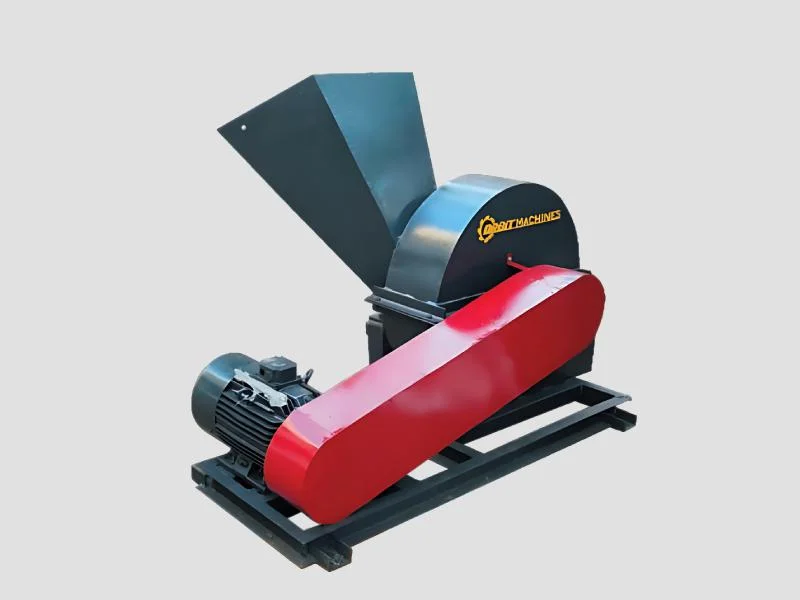


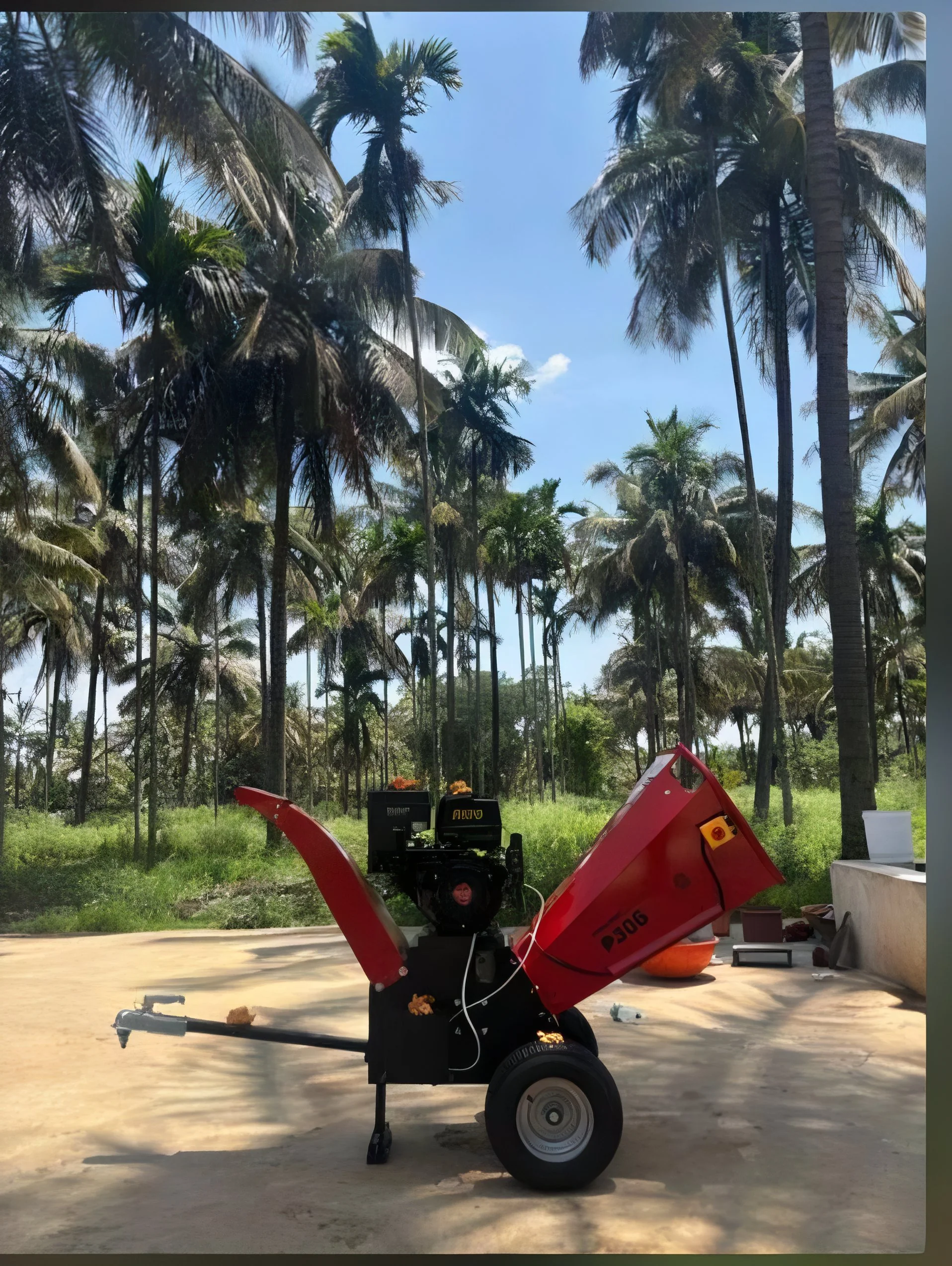
 India

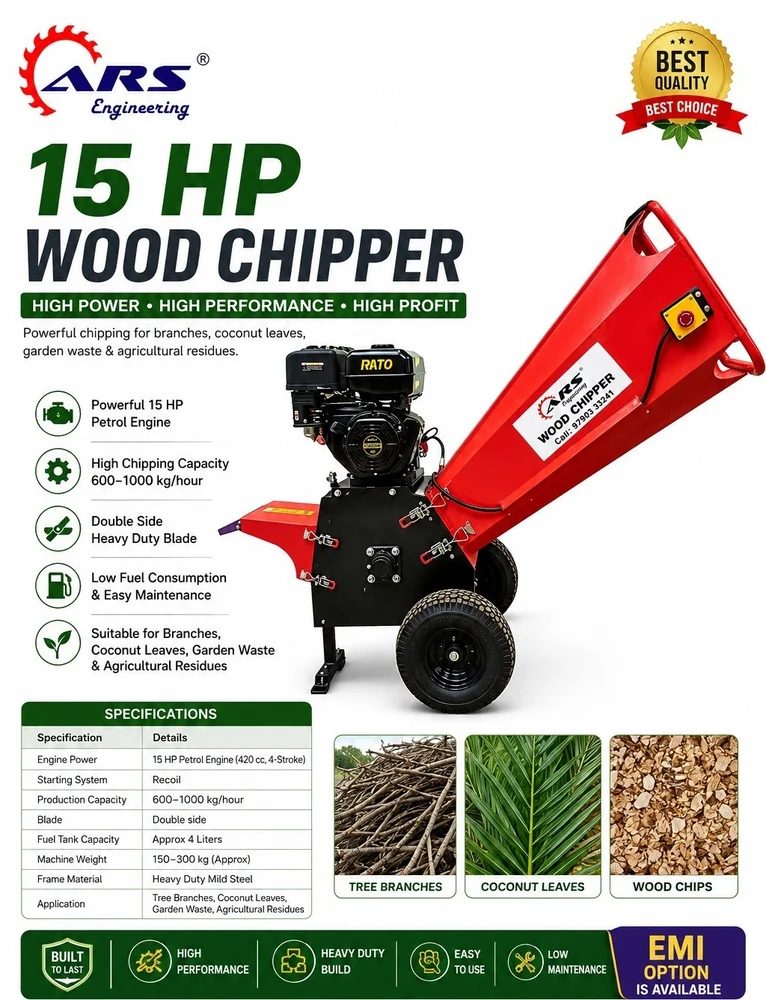
Frequently Asked Questions
What are Wood Chip Machines?
Wood Chip Machines are equipment designed to process wood into small chips. They are commonly used in industries such as forestry, agriculture, and biomass energy production, providing a means to efficiently recycle wood waste.
What are the different types of Wood Chip Machines?
The different types of Wood Chip Machines include drum chippers, disc chippers, and knife chippers. Each type varies in design and functionality, catering to specific processing needs and wood types.
How do I choose the right Wood Chip Machines?
Choosing the right Wood Chip Machine depends on factors such as the type of wood you will be processing, the desired chip size, and your production capacity requirements. It is advisable to assess your operational needs and consult with manufacturers for guidance.
What are the standard specifications for Wood Chip Machines?
Standard specifications for Wood Chip Machines typically include engine power, chip size output, feed capacity, and dimensions. Manufacturers provide detailed specifications that outline performance metrics and operational capabilities.
What is the price range for Wood Chip Machines?
The price range for Wood Chip Machines can vary widely, typically starting from around INR 1 lakh and going up to several lakhs depending on the machine's size, brand, and features. It is recommended to compare options from various suppliers to find the best fit for your budget.
What quality standards apply to Wood Chip Machines?
Wood Chip Machines must adhere to various quality standards related to safety, performance, and durability. Certification from recognized bodies ensures the machines meet industry requirements and operate efficiently.
Where can I find Wood Chip Machines suppliers in India?
You can find Wood Chip Machines suppliers in India through B2B marketplaces like Pepagora.com, industry trade shows, and directories. These platforms facilitate connections between buyers and manufacturers, helping you source the right equipment.
Can Wood Chip Machines be customized?
Yes, many manufacturers offer customization options for Wood Chip Machines to meet specific operational needs. Custom features may include modifications in size, power, and additional functionalities based on client requirements.
What is the typical minimum order quantity for Wood Chip Machines?
The typical minimum order quantity (MOQ) for Wood Chip Machines varies by supplier and can range from one unit to multiple units. It is advisable to check with individual manufacturers for their specific MOQ policies.
What is the typical lead time for Wood Chip Machines?
The typical lead time for Wood Chip Machines can range from a few weeks to several months, depending on the manufacturer and the complexity of the order. It is best to confirm lead times during the ordering process to ensure timely delivery.
Why Businesses Trust Pepagora
Thousands of companies trust Pepagora to source smarter and sell faster
Expand Your Sales Globally

Source Smarter,Grow Faster
