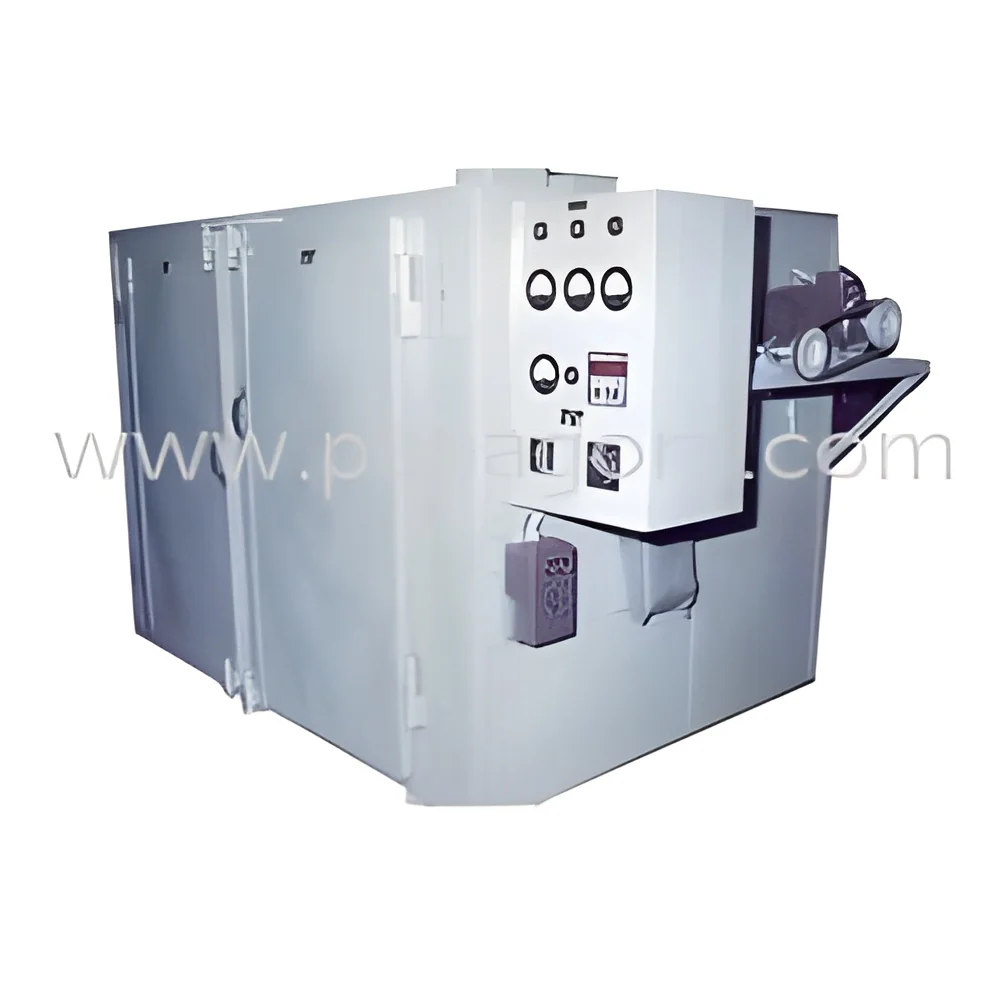
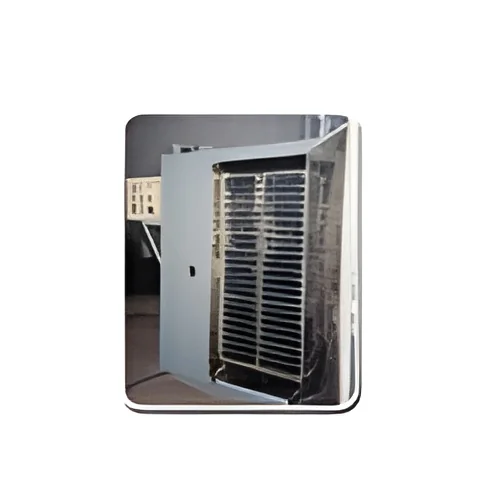
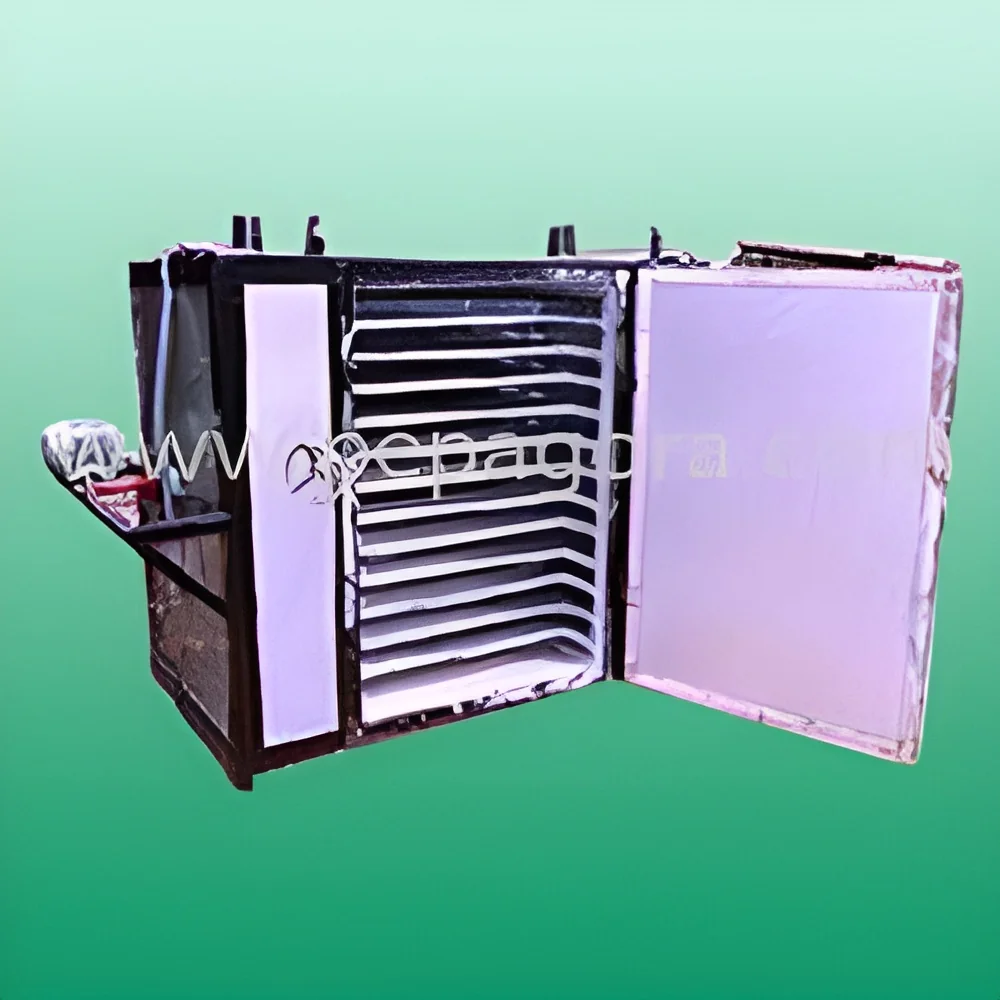
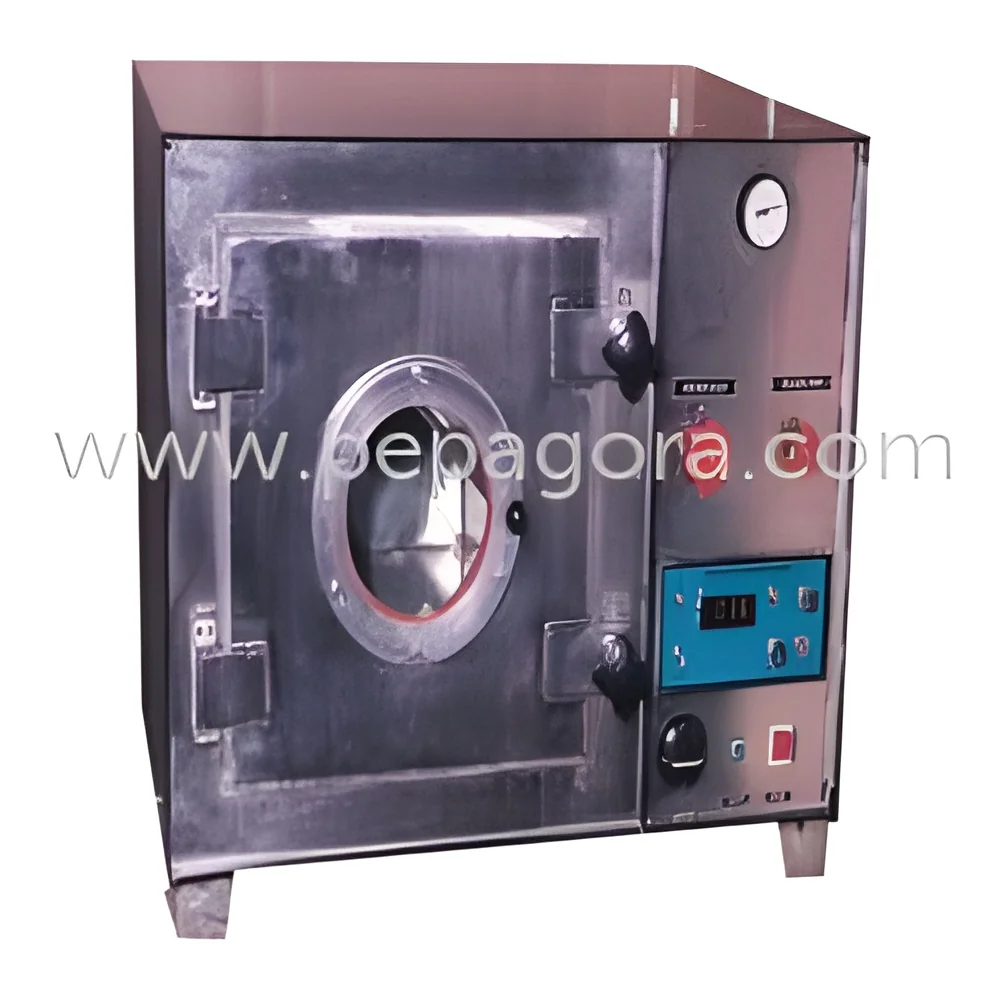
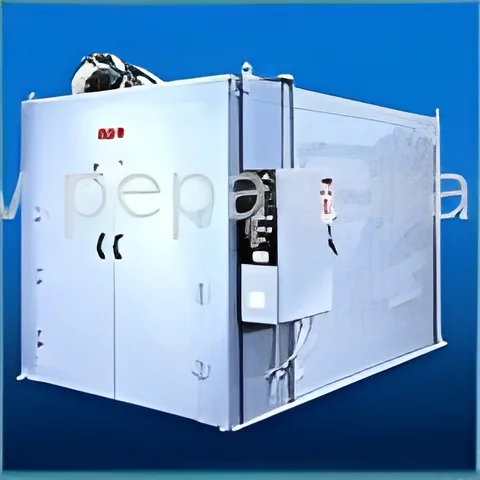
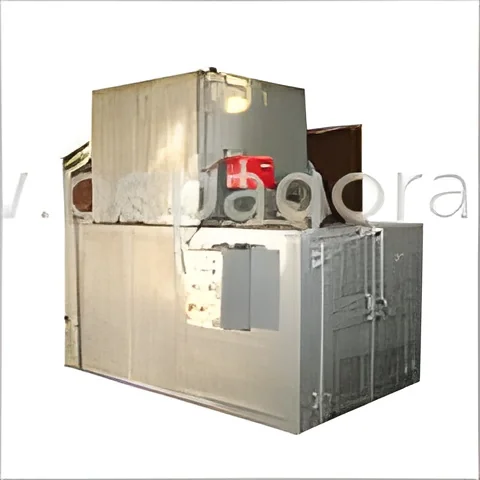
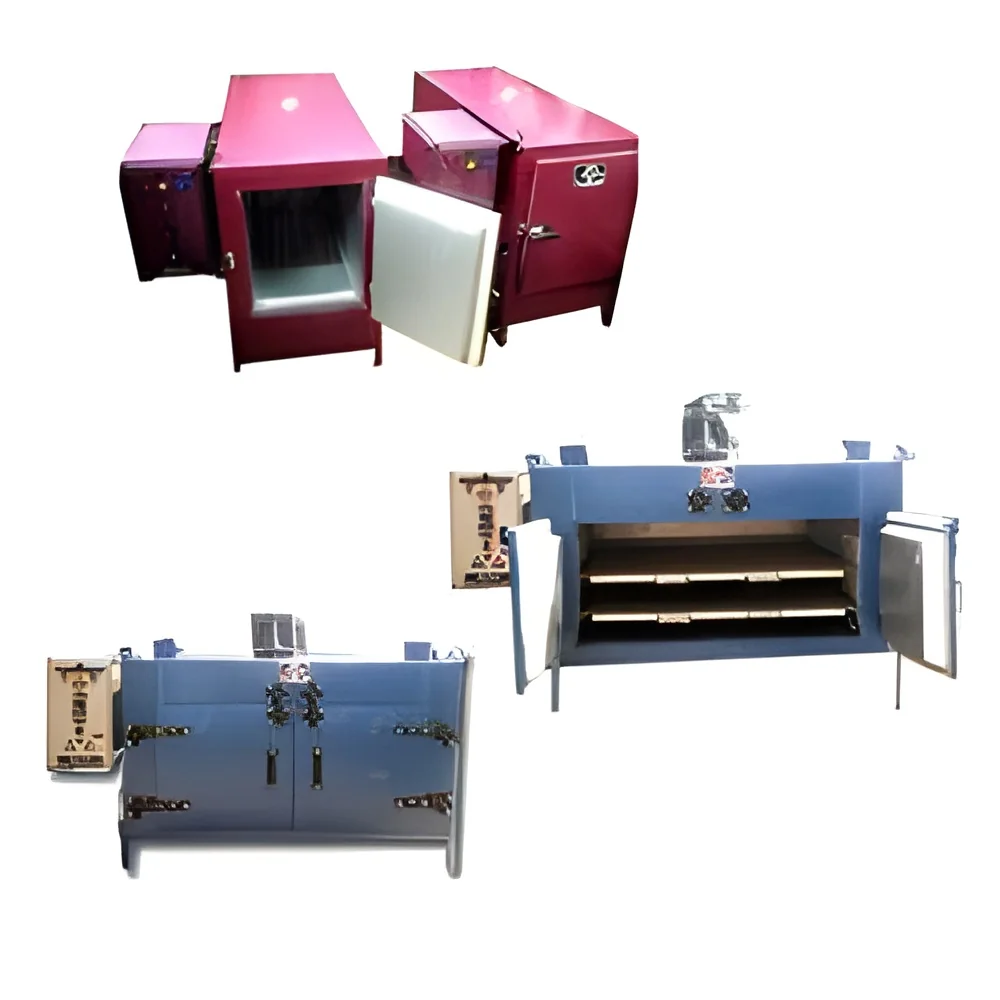
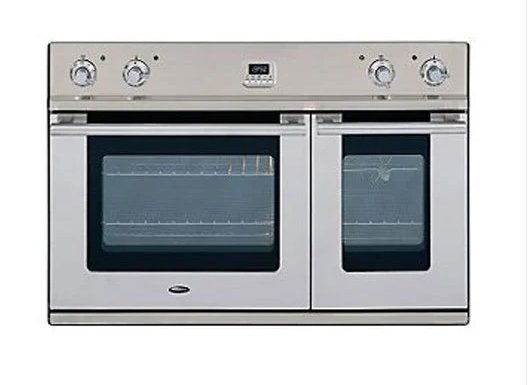
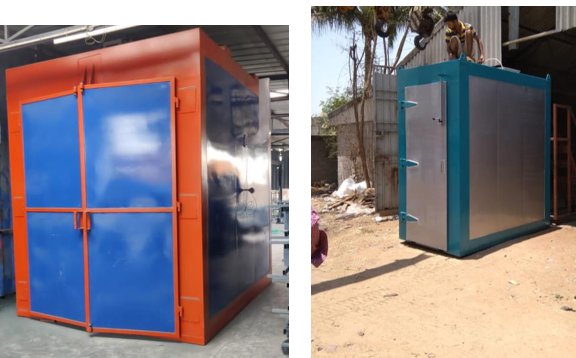
What are Tray Drying Ovens?
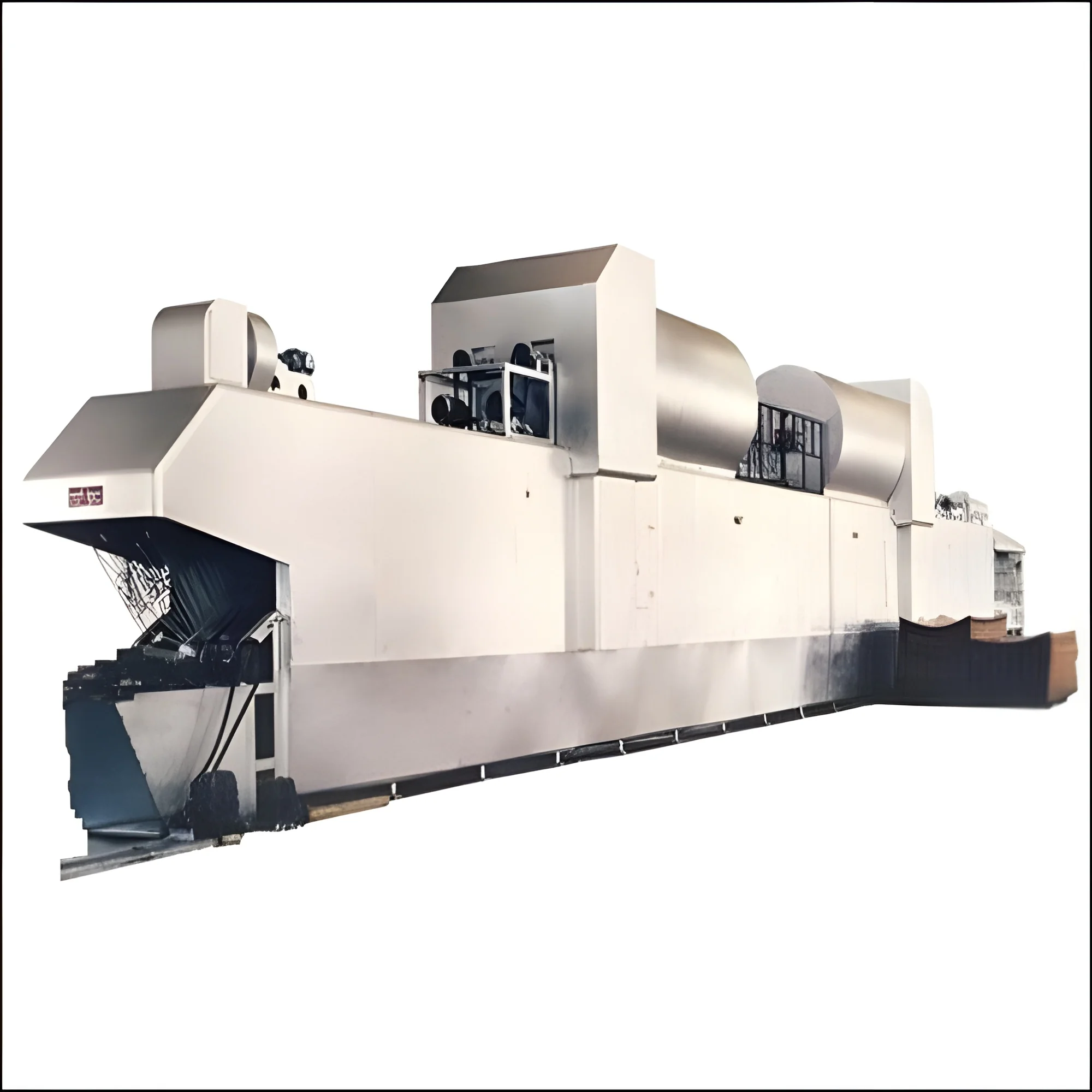
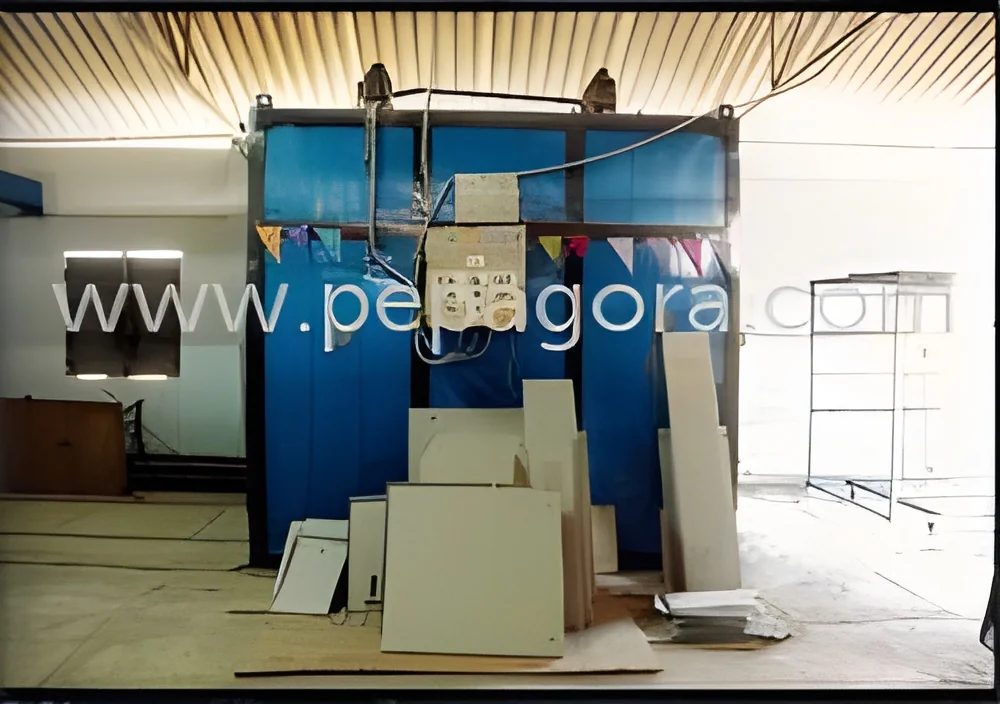
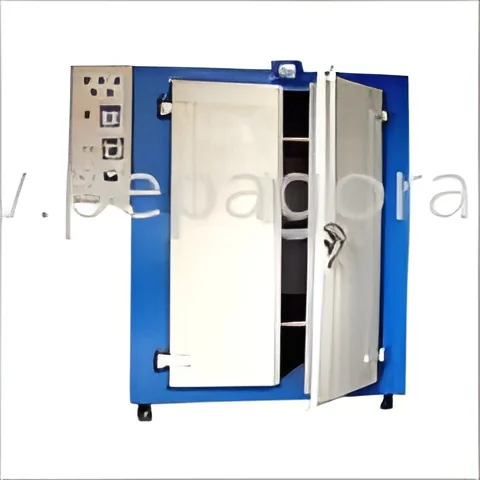
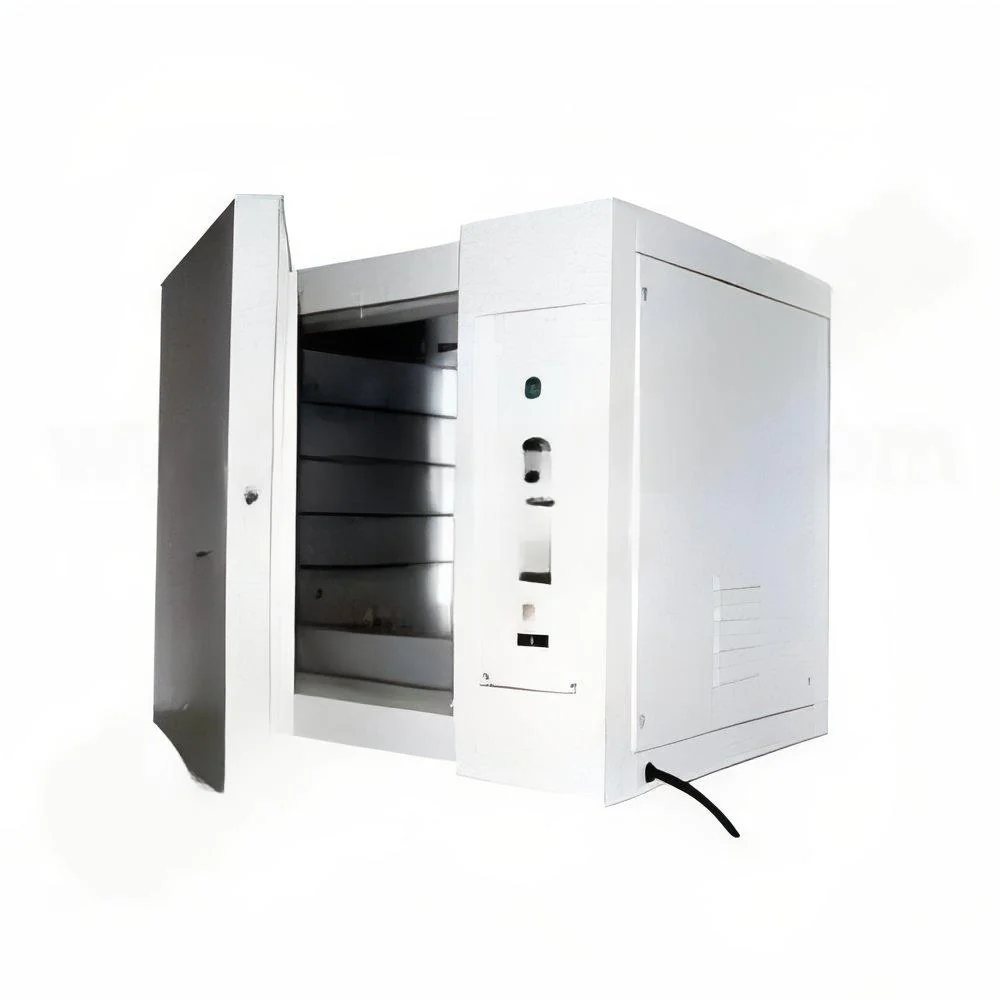
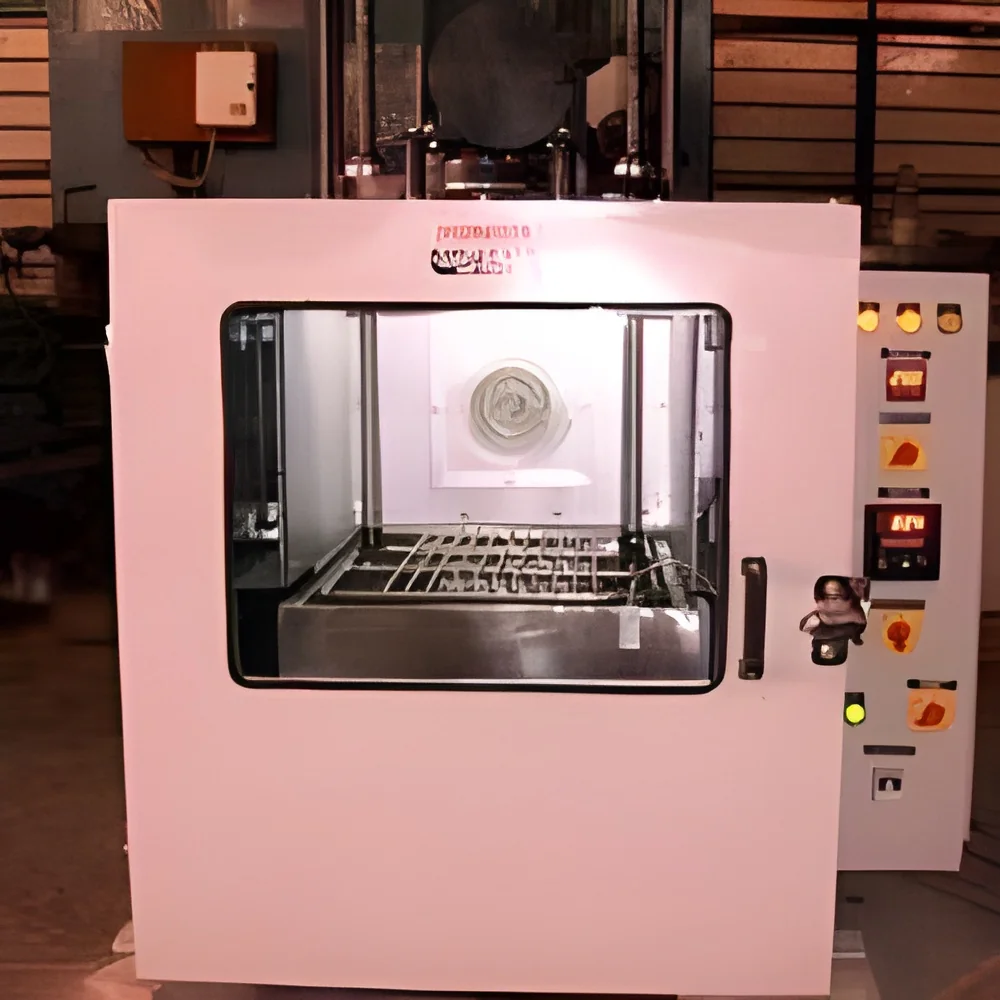
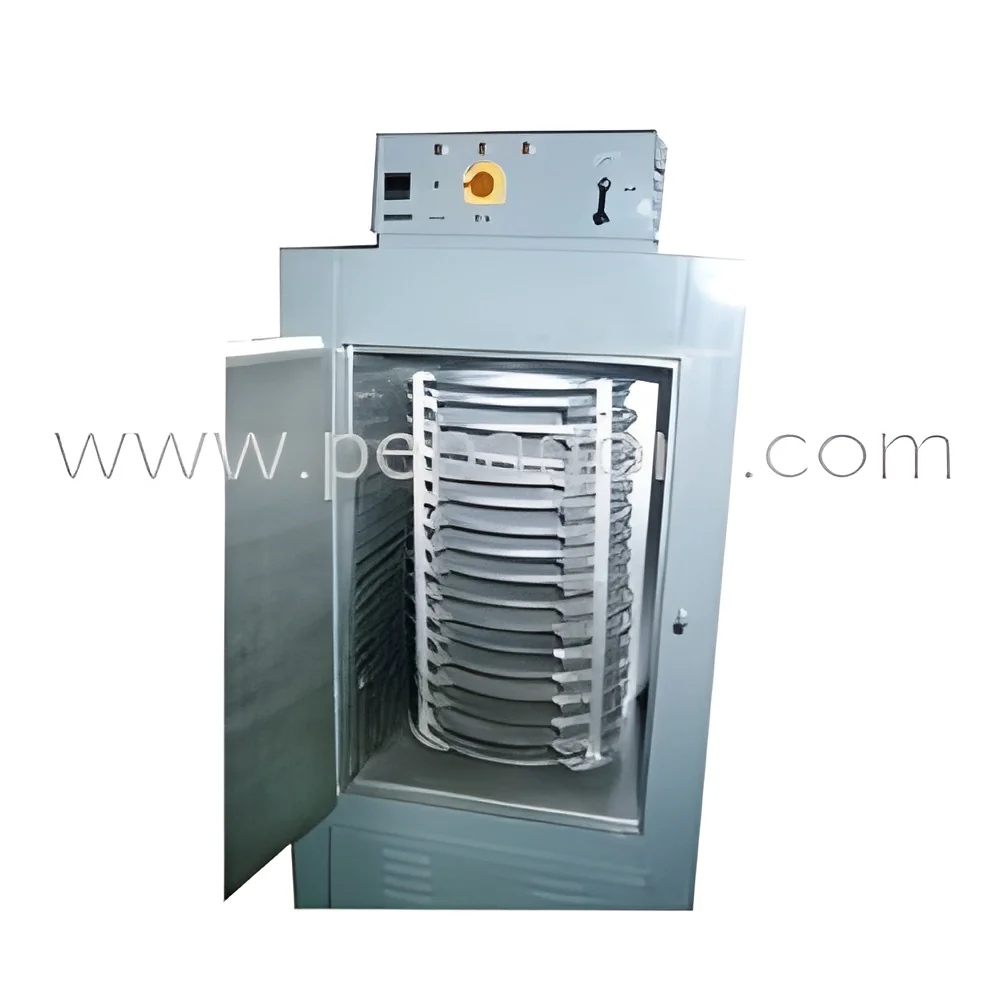
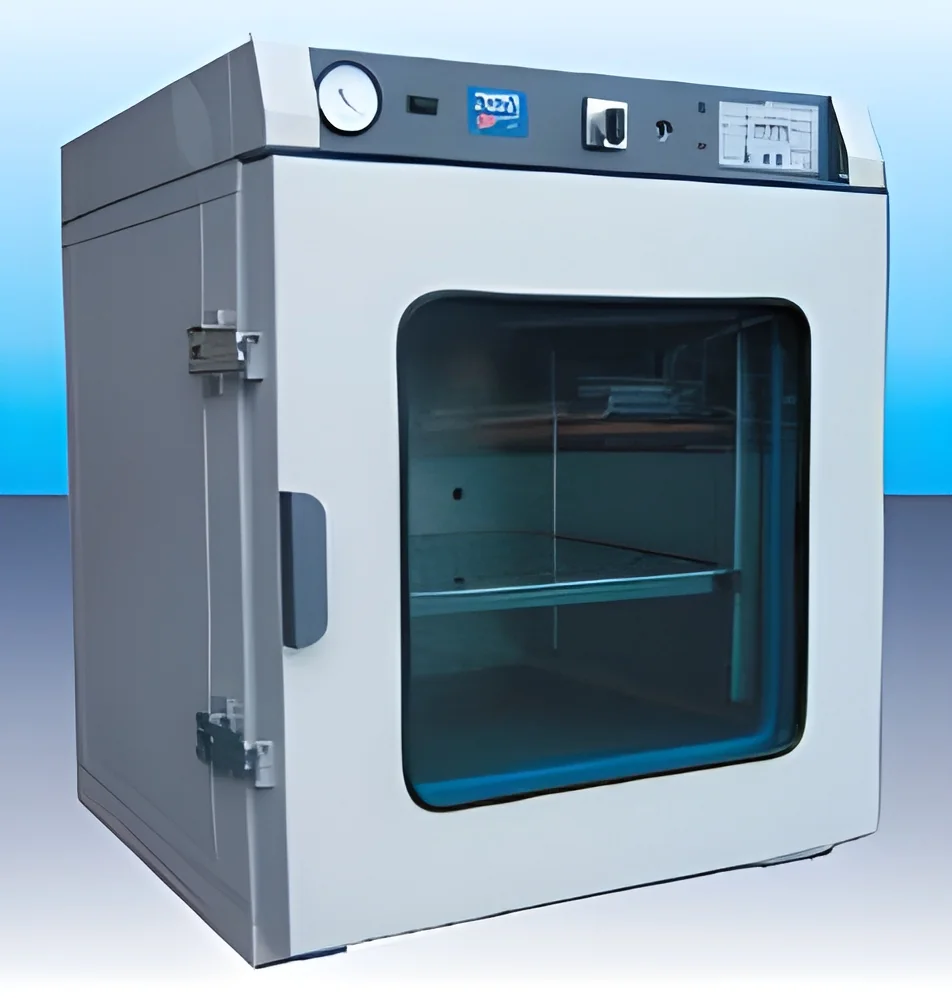
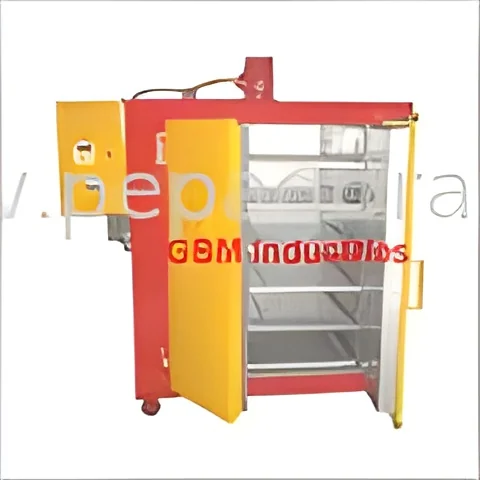
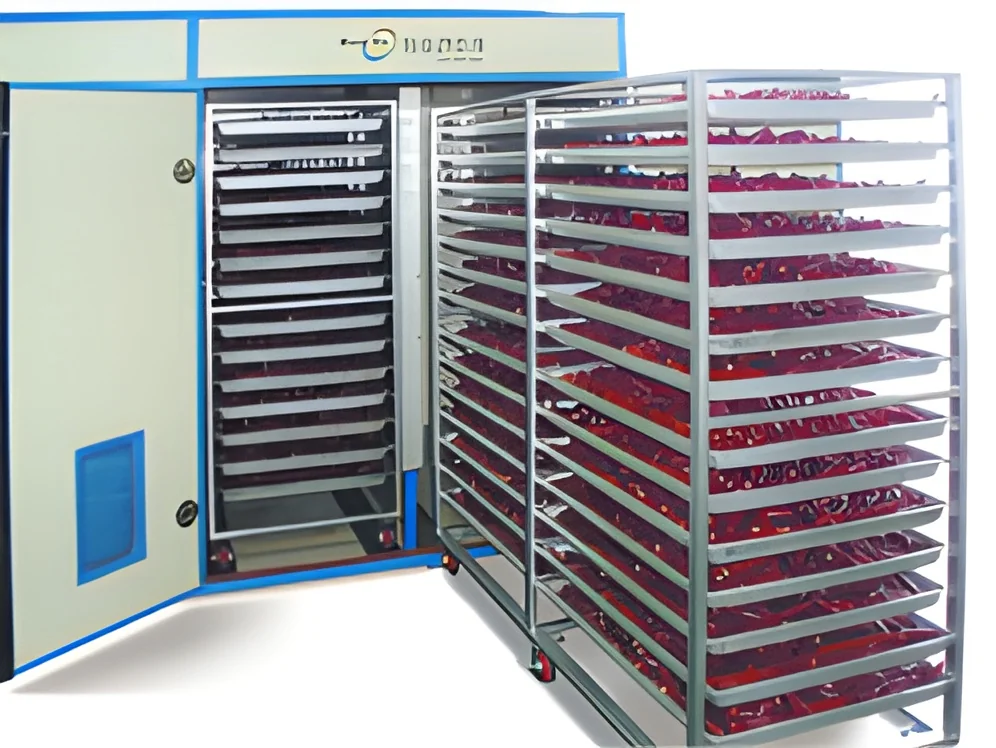
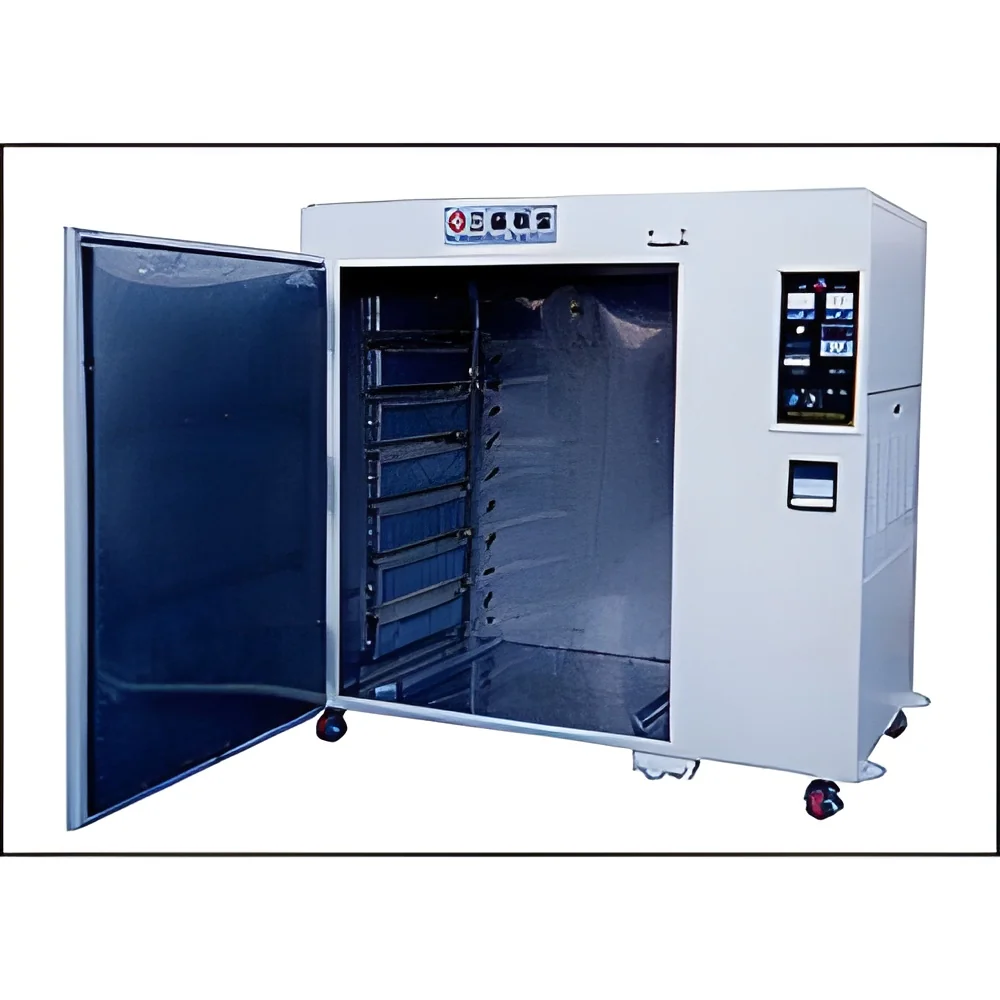
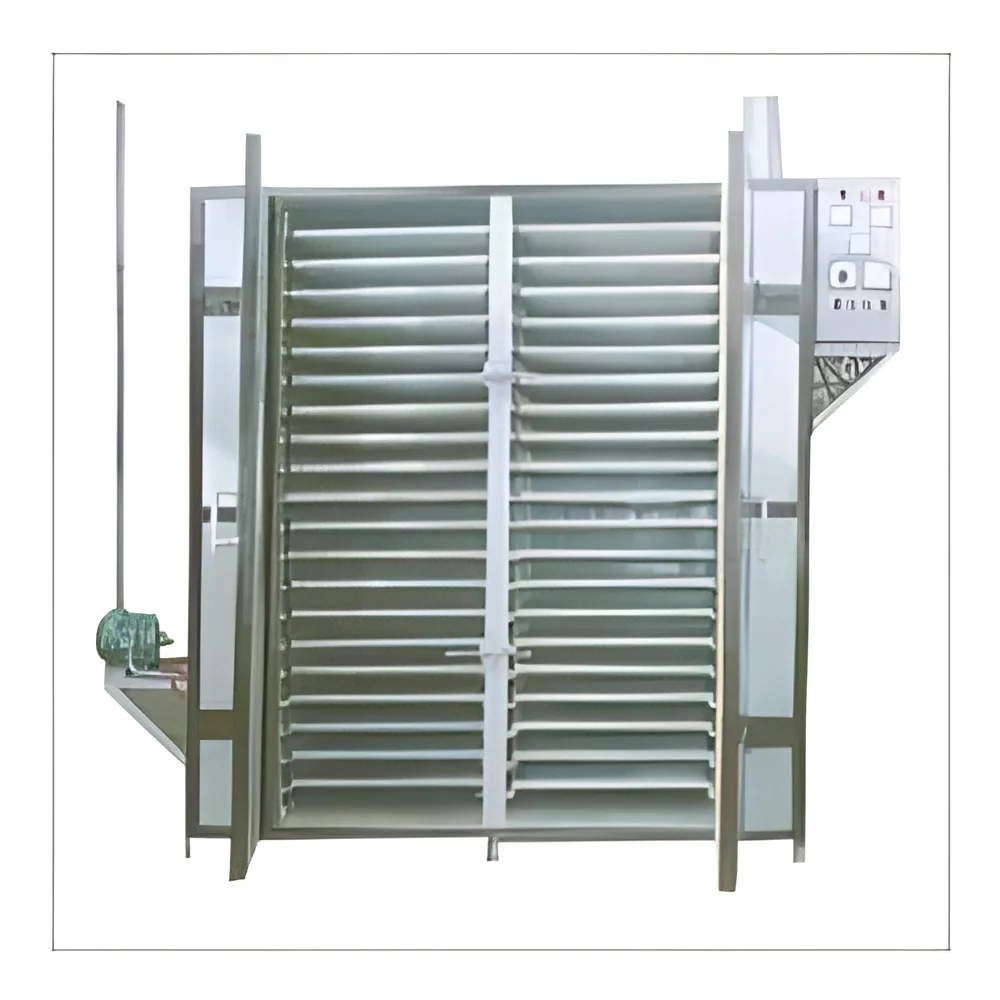
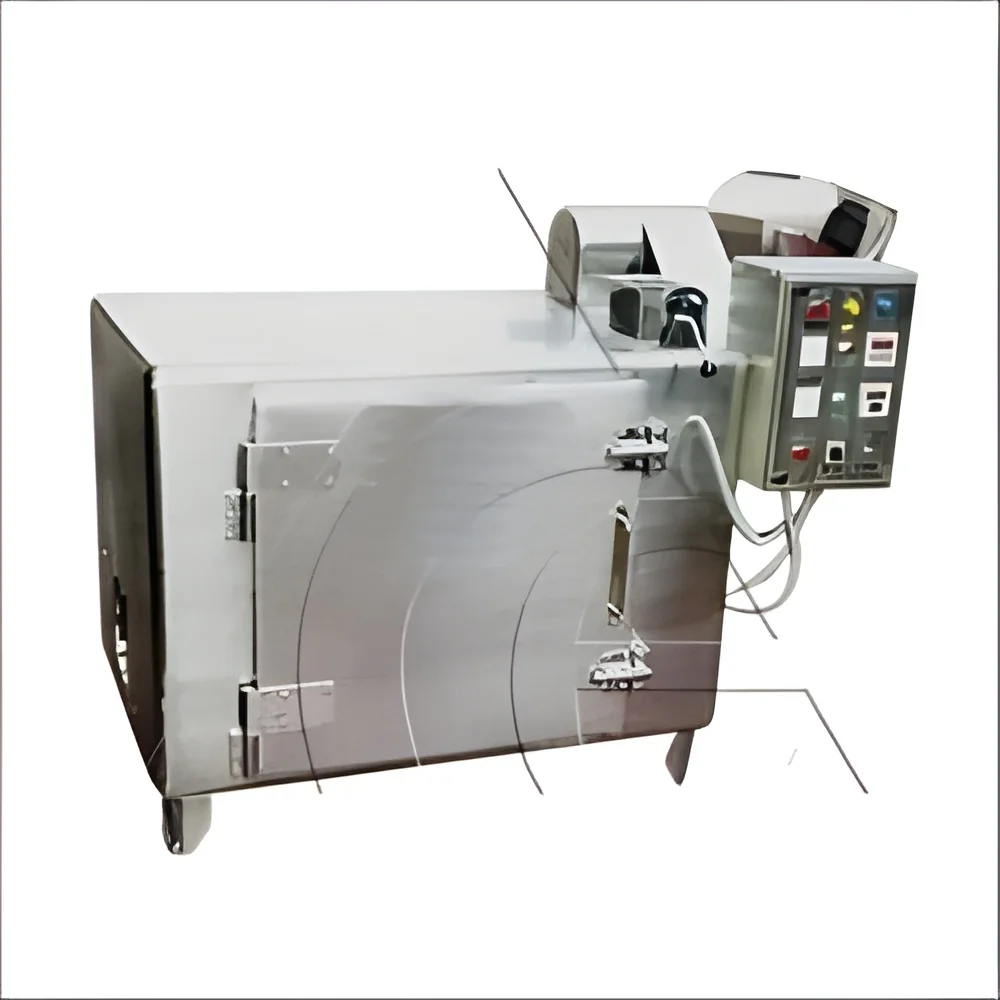
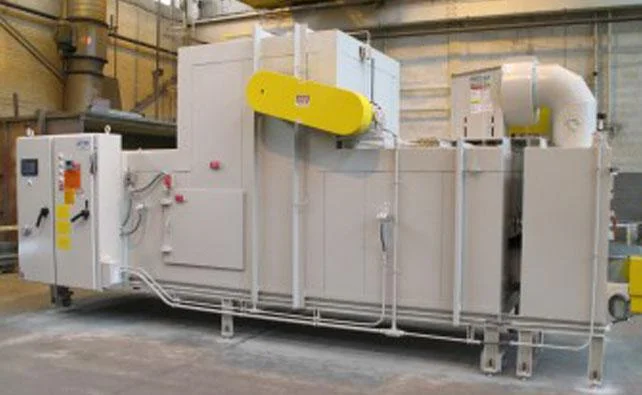
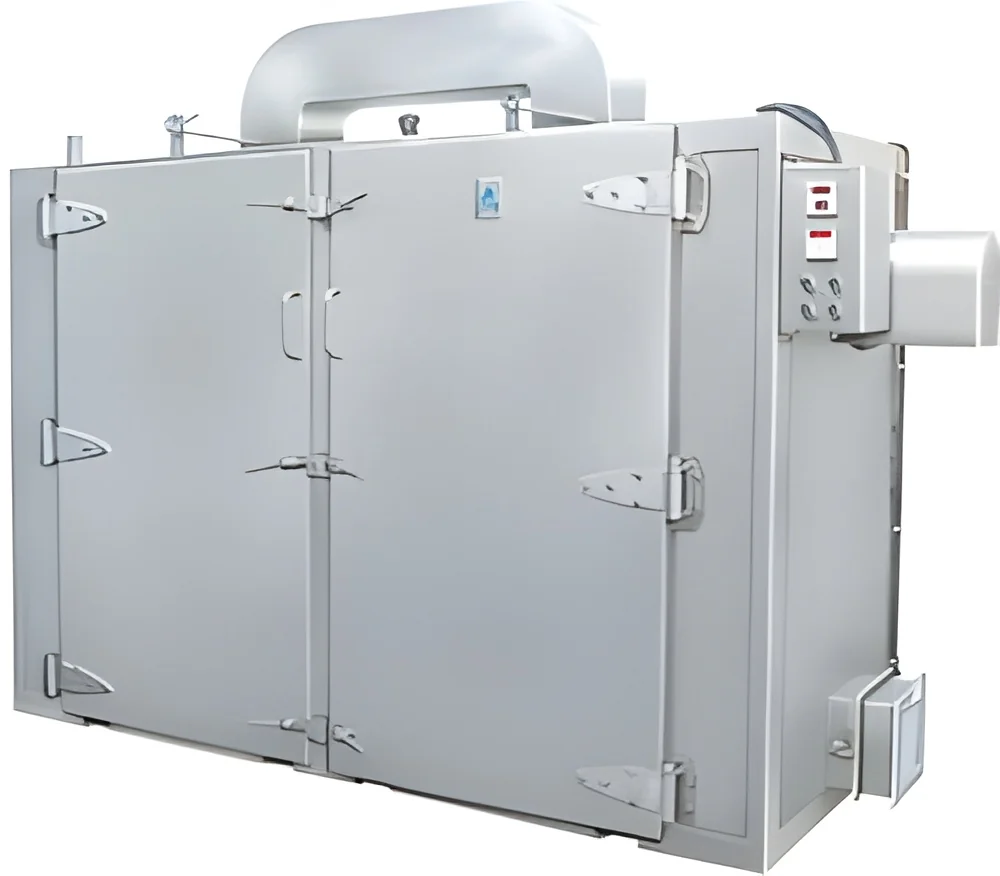
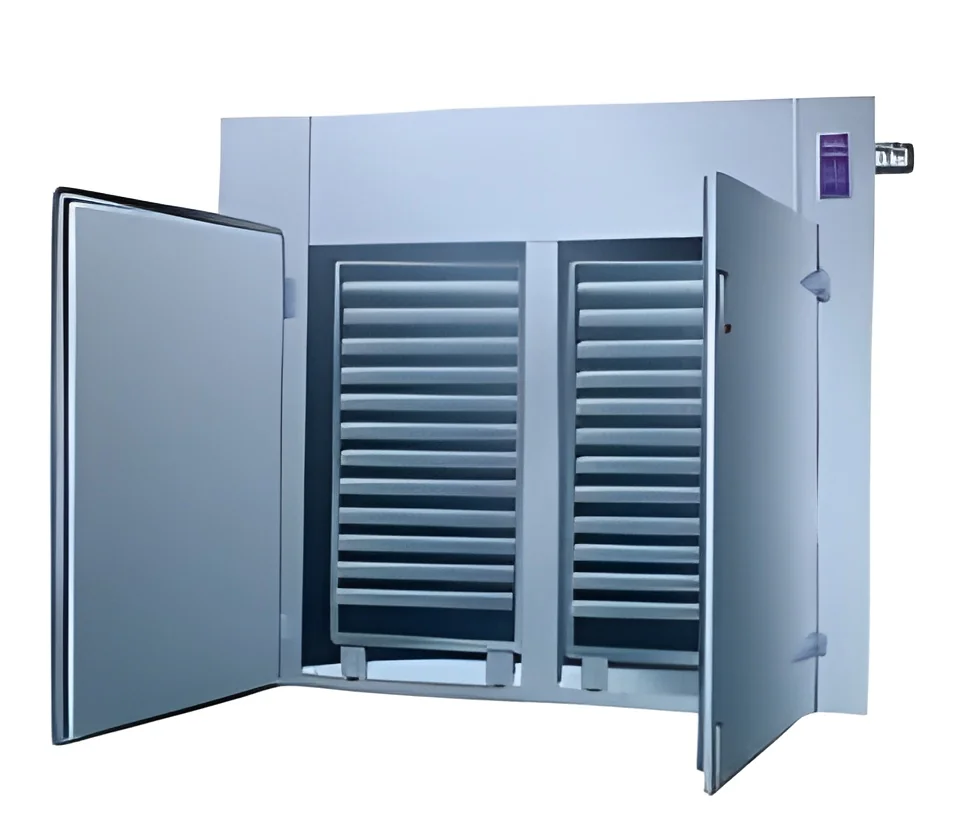
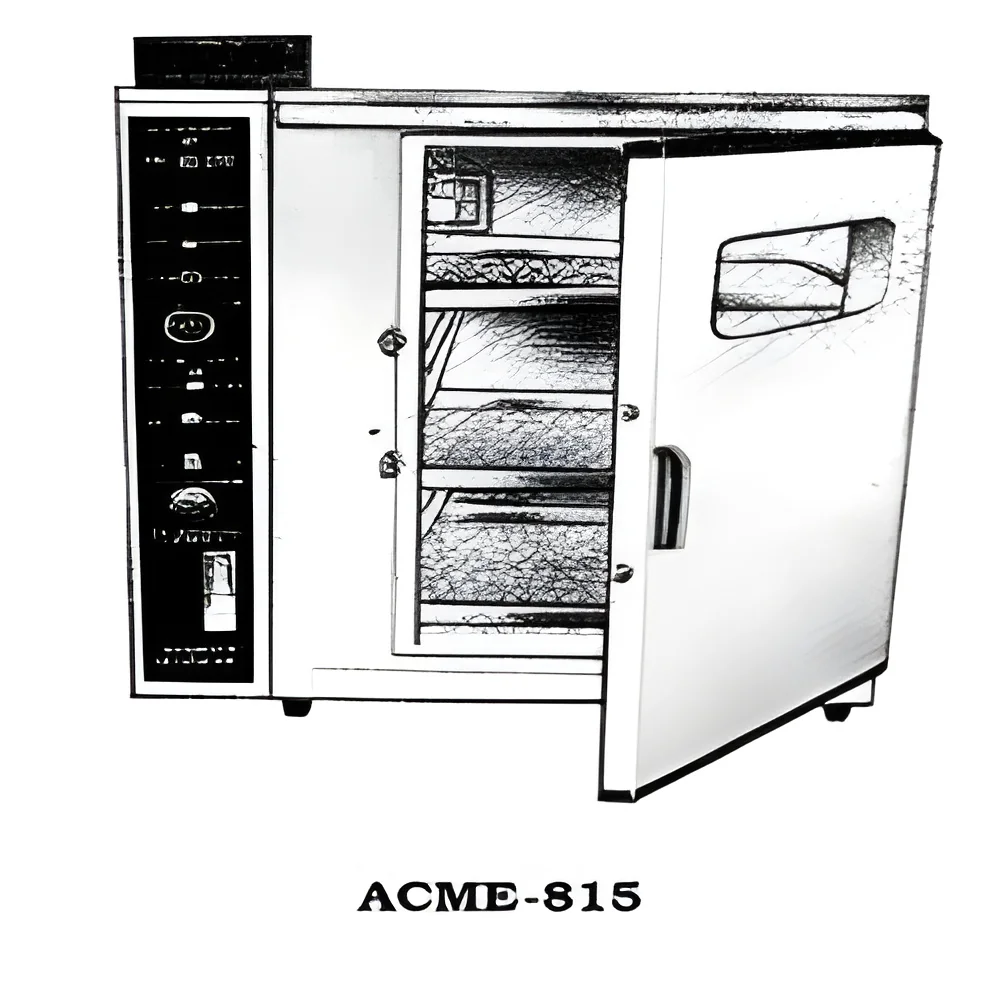
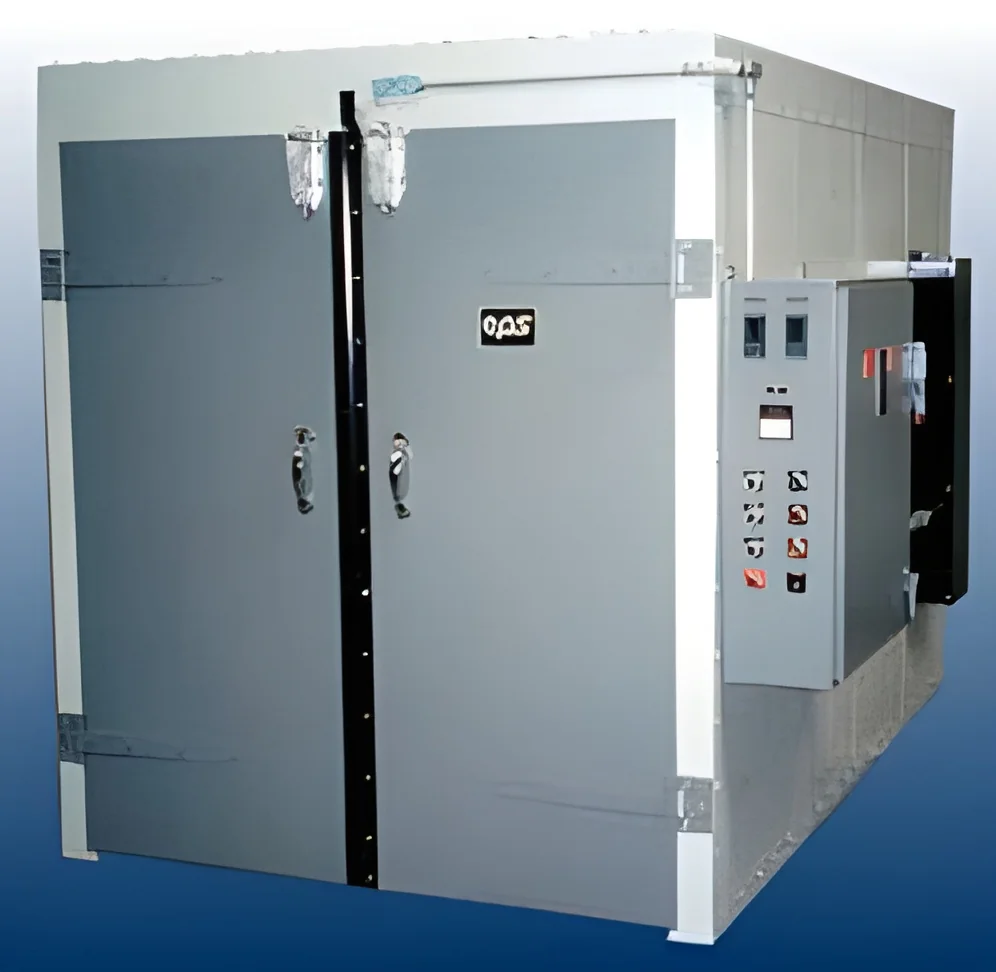
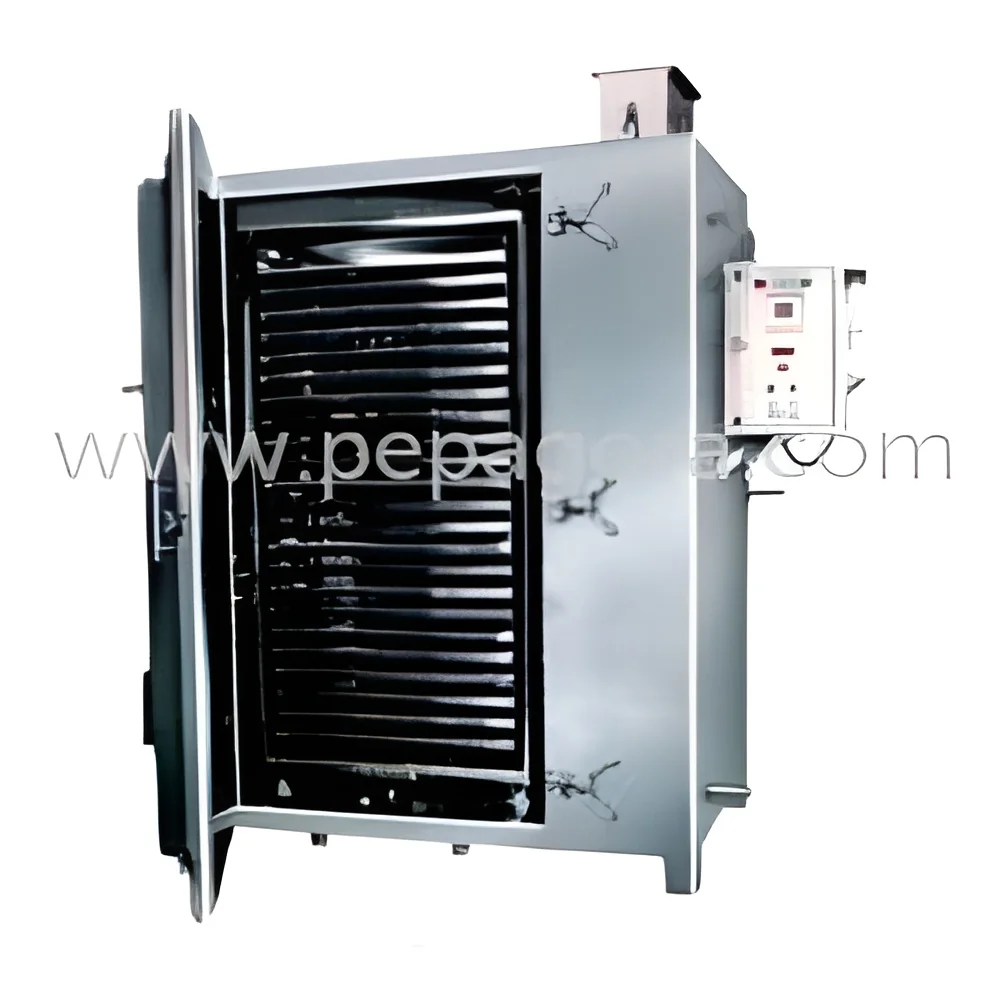
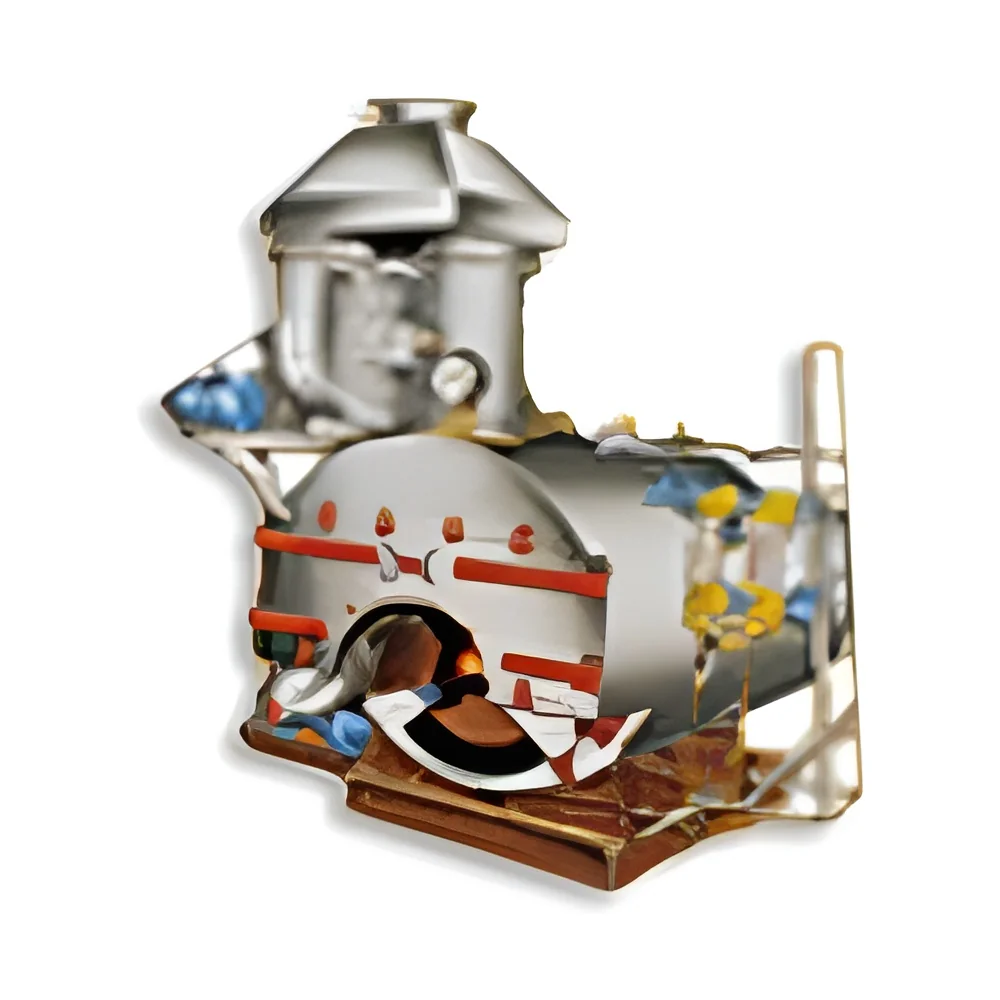
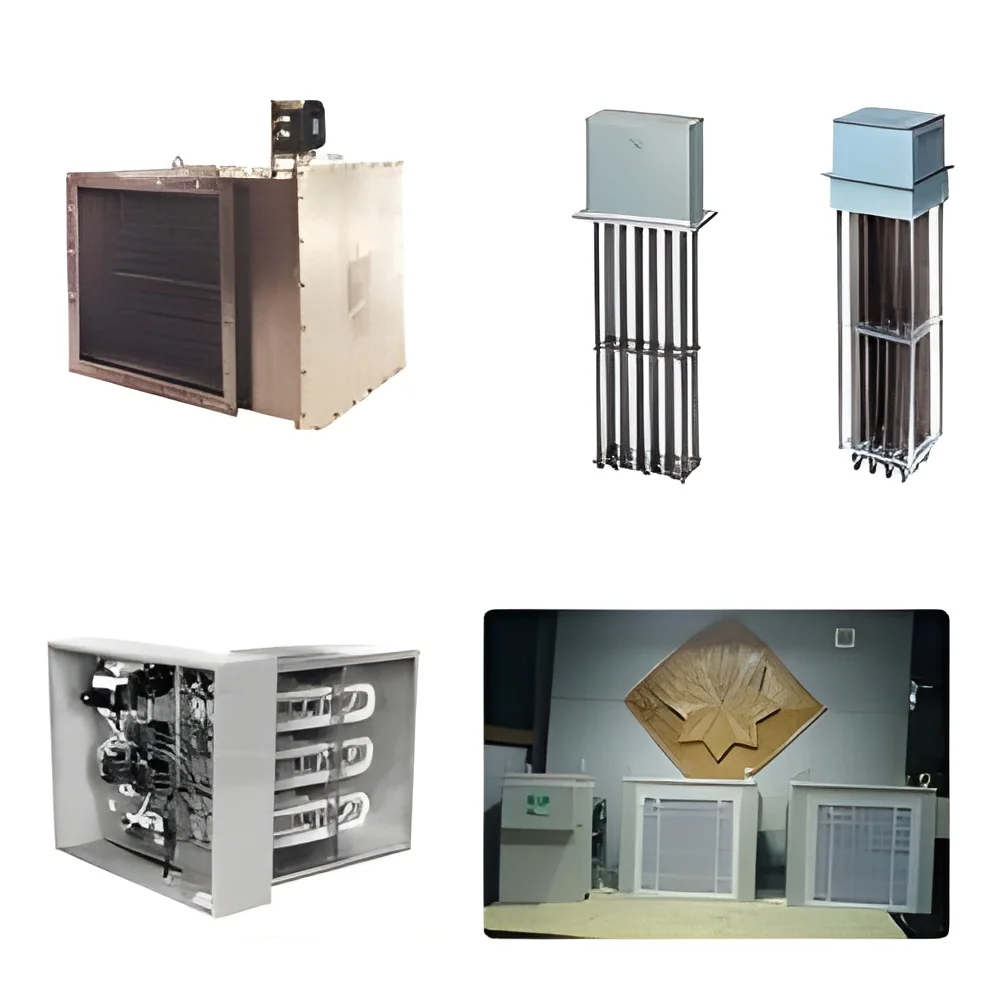
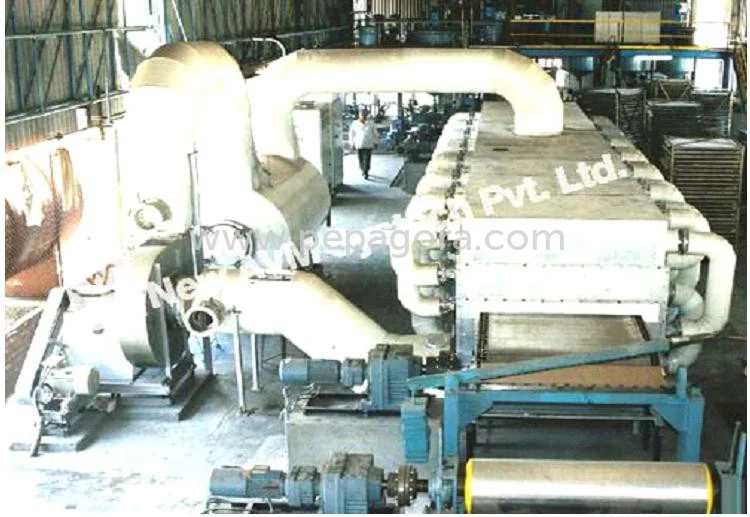
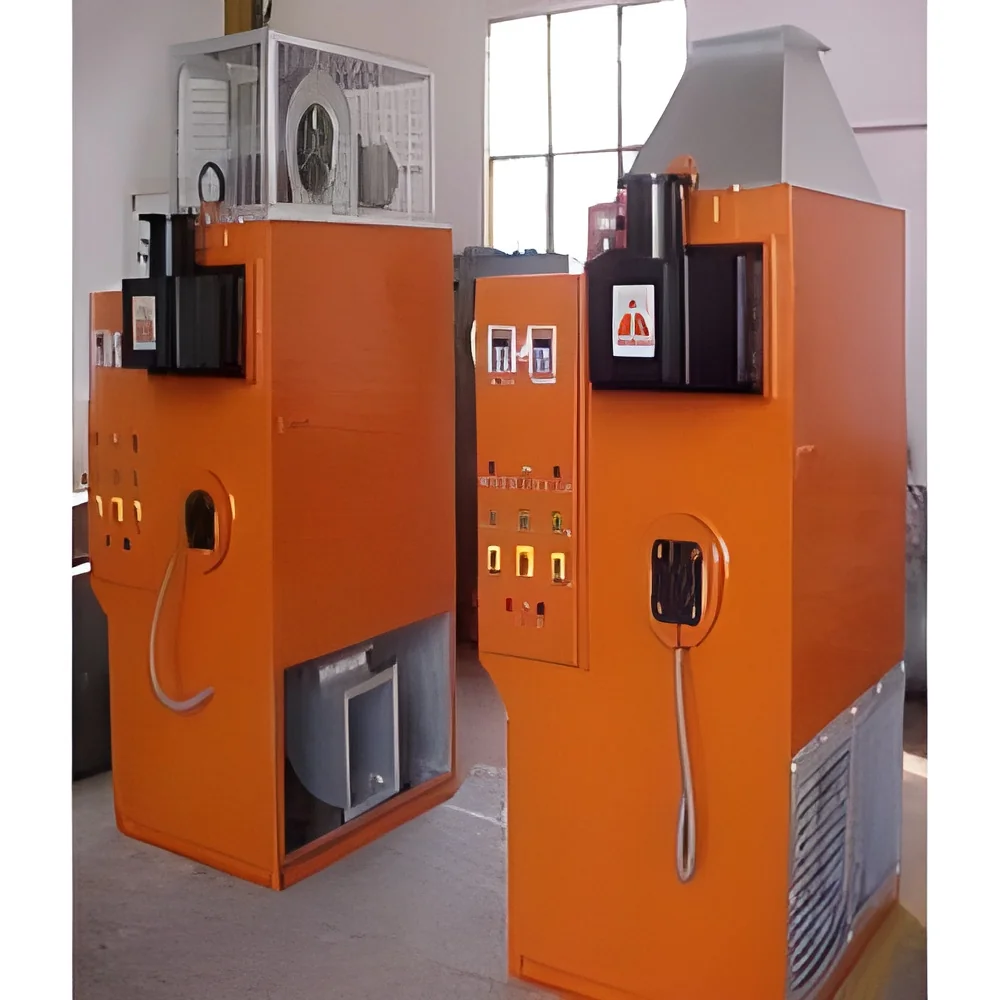
Tray drying ovens are specialized industrial equipment designed to remove moisture from a variety of materials through controlled heating. These ovens utilize a combination of heat and airflow to facilitate the drying process, making them essential in many manufacturing and processing applications. The design typically includes multiple trays that can hold the product being dried, allowing for efficient use of space and energy while ensuring even drying.
These ovens find extensive use in sectors such as food processing, pharmaceuticals, and textiles. In food processing, they are crucial for drying fruits, vegetables, and herbs, enhancing shelf life while preserving flavors and nutrients. In pharmaceuticals, tray drying ovens are used to dry powders and granules, ensuring that products meet stringent quality standards. The textile industry employs these ovens for drying fabrics and dyes, making them a versatile solution in various industrial contexts.
As industries increasingly focus on efficiency and product quality, tray drying ovens have become a vital component of modern manufacturing processes. Their ability to provide uniform drying at controlled temperatures enhances productivity and product consistency, positioning them as essential tools in competitive markets.
Key Features and Specifications
Tray drying ovens are characterized by several key features that ensure optimal performance and reliability. These features cater to diverse industrial needs, making them adaptable for various applications.
Key specifications include:
1. Temperature Control
- Precise temperature regulation to maintain required drying conditions
- Typically operates within a specified temperature range, details not available
2. Airflow System
- Designed to promote uniform airflow for consistent drying
- Adjustable fan speeds may be available to accommodate different materials
3. Tray Capacity
- Accommodates multiple trays to maximize drying surface area
- Specific tray dimensions and capacities not available
4. Energy Efficiency
- Built with energy-saving technology to reduce operational costs
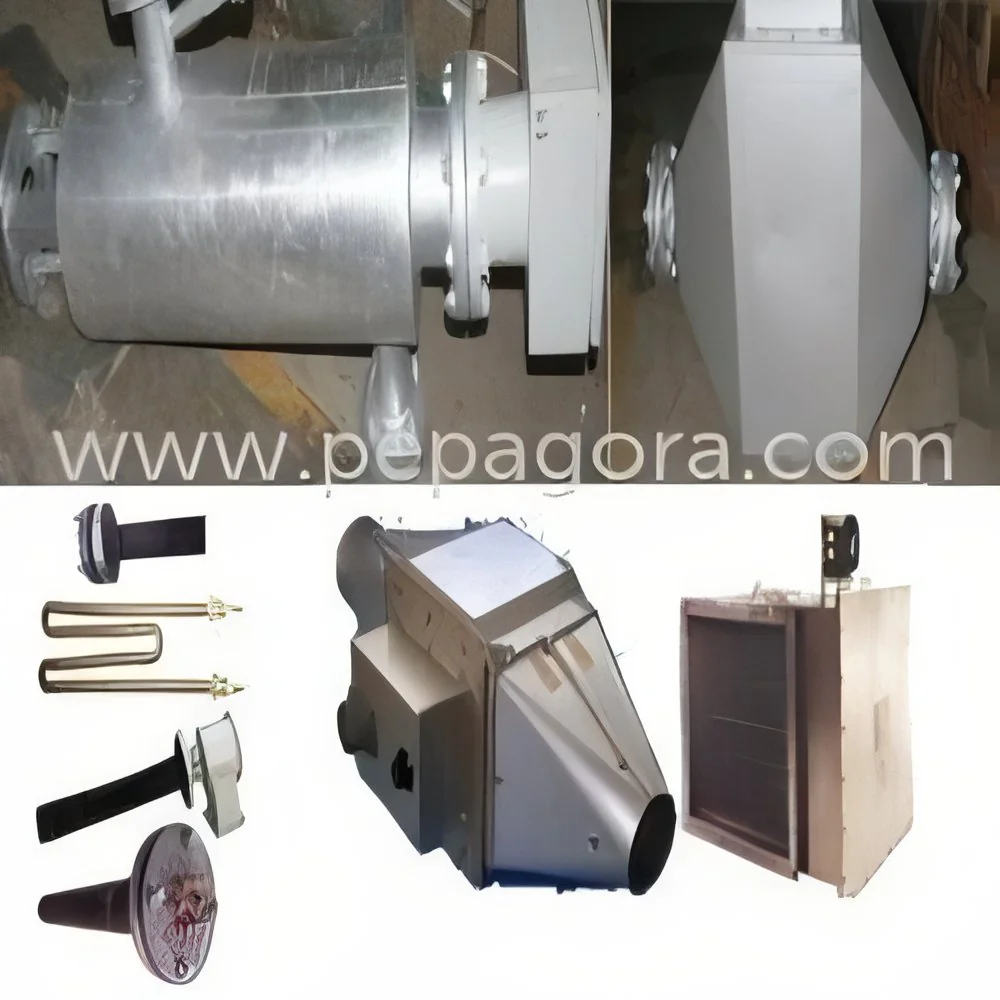
- Features may include insulation and optimized heating elements
5. Monitoring and Control Systems
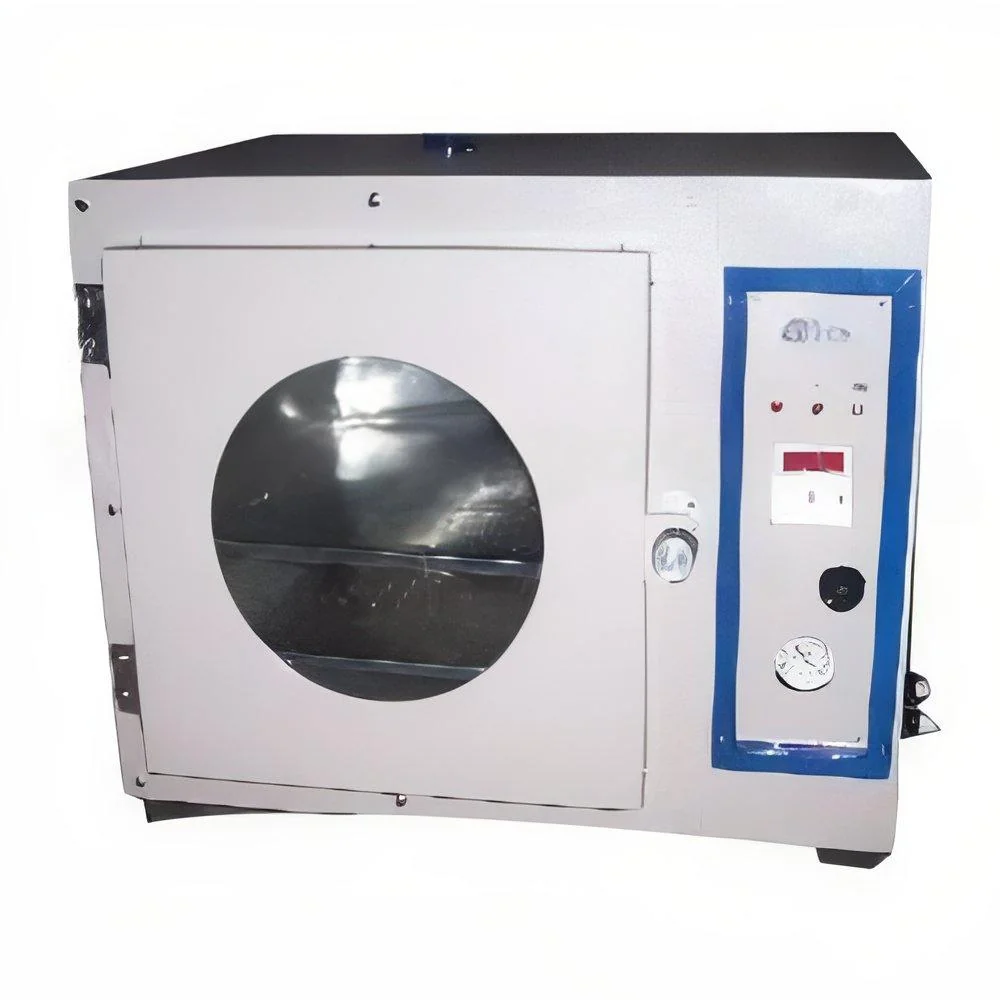
- Equipped with digital displays for easy monitoring
- Automated controls may allow for preset drying cycles, details not available
6. Construction Materials
- Typically made from durable, corrosion-resistant materials for longevity
- Compliance with industry standards ensures reliability
7. Safety Features
- Includes built-in safety mechanisms to prevent overheating
- May feature alarms or cut-off systems for added protection
8. Size and Footprint
- Available in various sizes to fit different facility layouts
- Custom dimensions may be offered based on client needs
In summary, tray drying ovens combine essential features that support efficient drying processes across various industries, making them a valuable investment for businesses seeking reliable drying solutions.
Common Applications and Use Cases
Tray drying ovens are utilized in a wide range of industries, each with specific applications tailored to their needs.
1. Food Processing: These ovens are vital for drying fruits, vegetables, and herbs, preserving flavors and extending shelf life while maintaining nutritional value.
2. Pharmaceuticals: In this industry, tray drying ovens are used for drying powders and granules, ensuring that products meet stringent quality and safety standards.
3. Textiles: Tray drying ovens play an important role in drying fabrics and dyes, allowing manufacturers to achieve the desired finish and quality in their products.
4. Chemical Processing: They are used for drying various chemicals, ensuring that moisture content is reduced to acceptable levels for further processing.
5. Wood and Paper Industries: Tray drying ovens assist in drying wood products and paper sheets, preventing warping and ensuring product integrity.
6. Plastics: In the plastic manufacturing sector, these ovens are used to remove moisture from raw materials before molding processes, ensuring optimal quality.
7. Rubber Manufacturing: Tray drying ovens help in drying rubber products, allowing for proper processing and enhancing product durability.
Product Variants and Subcategories
Tray drying ovens come in various designs to cater to specific industrial needs. Each variant offers unique features that enhance their utility.
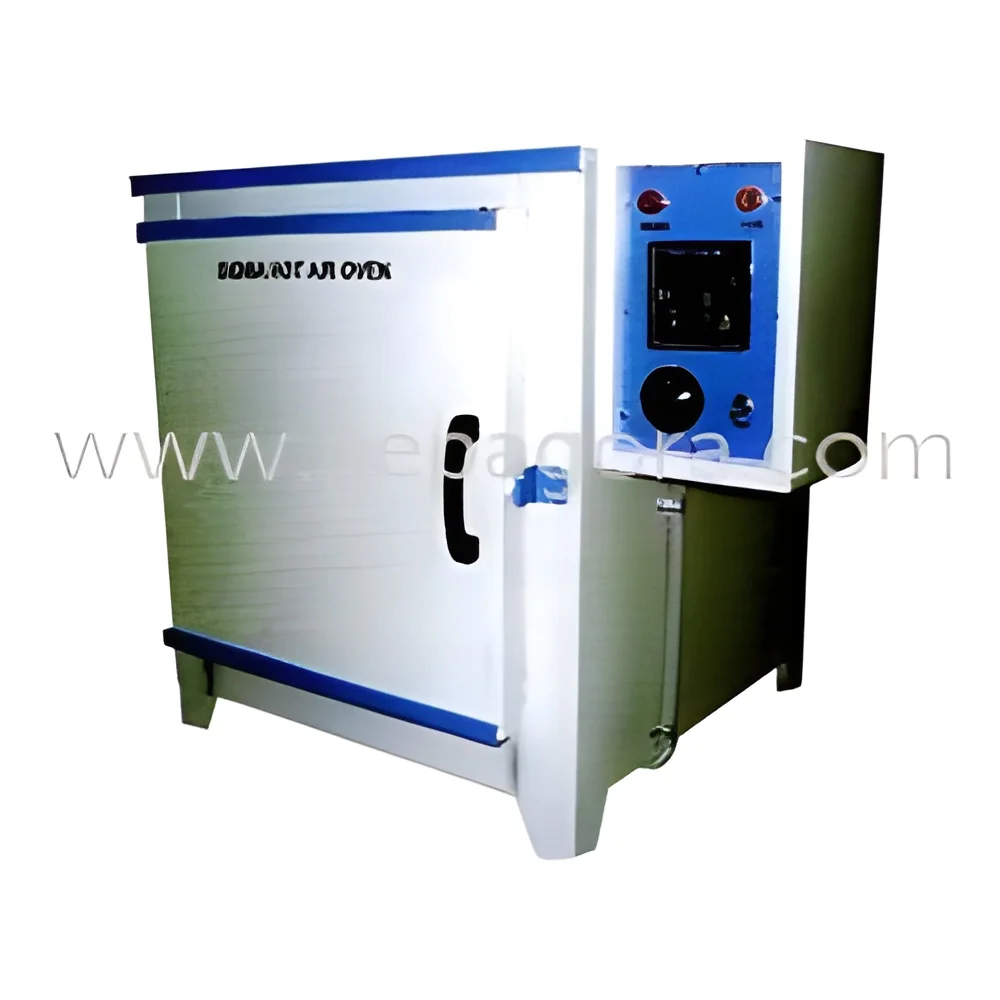
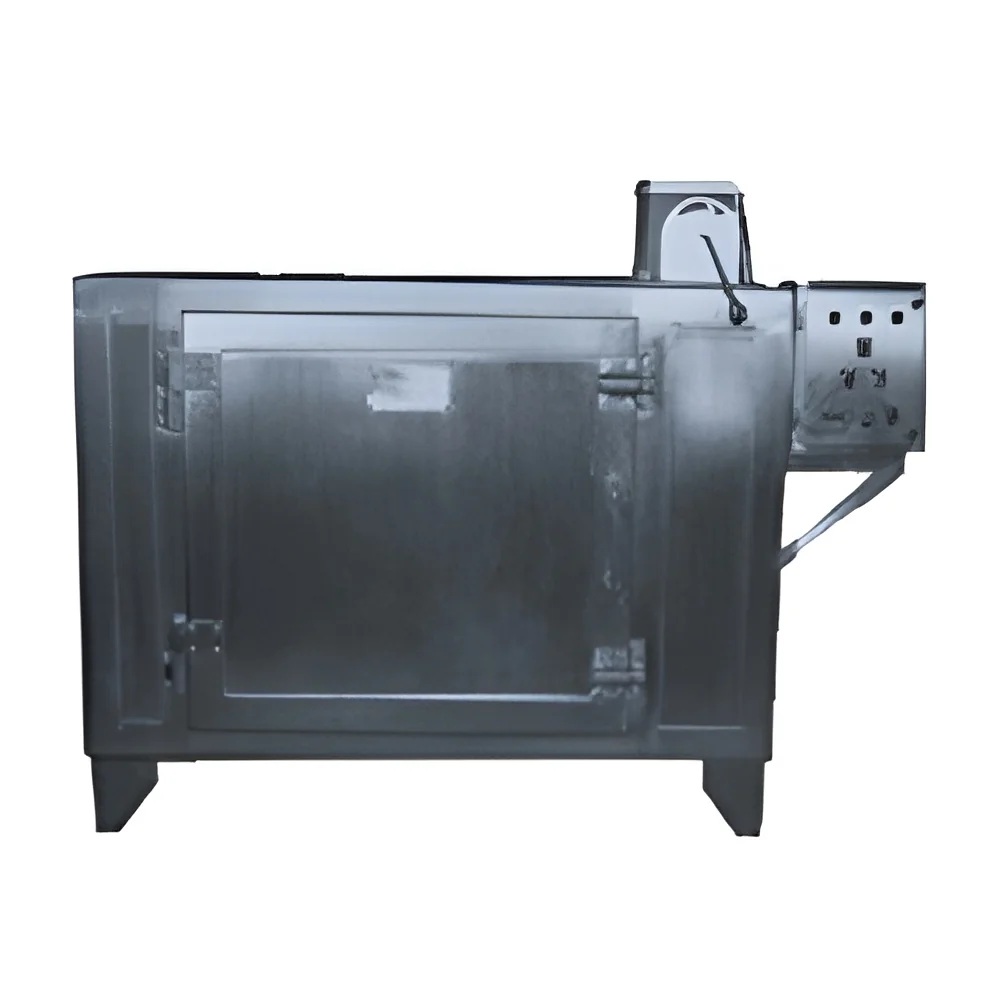
Standard Tray Drying Oven: This variant is designed for general-purpose drying applications across multiple industries. It typically includes adjustable temperature settings and a robust airflow system for efficient drying.
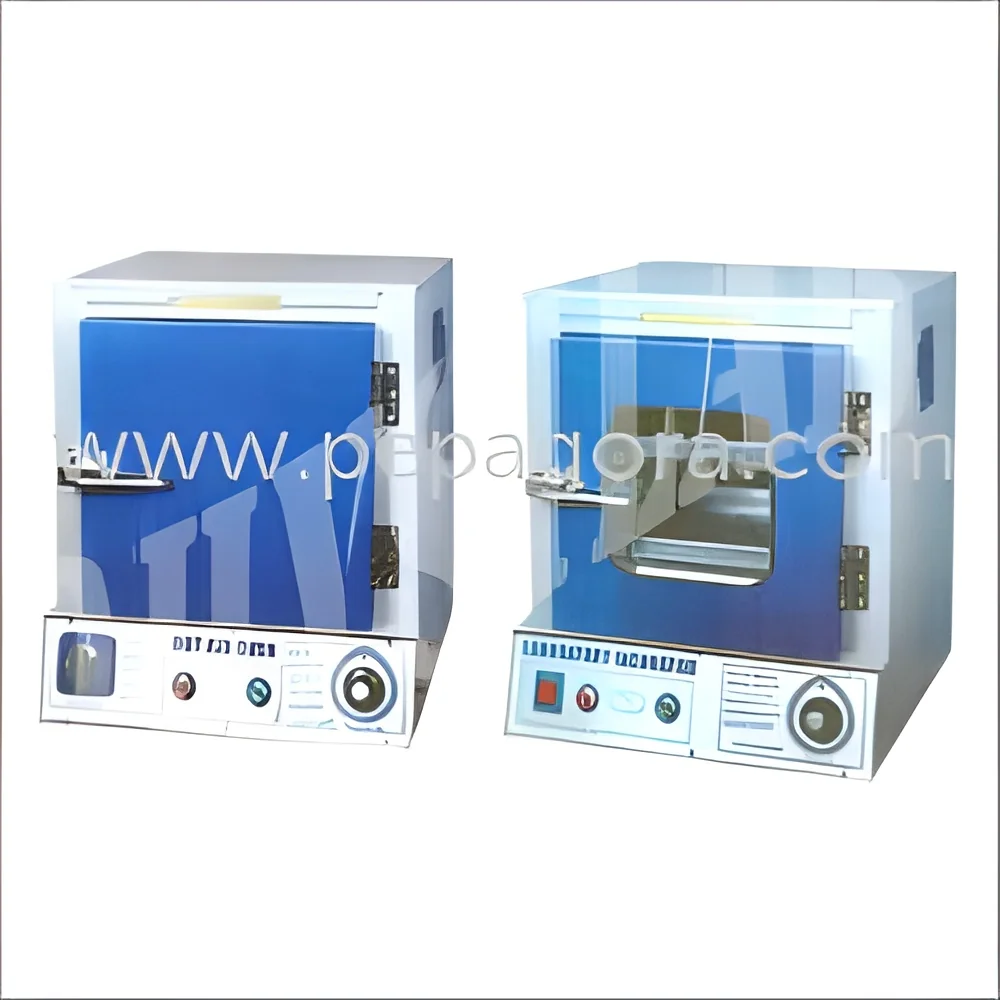
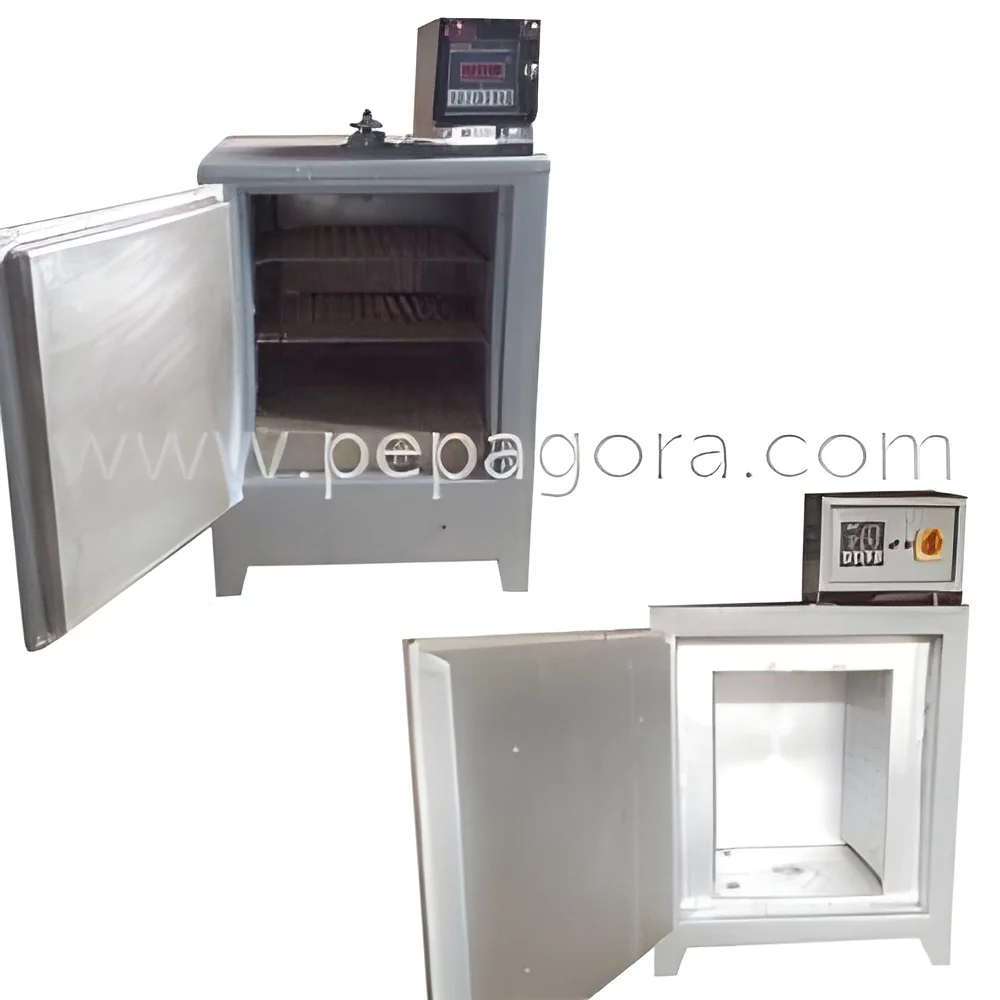
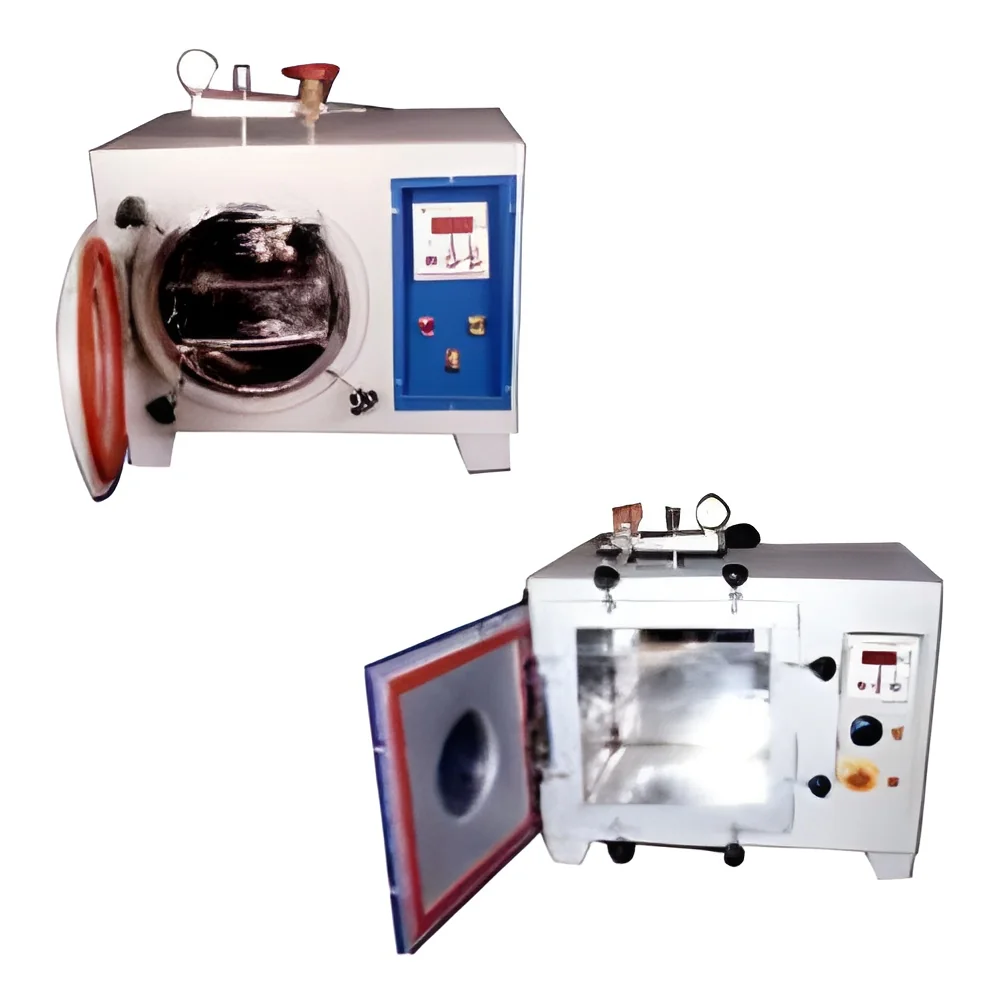
Laboratory Tray Drying Oven: Tailored for research and development, this variant features precise temperature control and smaller tray sizes, making it suitable for experimental batches and smaller quantities.
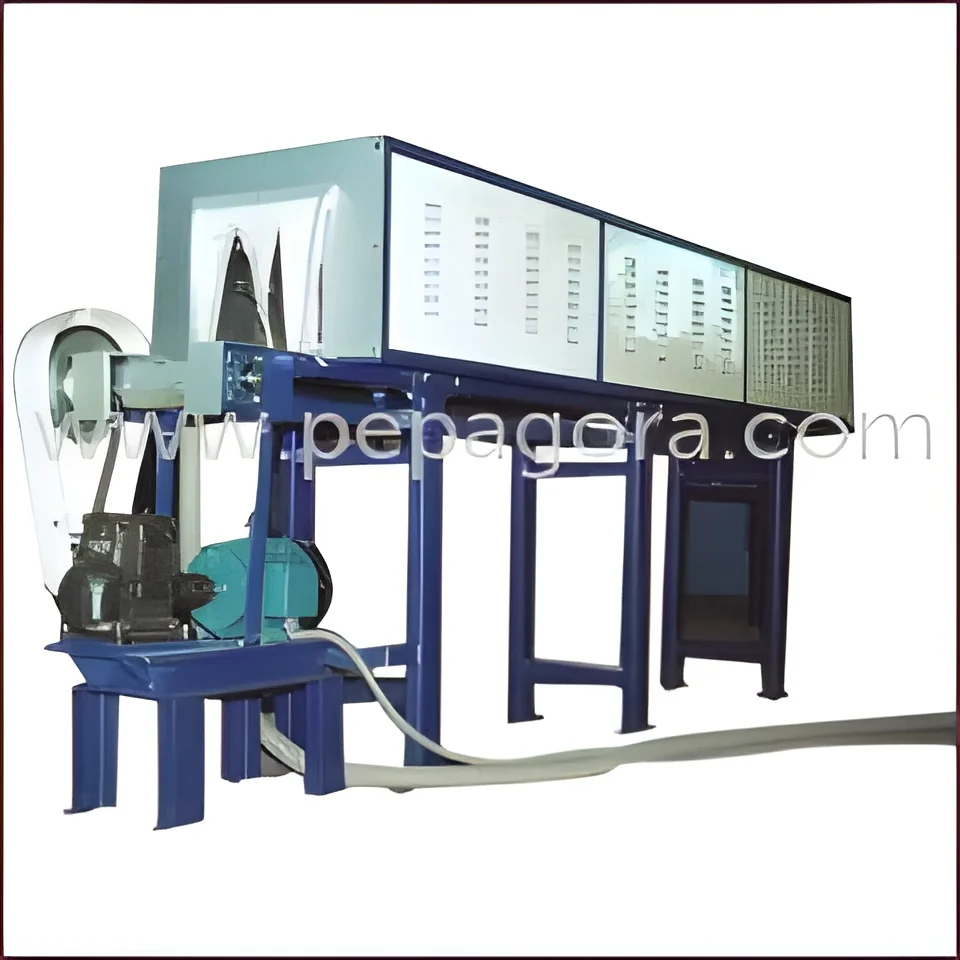
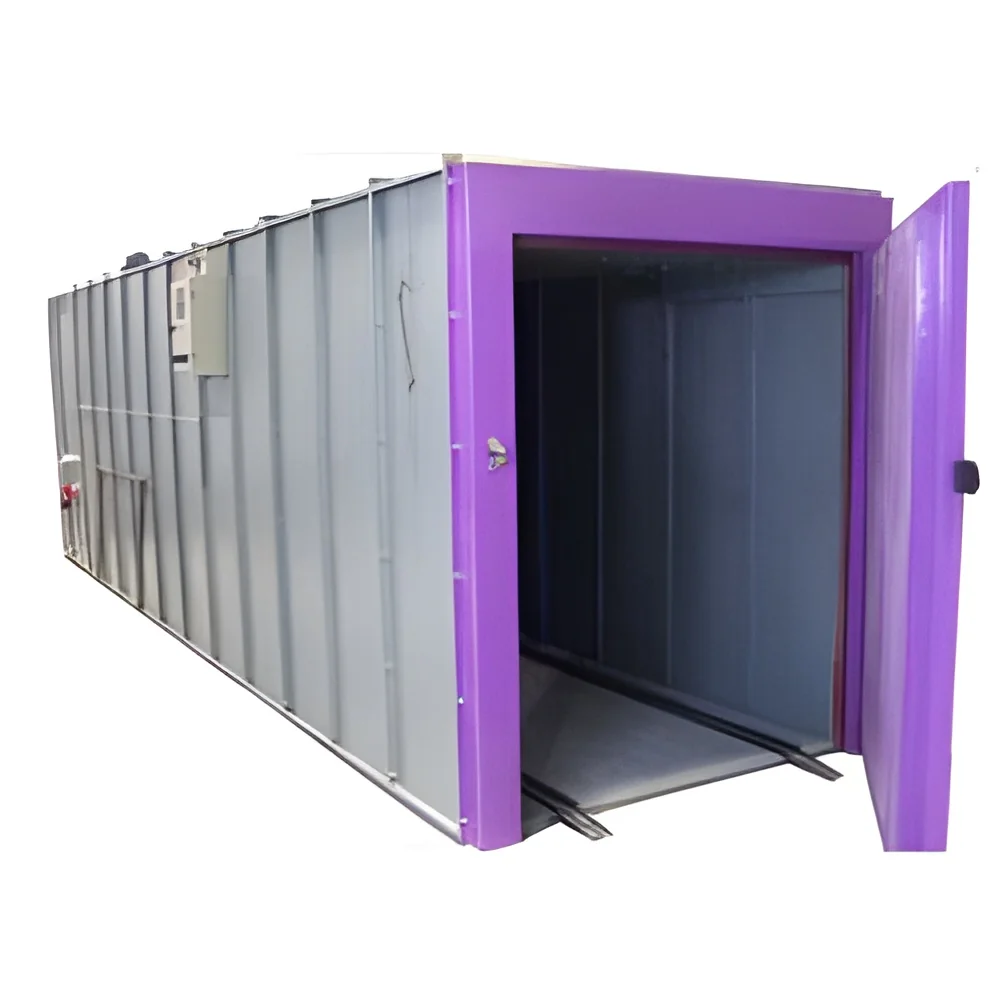
High-Capacity Tray Drying Oven: Designed for large-scale operations, this variant accommodates more trays and offers faster drying times, perfect for industries requiring high throughput.
Benefits and Advantages
Choosing tray drying ovens offers numerous benefits that can enhance operational efficiency and product quality.
1. Enhanced Efficiency: Tray drying ovens provide uniform drying, minimizing the risk of over-drying or under-drying products, which can impact quality.
2. Cost-Effective Operation: Their energy-efficient design reduces operational costs, making them a smart investment for businesses.
3. Versatility: These ovens can accommodate a wide range of materials, making them suitable for various industries and applications.
4. Quality Assurance: With precise temperature and airflow control, tray drying ovens help maintain product quality, ensuring compliance with industry standards.
5. Space Optimization: The design allows for maximum use of available space, enabling businesses to increase production capacity without requiring excessive floor space.
6. User-Friendly Controls: Many models come with intuitive digital interfaces, making it easier for operators to monitor and adjust settings as needed.
Buying Guide for B2B Buyers
When sourcing tray drying ovens, several factors must be considered to ensure a suitable purchase.
1. Quality Assessment: Evaluate the oven's build quality, materials, and performance features. Look for equipment that meets industry standards and certifications to ensure reliability.
2. Supplier Verification: Conduct thorough research on potential suppliers. Check their track record, customer reviews, and credentials to ensure they are reputable and capable of delivering quality products.
3. Pricing and MOQ: Understand the pricing structure and minimum order quantities. Compare quotes from multiple suppliers to ensure competitive pricing while considering the total cost of ownership.
4. Delivery and Lead Times: Discuss delivery schedules and lead times with suppliers to ensure that the ovens can be delivered when needed, minimizing delays in production.
5. Compliance Requirements: Ensure that the ovens comply with relevant regulatory and safety standards. This includes certifications such as CE and adherence to local industry regulations.
Compliance and Certifications
Tray drying ovens must adhere to various compliance and certification standards, ensuring they meet quality and safety requirements.
ISO 9001 is a widely recognized quality management standard that ensures manufacturers maintain a consistent level of quality in their products. Compliance with this standard is crucial for businesses seeking reliability and customer satisfaction.
HACCP (Hazard Analysis and Critical Control Points) is particularly relevant in the food industry, ensuring that drying processes do not compromise product safety. Compliance with HACCP helps protect consumers and ensures regulatory adherence.
CE certification indicates that the product meets the European Union's health, safety, and environmental protection requirements. This certification is essential for products marketed within the EU.
Safety and testing requirements include ensuring that ovens are equipped with necessary safety features to prevent hazards. Regular testing and quality assessments are vital for maintaining compliance.
Regional compliance considerations may vary, so it is essential to be aware of local regulations that apply to tray drying ovens in different markets.
Why Source Tray Drying Ovens from Pepagora?
Pepagora offers a trusted platform for sourcing tray drying ovens, providing several key advantages for B2B buyers.
Verified Supplier Network: Pepagora connects buyers with a network of verified suppliers, ensuring that you can find reputable manufacturers with a history of providing quality products.
Streamlined RFQ Process: The platform features a streamlined request for quotation process, allowing buyers to easily compare offerings from multiple suppliers and make informed decisions.
Trade Assurance and Support: Pepagora provides trade assurance and support, protecting buyers throughout the purchasing process. This includes assistance with negotiations and resolving any potential disputes.
Regional Coverage: With a strong presence in India, the Gulf Cooperation Council (GCC), and Southeast Asia, Pepagora enables businesses to access a diverse range of suppliers and products tailored to their regional needs.
By choosing Pepagora, businesses can enhance their sourcing experience while ensuring they acquire high-quality tray drying ovens that meet their operational requirements.

 IN
IN