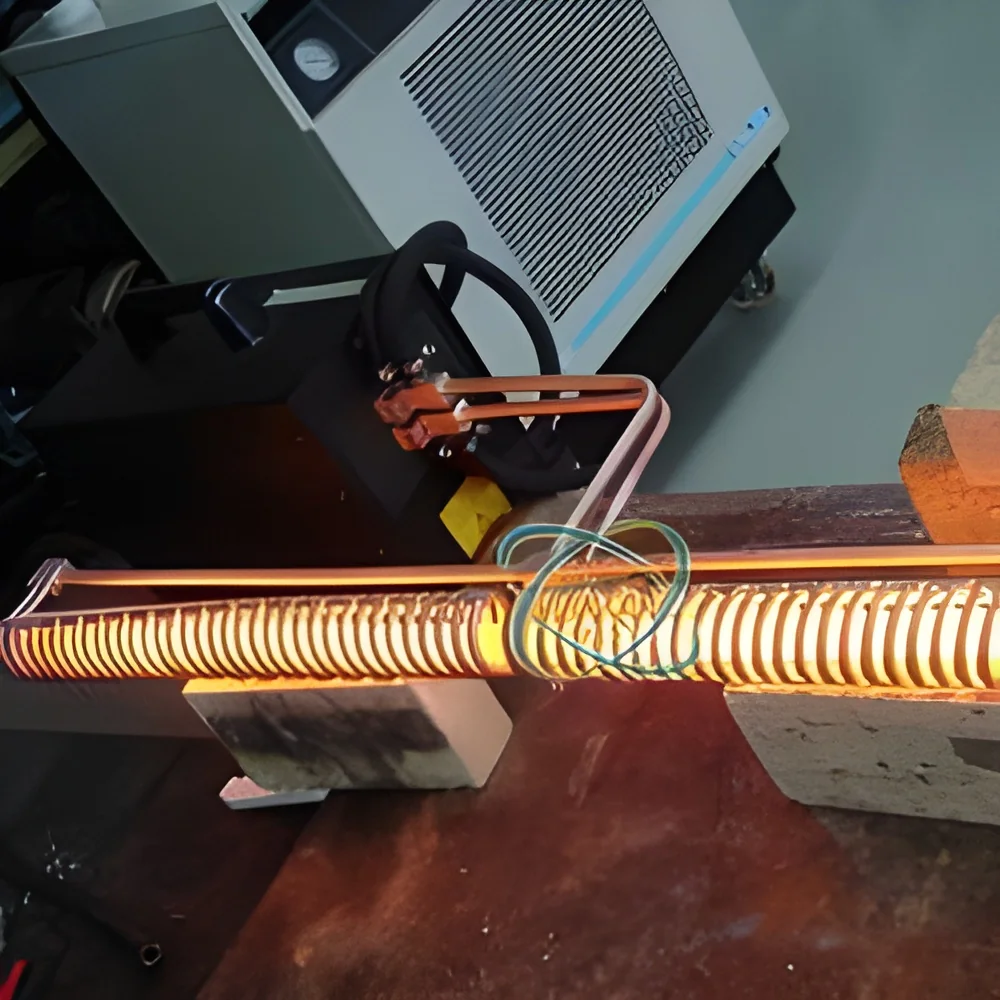
What are Tunnel Kilns?
Tunnel kilns are specialized industrial ovens designed to provide efficient and uniform heating for a variety of materials. These kilns operate by moving products through a long, enclosed chamber where they are subjected to controlled temperatures for a specified duration. The continuous flow of products allows for high production rates, making tunnel kilns ideal for large-scale manufacturing processes.
Tunnel kilns are widely used in industries such as ceramics, bricks, and glass. They are particularly effective for firing pottery, tiles, and other materials that require consistent heat treatment. The ability to maintain exact temperature profiles throughout the kiln enhances product quality and reduces waste. Tunnel kilns have become essential in modern manufacturing due to their efficiency and adaptability.
As industries continue to seek cost-effective and sustainable production methods, tunnel kilns remain relevant in the market. Their capacity for high volume output and energy efficiency aligns with the growing demand for environmentally friendly manufacturing processes. Companies investing in tunnel kilns can expect improved operational efficiency and product quality, making them a vital component in various industrial applications.
Key Features and Specifications
Tunnel kilns come with a range of features designed to enhance performance and efficiency. Understanding these specifications is crucial for businesses looking to invest in such equipment.
Key specifications include:
1. Temperature Control
- Provides precise heating capabilities
- Operates within recommended ranges based on material requirements
2. Energy Efficiency
- Designed to minimize energy consumption
- Utilizes advanced heating technology for reduced operational costs
3. Production Capacity
- Capable of processing high volumes continuously
- Varies based on kiln size and configuration
4. Construction Material
- Made from durable materials to withstand high temperatures
- Often includes insulation to improve thermal efficiency
5. Automation Features
- Equipped with automated systems for monitoring and control
- Enhances operational consistency and minimizes labor costs
6. Maintenance Requirements
- Designed for easy access to components for maintenance
- Regular maintenance schedules help ensure longevity
7. Safety Features
- Includes safety mechanisms to prevent overheating and accidents
- Complies with industry safety standards
8. Customization Options
- Can be tailored to meet specific production needs
- Various sizes and configurations available
In summary, understanding the features and specifications of tunnel kilns is essential for making informed purchasing decisions. These specifications contribute to the overall efficiency, safety, and productivity of manufacturing processes.
Common Applications and Use Cases
Tunnel kilns are versatile and find applications across various industries. Their ability to consistently process materials makes them invaluable in manufacturing.
1. Ceramics: Tunnel kilns are extensively used for firing ceramic products, ensuring uniform heating for high-quality outcomes.
2. Brick Production: In the brick industry, tunnel kilns facilitate the efficient and continuous firing of bricks, optimizing production rates.
3. Glass Manufacturing: These kilns provide the necessary heat treatment for glass products, ensuring clarity and durability.
4. Food Processing: Some tunnel kilns are adapted for drying and baking in food processing, maintaining consistent temperatures for product quality.
5. Metal Processing: Tunnel kilns can be used for heat treatment of metals, enhancing their properties and preparing them for further processing.
6. Precast Concrete: The curing process for precast concrete elements often utilizes tunnel kilns to ensure uniform strength and durability.
7. Powder Coating: In the coatings industry, tunnel kilns are used to cure powder coatings, providing a consistent finish on products.
By serving multiple industries, tunnel kilns prove to be an essential asset for manufacturers seeking efficiency and quality in their production processes.
Product Variants and Subcategories
Tunnel kilns come in a variety of designs to cater to different manufacturing needs. Each variant offers unique features suited for specific applications.
Continuous Tunnel Kiln: This type allows for a steady flow of materials through the kiln, making it ideal for high-volume production. Its design ensures uniform heating, reducing cycle times.
Batch Tunnel Kiln: Designed for smaller production runs, batch tunnel kilns provide flexibility in firing different products. They allow manufacturers to switch between materials easily.
High-Temperature Tunnel Kiln: Suitable for materials requiring extreme temperatures, this variant can support processes like advanced ceramics and metal heat treatment.
Low-Temperature Tunnel Kiln: Designed for materials that require lower firing temperatures, this kiln is ideal for applications in the food and ceramics industries.
Benefits and Advantages
Investing in tunnel kilns offers numerous benefits that can significantly enhance production capabilities.
1. Increased Efficiency: Tunnel kilns enable continuous production, reducing downtime and maximizing throughput.
2. Consistent Quality: The precise temperature control ensures uniform heating, resulting in high-quality products with minimal defects.
3. Energy Savings: With advanced energy-efficient designs, tunnel kilns lower operational costs, contributing to overall profitability.
4. Versatility: Suitable for a wide range of materials, tunnel kilns can adapt to the needs of various manufacturing processes.
5. Reduced Labor Costs: Automation features minimize manual labor requirements, allowing businesses to allocate resources more effectively.
6. Enhanced Safety: Built-in safety features promote safe operation, reducing the risk of accidents and ensuring compliance with industry standards.
By leveraging these advantages, businesses can improve their competitive position in the market and achieve sustainable growth.
Buying Guide for B2B Buyers
When considering the purchase of tunnel kilns, businesses need to evaluate several critical factors to ensure the best investment.
1. Quality Assessment: Evaluate the quality of materials and construction to ensure durability and reliability. Look for manufacturers that adhere to recognized quality standards.
2. Supplier Verification: Vet suppliers by checking their reputation, certifications, and customer reviews. A verified supplier is crucial for a seamless purchasing experience.
3. Pricing and MOQ: Understand pricing structures and minimum order quantities to align with your budget and production needs. Negotiate terms to achieve favorable conditions.
4. Delivery and Lead Times: Discuss logistics and expected lead times to ensure timely delivery. Plan production schedules around these timelines to avoid disruptions.
5. Compliance Requirements: Be aware of relevant regulatory and safety standards applicable to your industry. Ensure that the kilns meet these compliance requirements to avoid future complications.
Compliance and Certifications
Tunnel kilns must adhere to various quality and safety standards to ensure optimal performance and safety in industrial applications. Relevant quality standards often include ISO 9001, which establishes a framework for quality management systems.
Additionally, certifications such as CE indicate that the equipment meets European safety and environmental protection requirements. Compliance with these standards is essential for manufacturers seeking to maintain credibility and trust in their products.
Safety and testing requirements are also crucial. Regular inspections and adherence to safety protocols help ensure the safe operation of tunnel kilns. Businesses should also consider regional compliance, as different markets may have specific regulations regarding industrial equipment.
Why Source Tunnel Kilns from Pepagora?
Pepagora provides a trusted platform for sourcing tunnel kilns, offering several key advantages that enhance the procurement process for businesses.
Verified Supplier Network: Pepagora connects buyers with a network of verified suppliers, ensuring that all partners meet stringent quality and reliability standards. This reduces the risks associated with sourcing equipment.
Streamlined RFQ Process: The platform simplifies the request for quotation process, allowing businesses to easily compare offers from multiple suppliers. This transparency helps buyers make informed decisions quickly.
Trade Assurance and Support: Pepagora offers trade assurance, providing buyers with protection throughout the purchasing process. Their dedicated support team is available to assist with any inquiries or issues that may arise.
Regional Coverage: With a strong presence in India, the GCC, and Southeast Asia, Pepagora ensures that businesses in these regions have access to high-quality tunnel kilns. This geographical reach enables local suppliers to cater to specific market needs effectively.
By choosing Pepagora for sourcing tunnel kilns, businesses can benefit from a reliable and efficient procurement experience, leading to successful manufacturing outcomes.

 IN
IN