
 IN
Annealing Furnaces
35 products available
What are Annealing Furnaces?
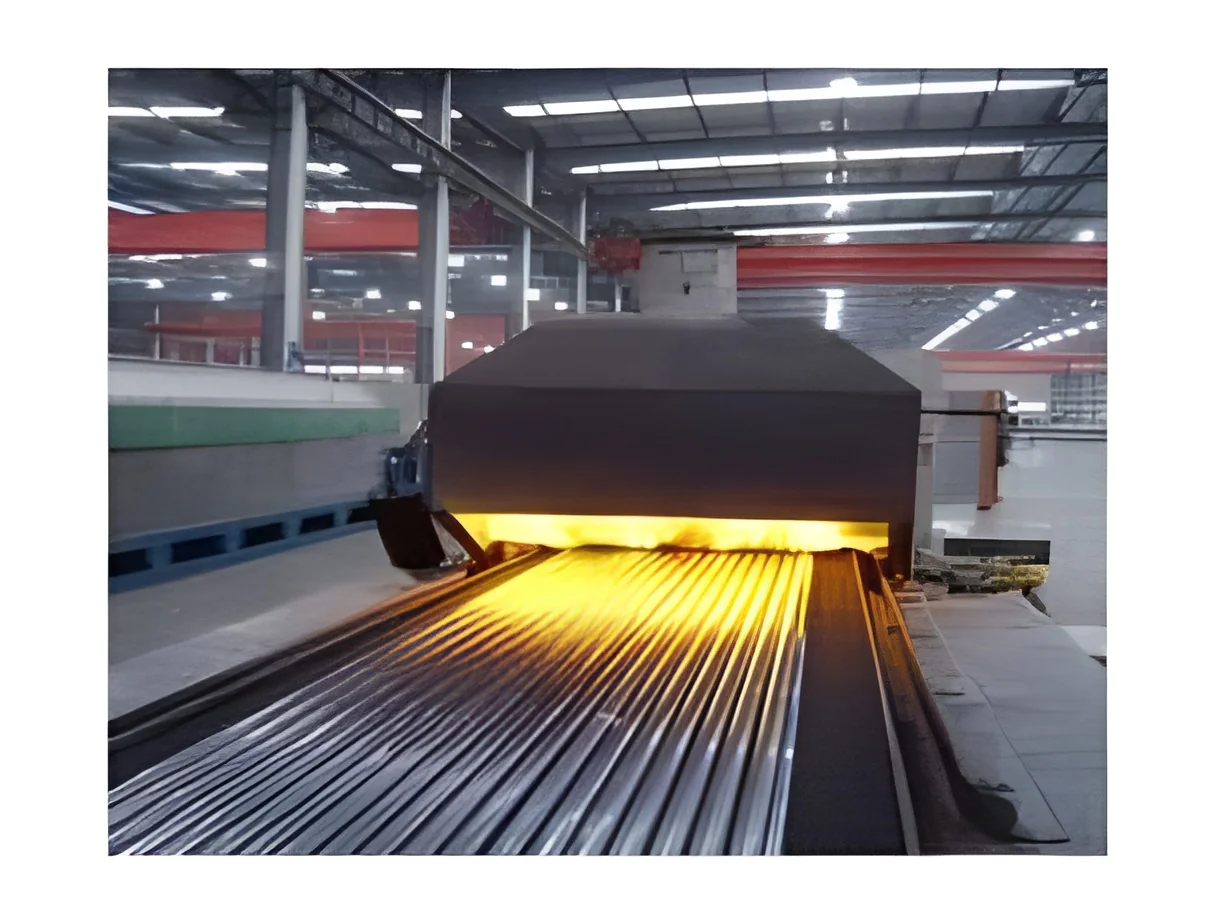
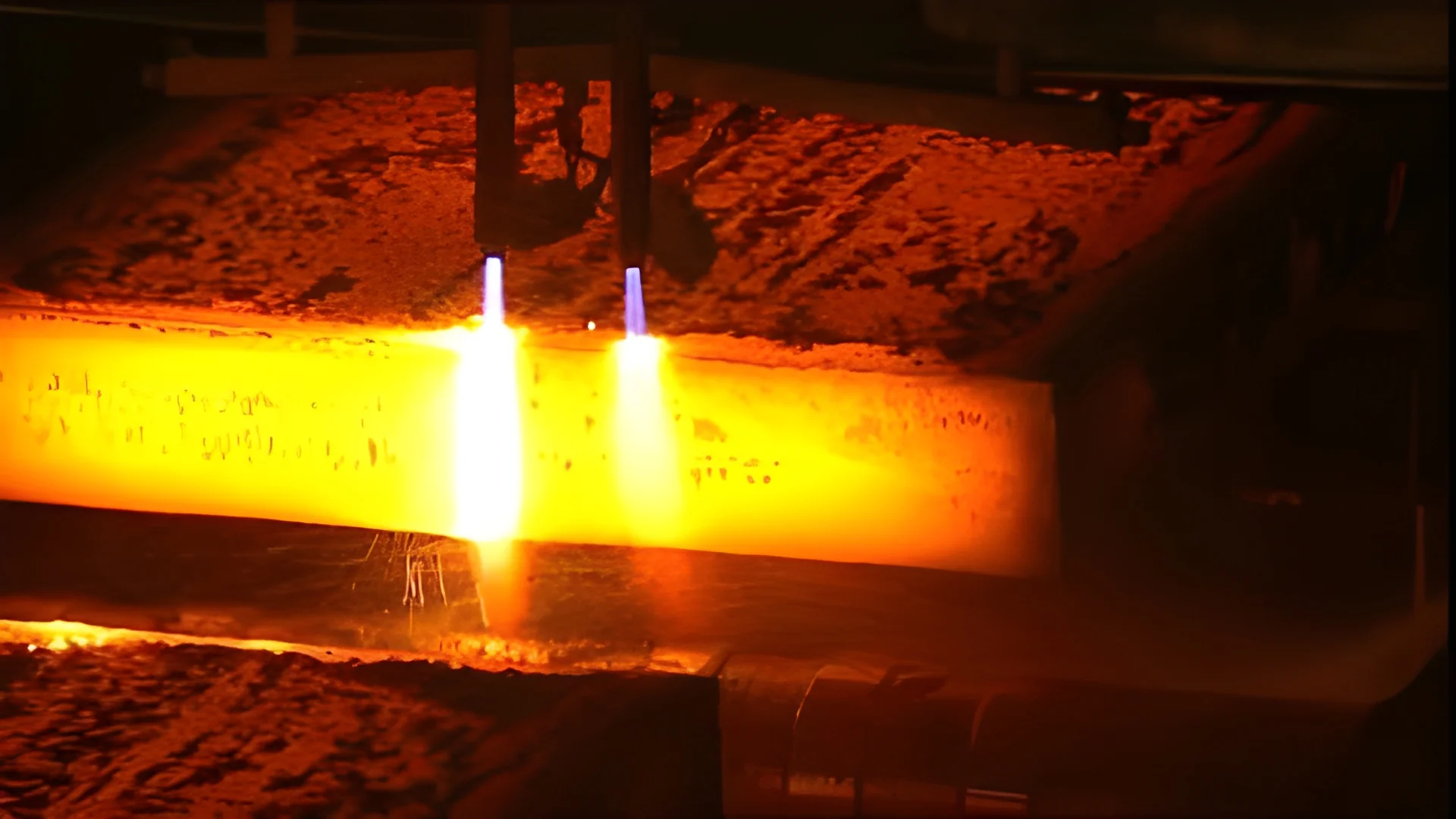
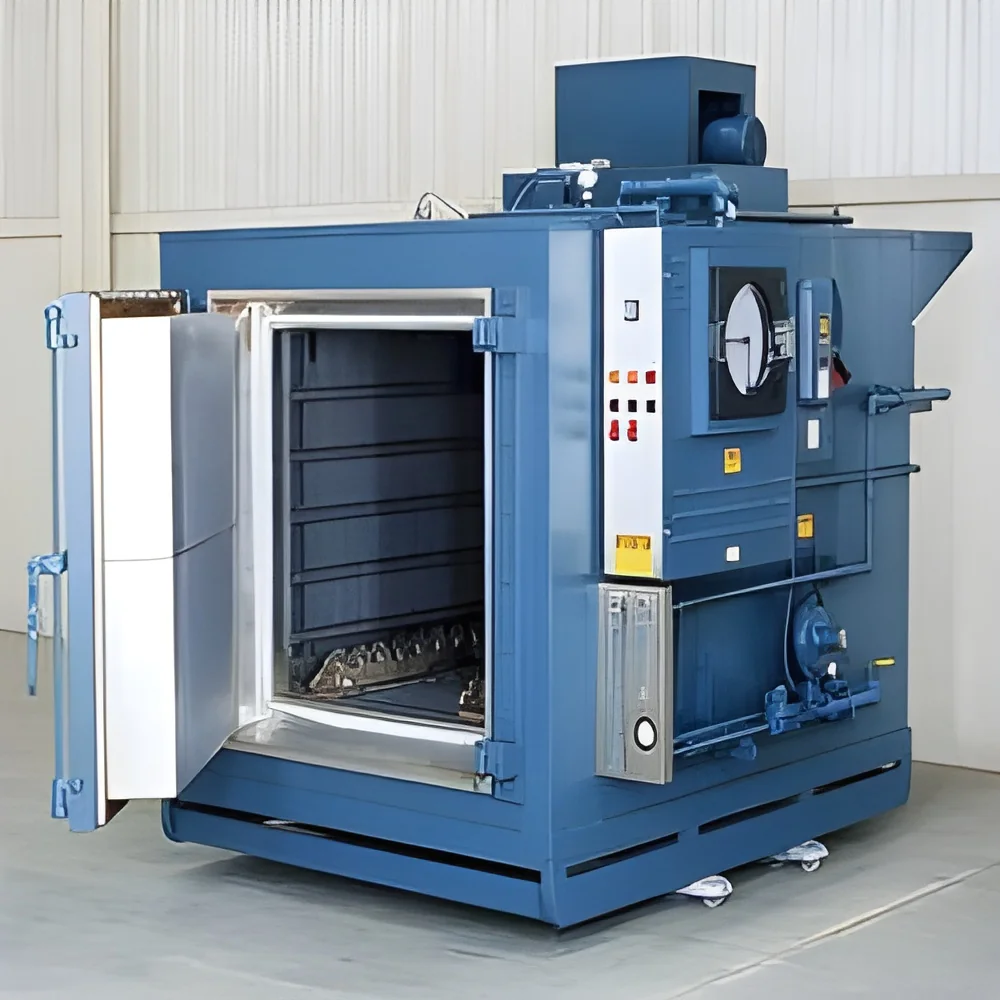
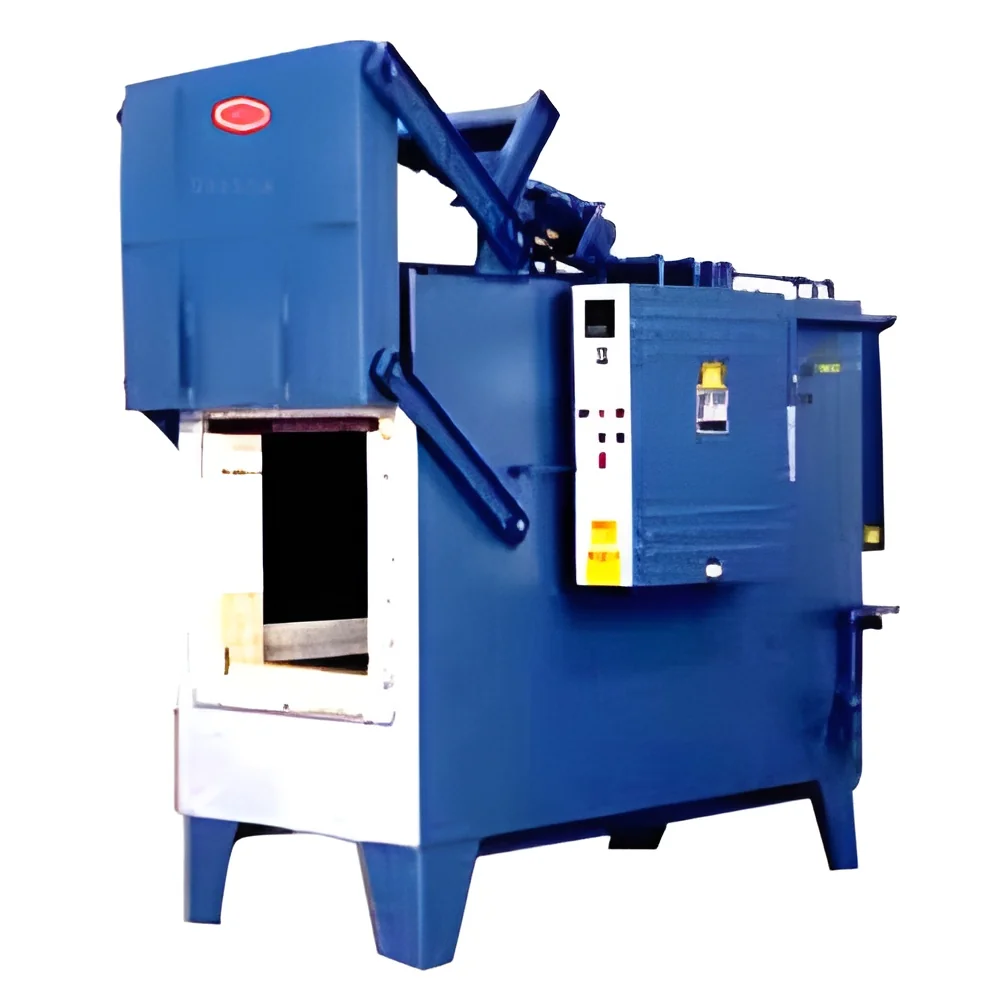
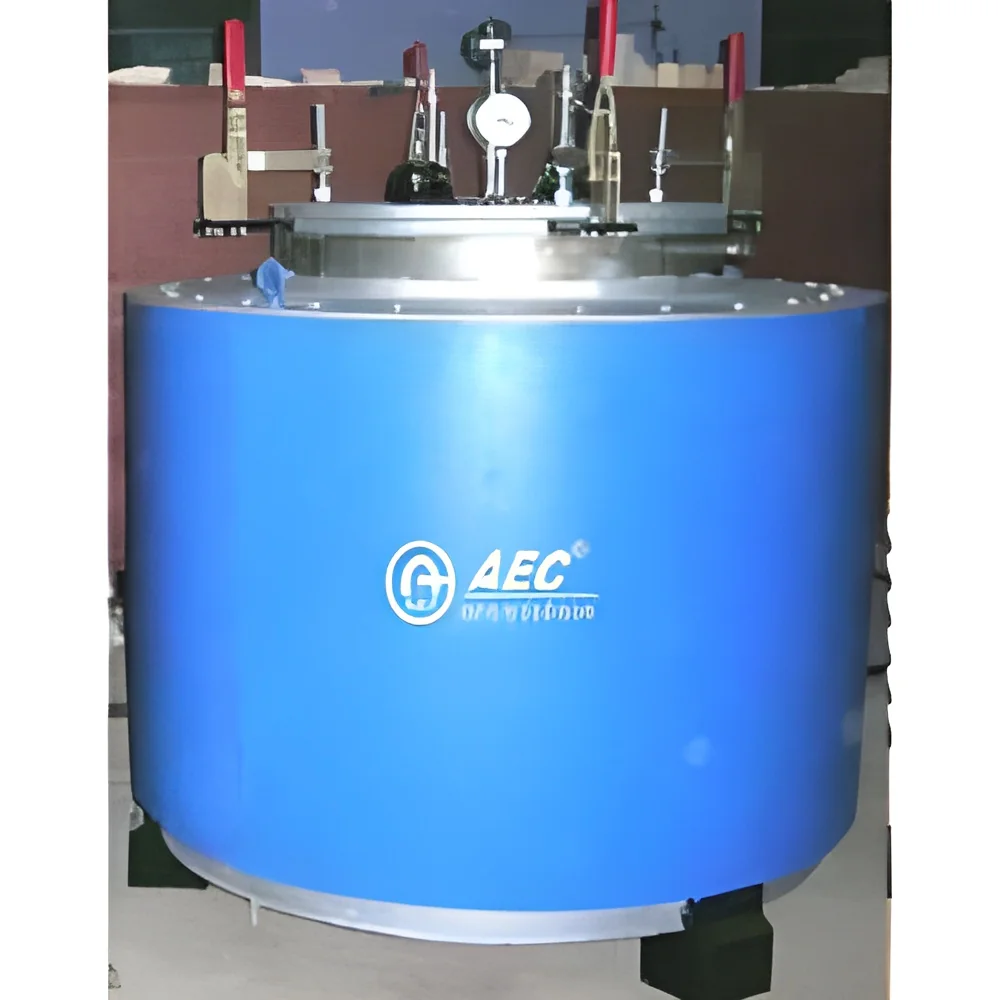
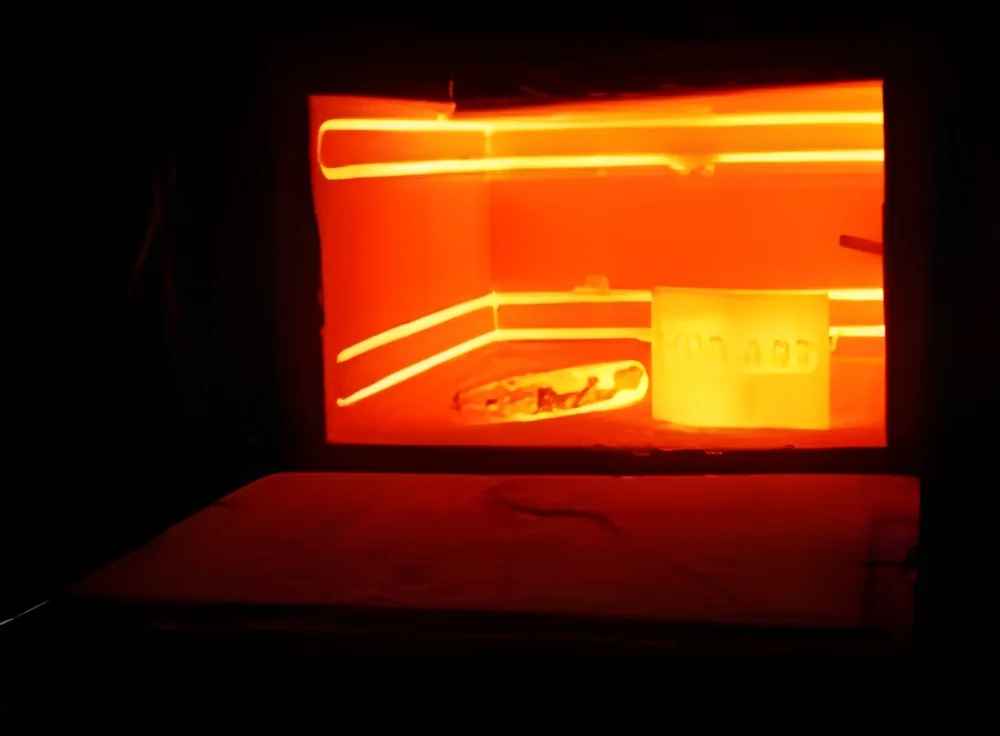
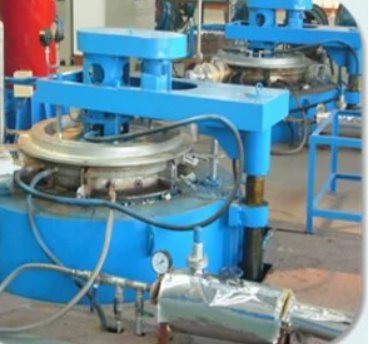
Annealing furnaces are specialized thermal processing equipment designed to heat materials, typically metals, to a specific temperature and then maintain that temperature for a predetermined period. This process allows for the reduction of hardness, increase in ductility, and the alleviation of internal stresses in the material. By carefully controlling the heating and cooling rates, manufacturers can achieve desired material properties that enhance performance and durability.
These furnaces are widely used across various industries, including manufacturing, automotive, and aerospace, where metal components require precise heat treatment. The annealing process is critical for applications that demand high-quality material standards, such as in the production of gears, springs, and structural components. The relevance of annealing furnaces in the market is underscored by the increasing demand for high-performance materials in advanced manufacturing processes.
Key Features and Specifications
Annealing furnaces come with a range of features and specifications that cater to the specific needs of different applications. Key features include precise temperature control, uniform heating, and energy efficiency, which are essential for maintaining material integrity during the annealing process.
Key specifications include:
1. Temperature Control
- Allows for precise adjustment of heating levels
- Typically ranges from ambient to over 1000 degrees Celsius
2. Chamber Size
- Varies based on the volume of materials being processed
- Commonly available in sizes accommodating small batches to large industrial loads
3. Heating Method
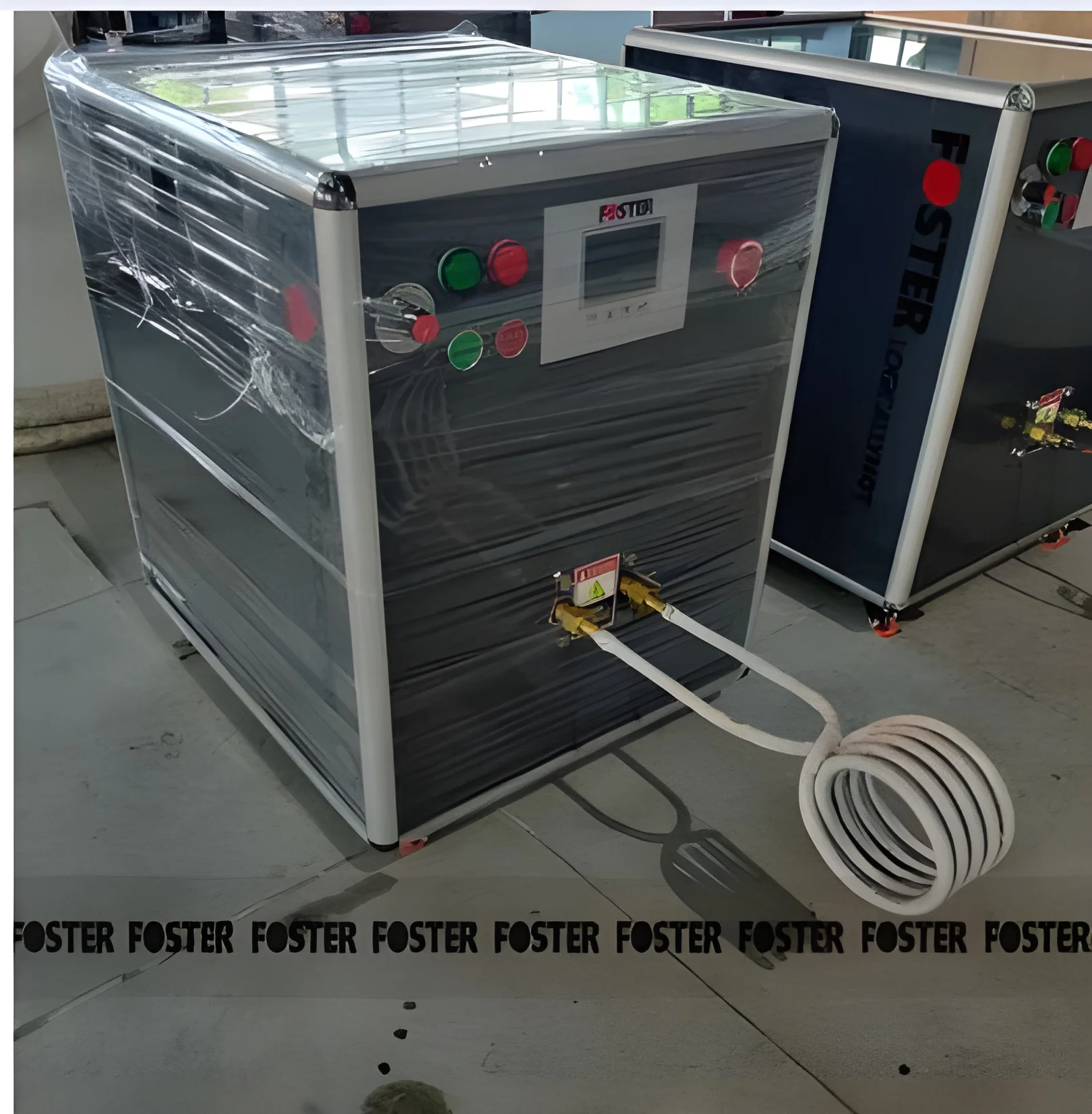
- Can be electric, gas, or induction-based heating
- Each method offers specific advantages regarding efficiency and application suitability
4. Cooling Method
- Options for air cooling or controlled atmosphere cooling
- Important for ensuring desired material properties post-annealing
5. Energy Efficiency
- Designed for optimal energy consumption
- Contributes to reduced operational costs over time
6. Safety Features
- Equipped with alarms and automatic shut-off mechanisms
- Ensures safe operation in industrial environments
7. Control Systems
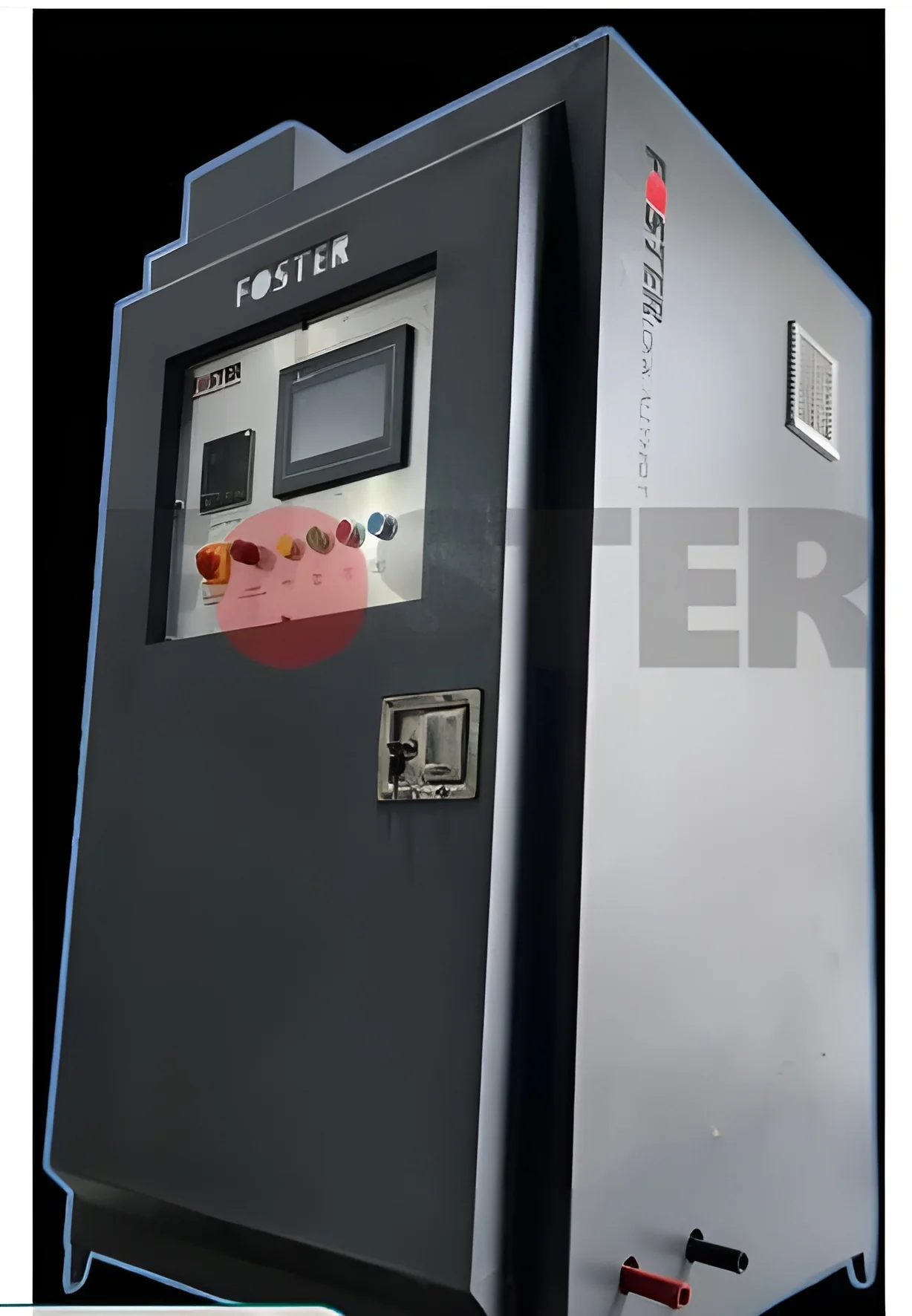
- Use of advanced digital controllers for monitoring
- Offers user-friendly interfaces for ease of operation
8. Construction Material
- Typically made from high-quality steel with insulation
- Ensures durability and thermal efficiency
In summary, the specifications of annealing furnaces are tailored to meet the diverse needs of various industries, ensuring that the equipment provides reliable and efficient performance.
Common Applications and Use Cases
Annealing furnaces are utilized across a variety of industries, each benefiting from the unique properties achieved through the annealing process.
1. Automotive Industry: Annealing is crucial for the production of components such as gears, axles, and springs, which require enhanced ductility and strength.
2. Aerospace Industry: Components like turbine blades and structural frames undergo annealing to achieve the necessary toughness and fatigue resistance.
3. Electronics Industry: Annealing is used in the production of circuit boards and connectors to improve conductivity and reliability.
4. Metal Fabrication: Sheet metals and wire products are often annealed to relieve stresses and improve formability.
5. Tool Manufacturing: Tools and dies are annealed to enhance their hardness and wear resistance for longer service life.
6. Construction: Structural steel components are annealed to improve strength and reduce brittleness.
7. Oil and Gas: Annealing is applied to pipelines and valves to ensure they can withstand high-pressure environments.
Product Variants and Subcategories
Annealing furnaces are available in various configurations to suit different operational needs and production scales.
Batch Annealing Furnaces
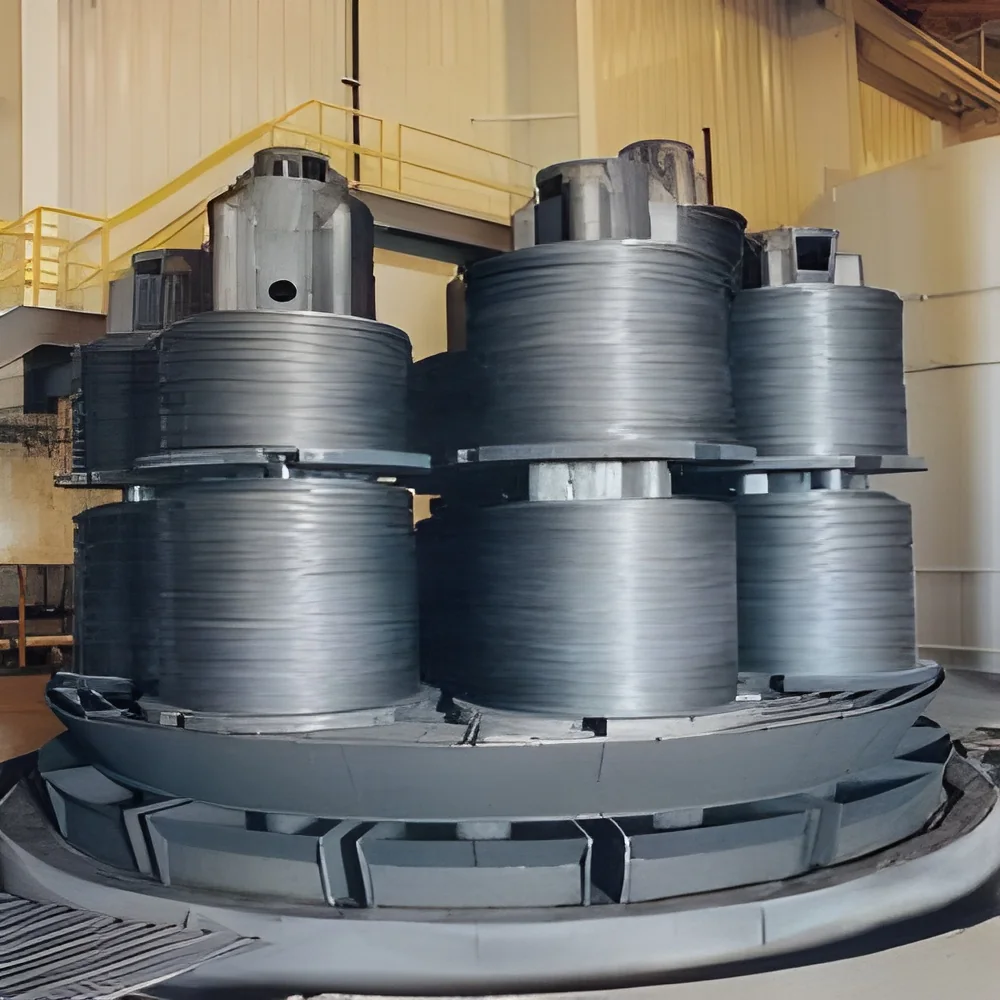
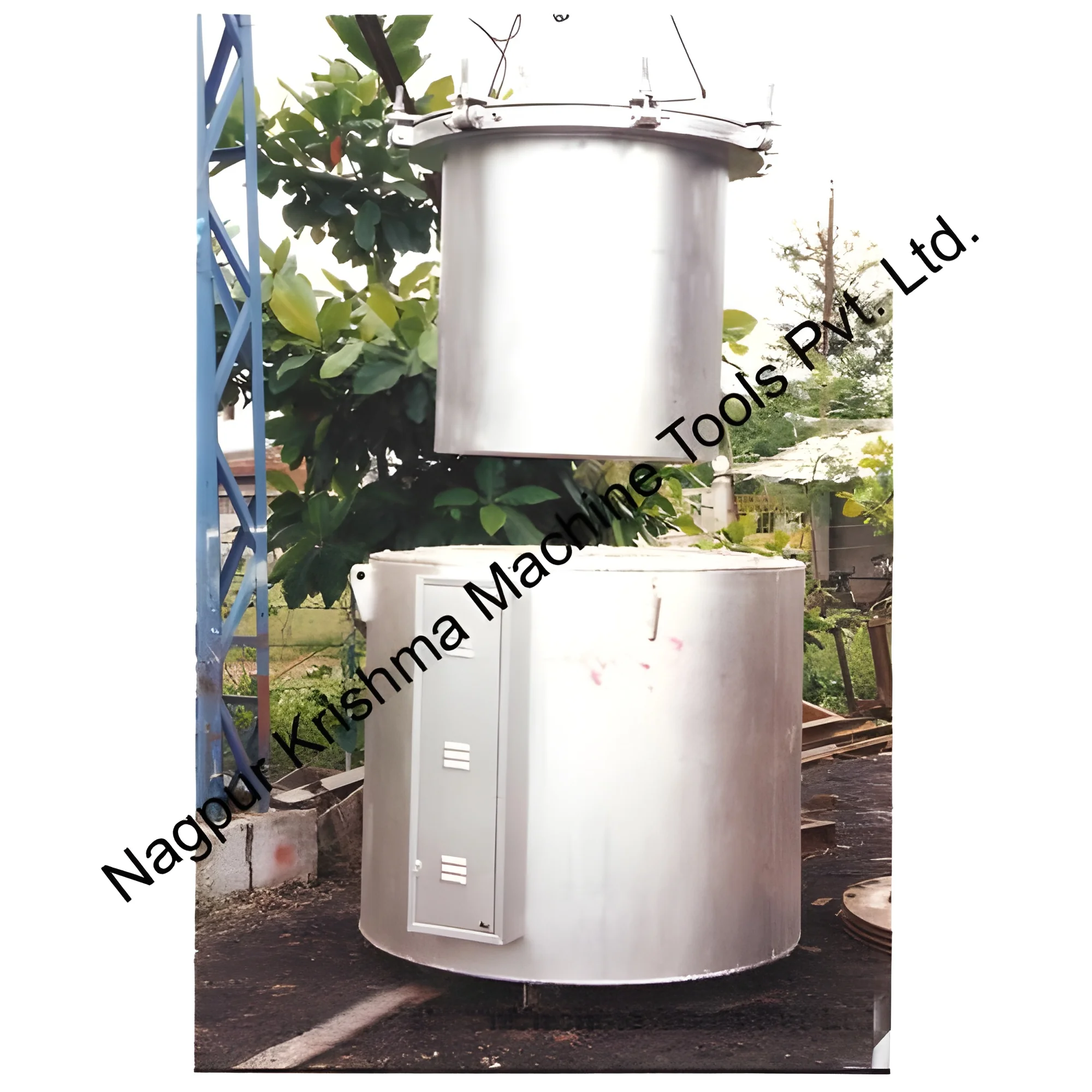
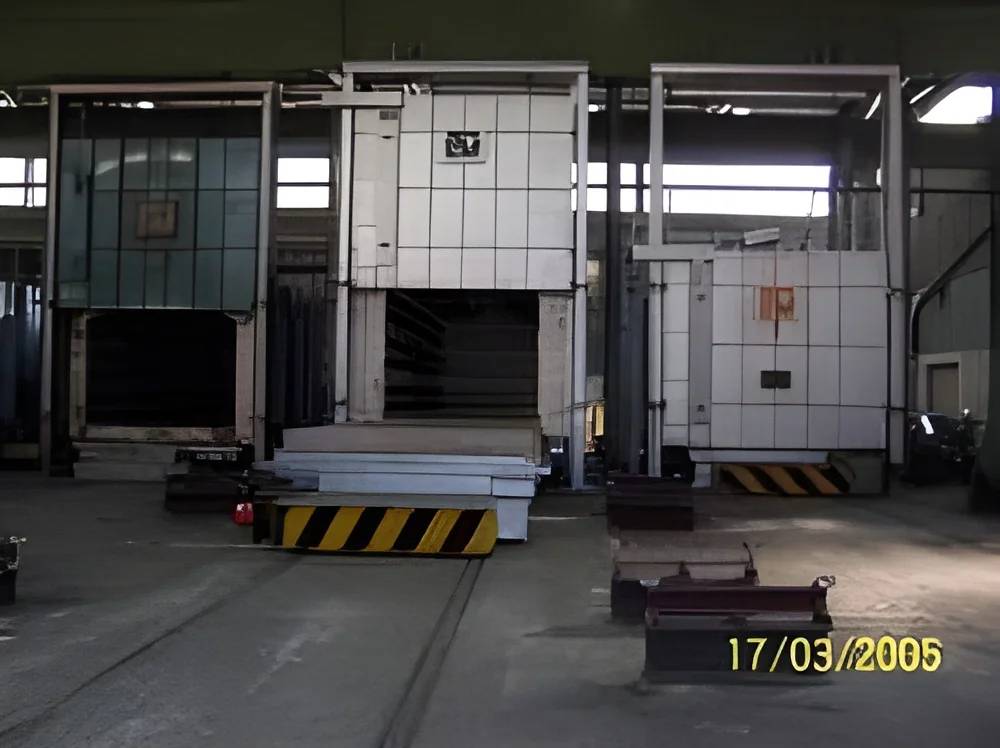
These furnaces are designed for processing large quantities of materials in batches. They allow for consistent heating and cooling cycles, making them ideal for industries with high-volume requirements.
Continuous Annealing Furnaces
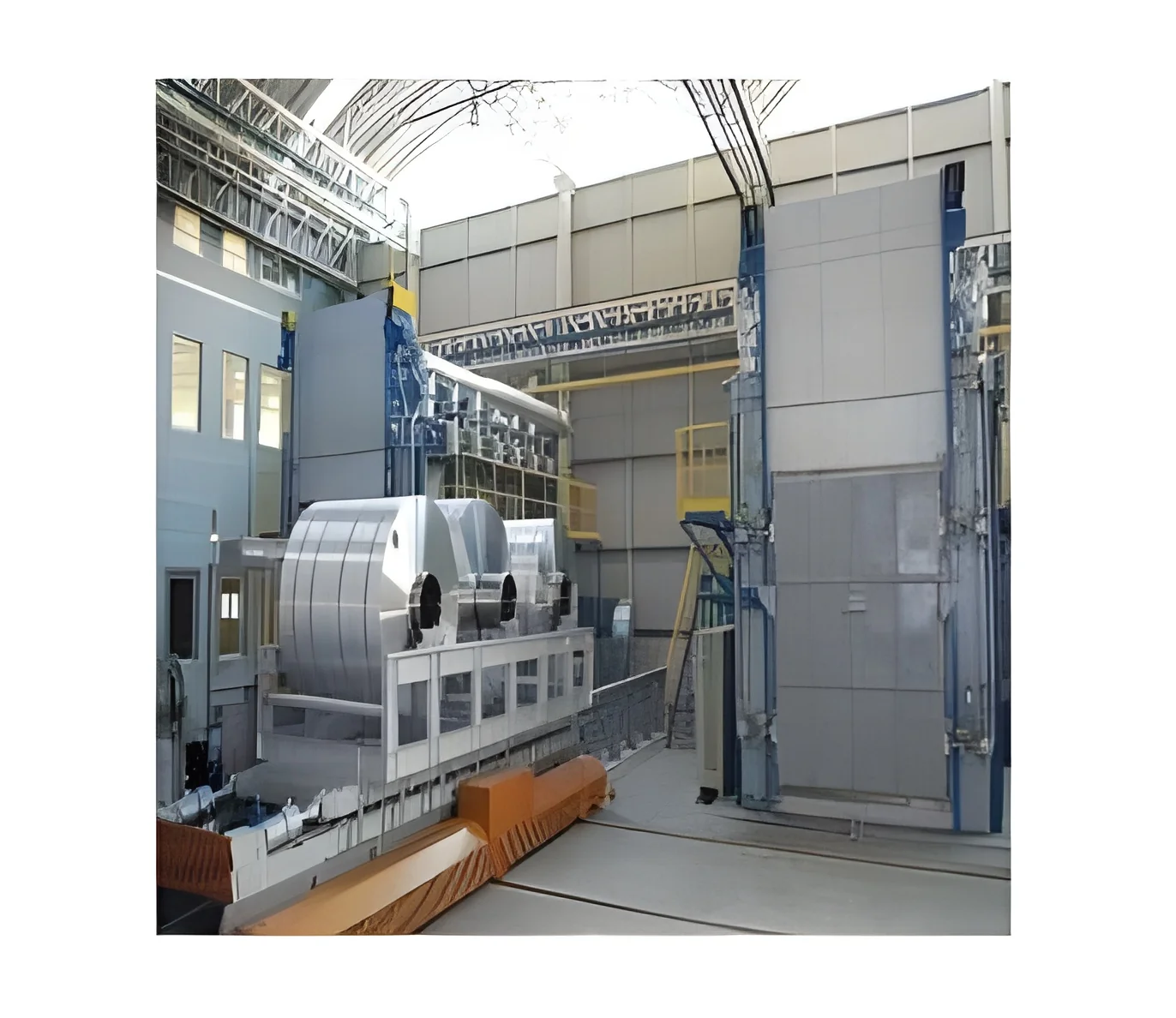
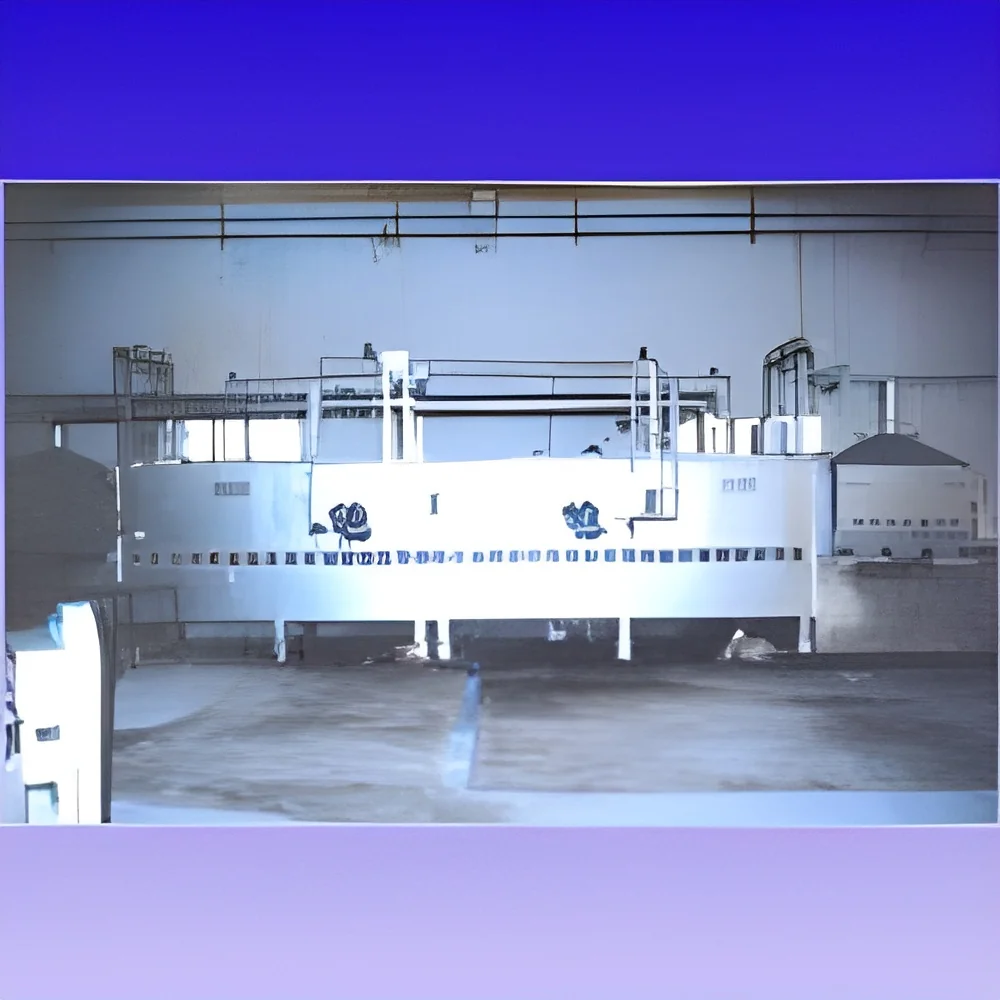
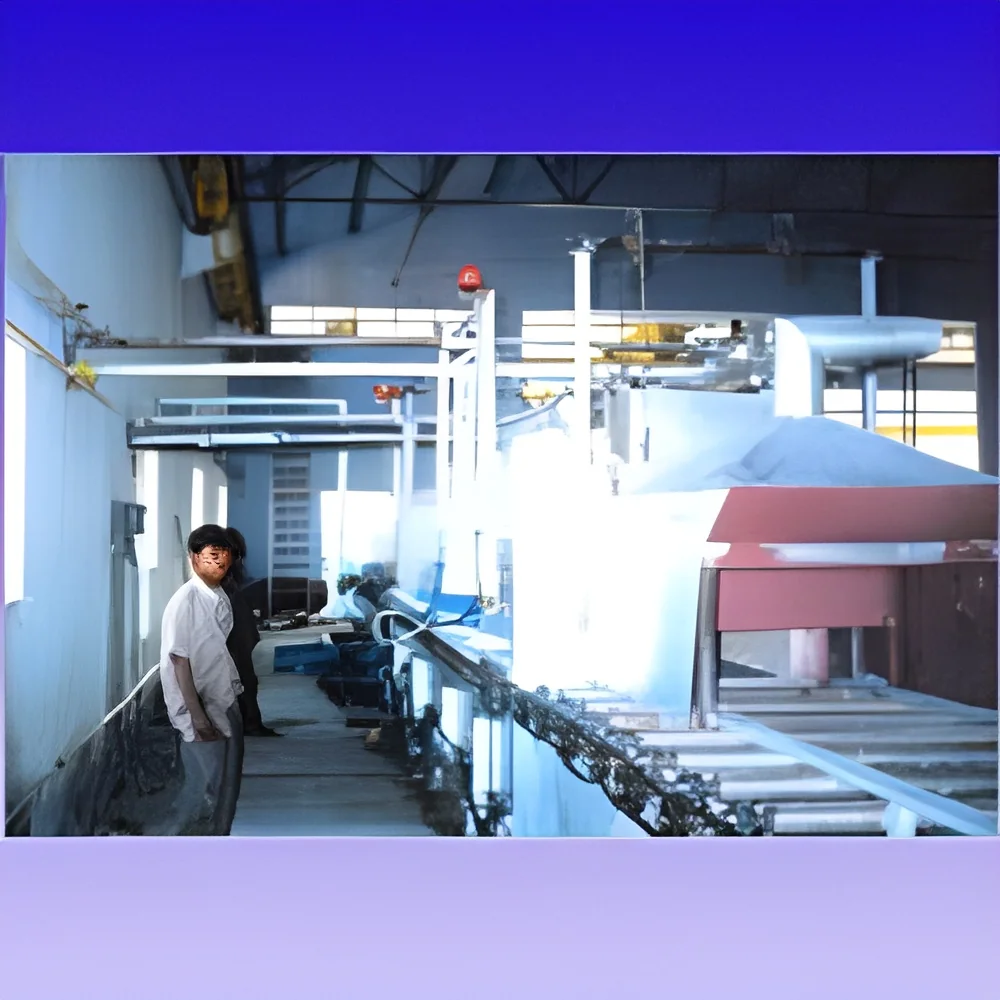
Continuous furnaces provide a streamlined process for ongoing production. Materials are fed through the furnace at a constant rate, enabling high efficiency and reduced lead times.
Laboratory Annealing Furnaces
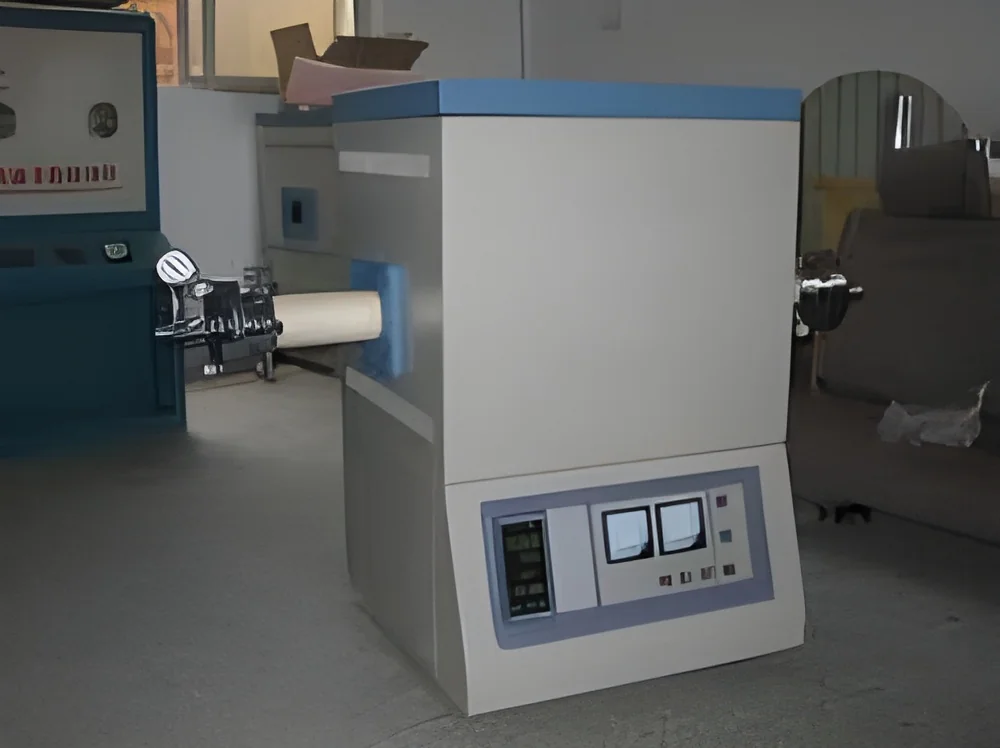
These smaller units are designed for research and development purposes. They offer precise control over temperature and atmosphere, making them ideal for experimental applications.
Benefits and Advantages
Choosing to use annealing furnaces offers numerous benefits that can positively impact production quality and efficiency.
1. Improved Material Properties: The primary benefit is the enhancement of mechanical properties, leading to increased strength and ductility.
2. Reduced Internal Stresses: The annealing process alleviates residual stresses, which can prolong the lifespan of components and reduce failure rates.
3. Versatility in Applications: Annealing furnaces can process a wide range of materials, making them suitable for various industries.
4. Energy Efficiency: Modern furnaces are designed to consume less energy, contributing to lower operational costs.
5. Enhanced Product Quality: The controlled environment of the furnace ensures consistent quality across batches, which is crucial for high-stakes applications.
6. Compliance with Standards: Annealed materials often meet stringent industry standards, making them more appealing to manufacturers seeking certification.
Buying Guide for B2B Buyers
When sourcing annealing furnaces, it is essential for B2B buyers to consider several key factors to ensure successful procurement.
1. Quality Assessment: Look for furnaces that adhere to recognized quality standards. Ensure that the materials and construction meet industry requirements for durability and performance.
2. Supplier Verification: Vet potential suppliers by checking their credibility, certifications, and customer reviews. A reliable supplier should have a proven track record in the industry.
3. Pricing and MOQ: Understand the pricing structure and minimum order quantities. Compare quotes from multiple suppliers to find the best deal that fits your budget.
4. Delivery and Lead Times: Confirm delivery schedules and lead times. Timely delivery is crucial for maintaining production schedules.
5. Compliance Requirements: Ensure that the furnaces comply with regional regulations and safety standards. This will help avoid potential legal issues down the line.
Compliance and Certifications
Compliance with industry standards is critical for ensuring the safety and quality of annealing furnaces. Key standards include ISO 9001, which focuses on quality management systems, ensuring that manufacturers maintain high-quality processes.
In addition, industry certifications such as CE indicate that the furnaces meet European safety standards. This certification is essential for products sold in European markets and assures buyers of compliance with health and safety regulations.
Safety and testing requirements are vital as well. Furnaces should be designed to minimize risks during operation, with features such as automatic shut-off and alarm systems.
Regional compliance considerations can vary, so it is crucial for manufacturers to be aware of specific regulations in their operational areas to ensure adherence to local laws.
Why Source Annealing Furnaces from Pepagora?
Pepagora offers a trusted platform for sourcing annealing furnaces with several key advantages that make it an ideal choice for B2B buyers.
Verified Supplier Network: Pepagora provides access to a network of verified suppliers, ensuring that buyers can find reliable manufacturers who meet industry standards.
Streamlined RFQ Process: The platform simplifies the request for quotation process, allowing buyers to easily obtain competitive quotes from multiple suppliers in a single step.
Trade Assurance and Support: Buyers receive protection through trade assurance, which helps to mitigate risks associated with purchases. Additionally, dedicated support is available to assist with any inquiries or issues.
Regional Coverage: Pepagora extends its reach across various regions, including India, the GCC, and Southeast Asia, making it easier for businesses to find suitable suppliers regardless of their location.


Frequently Asked Questions
What are Annealing Furnaces?
Annealing furnaces are specialized heating devices used to heat metal or glass to a specific temperature and then cool it down slowly. This process reduces hardness, increases ductility, and relieves internal stresses within the material, making it easier to work with.
What are the different types of Annealing Furnaces?
There are several types of annealing furnaces, including batch furnaces, continuous furnaces, and vacuum furnaces. Each type serves different applications and materials, allowing for effective annealing under various operational conditions.
How do I choose the right Annealing Furnaces?
Choosing the right annealing furnace involves considering factors such as the type of material to be processed, the required temperature range, and production volume. It is also essential to evaluate energy efficiency and space requirements to ensure optimal performance.
What are the standard specifications for Annealing Furnaces?
Standard specifications for annealing furnaces may include temperature ranges (typically between 600°C to 1300°C), heating rates, and dimensions. Additionally, furnaces should comply with industry standards for safety and energy efficiency.
What is the price range for Annealing Furnaces?
The price range for annealing furnaces can vary widely, generally starting from a few thousand to several lakhs of Indian Rupees. Factors influencing the price include the furnace type, capacity, and additional features or customization.
What quality standards apply to Annealing Furnaces?
Annealing furnaces must adhere to various quality standards, such as ISO 9001 for quality management systems and other industry-specific regulations. These standards ensure the furnaces operate safely and efficiently while meeting customer expectations.
Where can I find Annealing Furnaces suppliers in India?
You can find annealing furnace suppliers in India through B2B marketplaces like Pepagora, manufacturer directories, and industry trade shows. Online searches and networking within industry associations can also help locate reliable suppliers.
Can Annealing Furnaces be customized?
Yes, many manufacturers offer customization options for annealing furnaces to meet specific operational requirements. Customization can include adjustments in size, heating capacity, and control systems to suit various applications.
What is the typical minimum order quantity for Annealing Furnaces?
The typical minimum order quantity (MOQ) for annealing furnaces varies by manufacturer, but it often ranges from one unit to several units for custom designs. It's advisable to check with the supplier for their specific MOQ requirements.
What is the typical lead time for Annealing Furnaces?
The lead time for annealing furnaces can vary significantly based on the type and customization level, typically ranging from a few weeks to several months. Factors like manufacturing capacity and order complexity also influence the delivery timeframe.
Why Businesses Trust Pepagora
Thousands of companies trust Pepagora to source smarter and sell faster
Expand Your Sales Globally

Source Smarter,Grow Faster
