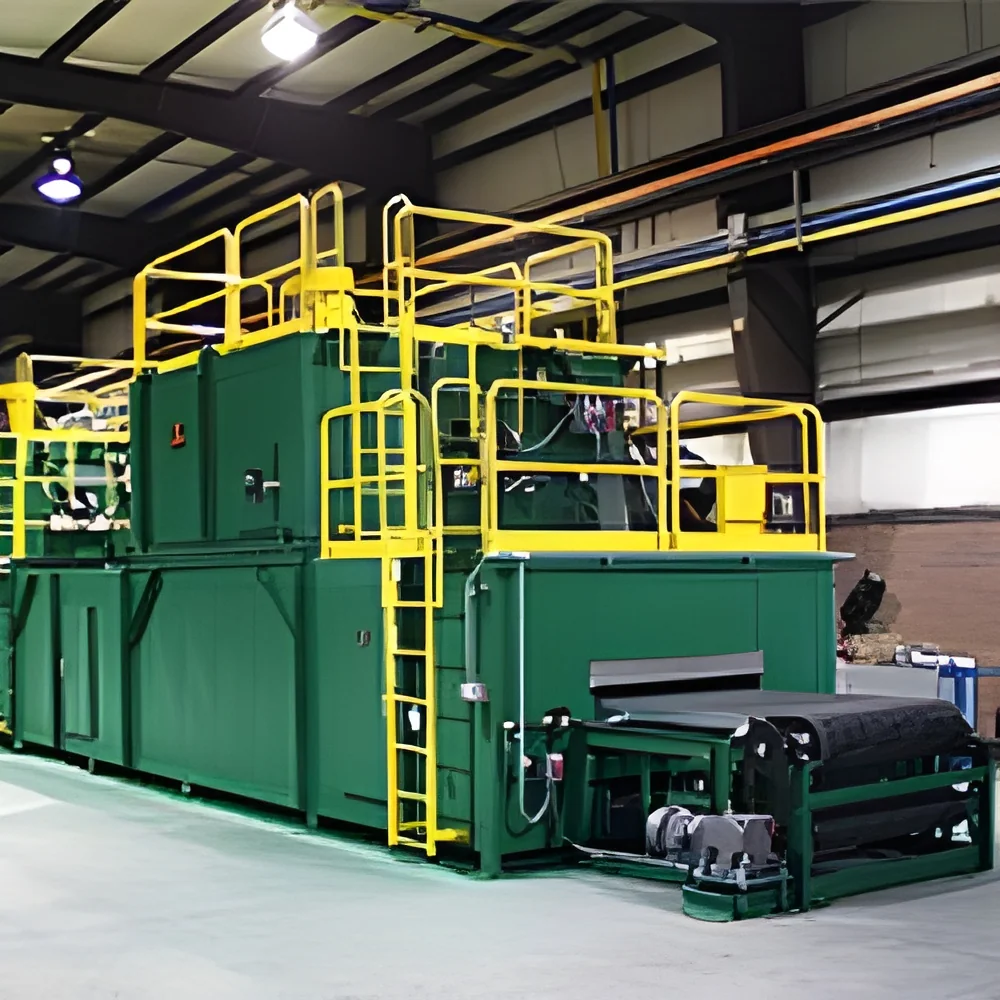
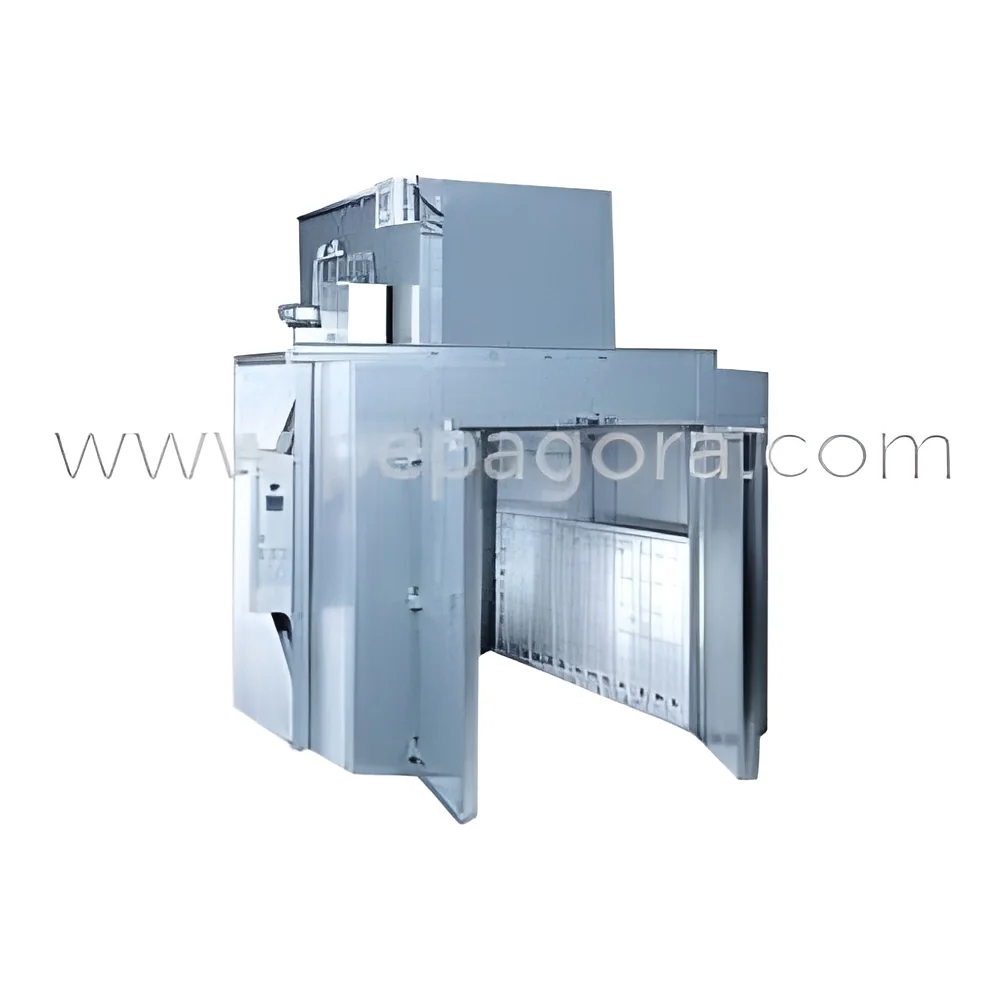
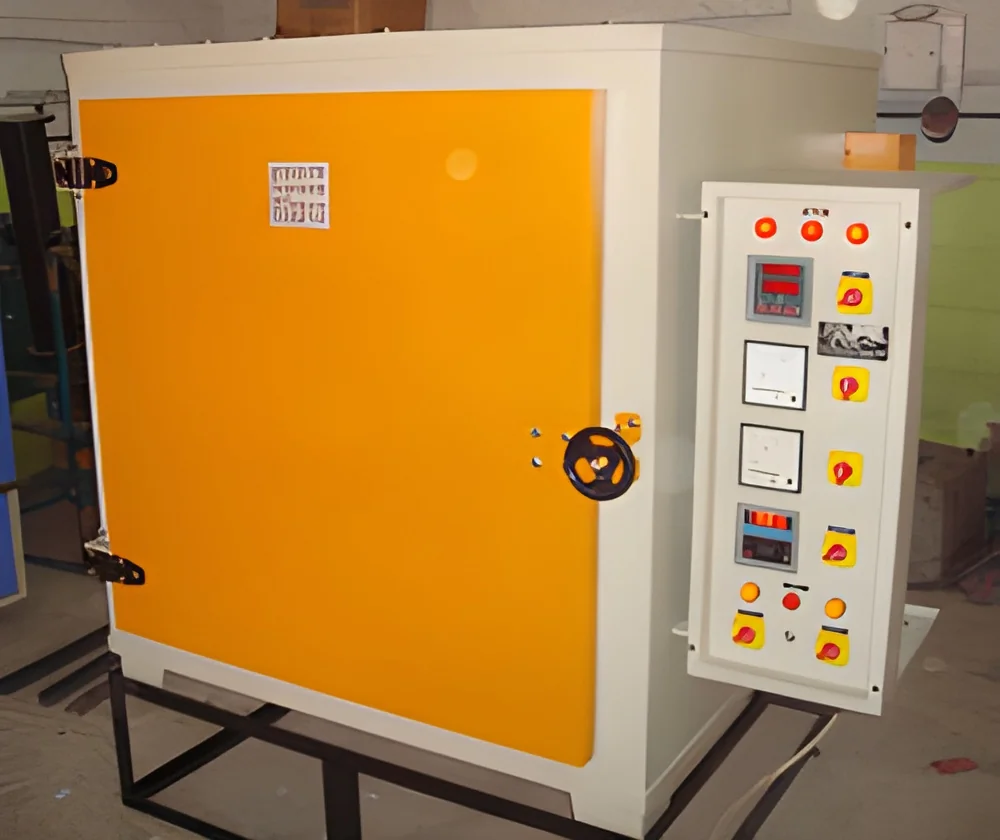
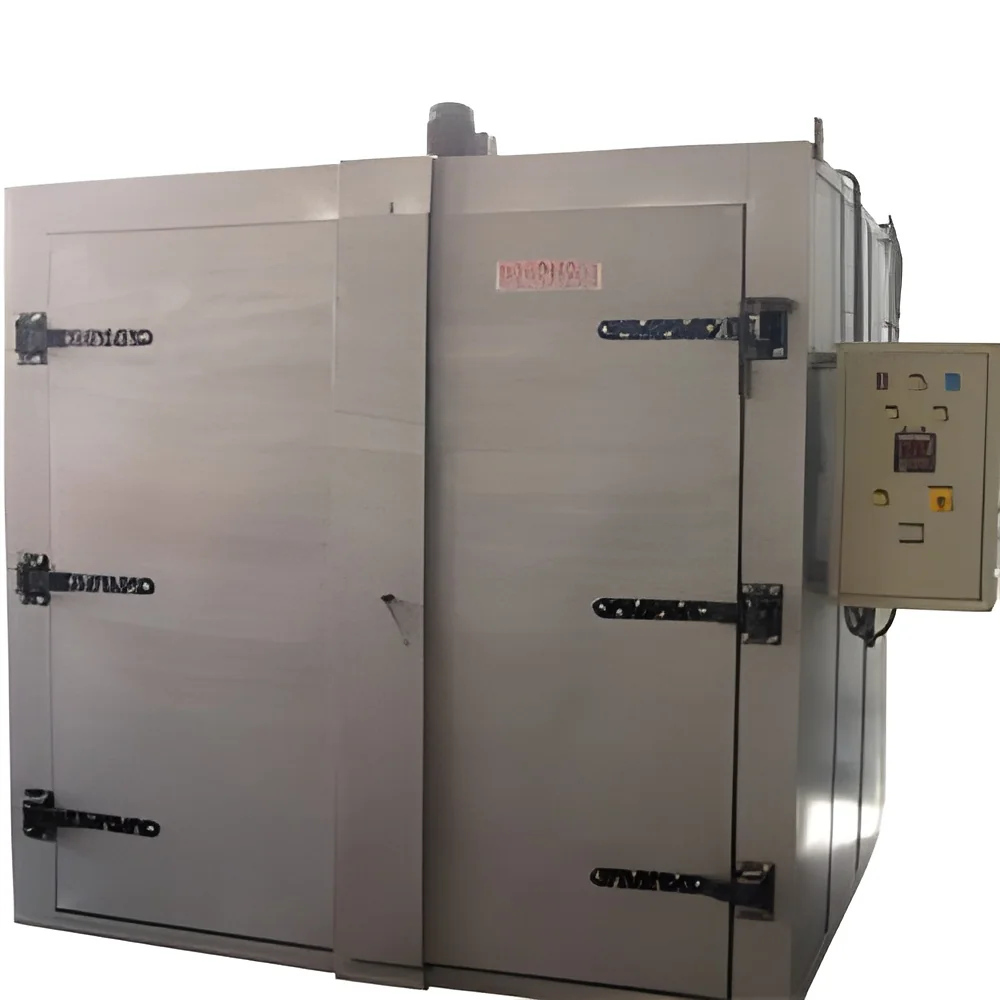
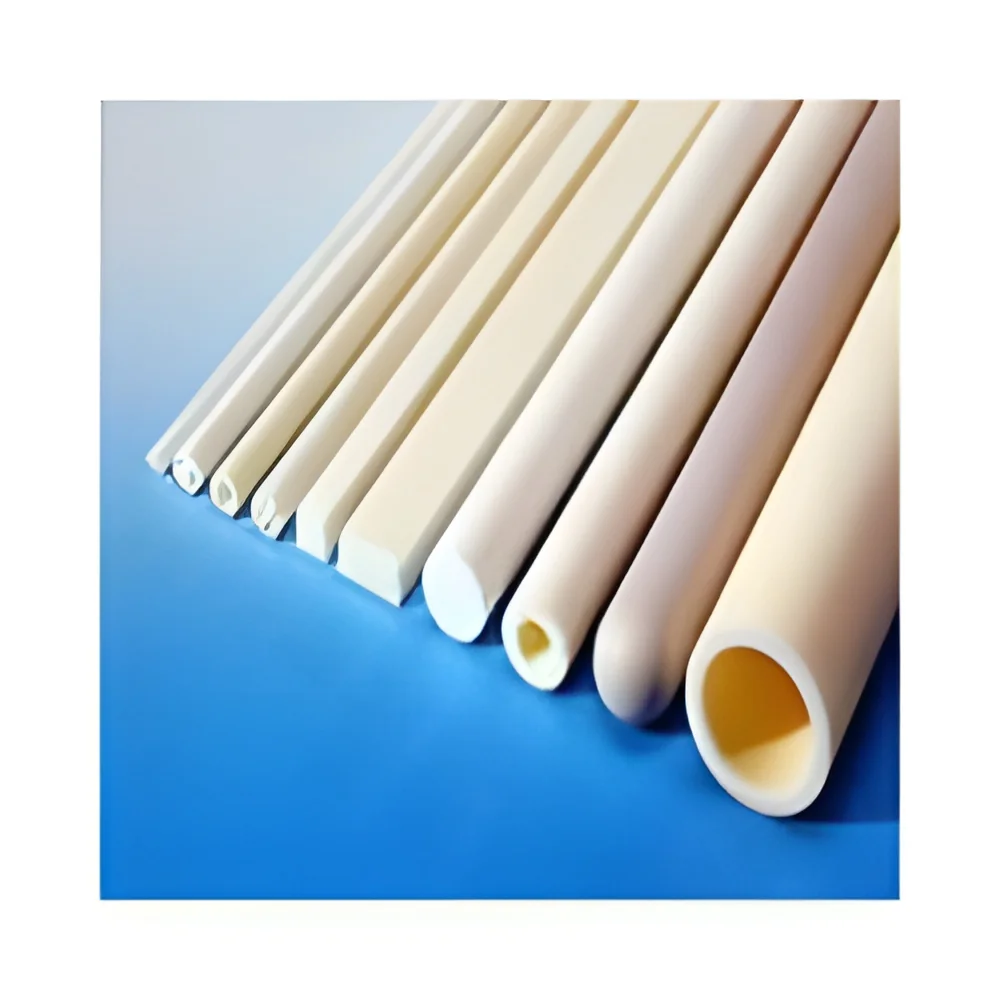
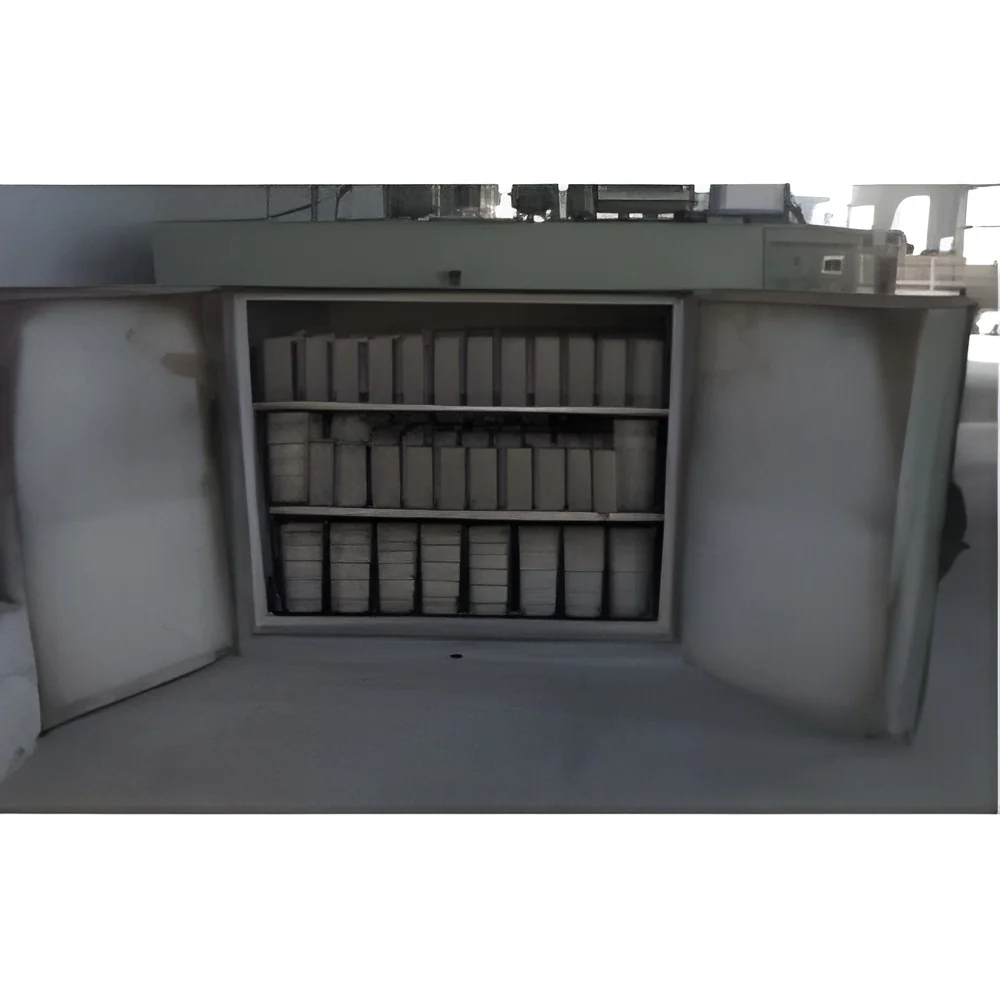
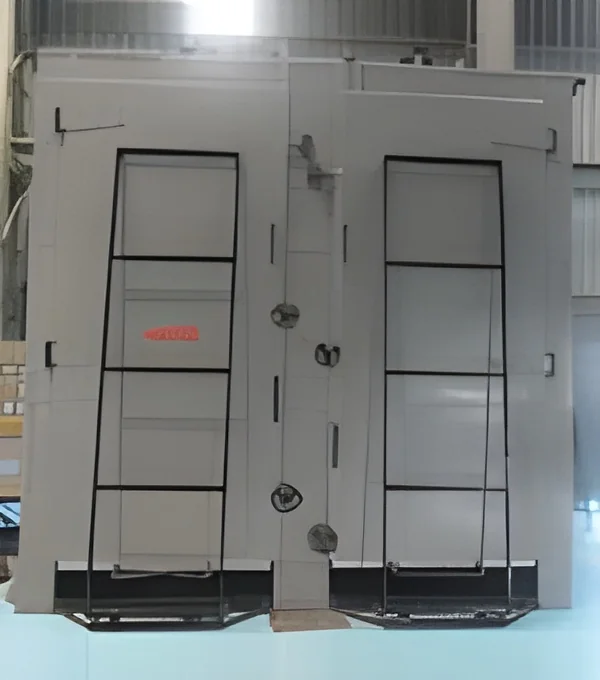
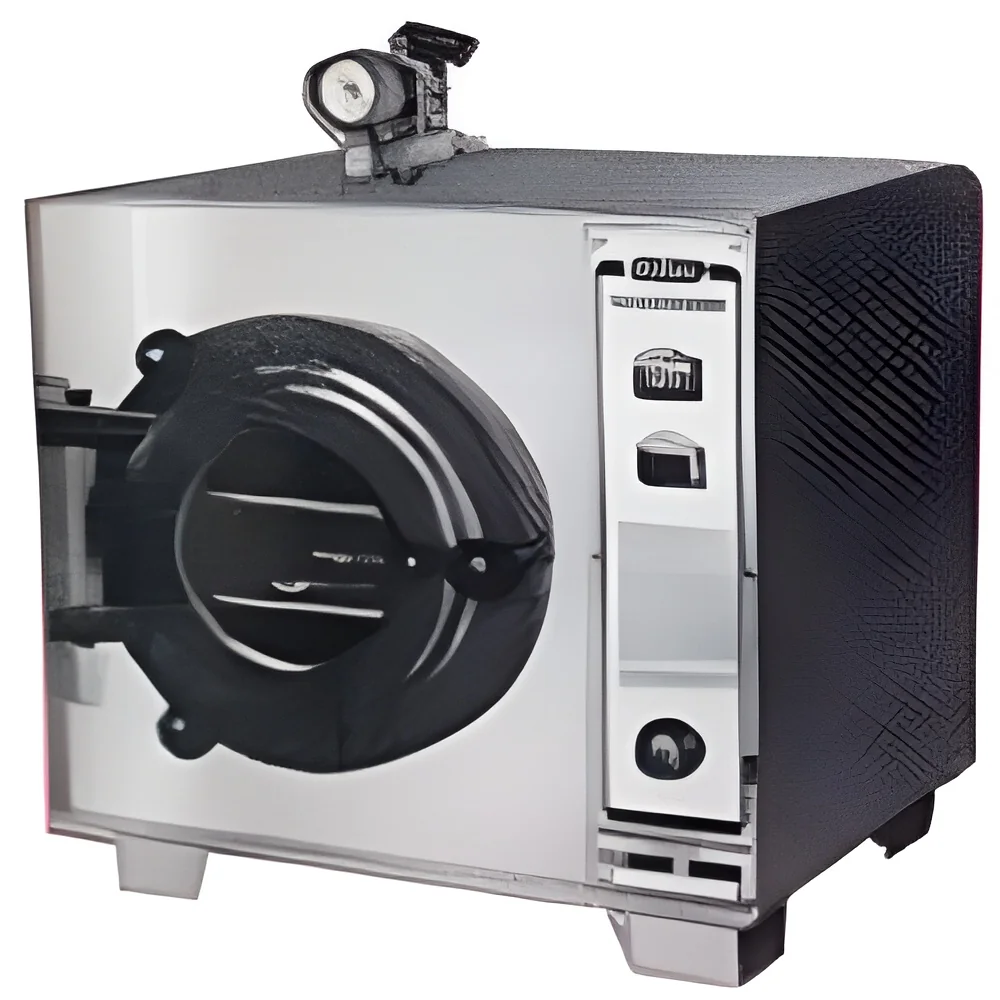
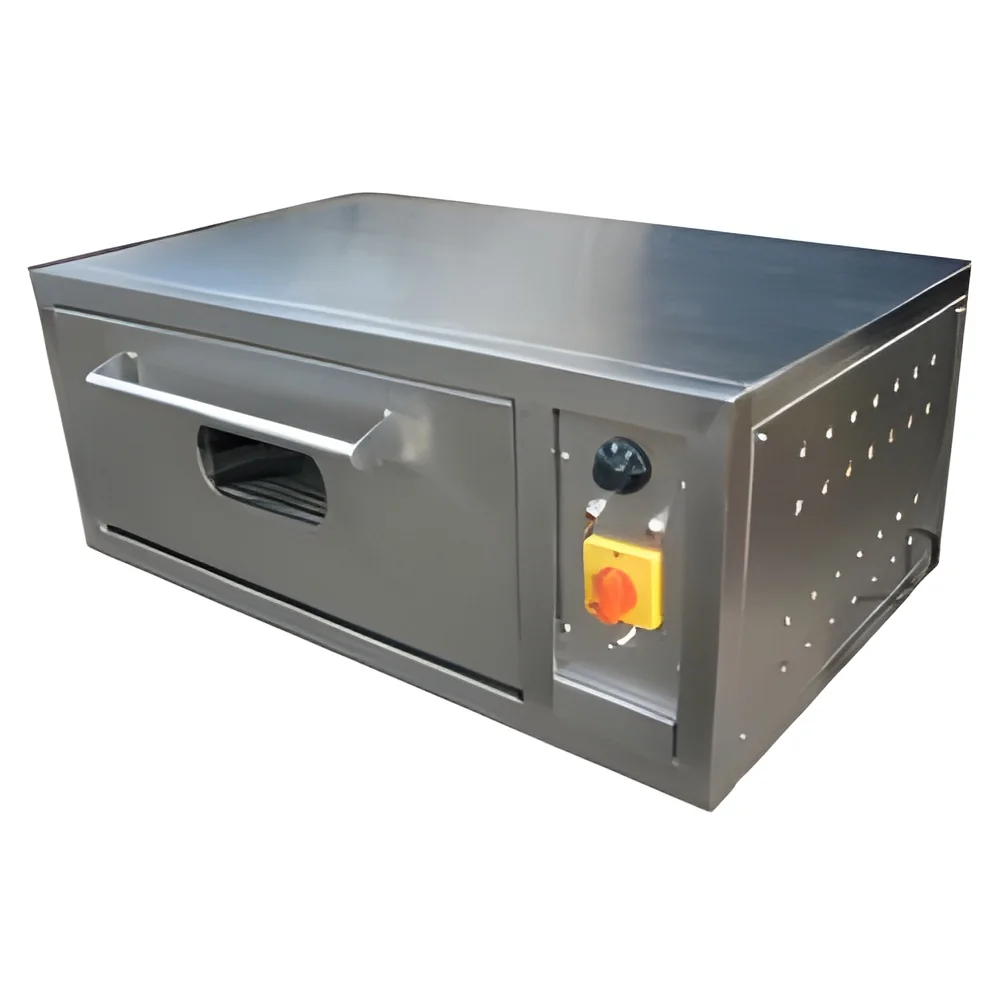
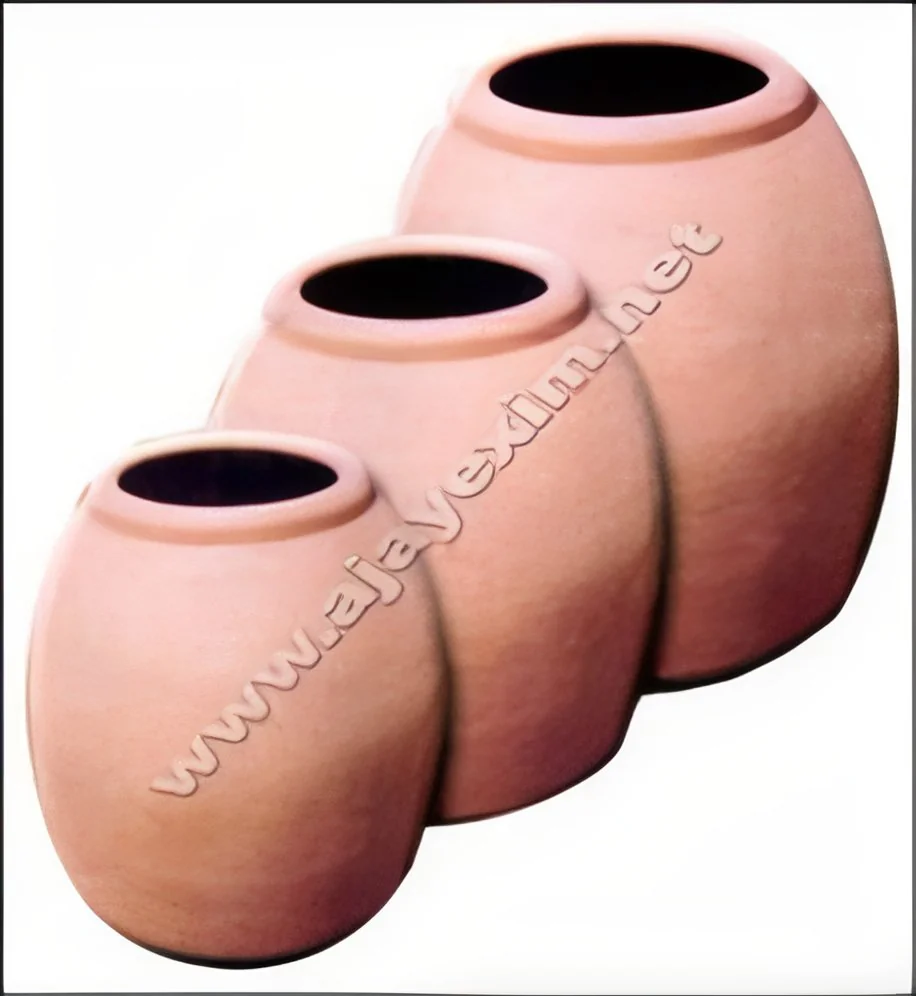
What are Custom Built Ovens & Kilns?
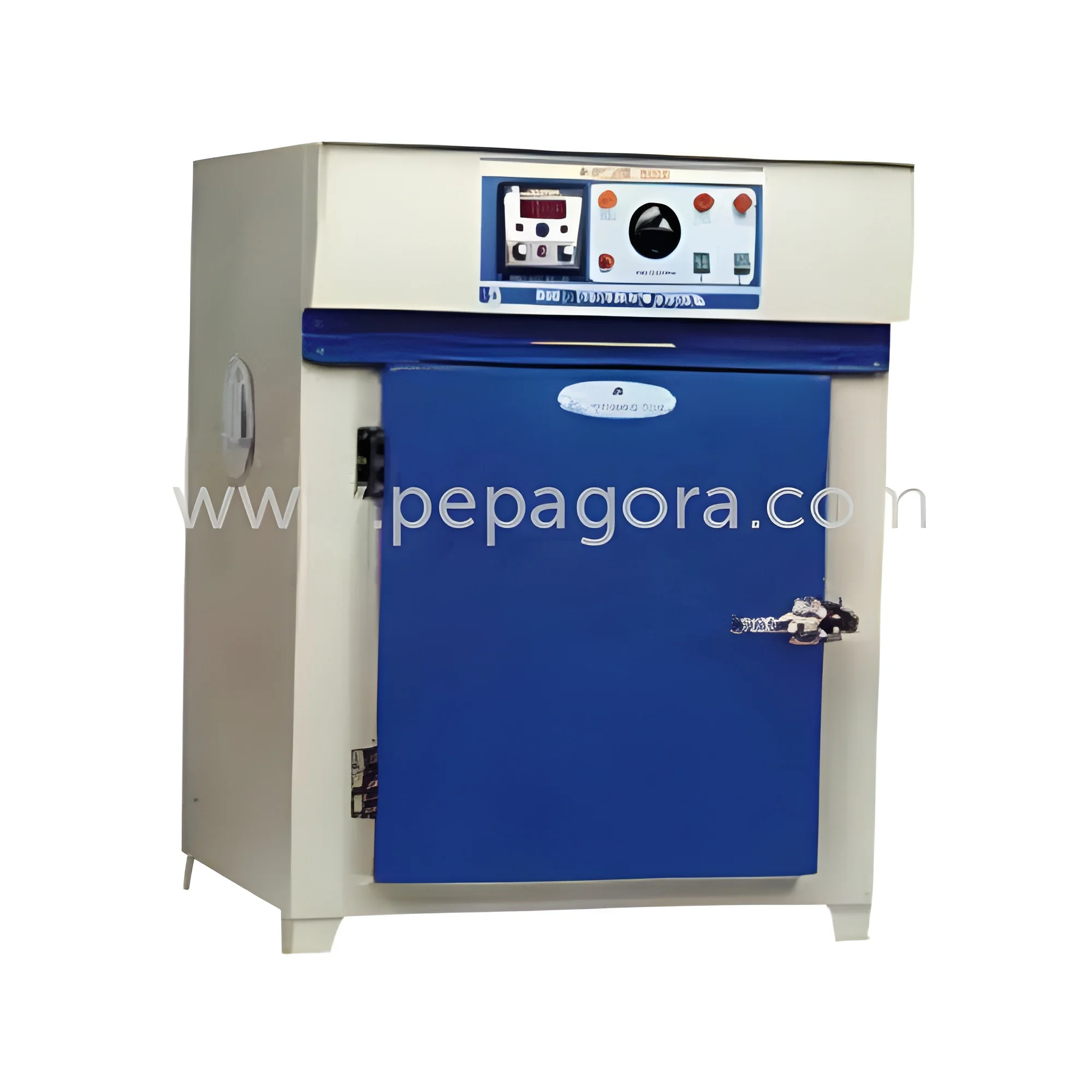
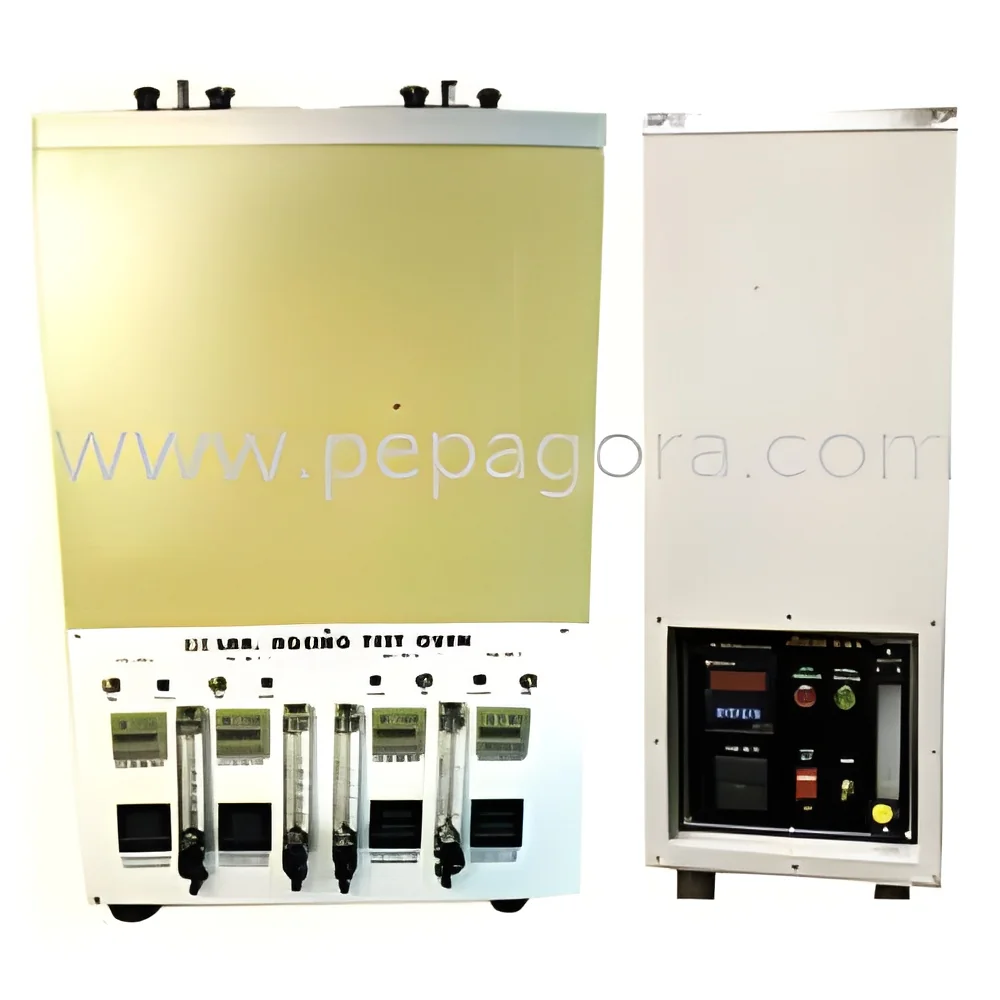
Custom built ovens and kilns are specialized industrial equipment designed for a variety of heating processes. These units are tailored to meet the specific needs of businesses, ensuring optimal performance based on the materials and processes involved. They are constructed using high-quality materials and advanced technology to achieve precise temperature control, helping to ensure uniform heating and consistent results.
These ovens and kilns find primary applications in industries such as ceramics, glass, food production, and metalworking. For instance, they are used for drying, curing, and hardening materials. Businesses that require specific temperature ranges or humidity control benefit significantly from custom-built solutions. The relevance of these products in today’s market is underscored by the growing demand for specialized manufacturing processes, which require efficient and reliable thermal processing equipment.
Key Features and Specifications
Custom built ovens and kilns come with various features that enhance their functionality and efficiency. These features are critical in ensuring that the equipment meets the specific requirements of different industries.
Key specifications include:
1. Temperature Control
- Capable of reaching precise temperature settings
- Ranges typically vary depending on the application
2. Heating Elements
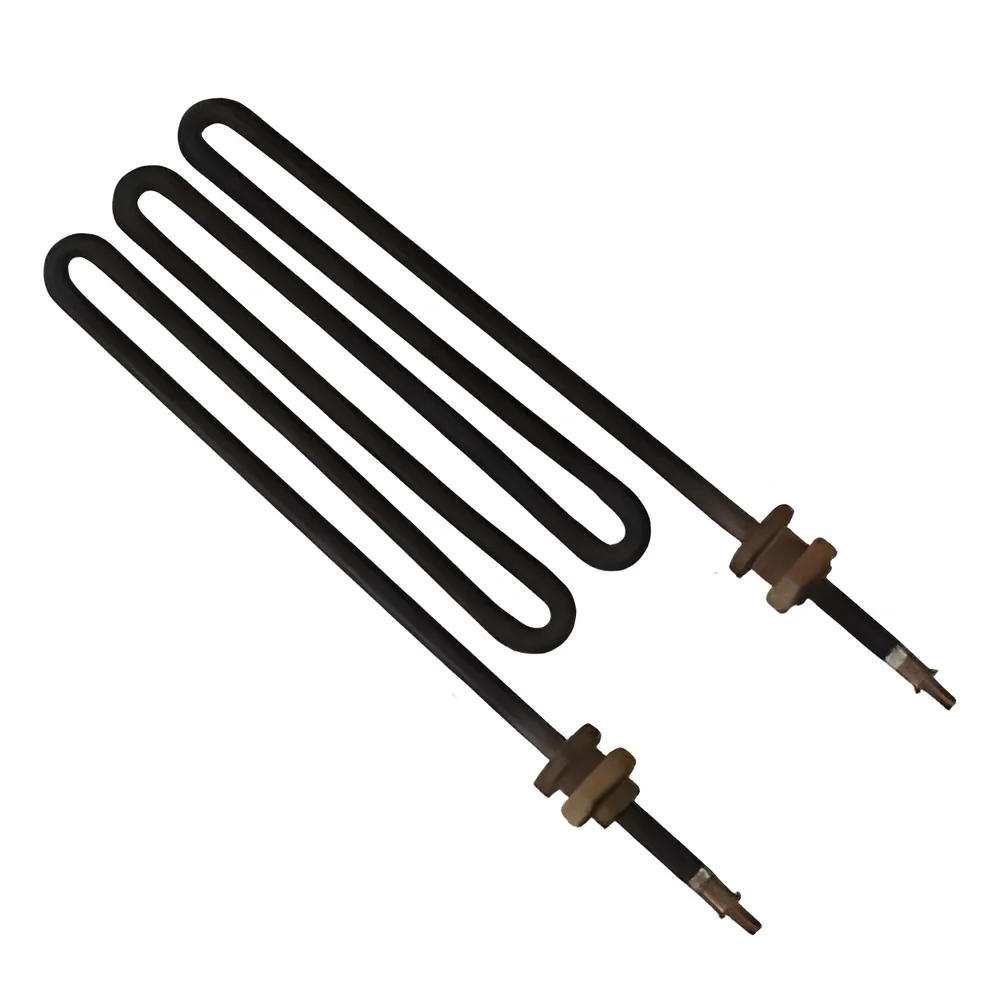
- Utilizes electric, gas, or infrared elements for heating
- Choice of element impacts efficiency and operational costs
3. Chamber Sizes
- Available in various sizes to accommodate different production volumes
- Custom sizing options are available
4. Insulation
- High-quality insulation materials minimize heat loss
- Ensures energy efficiency and safety
5. Control Systems
- Advanced digital control systems for accurate monitoring
- Some models offer automated programming features
6. Humidity Control
- Optional features for humidity control during processing
- Important for applications requiring moisture management
7. Safety Features
- Equipped with safety interlocks and emergency shut-off systems
- Compliance with safety regulations is ensured
8. Customization Options
- Tailored designs to meet specific industrial requirements
- Flexibility in design to suit unique production processes
These specifications provide a comprehensive understanding of the capabilities of custom built ovens and kilns, ensuring that businesses can select the right solutions for their needs.
Common Applications and Use Cases
Custom built ovens and kilns serve a wide range of industries, providing tailored solutions for various heating processes.
1. Ceramics: Used for firing ceramics, ensuring even heat distribution for high-quality finishes.
2. Glass: Ideal for annealing glass products, allowing for controlled cooling to prevent stress.
3. Food Production: Employed for drying and curing processes in food manufacturing, enhancing product longevity.
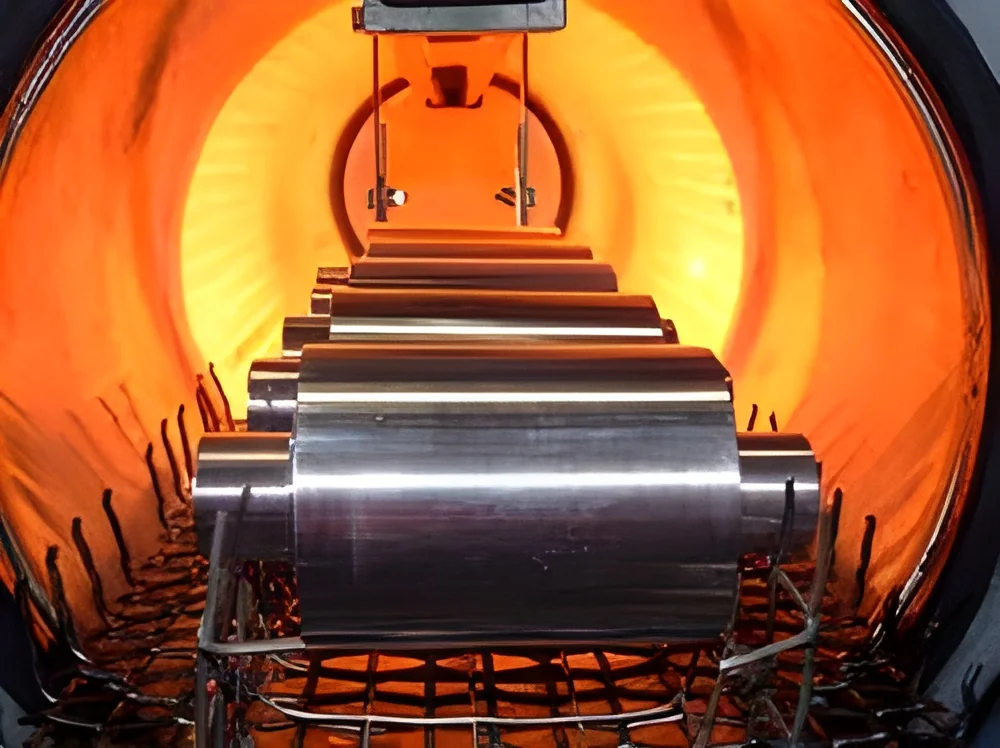
4. Metalworking: Suitable for heat treatment and annealing of metals, improving strength and durability.
5. Pharmaceuticals: Utilized for sterilization and drying processes, ensuring product safety and compliance.
6. Construction: Used for curing concrete and other materials, promoting structural integrity.
7. Electronics: Essential in the manufacturing of components that require precise thermal processing.
These applications demonstrate the versatility and critical role of custom built ovens and kilns across different sectors.
Product Variants and Subcategories
Custom built ovens and kilns come in various forms, each designed to meet specific industrial needs.
Electric Ovens: These ovens offer precise temperature control and are suitable for processes requiring consistent heat, such as ceramics and food production.
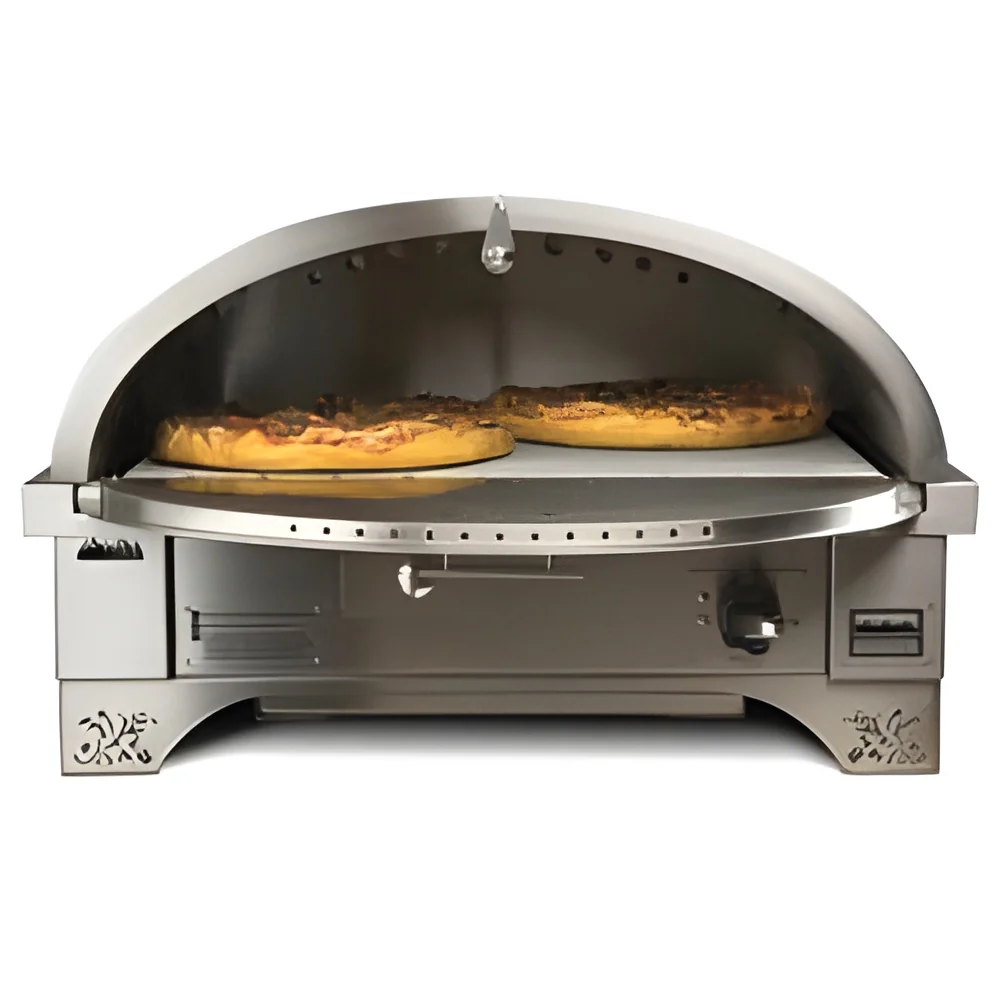
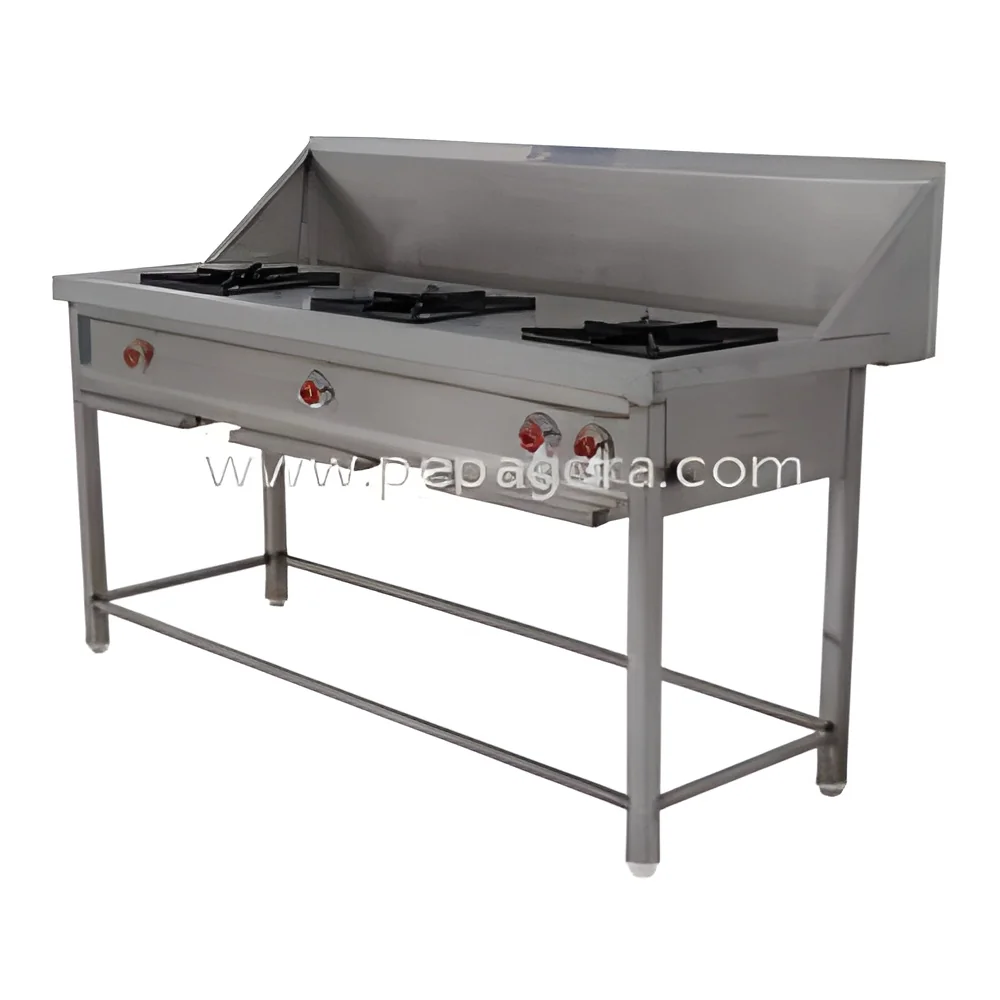
Gas Kilns: Utilizing natural gas or propane, these kilns are efficient for high-temperature applications, ideal for metalworking and ceramics.
Batch Ovens: Designed for intermittent use, batch ovens are perfect for businesses with varying production needs, allowing for flexible heating solutions.
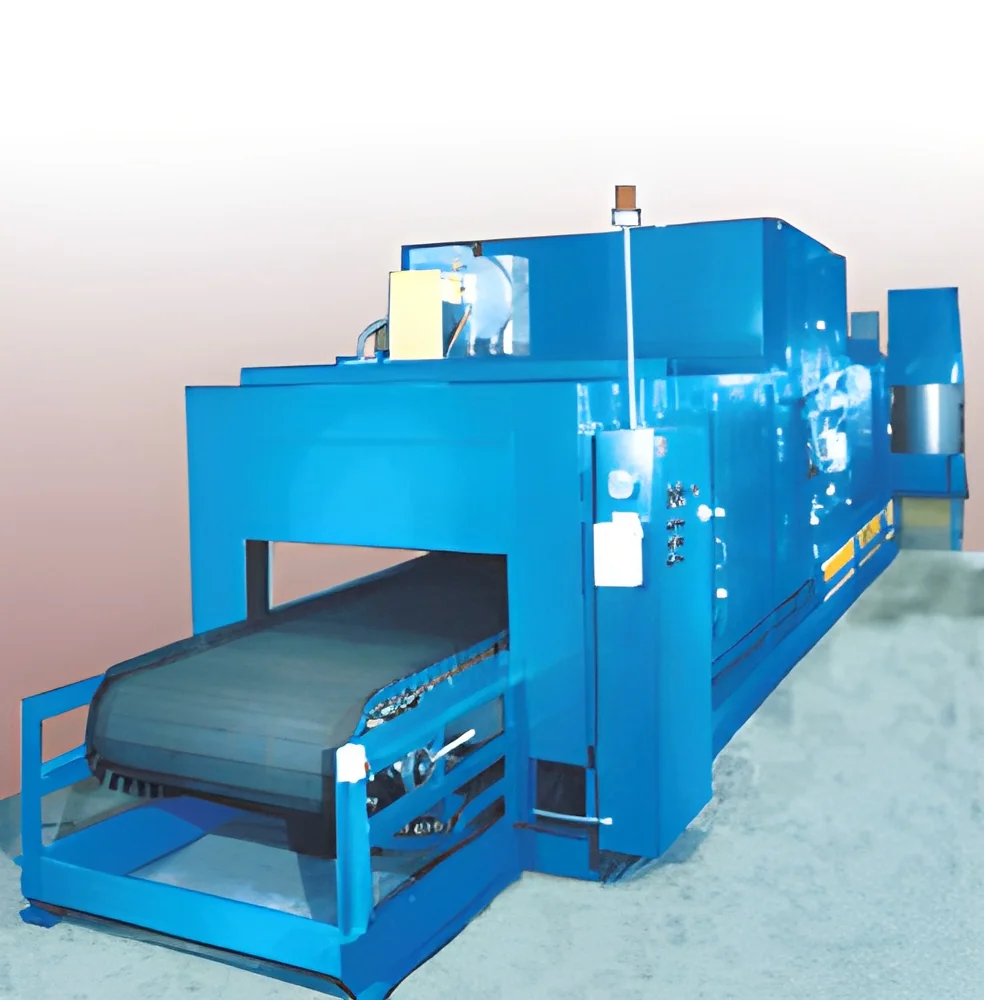
Continuous Ovens: These ovens support high-volume production with continuous processing capabilities, suitable for industries like food and electronics.
Hybrid Ovens: Combining electric and gas technologies, hybrid ovens provide flexibility and efficiency tailored to unique industrial applications.
Benefits and Advantages
Custom built ovens and kilns offer several key advantages that enhance operational efficiency and product quality.
1. Tailored Solutions: Custom designs ensure that the equipment meets specific operational requirements, enhancing performance.
2. Energy Efficiency: Advanced insulation and heating technologies reduce energy consumption, leading to cost savings.
3. Consistent Results: Precise temperature control and monitoring ensure uniform heating, resulting in high-quality products.
4. Enhanced Productivity: Custom solutions often lead to faster processing times, increasing overall production efficiency.
5. Versatility: Adaptable to various applications across multiple industries, providing flexibility in operations.
6. Compliance Assurance: Designed to meet industry standards and regulations, ensuring safety and reliability.
Buying Guide for B2B Buyers
When sourcing custom built ovens and kilns, it is crucial for B2B buyers to consider several factors to ensure they make the right choice.
1. Quality Assessment: Buyers should evaluate the materials and construction of the ovens and kilns. Look for certifications and quality standards that ensure durability and reliability.
2. Supplier Verification: Research potential suppliers to confirm their credibility. This includes checking references and past projects to gauge their expertise and reliability.
3. Pricing and MOQ: Understand the pricing structure and minimum order quantities. This helps in budgeting and planning for procurement.
4. Delivery and Lead Times: Consider the logistics involved in delivery. Knowing lead times can help in managing project timelines effectively.
5. Compliance Requirements: Ensure that the ovens and kilns meet relevant industry standards and safety regulations to avoid legal complications.
Compliance and Certifications
Compliance with industry standards and certifications is vital for custom built ovens and kilns. These products often adhere to quality management systems such as ISO 9001, which ensures consistent quality in manufacturing processes.
Additionally, certifications like CE signify that the ovens and kilns meet European safety and environmental requirements.
Safety regulations must be strictly followed, including testing for high-temperature operations and electrical safety. Buyers should also consider regional compliance factors, which may vary depending on the location of production and use, ensuring that all necessary legal standards are met.
Why Source Custom Built Ovens & Kilns from Pepagora?
Pepagora provides a trusted platform for sourcing custom built ovens and kilns with several key advantages.
Verified Supplier Network: Pepagora connects buyers with a network of verified suppliers, ensuring that the products meet high-quality standards. This verification process helps businesses find reliable sources quickly.
Streamlined RFQ Process: The platform offers a simple Request for Quotation (RFQ) process, allowing buyers to easily submit their needs and receive competitive offers from multiple suppliers.
Trade Assurance and Support: Pepagora provides trade assurance, protecting buyers from potential risks. This support includes assistance throughout the purchasing process to ensure a smooth transaction.
Regional Coverage: With a strong presence in India, the GCC region, and Southeast Asia, Pepagora offers extensive geographic reach. This allows businesses to source locally and efficiently, reducing lead times and shipping costs.
By choosing Pepagora, businesses can confidently navigate their sourcing needs for custom built ovens and kilns, ensuring they find the right solutions for their operational requirements.

 IN
IN