What are Hardening Furnaces?
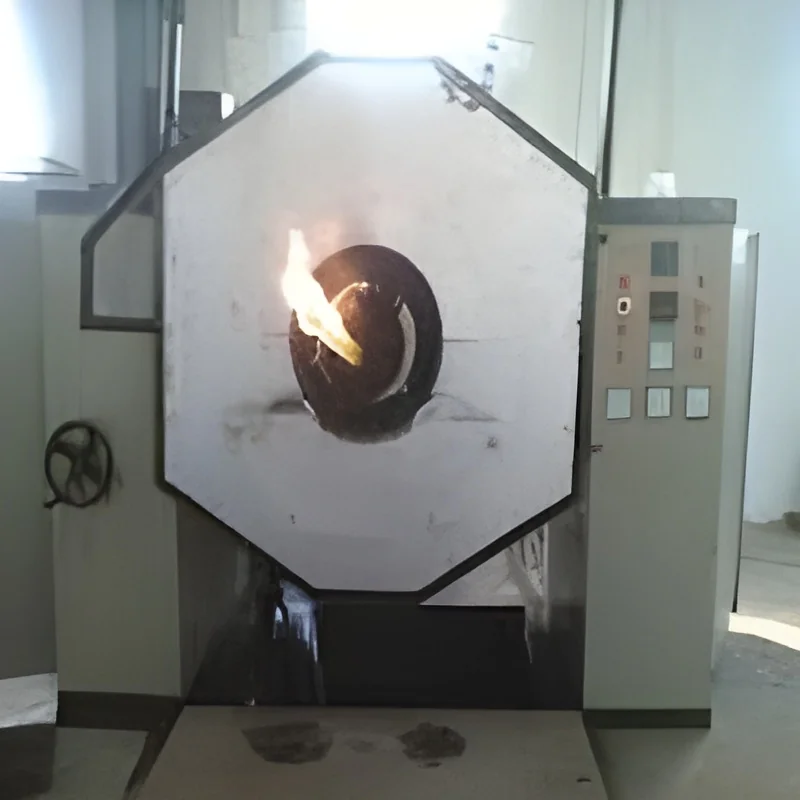
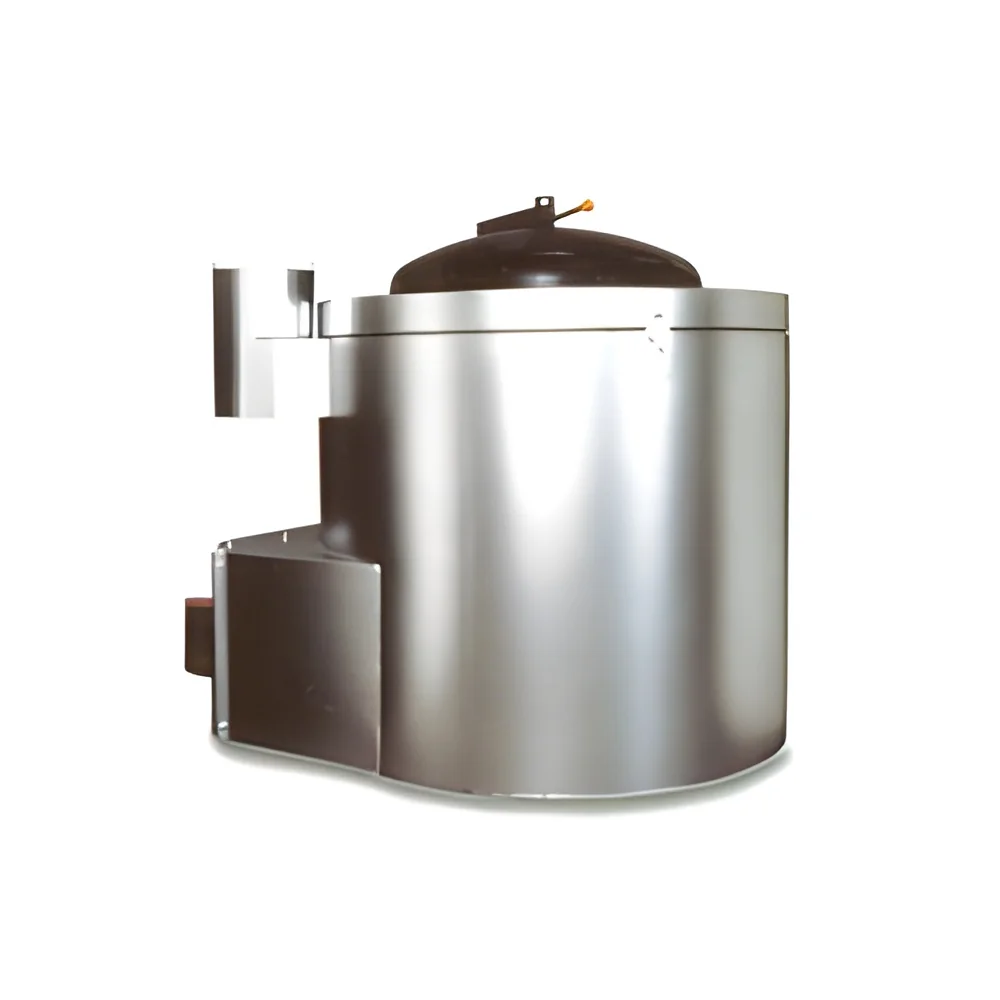
Hardening furnaces are specialized industrial equipment designed to heat treat metal components through processes such as hardening, tempering, and annealing. These furnaces operate at high temperatures and are engineered to deliver precise thermal profiles to achieve desired mechanical properties in metals. By controlling temperature and time, manufacturers can enhance the strength, durability, and resistance of metal parts, making hardening furnaces invaluable in the manufacturing sector.
Primarily, hardening furnaces are used in industries that require high-performance metal parts, including automotive, aerospace, and manufacturing. In these sectors, the heat treatment processes improve the wear resistance and overall performance of components such as gears, shafts, and other critical machinery parts. With the increasing demand for high-quality metal products, hardening furnaces play a crucial role in ensuring that manufacturers meet stringent quality standards and customer expectations.
The market for hardening furnaces is growing, driven by advancements in technology and increasing industrial automation. As industries seek to improve efficiency and reduce production costs, the demand for reliable and efficient hardening solutions continues to rise. This relevance positions hardening furnaces as essential equipment in the modern manufacturing landscape, catering to diverse applications and meeting the needs of various industries.
Key Features and Specifications
Hardening furnaces are equipped with several key features that enhance their performance and reliability. Understanding these specifications is essential for businesses to select the right equipment for their needs.
Key specifications include:
1. Temperature Range
- Typically ranges from ambient to over 1000 degrees Celsius.
- Allows for various heat treatment processes based on material requirements.
2. Heating Method
- Options include electric, gas, or induction heating.
- Each method has its advantages depending on the application.
3. Chamber Size
- Variability in chamber dimensions to accommodate different part sizes.
- Custom sizes available for unique manufacturing requirements.
4. Control Systems
- Advanced digital control systems for precise temperature regulation.
- Programmable settings for different heat treatment cycles.
5. Insulation Type
- High-efficiency insulation materials to minimize heat loss.
- Contributes to energy savings and consistent heating.
6. Cooling Systems
- Integrated cooling systems for rapid quenching processes.
- Enhances production efficiency and product quality.
7. Safety Features
- Includes emergency shut-off systems and temperature alarms.
- Ensures safe operation in industrial environments.
8. Compliance Certifications
- CE certification for safety and quality assurance.
- Adheres to international standards for industrial equipment.
These features collectively ensure that hardening furnaces provide effective and reliable heat treatment solutions, contributing to high-quality metal components.
Common Applications and Use Cases
Hardening furnaces find applications across a wide range of industries due to their versatility in heat treatment processes.
1. Automotive: Used for hardening gears, axles, and other critical components to enhance durability and performance in vehicles.
2. Aerospace: Essential for treating turbine blades and other high-stress components, ensuring they meet safety and performance standards.
3. Tool Manufacturing: Employed in the production of cutting tools and dies, improving their hardness and wear resistance.
4. Industrial Machinery: Used for hardening parts used in machinery to extend service life and reduce maintenance costs.
5. Medical Equipment: Applied in the manufacturing of surgical instruments and implants to ensure they are durable and biocompatible.
6. Construction: Utilized in the production of heavy-duty equipment parts, ensuring they can withstand harsh operating conditions.
7. Energy Sector: Important for treating components in turbines and generators to enhance their operational efficiency and longevity.
Product Variants and Subcategories
Hardening furnaces come in various configurations to meet specific industrial needs. Each variant offers distinct features tailored for different applications.
Batch Hardening Furnaces
These furnaces are designed to process multiple parts simultaneously, allowing for efficient heat treatment. Ideal for small to medium production runs, they provide consistent results across batches.
Continuous Hardening Furnaces
Suitable for high-volume production, continuous furnaces allow parts to be treated in a continuous flow. They are designed for maximum productivity and minimal downtime, making them ideal for large-scale operations.
Vacuum Hardening Furnaces
These furnaces operate in a controlled vacuum environment to prevent oxidation and contamination. They are perfect for high-performance applications where material integrity is critical.
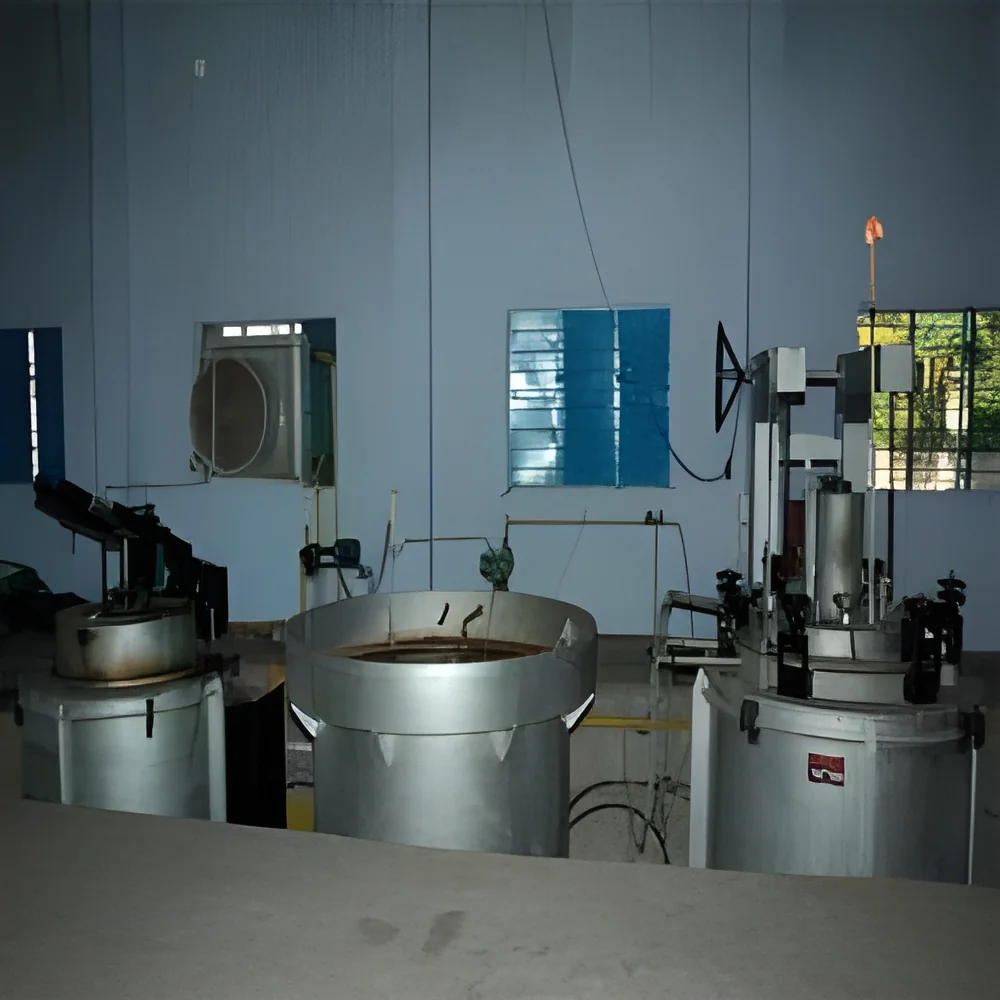
Pit Furnaces
Pit furnaces are designed for large components and are often used in foundries and heavy manufacturing. Their design allows for easy loading and unloading of heavy parts.
Benefits and Advantages
Investing in hardening furnaces provides several significant benefits for businesses.
1. Enhanced Material Properties: Hardening processes improve the strength and durability of metal components, leading to longer service life.
2. Increased Production Efficiency: Modern furnaces are designed for fast heating and cooling cycles, reducing overall processing time.
3. Customization Options: Many furnaces can be tailored to specific requirements, allowing for flexibility in heat treatment processes.
4. Energy Efficiency: Advanced insulation and control systems contribute to lower energy consumption during operations.
5. Improved Quality Control: Precision control over temperature and processing times ensures consistent product quality.
6. Long-Term Cost Savings: By improving the durability of components, companies can reduce maintenance costs and downtime.
Buying Guide for B2B Buyers
When sourcing hardening furnaces, buyers should consider several crucial factors to ensure they select the right equipment for their operations.
1. Quality Assessment: Evaluate the manufacturing quality and reliability of the furnace. Look for equipment that meets industry standards and is built to last.
2. Supplier Verification: Research and vet potential suppliers thoroughly. Check for customer reviews, certifications, and their history in the market.
3. Pricing and MOQ: Understand the pricing structure and minimum order quantities. Compare multiple suppliers to find a balance between cost and quality.
4. Delivery and Lead Times: Inquire about lead times for delivery and installation. Timely delivery is critical for maintaining production schedules.
5. Compliance Requirements: Ensure that the furnace complies with relevant industry regulations and safety standards. This includes certifications like CE for quality assurance.
Compliance and Certifications
Compliance and certifications play a vital role in ensuring the safety and reliability of hardening furnaces.
Many hardening furnaces adhere to quality standards such as ISO 9001, which focuses on quality management systems and consistent production quality. This standard helps manufacturers maintain high levels of customer satisfaction.
Additionally, hardening furnaces often carry the CE mark, indicating compliance with European safety, health, and environmental protection standards. This certification ensures that the equipment meets essential safety requirements for use in various industrial applications.
Safety and testing requirements are critical, especially when dealing with high temperatures and potentially hazardous materials. Regular inspections and adherence to safety protocols help mitigate risks associated with heat treatment processes.
Regional compliance considerations may also apply, depending on the geographical location of the manufacturer. It is essential to be aware of local regulations and standards that govern industrial equipment to ensure compliance.
Why Source Hardening Furnaces from Pepagora?
Pepagora provides a trusted platform for sourcing hardening furnaces, offering several key advantages to B2B buyers.
Verified Supplier Network: Pepagora connects buyers with a network of verified suppliers, ensuring that they can access high-quality equipment from reputable manufacturers. This verification process helps mitigate risks associated with sourcing industrial machinery.
Streamlined RFQ Process: The platform features a streamlined Request for Quotation (RFQ) system, allowing buyers to efficiently gather quotes from multiple suppliers. This simplifies the sourcing process and helps buyers make informed decisions based on pricing and specifications.
Trade Assurance and Support: Pepagora offers trade assurance and support services, providing buyers with protection throughout the purchasing process. This includes assistance with negotiations and addressing any potential issues that may arise.
Regional Coverage: With a strong presence in India, the Gulf Cooperation Council (GCC), and Southeast Asia, Pepagora ensures that buyers can find suitable suppliers in their region. This geographic reach facilitates easier communication and logistics for B2B transactions.

 IN
IN