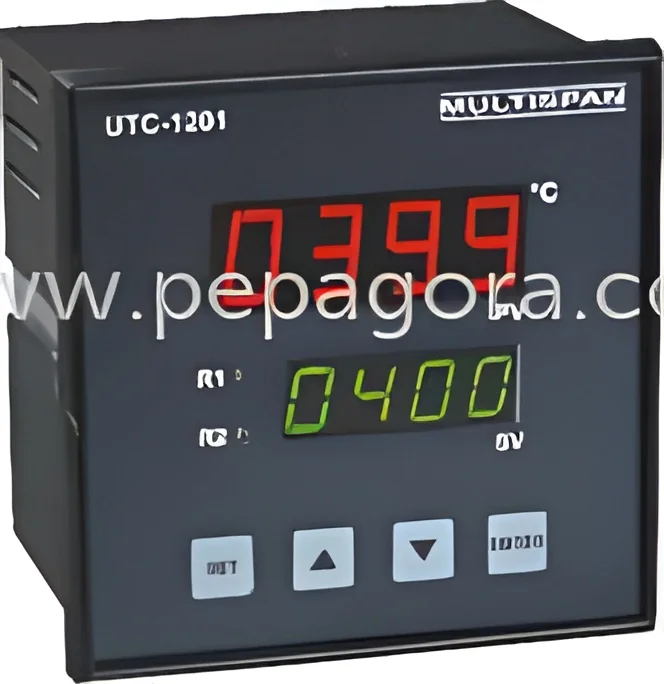
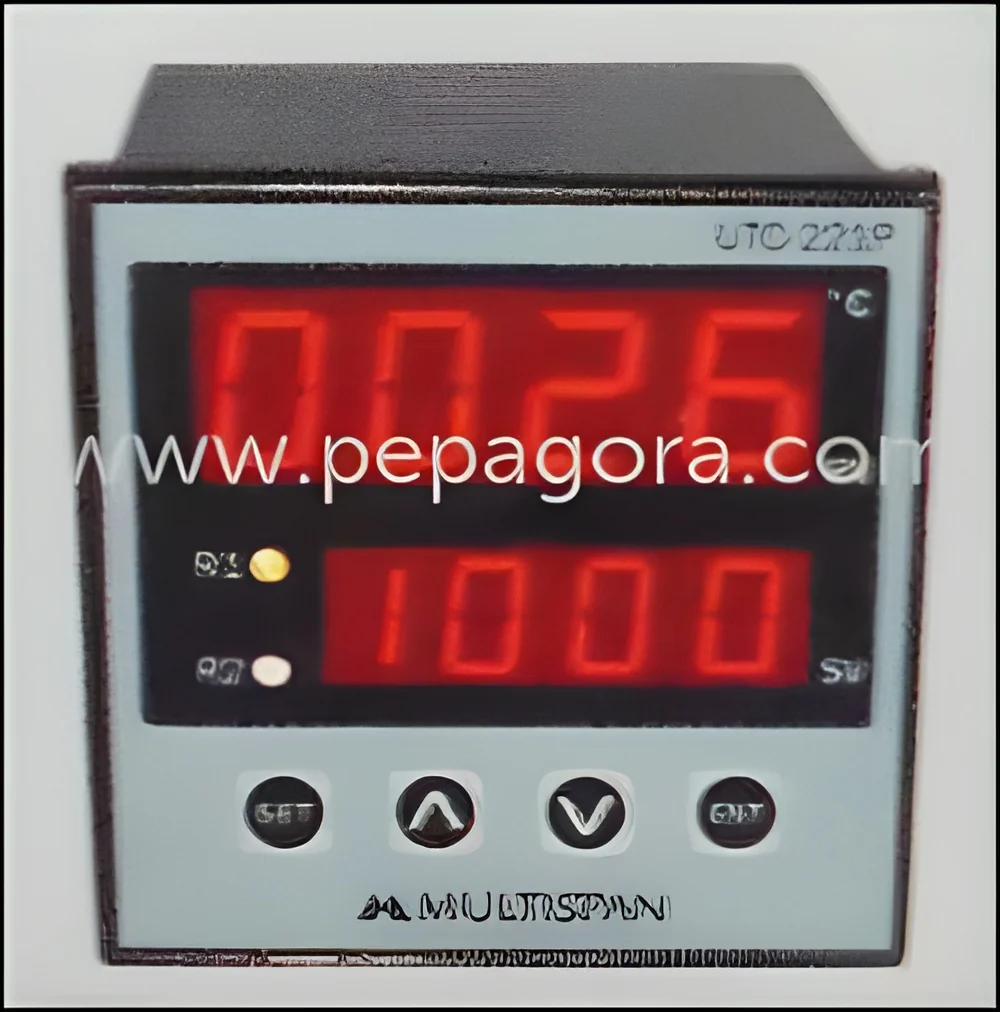
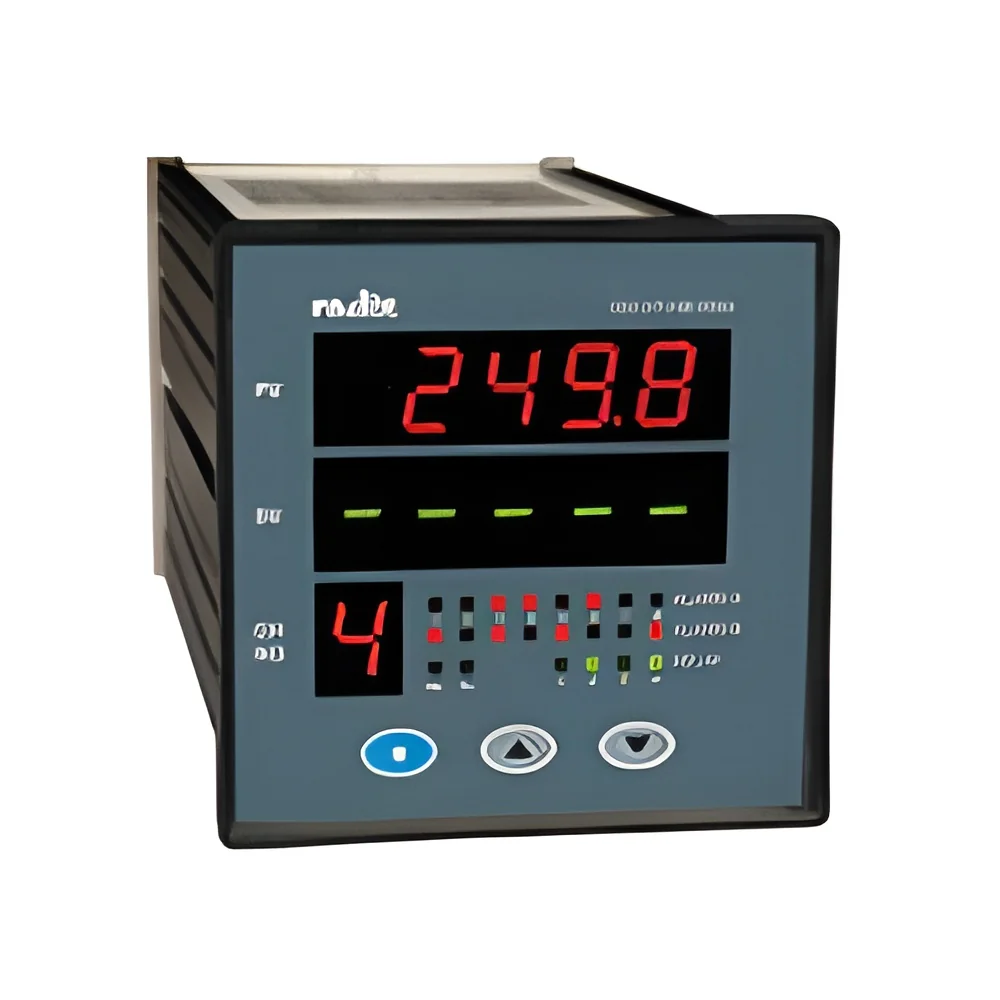
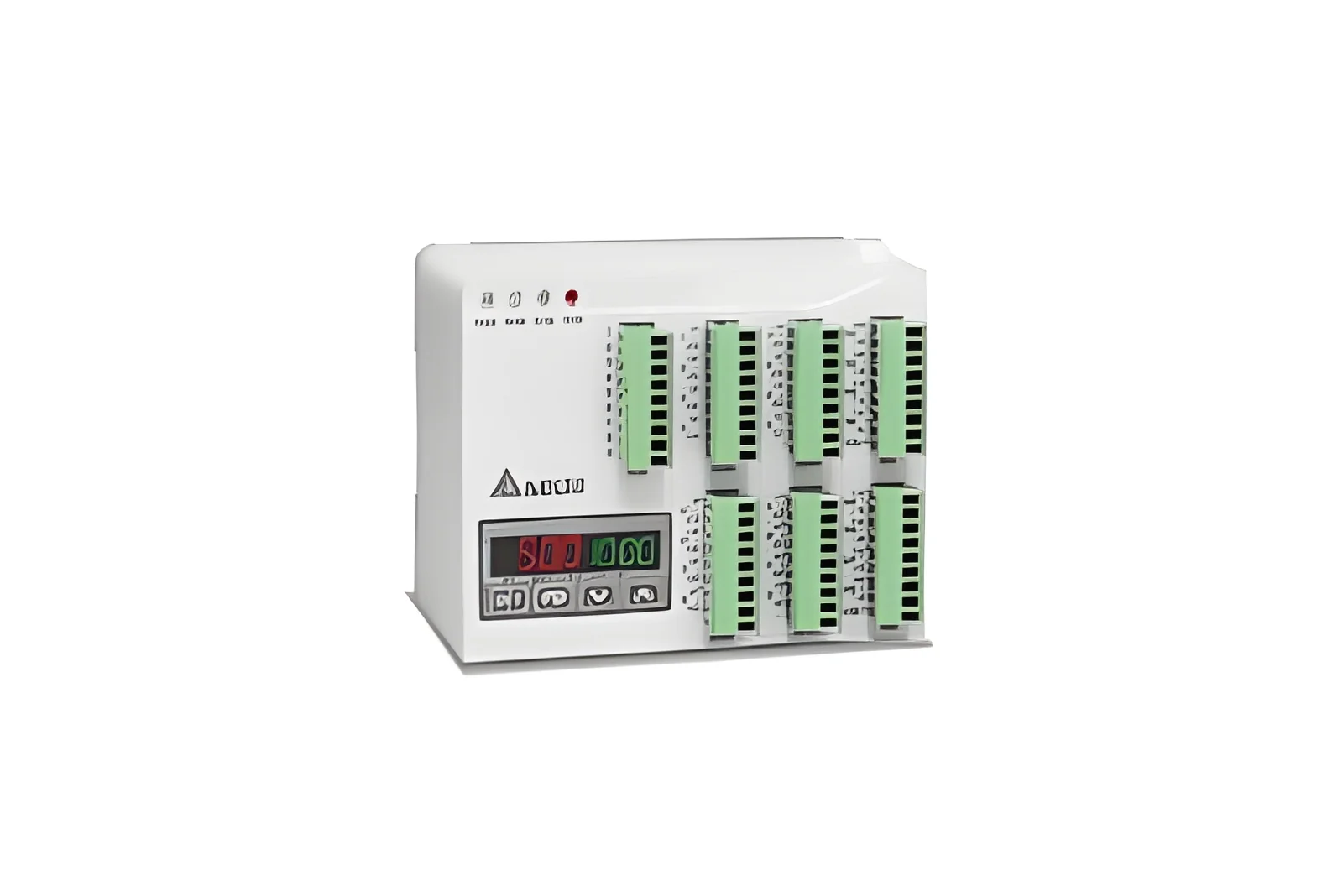
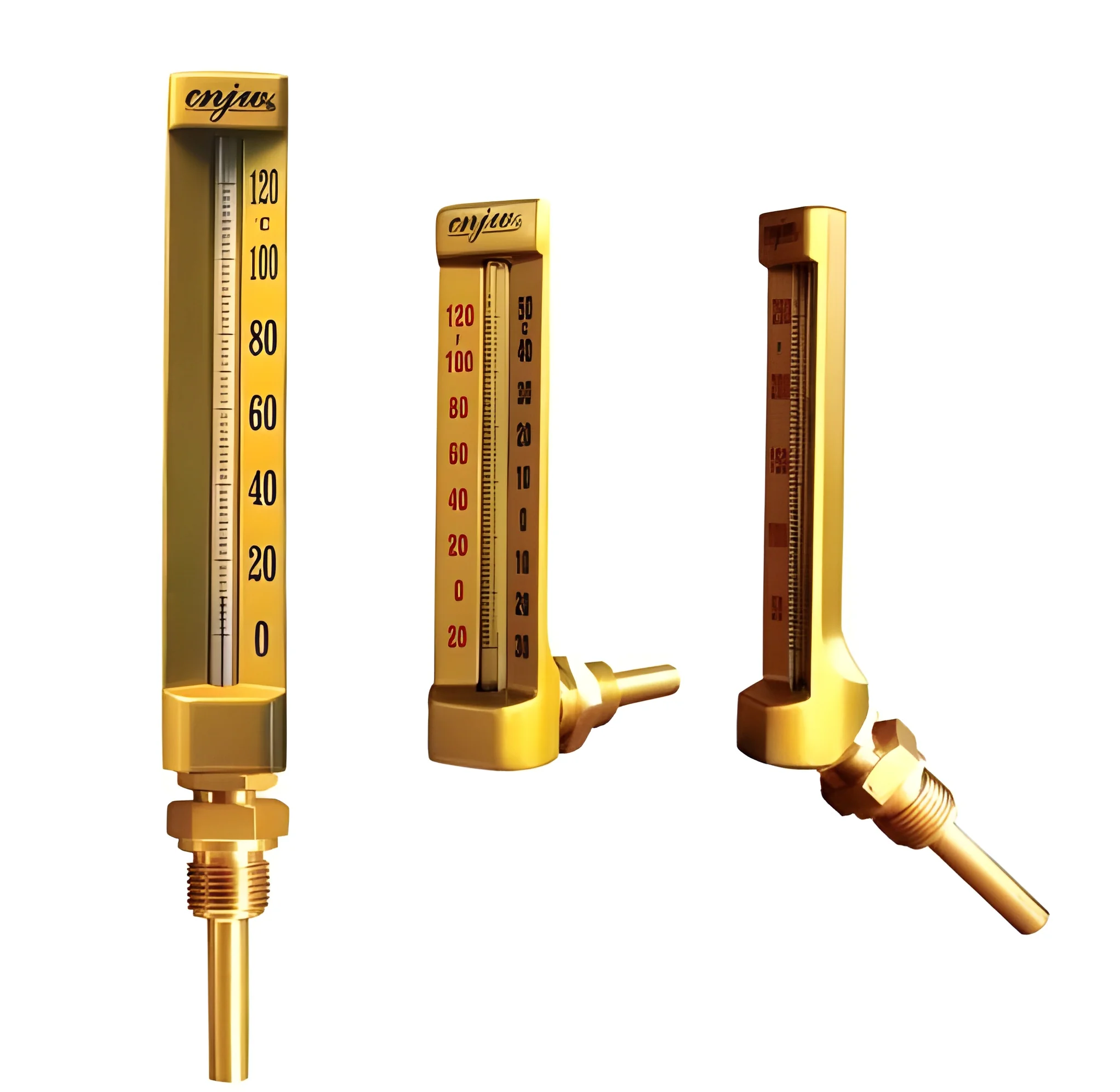
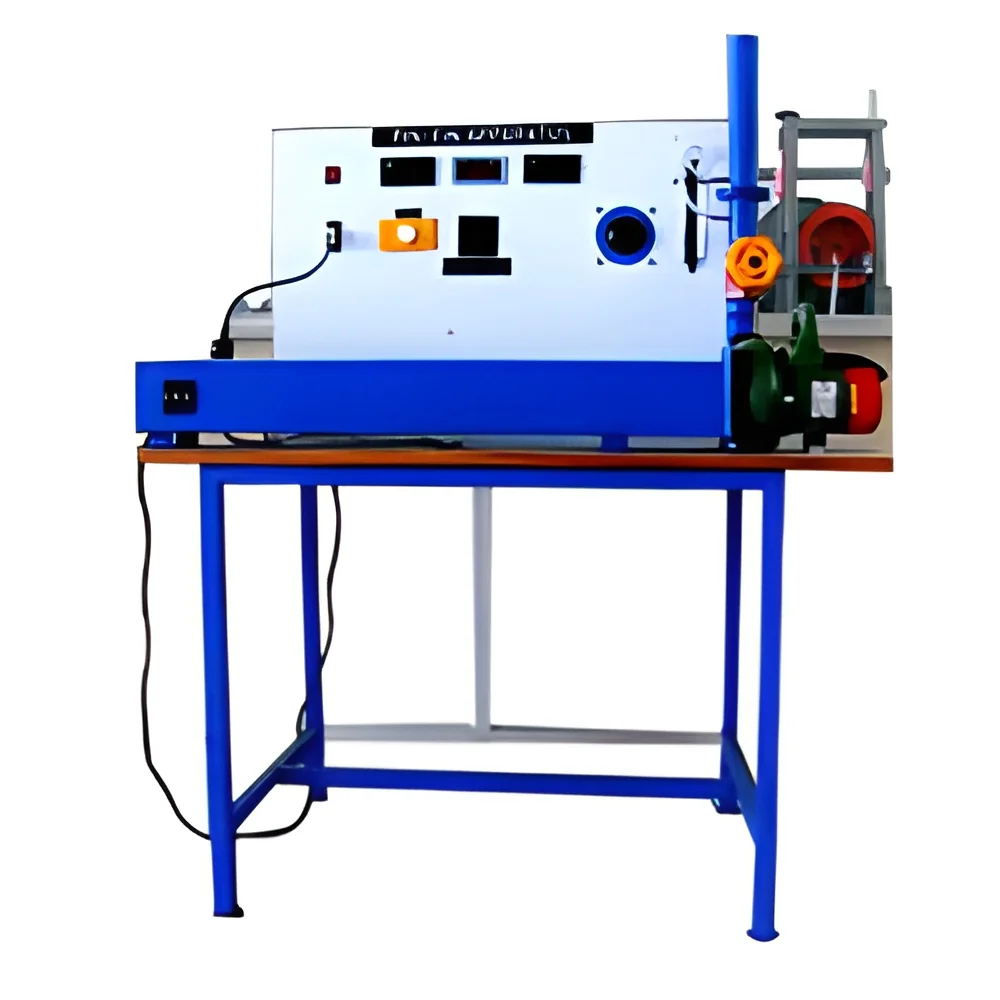
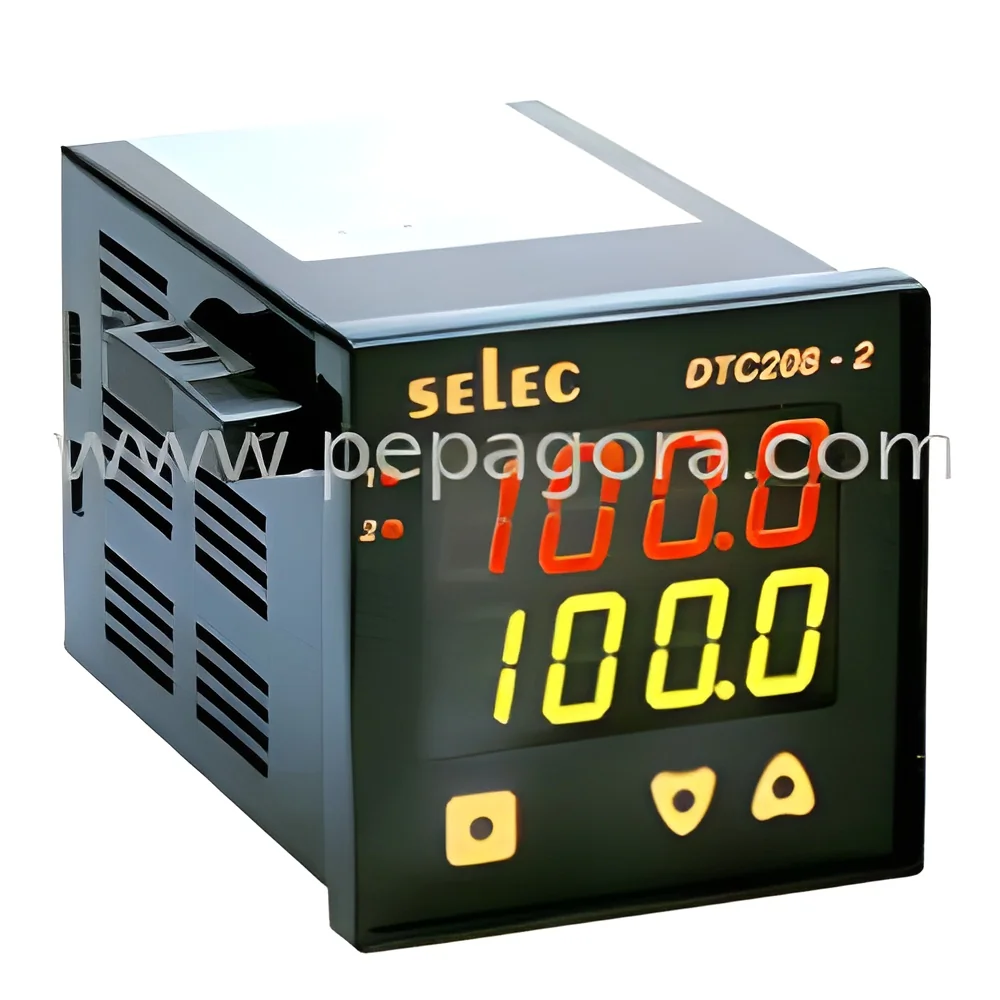
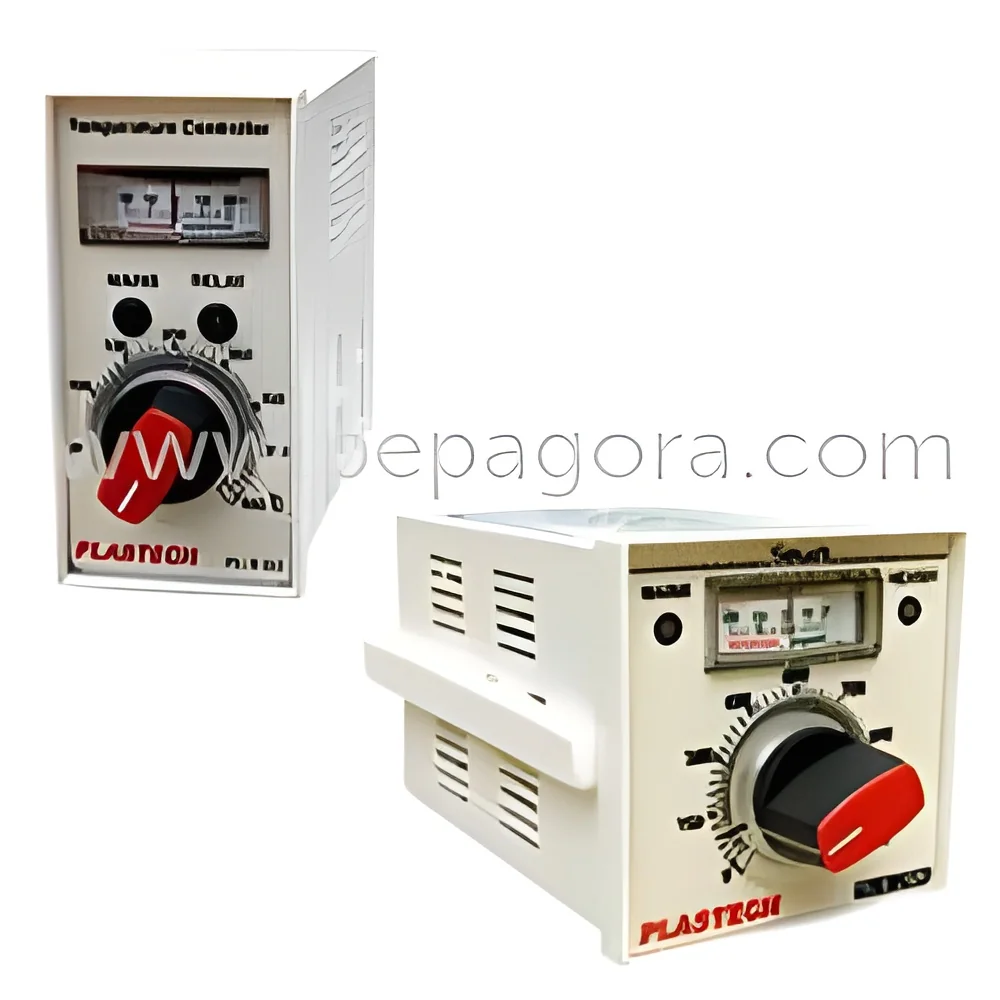
What are Thermocouples & Temperature Controllers?
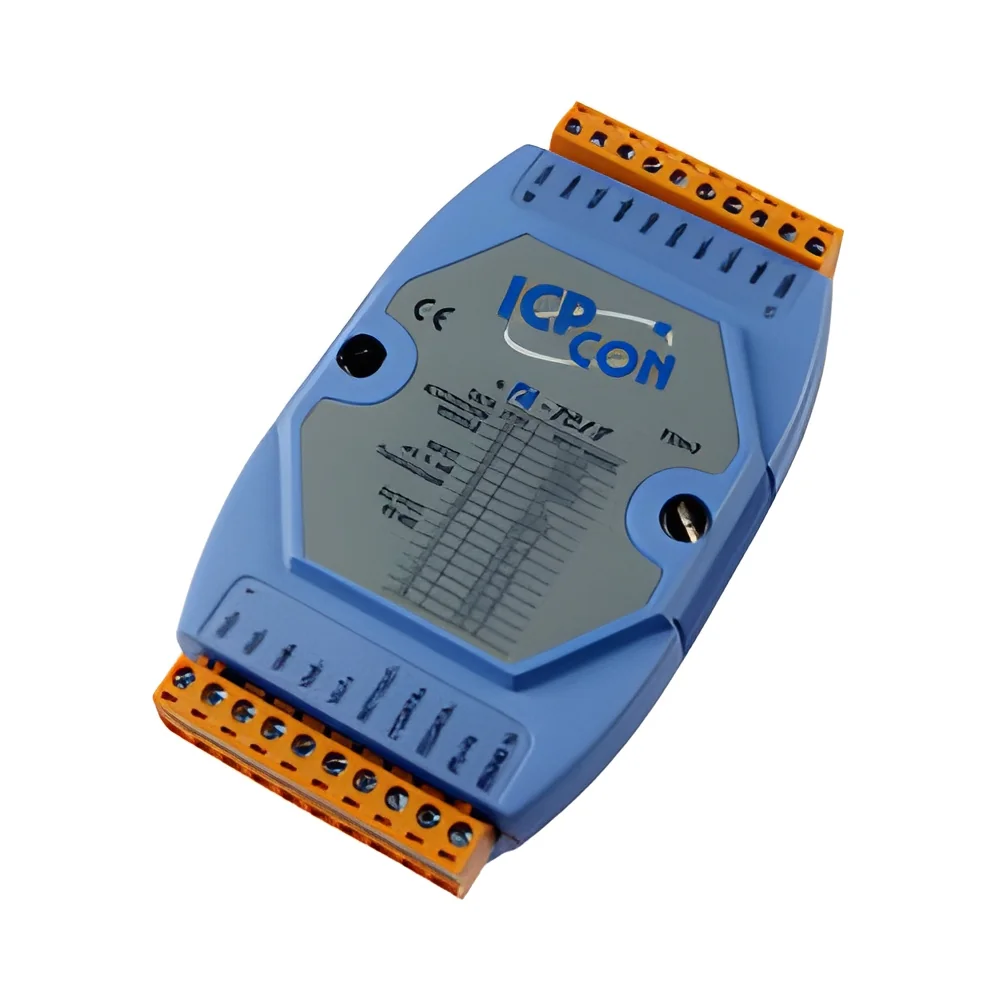
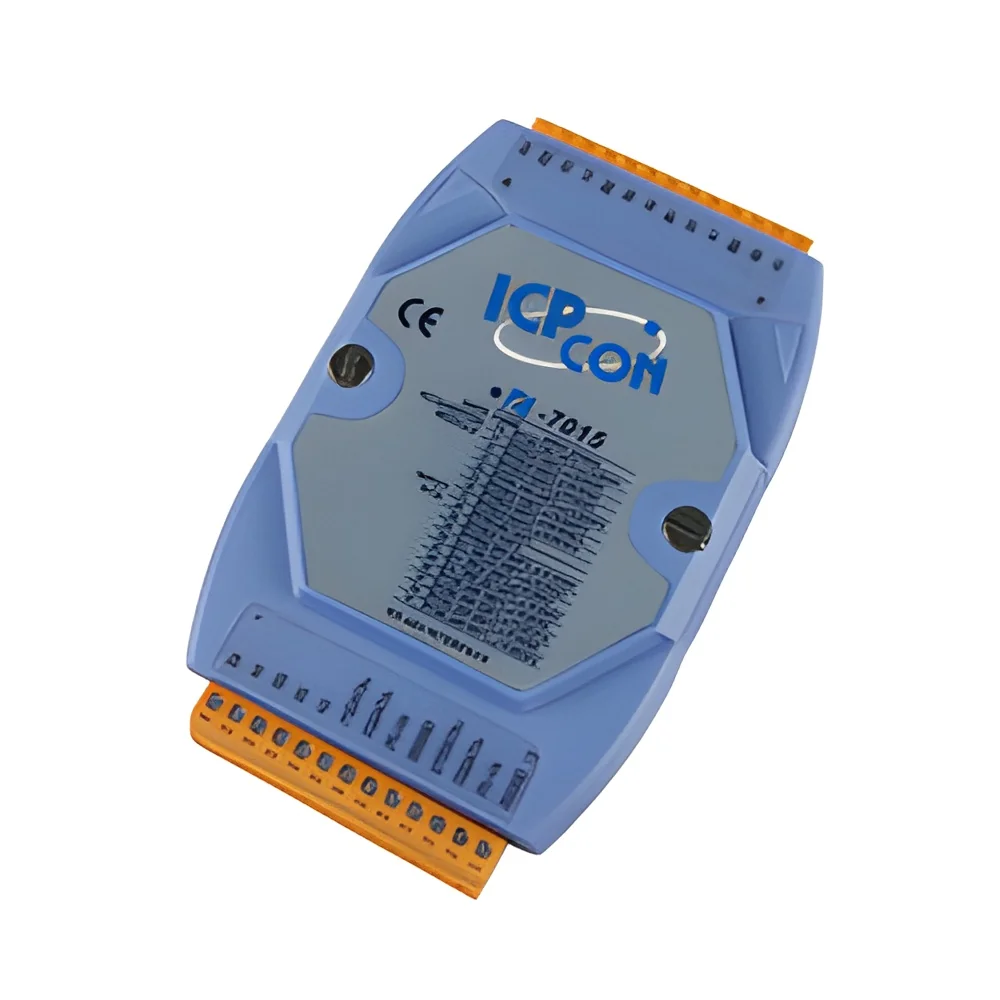
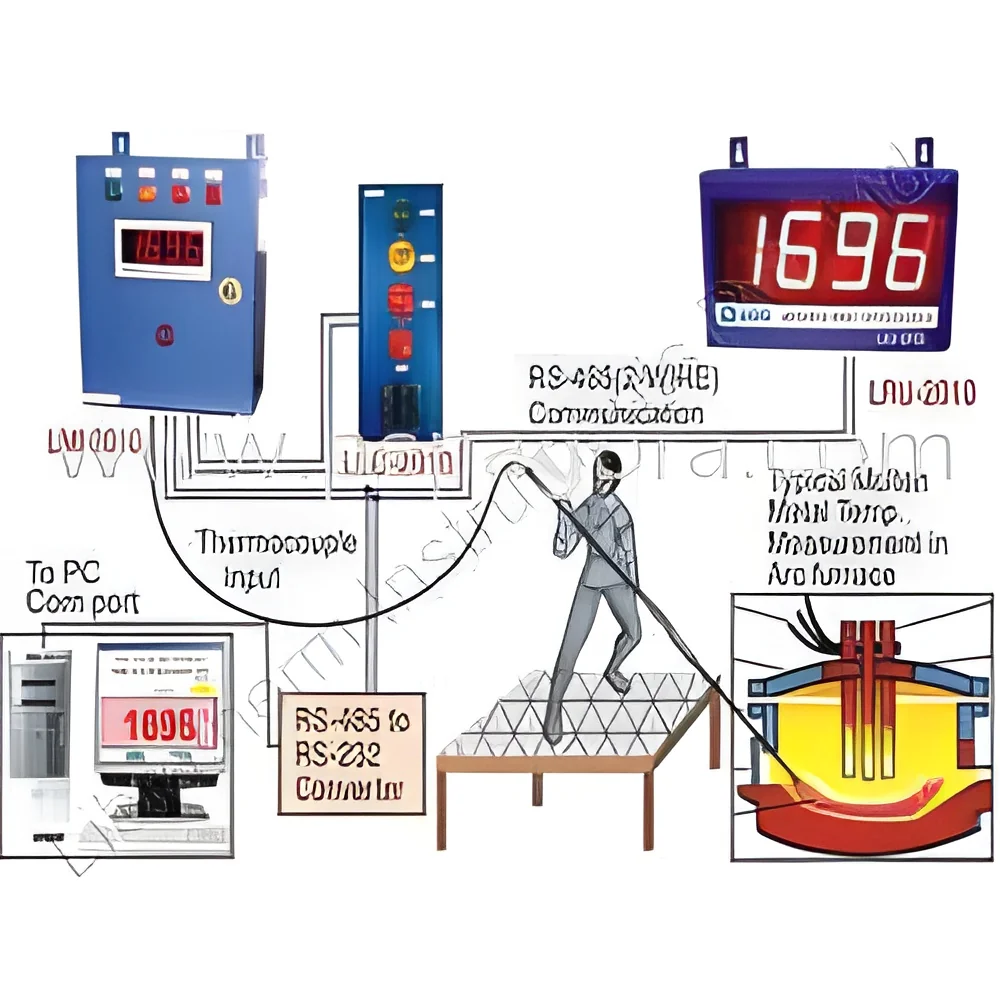
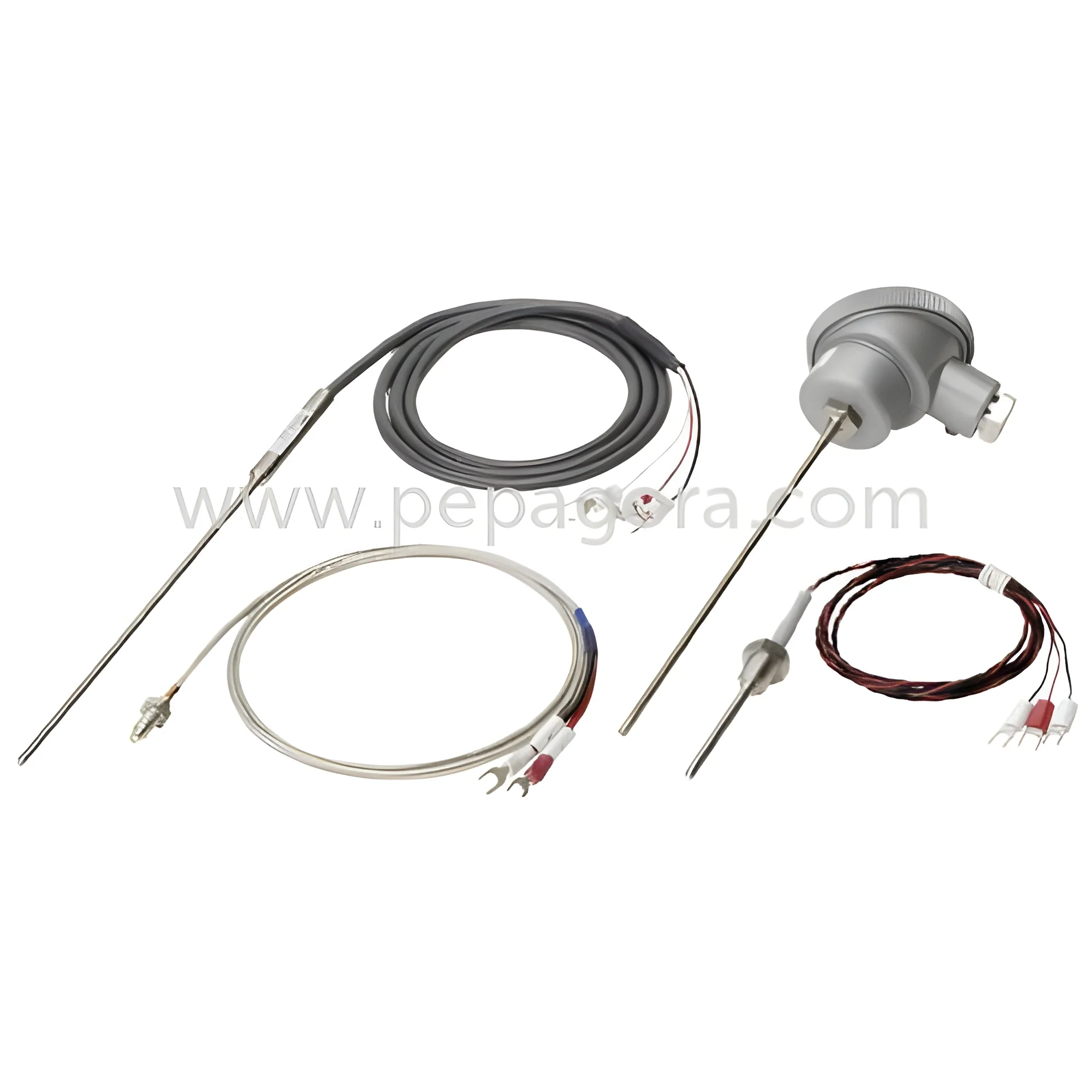
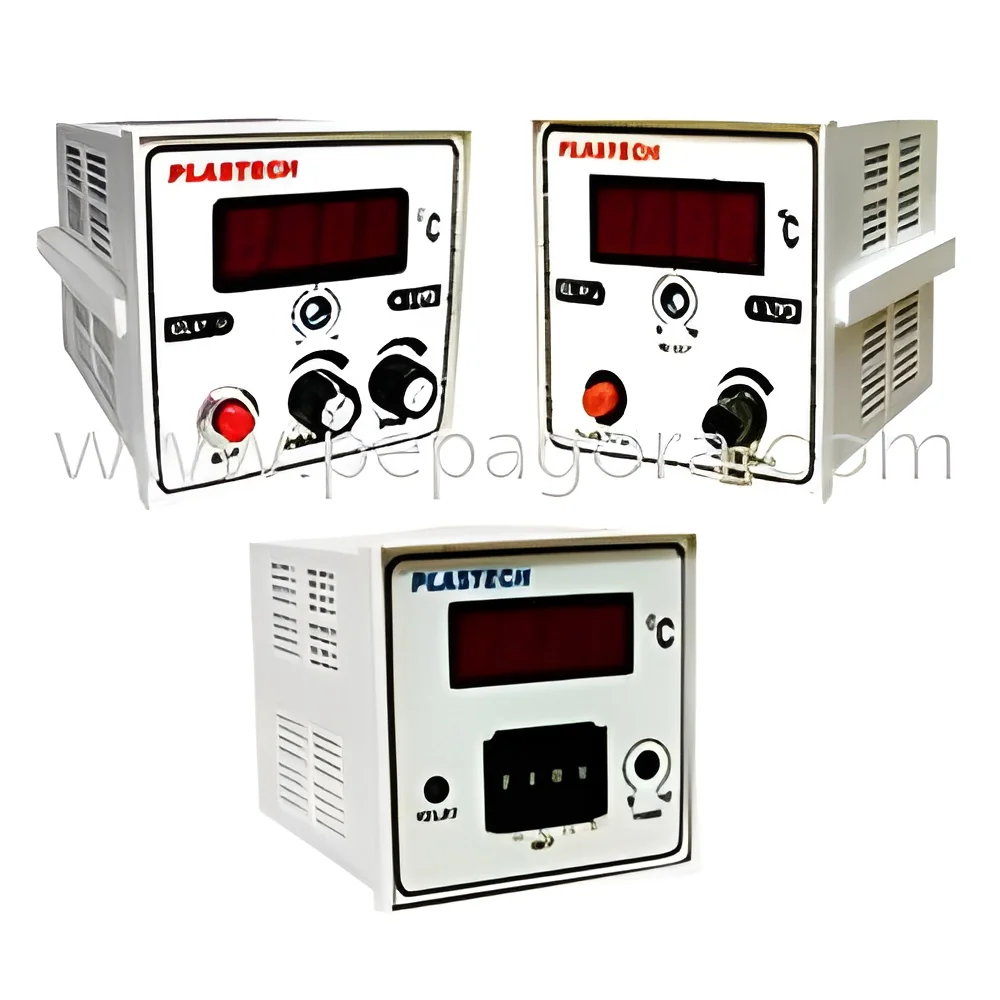
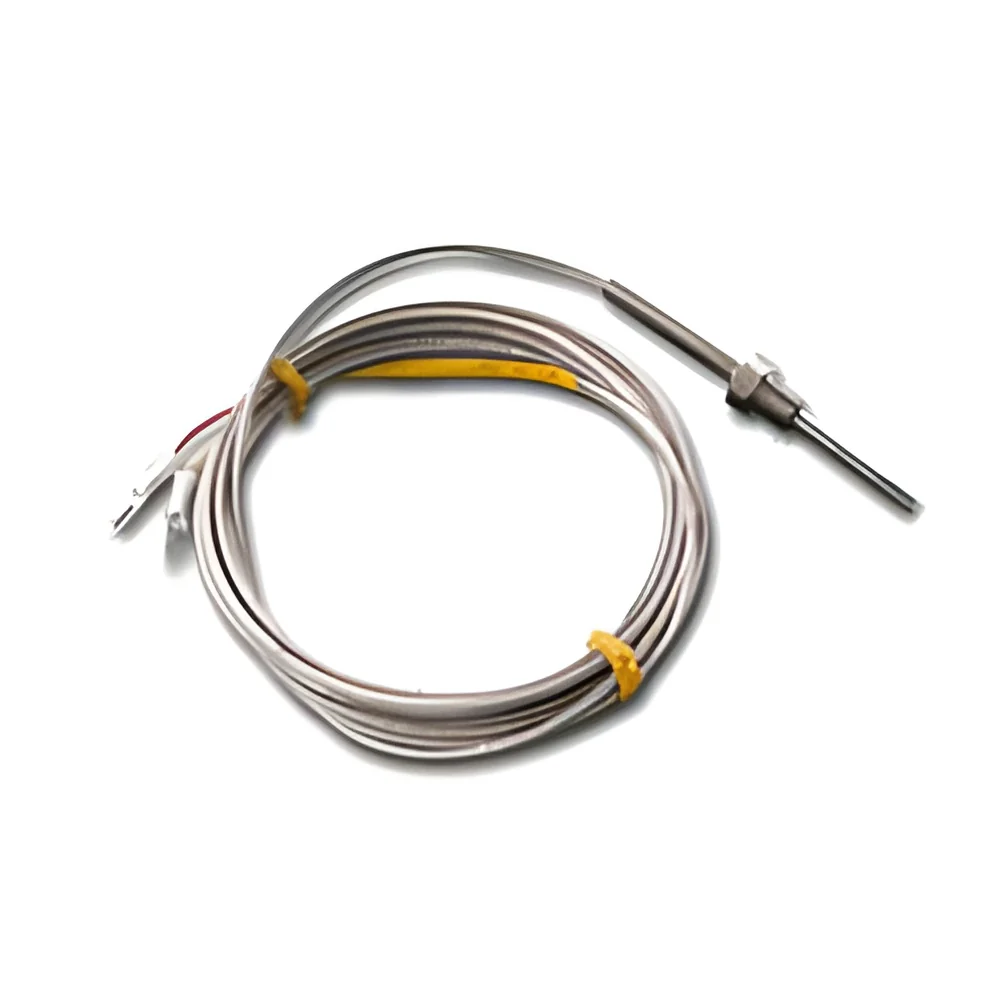
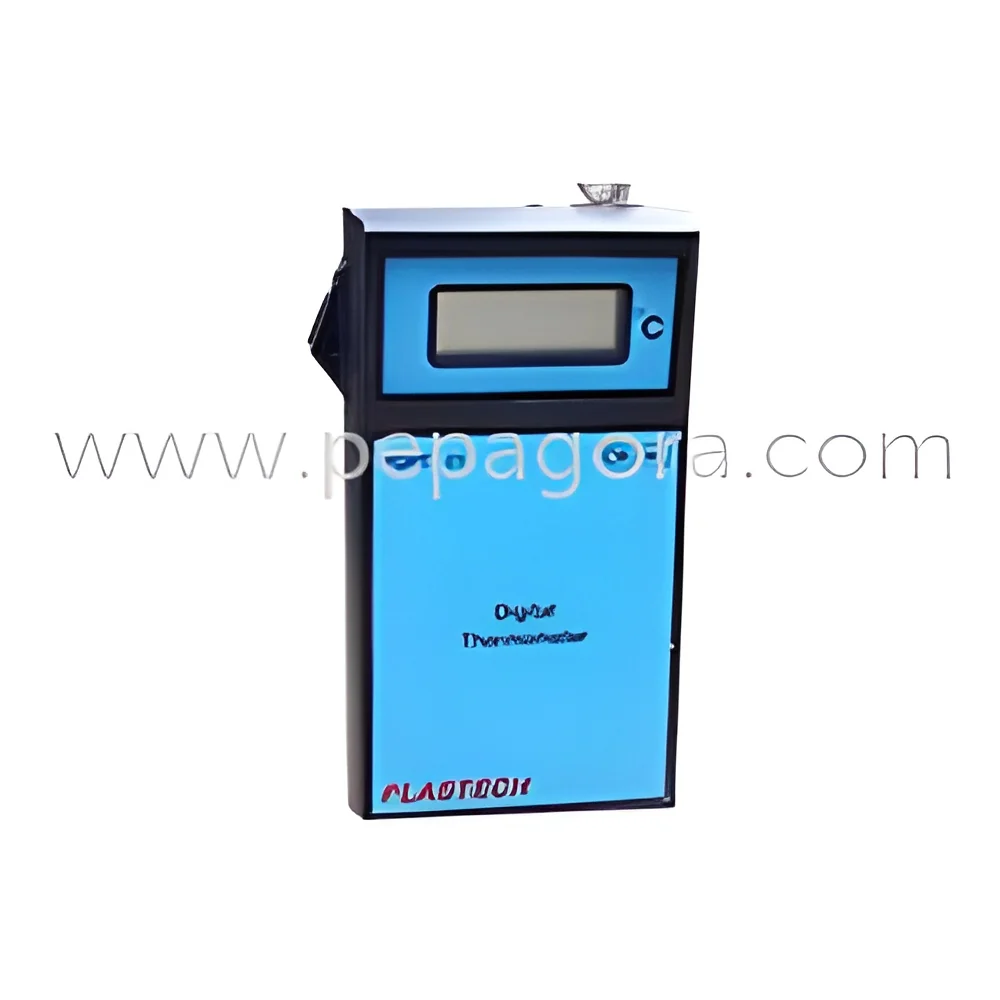
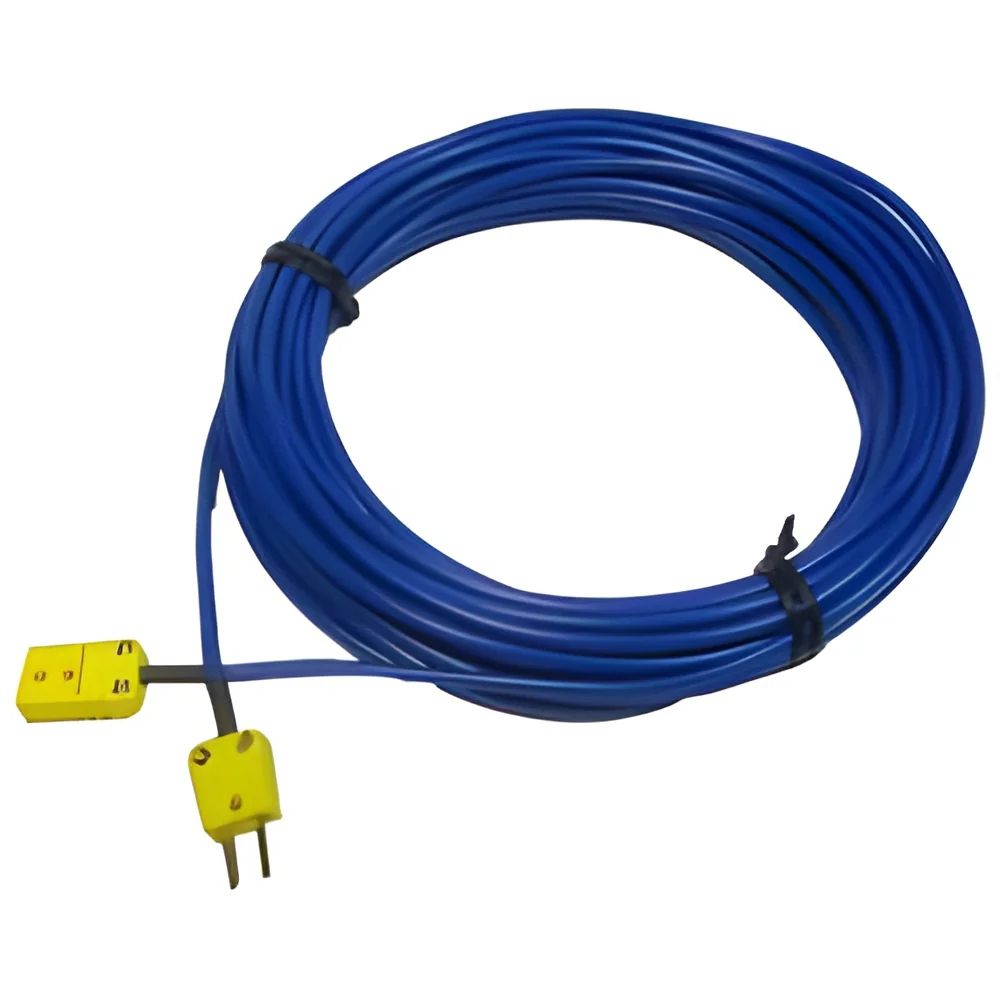
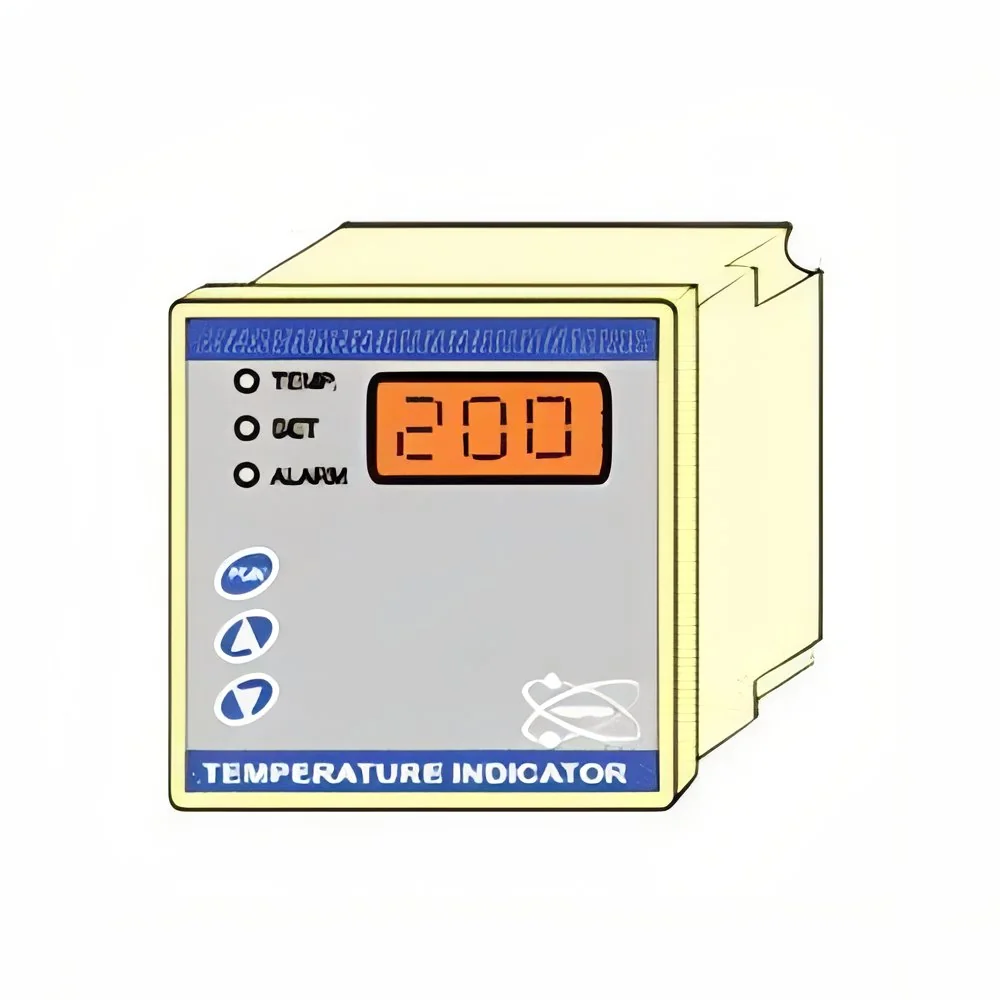
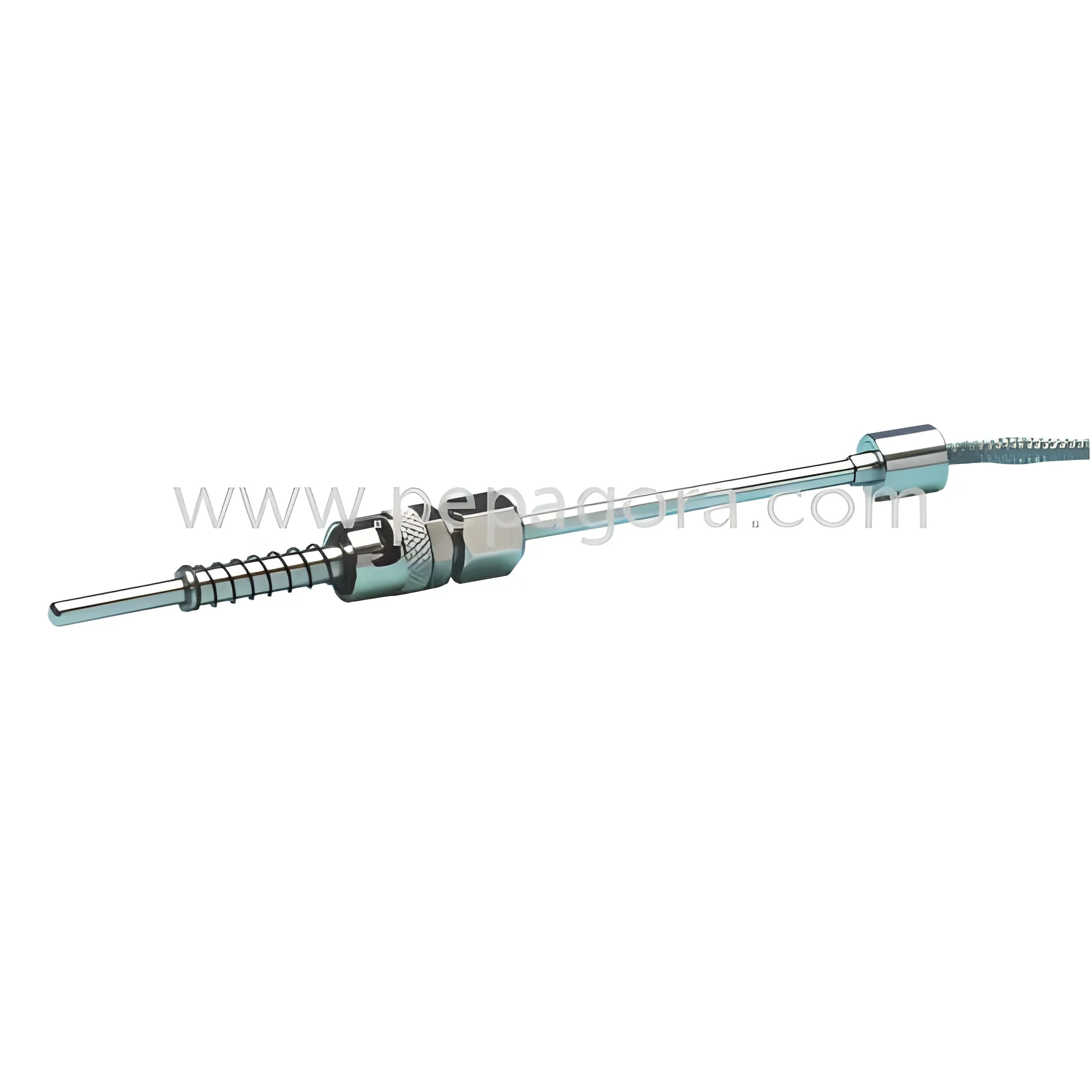
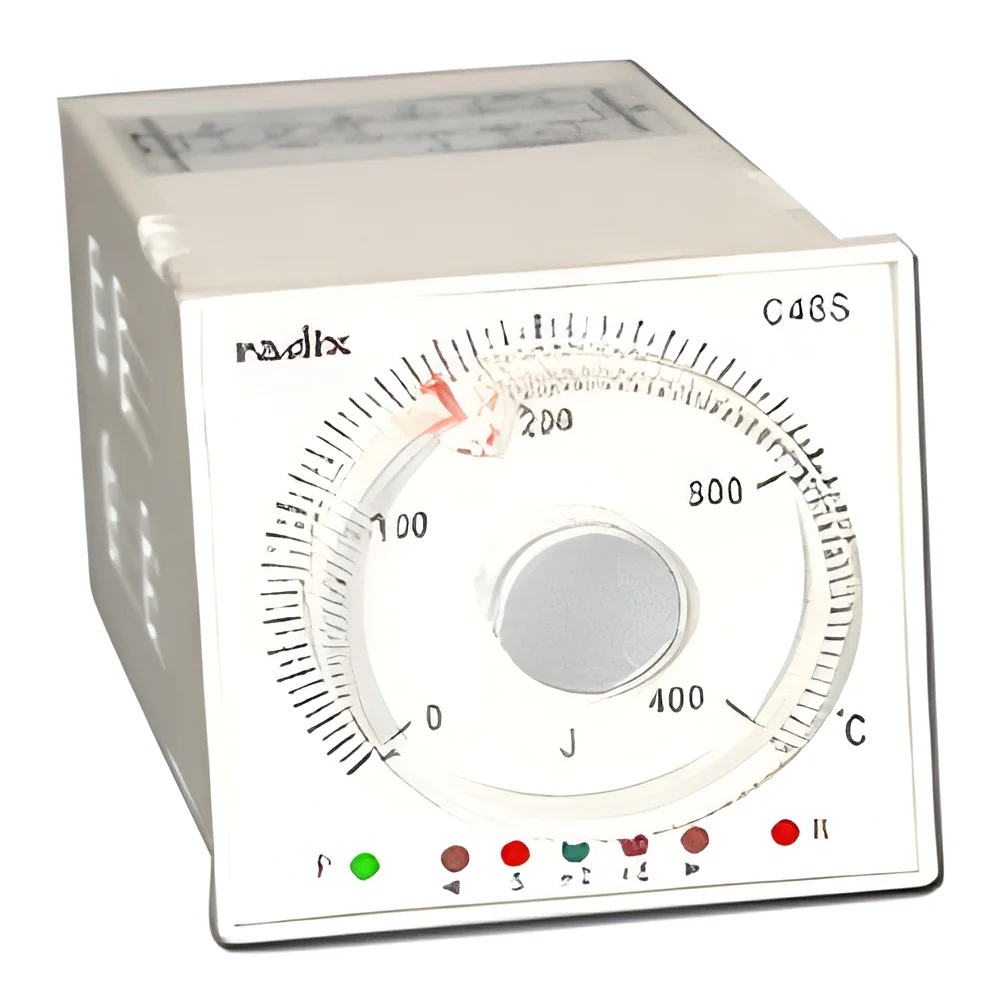
Thermocouples are temperature sensors that measure heat by producing a voltage based on the temperature difference between two different metals joined at one end. This voltage can then be translated into temperature readings. Temperature controllers, on the other hand, are devices that manage heating or cooling systems to maintain a desired temperature. They receive input from the thermocouples and adjust the output signals to heating or cooling devices accordingly.
These instruments are essential in various industrial processes, including manufacturing, food processing, and HVAC systems. They ensure that temperatures remain within specified limits, which is critical for product quality and safety. By utilizing thermocouples and temperature controllers, businesses can optimize their operations, improve energy efficiency, and adhere to regulatory standards.
The market for thermocouples and temperature controllers is expanding due to increasing automation in industries and the growing need for precise temperature control. This relevance is amplified in sectors like pharmaceuticals and food production, where strict temperature monitoring is crucial for compliance and quality assurance.
Key Features and Specifications
Thermocouples and temperature controllers come with a variety of features and specifications that enhance their functionality. Understanding these specifications is vital for selecting the right products for specific applications.
Key specifications include:
1. Temperature Range
- Thermocouples are available in various types that measure different temperature ranges.
- Common types include Type K (0 to 1260°C) and Type J (-40 to 750°C).
2. Accuracy
- The accuracy of temperature measurement can vary based on the type of thermocouple and its calibration.
- Typical accuracy ranges from ±1°C to ±2°C.
3. Response Time
- The response time indicates how quickly a thermocouple can respond to temperature changes.
- Standard response times can be as low as 1 second, depending on design and installation.
4. Output Signal
- Thermocouples generate millivolt signals proportional to temperature changes.
- Temperature controllers may provide analog outputs like 4-20 mA or digital outputs.
5. Connection Types
- Thermocouples can be connected through various junction types including grounded, ungrounded, and exposed.
- The choice of connection affects sensitivity and response time.
6. Environmental Resistance
- Many thermocouples are designed to withstand harsh environments, including high humidity and corrosive conditions.
- Materials such as stainless steel or ceramic are common for protective sheaths.
7. Compatibility
- Temperature controllers should be compatible with the specific thermocouple type being used.
- Many controllers support multiple thermocouple types for flexibility.
8. Compliance Standards
- Many thermocouples and controllers comply with industry standards, ensuring reliability and safety.
- Common certifications include CE for European markets.
In summary, understanding the features and specifications of thermocouples and temperature controllers is crucial for effective temperature measurement and control in various applications.
Common Applications and Use Cases
Thermocouples and temperature controllers find use across multiple industries due to their essential role in temperature monitoring and control.
1. Food Processing: In this industry, precise temperature control is critical for food safety and quality. Thermocouples are often used in cooking and refrigeration systems to ensure products are kept at safe temperatures.
2. Manufacturing: Many manufacturing processes require strict temperature control for quality assurance. Thermocouples monitor temperatures in furnaces, ovens, and other equipment to maintain optimal operational conditions.
3. Pharmaceutical: The pharmaceutical industry relies on precise temperature regulation during drug production and storage. Thermocouples are integral to ensuring compliance with safety regulations.
4. HVAC: In heating, ventilation, and air conditioning, thermocouples and temperature controllers manage indoor climate control systems. They help maintain comfortable and energy-efficient environments.
5. Automotive: In automotive manufacturing, temperature monitoring is crucial during the assembly of components and testing of vehicles. Thermocouples provide accurate readings to ensure proper functioning.
6. Chemical Processing: The chemical industry requires precise temperature measurements for reactions. Thermocouples are used to monitor and control temperatures in reactors and distillation columns.
7. Aerospace: In aerospace applications, thermocouples are used to monitor temperatures in engines and other critical components. Accurate temperature control is vital for safety and performance.
Product Variants and Subcategories
Thermocouples and temperature controllers come in various forms to meet different industry needs.
Type K Thermocouples: Known for their broad temperature range and versatility, Type K thermocouples are commonly used in industrial applications. They are suitable for both oxidizing and reducing atmospheres and are often used in kilns and furnaces.
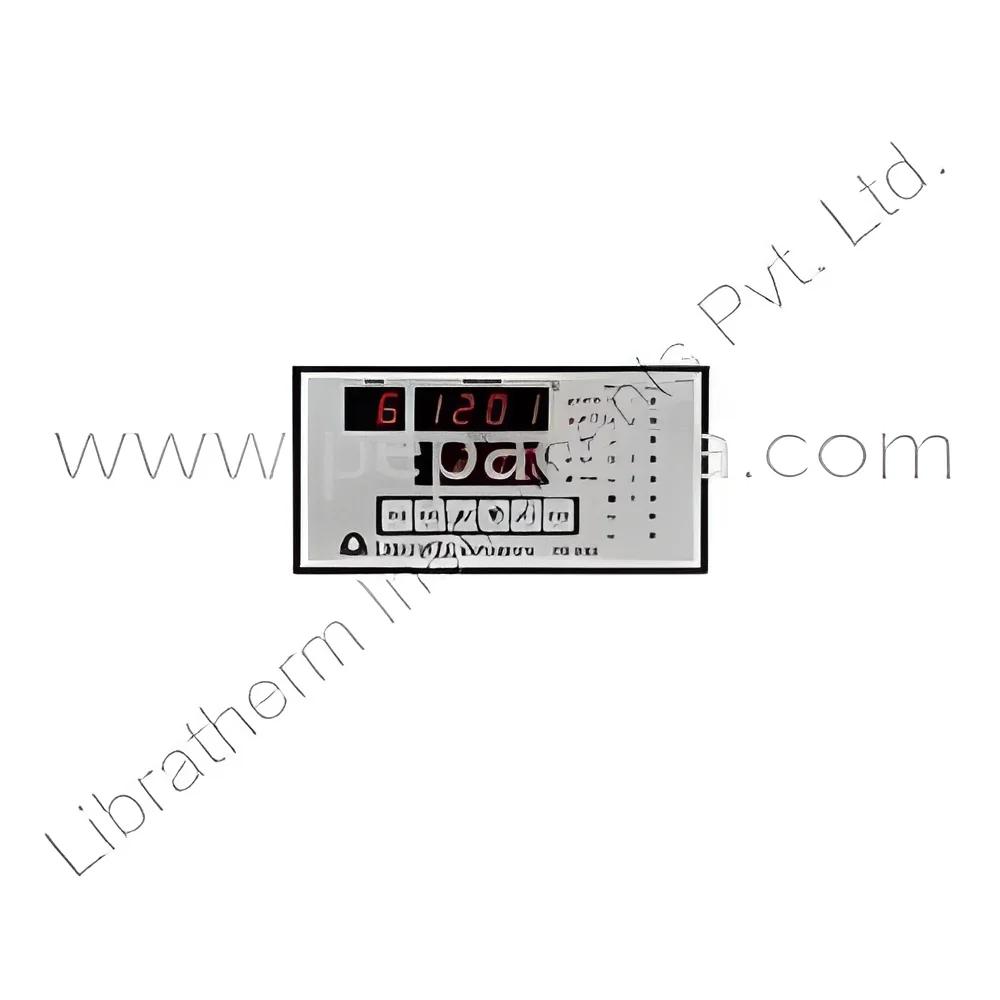
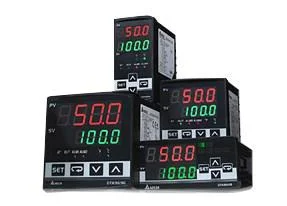
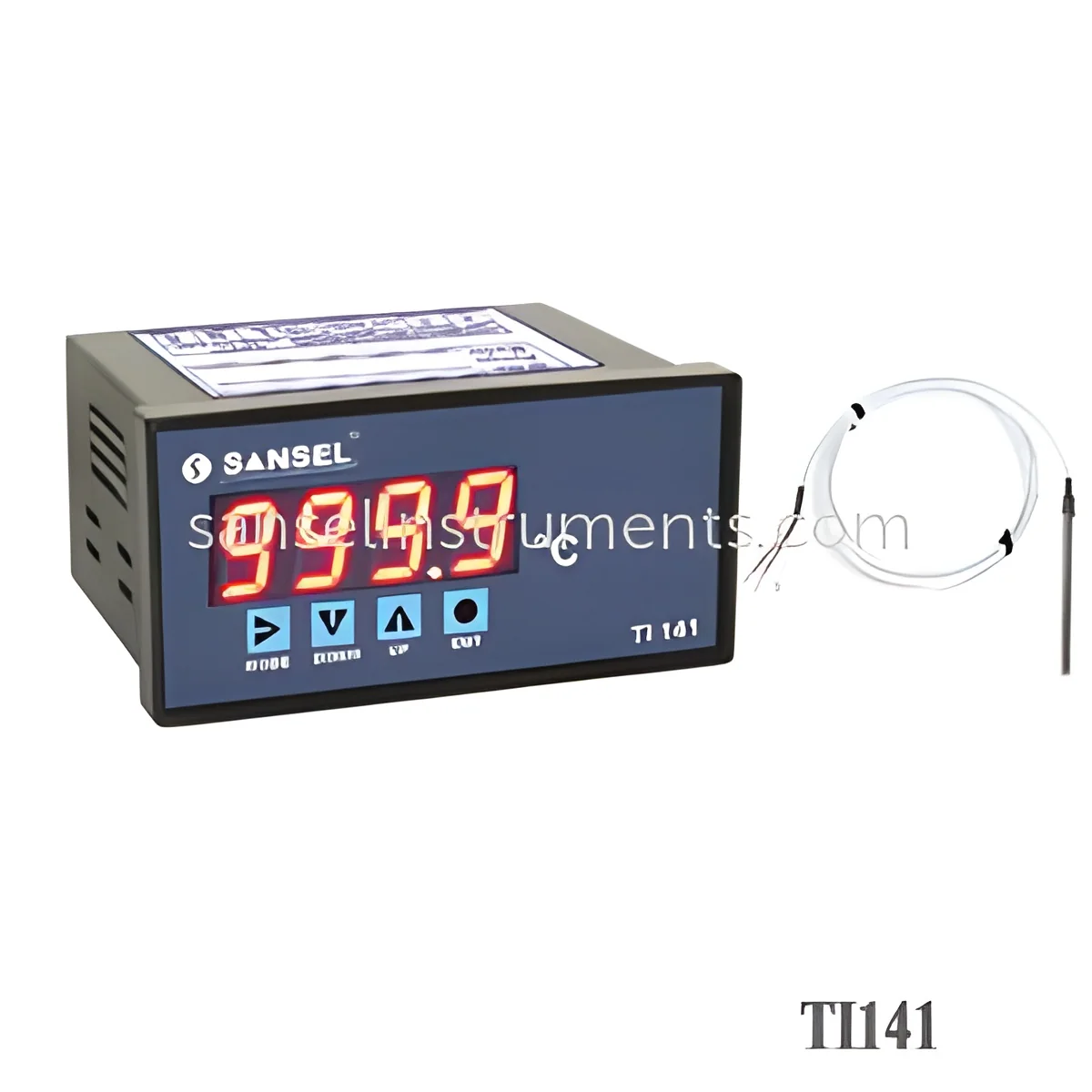
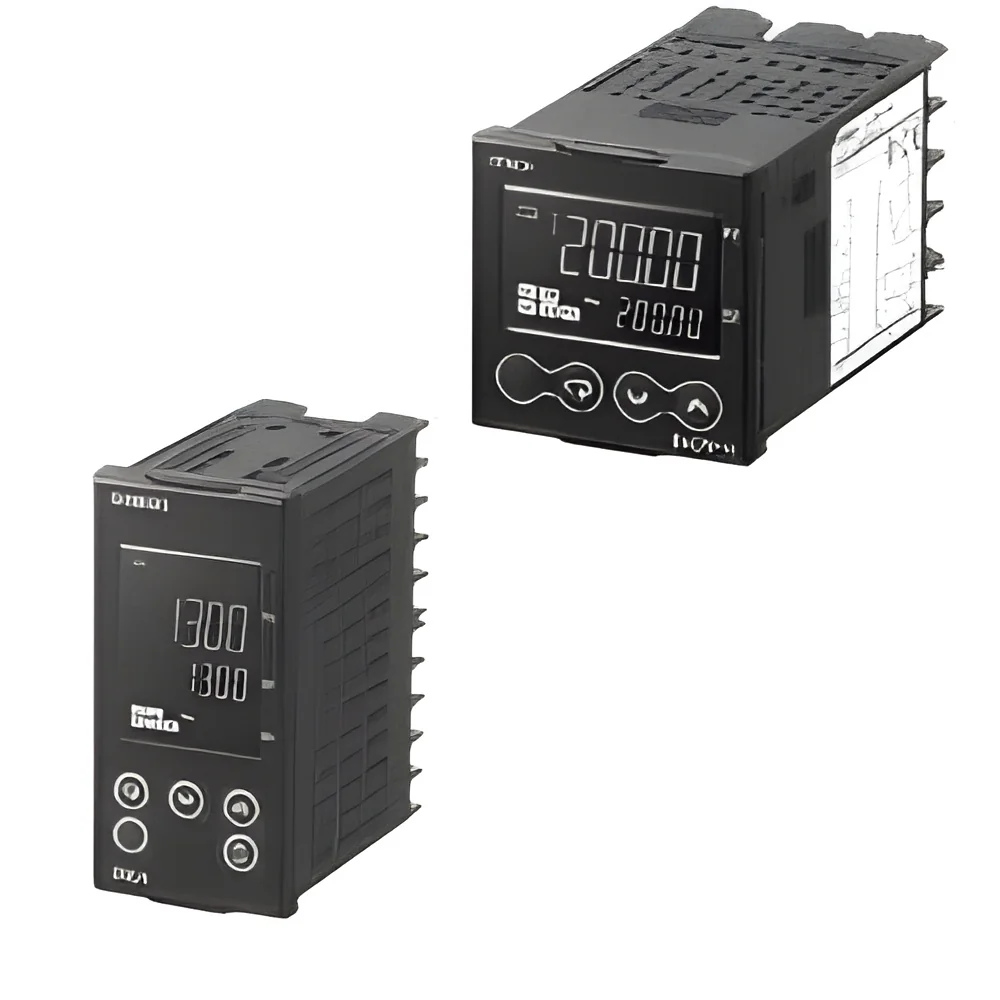
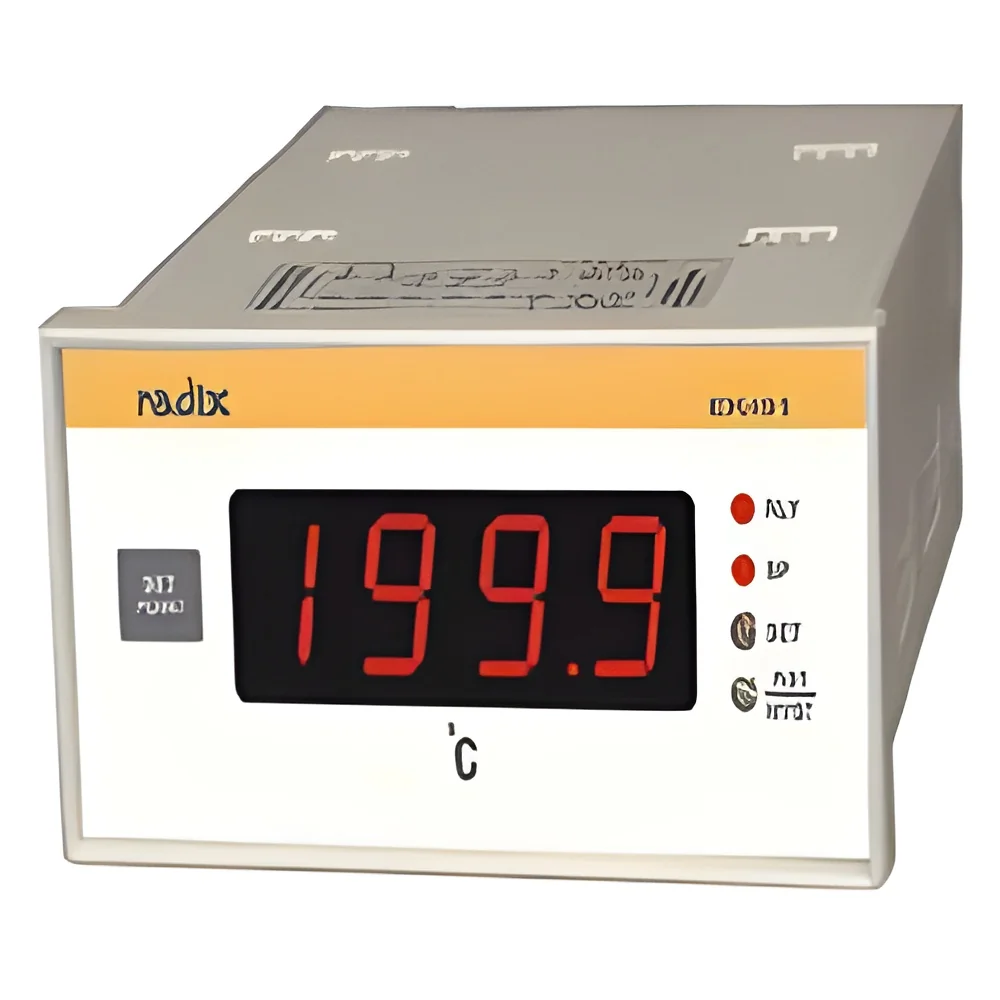
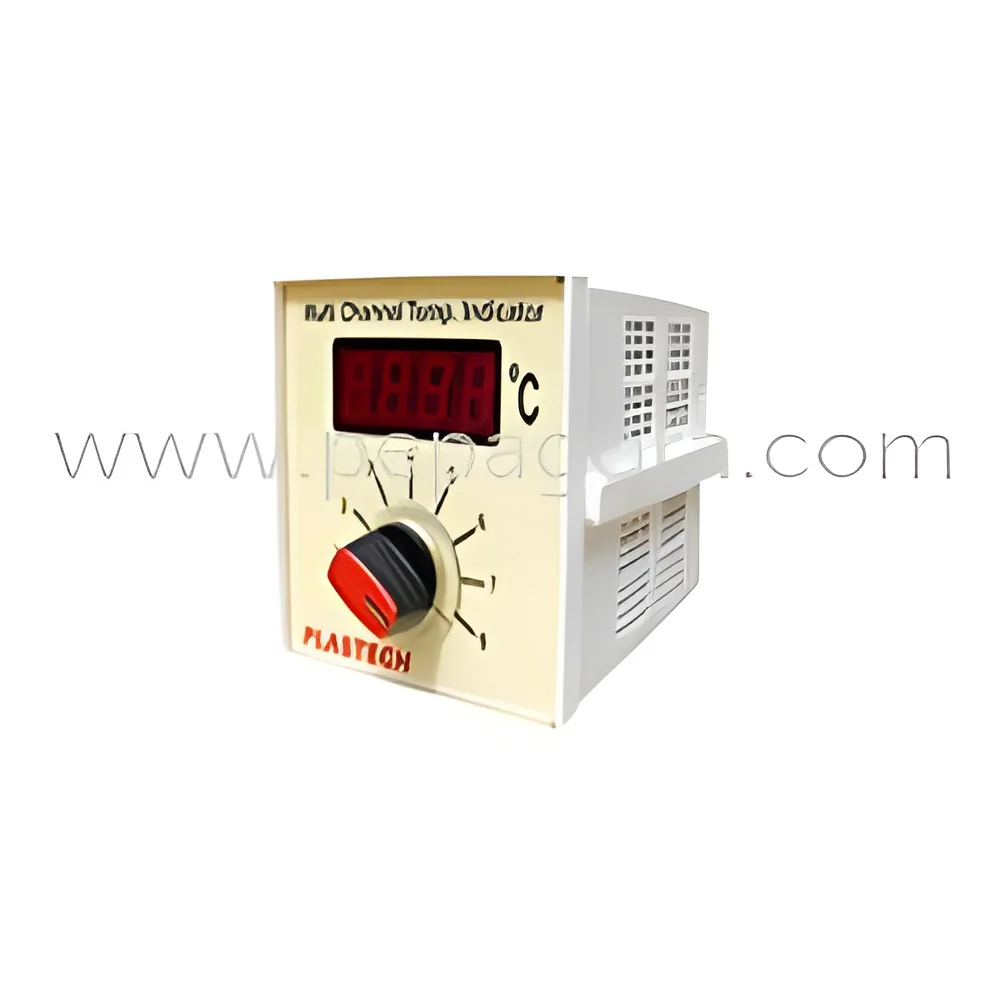
Digital Temperature Controllers: These controllers offer advanced features such as programmable settings and digital displays. They are used in applications requiring precise temperature management, including laboratory environments and process control.
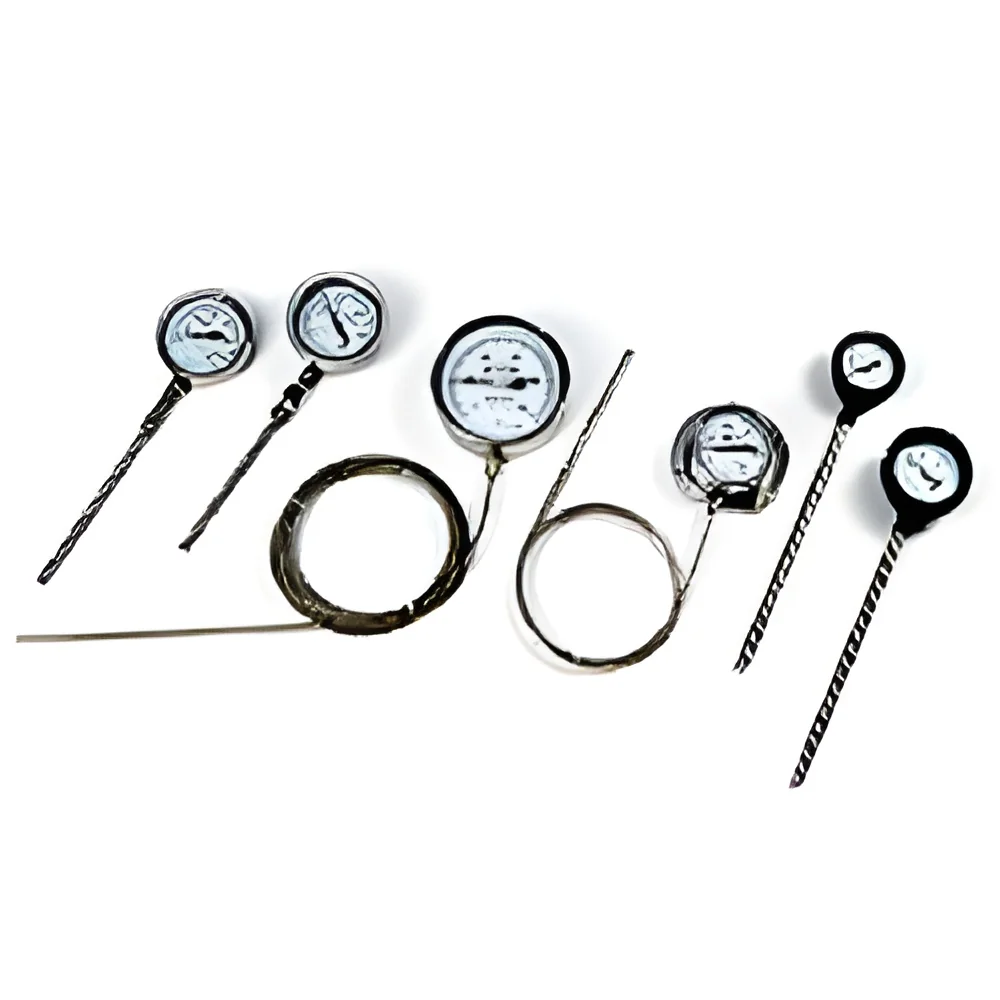
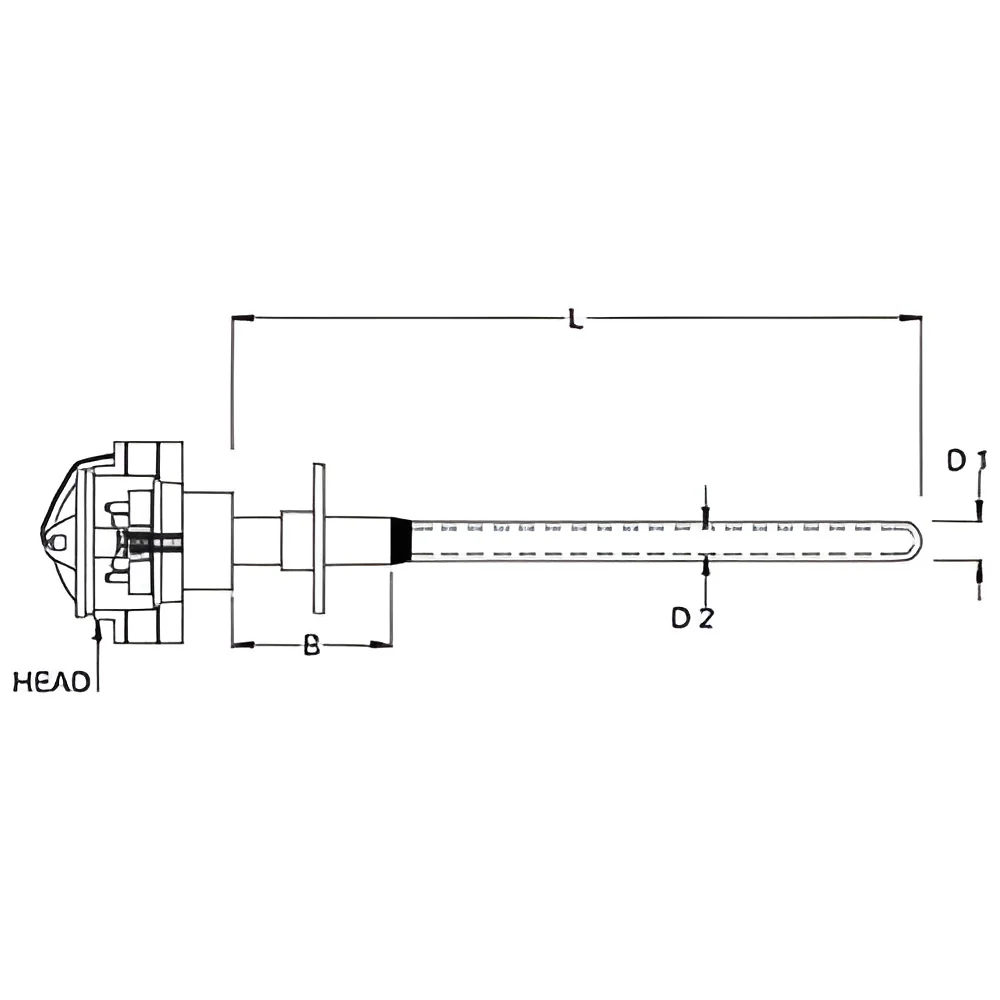
Industrial Thermocouples: Designed for rugged environments, these thermocouples are built to withstand harsh conditions. They are typically used in manufacturing plants and chemical facilities where durability is essential.
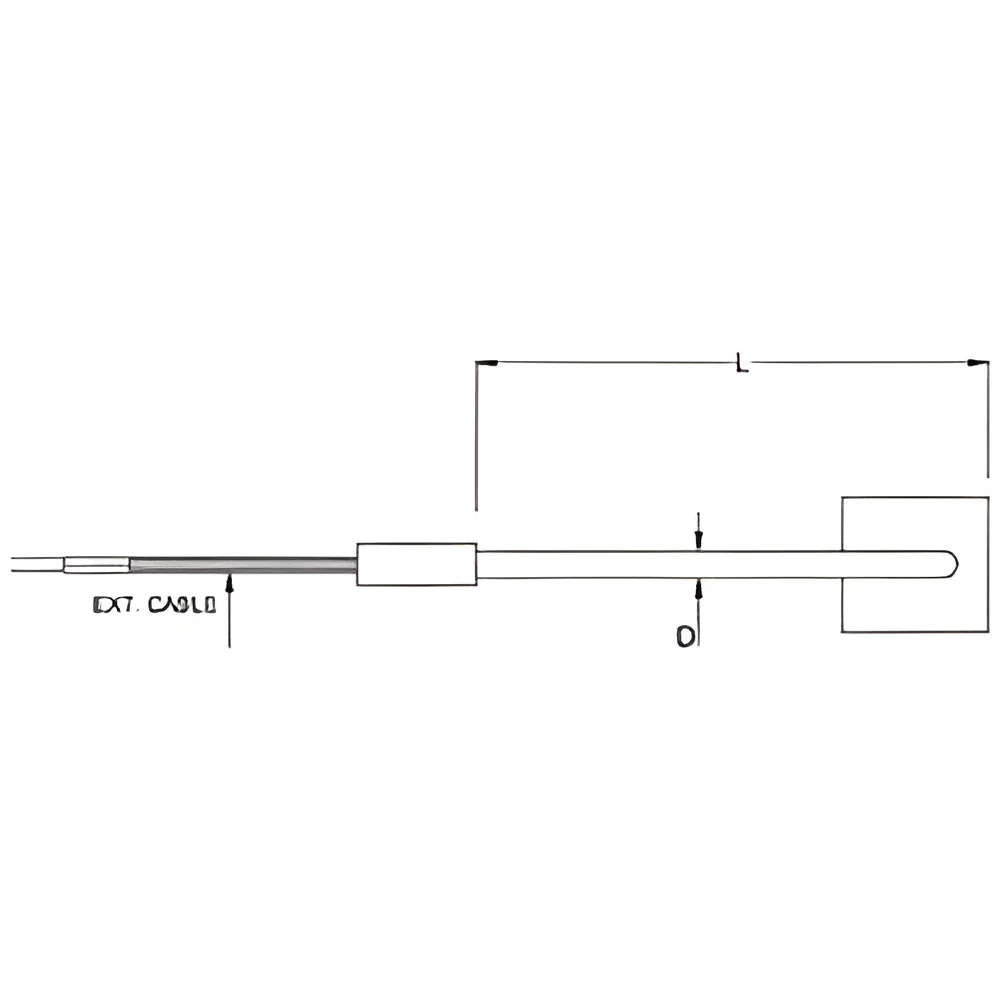
Thermocouple Probes: These probes are designed for specific applications, such as immersion in liquids or air. They provide accurate readings in specialized contexts, such as food processing or material testing.
Benefits and Advantages
Thermocouples and temperature controllers provide numerous advantages that enhance operational efficiency and product quality.
1. High Accuracy: These devices offer precise temperature readings, ensuring that processes remain within specified limits. This accuracy is crucial for quality control in various industries.
2. Fast Response: Thermocouples react quickly to temperature changes, allowing for real-time monitoring and adjustments. This responsiveness enhances process efficiency.
3. Cost-Effectiveness: Thermocouples are generally affordable and have low maintenance costs, making them a cost-effective solution for temperature measurement in industrial settings.
4. Versatility: Thermocouples come in various types, each suitable for different temperature ranges and environments. This versatility makes them applicable across multiple industries.
5. Easy Integration: Temperature controllers can be easily integrated with existing systems, allowing for seamless temperature management in various applications.
6. Compliance Assurance: Many thermocouples and controllers meet industry standards, helping businesses adhere to regulatory requirements and ensure product safety.
Buying Guide for B2B Buyers
When purchasing thermocouples and temperature controllers, buyers should consider several essential factors.
1. Quality Assessment: Evaluate the quality of the thermocouples and controllers. Look for certifications and compliance with relevant standards to ensure reliability and performance.
2. Supplier Verification: Vet suppliers carefully to ensure they have a good reputation and provide quality products. Consider checking references and industry reviews.
3. Pricing and MOQ: Compare pricing among suppliers, but also consider the minimum order quantities (MOQ). This can impact overall costs and inventory requirements.
4. Delivery and Lead Times: Understand the lead times for delivery. Timely delivery is crucial for maintaining production schedules and minimizing downtime.
5. Compliance Requirements: Ensure that the products meet all necessary compliance regulations for your industry. This is particularly important in sectors like food and pharmaceuticals.
Compliance and Certifications
Compliance and certifications play a critical role in ensuring the quality and safety of thermocouples and temperature controllers. Many products adhere to ISO 9001, which ensures that they meet quality management standards. This certification is essential for businesses aiming to maintain high-quality production processes.
Additionally, CE certification is often required for products sold in European markets. This certification indicates that the products meet safety and environmental protection standards. Compliance with HACCP guidelines is crucial for food-related applications, ensuring that temperature monitoring systems are effective in maintaining food safety.
Safety and testing requirements are also vital, particularly in industries where temperature control is critical for preventing hazardous situations. Regional compliance considerations may vary, so it is essential to understand the specific regulations that apply to your area.
Why Source Thermocouples & Temperature Controllers from Pepagora?
Pepagora offers a reliable platform for sourcing thermocouples and temperature controllers, providing several advantages to buyers.
Verified Supplier Network: Our platform connects you with verified suppliers who have undergone thorough vetting. This ensures that you can trust the quality of the products you are purchasing.
Streamlined RFQ Process: Pepagora simplifies the quotation process, allowing buyers to receive competitive pricing and terms from multiple suppliers quickly. This efficiency saves time and facilitates better decision-making.
Trade Assurance and Support: We offer buyer protection through trade assurance, ensuring that your transactions are secure. Our support team is available to assist with any inquiries or issues that may arise during the purchasing process.
Regional Coverage: Pepagora extends its services across India, the GCC, and Southeast Asia, making it easier for businesses in these regions to access high-quality thermocouples and temperature controllers. This broad geographic reach supports diverse industrial needs and fosters regional trade.

 IN
IN