What are Burners & Blowers?
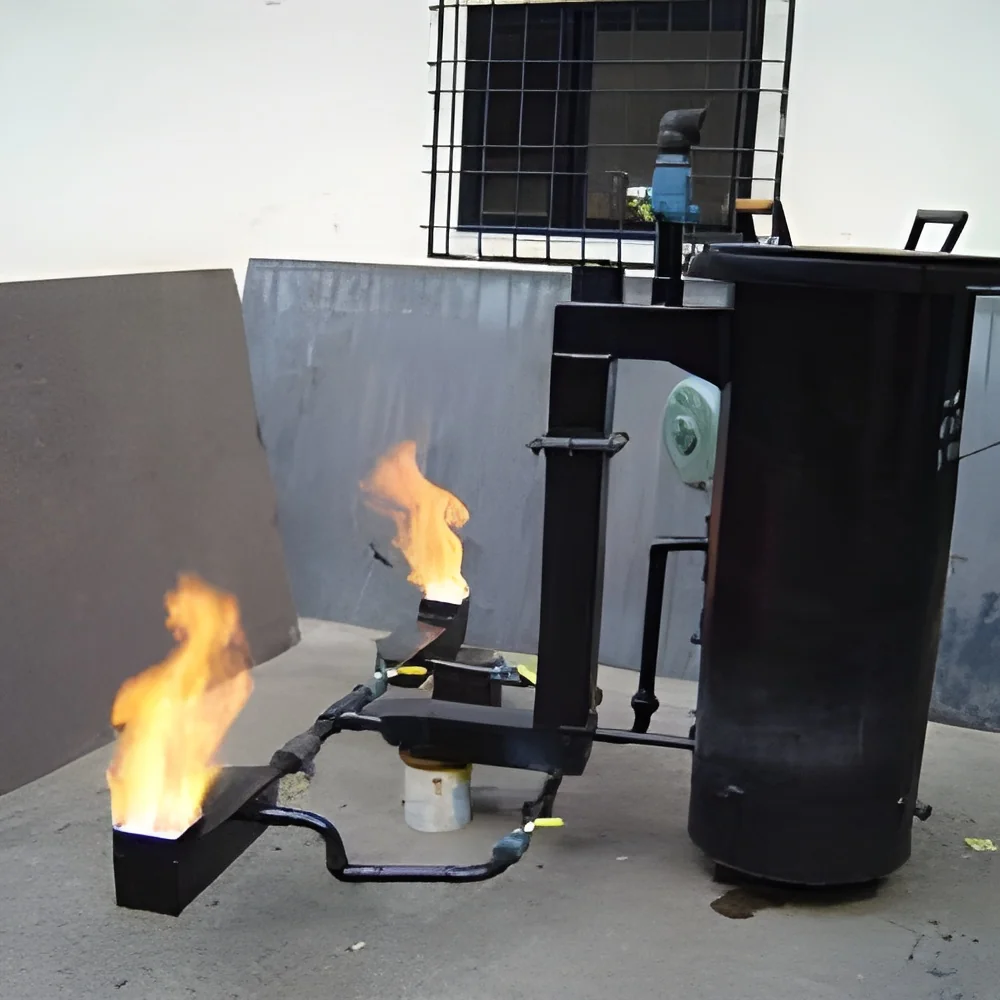
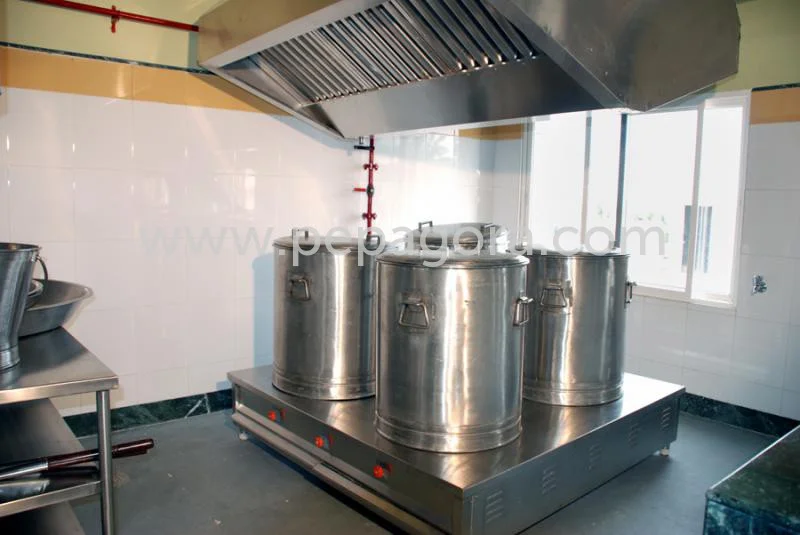
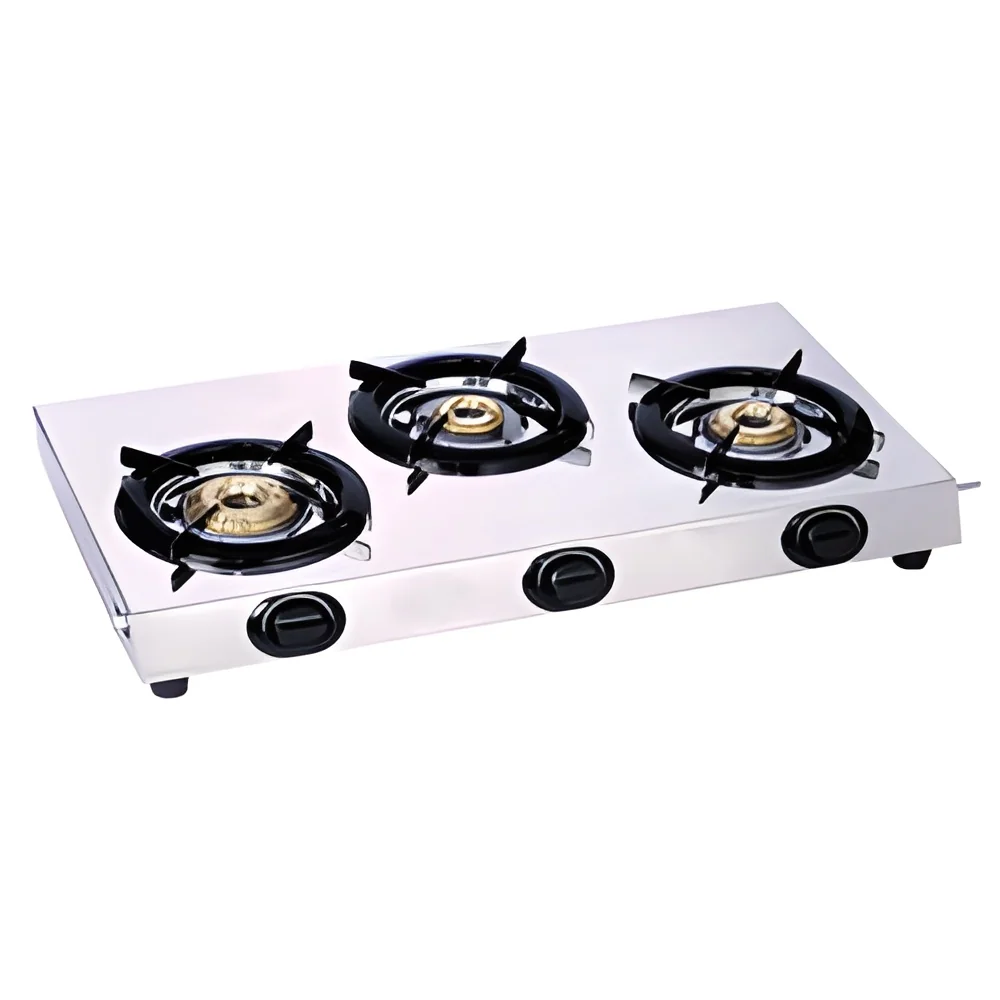
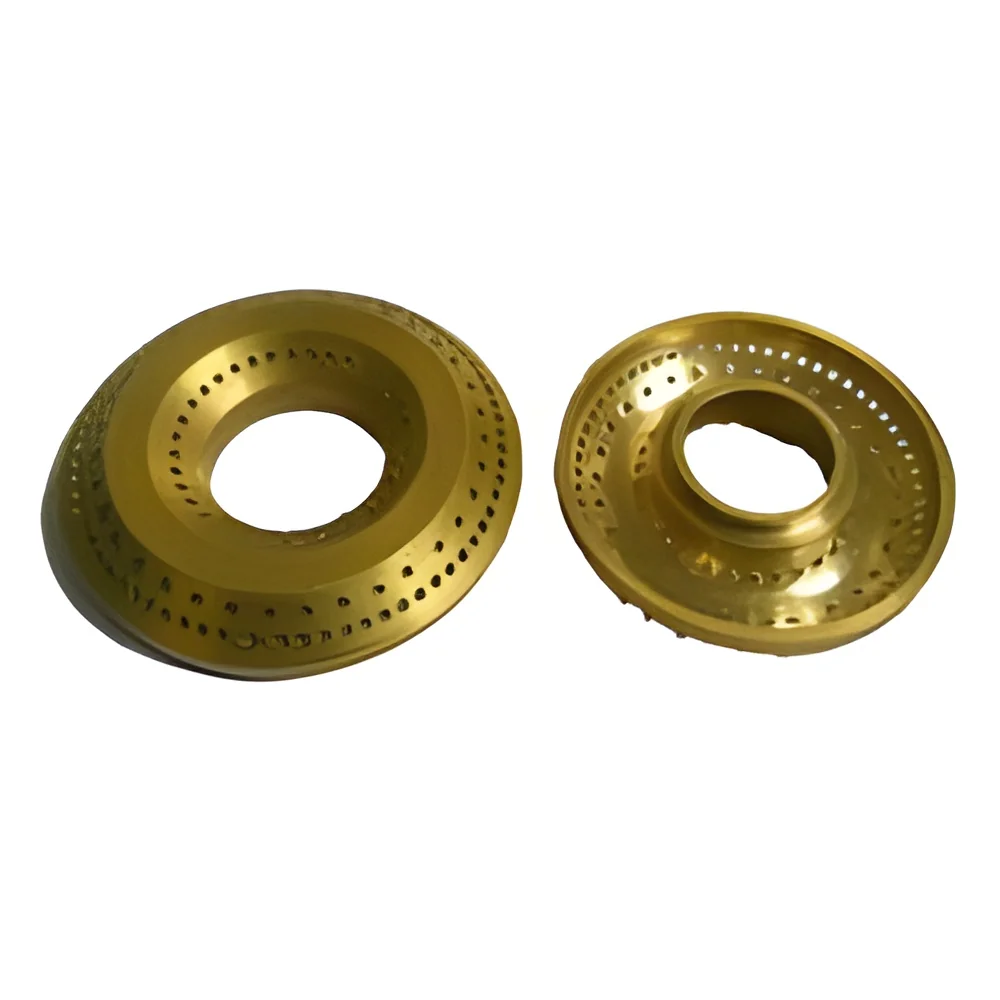
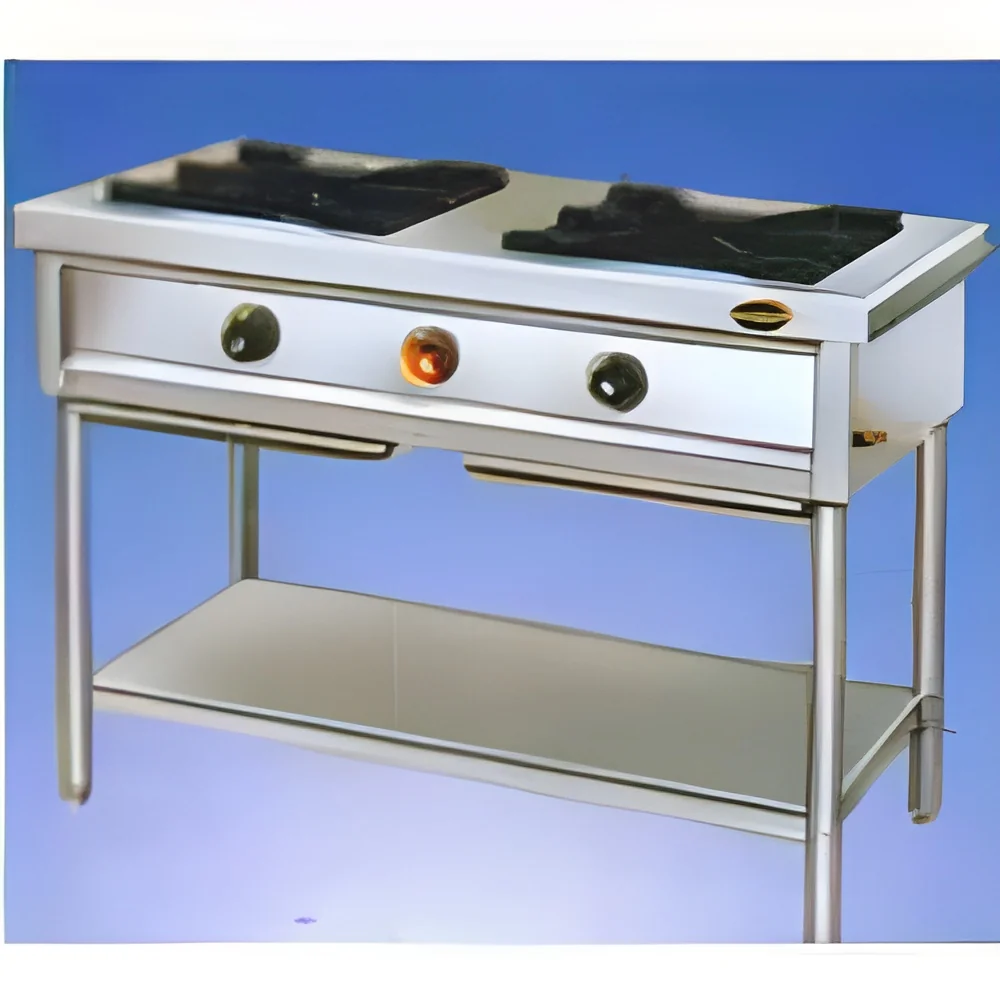
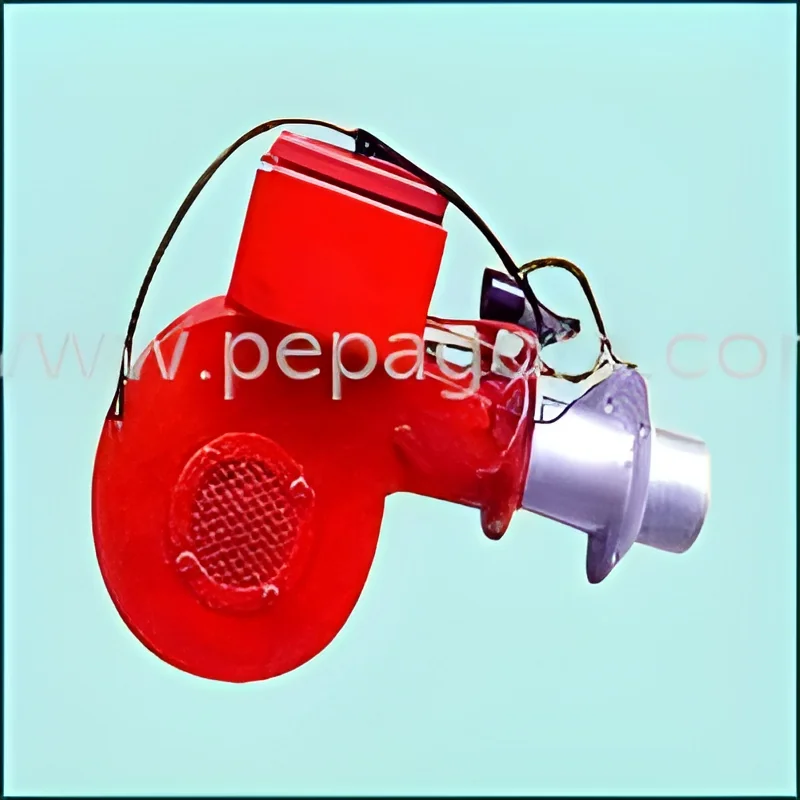
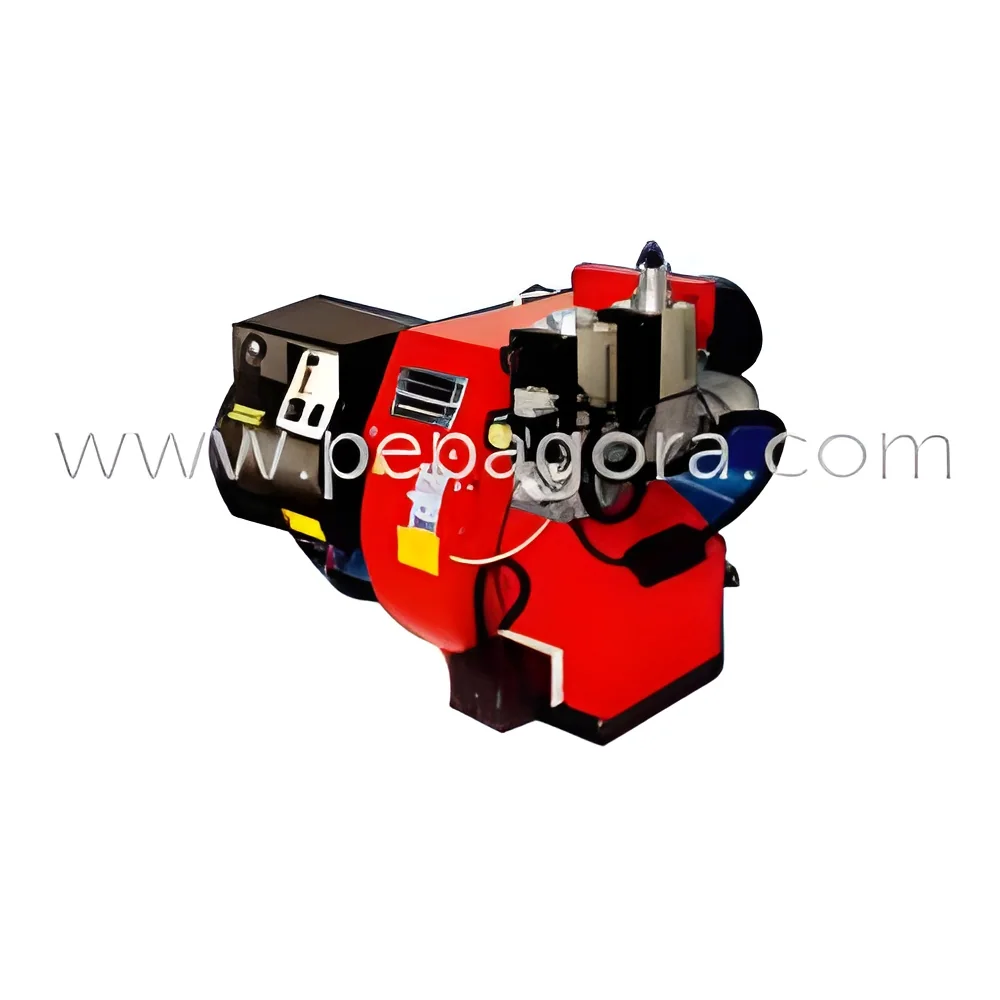
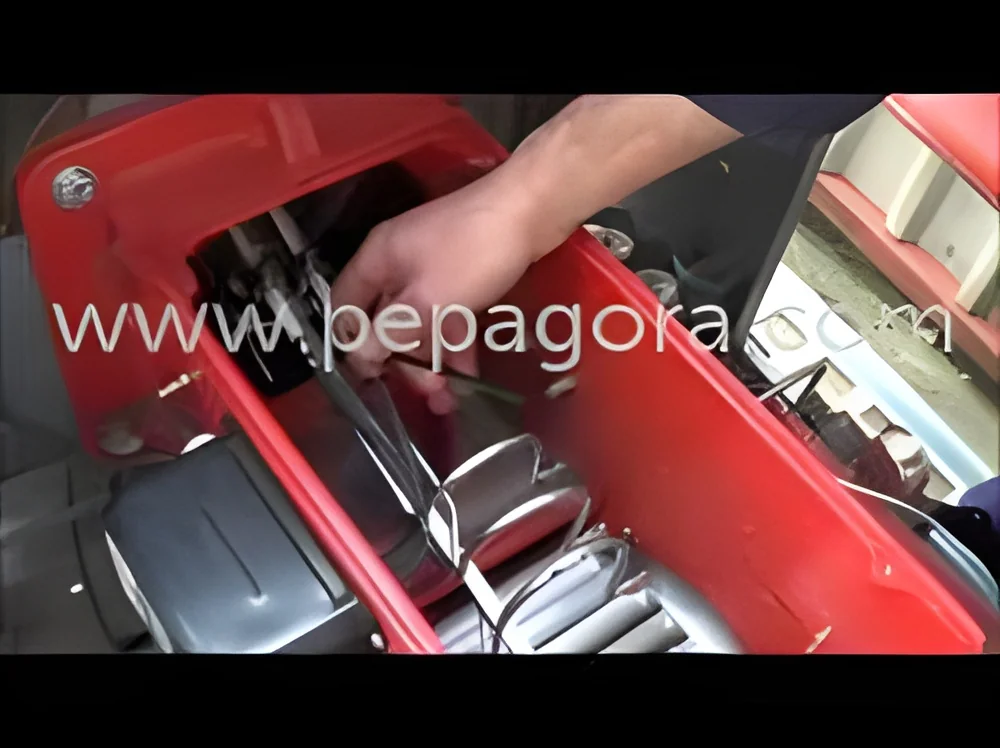
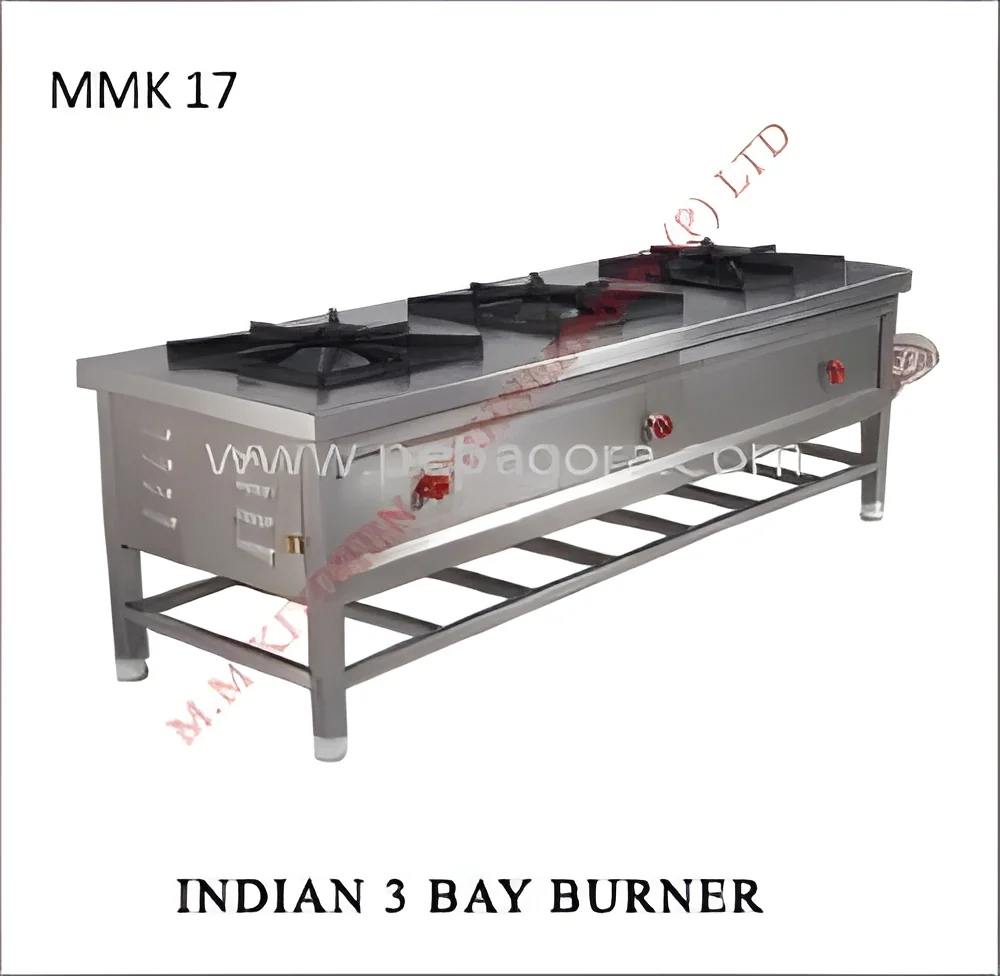
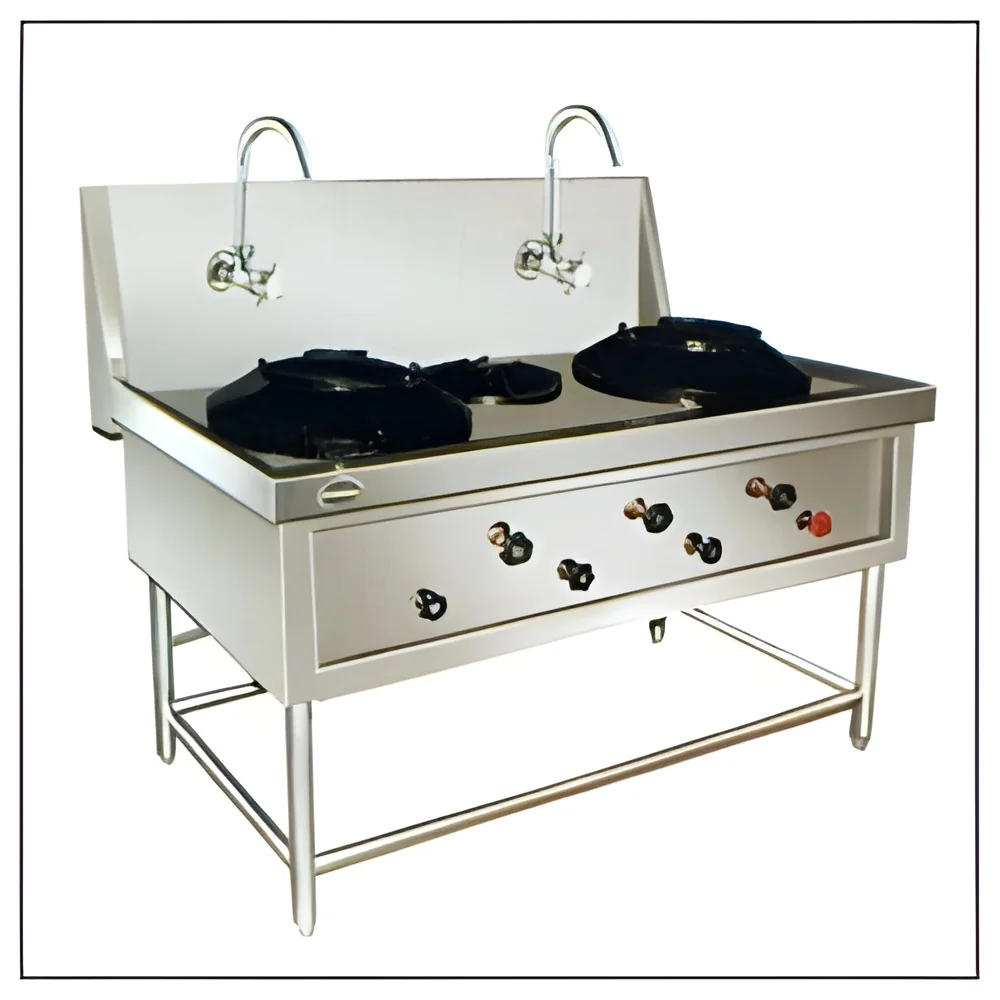
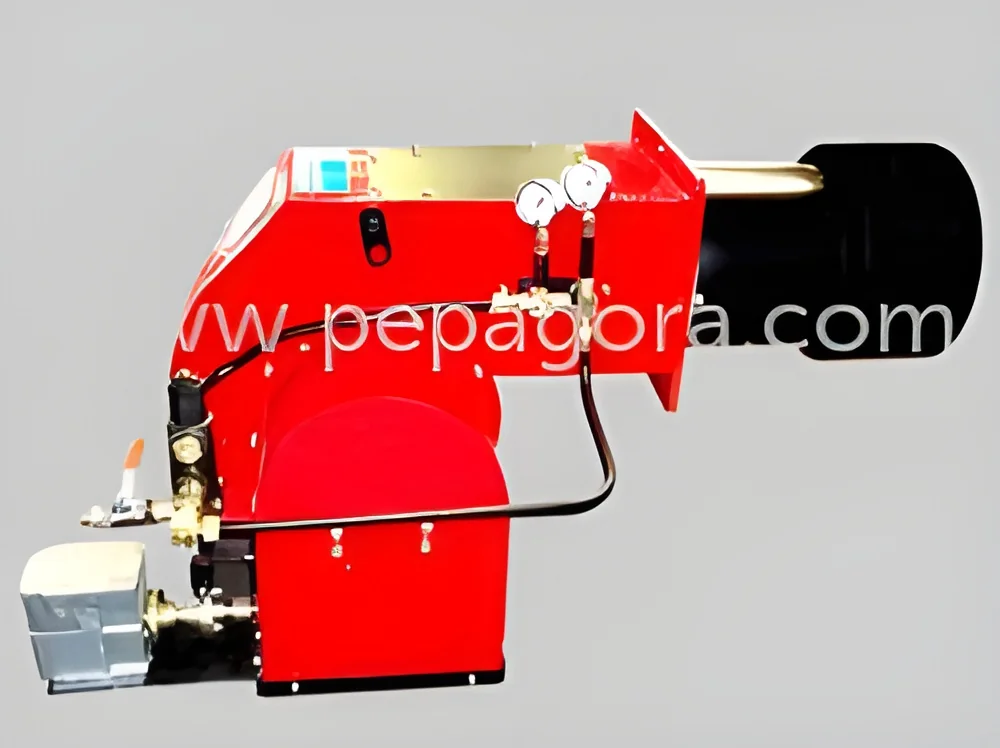
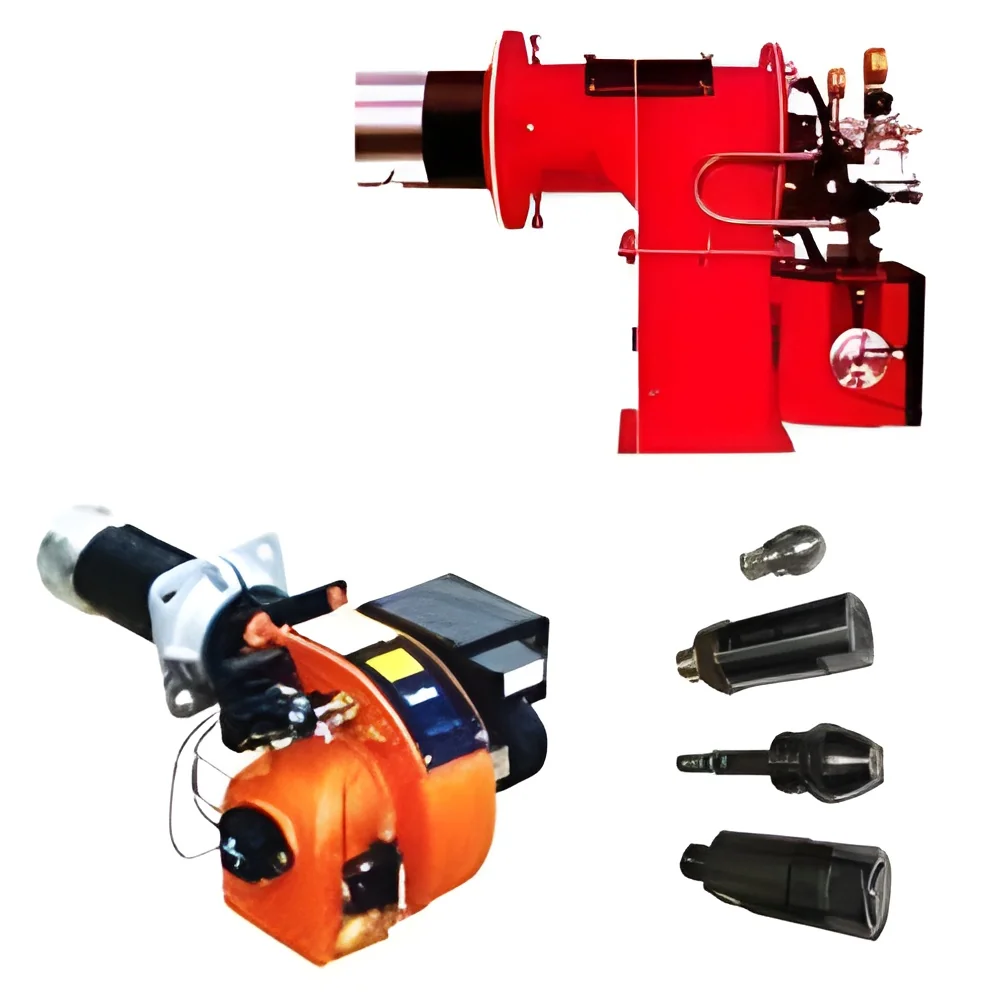
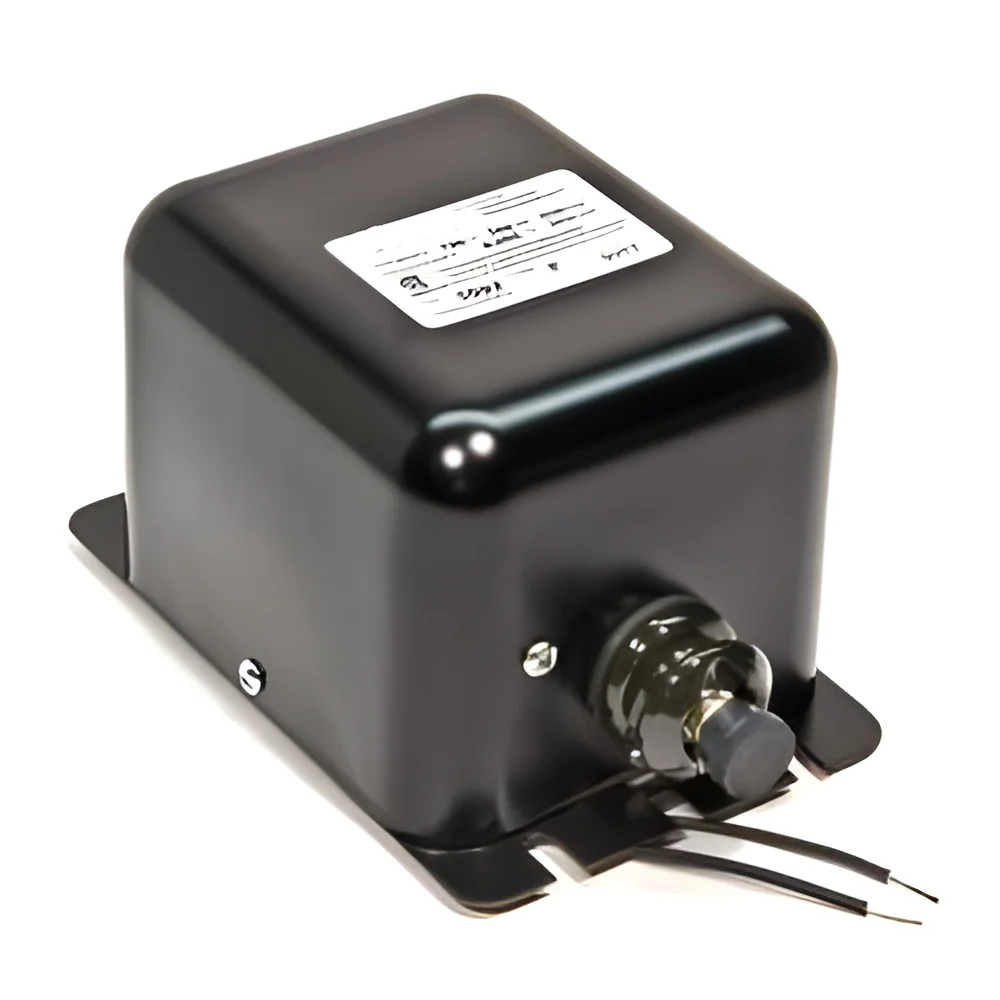
Burners and blowers are essential components in various industrial processes, providing controlled heat and airflow. Burners are devices that produce flames to generate heat, often using fuels such as natural gas, propane, or fuel oil. They are designed to ensure efficient combustion, maximizing energy output while minimizing emissions. Blowes, on the other hand, are used to move air or gas in a controlled manner, often crucial for processes requiring precise air distribution or ventilation.
These devices find primary applications in industries such as manufacturing, food processing, and HVAC systems. For instance, burners are commonly used in ovens, furnaces, and kilns, where consistent and controlled heating is necessary. Blowers are utilized in various settings, including air handling systems, drying processes, and pneumatic conveying systems. Together, they play a critical role in enhancing operational efficiency and ensuring safety in industrial environments.
In today’s market, the demand for energy-efficient and environmentally friendly burners and blowers is increasing. Industries are focusing on implementing advanced technologies that comply with stringent regulations regarding emissions and energy consumption. As a result, manufacturers are continually innovating to meet these needs, making burners and blowers an integral part of modern industrial operations.
Key Features and Specifications
Burners and blowers come with various features tailored to meet specific operational needs. Understanding these specifications is essential for selecting the right equipment for your business.
Key specifications include:
1. Fuel Type
- Burners can operate on multiple fuel sources, including natural gas, propane, and oil.
- This versatility allows for flexibility in energy sourcing.
2. Airflow Capacity
- Blowes are designed to handle different airflow rates to suit various applications.
- Airflow capacities can range from low to high, depending on the model.
3. Efficiency Rating
- Burners are often rated for thermal efficiency, indicating how effectively they convert fuel into usable heat.
- Higher efficiency ratings lead to lower operational costs.
4. Control System
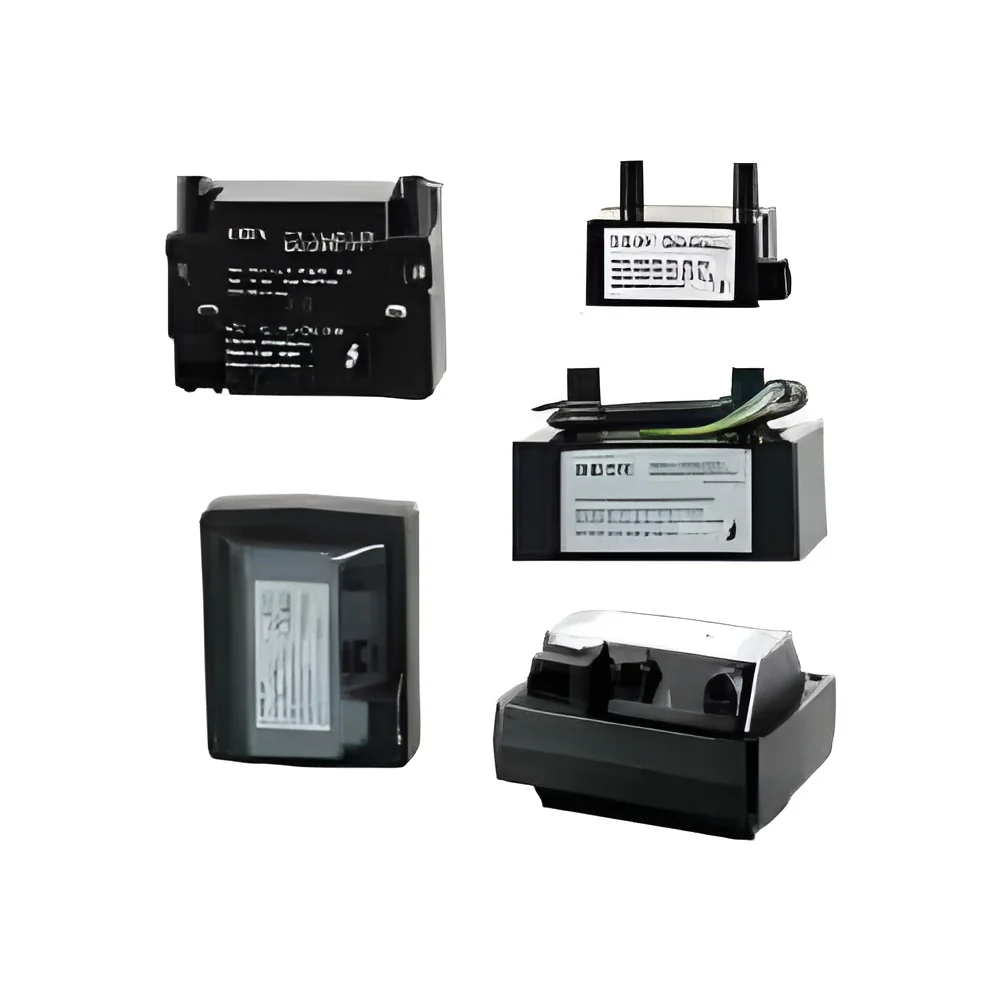
- Many modern burners and blowers feature advanced control systems for precise operation.
- These can include electronic controls and automation capabilities.
5. Emissions Compliance
- Equipment is designed to meet specific emissions standards, contributing to environmental sustainability.
- Compliance with regulations like CE is essential for market acceptance.
6. Temperature Range
- Burners can operate within specific temperature ranges suitable for various applications.
- Accurate temperature control is vital for process consistency.
7. Noise Levels
- Blowers are designed with noise-reducing features for quieter operation.
- This is particularly important in settings where noise pollution is a concern.
8. Size and Footprint
- Equipment dimensions can vary widely, allowing for integration into various spaces.
- Compact designs are often preferred in facilities with limited space.
In summary, selecting the right burner or blower requires a thorough understanding of these key specifications. Each feature contributes to the overall efficiency, safety, and effectiveness of industrial operations.
Common Applications and Use Cases
Burners and blowers are utilized across multiple industries, each with specific applications that leverage their capabilities.
1. Manufacturing: In manufacturing, burners are used for processes such as heating, melting, and curing materials. Blowes support operations by providing necessary airflow for drying and cooling.
2. Food Processing: Burners are essential in cooking and pasteurization processes, ensuring consistent heat application. Blowes help in drying and cooling food products, maintaining quality and safety standards.
3. HVAC Systems: In heating, ventilation, and air conditioning systems, blowers distribute air throughout buildings. Burners provide the necessary heat for comfort and climate control.
4. Chemical Processing: Burners are often used to heat reactors and distillation columns, while blowers ensure proper ventilation and material handling.
5. Textile Industry: Burners provide heat for dyeing and drying fabrics, while blowers assist in air circulation during manufacturing processes.
6. Power Generation: In power plants, burners are used in boilers to generate steam, and blowers are critical for combustion air supply.
7. Waste Management: Burners are utilized in waste-to-energy facilities to incinerate waste materials, while blowers aid in air management within the facility.
Product Variants and Subcategories
The diversity of burners and blowers allows for tailored solutions across different industrial needs.
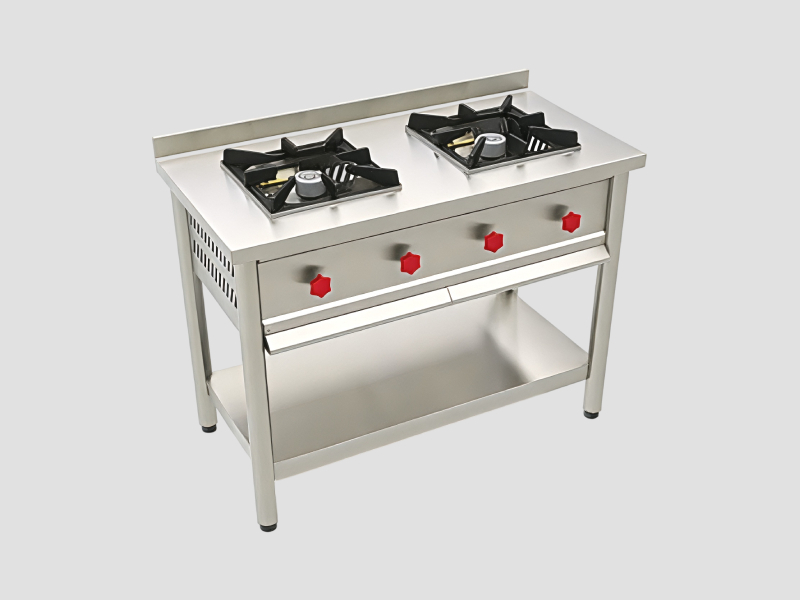
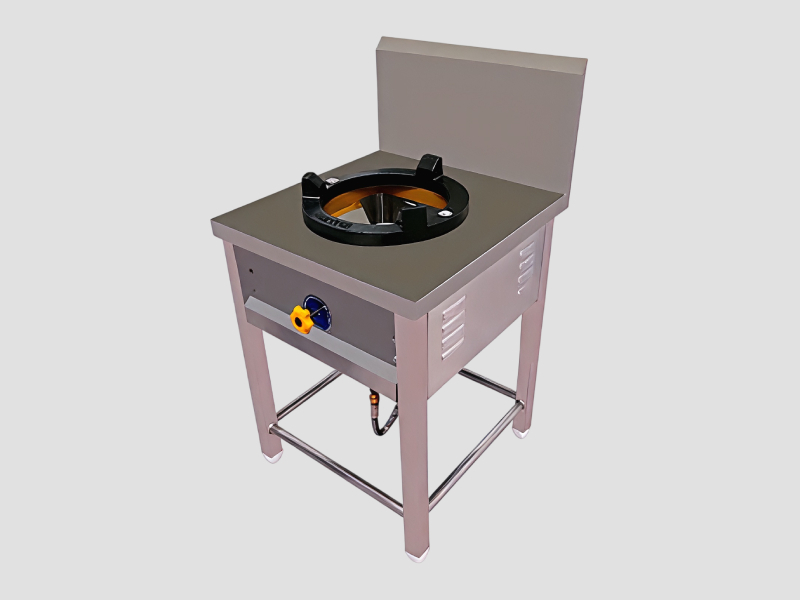
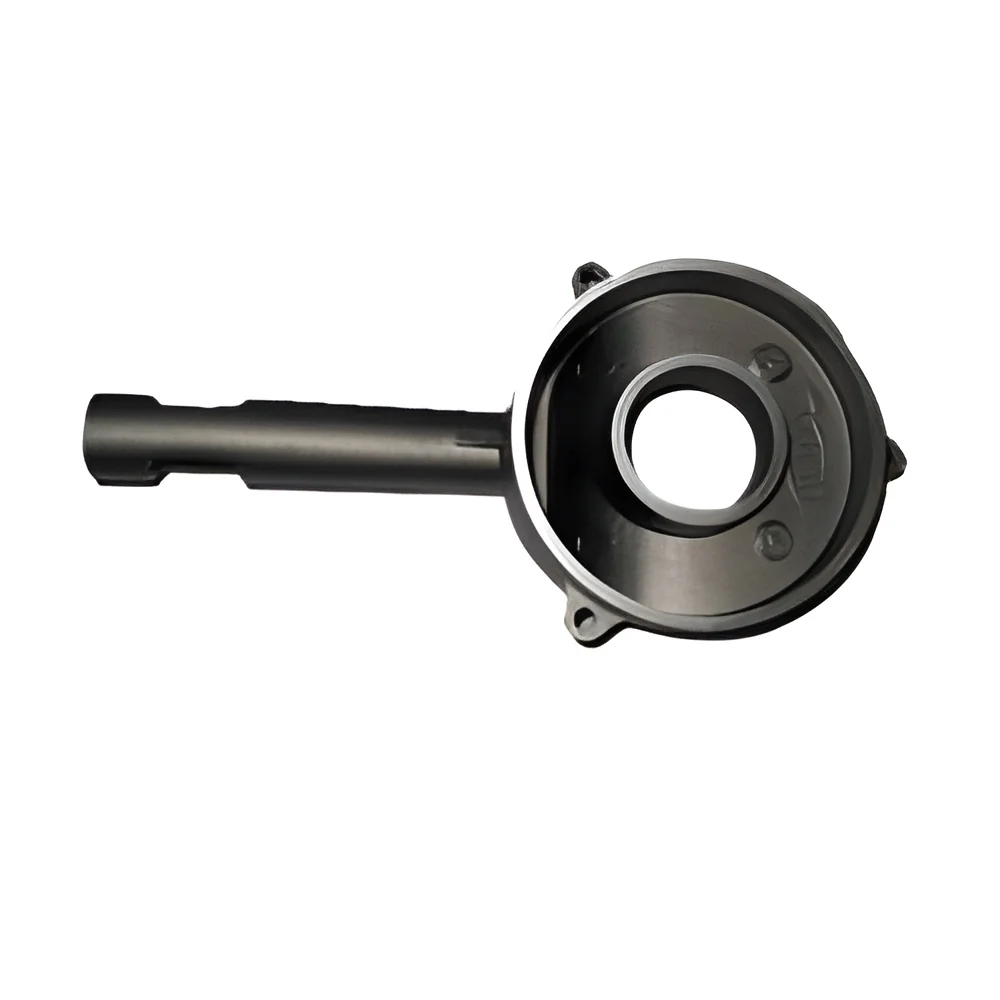
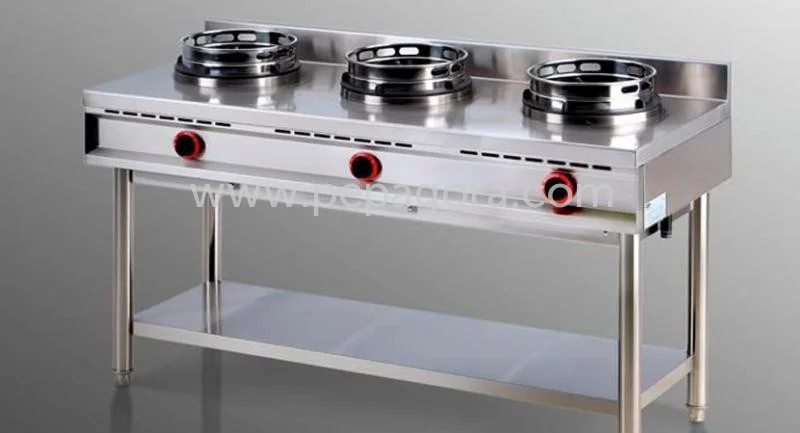
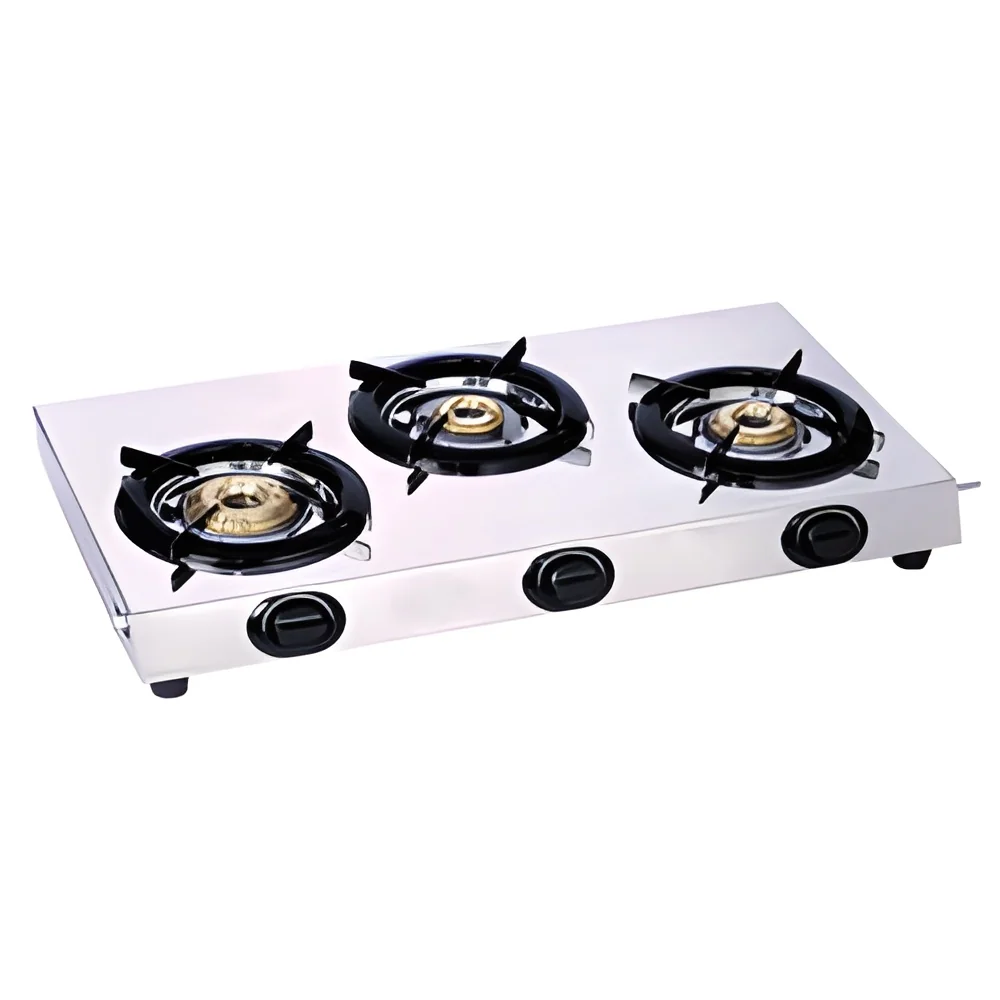
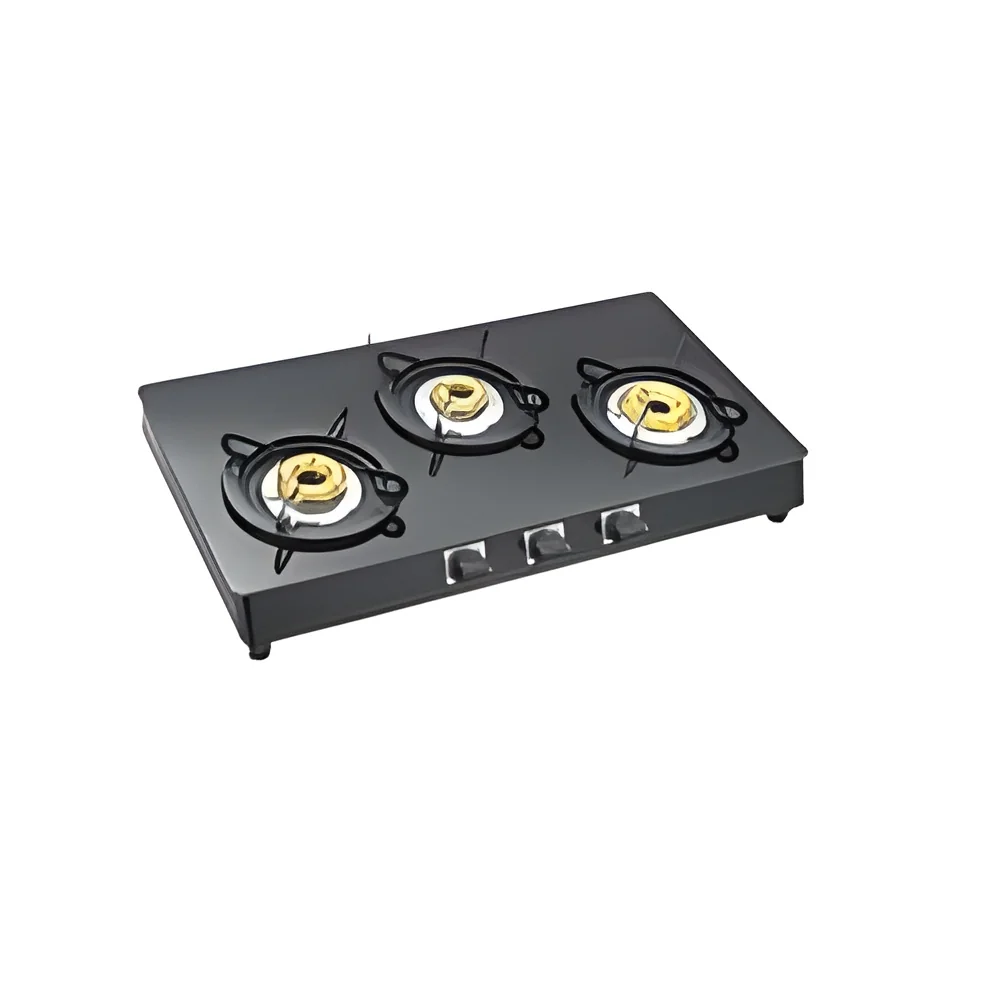
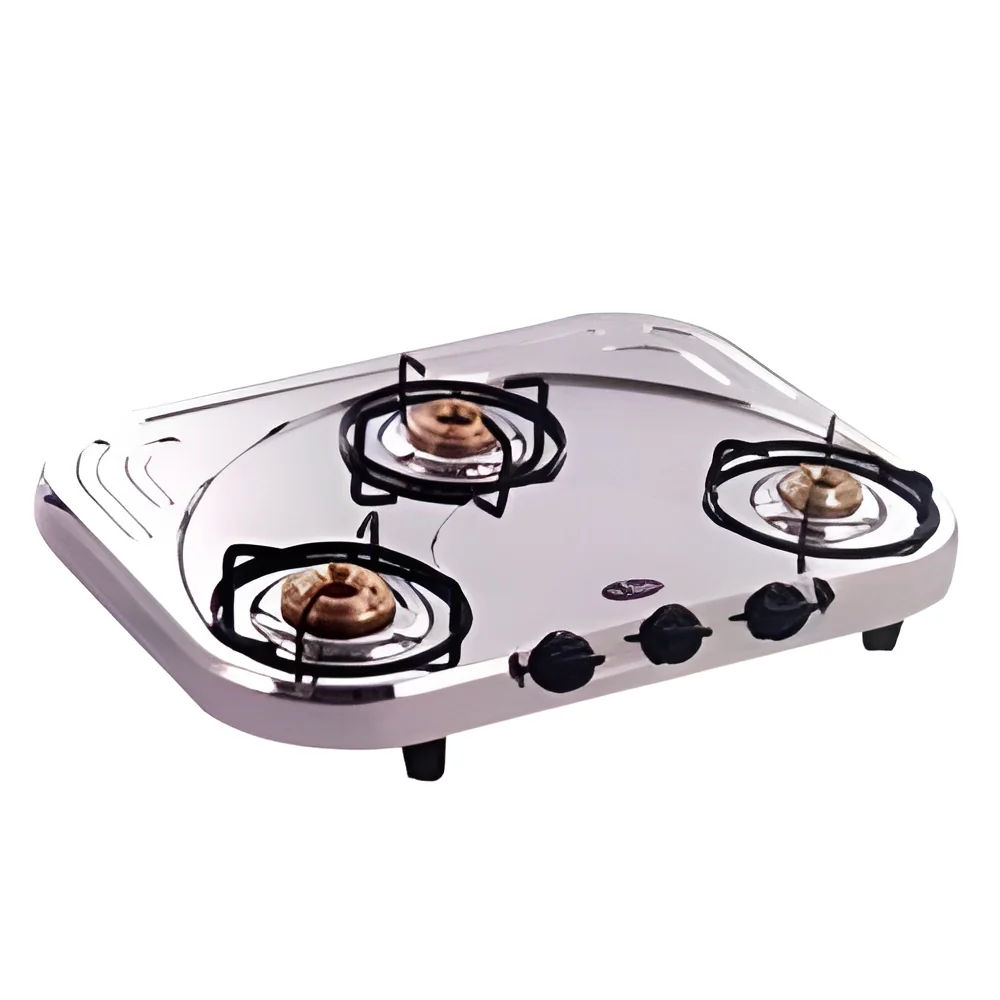
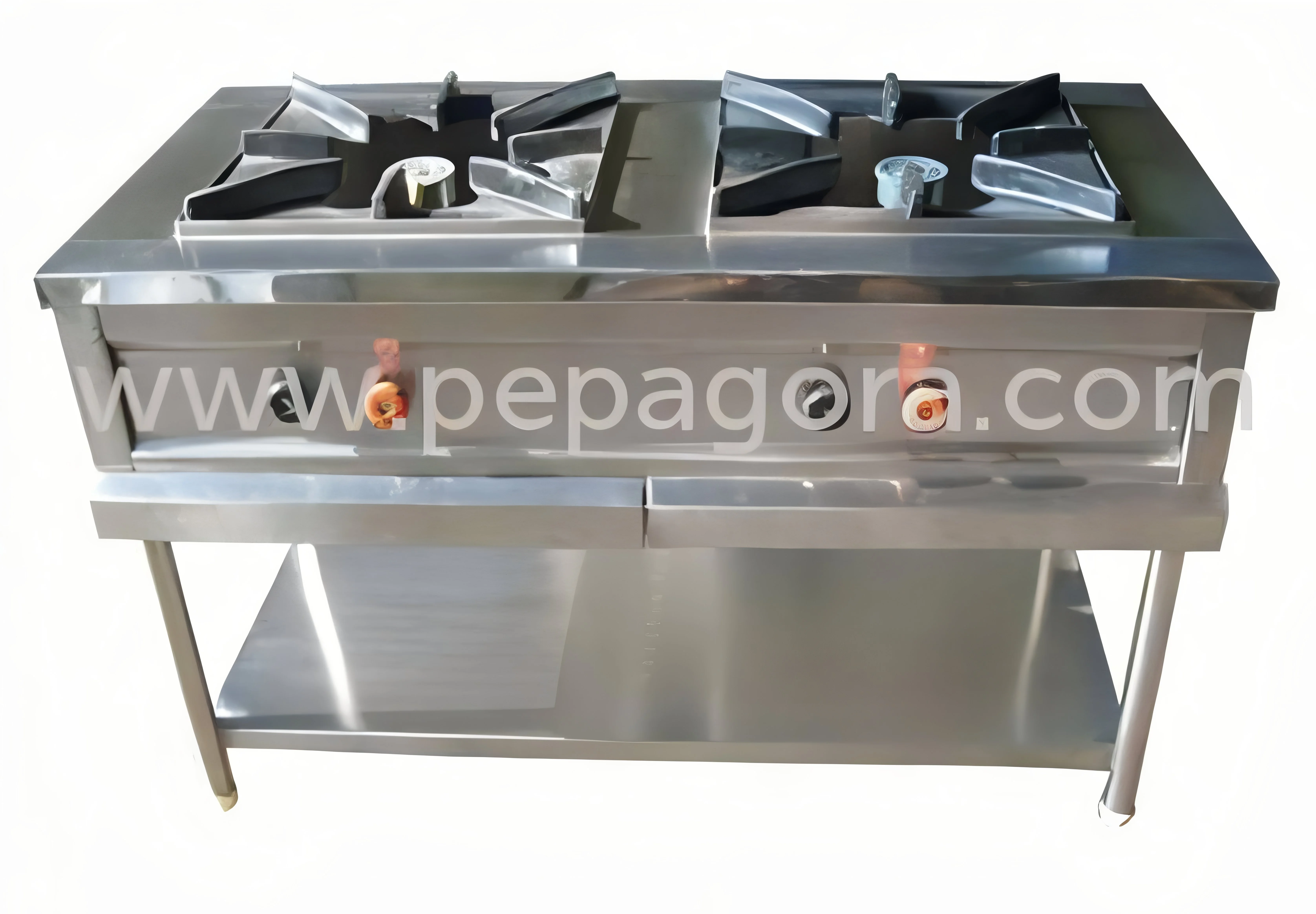
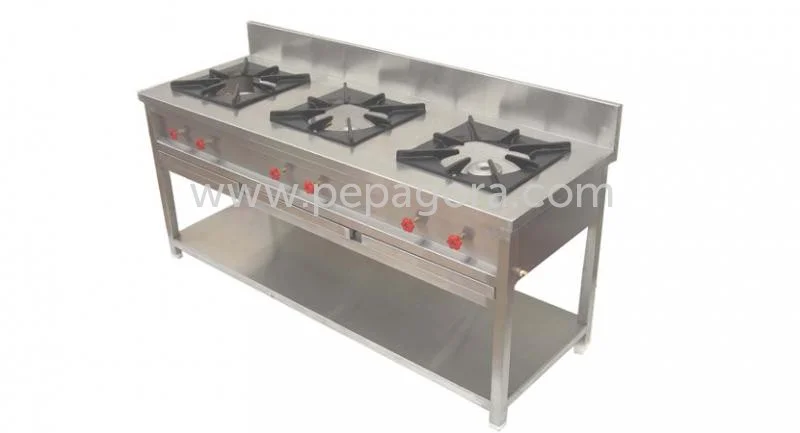
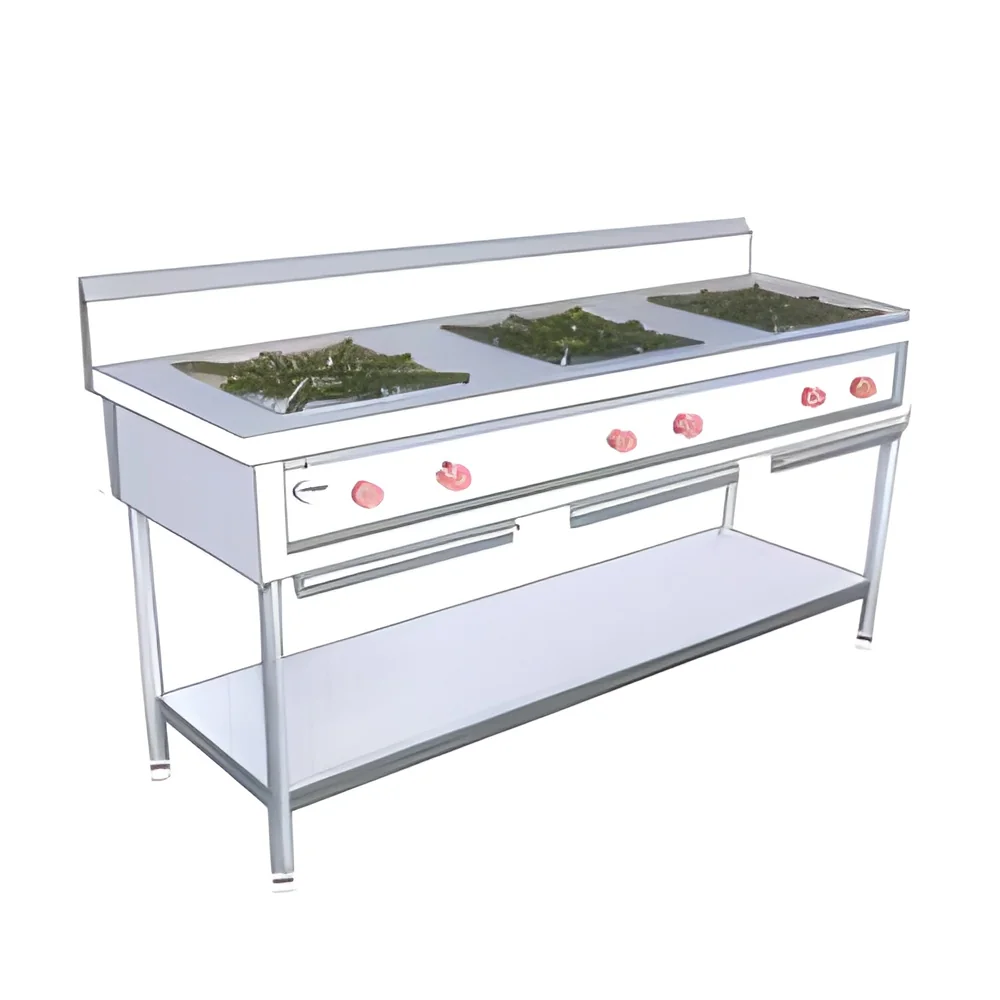
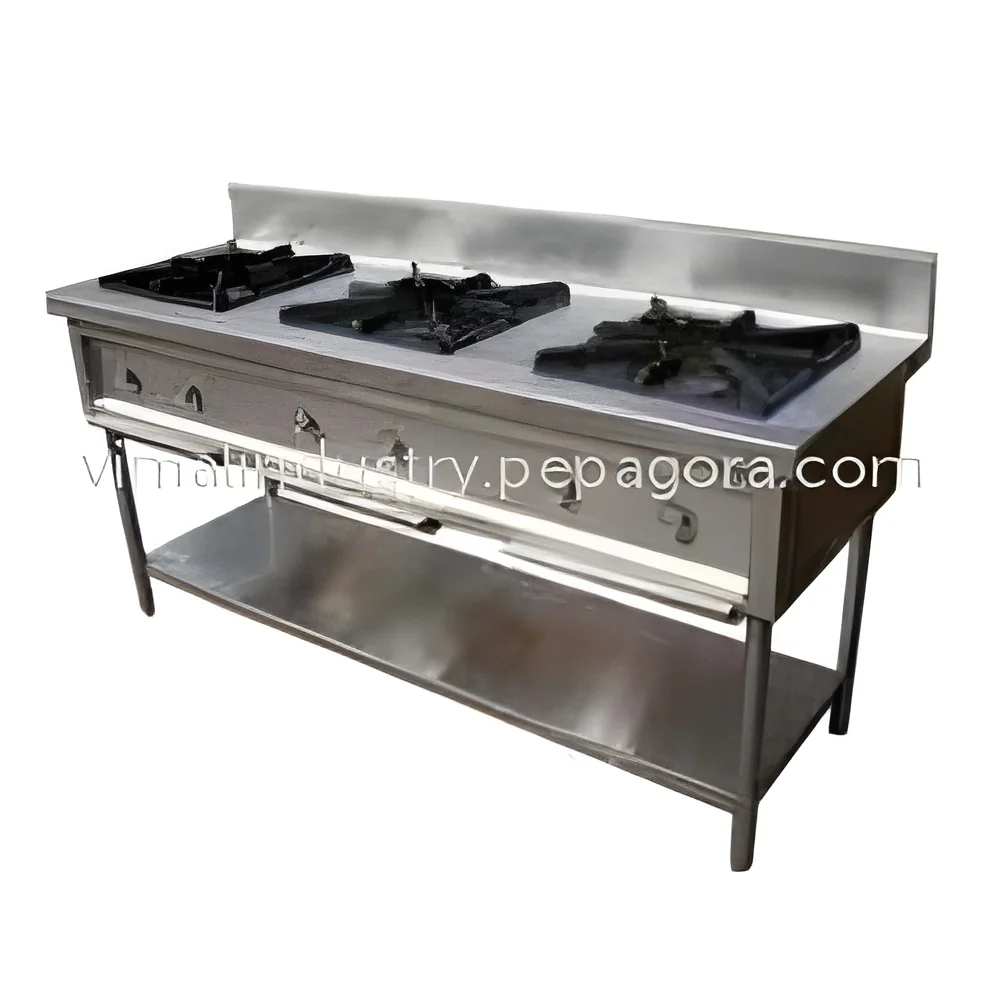
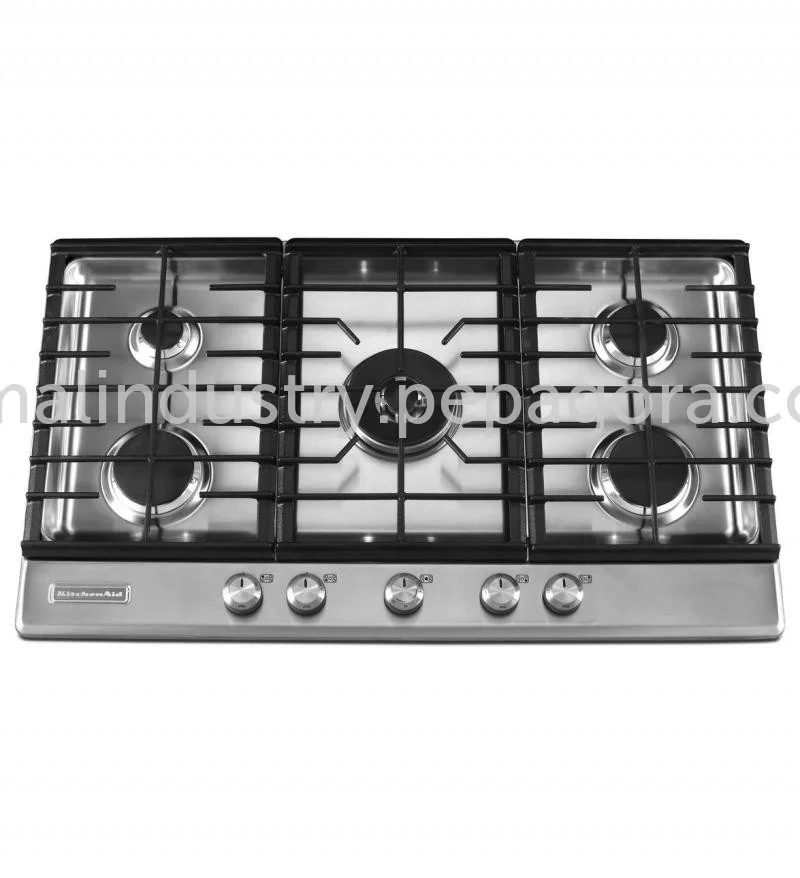
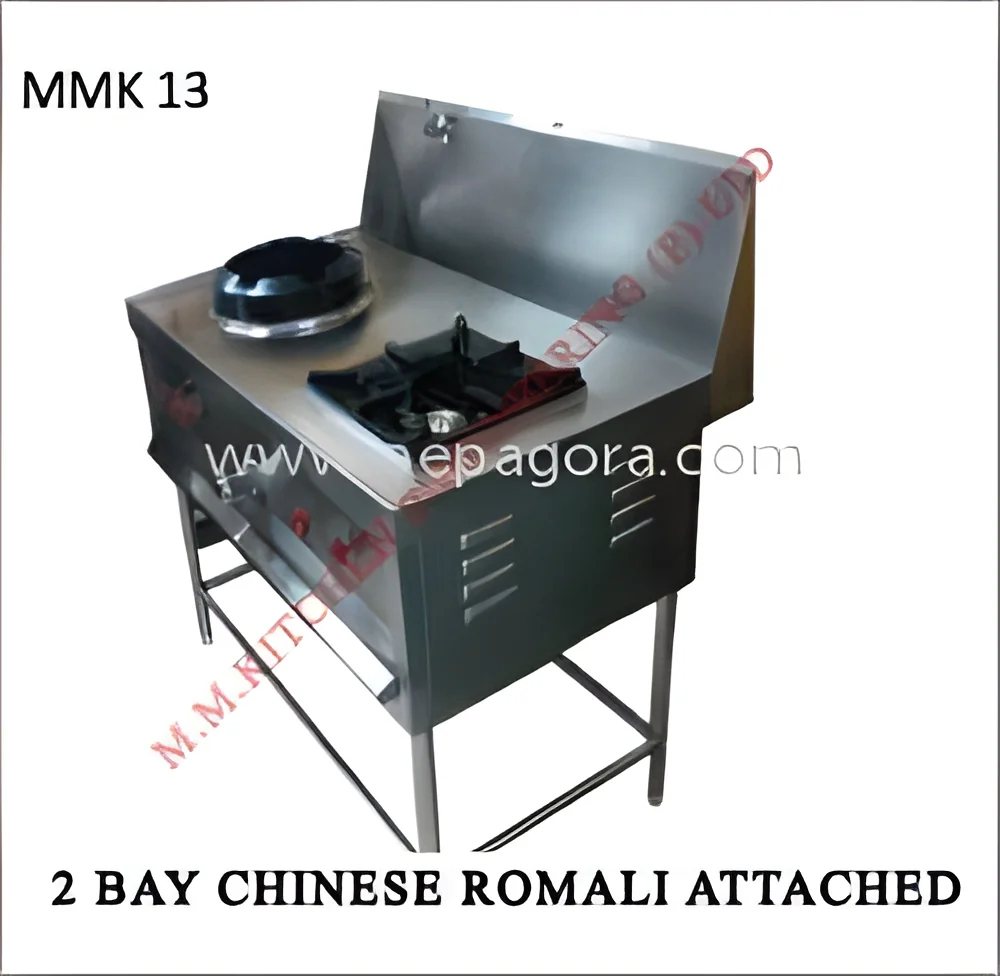
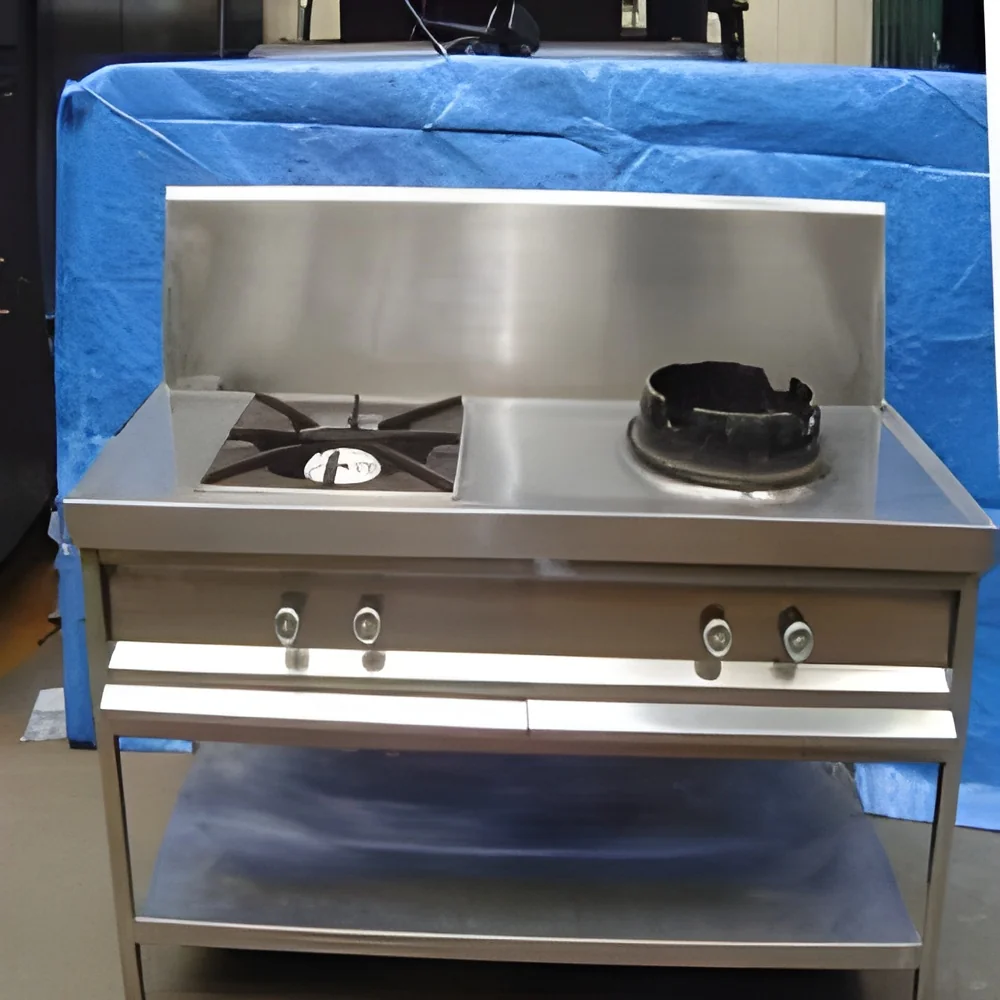
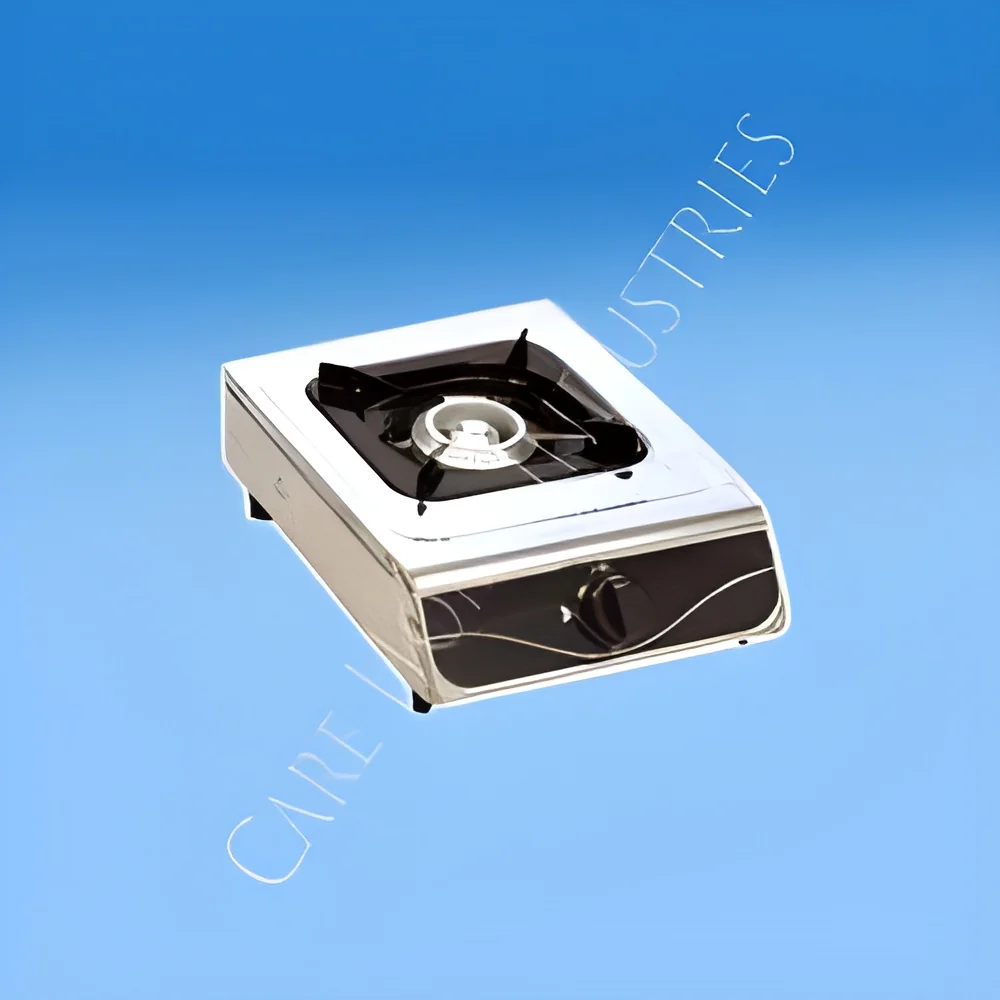
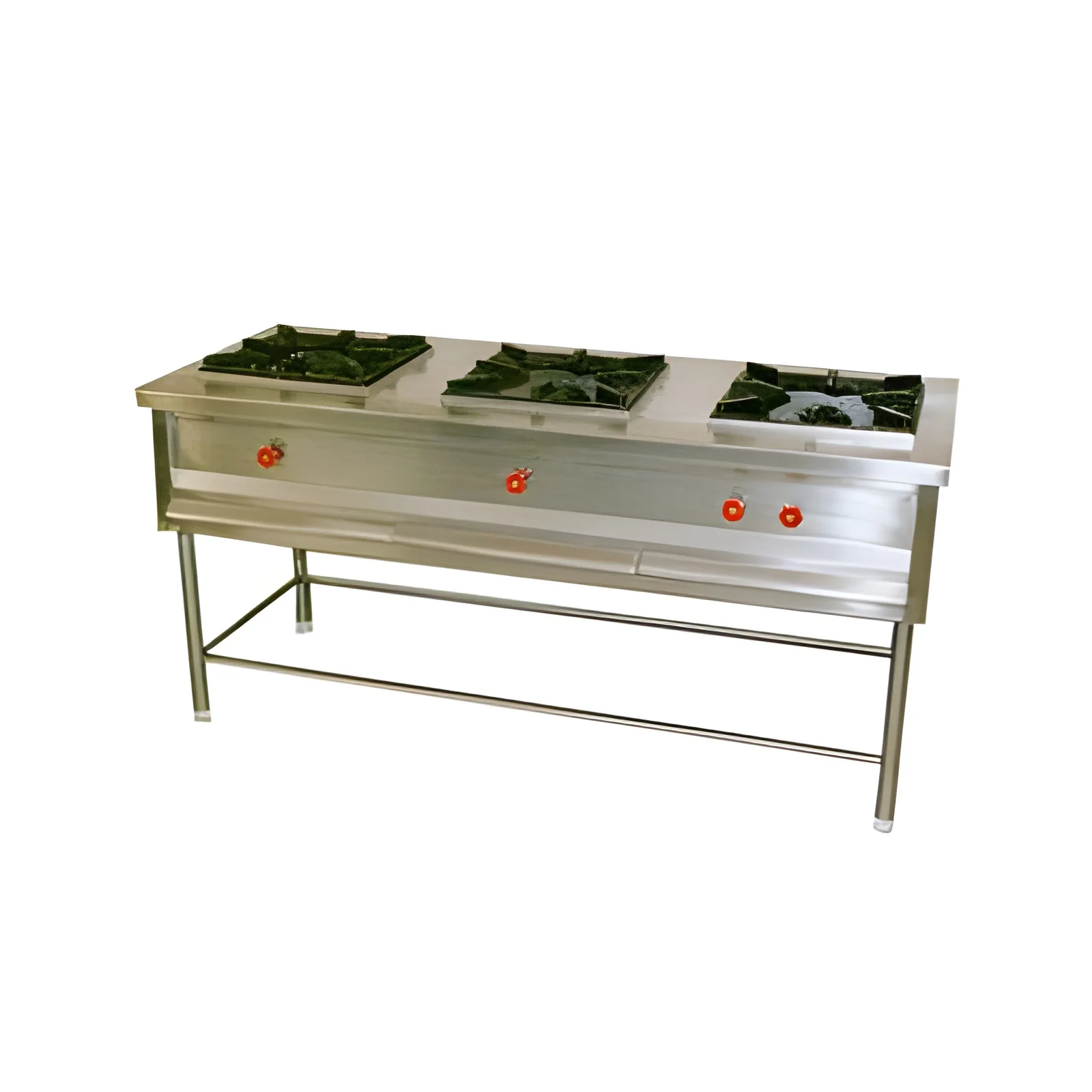
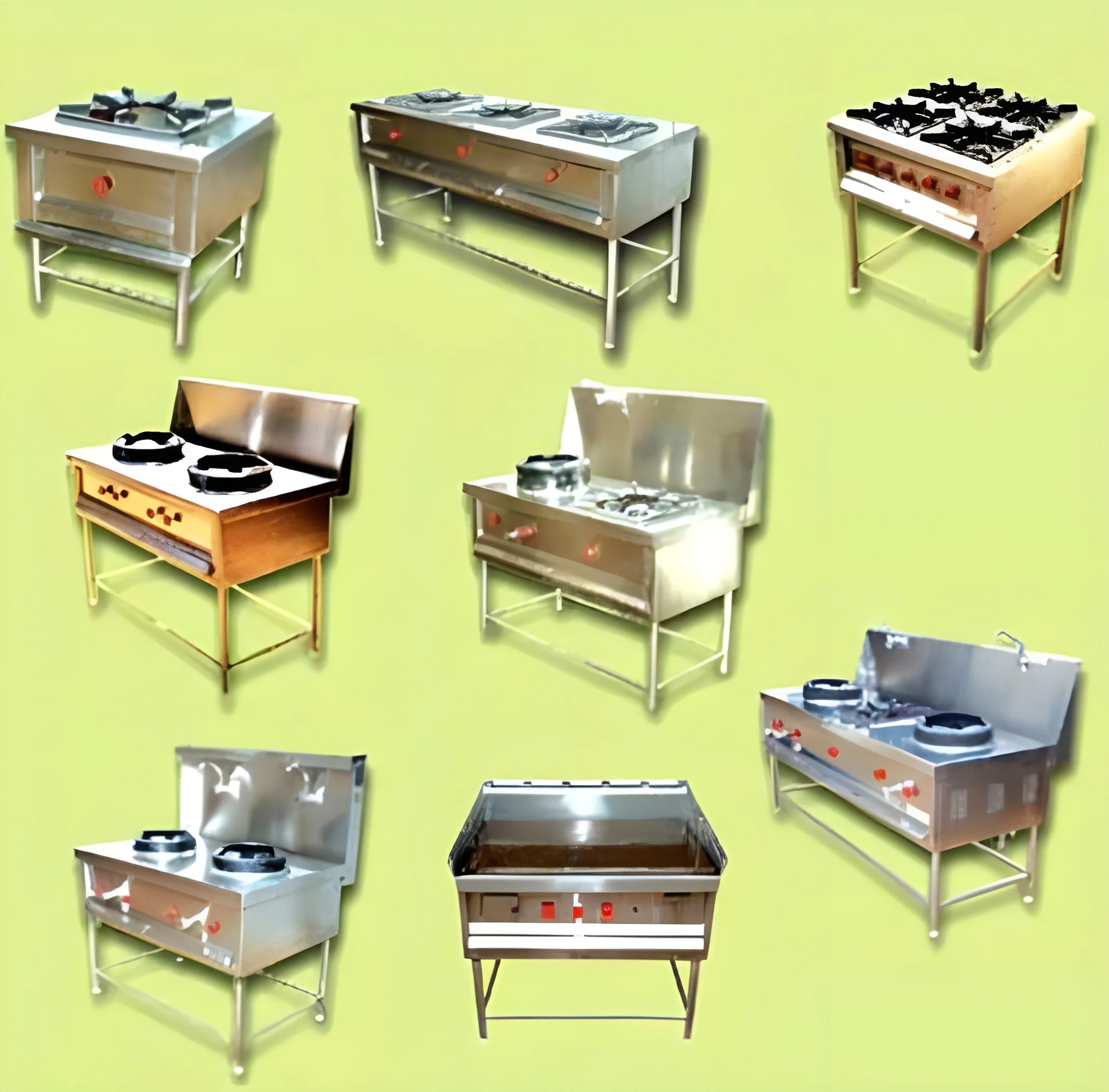
Gas Burners: Gas burners are designed for efficient combustion of natural gas or propane. They are ideal for applications requiring high heat output and quick response times.
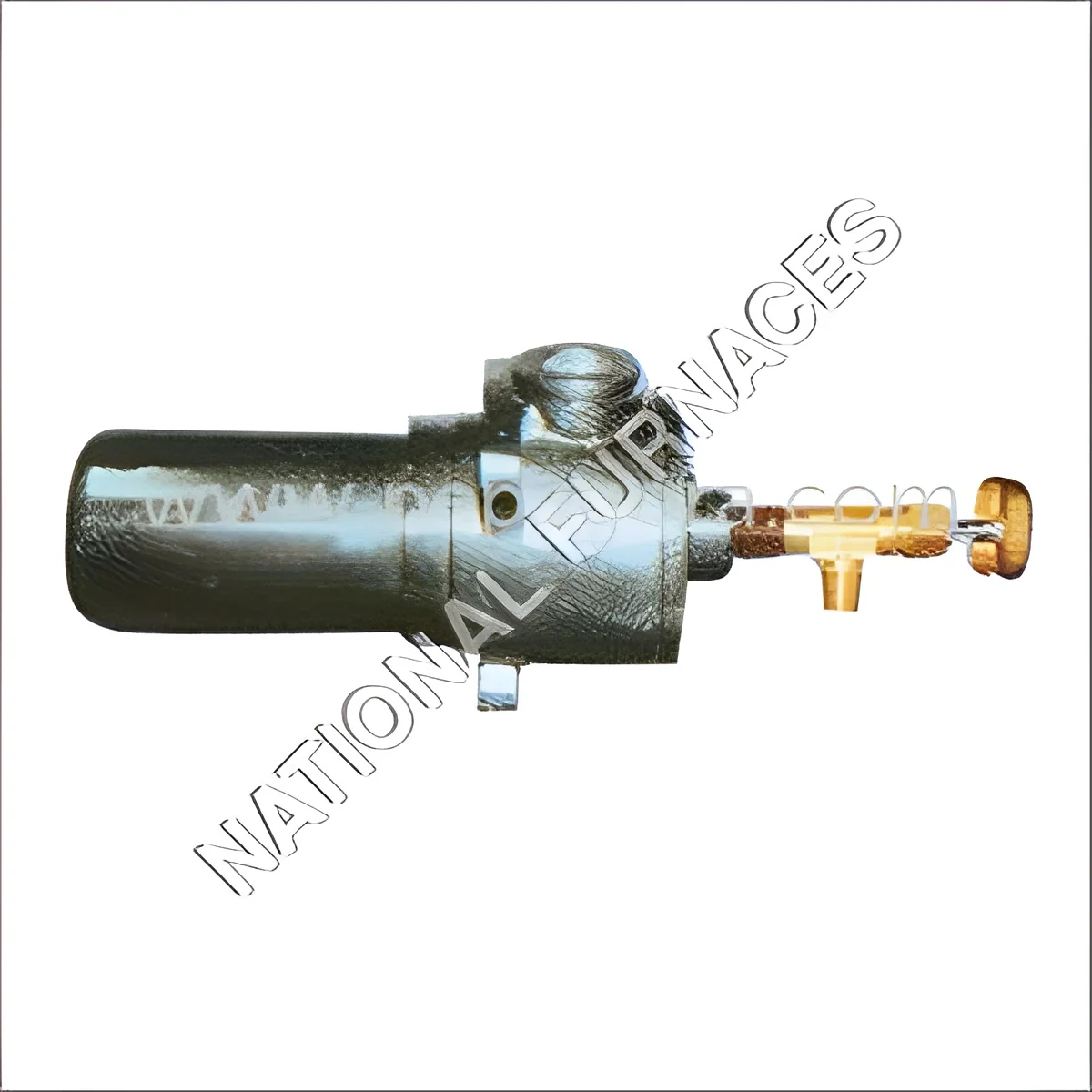
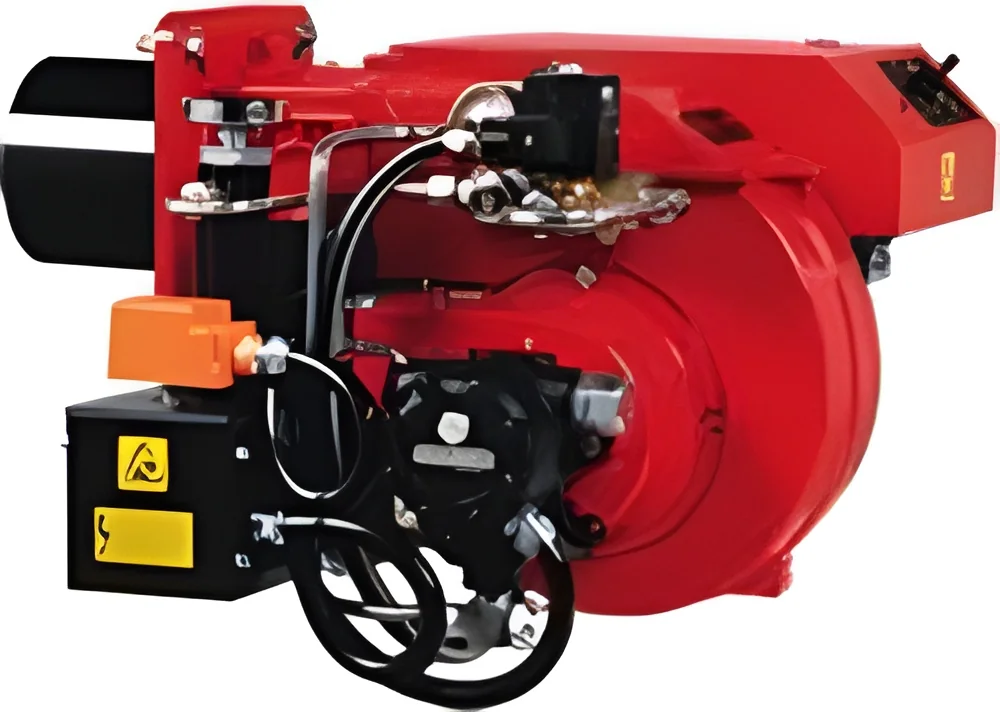
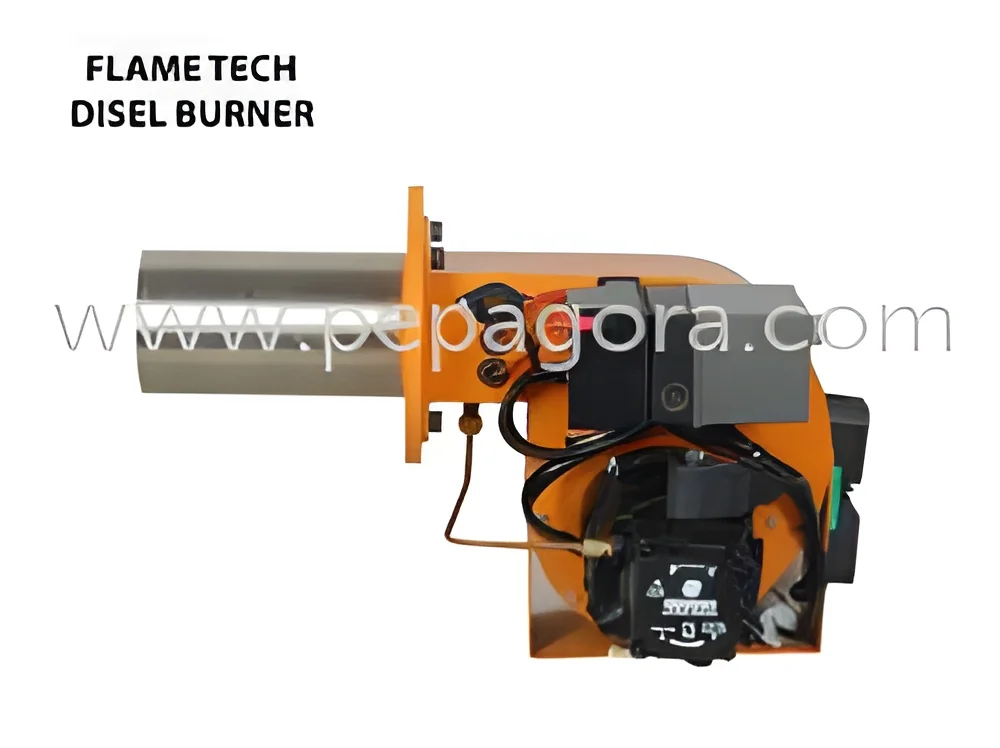
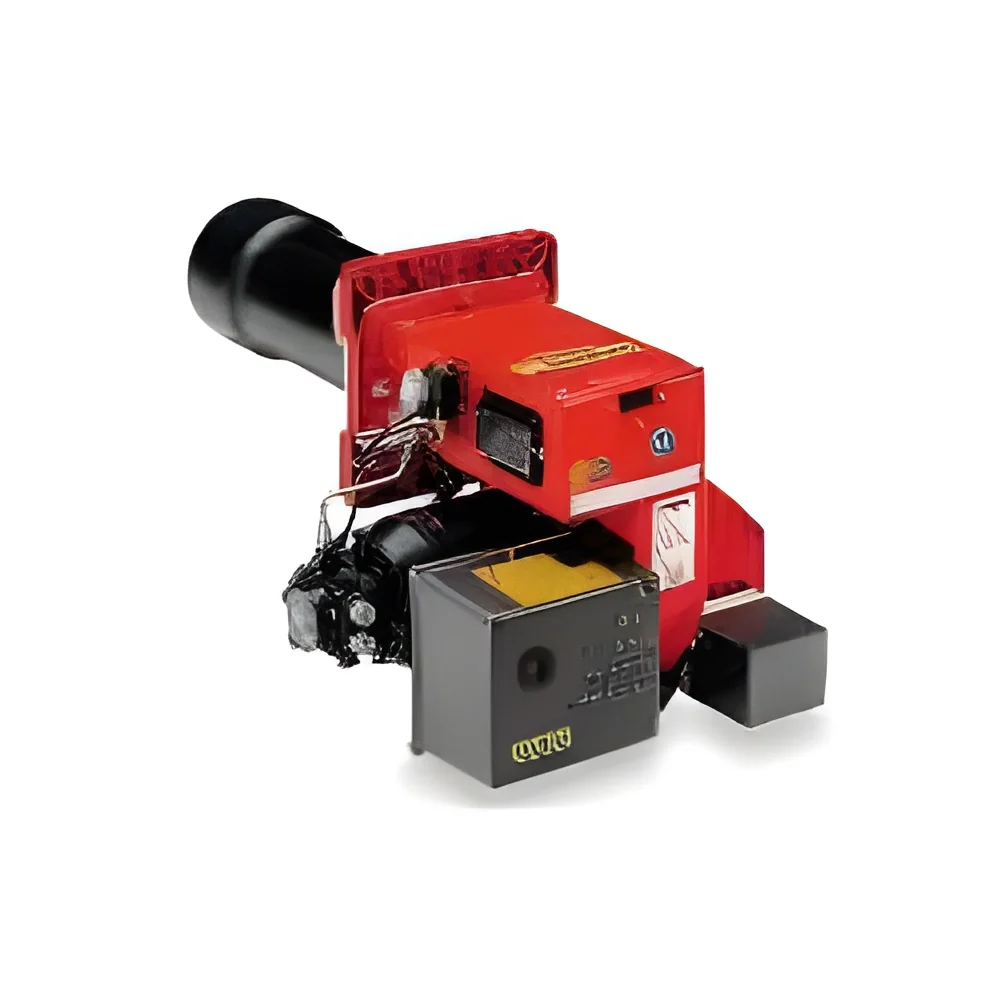
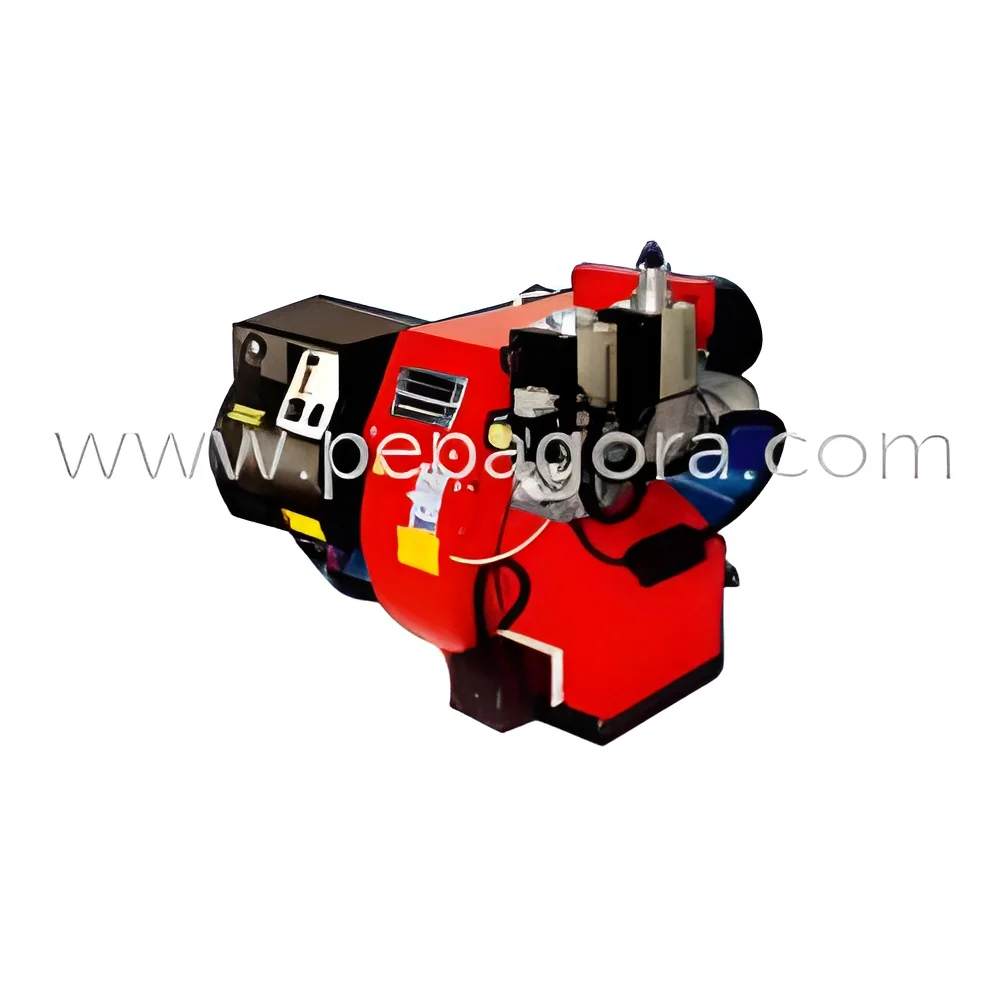
Oil Burners: These burners are specifically engineered for fuel oil applications, providing robust performance in heavy-duty industrial environments.
Blower Fans: Blower fans are used for high-volume air movement in various settings. They are versatile and can be customized for specific airflow requirements.
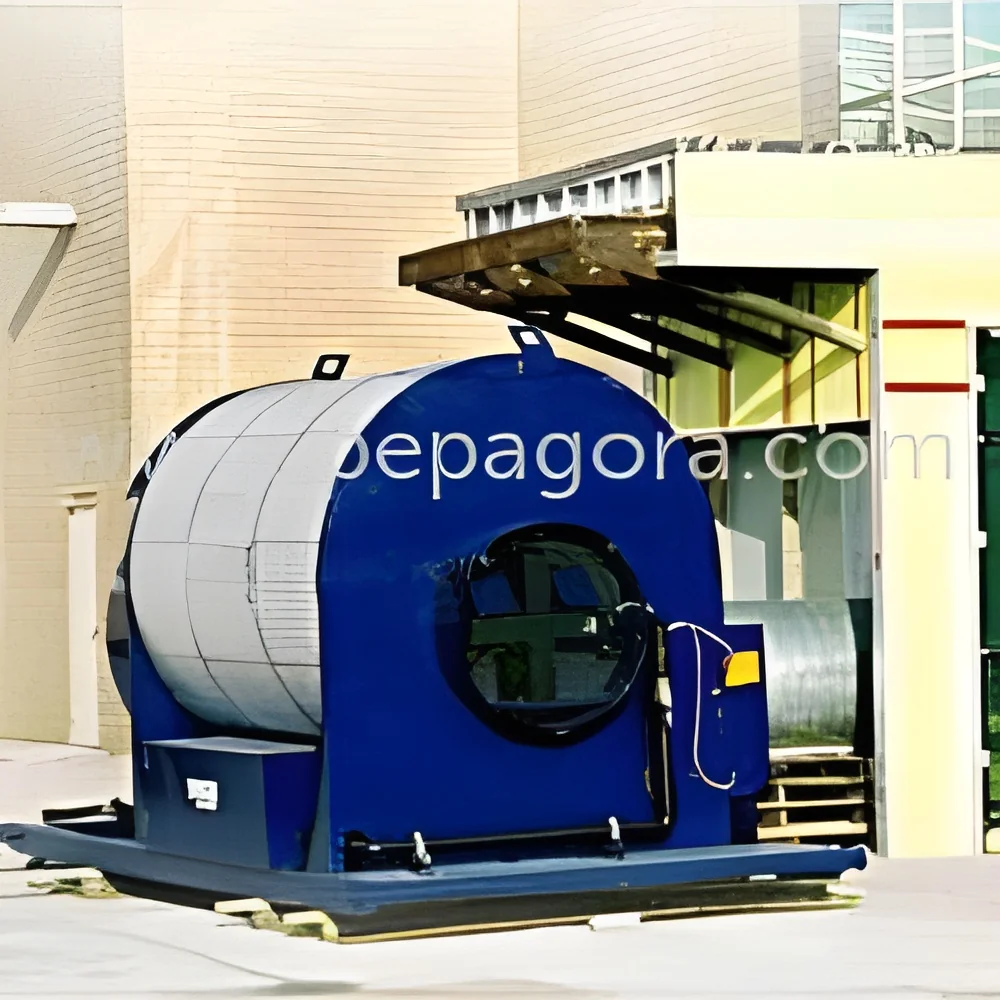
Centrifugal Blowers: Known for their efficiency, centrifugal blowers are designed for applications that require high pressure and airflow, making them suitable for HVAC and industrial processes.
Benefits and Advantages
Investing in high-quality burners and blowers can offer significant advantages to businesses.
Key benefits include:
1. Increased Efficiency: Modern burners and blowers are designed for optimal performance, leading to reduced energy consumption and operational costs.
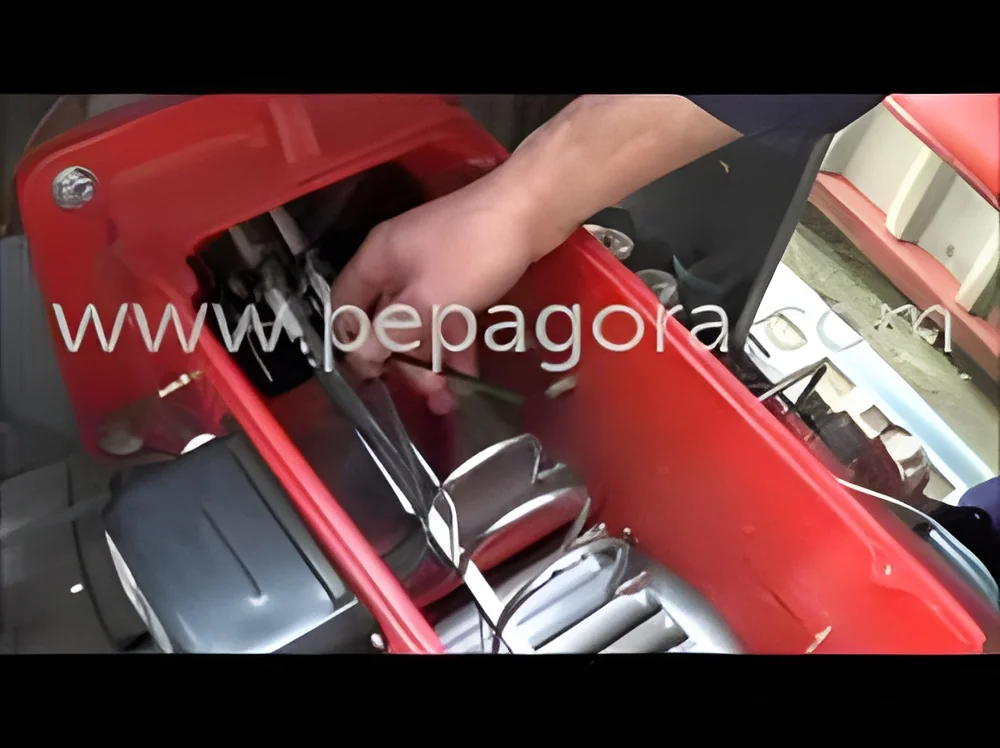
2. Enhanced Safety: Advanced safety features and compliance with industry standards help minimize risks associated with combustion and airflow.
3. Environmental Compliance: Many burners and blowers meet stringent emissions regulations, aiding businesses in their sustainability goals.
4. Customization Options: Equipment can often be tailored to meet specific operational requirements, ensuring compatibility with existing systems.
5. Reliability: High-quality construction and technology ensure that burners and blowers operate consistently over time, reducing downtime and maintenance costs.
6. Improved Product Quality: Consistent heat and airflow contribute to better product quality in manufacturing processes, positively impacting end-user satisfaction.
Buying Guide for B2B Buyers
When sourcing burners and blowers, it is crucial to consider several factors to ensure you make an informed decision.
1. Quality Assessment: Evaluate the quality of the equipment by reviewing materials, construction standards, and performance ratings. Look for certifications that indicate compliance with industry benchmarks.
2. Supplier Verification: Vet suppliers thoroughly to ensure they have a good reputation for reliability and customer service. Check for customer reviews and industry experience.
3. Pricing and MOQ: Understand the pricing structure, including potential discounts for bulk purchases. Be aware of minimum order quantities that may affect purchasing decisions.
4. Delivery and Lead Times: Assess the supplier's ability to deliver products within your required time frame. Reliable lead times are essential for maintaining production schedules.
5. Compliance Requirements: Ensure that the selected equipment meets all necessary regulatory and safety standards relevant to your industry. This will prevent potential legal issues and enhance operational safety.
Compliance and Certifications
Compliance and certifications are paramount in the burners and blowers market. Adhering to quality standards ensures that products are safe and efficient.
ISO 9001 is a widely recognized standard that focuses on quality management systems. Manufacturers of burners and blowers often seek this certification to demonstrate their commitment to quality.
HACCP (Hazard Analysis Critical Control Point) and GDP (Good Distribution Practice) are also relevant in industries like food processing, where safety and quality are critical. These certifications ensure that products are consistently produced and controlled.
CE certification indicates that the equipment meets European safety and environmental standards. This compliance is essential for manufacturers seeking to market their products in Europe.
Safety and testing requirements also play a significant role in product development. Equipment must undergo rigorous testing to ensure it operates safely under various conditions.
Regional compliance considerations can vary significantly. Manufacturers must be aware of local regulations and standards that apply to their specific markets, ensuring they remain compliant across different regions.
Why Source Burners & Blowers from Pepagora?
Pepagora provides a trusted platform for sourcing burners and blowers, offering several key advantages for B2B buyers.
Verified Supplier Network: Pepagora has built a robust network of verified suppliers, ensuring that buyers can connect with reputable manufacturers. This verification process helps mitigate risks associated with sourcing.
Streamlined RFQ Process: The platform simplifies the request for quotation (RFQ) process, allowing buyers to easily compare options and select the best fit for their needs. This efficiency saves time and resources during the procurement process.
Trade Assurance and Support: Pepagora offers trade assurance programs that protect buyers throughout the purchasing process. This support reinforces trust and helps ensure that transactions are secure.
Regional Coverage: With a focus on regions such as India, the GCC, and Southeast Asia, Pepagora provides extensive market reach. This geographic coverage allows buyers to connect with suppliers that best meet their specific requirements.
In conclusion, sourcing burners and blowers through Pepagora can enhance operational efficiency and ensure compliance with industry standards, making it a strategic choice for businesses looking to optimize their processes.

 IN
IN