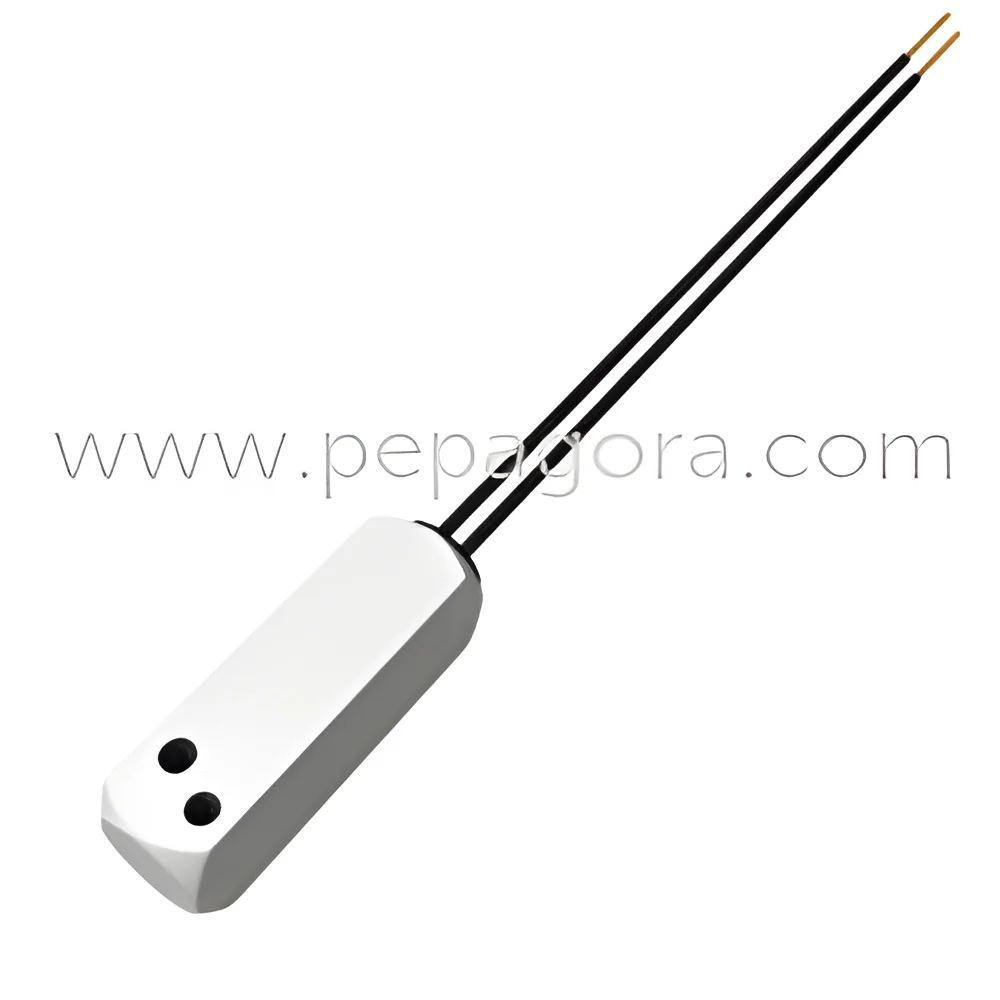
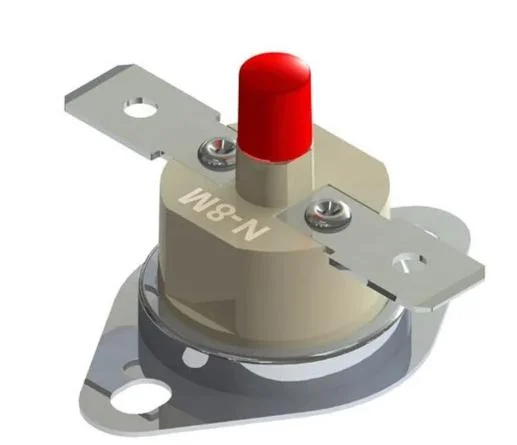
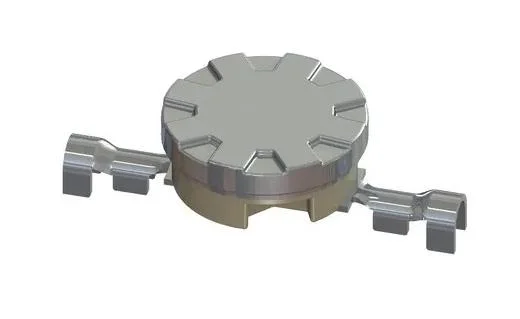
What are Overheat Protection Systems?
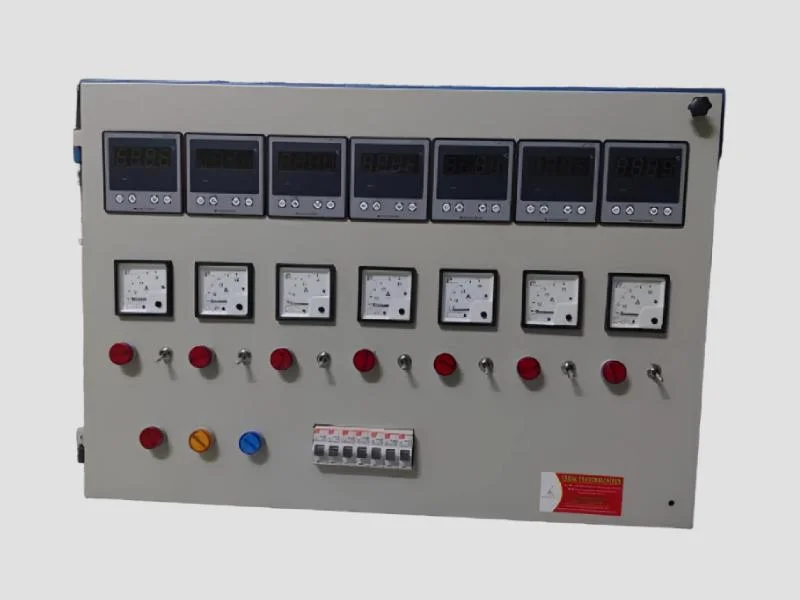
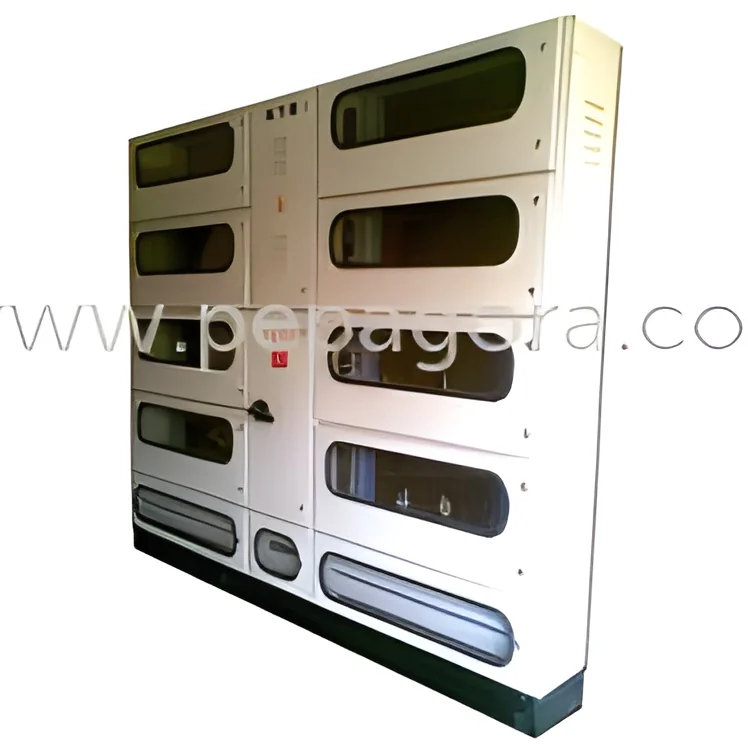
Overheat Protection Systems are crucial safety devices designed to prevent equipment and machinery from overheating. These systems monitor temperature levels and automatically activate cooling mechanisms or shut down machinery to avert potential damage. By continuously assessing temperature conditions, they ensure that operations remain within safe limits, thereby protecting both the equipment and personnel.
These systems are commonly used in various industrial applications, including manufacturing, automotive, and electronics. In manufacturing, for instance, they prevent overheating in machinery such as motors, pumps, and compressors, which can lead to costly downtime and repairs. In the automotive industry, they safeguard engine components and electronic systems, ensuring optimal performance and safety. The relevance of Overheat Protection Systems in today's market cannot be overstated, as industries increasingly recognize the importance of maintaining equipment integrity and enhancing operational efficiency.
Key Features and Specifications
Overheat Protection Systems come equipped with several key features that enhance their effectiveness. Understanding these specifications helps businesses select the right system for their needs.
Key specifications include:
1. Temperature Monitoring Range
- Monitors temperatures within specified ranges to detect overheating.
- Typical ranges vary based on application requirements.
2. Response Time
- The speed at which the system reacts to temperature increases.
- Critical for preventing damage in high-risk environments.
3. Control Mechanisms
- Options for automatic shutdown or cooling system activation.
- Ensures immediate response to overheating conditions.
4. Sensor Type
- Various types of sensors, such as thermocouples or infrared sensors.
- Chosen based on the application and accuracy requirements.
5. Communication Protocols
- Compatibility with existing control systems.
- Enables integration into broader automation frameworks.
6. Power Supply Options
- Available in AC or DC power supply configurations.
- Flexibility to suit different operational environments.
7. Environmental Ratings
- Designed to withstand specific environmental conditions, such as humidity and dust.
- Ensures reliability in challenging operating conditions.
8. Certification Compliance
- Adherence to industry-standard certifications like CE.
- Ensures safety and reliability in operation.
In summary, understanding these features and specifications is essential when selecting Overheat Protection Systems to ensure they meet the specific needs of an operation.
Common Applications and Use Cases
Overheat Protection Systems are vital across various industries, providing essential safety and operational benefits.
1. Manufacturing: These systems protect machinery from overheating, which can cause production delays and equipment failure.
2. Automotive: In vehicles, they help prevent engine overheating, ensuring vehicle safety and performance.
3. Electronics: They safeguard sensitive electronic components from thermal damage, extending product lifetime.
4. HVAC: In heating, ventilation, and air conditioning systems, these devices prevent overheating of compressors and motors.
5. Aerospace: Overheat Protection Systems are crucial in aircraft engines and electronics to ensure safety during flight.
6. Oil and Gas: These systems monitor temperatures in drilling equipment, preventing failures in high-temperature environments.
7. Food Processing: They ensure equipment operates within safe temperature ranges, maintaining food safety and quality.
Product Variants and Subcategories
Overheat Protection Systems come in various forms to cater to diverse industrial needs. Each variant has specific features tailored to particular applications.
Thermocouple-Based Systems
These systems utilize thermocouples to measure temperature changes accurately. They are ideal for high-temperature applications in industries such as manufacturing and energy.
Infrared Temperature Sensors
These non-contact sensors measure surface temperatures without needing direct contact. They are commonly used in processes where traditional sensors may not be suitable.
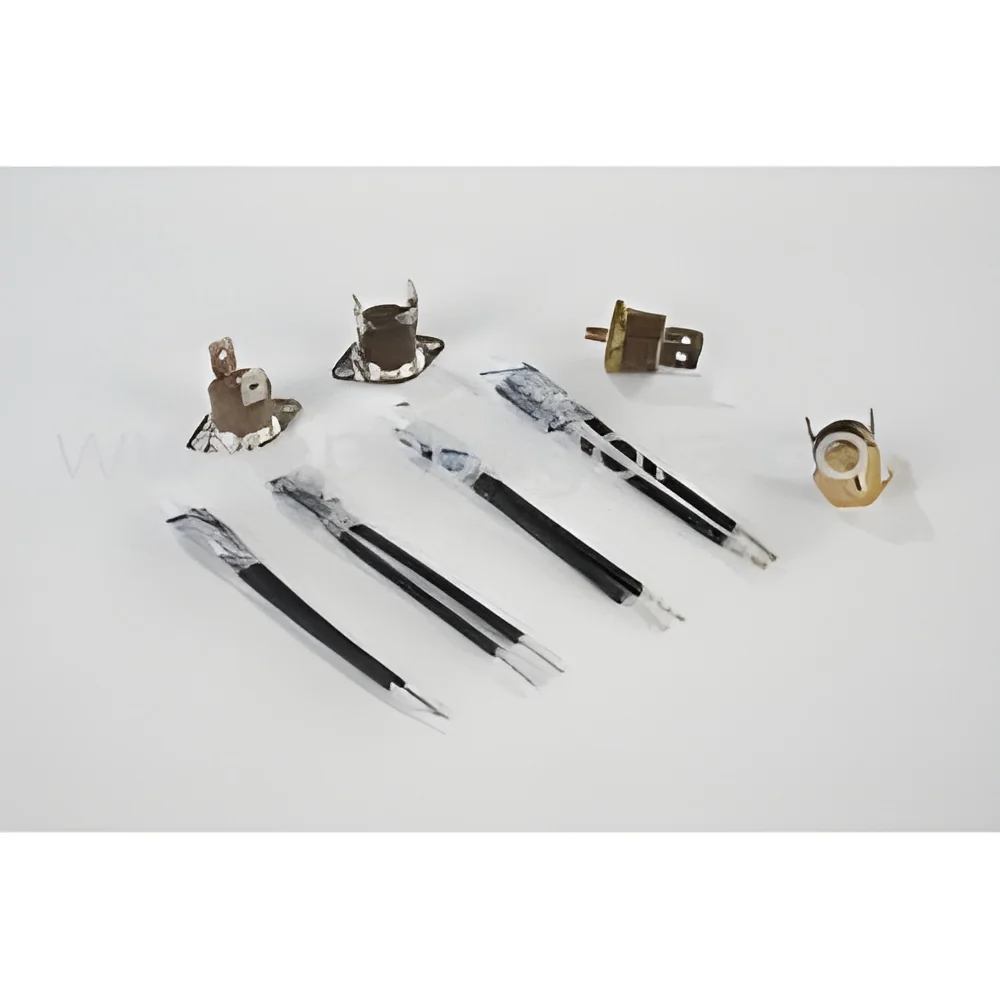
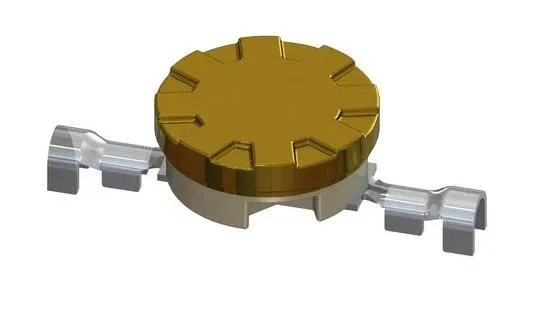
Bimetallic Temperature Switches
These devices use bimetallic strips to activate overheat protection. They are popular in HVAC applications due to their reliability and simplicity.
Electronic Temperature Controls
These advanced systems provide precise temperature monitoring and control, making them suitable for sensitive operations in electronics and aerospace.
Benefits and Advantages
Investing in Overheat Protection Systems offers numerous benefits for businesses concerned about operational efficiency and safety.
1. Equipment Longevity: By preventing overheating, these systems extend the lifespan of machinery and equipment, reducing replacement costs.
2. Enhanced Safety: They provide critical safety measures, protecting personnel and reducing the risk of accidents.
3. Reduced Downtime: Quick detection and response to overheating minimize production interruptions and maintain productivity.
4. Cost Savings: By preventing damage and costly repairs, these systems contribute to significant financial savings over time.
5. Compliance Assurance: Many industries require adherence to safety regulations, and these systems help meet those compliance standards.
6. Environmentally Friendly: By optimizing machine performance, they can lead to lower energy consumption and reduced environmental impact.
Buying Guide for B2B Buyers
When sourcing Overheat Protection Systems, it is essential to consider several key factors to make an informed decision.
1. Quality Assessment: Evaluate the quality of systems based on manufacturer reputation and industry standards. Look for certifications like CE to ensure reliability.
2. Supplier Verification: Vet potential suppliers by checking their track record, customer reviews, and compliance with industry regulations.
3. Pricing and MOQ: Understand the pricing structure and minimum order quantities. This helps in budgeting and ensures you acquire enough units for your needs.
4. Delivery and Lead Times: Consider logistics and supplier delivery times to ensure that systems arrive when needed for installation.
5. Compliance Requirements: Ensure that the selected systems meet all relevant safety and regulatory standards in your industry to avoid operational risks.
Compliance and Certifications
Overheat Protection Systems must adhere to specific quality standards and certifications to ensure safety and reliability in operation. Relevant quality standards include ISO 9001, which focuses on maintaining quality management systems. Compliance with HACCP and GDP standards is also critical in industries like food processing and pharmaceuticals, ensuring that equipment operates safely and effectively.
Industry certifications such as CE indicate that products meet European safety standards, providing assurance to users. Furthermore, systems should comply with safety and testing requirements specific to their application, ensuring they can withstand operational challenges.
Regional compliance considerations may vary, so it is essential to understand local regulations that affect the installation and use of Overheat Protection Systems. This ensures not only safety but also legal compliance across various markets.
Why Source Overheat Protection Systems from Pepagora?
Pepagora offers a trusted platform for sourcing Overheat Protection Systems with several key advantages that benefit B2B buyers.
Verified Supplier Network: Pepagora has established a rigorous verification process for suppliers, ensuring that buyers can access high-quality products from reputable manufacturers.
Streamlined RFQ Process: The platform facilitates a straightforward Request for Quotation process, allowing buyers to receive competitive offers and make informed purchasing decisions quickly.
Trade Assurance and Support: Buyers benefit from trade assurance features that protect their transactions, providing peace of mind throughout the purchasing journey.
Regional Coverage: With a strong presence in India, the GCC, and Southeast Asia, Pepagora is well-positioned to serve regional markets, ensuring timely support and delivery for Overheat Protection Systems.

 IN
IN