
 IN
Vacuum Furnaces
18 products available
What are Vacuum Furnaces?
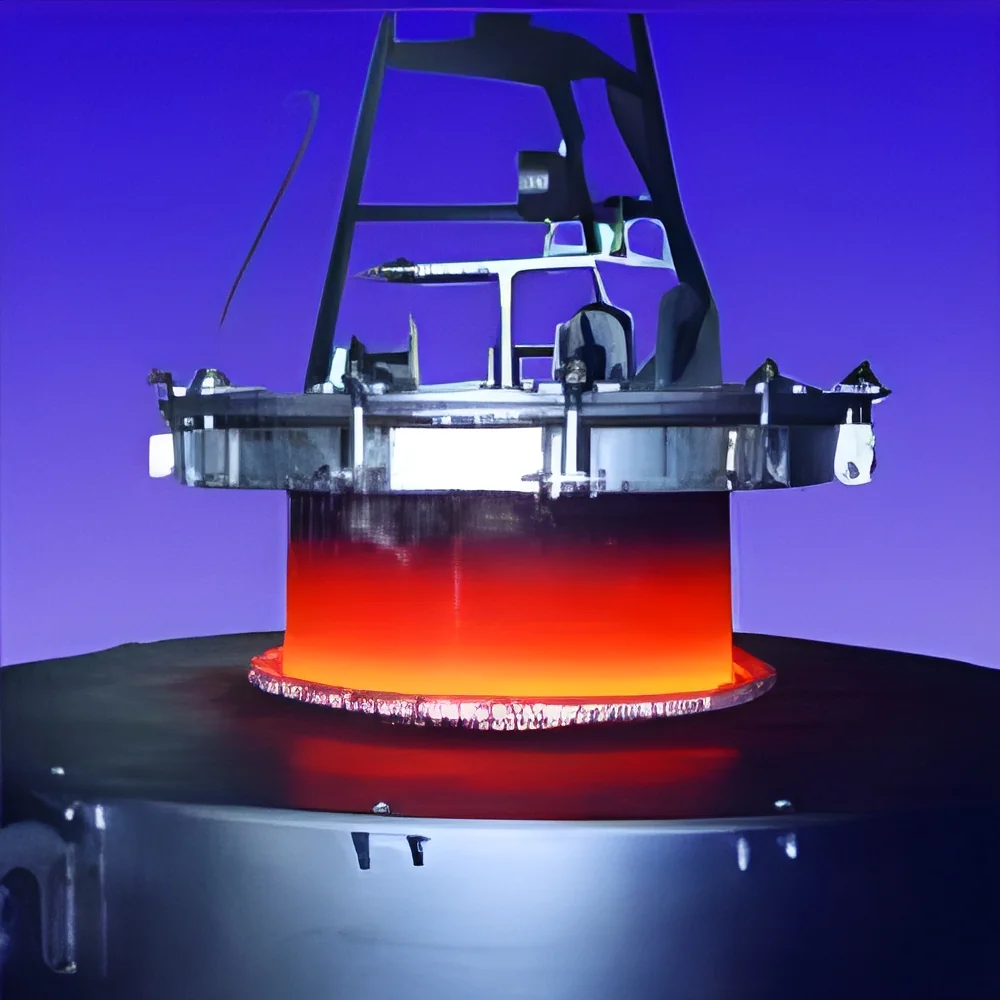
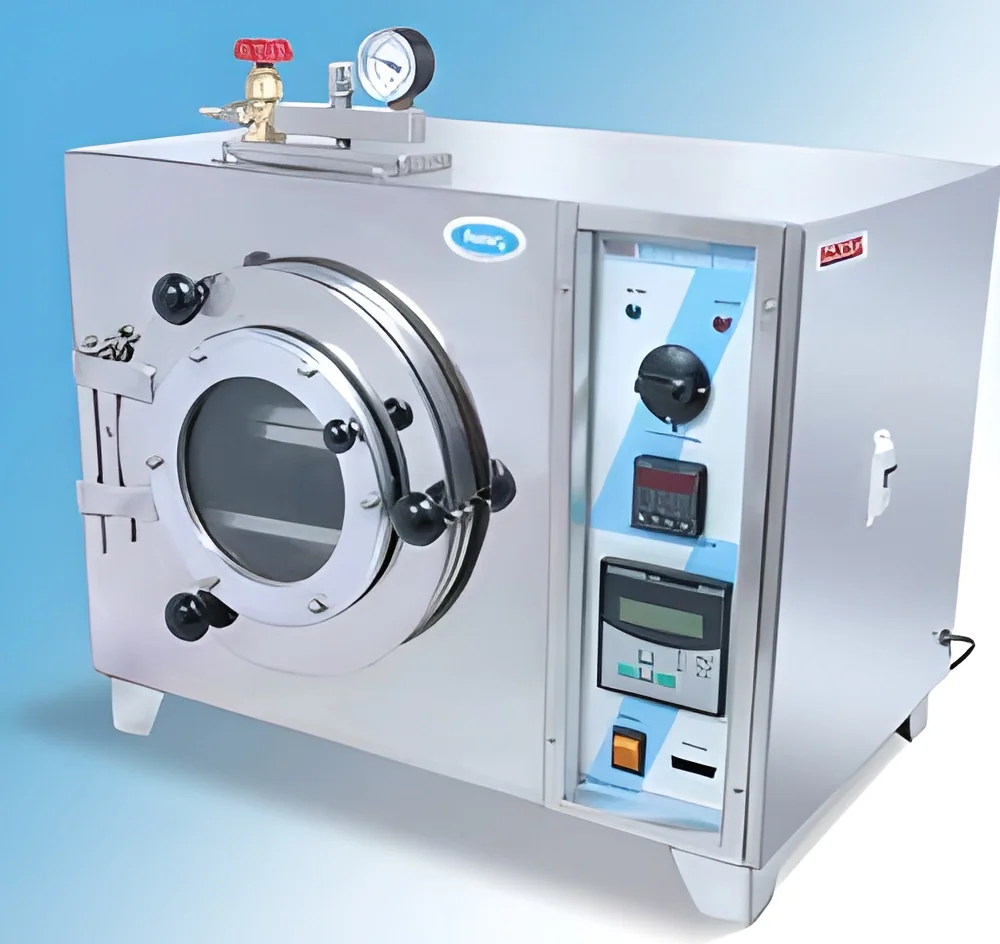
Vacuum furnaces are specialized thermal processing equipment designed to heat materials in a vacuum environment. This controlled atmosphere minimizes oxidation and contamination during processes such as sintering, brazing, and heat treatment. Vacuum furnaces are integral in achieving high-quality results for various materials, particularly metals and ceramics. They operate under low-pressure conditions, which allows for precise temperature control and uniform heating.
These furnaces are widely used across various industries, including aerospace, automotive, and medical device manufacturing. Their ability to enhance material properties and ensure the integrity of components makes them essential for applications that demand high performance and reliability. In the context of the growing demand for advanced materials and technologies, vacuum furnaces are increasingly relevant, offering solutions that meet stringent quality standards and performance criteria.
Key Features and Specifications
Vacuum furnaces come with a range of features and specifications that make them suitable for various industrial applications. Their design typically emphasizes efficiency, precision, and safety. Key specifications include:
1. Heating Method
- Common methods include resistance heating and induction heating.
- Each method offers unique advantages in terms of efficiency and temperature control.
2. Temperature Range
- Vacuum furnaces can operate at high temperatures, typically ranging from 500°C to 2500°C.
- This range allows for the processing of various materials, including high-temperature alloys.
3. Vacuum Level
- The vacuum level can reach as low as 1 x 10^-6 Torr.
- This capability is essential for minimizing oxidation and contamination during processing.
4. Chamber Size
- Available in various sizes to accommodate different load capacities.
- Chamber dimensions typically range from small laboratory units to large industrial models.
5. Control System
- Equipped with advanced programmable logic controllers (PLC) for precise monitoring and control.
- Features include temperature profiling and data logging capabilities.
6. Cooling System
- Many models include integrated cooling systems to enhance efficiency.
- Options may include water-cooling or forced air-cooling.
7. Safety Features
- Includes interlocks, alarms, and emergency shut-off systems.
- Designed to ensure safe operation in industrial environments.
8. Compliance Standards
- Adherence to industry standards such as CE certification and other relevant safety regulations.
- Ensures that the equipment meets necessary operational and safety requirements.
These specifications highlight the versatility and adaptability of vacuum furnaces for various industrial applications.
Common Applications and Use Cases
Vacuum furnaces serve multiple industries, providing tailored solutions for specific processing needs.
1. Aerospace: Vacuum furnaces are used to treat high-performance alloys and components, essential for aircraft engines and structural parts. The vacuum environment helps maintain the integrity of these materials under extreme conditions.
2. Automotive: In the automotive sector, vacuum furnaces facilitate the heat treatment of gears, shafts, and other critical components. This process improves wear resistance and overall performance.
3. Medical Device Manufacturing: These furnaces are vital for sterilizing and strengthening surgical instruments and implants. The controlled atmosphere ensures the absence of contaminants, critical for patient safety.
4. Tool and Die: Manufacturers use vacuum furnaces to enhance the properties of tools and dies, increasing their durability and performance in production processes.
5. Electronics: Vacuum furnaces play a role in the production of electronic components, where precise temperature control and a clean environment are necessary for optimal performance.
6. Energy: In the energy sector, vacuum furnaces assist in the treatment of materials used in renewable energy technologies, including batteries and fuel cells.
7. Additive Manufacturing: Vacuum furnaces are increasingly utilized in additive manufacturing processes to improve the material properties of printed parts.
Product Variants and Subcategories
Vacuum furnaces come in several variants, designed to meet the diverse needs of industries.
Laboratory Vacuum Furnaces: These compact units are ideal for research and development settings. They offer precise control over temperature and vacuum levels, making them suitable for experimental applications.
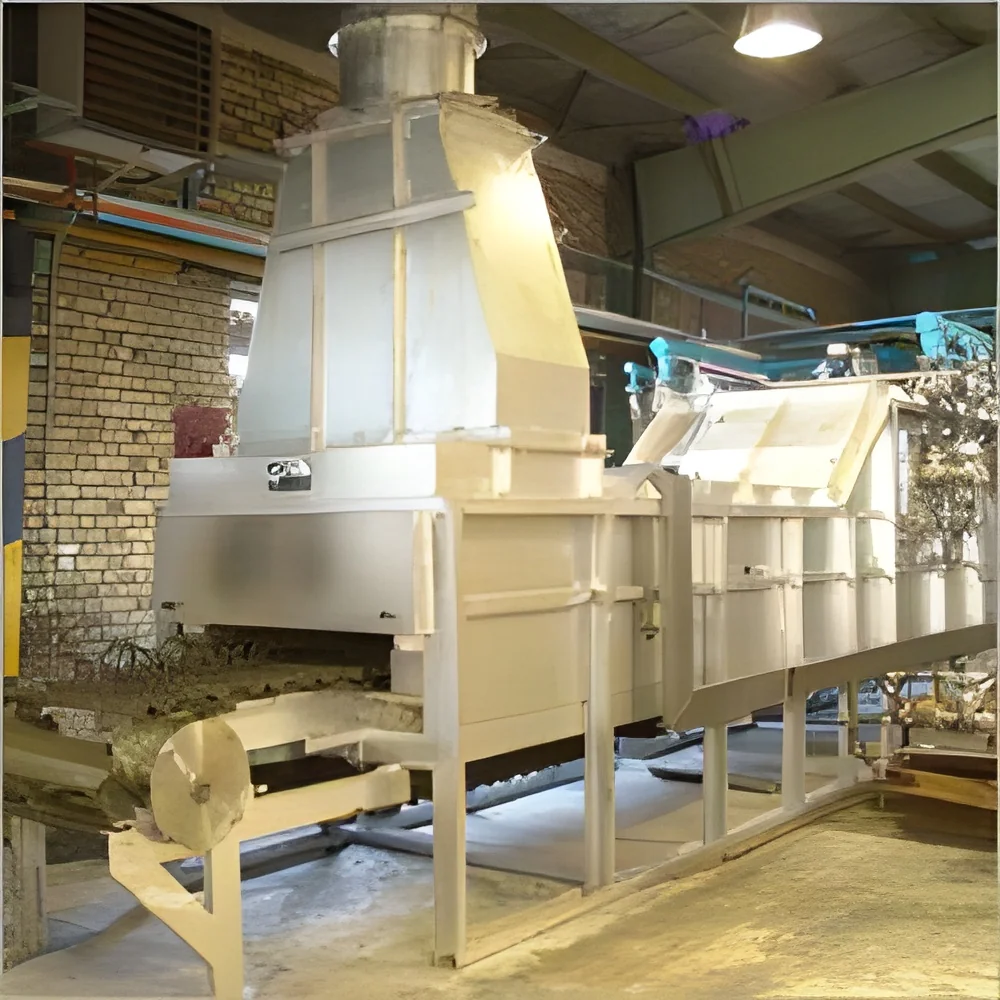
Industrial Vacuum Furnaces: Designed for high-volume production, these furnaces have larger chambers and advanced automation features. They are built to handle substantial workloads while maintaining efficiency.
Customizable Vacuum Furnaces: Some manufacturers offer customizable options to tailor the furnace design and specifications to meet specific client requirements. This flexibility allows businesses to optimize their processes.
Benefits and Advantages
Vacuum furnaces provide numerous benefits that enhance manufacturing processes and product quality.
1. Improved Material Properties: The vacuum environment reduces oxidation and contamination, resulting in materials with superior strength and durability.
2. Enhanced Processing Control: Precise temperature and vacuum control allow for consistent results, minimizing variability in the final product.
3. Reduced Production Costs: Efficient heating methods and minimized material waste lead to lower operational costs over time.
4. Versatility: Vacuum furnaces can process a wide range of materials, making them suitable for various industries and applications.
5. Increased Safety: The enclosed vacuum environment reduces the risk of explosions and fires associated with traditional heating methods.
6. Eco-friendly Operations: By minimizing emissions and waste, vacuum furnaces contribute to more sustainable manufacturing practices.
Buying Guide for B2B Buyers
When sourcing vacuum furnaces, it is crucial to consider several factors to ensure a suitable investment.
1. Quality Assessment: Evaluate the quality of the furnace based on manufacturer reputation and user reviews. Look for models that comply with industry standards and have proven reliability.
2. Supplier Verification: Vet suppliers to ensure they have a track record of delivering high-quality equipment. Consider their customer support and warranty offerings.
3. Pricing and MOQ: Understand the pricing structure and minimum order quantities (MOQ) required by suppliers. This knowledge helps in budgeting and planning for purchases.
4. Delivery and Lead Times: Discuss delivery options and lead times with suppliers to ensure timely acquisition of the equipment.
5. Compliance Requirements: Verify that the vacuum furnaces comply with relevant safety and regulatory standards to avoid potential legal issues.
Compliance and Certifications
Vacuum furnaces must adhere to various compliance and certification standards to ensure safety and quality.
ISO 9001: This international standard focuses on quality management systems, ensuring that manufacturers meet customer and regulatory requirements consistently.
CE Certification: This mark indicates that the vacuum furnace complies with European health, safety, and environmental protection standards. It is essential for access to markets within the European Union.
Safety and Testing Requirements: Vacuum furnaces must undergo rigorous testing to confirm their operational safety and efficiency. This includes assessments of electrical safety and pressure containment.
Regional Compliance Considerations: Depending on the geographic location, additional regional regulations may apply. Buyers should be aware of local standards to ensure compliance.
Why Source Vacuum Furnaces from Pepagora?
Pepagora offers a reliable platform for sourcing vacuum furnaces with several key advantages.
Verified Supplier Network: Pepagora ensures that all suppliers in its network are thoroughly vetted for quality and reliability. This verification process provides buyers with confidence in their purchasing decisions.
Streamlined RFQ Process: The request for quotation (RFQ) process on Pepagora is designed for ease of use. Buyers can quickly obtain quotes from multiple suppliers, facilitating better pricing and options.
Trade Assurance and Support: Pepagora provides trade assurance to protect buyers throughout the transaction process. This support includes assistance in resolving any issues that may arise post-purchase.
Regional Coverage: Pepagora has a broad geographic reach, serving clients in India, the GCC, and Southeast Asia. This extensive network enables buyers to connect with suppliers that meet their specific needs.






Frequently Asked Questions
What are Vacuum Furnaces?
Vacuum furnaces are industrial equipment used for heat treatment processes in a vacuum environment. This technology helps in reducing oxidation and contamination during processes like sintering, brazing, and hardening.
What are the different types of Vacuum Furnaces?
The main types of vacuum furnaces include batch-type furnaces, continuous furnaces, and laboratory furnaces. Each type serves different industrial applications, with batch-type being suitable for small production runs and continuous furnaces ideal for large-scale operations.
How do I choose the right Vacuum Furnaces?
Selecting the right vacuum furnace involves considering factors such as the desired temperature range, material compatibility, and production volume. It's also important to evaluate the specifications and features offered by various manufacturers.
What are the standard specifications for Vacuum Furnaces?
Standard specifications for vacuum furnaces typically include maximum operating temperature, vacuum level, chamber size, and heating method. Additionally, energy efficiency and control systems play a crucial role in the performance of these furnaces.
What is the price range for Vacuum Furnaces?
The price of vacuum furnaces can vary widely based on size, features, and manufacturer, generally ranging from a few lakhs to several crores of Indian Rupees. Customization and additional options can also influence the overall cost.
What quality standards apply to Vacuum Furnaces?
Quality standards for vacuum furnaces often include compliance with ISO and ASTM specifications. Manufacturers may also adhere to specific industry standards that ensure the reliability and performance of the equipment.
Where can I find Vacuum Furnaces suppliers in India?
You can find vacuum furnace suppliers in India through various B2B marketplaces, industry trade shows, and online directories. Platforms like Pepagora.com offer a comprehensive listing of manufacturers and suppliers in this category.
Can Vacuum Furnaces be customized?
Yes, vacuum furnaces can often be customized to meet specific requirements, such as different sizes, heating technologies, and control systems. Many manufacturers offer tailored solutions based on the unique needs of businesses.
What is the typical minimum order quantity for Vacuum Furnaces?
The typical minimum order quantity (MOQ) for vacuum furnaces can vary based on the manufacturer and the specific model. Generally, MOQs can range from one unit for standard models to larger quantities for customized solutions.
What is the typical lead time for Vacuum Furnaces?
The lead time for vacuum furnaces can vary depending on the complexity of the order and the manufacturer's production schedule. Typically, the lead time can range from a few weeks to several months.
Why Businesses Trust Pepagora
Thousands of companies trust Pepagora to source smarter and sell faster
Expand Your Sales Globally

Source Smarter,Grow Faster
