What are Reflow Ovens for Electronics?
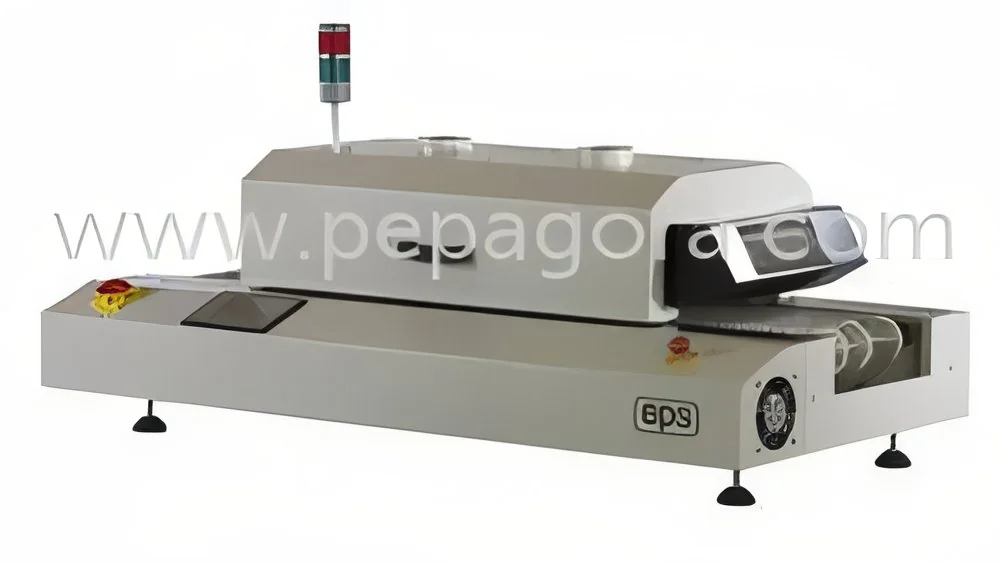
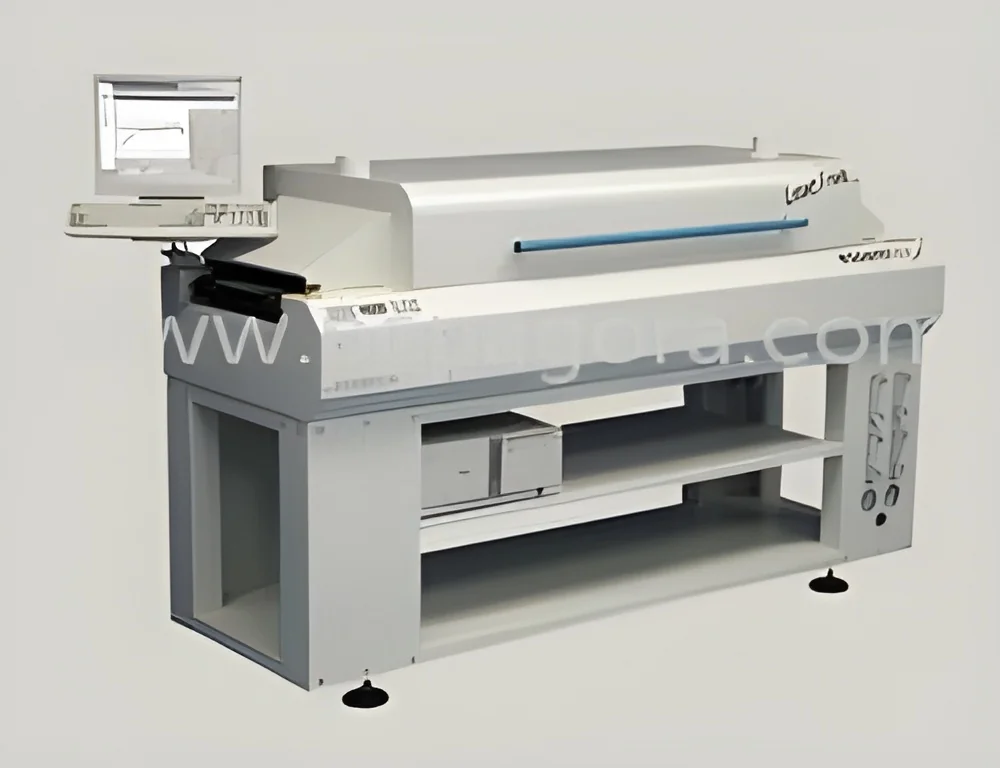
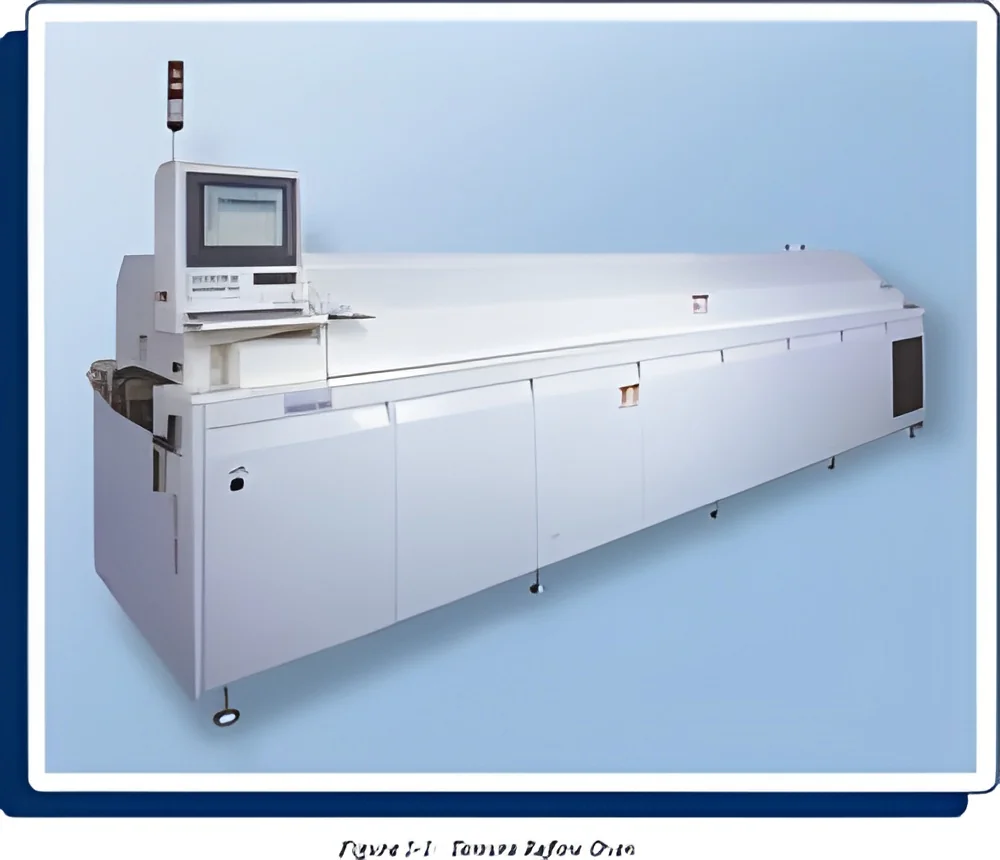
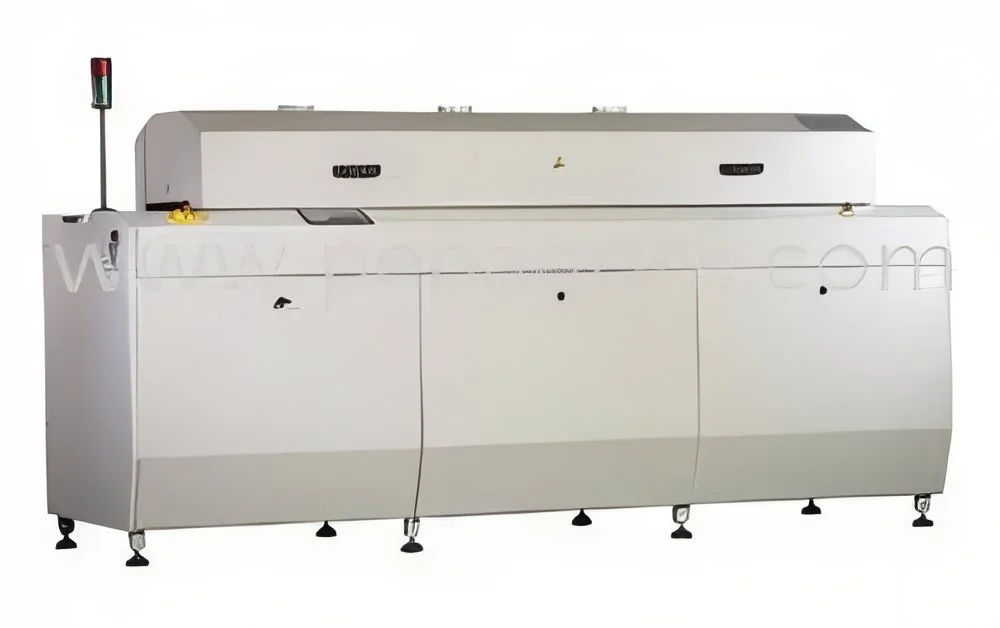
Reflow ovens for electronics are specialized equipment used in the soldering process of electronic components onto printed circuit boards (PCBs). These ovens employ a specific heating process that melts solder paste, allowing it to flow and form reliable electrical connections between components and the PCB. The process typically involves a series of controlled temperature zones that gradually heat the PCB, followed by a cooling phase to solidify the solder.
The primary use of reflow ovens is in the manufacturing sector, particularly in electronics assembly. Businesses involved in producing consumer electronics, automotive parts, and medical devices rely heavily on reflow ovens to ensure the quality and reliability of their products. By providing precise temperature control and consistent heating profiles, reflow ovens facilitate the efficient production of high-quality electronic assemblies. The relevance of these ovens in the industry is evident as they serve as a critical component in the electronics manufacturing supply chain, ensuring that products meet stringent performance and reliability standards.
Key Features and Specifications
Reflow ovens come equipped with various features that enhance their performance and usability. When selecting a reflow oven, it is essential to understand its key specifications to ensure it meets your production needs.
Key specifications include:
1. Temperature Control
- Offers precise temperature profiles for accurate soldering
- Typically ranges from ambient temperature up to 300 degrees Celsius
2. Heating Zones
- Multiple heating zones for gradual heating and cooling
- Usually includes preheat, soak, reflow, and cooling zones
3. Conveyor System
- Automated conveyor system for continuous processing
- Adjustable speed settings to accommodate different PCB sizes
4. Size and Capacity
- Available in various sizes to fit different production environments
- Capacity can vary based on the oven’s dimensions and design
5. Energy Efficiency
- Designed to minimize energy consumption during operation
- Incorporates features to reduce heat loss and improve efficiency
6. User Interface
- Intuitive control systems for easy operation
- Digital displays for real-time monitoring of temperature and time
7. Support for Lead-Free Solder
- Capable of handling modern lead-free solder materials
- Ensures compliance with environmental regulations
In summary, understanding these specifications is crucial for selecting the right reflow oven that aligns with your production requirements and quality standards.
Common Applications and Use Cases
Reflow ovens play a pivotal role in various industries that require automated soldering processes.
1. Consumer Electronics: Reflow ovens are extensively used to assemble devices like smartphones, tablets, and laptops. They ensure that components are soldered securely onto PCBs, which is essential for device functionality.
2. Automotive Industry: In automotive manufacturing, reflow ovens are employed to solder electronic components found in control units, navigation systems, and safety features. Reliability is critical in this sector.
3. Medical Devices: The medical industry benefits from reflow ovens by ensuring that electronic assemblies in devices such as diagnostic equipment and monitoring systems are manufactured to high standards of quality and reliability.
4. Telecommunications: Reflow ovens are essential in producing communication devices, where electronic reliability and performance are paramount.
5. Industrial Equipment: Many industrial machines utilize electronic components that require precise soldering, making reflow ovens indispensable for manufacturers in this sector.
6. Aerospace: In aerospace applications, reflow ovens help in the assembly of high-reliability electronics used in navigation and control systems.
7. Research and Development: R&D facilities use reflow ovens to prototype electronic boards, allowing for rapid design iterations and testing.
Product Variants and Subcategories
Reflow ovens vary in design and functionality to cater to different manufacturing needs.
Convection Reflow Ovens
These ovens use hot air to evenly distribute heat across the PCB, providing excellent temperature uniformity. They are ideal for both leaded and lead-free solder applications.
Infrared Reflow Ovens
Using infrared radiation to heat the PCB, these ovens offer rapid heating rates. They are suitable for specialized applications where quick temperature changes are needed.
Vapor Phase Reflow Ovens
Employing vaporization of a heat transfer fluid, these ovens provide gentle and uniform heating. They are particularly beneficial for sensitive components that might be damaged by traditional methods.
Batch Reflow Ovens
Designed for smaller production runs, these ovens process multiple PCBs in batches. They are often used in prototyping or low-volume manufacturing environments.
Continuous Reflow Ovens
These ovens are designed for high-volume production, allowing for continuous operation and quick changeovers. They are ideal for large-scale manufacturing operations.
Benefits and Advantages
Reflow ovens offer numerous advantages that enhance the efficiency and quality of the soldering process.
1. Improved Quality Control: Reflow ovens provide precise temperature control, ensuring consistent soldering quality across all PCBs.
2. Increased Production Efficiency: Automated processes reduce labor costs and minimize errors, allowing for higher throughput in manufacturing.
3. Enhanced Reliability: With the ability to handle modern solder materials, reflow ovens ensure that electronic assemblies meet current industry standards.
4. Flexibility: Many reflow ovens can be adjusted for different PCB sizes and soldering profiles, making them adaptable for various production needs.
5. Reduced Waste: Efficient heating profiles minimize solder waste and improve material usage, contributing to cost savings.
6. Compliance Support: Reflow ovens designed for lead-free soldering help manufacturers comply with environmental regulations, such as RoHS.
Buying Guide for B2B Buyers
When sourcing reflow ovens for electronics, several critical factors should be considered to make an informed purchase.
1. Quality Assessment: Evaluate the quality of the reflow oven based on manufacturer reputation, customer reviews, and product certifications. Quality assurance processes should be in place to ensure reliability.
2. Supplier Verification: Conduct thorough research on potential suppliers. Verify their track record and check for industry certifications to ensure they meet your quality standards.
3. Pricing and MOQ: Understand the pricing structure and minimum order quantity (MOQ) for reflow ovens. Compare multiple suppliers to find a balance between cost and value.
4. Delivery and Lead Times: Consider the logistics involved in acquiring a reflow oven. Evaluate suppliers based on their ability to meet delivery timelines and manage shipping logistics efficiently.
5. Compliance Requirements: Ensure that the reflow ovens comply with relevant industry standards and regulations. Understanding these requirements can prevent potential issues in production.
Compliance and Certifications
Compliance and certifications play a vital role in the manufacturing of reflow ovens for electronics.
Relevant quality standards such as ISO 9001 ensure that manufacturers adhere to international quality management principles. This certification indicates a commitment to quality assurance throughout the production process.
Industry certifications like CE indicate that the equipment meets European safety, health, and environmental protection standards. This certification is essential for products sold within the European market.
Safety and testing requirements must also be considered. Reflow ovens should undergo rigorous testing to ensure they operate safely and effectively.
Additionally, regional compliance considerations may vary. It is important to be aware of local regulations that may affect the operation and certification of reflow ovens in specific markets.
Why Source Reflow Ovens for Electronics from Pepagora?
Pepagora offers a trusted platform for sourcing reflow ovens for electronics, providing several key advantages to buyers.
Verified Supplier Network: Pepagora ensures that all suppliers in its network are thoroughly vetted. This verification process helps buyers find reputable suppliers who meet high-quality standards.
Streamlined RFQ Process: The request for quotation (RFQ) system simplifies the procurement process. Buyers can easily request quotes from multiple suppliers, making it easier to compare options.
Trade Assurance and Support: Pepagora offers buyer protection services, ensuring that transactions are secure and that support is available throughout the purchasing process. This builds confidence in sourcing decisions.
Regional Coverage: With a strong presence in India, the GCC, and Southeast Asia, Pepagora provides regional support to buyers. This geographic reach ensures that local needs are met while facilitating international sourcing efforts.

 IN
IN