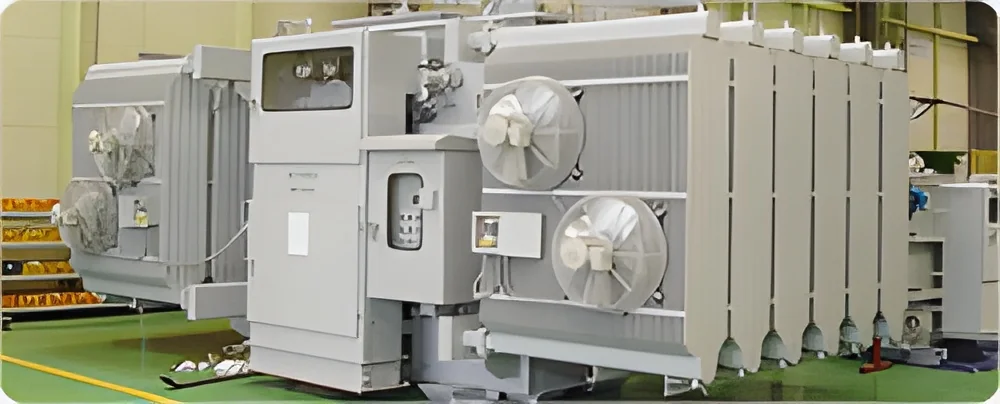
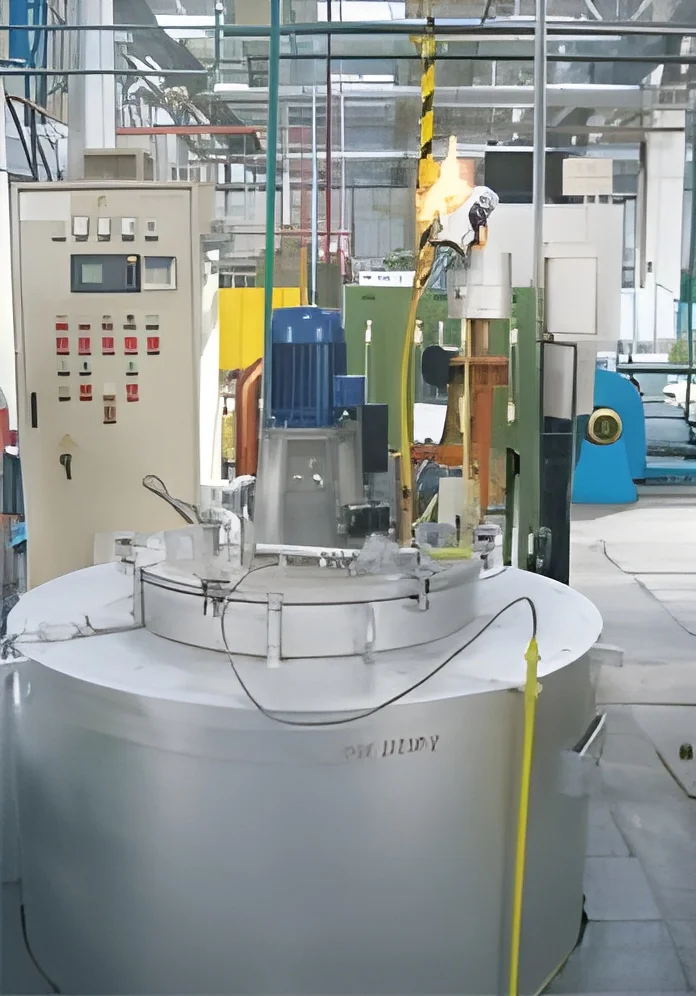
What are Used Heat Treatment Furnaces?
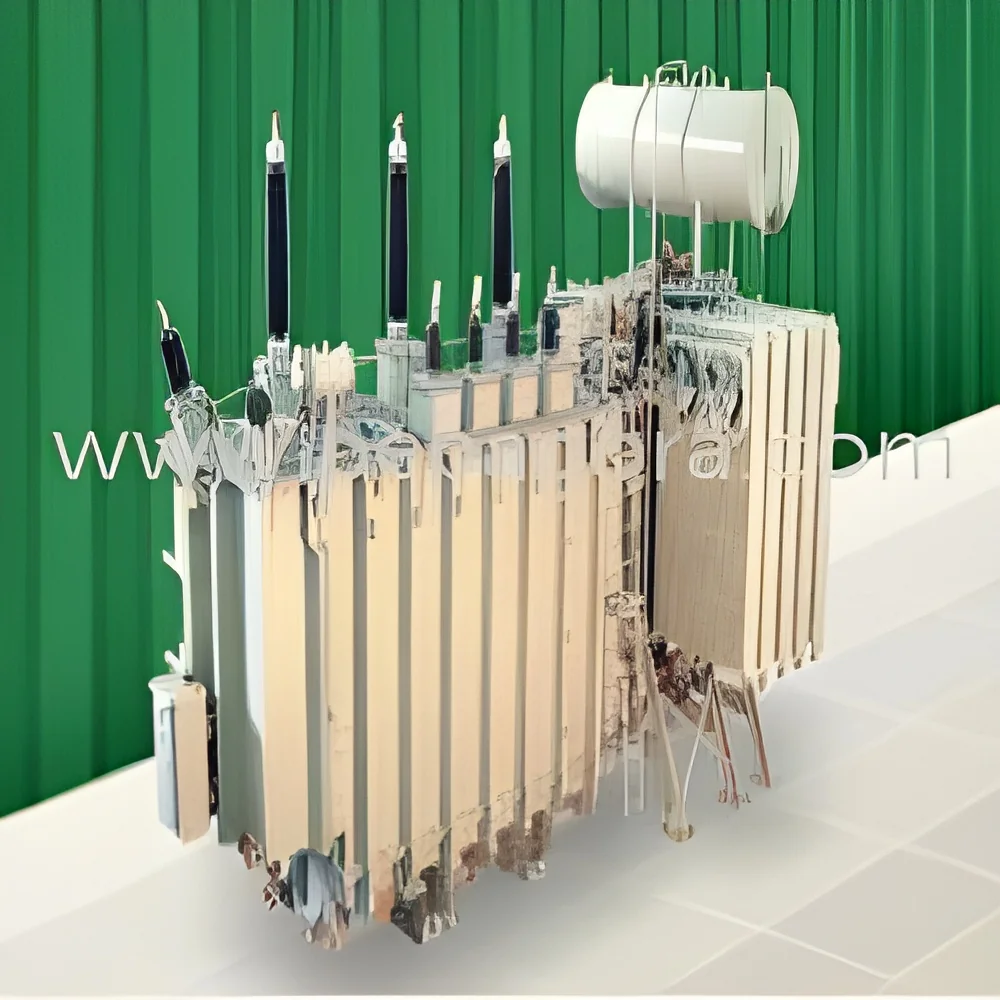
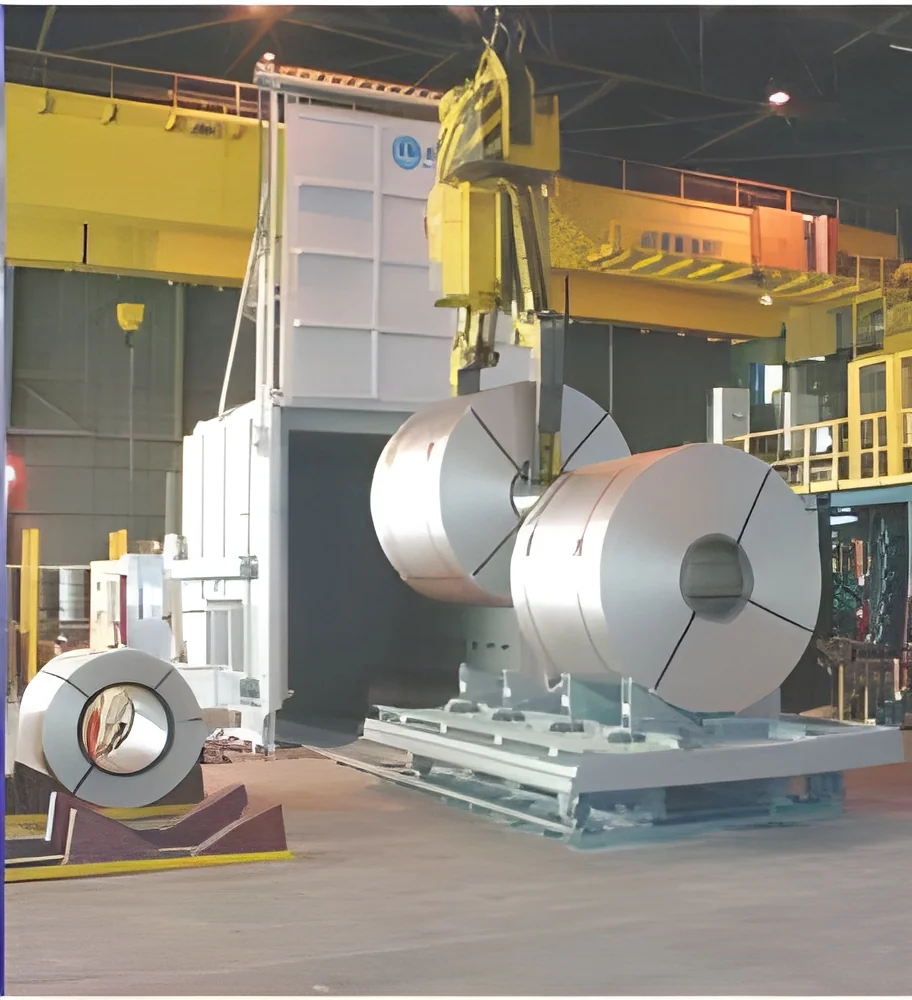
Used heat treatment furnaces are industrial devices employed to alter the physical and sometimes chemical properties of materials, particularly metals and alloys. These furnaces utilize controlled heating and cooling processes to achieve desired material characteristics such as increased hardness, improved strength, or enhanced ductility. By employing various heating methods, including convection, conduction, and radiation, these furnaces can effectively treat materials for a wide range of applications.
The primary uses of used heat treatment furnaces extend across various industries, including manufacturing, automotive, aerospace, and tool production. They play a crucial role in processes such as annealing, tempering, hardening, and stress relieving. Businesses utilize these furnaces to ensure that their components meet specific performance standards and durability requirements. In the current market, the demand for used heat treatment furnaces is driven by the need for cost-effective solutions without compromising quality, as companies seek to optimize their production processes while minimizing expenses.
Key Features and Specifications
Used heat treatment furnaces come equipped with several key features that enhance their performance and efficiency. These furnaces are designed to cater to a variety of industrial heating needs while ensuring precision and reliability in operation.
Key specifications include:
1. Heating Capacity
- The ability to reach and maintain high temperatures suitable for various treatments.
- Typical ranges may vary based on furnace design, but often exceed 1000°C.
2. Temperature Control System
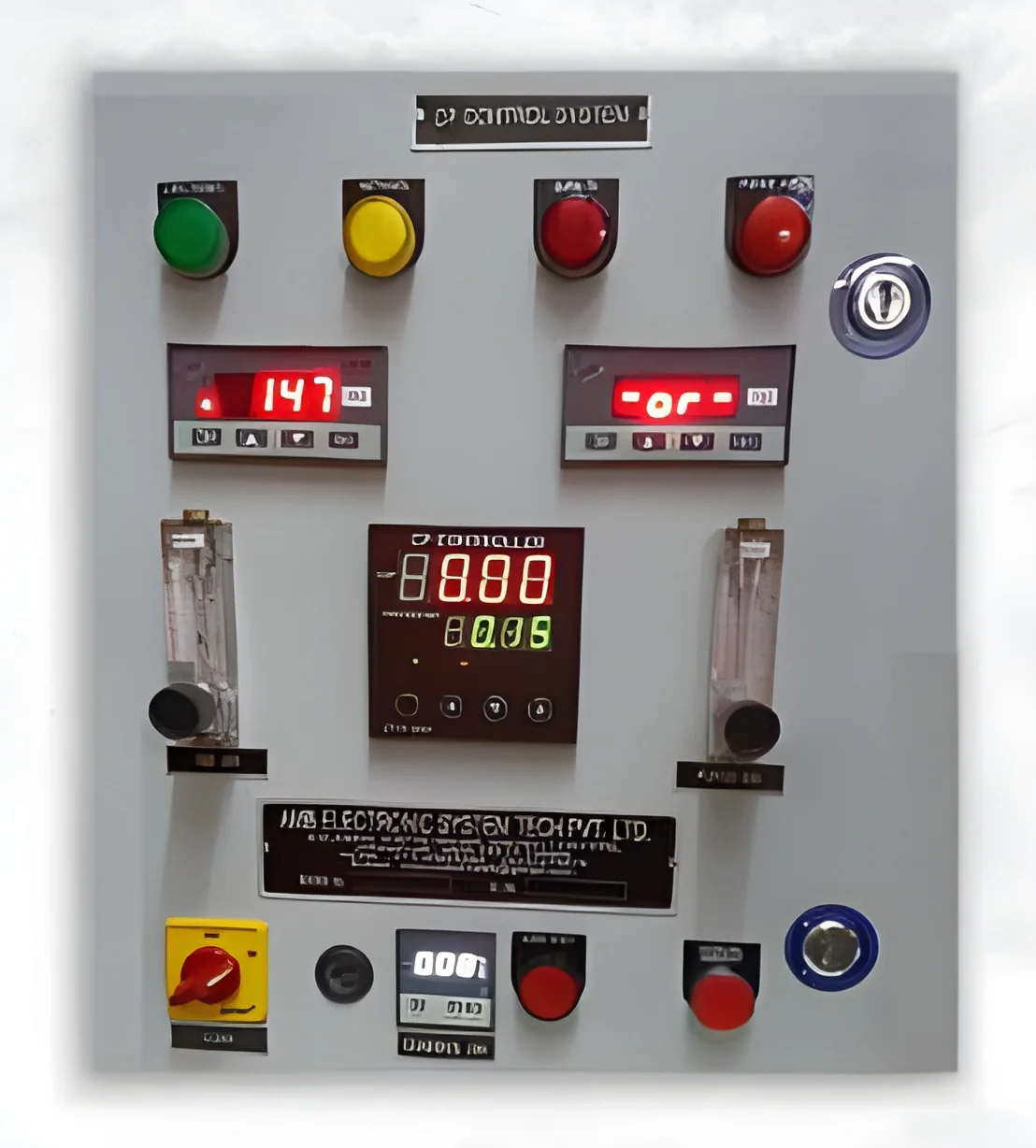
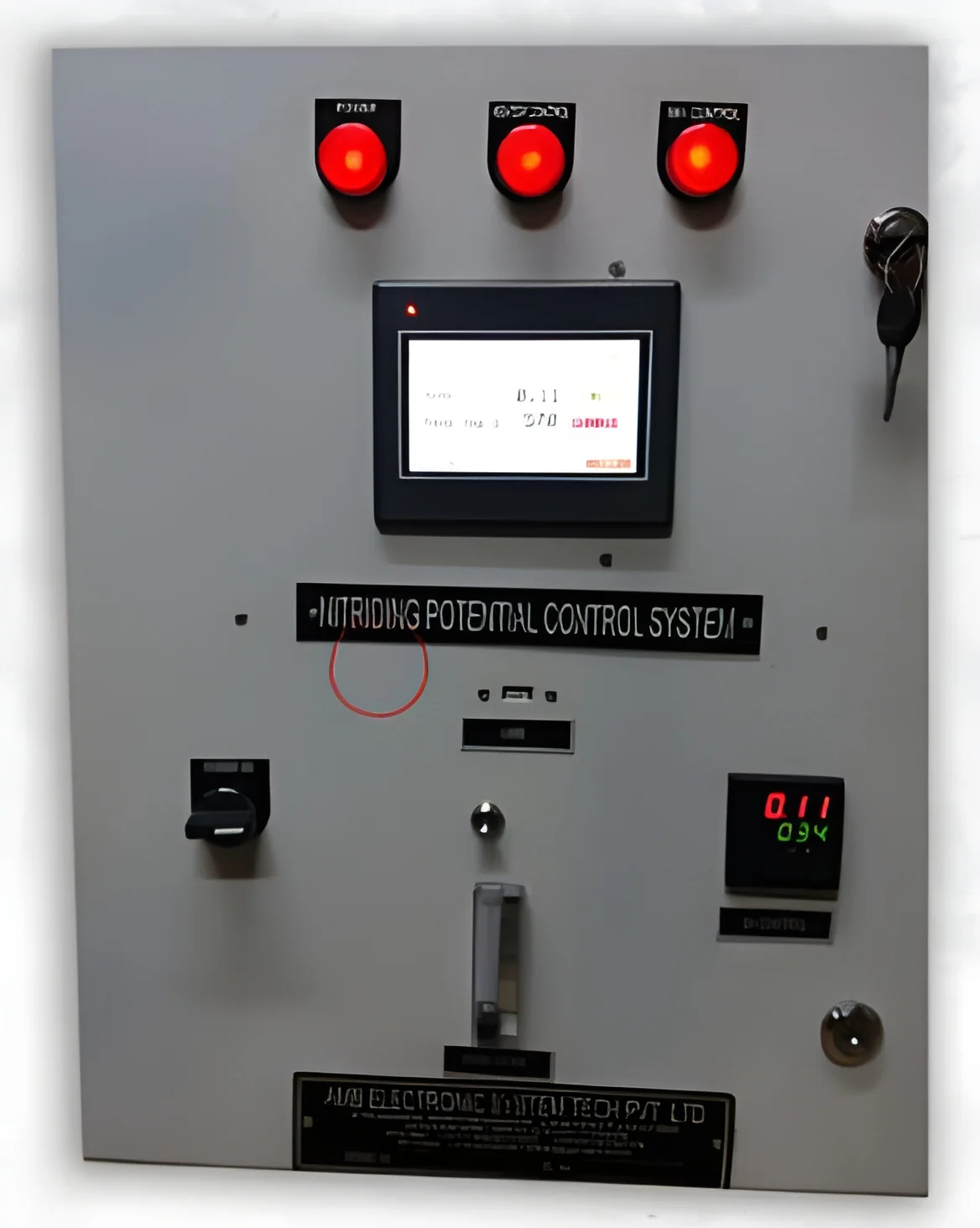
- Advanced systems to ensure accurate temperature regulation during the heating process.
- May include digital controllers for precision monitoring.
3. Chamber Size
- The internal dimensions of the furnace which determine the volume of materials that can be treated.
- Common sizes range from small laboratories to large industrial units.
4. Fuel Type
- Furnaces may operate on electricity, gas, or oil, impacting efficiency and operational costs.
- Each fuel type presents different benefits in terms of heat generation and environmental impact.
5. Insulation Quality
- High-quality insulation materials to minimize heat loss and improve energy efficiency.
- Essential for maintaining consistent temperatures during operations.
6. Safety Features
- Incorporation of safety mechanisms such as emergency shut-offs and temperature alarms.
- Important for protecting operators and equipment from overheating.
7. Construction Material
- Typically made from durable materials that can withstand high temperatures and corrosive environments.
- Stainless steel and refractory bricks are common choices.
8. Portability
- Some models are designed for easy transport, allowing for flexibility in operation.
- Useful for companies that require mobility in their heat treatment processes.
In summary, used heat treatment furnaces are versatile industrial tools characterized by their heating capabilities, safety features, and energy efficiency.
Common Applications and Use Cases
Used heat treatment furnaces are employed in a variety of industrial applications, serving numerous sectors that require specific material properties.
1. Manufacturing: In manufacturing, these furnaces are used to harden components such as gears and shafts, ensuring they can withstand operational stresses.
2. Automotive: The automotive industry utilizes heat treatment furnaces to treat engine parts and transmission components, enhancing their performance and longevity.
3. Aerospace: In aerospace, precision heat treatment is critical for components that must endure extreme conditions, ensuring safety and reliability.
4. Tool Production: Used heat treatment furnaces are essential for producing durable cutting tools, improving their hardness and wear resistance.
5. Oil and Gas: In the oil and gas sector, these furnaces are used to treat drill bits and other equipment that require high durability under harsh environments.
6. Construction: Heat treatment is applied to materials used in construction equipment to enhance their strength and durability.
7. Electronics: In electronics, these furnaces can be used to treat components that require specific thermal properties for optimal performance.
Product Variants and Subcategories
Used heat treatment furnaces come in various configurations to meet different industrial needs.
Convection Furnaces
These furnaces use a fan to circulate hot air, ensuring even heating throughout the chamber. They are ideal for applications requiring uniform temperature distribution.
Induction Furnaces
Induction furnaces utilize electromagnetic induction to heat materials directly. They are efficient for rapid heating and are commonly used in small-scale operations.
Vacuum Furnaces
Designed to operate in a vacuum environment, these furnaces minimize oxidation and contamination of materials. They are particularly beneficial for high-value components.
Batch Furnaces
These furnaces are designed for processing materials in batches rather than continuous flow, making them suitable for smaller production runs.
Benefits and Advantages
Choosing used heat treatment furnaces offers several advantages for businesses looking to optimize their operations.
1. Cost Efficiency: Used furnaces provide a more economical option compared to new models, allowing companies to save on capital expenditures.
2. Proven Performance: Many used furnaces come from reputable manufacturers, ensuring reliable performance based on established technology.
3. Quick Availability: Used equipment often has shorter lead times than new units, allowing businesses to meet urgent production needs.
4. Customization Potential: Some used furnaces can be refurbished or modified to meet specific operational requirements, providing flexibility.
5. Reduced Depreciation: Buying used equipment minimizes the initial depreciation costs associated with new machinery.
6. Sustainable Choice: Purchasing used equipment promotes sustainability by extending the lifecycle of industrial machinery.
Buying Guide for B2B Buyers
When sourcing used heat treatment furnaces, it is essential to consider several factors to ensure you make an informed purchase.
1. Quality Assessment: Examine the condition of the furnace, including its maintenance history and operational efficiency. Request documentation and perform inspections as necessary.
2. Supplier Verification: Vet suppliers to ensure they have a good reputation and track record in the industry. Look for reviews, references, and any certifications they may hold.
3. Pricing and MOQ: Understand the pricing structure and minimum order quantity requirements. Compare prices across different suppliers to ensure you are getting a fair deal.
4. Delivery and Lead Times: Discuss logistics with the supplier, including shipping options and expected lead times for delivery. Ensure this aligns with your production schedule.
5. Compliance Requirements: Verify that the used furnace complies with relevant regulatory standards and safety requirements specific to your industry.
Compliance and Certifications
Compliance and adherence to quality standards are critical when considering used heat treatment furnaces. Relevant certifications such as ISO 9001 ensure that the equipment meets international quality management principles.
Industry certifications like CE demonstrate that the furnace complies with European safety, health, and environmental protection standards.
Safety and testing requirements must also be considered, ensuring that the equipment has undergone thorough testing for operational safety.
Additionally, regional compliance may vary, and it is essential to understand local regulations regarding equipment operation and safety.
Why Source Used Heat Treatment Furnaces from Pepagora?
Pepagora offers a trusted platform for sourcing used heat treatment furnaces, providing several key advantages to buyers.
Verified Supplier Network: Pepagora ensures that all suppliers are thoroughly vetted and verified. This process helps buyers feel confident about the quality and reliability of the products they purchase.
Streamlined RFQ Process: The Request for Quotation (RFQ) system simplifies the procurement process, allowing buyers to quickly receive quotes from multiple suppliers. This efficiency helps businesses make informed purchasing decisions.
Trade Assurance and Support: Pepagora provides trade assurance to protect buyers from potential risks. This support includes assistance with transaction disputes and product quality concerns.
Regional Coverage: With a strong presence in markets like India, GCC, and Southeast Asia, Pepagora is well-positioned to cater to the regional needs of businesses seeking used heat treatment furnaces. This geographic reach ensures that companies can find suitable suppliers within their vicinity.

 IN
IN