What are Pusher Type Furnaces?
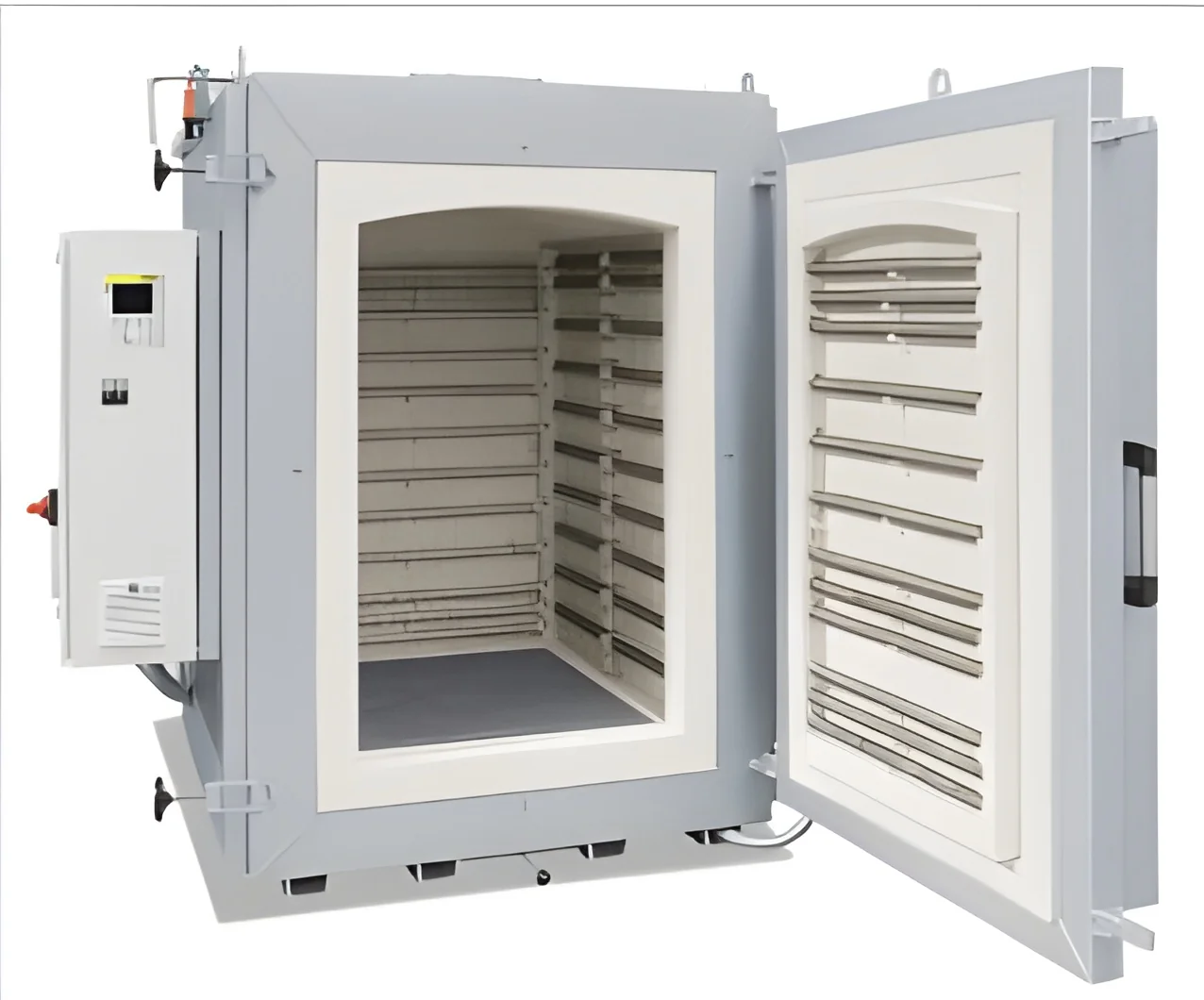
Pusher type furnaces are specialized industrial heating systems designed for continuous heat treatment processes. They operate by utilizing a series of heated chambers through which materials are pushed via a mechanism, allowing for efficient processing. The design of these furnaces enables them to maintain high temperatures uniformly while ensuring that the materials move through various heating zones in a controlled manner.
These furnaces are primarily used in industries requiring metal processing, such as steel, aluminum, and other alloys. They are ideal for applications such as annealing, hardening, and tempering of materials. The continuous operation and automated processes help in reducing production time while increasing output efficiency. With the growing demand for precision in manufacturing, pusher type furnaces have become integral in modern industrial operations.
In the broader market context, pusher type furnaces are crucial for companies aiming to enhance their production capabilities and meet stringent quality standards. They play a significant role in industries that prioritize energy efficiency and process optimization. As manufacturers seek to improve their competitiveness, investing in advanced heating technologies like pusher type furnaces has become increasingly relevant.
Key Features and Specifications
Pusher type furnaces come with a range of features that contribute to their efficiency and effectiveness in industrial applications. These features are designed to optimize performance, enhance energy efficiency, and ensure durability.
Key specifications include:
1. Temperature Range
- Capable of achieving high temperatures suitable for various heat treatment processes
- Typical operating ranges can vary widely based on application needs
2. Heating Zones
- Furnaces are divided into multiple heating zones for precise temperature control
- Each zone can be independently controlled to cater to specific material requirements
3. Continuous Operation
- Designed for uninterrupted production cycles
- Ideal for mass production environments that require consistent output
4. Energy Efficiency
- Built with materials and technologies that minimize energy consumption
- Optimized airflow systems to enhance thermal efficiency
5. Automation Features
- Equipped with control systems for automated operation and monitoring
- Facilitates integration with existing production lines
6. Maintenance Requirements
- Designed for easy access to components for maintenance and repairs
- Regular maintenance schedules can enhance longevity
7. Safety Features
- Incorporates safety mechanisms to prevent overheating and ensure operator safety
- Compliance with industry safety standards
8. Customization Options
- Available in various configurations to meet specific industry needs
- Customizable features to accommodate different materials and processes
In summary, pusher type furnaces are constructed to meet diverse industrial heating requirements, emphasizing energy efficiency, automation, and safety.
Common Applications and Use Cases
Pusher type furnaces are versatile and are utilized across various industrial sectors.
1. Metal Processing: They are commonly used for heat treatment of metals, including annealing and hardening processes, ensuring proper material properties for further fabrication.
2. Automotive Industry: These furnaces play a crucial role in processing components such as gears and axles, which require precise heat treatment for enhanced durability and performance.
3. Aerospace Manufacturing: In this sector, pusher type furnaces are used for heat-treating aerospace components, ensuring they meet stringent safety and performance standards.
4. Tool and Die Production: They are employed to heat treat tools and dies, allowing for improved wear resistance and longevity.
5. Wire and Cable Manufacturing: The continuous operation of pusher type furnaces enables the heat treatment of conductive materials, improving their electrical properties.
6. Glass and Ceramics: These furnaces are used in the processing of glass and ceramic materials, where controlled heating is essential for achieving desired characteristics.
7. Electronics: Heat treatment in electronics manufacturing enhances the performance and reliability of components, making pusher type furnaces essential in this industry.
Product Variants and Subcategories
Pusher type furnaces come in various configurations to cater to specific industrial needs. While specific subcategories are not available, the diversity in design allows for tailored solutions.
Standard Pusher Type Furnace
This variant is designed for general use in metal heat treatment applications. It features multiple heating zones and is optimized for continuous operation, making it suitable for high-volume production.
High-Temperature Pusher Furnace
This variant is capable of reaching elevated temperatures for specialized applications. It is ideal for industries that require extreme heat treatment, such as aerospace and certain metal processing sectors.
Batch Pusher Furnace
Designed for batch processing, this variant allows for flexibility in production runs. It can accommodate various materials and is suitable for industries with fluctuating production needs.
Benefits and Advantages
Investing in pusher type furnaces brings several advantages to industrial operations.
1. Increased Efficiency: The continuous operation design reduces downtime, increasing overall production efficiency.
2. Cost-Effectiveness: Energy-efficient features help lower operational costs, making them a smart investment for manufacturers.
3. Enhanced Product Quality: Precise temperature control ensures consistent heat treatment, resulting in superior material properties.
4. Flexibility: The ability to customize settings and configurations allows for versatility in handling different materials and processes.
5. Reduced Labor Costs: Automation features minimize manual intervention, reducing labor requirements and associated costs.
6. Improved Safety: Built-in safety mechanisms protect operators and equipment, promoting a safer working environment.
Buying Guide for B2B Buyers
When sourcing pusher type furnaces, businesses should consider several key factors to ensure they make informed decisions.
1. Quality Assessment: Evaluate the quality of materials and construction used in the furnace. Look for supplier certifications and industry standards that indicate reliability.
2. Supplier Verification: Conduct thorough research on potential suppliers. Verify their reputation in the market and check customer reviews to ensure they provide quality products.
3. Pricing and MOQ: Understand the pricing structure and minimum order quantities required. This helps in budgeting and aligning with production needs.
4. Delivery and Lead Times: Assess the lead times for delivery to ensure that the furnace can be acquired in a timely manner to meet production schedules.
5. Compliance Requirements: Ensure that the furnaces meet all relevant regulatory and safety standards. This includes industry certifications and compliance with local regulations.
Compliance and Certifications
Pusher type furnaces must adhere to various industry standards and certifications to ensure quality and safety. ISO 9001 is a notable standard that emphasizes quality management systems, ensuring manufacturers maintain high-quality processes.
CE certification is crucial in many regions, indicating that the product meets European health, safety, and environmental protection standards. This certification is essential for businesses looking to operate in markets that require compliance with these regulations.
Safety and testing requirements are vital for pusher type furnaces, as they operate at high temperatures and require robust safety mechanisms to prevent accidents. Regular testing and adherence to safety standards help maintain operational integrity.
Additionally, regional compliance considerations may vary. Buyers should be knowledgeable about local regulations that pertain to industrial heating equipment to ensure their operations are compliant.
Why Source Pusher Type Furnaces from Pepagora?
Pepagora provides a trusted platform for sourcing pusher type furnaces, offering several key advantages to buyers.
Verified Supplier Network: Pepagora features a network of verified suppliers, ensuring that businesses can access high-quality products from reputable manufacturers. This network enhances buyer confidence in product quality.
Streamlined RFQ Process: The request for quotation process is straightforward, allowing buyers to quickly receive and compare quotes from multiple suppliers. This efficiency aids in making informed purchasing decisions.
Trade Assurance and Support: Pepagora offers trade assurance, protecting buyers throughout the purchasing process. This support helps mitigate risks associated with procurement.
Regional Coverage: With a strong presence in India, the GCC, and Southeast Asia, Pepagora caters to a wide geographic market, making it easier for businesses in these regions to find suitable pusher type furnaces for their specific needs.

 IN
IN