Key Features and Specifications
Baking ovens come with several key features and specifications that define their performance and usability. Understanding these specifications is essential for businesses looking to invest in this equipment.
Key specifications include:
1. Heating Method
- Types include convection, deck, and rotary ovens.
- Each method offers different heat distribution and cooking results.
2. Temperature Range
- Typically, ovens operate at a range suitable for various baking needs.
- Exact ranges not specified, but should accommodate common baking temperatures.
3. Capacity
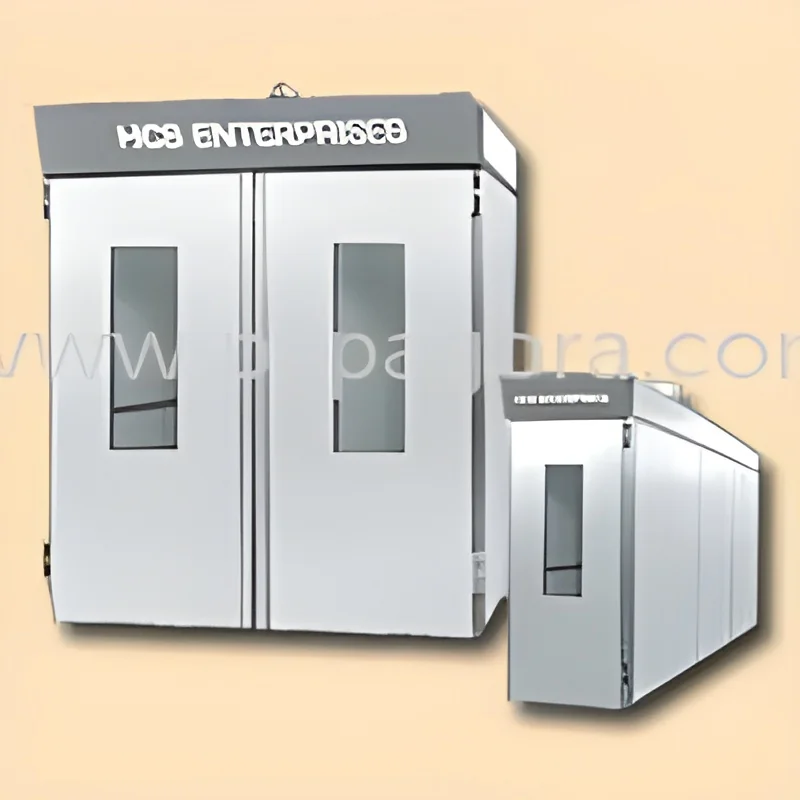
- Ovens vary in size and load capacity, catering to different production scales.
- Size options can include small countertop models to large industrial ovens.
4. Control System
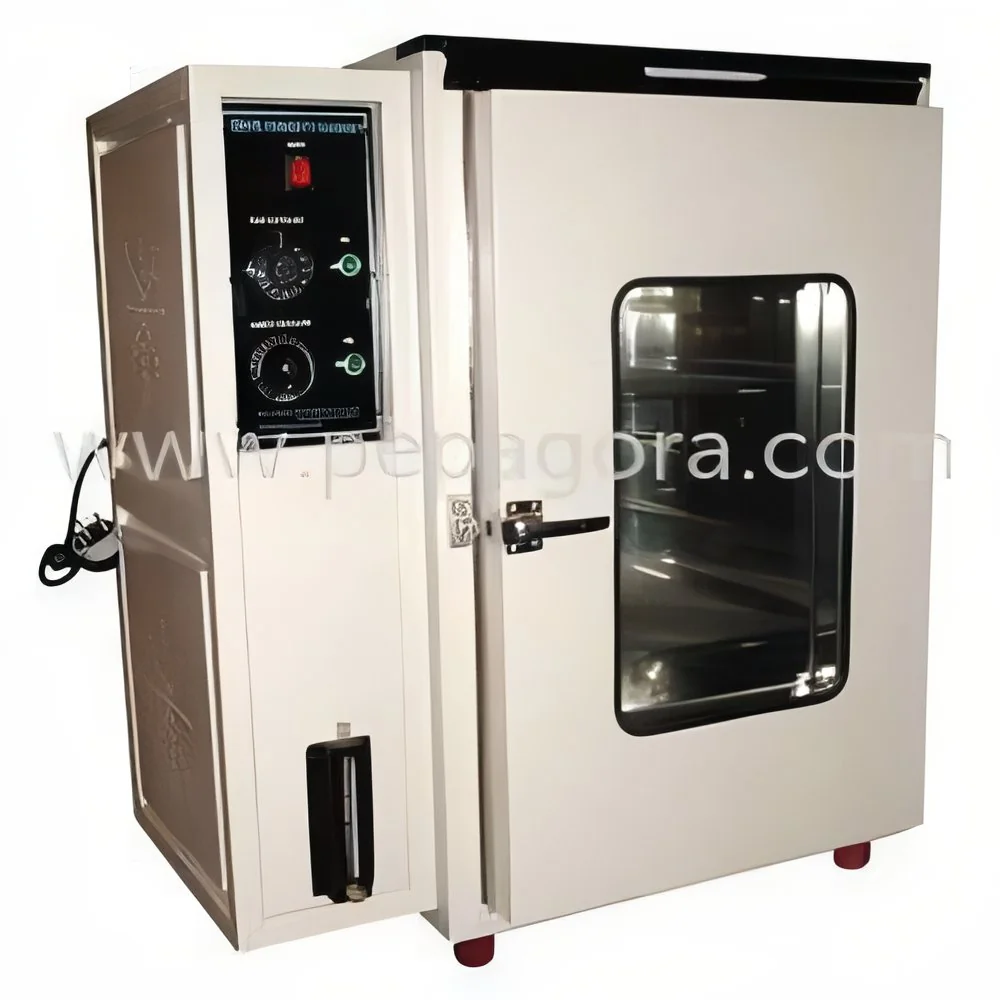
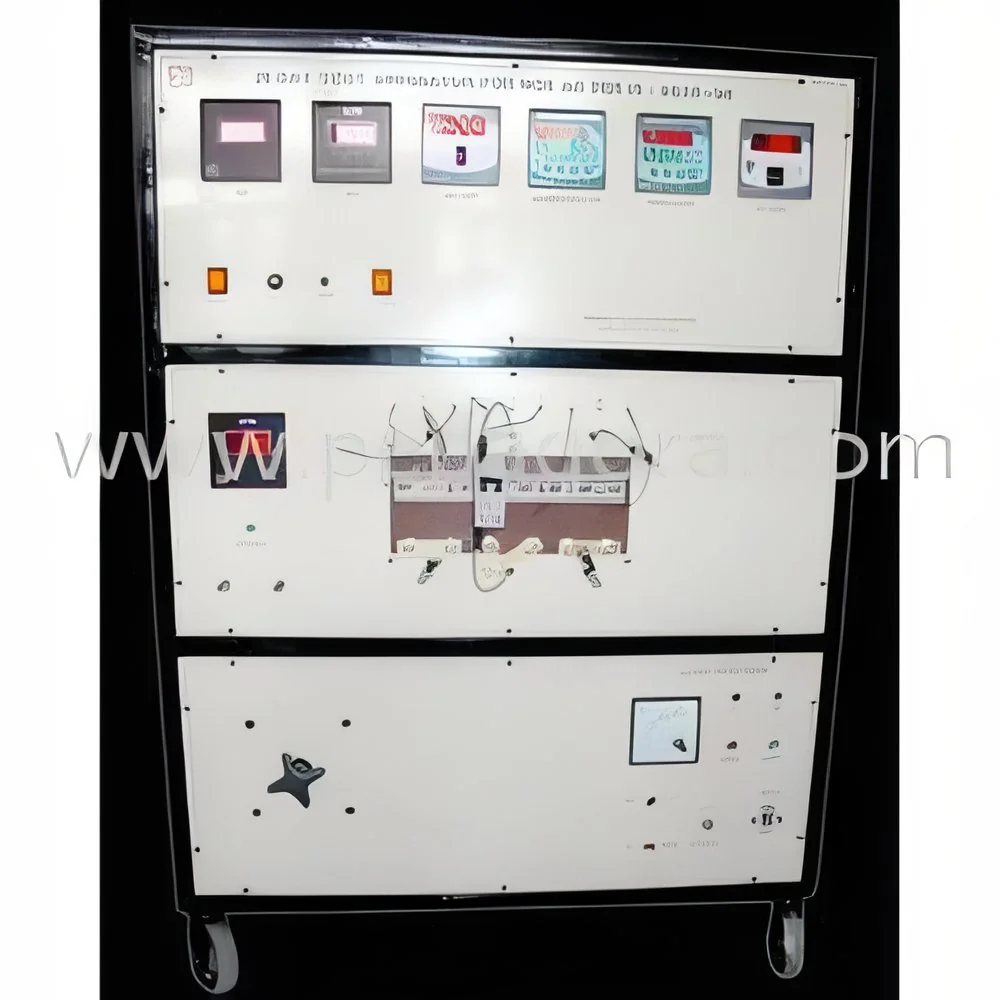
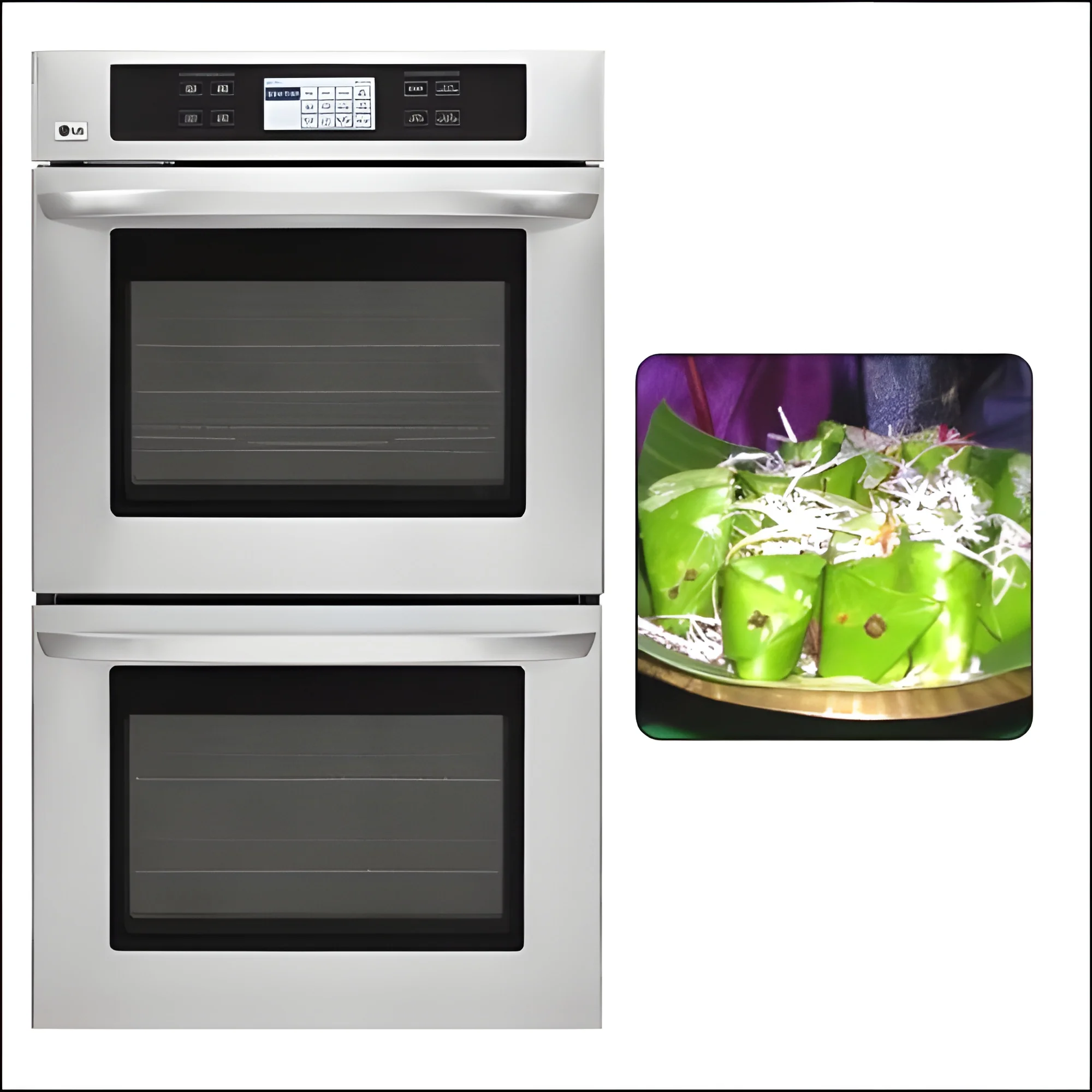
- Ovens may feature digital displays for precise temperature control.
- Programmable settings allow for consistency in baking.
5. Energy Efficiency
- Many modern ovens are designed to minimize energy consumption.
- Look for models that offer energy-saving features.
6. Humidity Control
- Some ovens include humidity control options for specific baking processes.
- This feature can enhance the quality of certain baked goods.
7. Material and Build Quality
- Ovens are typically made from durable materials to ensure longevity.
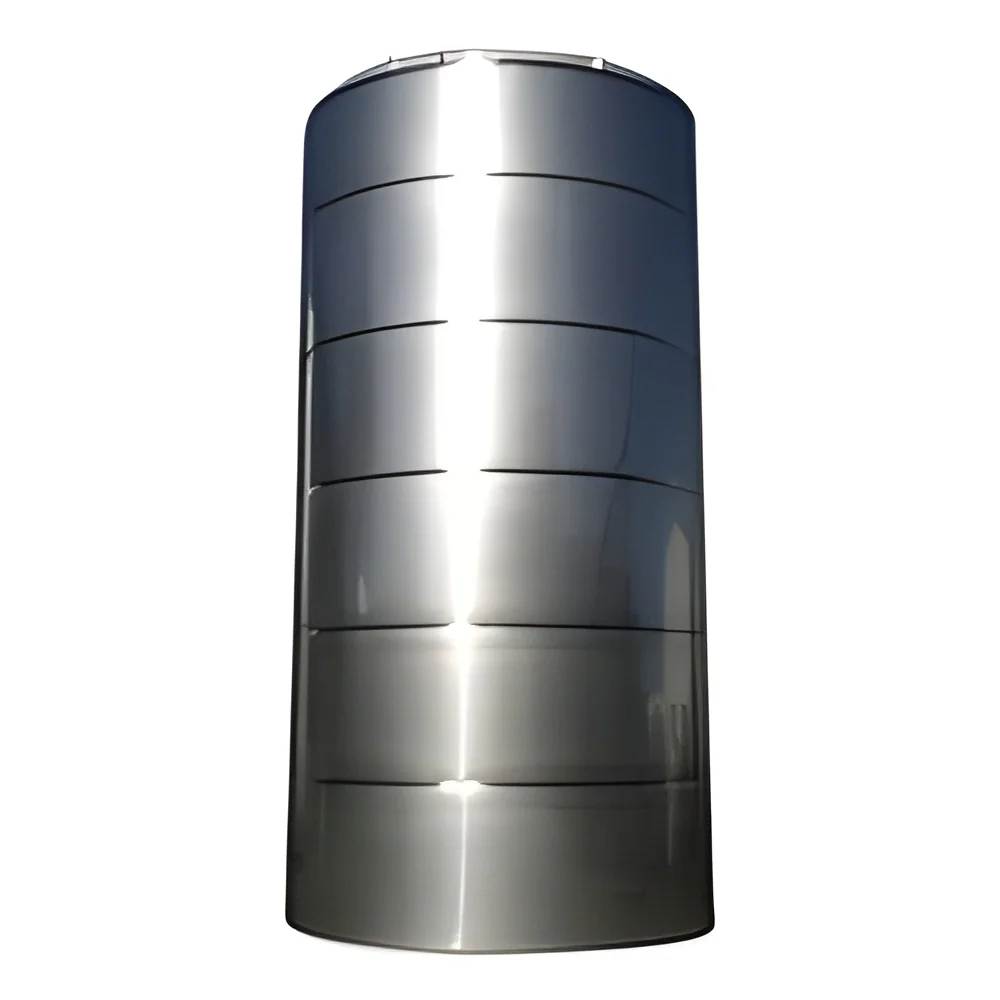
- Stainless steel is a common choice for ease of cleaning and maintenance.
8. Compliance Standards
- Many ovens meet international safety and quality standards.
- Always check for certifications like CE for assurance of quality.
These features collectively enhance the functionality and efficiency of baking ovens, making them vital for food industry applications.
Common Applications and Use Cases
Baking ovens serve a wide range of applications across various industries.
1. Bakery Sector: Commercial bakeries use these ovens for producing bread, cakes, and pastries in bulk. Consistent temperature control ensures high-quality outputs.
2. Restaurant Industry: Many restaurants rely on baking ovens for preparing pizzas and baked dishes. Ovens can also be used for roasting meats and vegetables.
3. Confectionery: Bakeries that specialize in sweets and desserts require ovens for baking cookies, pastries, and other confectioneries.
4. Catering Services: Catering businesses utilize baking ovens for large-scale food preparation, ensuring that baked items meet client specifications.
5. Food Processing: In food production facilities, baking ovens are used to prepare a variety of convenience foods that require baking.
6. Frozen Food Production: Ovens are also essential in the production of frozen baked goods, providing the necessary cooking before packaging.
7. Snack Food Manufacturing: Companies in this sector use baking ovens to create baked snacks, ensuring they are crispy and flavorful.
Product Variants and Subcategories
Baking ovens come in various designs to meet specific business needs. Understanding these variants helps businesses select the right equipment.
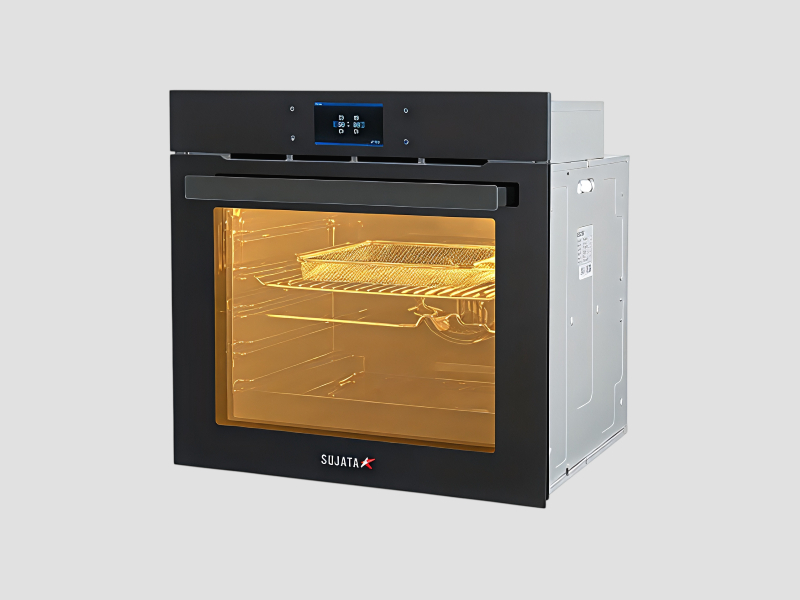
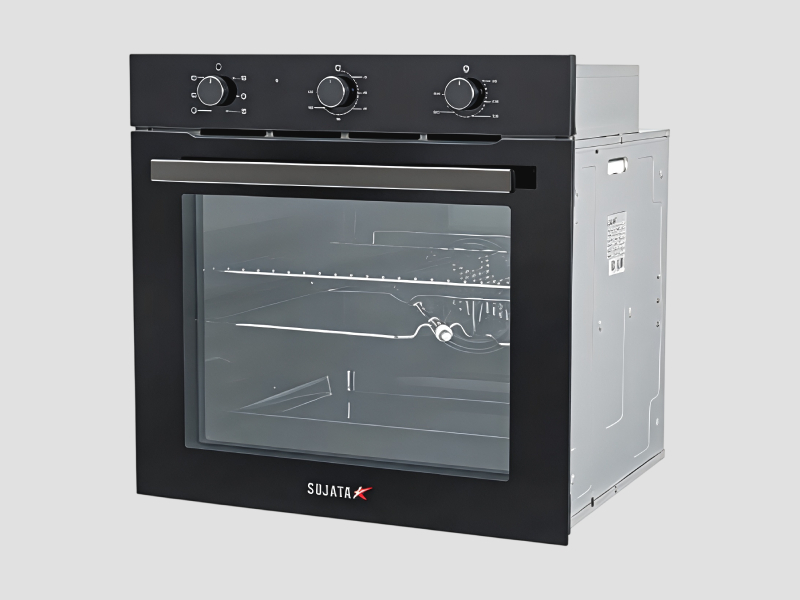
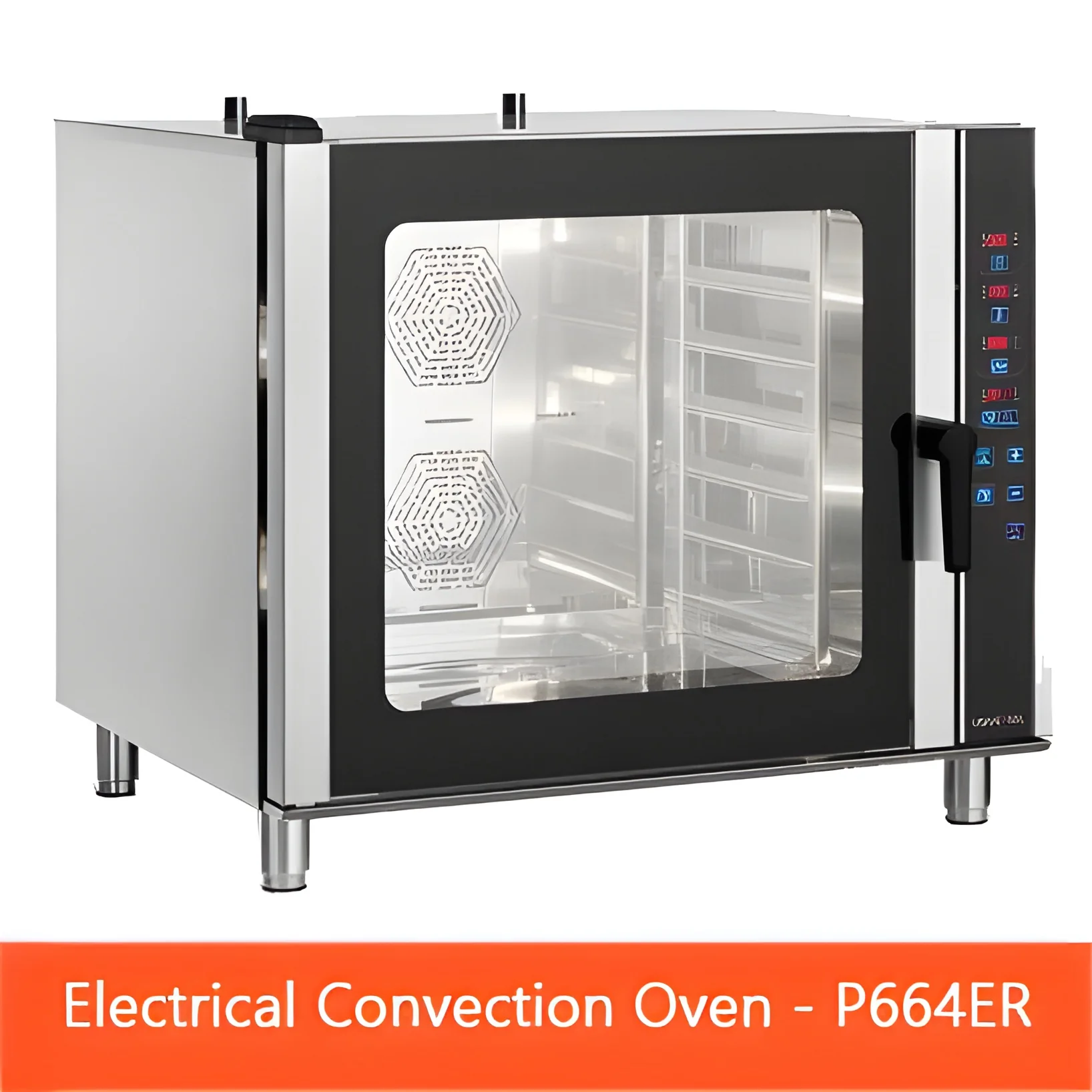
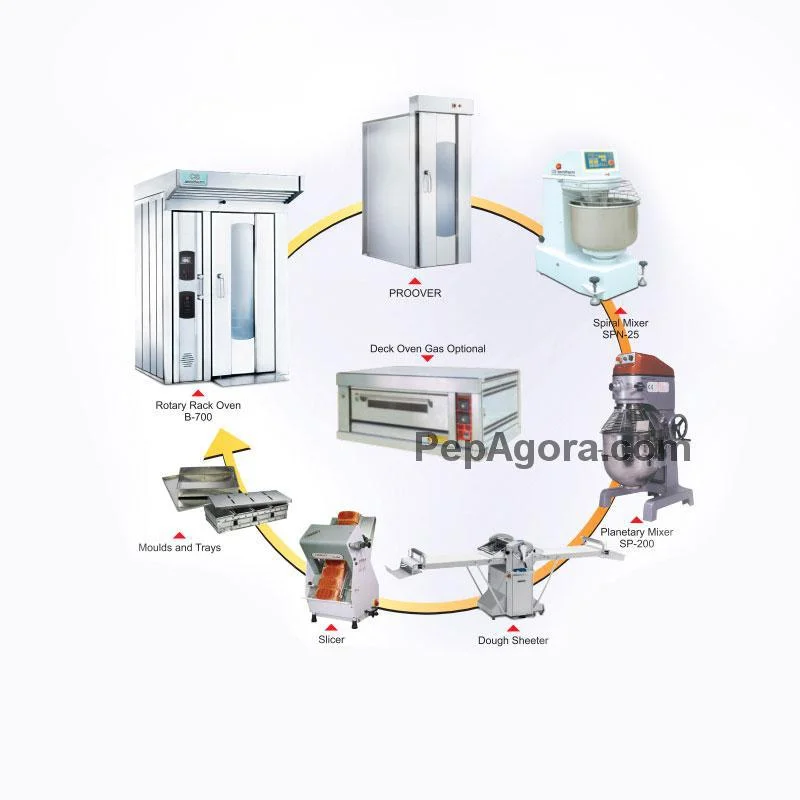
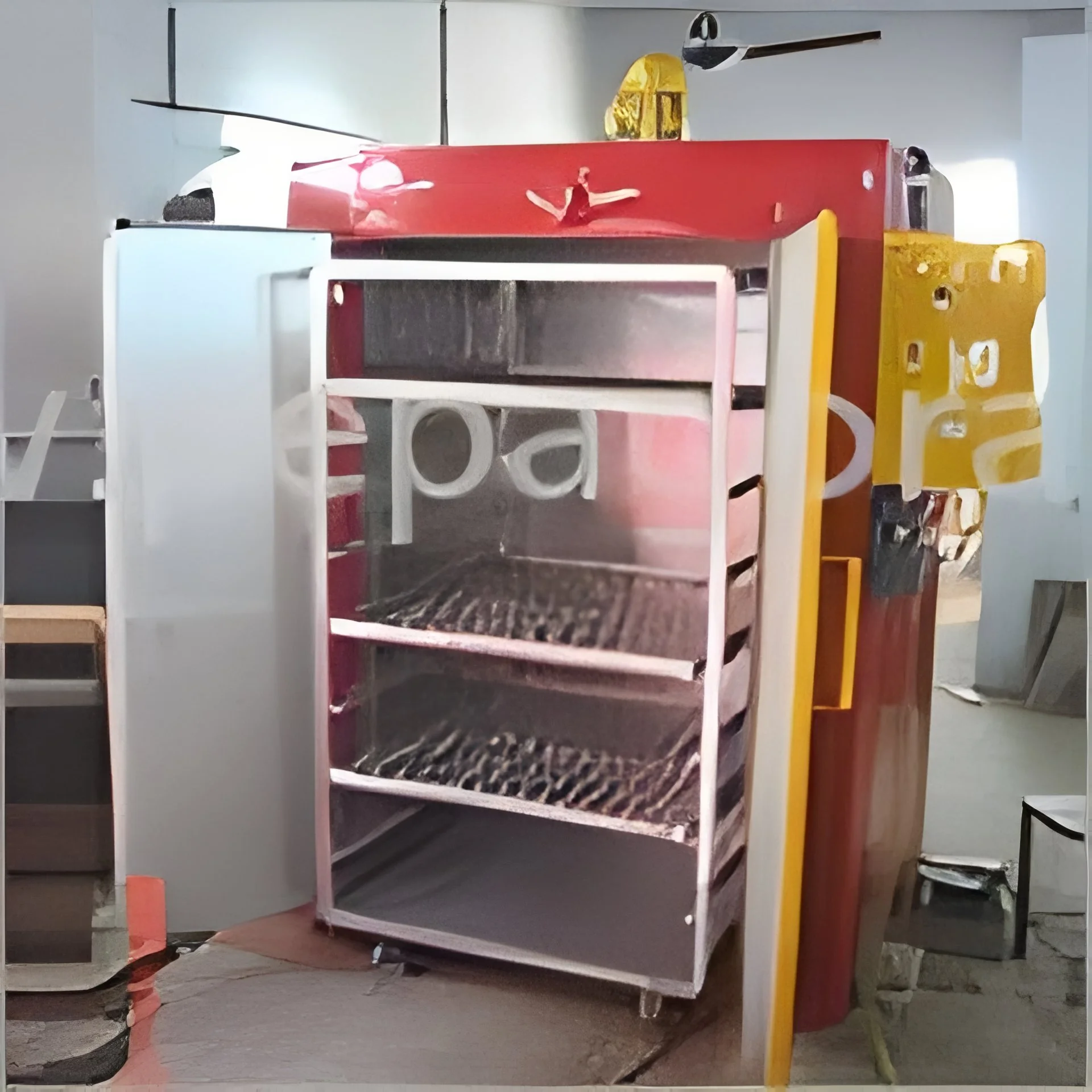
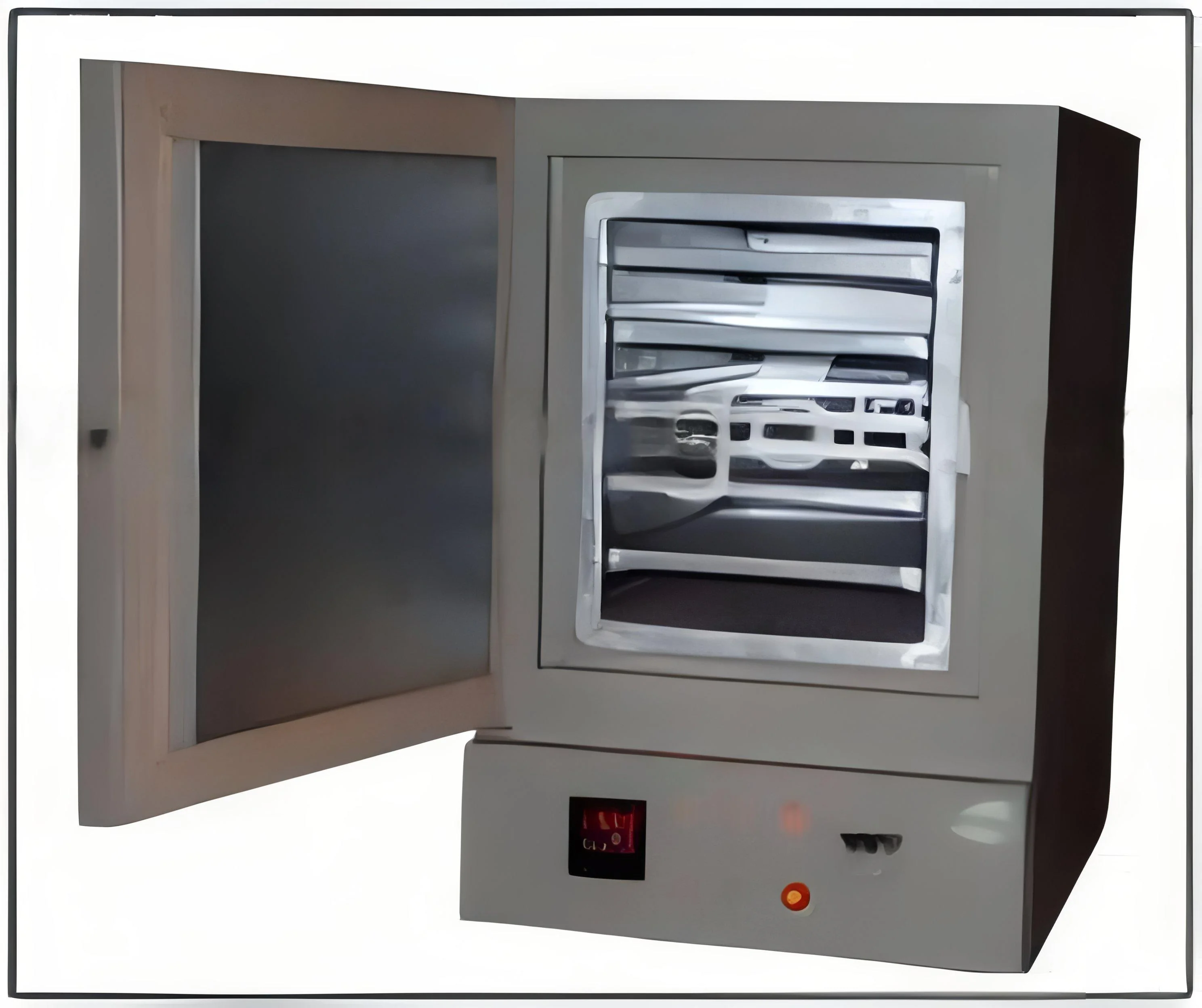
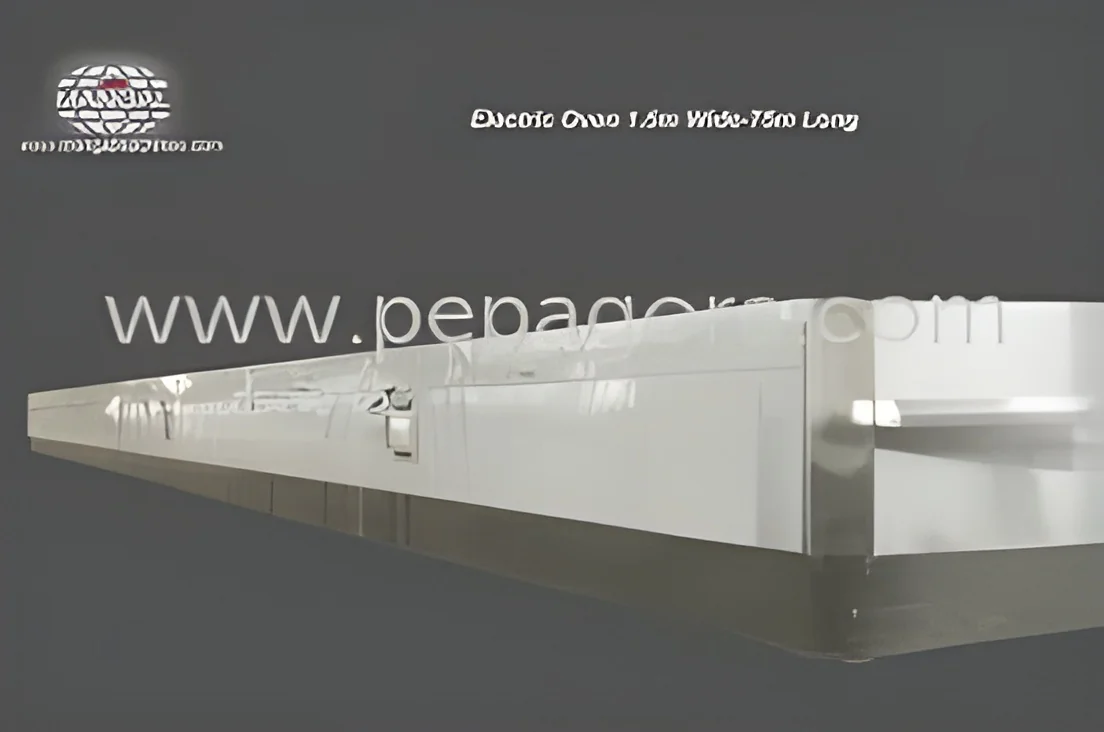
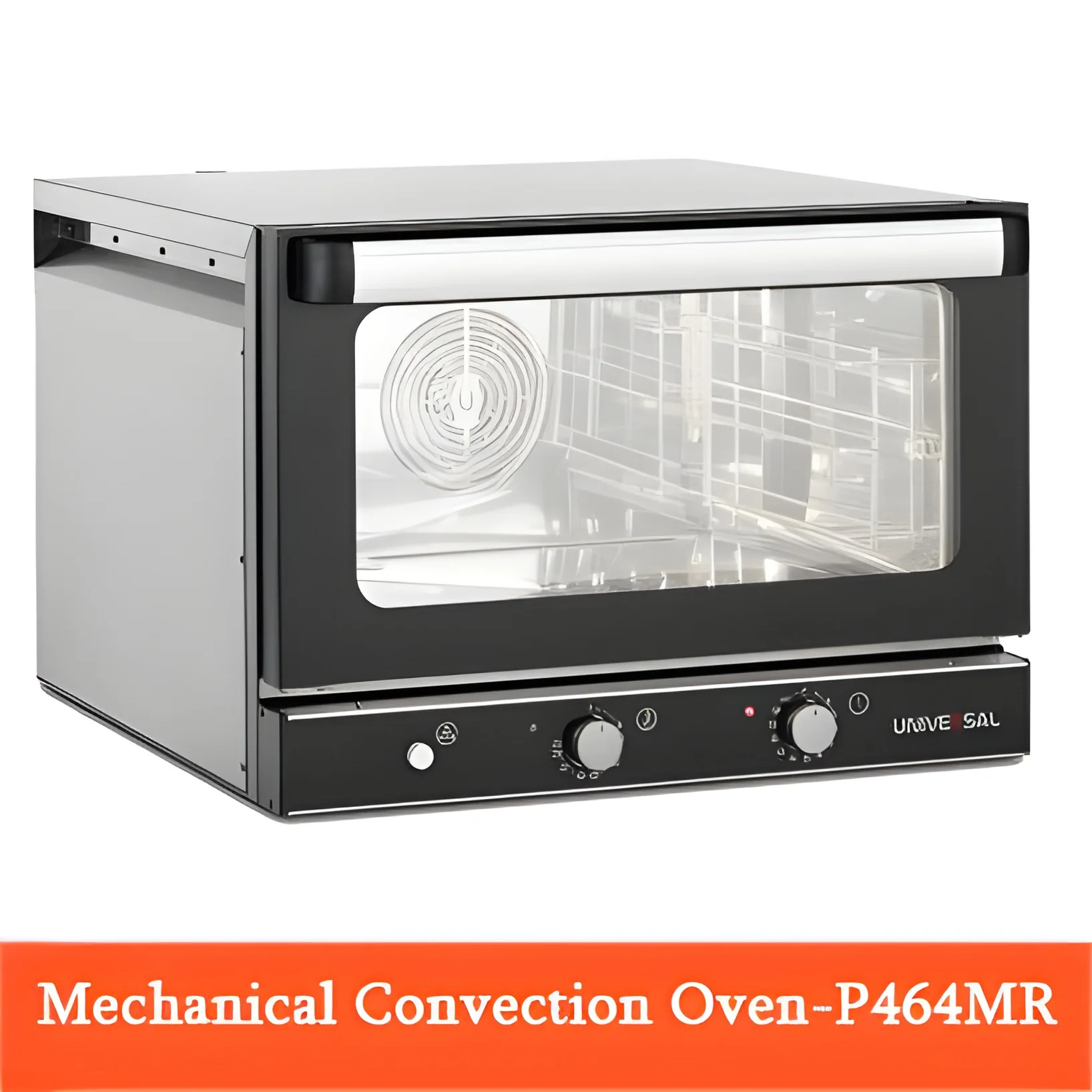
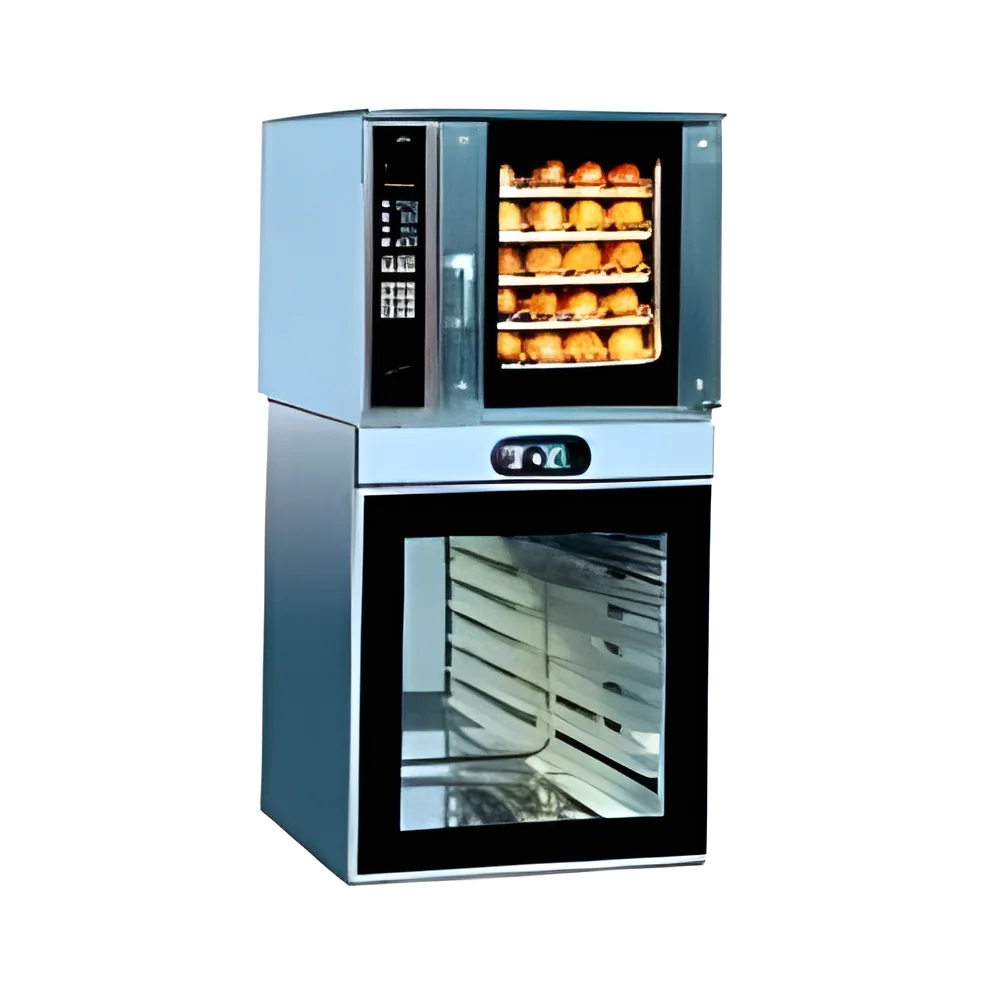
Convection Ovens: Convection ovens utilize fans to circulate hot air, providing even heat distribution. This model is ideal for baking multiple trays of products simultaneously, reducing baking times and improving efficiency.
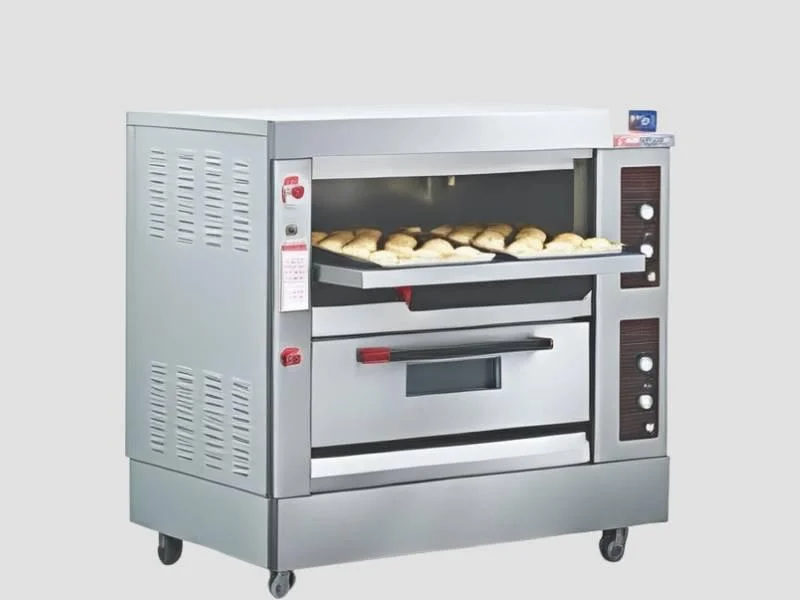
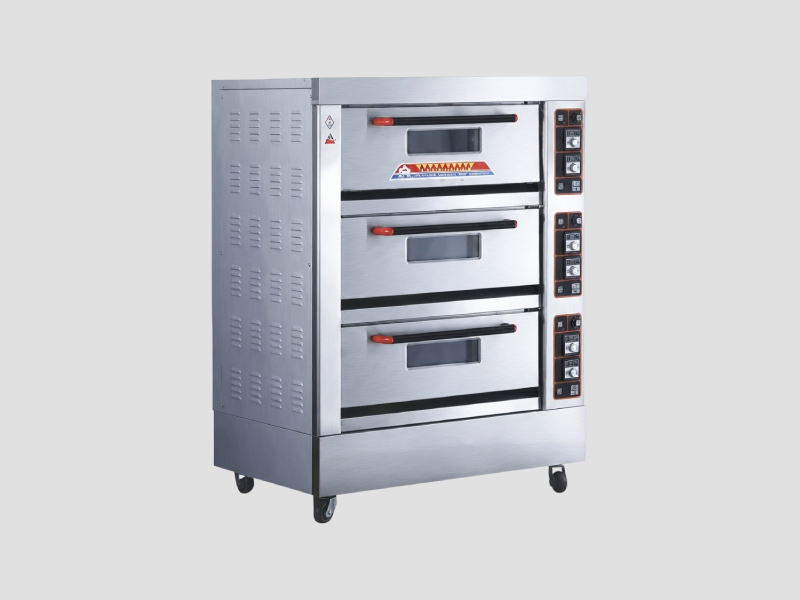
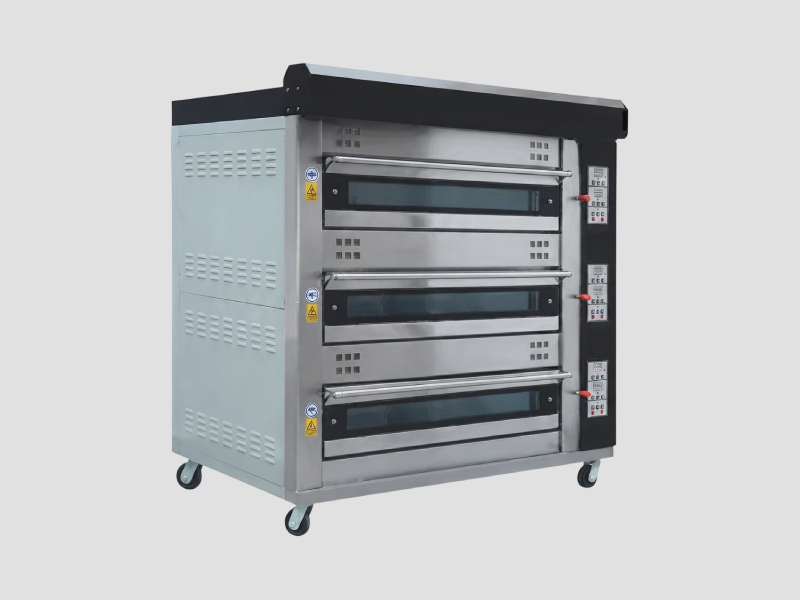
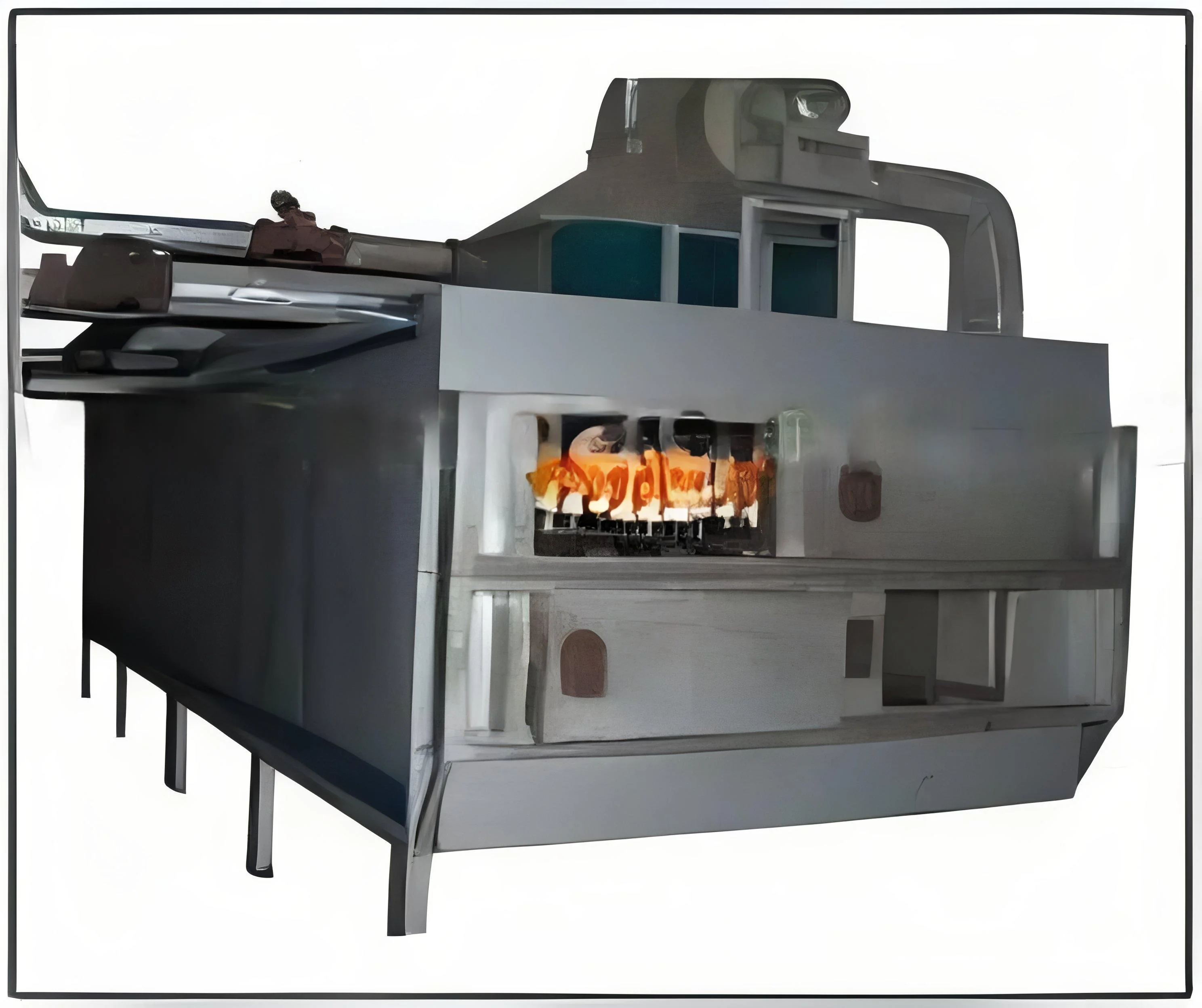
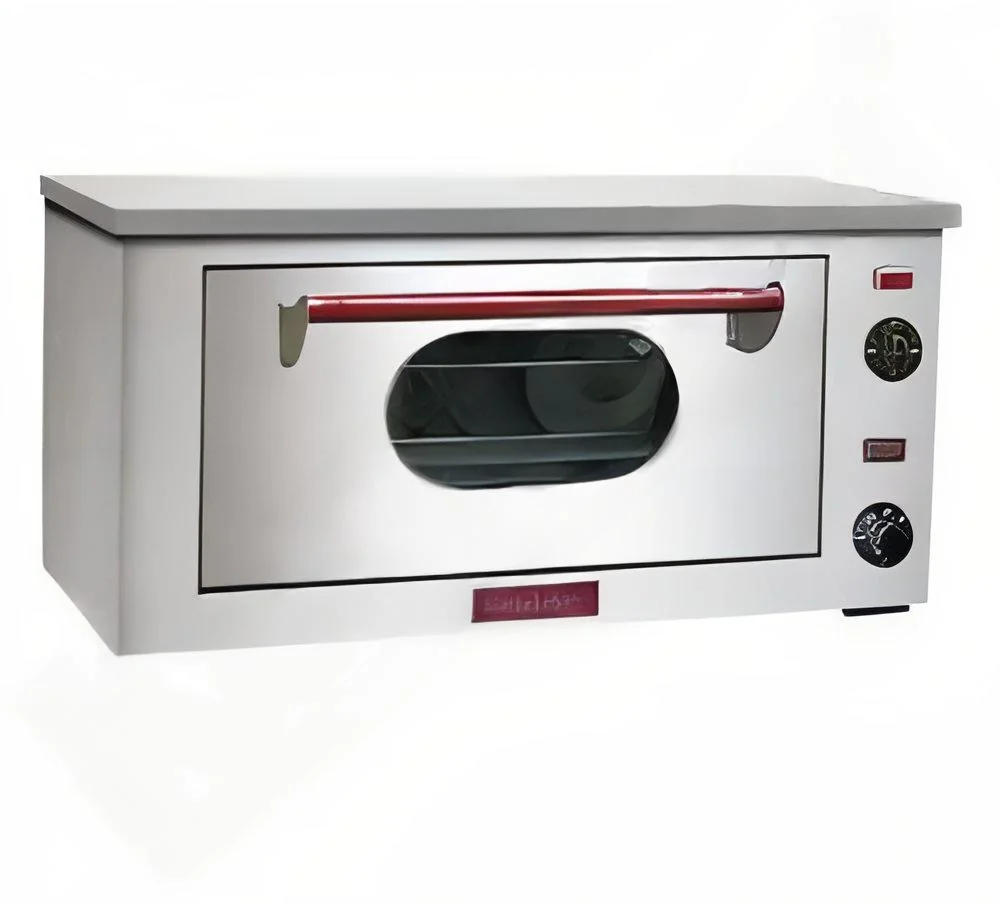
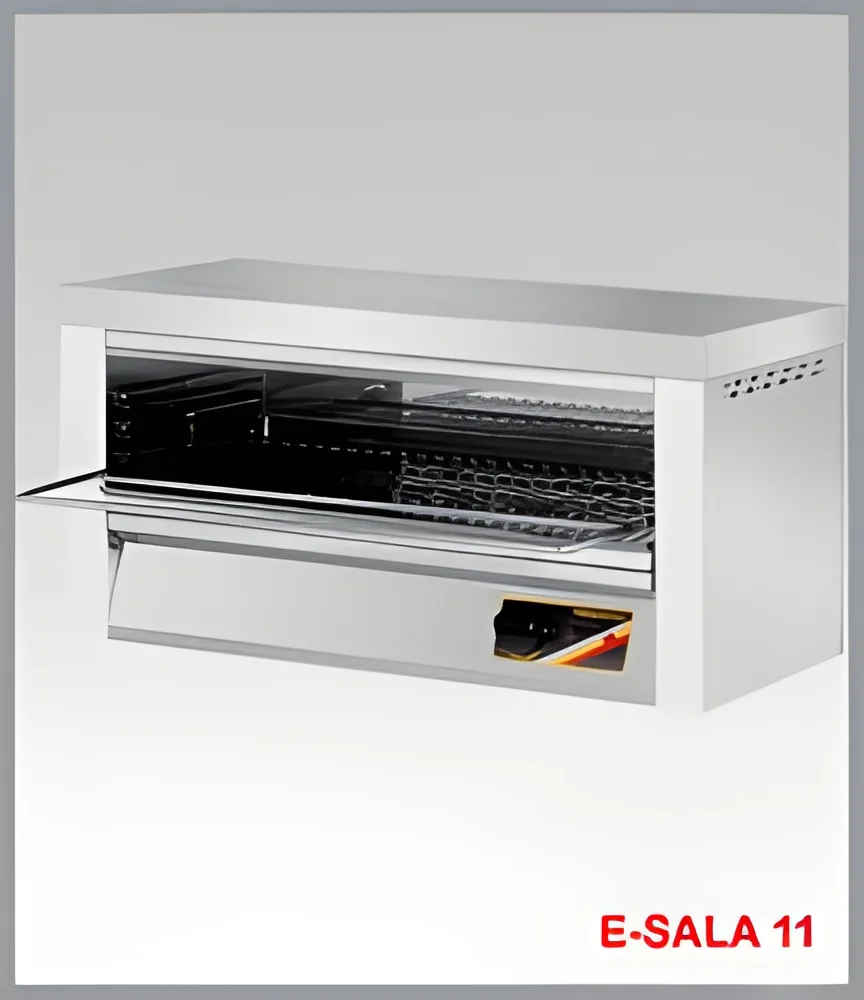
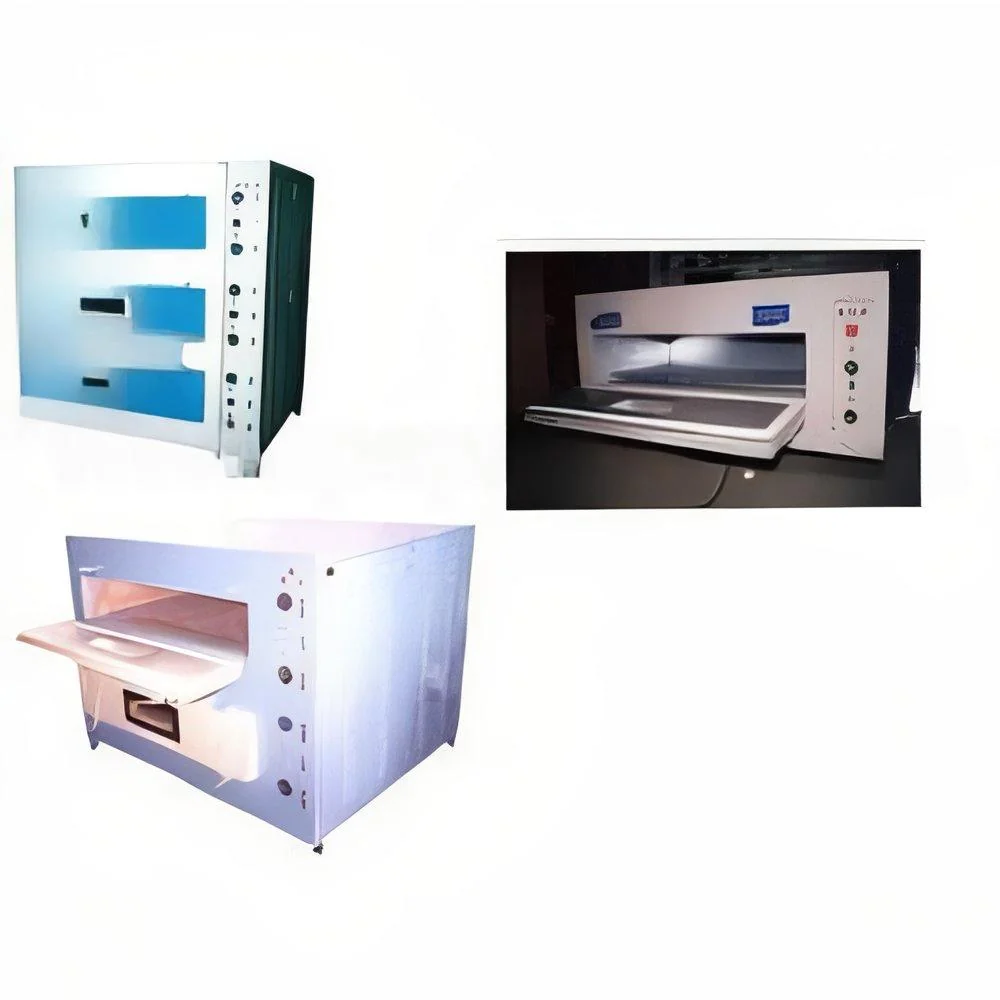
Deck Ovens: These ovens feature multiple baking chambers, allowing for direct heat from below. They are perfect for artisan bread and pizza, providing a traditional baking environment.
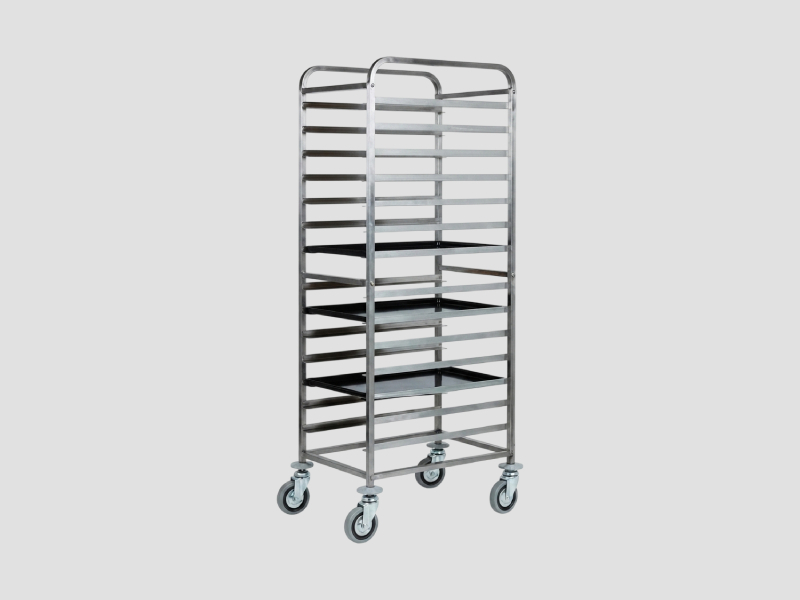
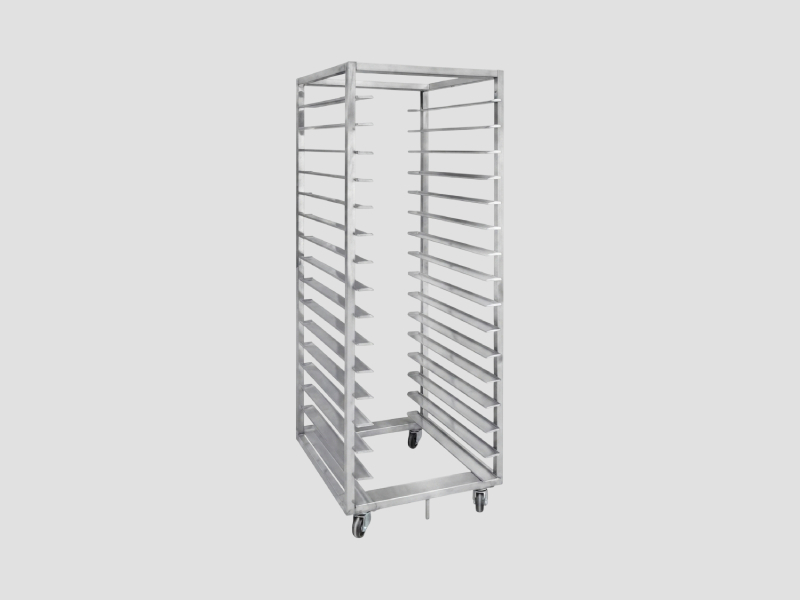
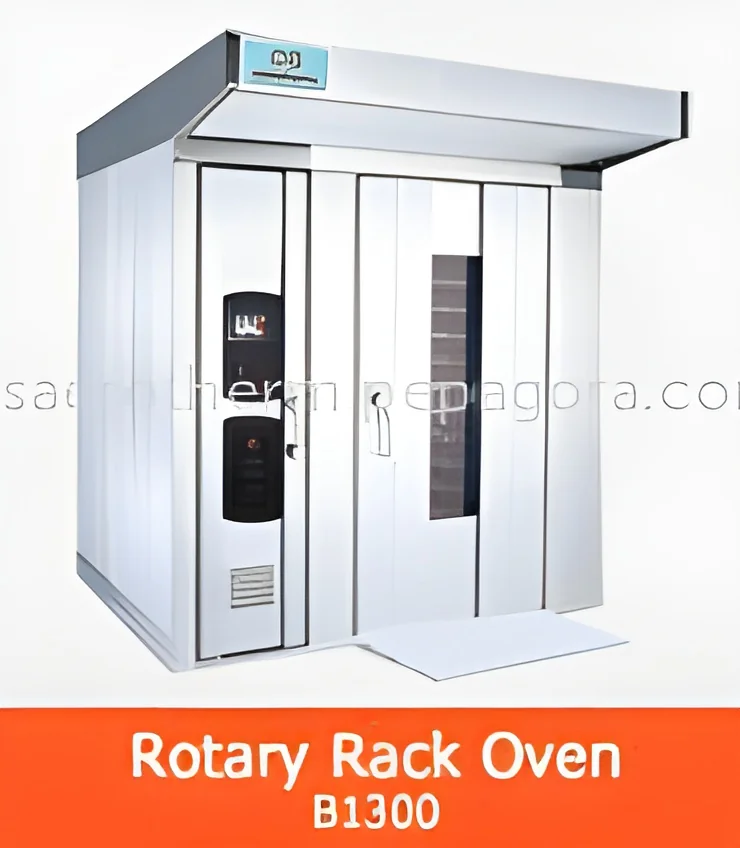
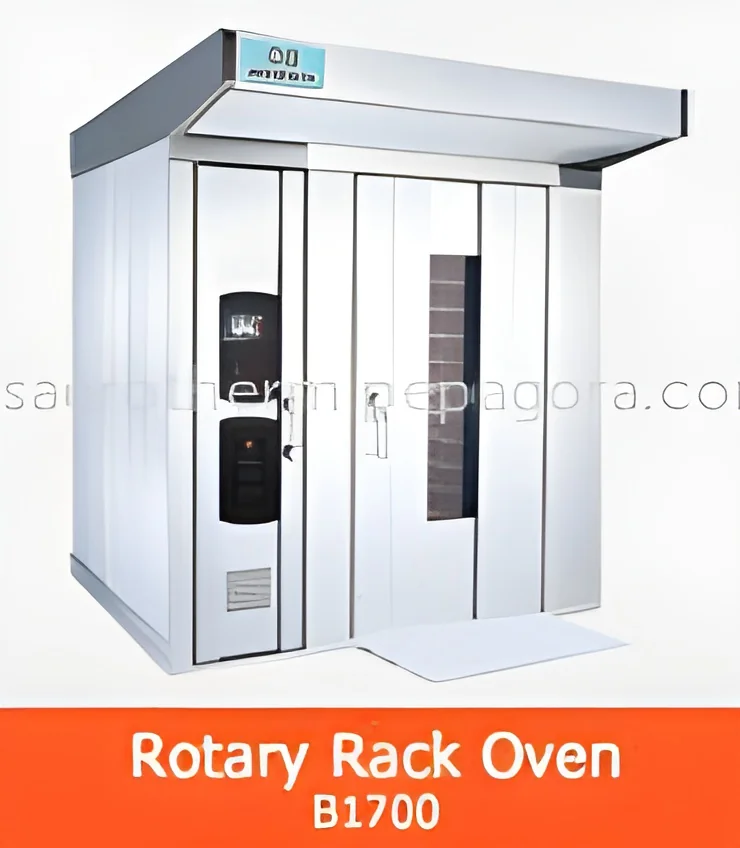
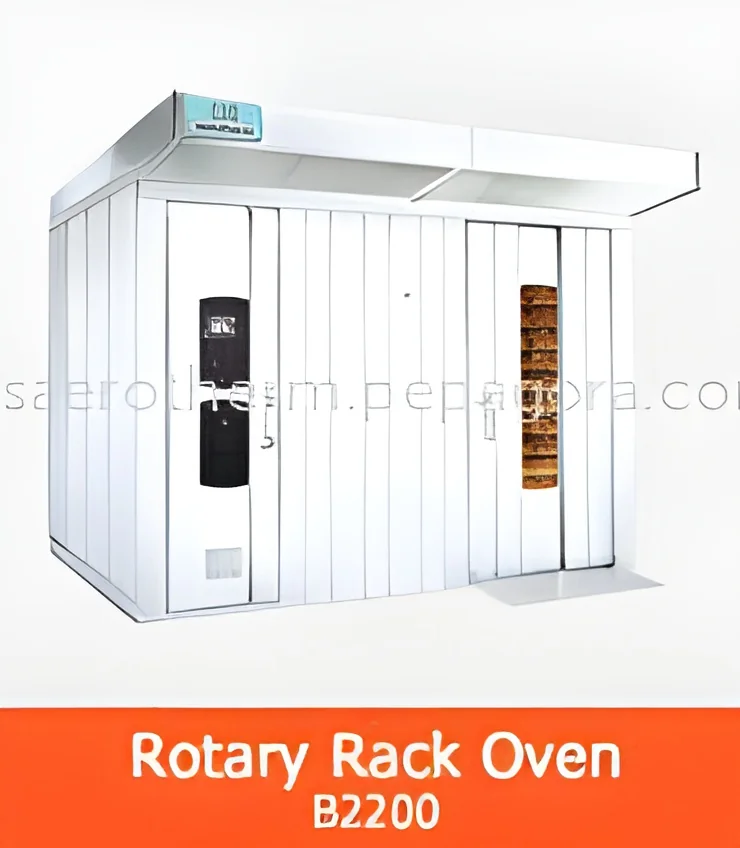
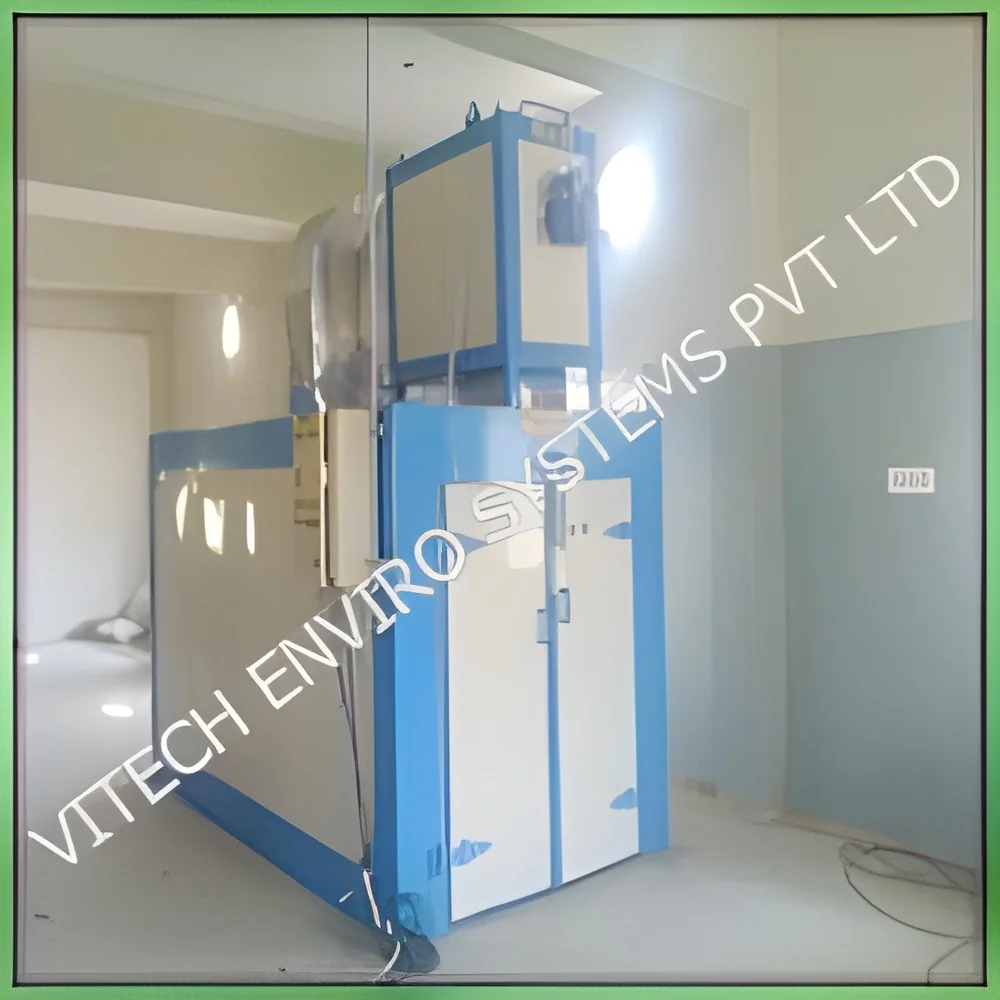
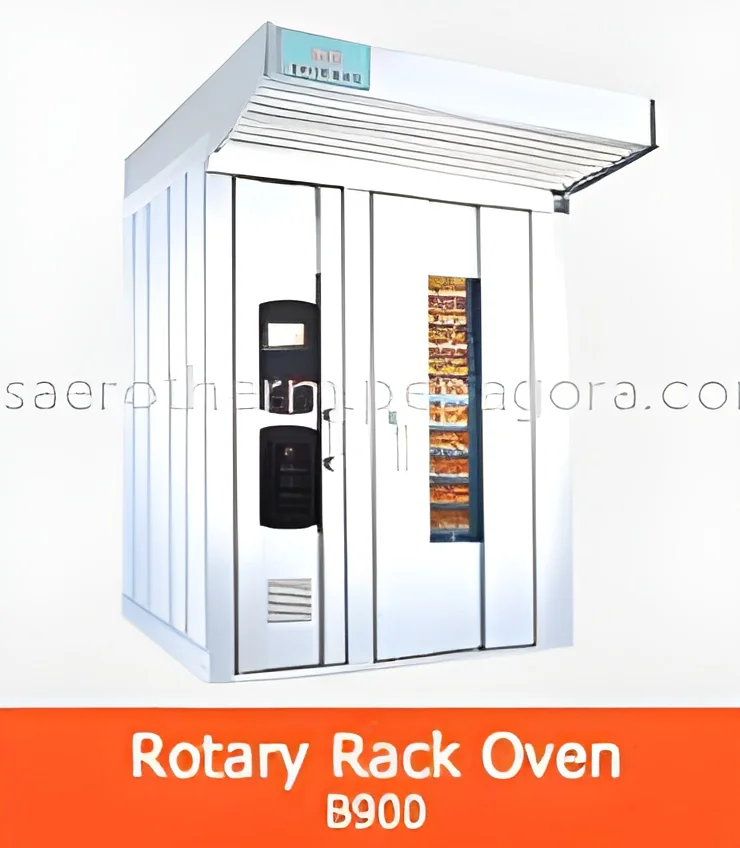
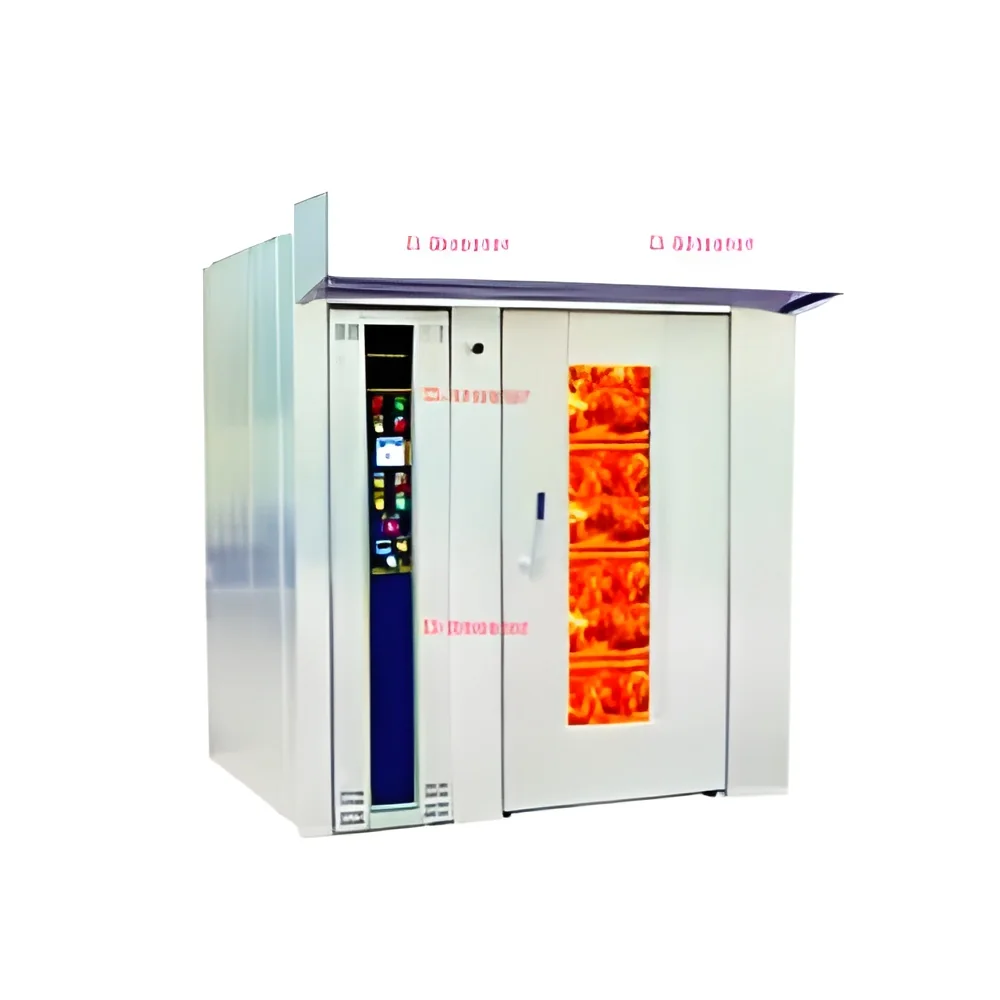
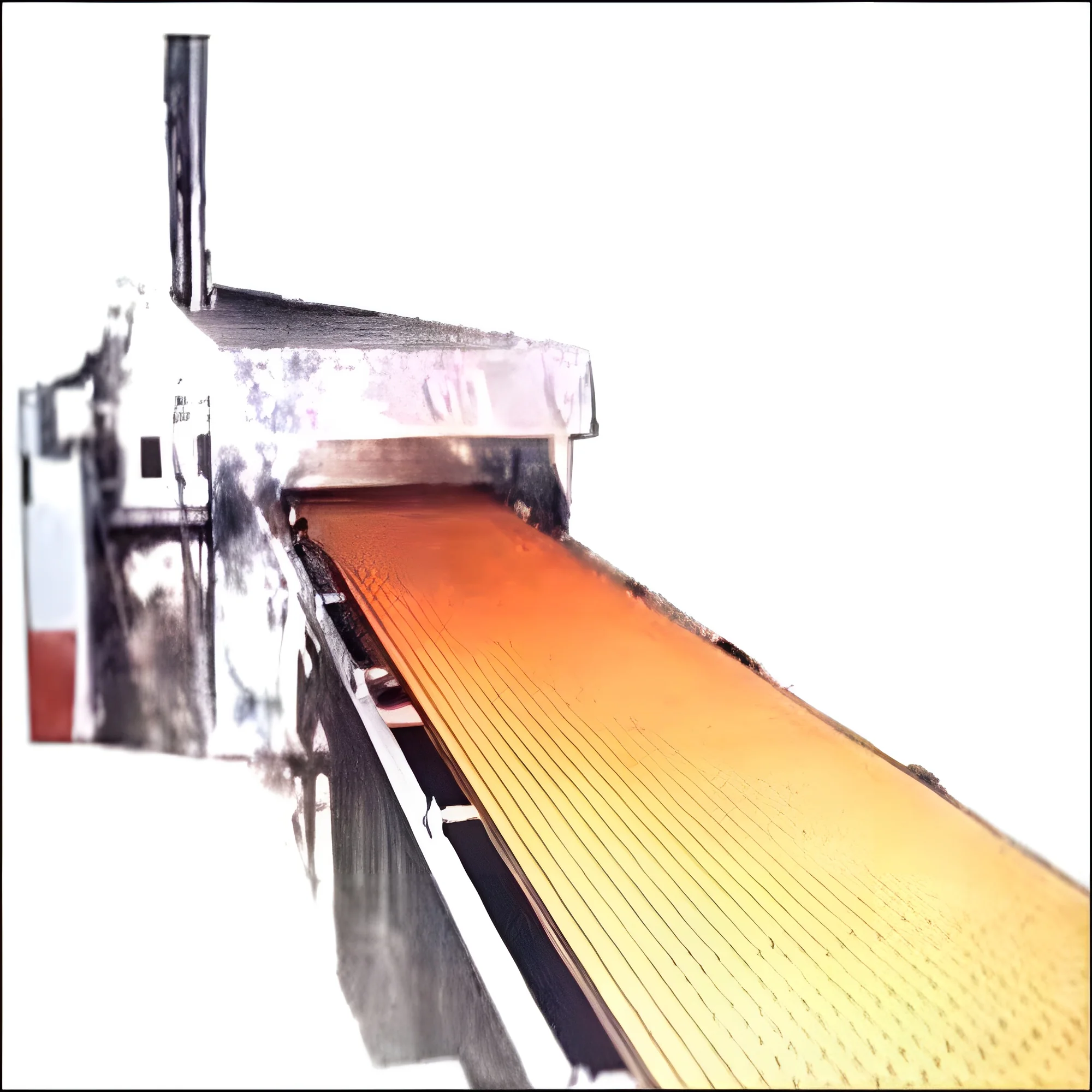
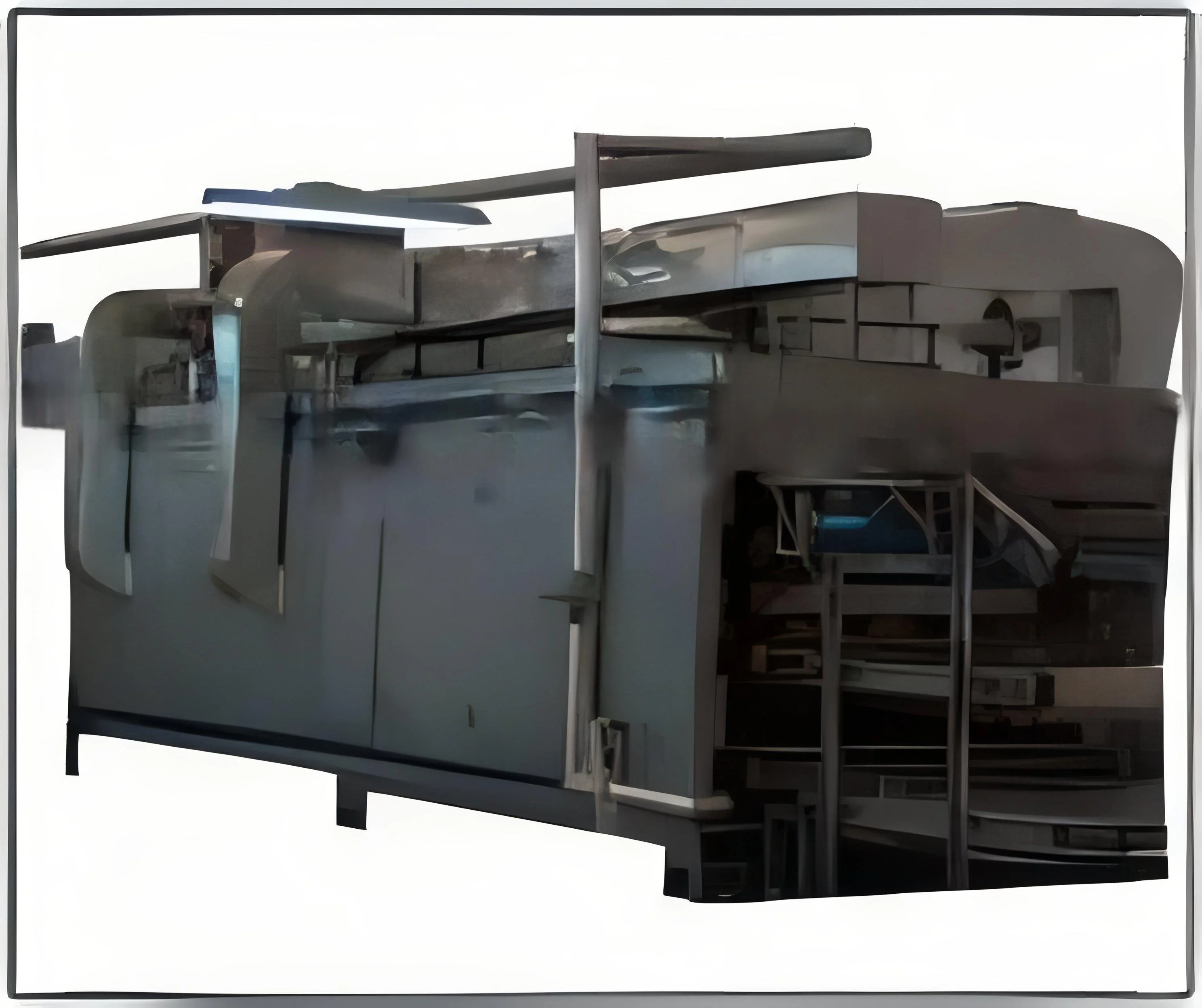
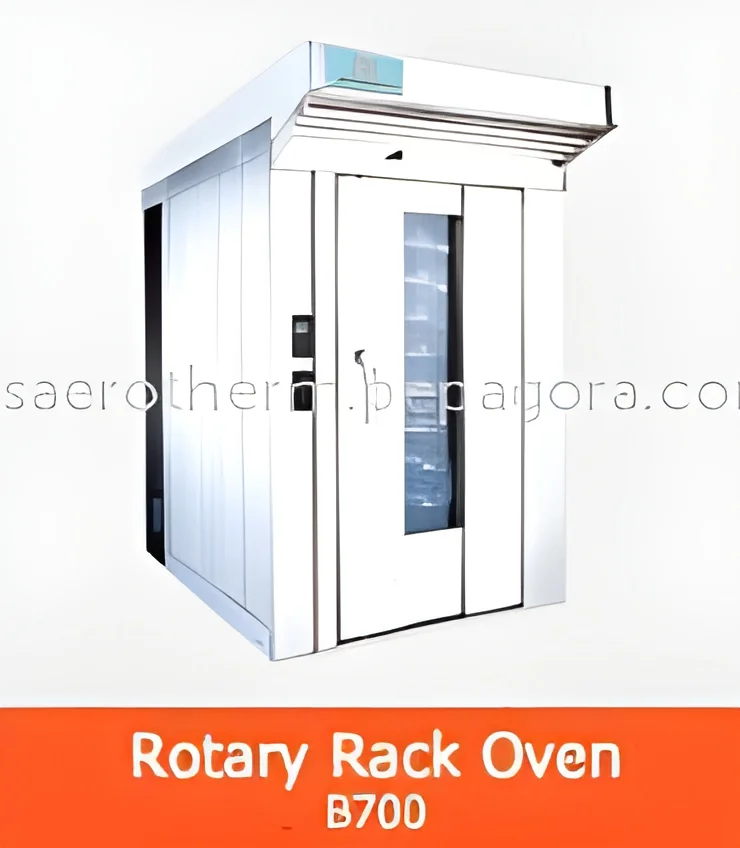
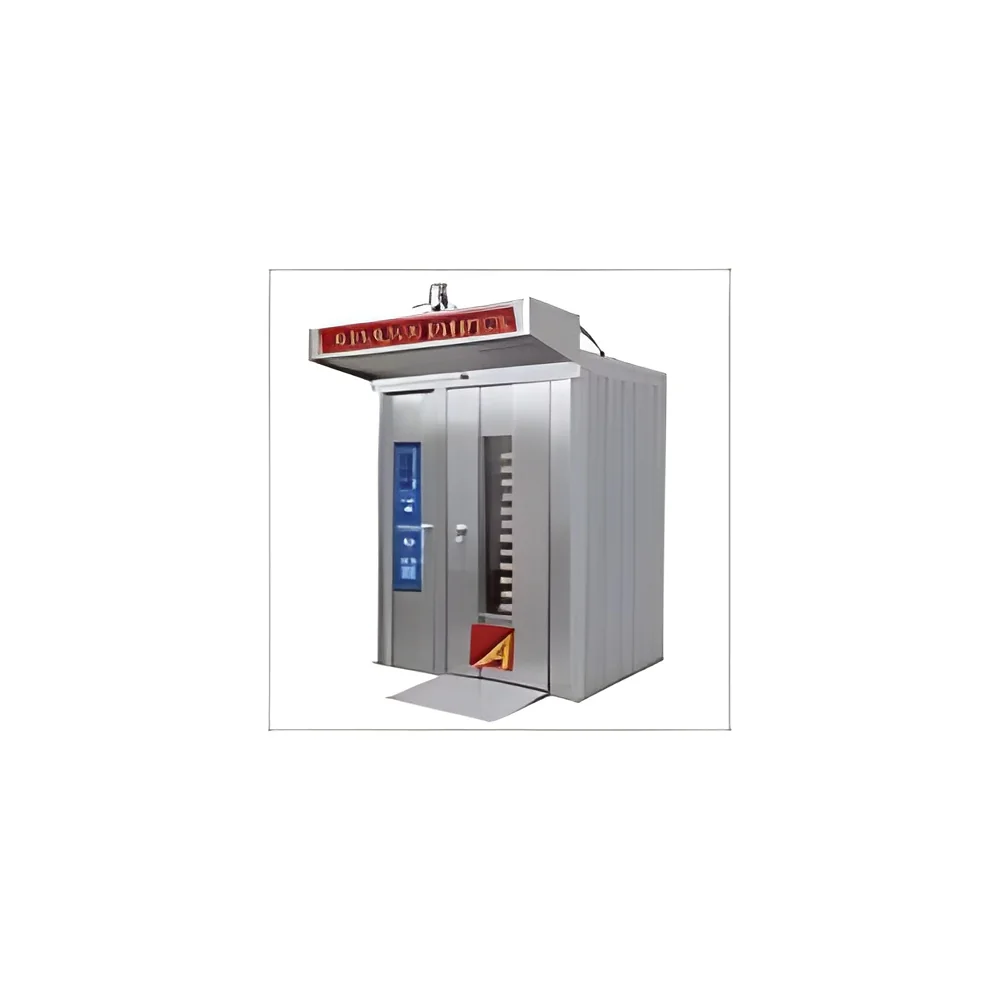
Rotary Ovens: Designed for high-volume production, rotary ovens have racks that rotate for even baking. They are suitable for large bakeries looking to maximize output.
Benefits and Advantages
Investing in baking ovens offers several advantages for businesses in the food industry.
1. Consistency: Baking ovens ensure uniform baking results, leading to consistently high-quality products.
2. Efficiency: Modern ovens are designed for energy efficiency, reducing operational costs over time.
3. Versatility: Many baking ovens can handle various cooking methods, from baking to roasting, providing flexibility in menu offerings.
4. Time-Saving: Advanced features like programmable settings reduce the time spent on monitoring, allowing staff to focus on other tasks.
5. Quality Control: High-quality ovens come equipped with features that help maintain the integrity of baked goods, enhancing customer satisfaction.
6. Compliance: Ovens that meet industry standards ensure food safety, reducing the risk of contamination.
Buying Guide for B2B Buyers
When sourcing baking ovens for the food industry, several factors should be considered to make an informed purchase.
1. Quality Assessment: Evaluate the build quality and materials used in the ovens. Look for reputable brands that offer warranties and customer support.
2. Supplier Verification: Vet suppliers to ensure they have a solid reputation and experience in the food industry. Check for customer reviews and service history.
3. Pricing and MOQ: Understand the pricing structure and minimum order quantities. Compare different suppliers to find the most cost-effective options without compromising quality.
4. Delivery and Lead Times: Inquire about delivery schedules and lead times to ensure the ovens are available when needed. This is crucial for maintaining production schedules.
5. Compliance Requirements: Ensure that the ovens meet local and international safety and quality standards. Check for necessary certifications, such as CE.
Compliance and Certifications
Baking ovens are subject to various quality standards and certifications that ensure safety and efficiency.
ISO 9001 is a quality management standard that applies to manufacturers of baking ovens. Compliance with this standard indicates that a manufacturer has established a quality management system that meets international expectations.
HACCP (Hazard Analysis and Critical Control Points) is crucial for food safety. Ovens designed with HACCP principles help businesses ensure that food safety risks are minimized during the baking process.
The CE mark indicates compliance with European safety standards, which is essential for ovens sold within the European market. This certification assures buyers of the product’s adherence to health, safety, and environmental protection standards.
Safety and testing requirements vary by region, so it is important to verify that the ovens meet local regulations. This includes electrical safety standards and thermal performance testing.
Why Source Baking Ovens (Food Industry) from Pepagora?
Pepagora provides a trusted platform for sourcing baking ovens tailored to the food industry, offering several key advantages.
Verified Supplier Network: Pepagora ensures that all suppliers undergo rigorous verification processes. This guarantees that buyers are connected with reputable manufacturers known for their quality products.
Streamlined RFQ Process: The request for quotation process on Pepagora is designed to be user-friendly, allowing businesses to quickly compare quotes and make informed decisions.
Trade Assurance and Support: Pepagora offers trade assurance to protect buyers during transactions. This includes support for any issues that may arise, ensuring peace of mind in sourcing.
Regional Coverage: With a geographic reach that includes India, GCC, and Southeast Asia, Pepagora connects buyers with local suppliers, facilitating easier logistics and communication.
By choosing Pepagora, businesses can streamline their sourcing process and ensure they acquire high-quality baking ovens that meet their operational needs.

 IN
IN