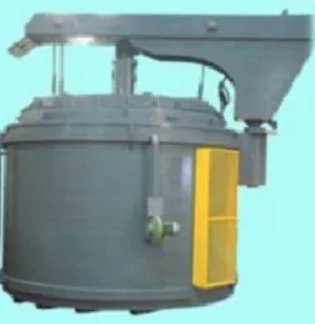
What are Tempering Furnaces?
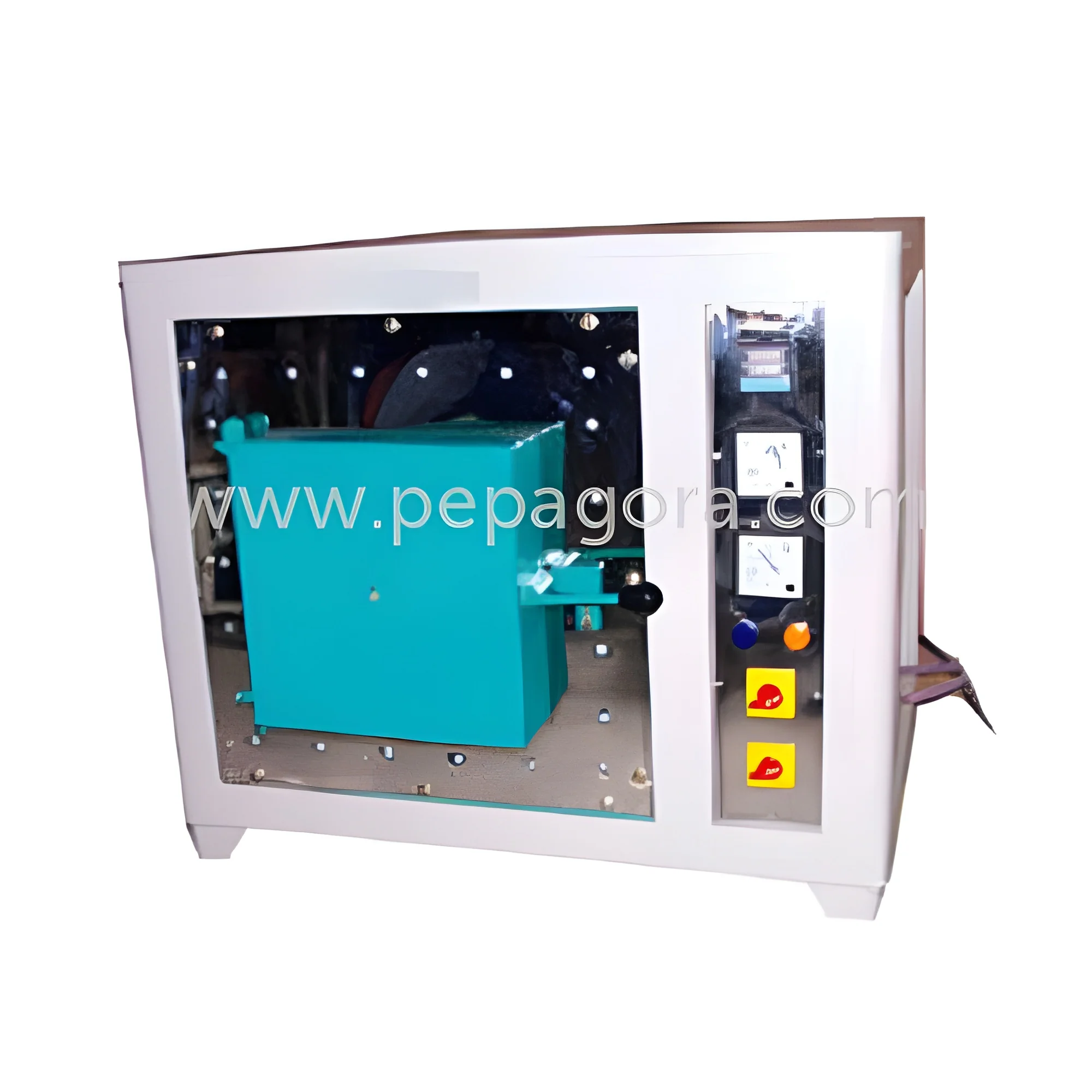
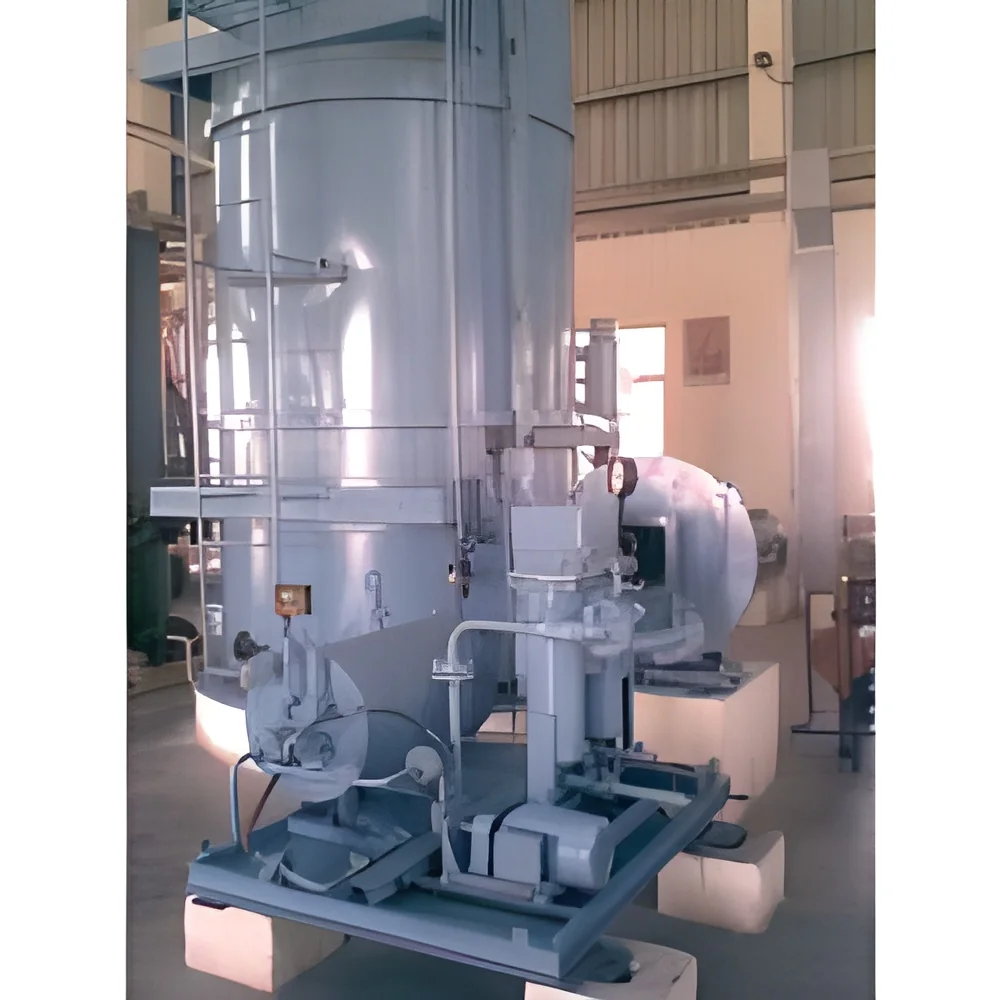
Tempering furnaces are specialized industrial ovens designed to heat treat metals. The primary purpose of these furnaces is to increase the toughness of metals through controlled heating and cooling processes. They typically operate at precise temperatures and with specific time durations to achieve the desired mechanical properties. This process is essential for enhancing the strength and durability of metal components.
Tempering furnaces are widely used in various sectors including automotive, aerospace, and manufacturing industries. They play a crucial role in the production of components that require enhanced performance under stress. In these applications, tempered materials exhibit improved resistance to wear and fatigue, making them suitable for critical parts such as gears, shafts, and springs. The relevance of tempering furnaces in the market is substantial, as manufacturers continuously seek ways to optimize material properties for better performance and reliability.
Key Features and Specifications
Tempering furnaces come equipped with several essential features that enhance their functionality and efficiency. Understanding these specifications is crucial for selecting the right model for your needs.
Key specifications include:
1. Temperature Control
- Precise temperature settings for uniform heating
- Typical operating ranges from 200°C to 600°C
2. Heating Method
- Options for electric or gas heating
- Consistent heat distribution for effective tempering
3. Chamber Size
- Varies based on the capacity requirements
- Available in multiple sizes to accommodate different workloads
4. Cooling Systems
- Options for air or water cooling
- Quick cooling capabilities to stabilize materials post-tempering
5. Energy Efficiency
- High-efficiency burners or heating elements
- Designed to minimize energy consumption during operation
6. Control Systems
- User-friendly interfaces for setting parameters
- Programmable logic controllers for automation
7. Safety Features
- Over-temperature protection systems
- Insulated chambers to prevent heat loss
8. Certifications
- Compliance with international safety standards
- CE certification ensuring quality and reliability
In summary, tempering furnaces offer a range of specifications that cater to various industrial applications, ensuring precise heat treatment processes.
Common Applications and Use Cases
Tempering furnaces are versatile tools used across multiple industries to enhance the properties of metals.
1. Automotive Industry: Tempering furnaces are essential in the production of gears, axles, and other critical components that require enhanced toughness and durability.
2. Aerospace Industry: In this sector, tempered materials are used for aircraft components that must withstand high-stress environments and extreme temperatures.
3. Manufacturing Industry: Various machine parts and tools benefit from tempering, providing improved resistance to wear and fatigue.
4. Tool and Die Making: High-speed steels and tool steels are often tempered to achieve the necessary hardness and toughness for cutting tools.
5. Construction Industry: Structural components such as beams and fasteners are tempered to ensure safety and stability in building projects.
6. Oil and Gas Industry: Components subjected to harsh conditions, such as drilling tools, often undergo tempering to enhance their reliability.
7. Medical Equipment: Tempered metals are used in surgical tools and implants, where strength and reliability are paramount.
Product Variants and Subcategories
Tempering furnaces come in various designs to meet diverse industrial needs.
Batch Tempering Furnaces: These furnaces are designed for processing multiple items in a single load. They provide flexibility in heating and cooling cycles, making them ideal for smaller production runs.
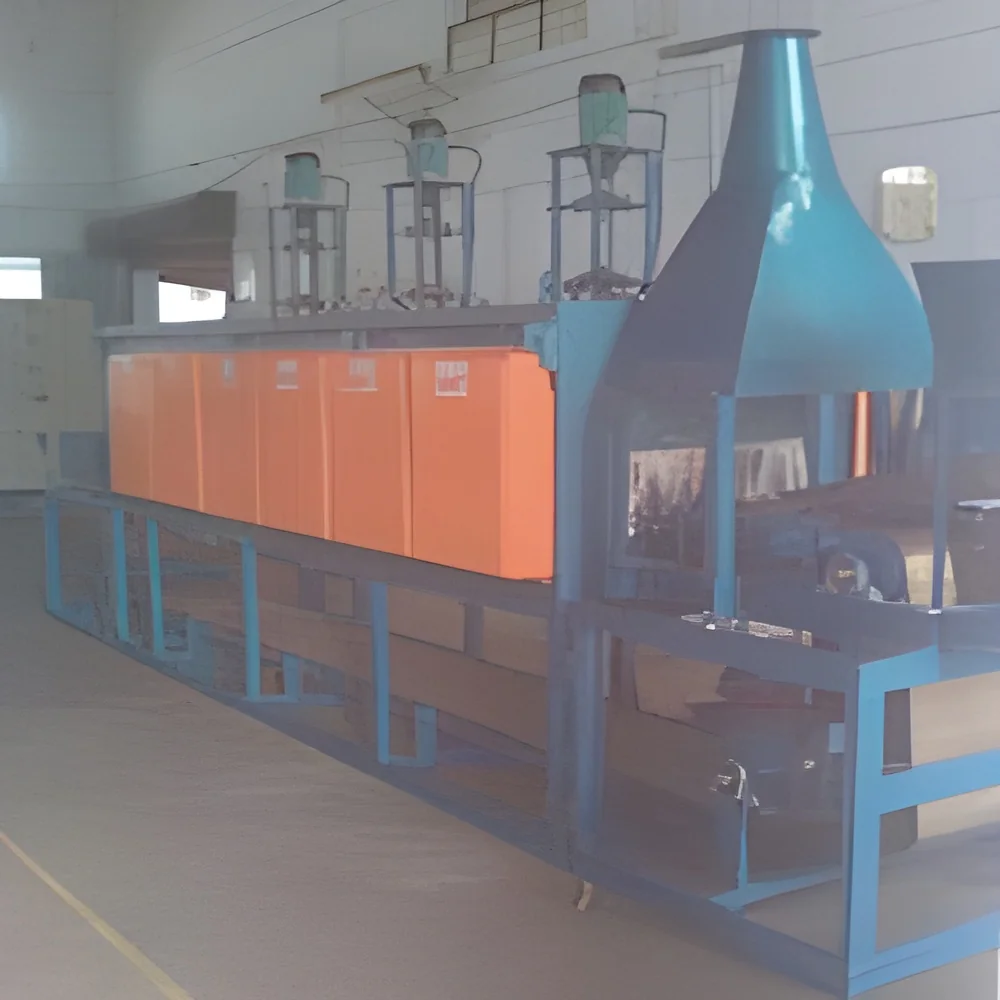
Continuous Tempering Furnaces: Suitable for high-volume production, these systems allow for the continuous flow of materials through the furnace. They ensure consistent heating and cooling, optimizing efficiency for large-scale operations.
Modular Tempering Furnaces: These are adaptable units that can be customized based on specific operational requirements. Their modular design allows for scalability and integration with existing systems.
Benefits and Advantages
Investing in tempering furnaces brings numerous advantages to manufacturing processes.
1. Enhanced Material Performance: Tempering improves toughness and ductility, resulting in materials that can withstand higher stress levels.
2. Increased Product Lifespan: By reducing brittleness, tempered components experience longer operational life, reducing the need for replacements.
3. Improved Safety: The controlled heating process minimizes the risk of material failure, enhancing overall safety in industrial applications.
4. Energy Efficiency: Modern tempering furnaces are designed to consume less energy, leading to cost savings over time.
5. Customizable Processes: Many furnaces offer programmable settings, allowing operators to tailor heat treatment processes to specific material requirements.
6. Compliance with Standards: Using certified equipment ensures that manufacturers meet industry standards, enhancing product credibility.
Buying Guide for B2B Buyers
When sourcing tempering furnaces, it is essential to consider key factors that can impact your purchase decision.
1. Quality Assessment: Evaluate the build quality and performance metrics of the furnace. Look for units that comply with industry standards and have proven reliability.
2. Supplier Verification: Conduct thorough research on potential suppliers to ensure they have a track record of delivering quality equipment and services.
3. Pricing and MOQ: Understand the pricing structure and minimum order quantities to align your budget with your operational needs.
4. Delivery and Lead Times: Confirm the lead times for delivery and installation to avoid disruptions in your production schedule.
5. Compliance Requirements: Ensure that the furnace meets all relevant regulatory and safety standards for your industry, including CE certification.
Compliance and Certifications
Compliance with industry standards is critical when it comes to tempering furnaces. Many manufacturers seek to adhere to ISO 9001, which outlines the requirements for a quality management system. This certification signifies that a supplier maintains consistent quality in their products and services.
Additionally, certifications such as CE mark are essential as they indicate compliance with European safety, health, and environmental protection standards. This is particularly relevant for businesses operating in or exporting to European markets.
Safety and testing requirements also play a significant role in the operation of tempering furnaces. Ensuring that the equipment passes rigorous testing phases protects both the operator and the end user.
Regional compliance considerations may vary, and businesses should be aware of local regulations that apply to their specific industry and location. This ensures that the equipment not only meets operational needs but also adheres to legal standards.
Why Source Tempering Furnaces from Pepagora?
Pepagora provides a trusted platform for sourcing tempering furnaces, offering several key advantages to B2B buyers.
Verified Supplier Network: Pepagora connects buyers with a network of verified suppliers, ensuring that you have access to reliable manufacturers who meet quality standards.
Streamlined RFQ Process: The platform simplifies the request for quotation process, allowing buyers to receive competitive offers from multiple suppliers quickly.
Trade Assurance and Support: With Pepagora, buyers benefit from trade assurance programs that protect transactions, ensuring a safe purchasing experience.
Regional Coverage: Pepagora's extensive reach across India, the GCC, and Southeast Asia allows businesses to find local suppliers that meet their specific needs while reducing logistics costs.
By leveraging these advantages, businesses can confidently source the right tempering furnaces to enhance their production processes.

 IN
IN