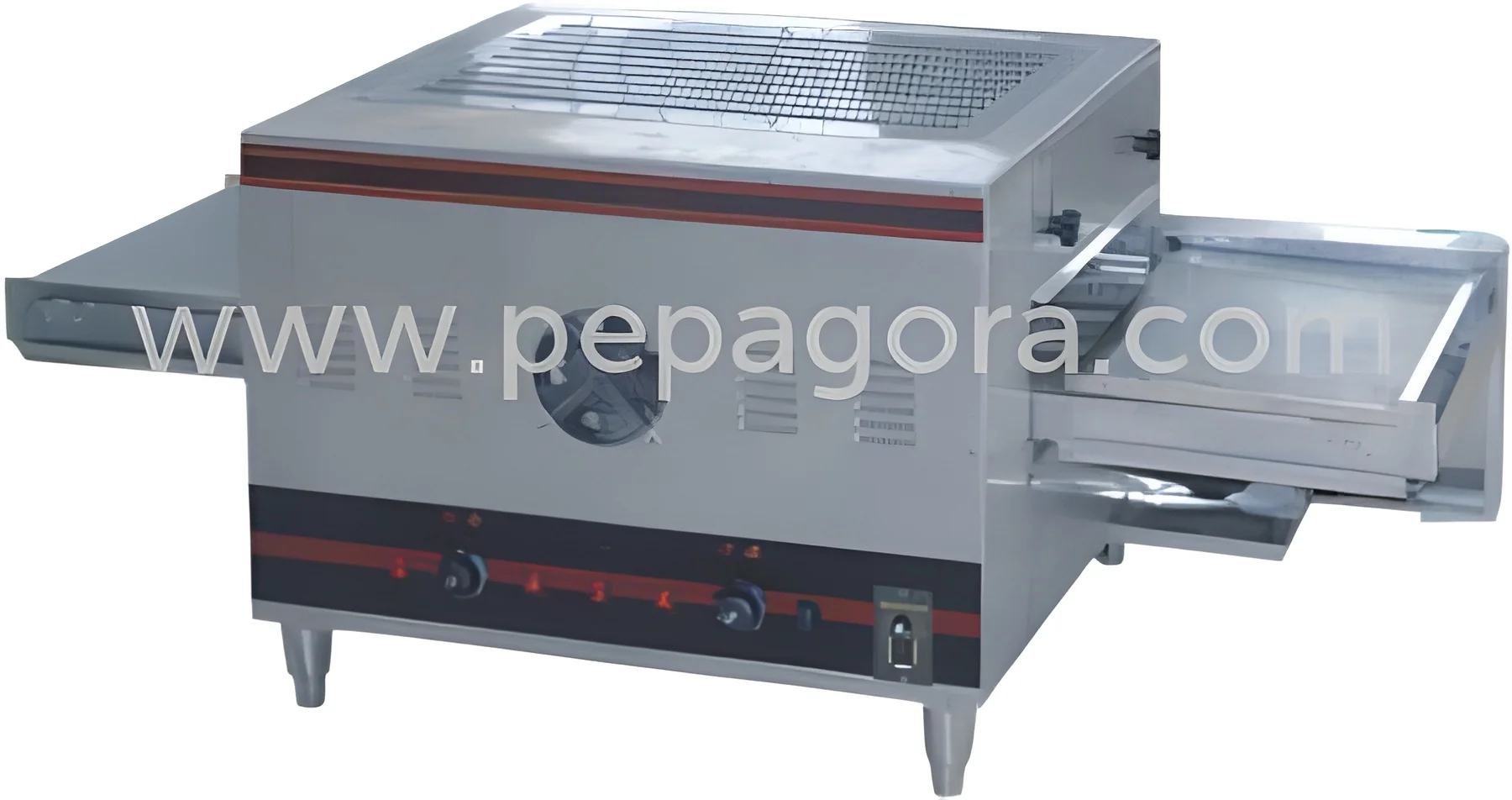
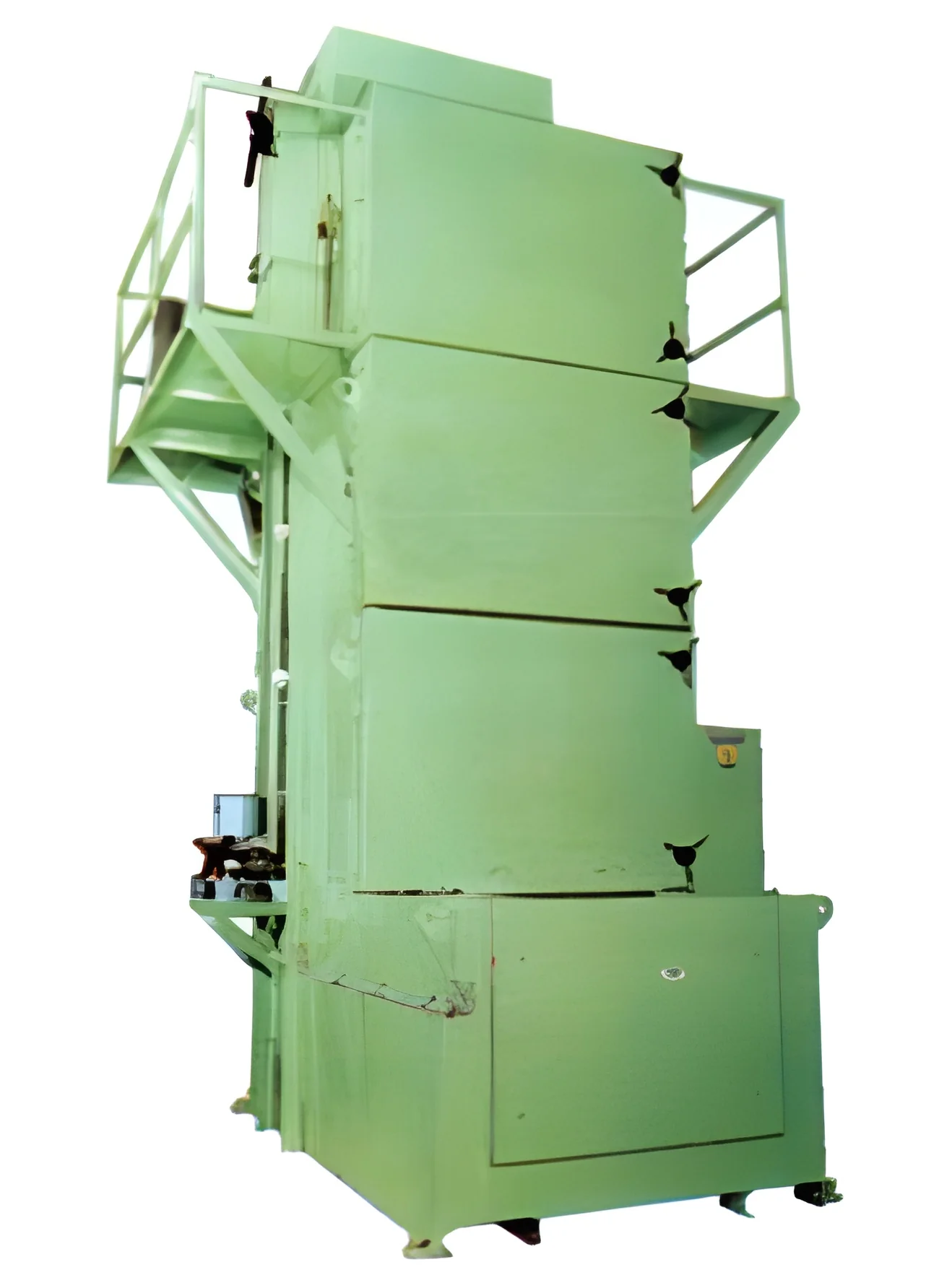
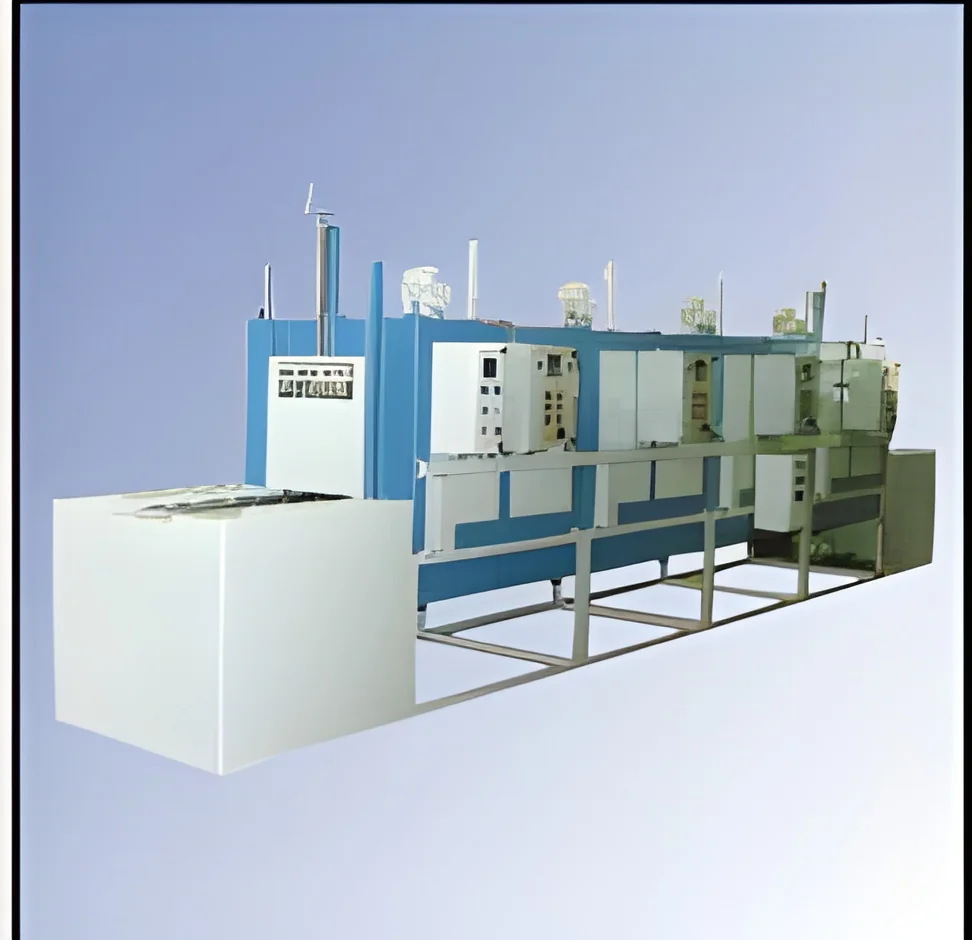
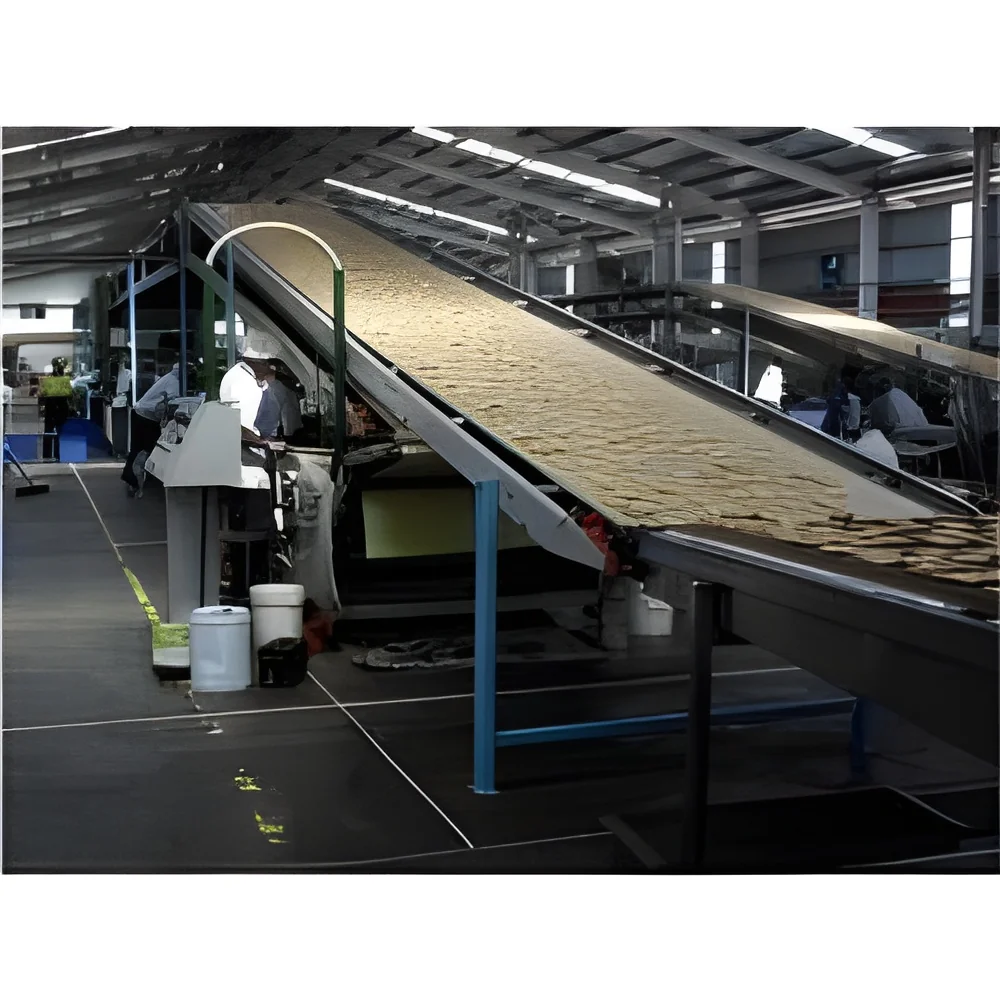
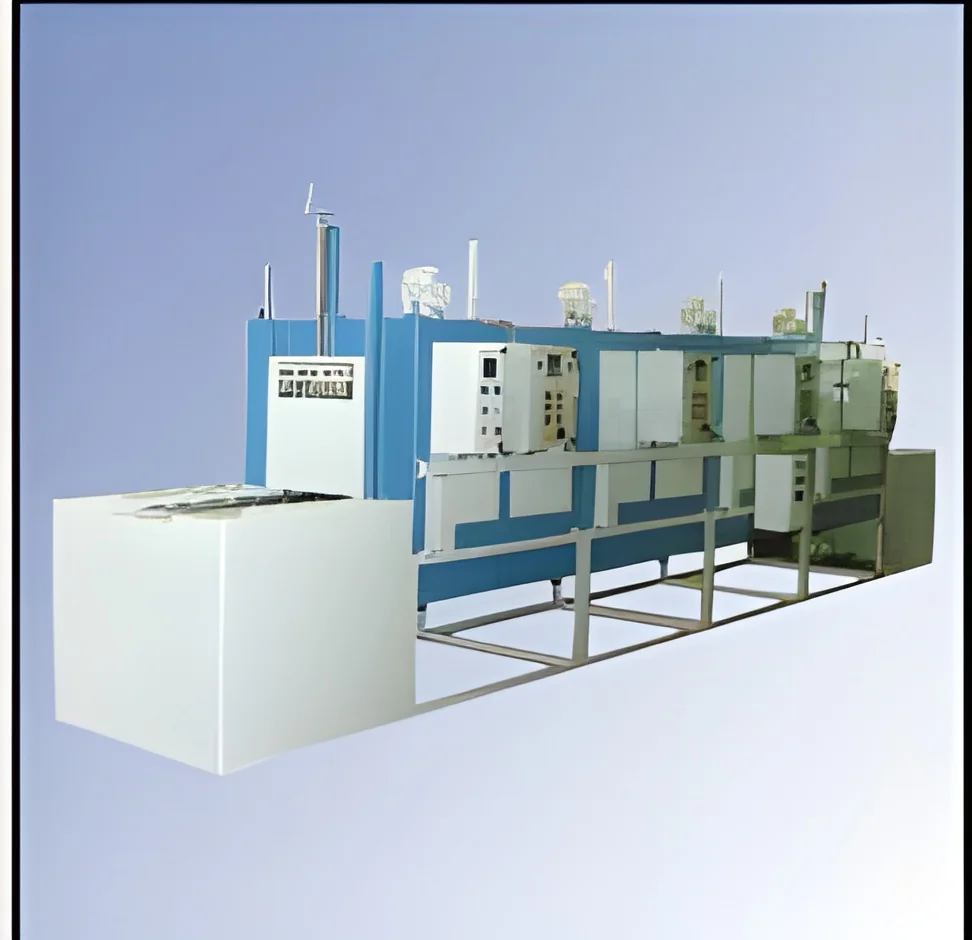
What are Conveyor Belt Ovens?
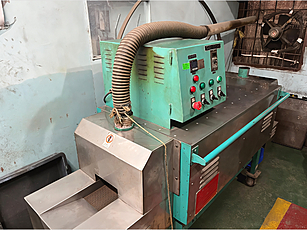
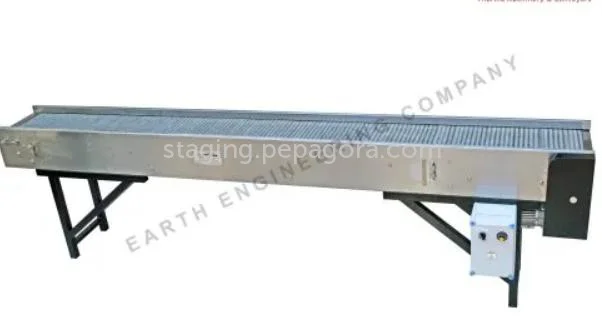
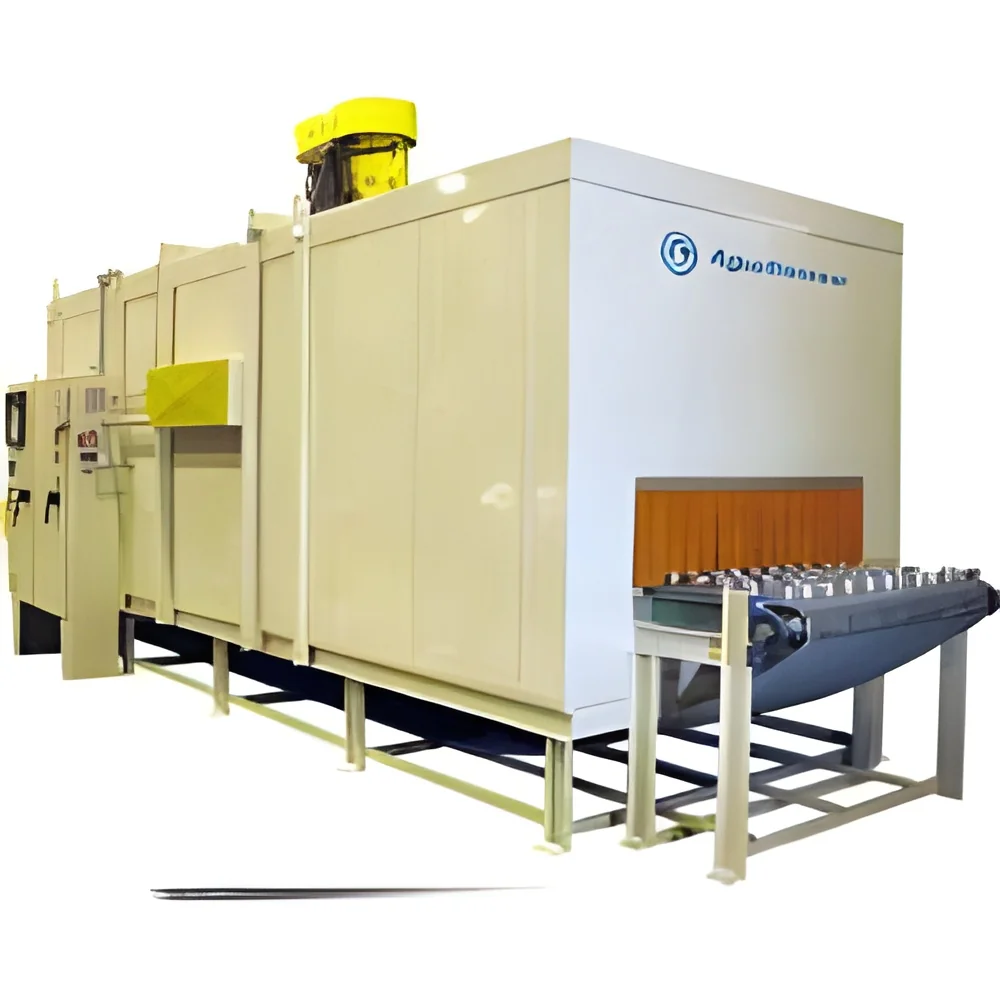
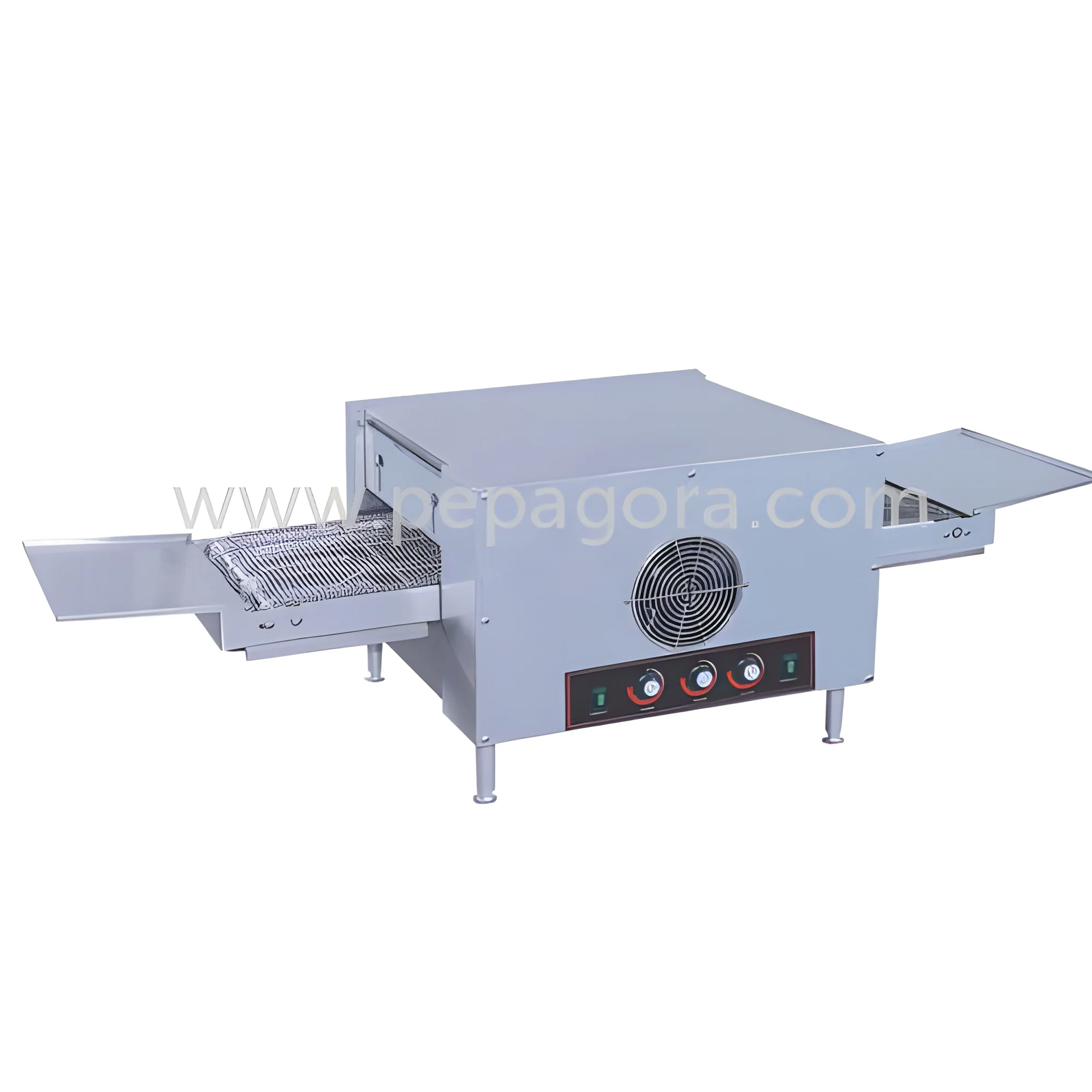
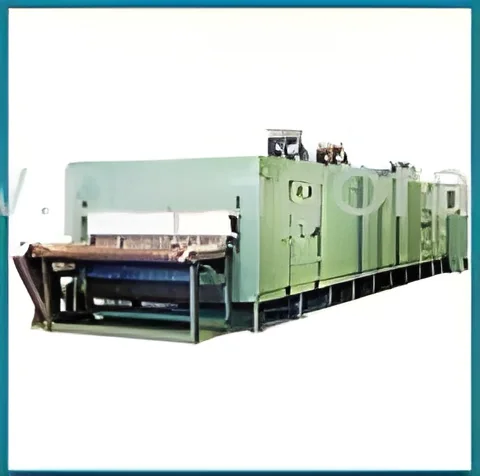
Conveyor Belt Ovens are specialized industrial heating systems designed for the continuous processing of materials. Utilizing a conveyor belt system, these ovens provide uniform heating across various products as they travel through the machine. The design facilitates efficient production lines, allowing for high-volume processing while maintaining consistent temperature control.
These ovens are widely used in industries such as food processing, electronics, and automotive manufacturing. They are ideal for applications like baking, drying, curing, and preheating. Conveyor Belt Ovens offer significant advantages in terms of speed and efficiency, making them a preferred choice for businesses aiming to enhance productivity.
In today's market, the demand for Conveyor Belt Ovens is growing, particularly as manufacturers seek automation and improved processing capabilities. With advancements in technology, these ovens are becoming more sophisticated, offering features such as precise temperature control and energy efficiency. This trend is crucial as industries strive to meet increasing production demands while adhering to regulatory standards.
Key Features and Specifications
Conveyor Belt Ovens come with a variety of features that enhance their effectiveness and efficiency. Understanding these specifications is essential for businesses looking to invest in such equipment.
Key specifications include:
1. Temperature Control
- Allows for precise heating across the oven.
- Typically ranges from ambient to 500 degrees Fahrenheit.
2. Conveyor Speed
- Adjustable speeds to accommodate different processing times.
- Speeds can vary from 0.5 to 10 feet per minute.
3. Heating Method
- Options include electric, gas, or infrared heating.
- Each method offers different benefits depending on the application.
4. Chamber Size
- Varies based on production requirements.
- Common sizes range from small (2 feet wide) to large (6 feet wide).
5. Humidity Control
- Some models include features for humidity regulation.
- Essential for specific applications such as drying.
6. Safety Features
- Equipped with emergency shut-off systems.
- Includes thermal insulation to prevent heat loss.
7. Monitoring Systems
- Advanced models may include digital monitoring for temperature and speed.
- Facilitates better control over the heating process.
8. Energy Efficiency
- Designed to minimize energy consumption.
- Compliance with energy standards improves operational costs.
In summary, understanding the specifications of Conveyor Belt Ovens helps businesses choose the right model that fits their production needs while ensuring operational efficiency.
Common Applications and Use Cases
Conveyor Belt Ovens find utility in various industries, serving a range of applications.
1. Food Processing: Used for baking, drying, and curing products like snacks, baked goods, and meats, ensuring even heating and consistent quality.
2. Electronics: Ideal for curing adhesives and coatings on circuit boards, providing controlled environments for sensitive components.
3. Automotive: Employed for drying paint and coatings on automotive parts, ensuring a smooth finish and quick turnaround in production.
4. Pharmaceuticals: Used for sterilizing equipment and drying pharmaceutical products, adhering to strict industry standards.
5. Textiles: Applied in fabric drying and curing processes, enhancing the quality and finish of textile products.
6. Plastics: Useful for curing and drying plastic components, ensuring they meet industry specifications.
7. Printing: Employed in drying printed materials, such as labels and packaging, quickly to enhance production efficiency.
Product Variants and Subcategories
Conveyor Belt Ovens are available in several variants to cater to diverse industrial needs.
Electric Conveyor Belt Ovens: These ovens are powered by electricity, making them suitable for environments where gas is not an option. They provide precise temperature control and are often more energy-efficient.
Gas Conveyor Belt Ovens: Utilizing gas as a heating source, these ovens are ideal for high-temperature applications. They heat up quickly and are often preferred in larger scale operations where speed is essential.
Infrared Conveyor Belt Ovens: These ovens use infrared heating technology to provide rapid heating. They are particularly useful for applications requiring quick drying and curing times.
Benefits and Advantages
Investing in Conveyor Belt Ovens comes with several key advantages that enhance operational efficiency.
1. Increased Production Speed: The continuous operation of conveyor systems allows for faster processing times, which can significantly boost output.
2. Consistent Quality: Uniform heating ensures that all products receive the same treatment, resulting in higher quality outcomes.
3. Energy Efficiency: Many modern models are designed to minimize energy consumption, leading to reduced operational costs over time.
4. Space Optimization: The compact design of conveyor belt ovens allows them to fit into various production layouts, maximizing floor space utilization.
5. Flexibility: Adjustable conveyor speeds and temperature settings enable customization for different products, catering to varying production requirements.
6. Reduced Labor Costs: Automation reduces the need for manual handling, allowing staff to focus on other critical tasks within the production process.
Buying Guide for B2B Buyers
When sourcing Conveyor Belt Ovens, several factors should be taken into account to ensure a suitable purchase.
1. Quality Assessment: Evaluate the quality of materials used in construction. Look for ovens that comply with industry standards to ensure durability and reliability.
2. Supplier Verification: Always vet suppliers carefully. This includes checking their reputation, previous client reviews, and their ability to provide support and service.
3. Pricing and MOQ: Understand the pricing structure and any minimum order quantities. This will help in budgeting and planning for future purchases.
4. Delivery and Lead Times: Confirm the expected delivery times and lead times for production, as these can impact project timelines.
5. Compliance Requirements: Ensure that the ovens meet relevant regulatory standards, including safety and environmental compliance.
Compliance and Certifications
Conveyor Belt Ovens must adhere to several quality standards and regulations to ensure safety and performance.
Relevant quality standards include ISO 9001, which pertains to quality management systems. Adherence to such standards ensures consistent quality in manufacturing processes.
In addition, HACCP (Hazard Analysis Critical Control Point) compliance is critical for food-related applications, ensuring that products are safe for consumption.
CE certification indicates that the ovens meet European health, safety, and environmental protection standards, which is vital for market acceptance in the EU.
Safety and testing requirements are also paramount. Ovens should undergo rigorous testing to ensure they operate safely and efficiently under various conditions.
Regional compliance considerations may vary, so it is essential to be aware of local regulations that apply to Conveyor Belt Ovens in specific markets.
Why Source Conveyor Belt Ovens from Pepagora?
Pepagora offers a dependable platform for sourcing Conveyor Belt Ovens, providing several key advantages for buyers.
Verified Supplier Network: Our platform connects you with verified suppliers who have a proven track record in delivering high-quality industrial equipment. This ensures that your procurement process is reliable and efficient.
Streamlined RFQ Process: The quotation system simplifies the process of obtaining quotes from multiple suppliers. You can easily compare offers and make informed purchasing decisions.
Trade Assurance and Support: Buyers benefit from trade assurance services that protect their investments. Our support team is also available to assist with any inquiries throughout the buying process.
Regional Coverage: Pepagora has a strong presence in regions like India, the GCC, and Southeast Asia, facilitating access to a broad range of suppliers and products tailored to local market needs.
By choosing Pepagora, you can ensure a smooth and efficient sourcing experience for Conveyor Belt Ovens, backed by a network of reputable suppliers and comprehensive support services.

 IN
IN