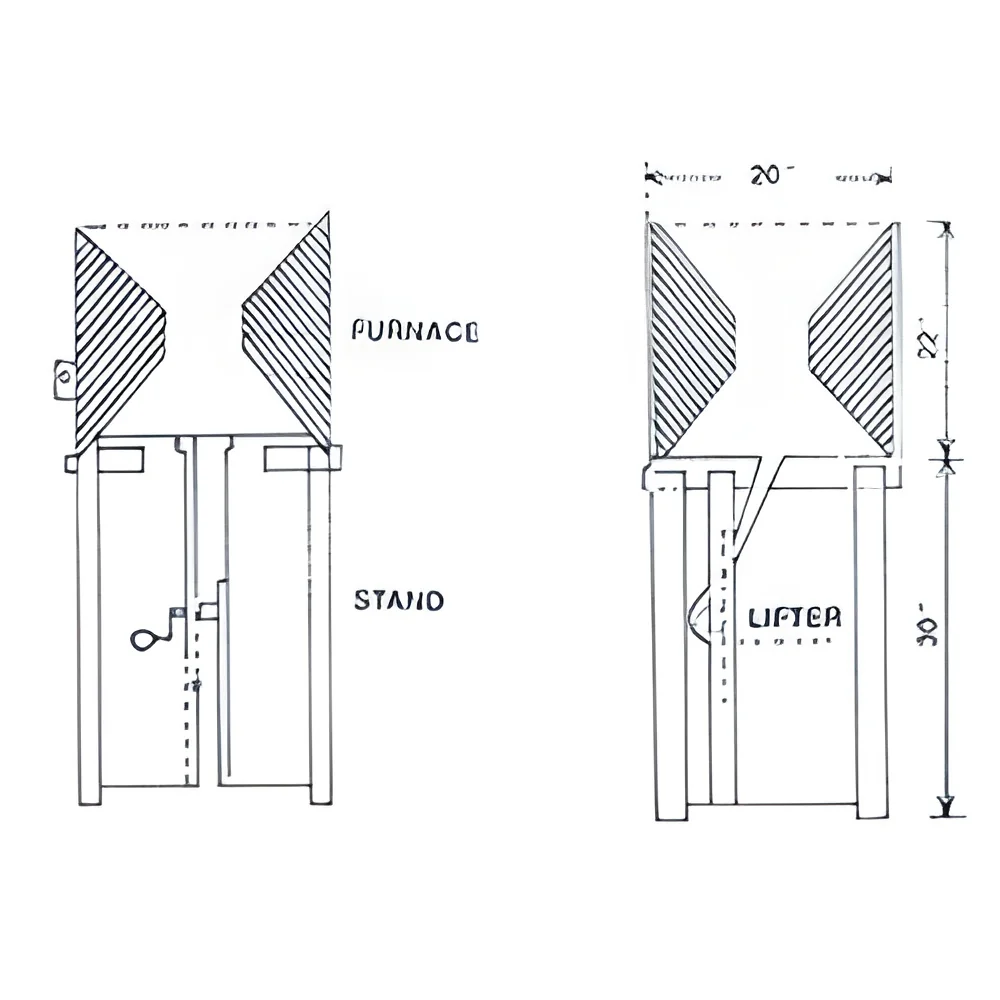
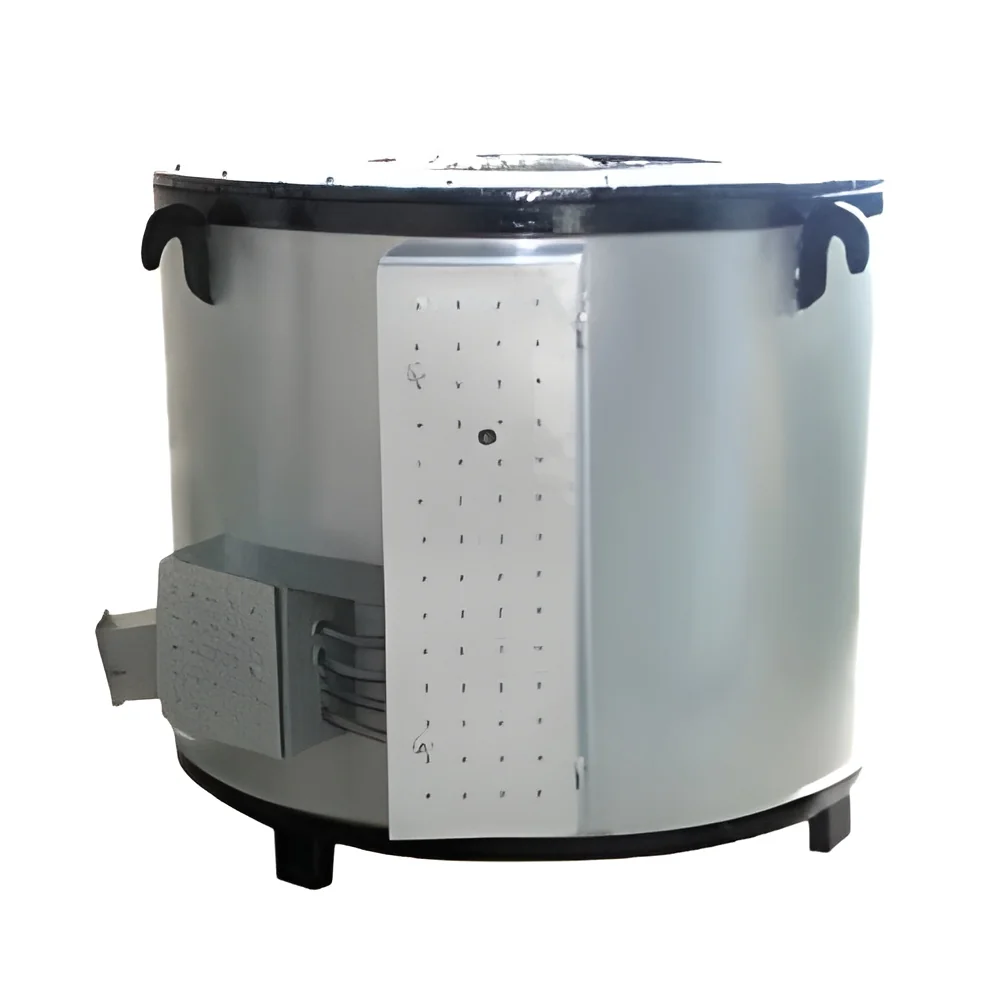
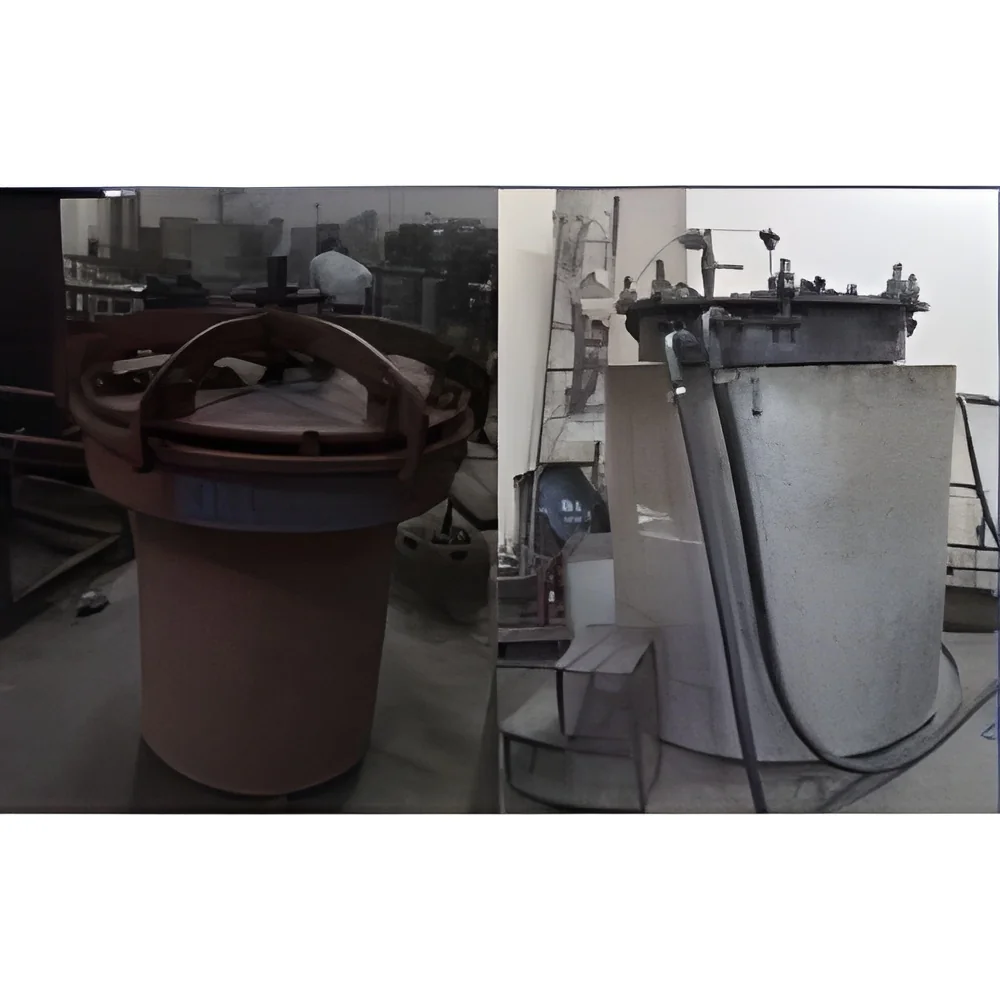
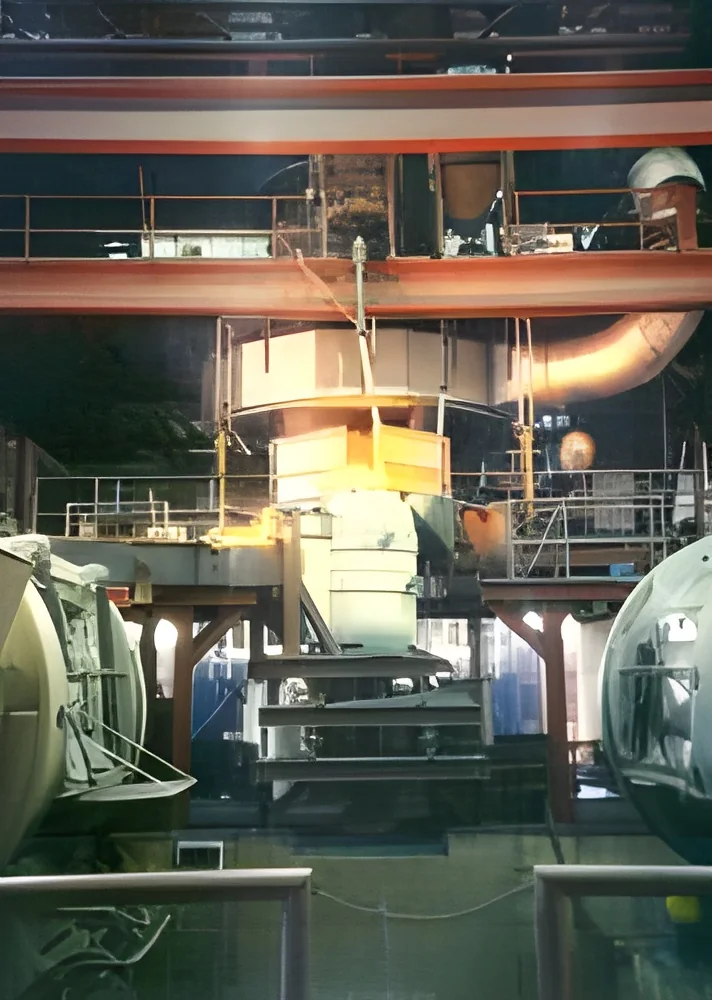
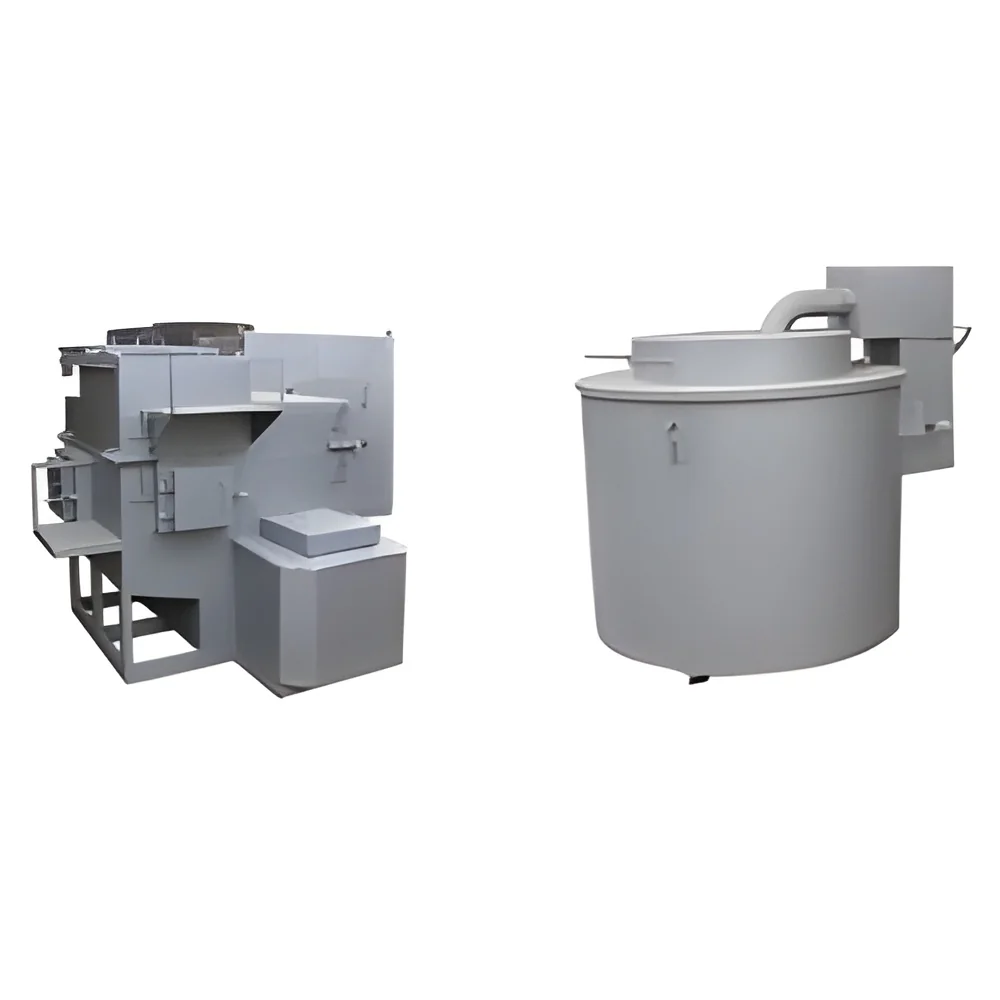
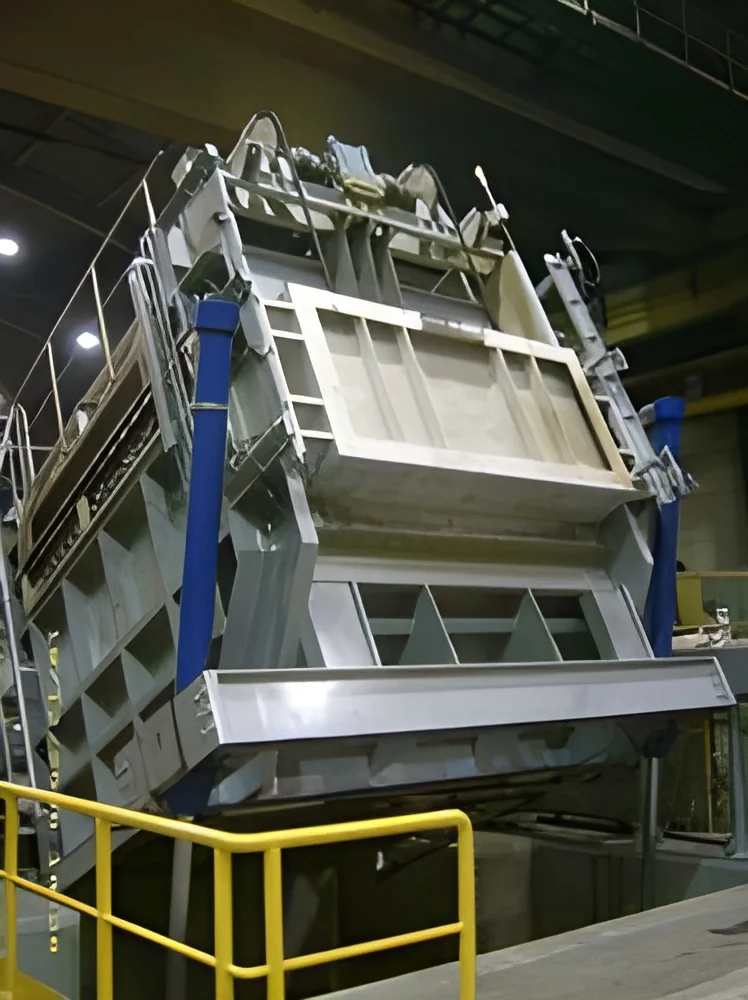
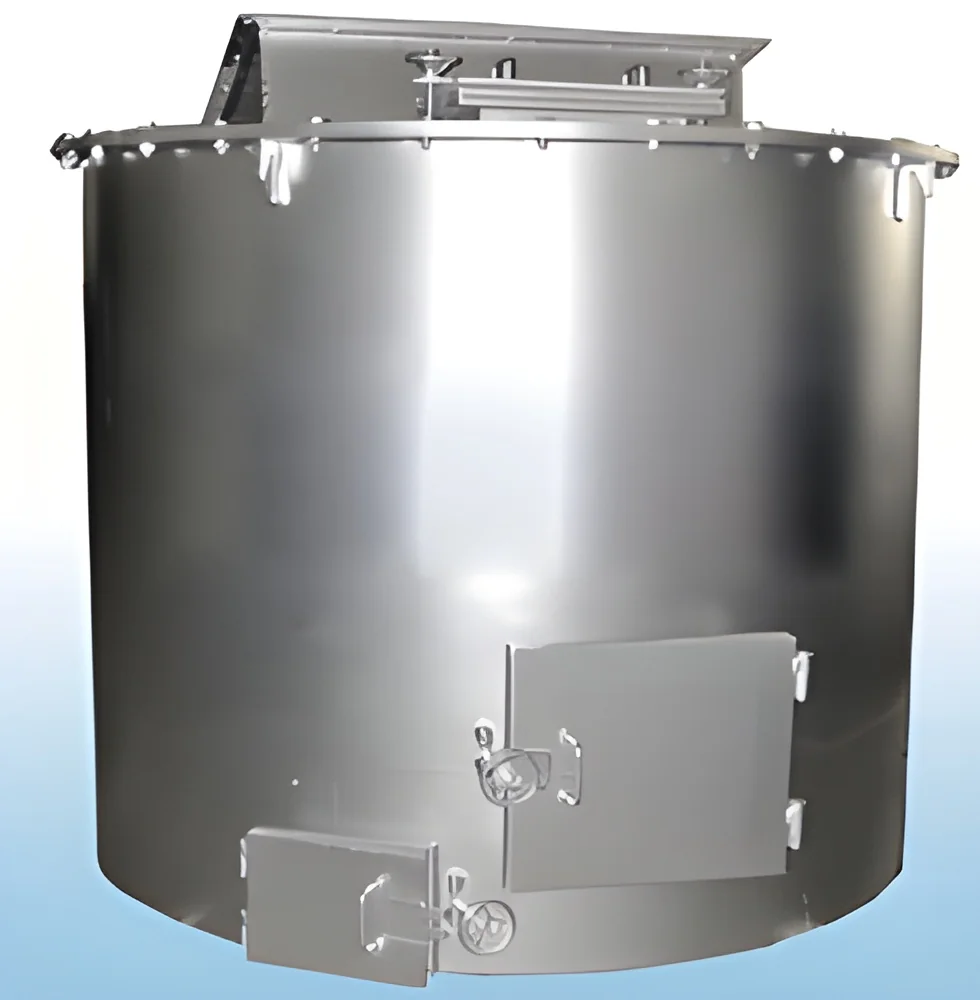
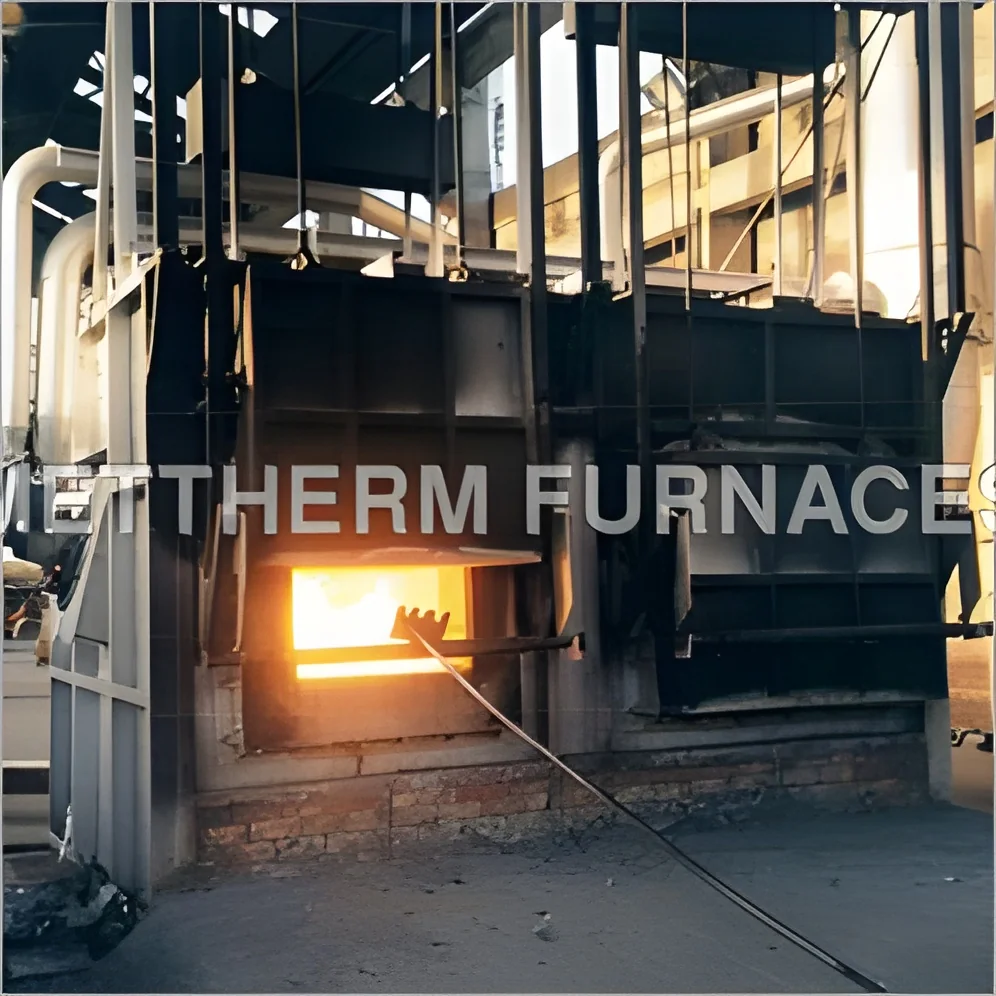
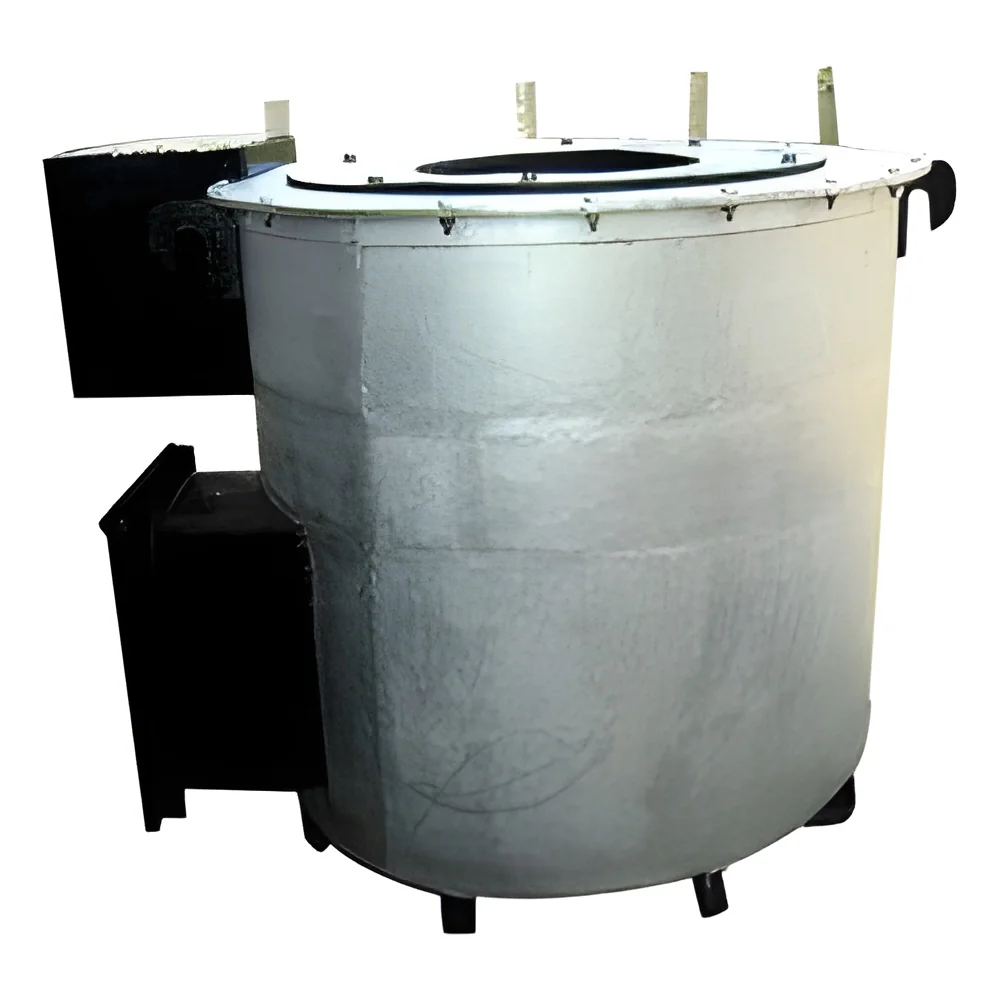
What are Pit Type Melting Furnaces?
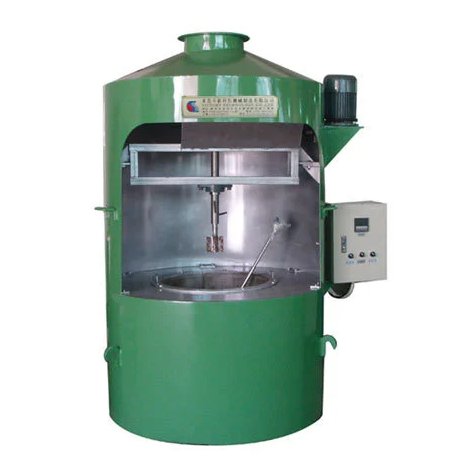
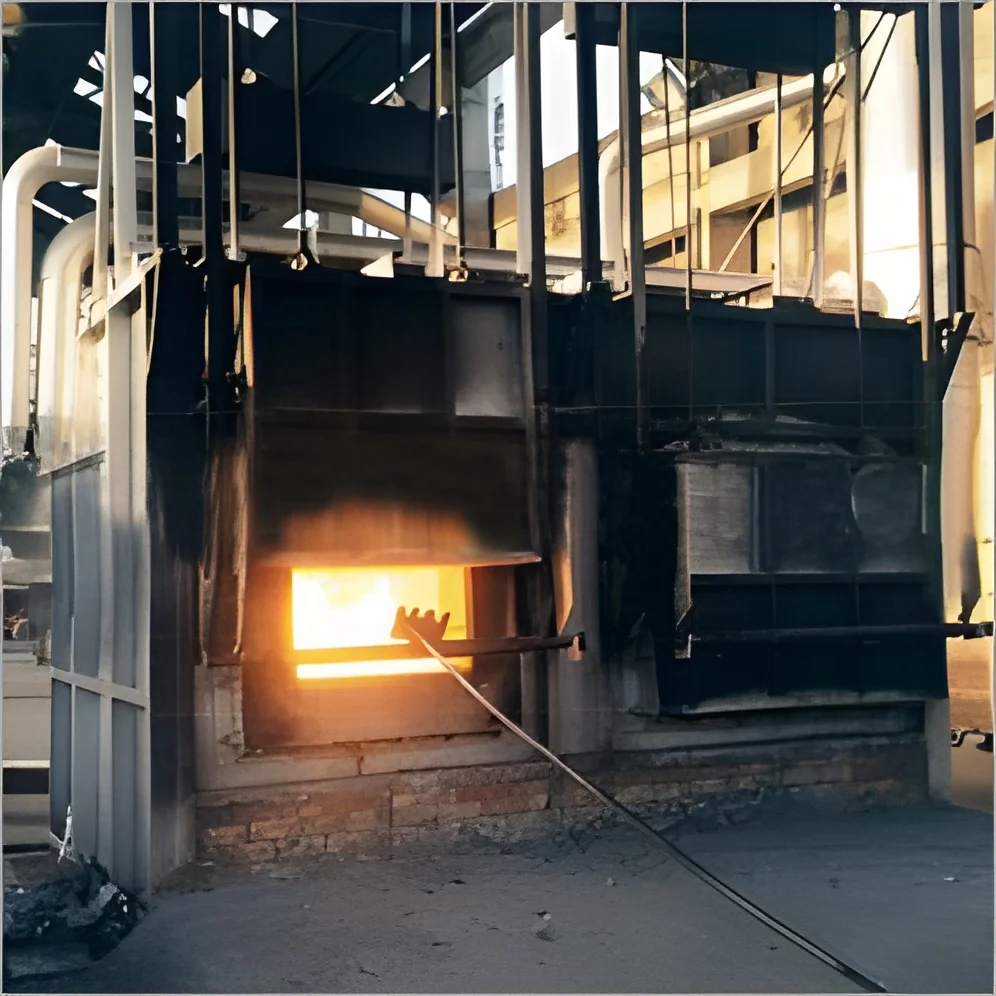
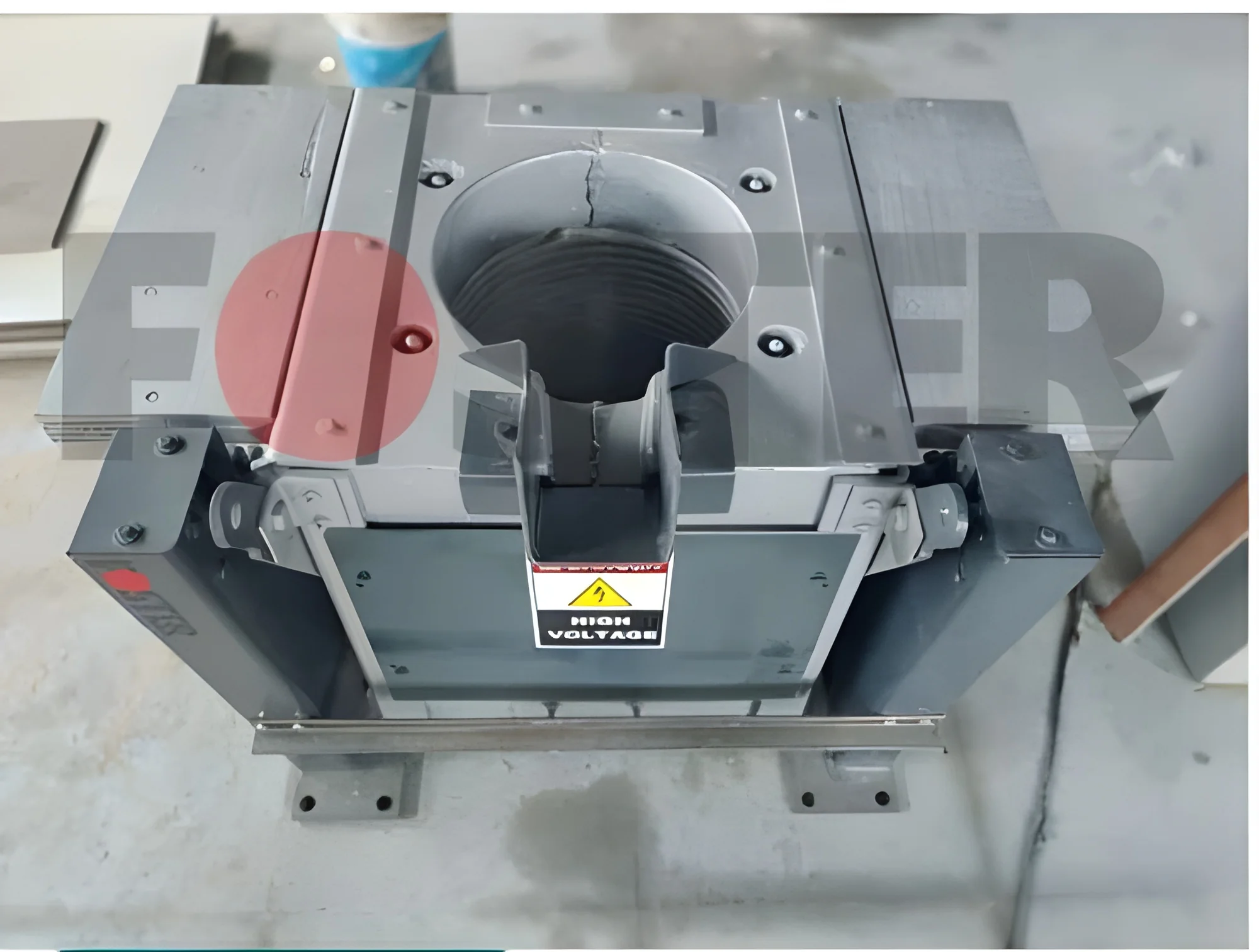
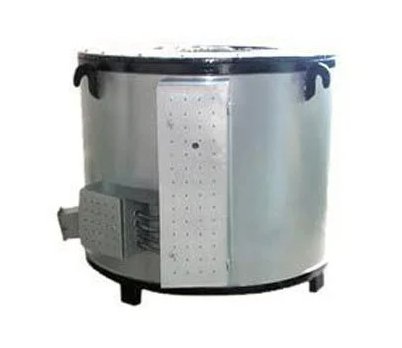
Pit type melting furnaces are specialized equipment designed for the melting of metals and alloys. These furnaces are characterized by a pit-like structure that allows for efficient heat retention and melting capability. The design typically includes a refractory lining that withstands high temperatures, enabling the melting of various materials, such as aluminum, copper, and other non-ferrous metals. The configuration enhances thermal efficiency and provides a controlled environment for melting processes.
These furnaces are widely utilized in various industries, including metal casting, recycling, and manufacturing. They are particularly valuable in operations that require large volumes of melted metal for casting or alloy production. Companies leverage pit type melting furnaces for their ability to produce high-quality molten metal while minimizing energy consumption. In the current industrial landscape, these furnaces are essential for companies aiming to optimize their melting processes and improve overall production efficiency.
As industries continue to evolve, the relevance of pit type melting furnaces is underscored by the increasing demand for sustainable and efficient metal processing solutions. The market has seen a steady growth in the adoption of these furnaces, driven by advancements in technology and the need for improved production methods.
Key Features and Specifications
Pit type melting furnaces offer several features that enhance their functionality and efficiency. These furnaces are engineered to provide reliable performance in demanding industrial applications.
Key specifications include:
1. Temperature Control
- Allows precise regulation of melting temperatures.
- Typically operates at high temperature ranges suitable for various metals.
2. Capacity
- Designed to accommodate large batches of metal.
- Capacity can vary based on specific model configurations.
3. Energy Efficiency
- Incorporates insulation materials to minimize heat loss.
- Designed to optimize energy consumption during melting processes.
4. Construction Material
- Built with durable refractory materials that withstand high temperatures.
- Ensures longevity and reliability under continuous operation.
5. Melting Time
- Optimized for reduced melting times compared to traditional furnaces.
- Enhances productivity and throughput in manufacturing settings.
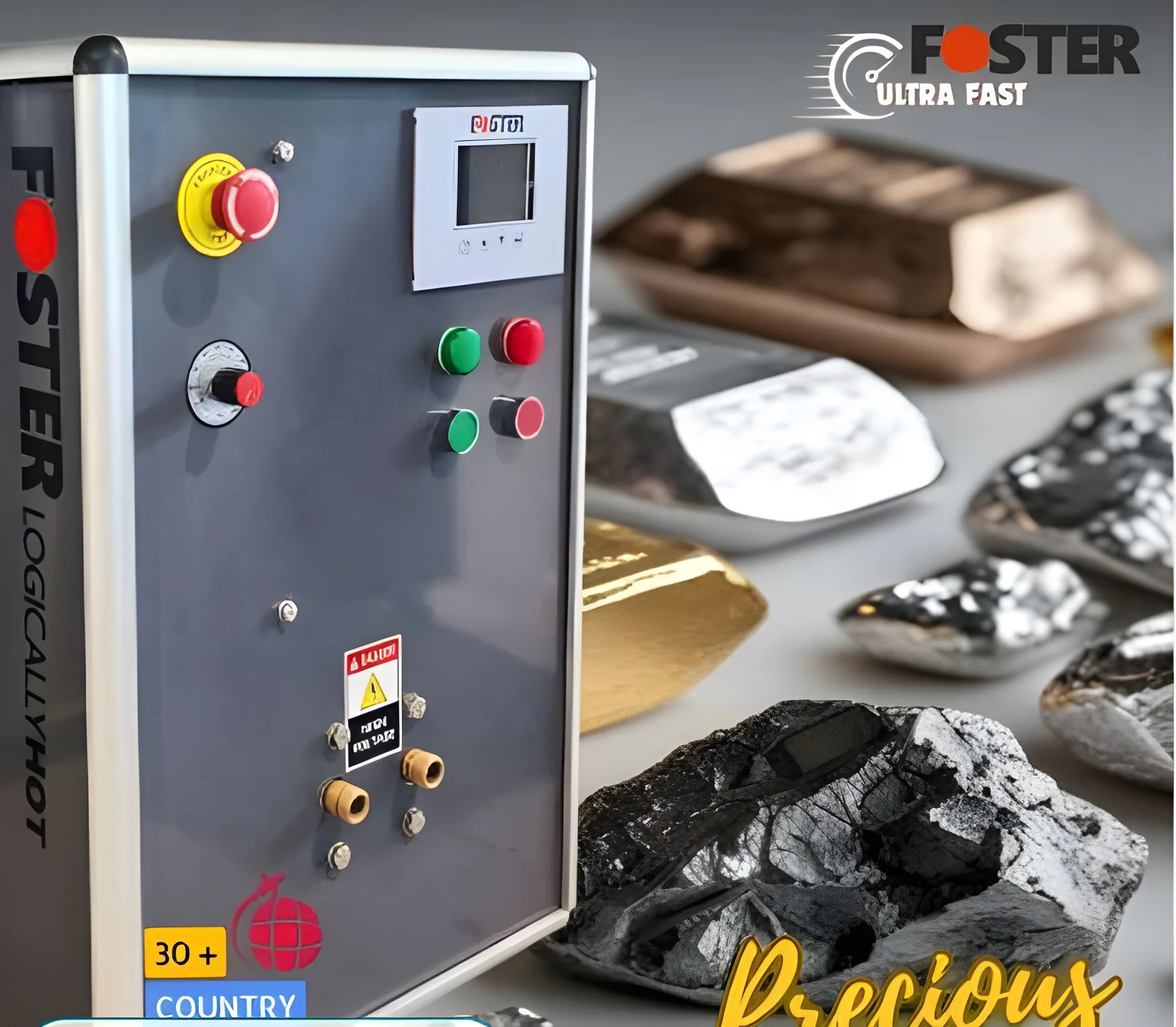
6. Automation Features
- Some models include automated controls for easier operation.
- Can be integrated with monitoring systems for real-time data.
7. Safety Features
- Equipped with safety mechanisms to prevent overheating and accidents.
- Complies with industry safety standards.
8. Maintenance Requirements
- Designed for easy maintenance and servicing.
- Reduces downtime and enhances operational efficiency.
These features make pit type melting furnaces a vital asset for industries requiring reliable metal melting solutions.
Common Applications and Use Cases
Pit type melting furnaces are versatile and find applications across various sectors.
1. Metal Casting: In metal casting, these furnaces are used to melt metals for producing castings in different shapes and sizes.
2. Recycling: They play a crucial role in recycling operations by melting scrap metals for reuse in manufacturing processes.
3. Foundries: Foundries utilize these furnaces for large batch productions of metal parts and components.
4. Automotive: In the automotive industry, pit type melting furnaces are used to produce components from recycled metal for various vehicle parts.
5. Aerospace: These furnaces support the aerospace sector by melting high-performance alloys for critical aircraft components.
6. Marine: Marine applications benefit from the melting capabilities for producing parts that withstand harsh saltwater environments.
7. Jewelry Manufacturing: Jewelers use pit type melting furnaces to melt precious metals for crafting intricate designs.
These applications illustrate the flexibility and utility of pit type melting furnaces in diverse industrial contexts.
Product Variants and Subcategories
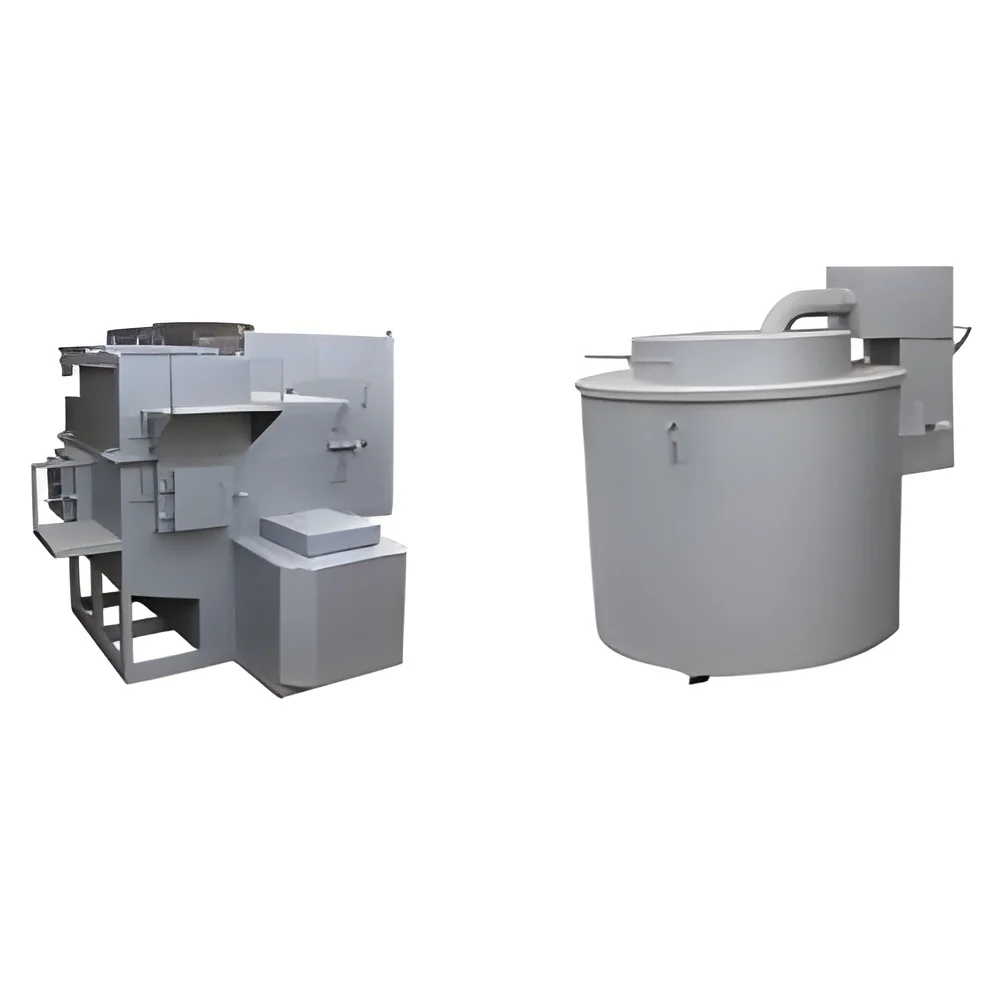
Pit type melting furnaces are available in various configurations to meet specific industrial needs.
Electric Pit Type Melting Furnace
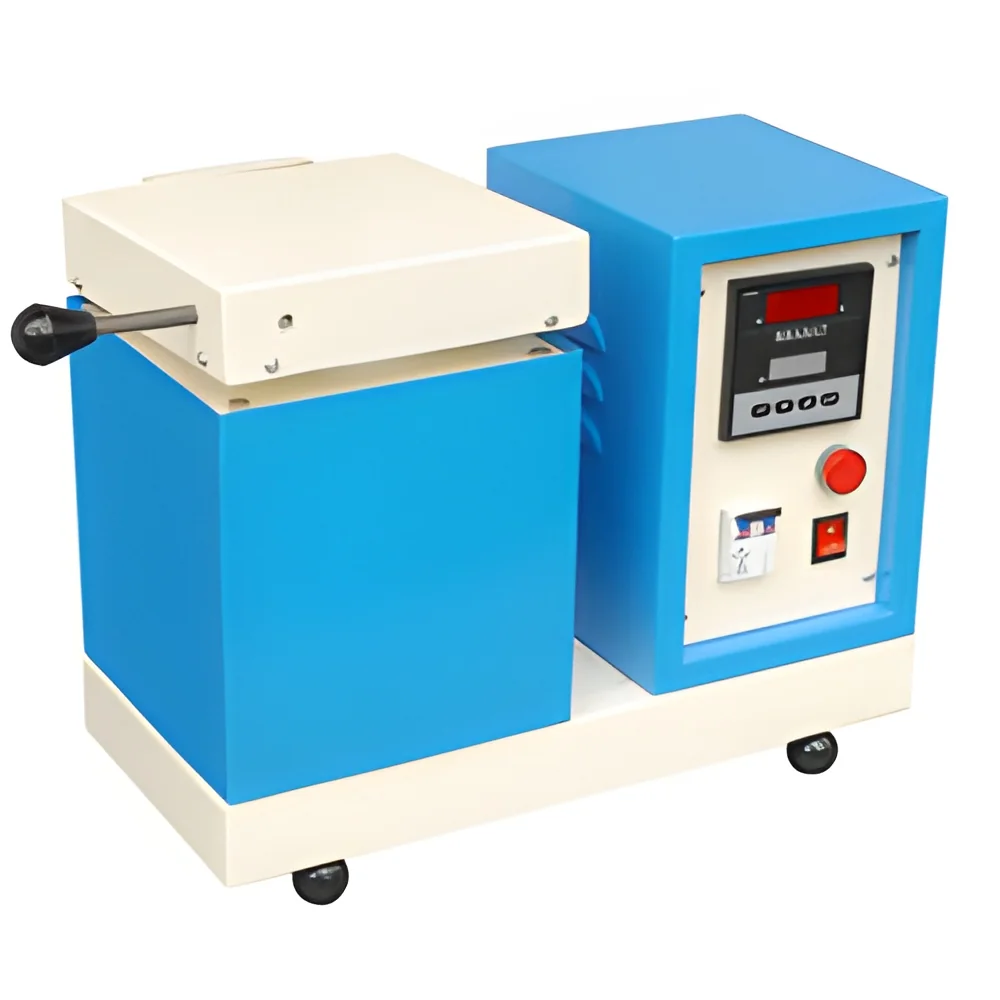
This variant uses electric heating elements to achieve desired melting temperatures. It offers precise temperature control and is ideal for small to medium-scale metal melting operations.
Gas-Fired Pit Type Melting Furnace
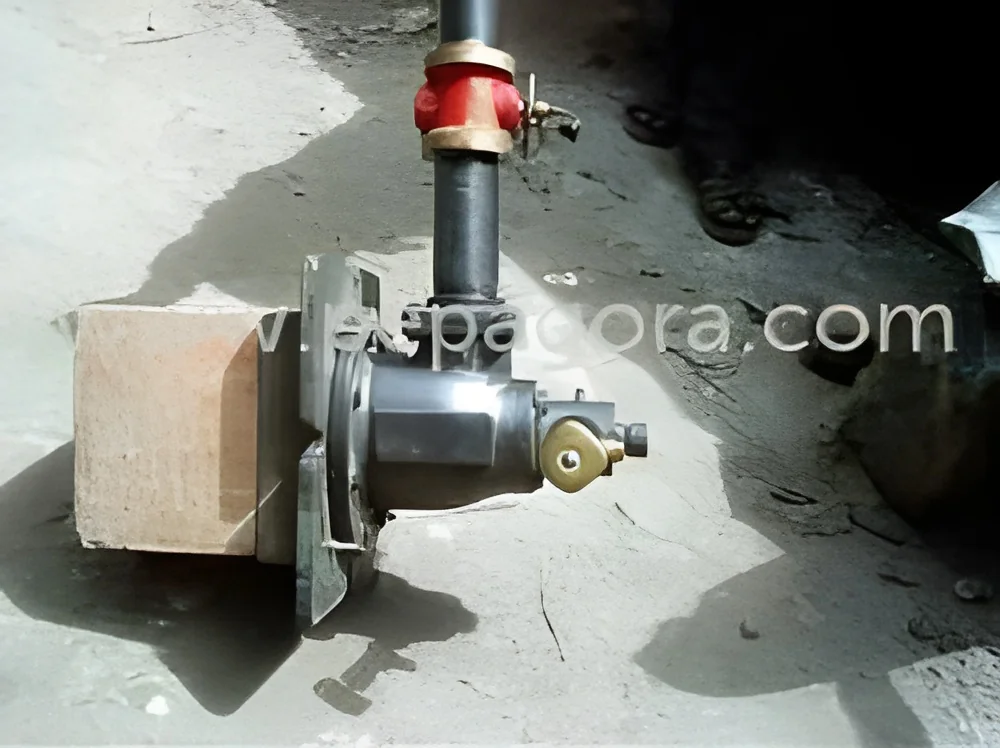
Utilizing gas as a fuel source, this variant delivers high efficiency and faster melting times. It is suitable for large-scale operations where cost-effective heating is essential.
Induction Pit Type Melting Furnace
This advanced variant employs induction heating technology, providing rapid and efficient melting. It is favored for its energy efficiency and ability to maintain uniform temperatures.
These variants ensure that buyers can select the best option based on their operational requirements and production volumes.
Benefits and Advantages
Investing in pit type melting furnaces offers numerous advantages for businesses.
1. High Efficiency: These furnaces are designed for optimal thermal efficiency, reducing energy consumption and operational costs.
2. Scalability: Available in various sizes, they can accommodate different production scales, from small batch to large industrial needs.
3. Enhanced Quality: The controlled melting environment results in superior metal quality, reducing impurities and defects in the final product.
4. Versatility: These furnaces can melt a wide range of metals and alloys, making them suitable for diverse applications.
5. Quick Setup: The design allows for faster installation and setup, enabling companies to begin operations promptly.
6. Improved Safety: Equipped with safety features, these furnaces reduce the risk of accidents and ensure compliance with safety standards.
These benefits position pit type melting furnaces as a strategic investment for companies looking to enhance their metal processing capabilities.
Buying Guide for B2B Buyers
When sourcing pit type melting furnaces, several factors should be considered to ensure a successful purchase.
1. Quality Assessment: Evaluate the quality of the furnace materials and construction. Look for manufacturers that adhere to recognized industry standards to ensure reliability and longevity.
2. Supplier Verification: Conduct thorough research on potential suppliers. Check their reputation, customer reviews, and track record in the industry to ensure they are trustworthy.
3. Pricing and MOQ: Understand the pricing structure and minimum order quantities. Compare offers from different suppliers to find the best value for your investment.
4. Delivery and Lead Times: Inquire about delivery schedules and lead times. Ensure that the supplier can meet your operational timelines without delays.
5. Compliance Requirements: Verify that the furnaces meet relevant regulatory standards and certifications. Compliance with safety and environmental regulations is crucial for operational integrity.
Taking these factors into account can help businesses make informed decisions when purchasing pit type melting furnaces.
Compliance and Certifications
Compliance and certifications are critical aspects of pit type melting furnaces that ensure quality and safety.
Many manufacturers adhere to relevant quality standards, such as ISO 9001, which emphasizes quality management systems. This certification ensures that products are consistently produced to meet customer and regulatory requirements.
Additionally, industry certifications like CE signify that the furnaces comply with European safety standards. This certification is particularly relevant for businesses operating in or exporting to Europe.
Safety and testing requirements are also essential considerations. Furnaces must be tested for performance, safety, and durability before being put into operation. This ensures that they can withstand the demanding conditions of metal melting.
Regional compliance considerations may vary based on location. Businesses should be aware of local regulations that pertain to emissions, safety, and operational practices to ensure full compliance.
Why Source Pit Type Melting Furnaces from Pepagora?
Pepagora provides a trusted platform for sourcing pit type melting furnaces, offering several key advantages for buyers.
Verified Supplier Network: Pepagora connects buyers with a network of verified suppliers, ensuring that businesses can source high-quality furnaces from reputable manufacturers. This reduces the risk of purchasing substandard equipment.
Streamlined RFQ Process: The request for quotation (RFQ) process on Pepagora is designed to be user-friendly, enabling buyers to easily compare offers from multiple suppliers. This efficiency helps businesses find the best deals quickly.
Trade Assurance and Support: Pepagora offers trade assurance, providing buyers with protection during transactions. This support includes assistance in resolving disputes, ensuring a smoother purchasing experience.
Regional Coverage: Pepagora operates across various regions, including India, the GCC, and Southeast Asia. This broad geographic reach allows businesses to access a diverse range of suppliers and products, catering to specific regional needs.
These advantages make Pepagora an ideal choice for businesses looking to source pit type melting furnaces effectively and efficiently.

 IN
IN