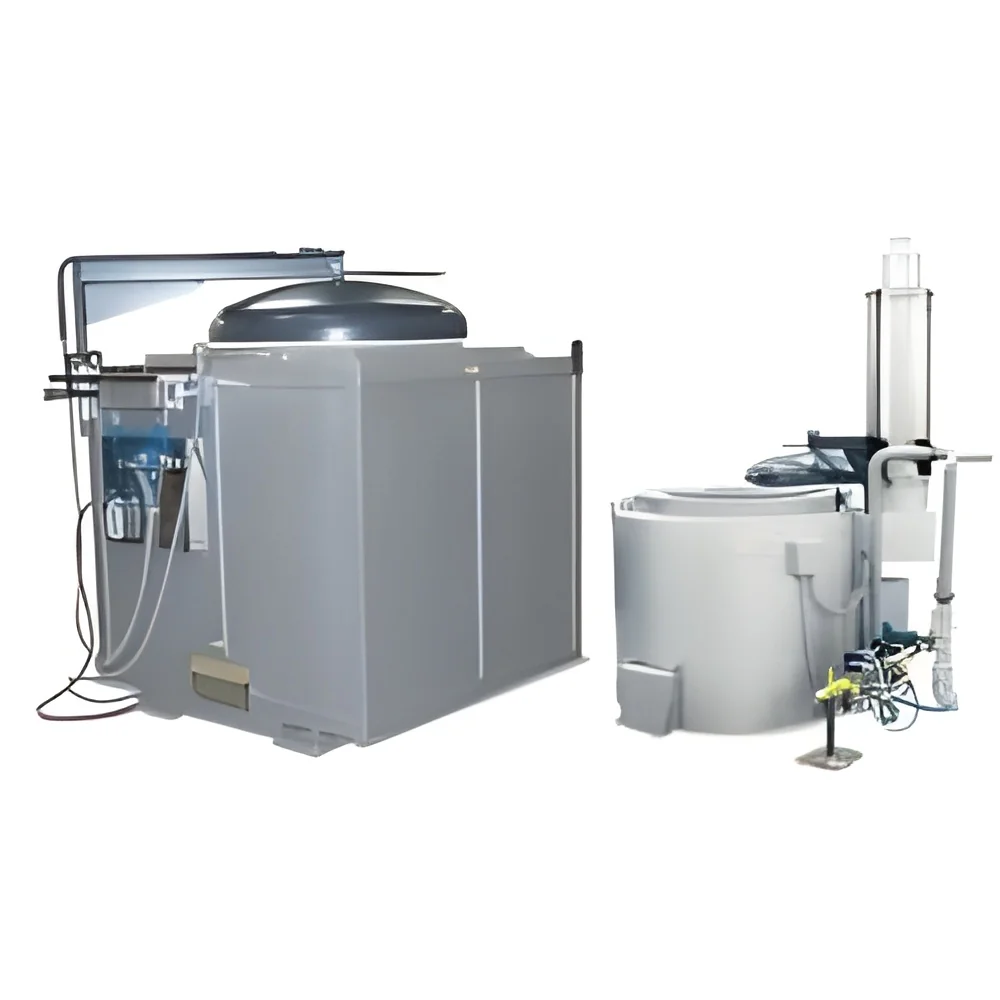
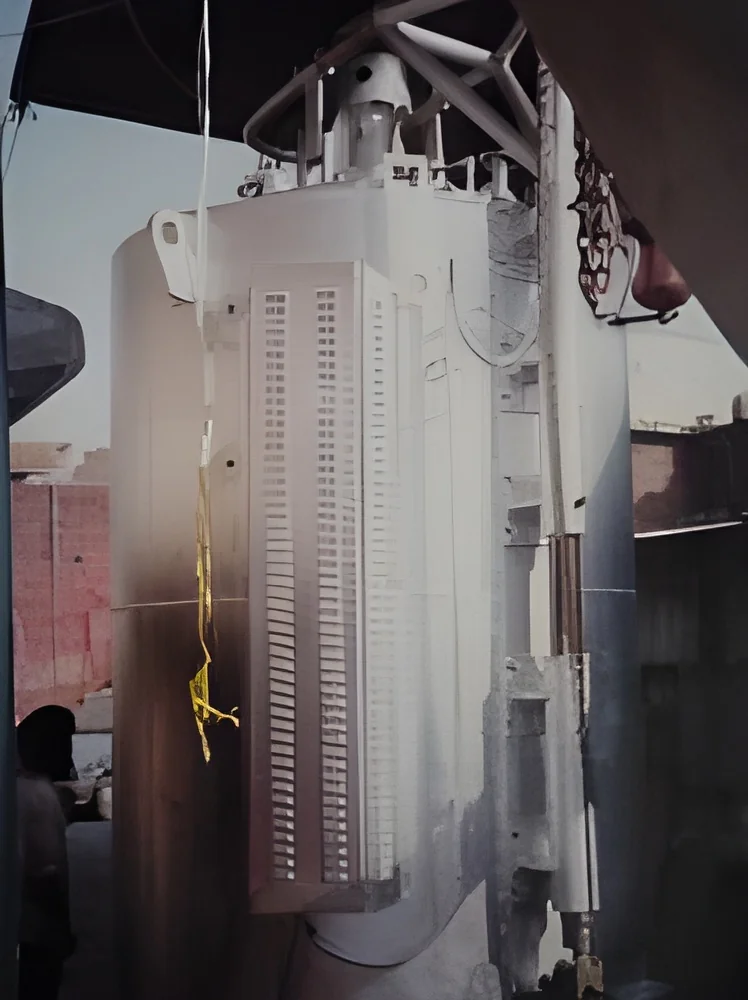
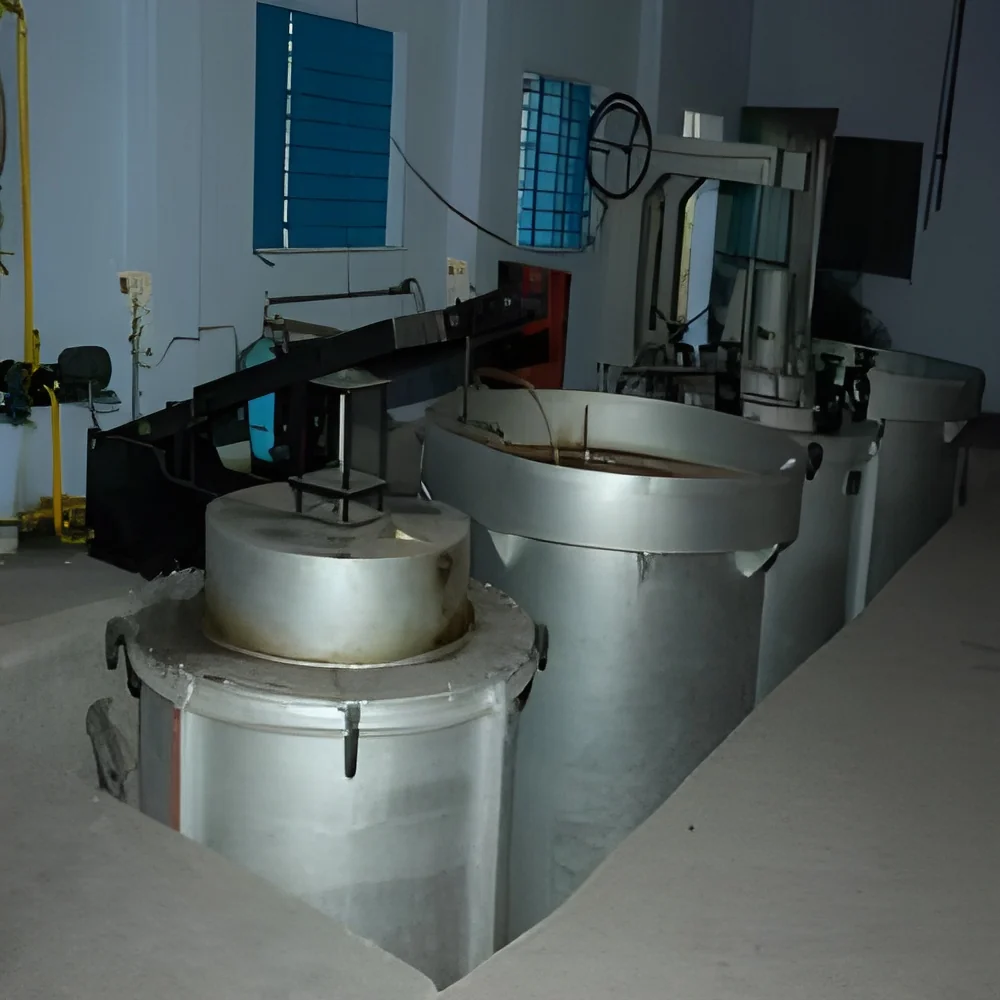
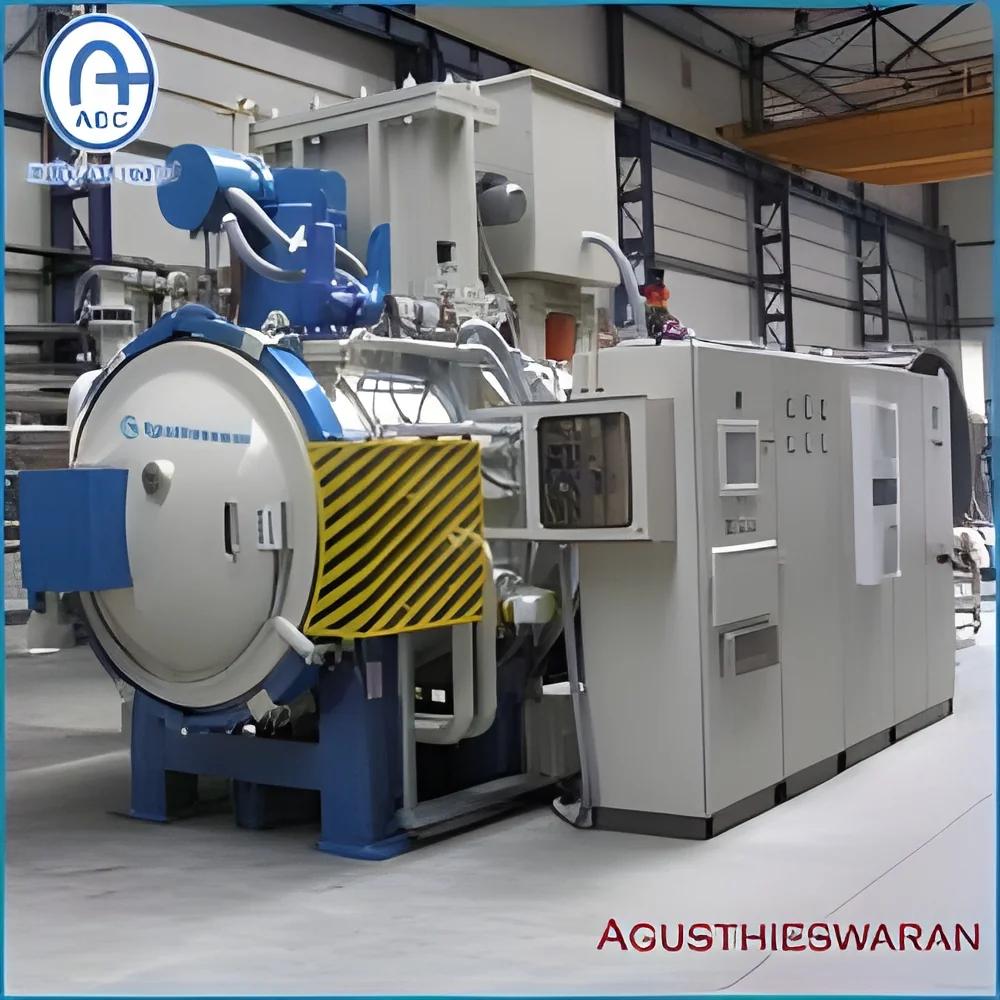
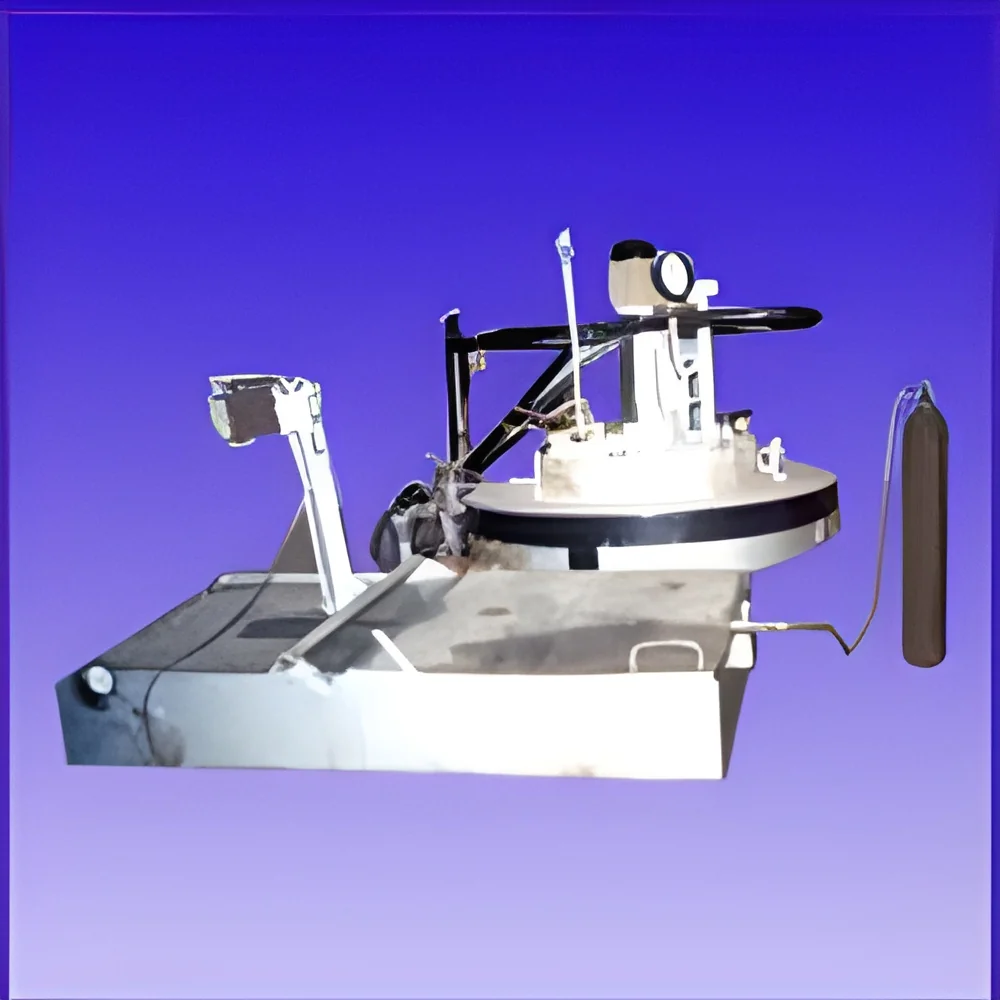
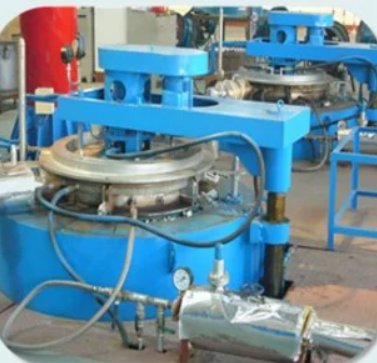
What are Carburizing Furnaces?
Carburizing furnaces are specialized heating equipment used to harden the surface of steel and other alloys. This process, known as carburizing, involves diffusing carbon into the surface of the metal, resulting in enhanced hardness and wear resistance. Carburizing can be achieved through various methods, including gas, liquid, or solid carburizing. The furnaces are designed to maintain high temperatures and controlled atmospheres to facilitate this chemical process.
These furnaces find extensive use in industries where high-strength components are essential. Common applications include the manufacturing of gears, shafts, and other mechanical parts that require improved mechanical properties. Carburizing furnaces are critical in automotive, aerospace, and machinery sectors, where the durability and performance of components are paramount. The global market for carburizing technology is growing, driven by advancements in materials science and the increasing demand for high-performance industrial products.
Key Features and Specifications
Carburizing furnaces are characterized by several essential features that enhance their functionality and performance. Understanding these specifications is crucial for selecting the right furnace for specific applications.
Key specifications include:
1. Temperature Range
- Carburizing furnaces typically operate at high temperatures, often between 850°C to 1,000°C.
- This range allows for effective carbon diffusion into the metal surface.
2. Atmosphere Control
- These furnaces often come with advanced atmosphere control systems to maintain a carbon-rich environment.
- This feature prevents oxidation and ensures consistent carburizing results.
3. Heating Method
- Common heating methods include electric resistance and gas-fired systems.
- The choice of heating method can impact efficiency and operational costs.
4. Chamber Size
- Furnaces are available in various chamber sizes to accommodate different production volumes.
- Larger chambers allow for bulk processing, while smaller ones are suitable for specialized tasks.
5. Cooling System
- Effective cooling systems are integrated to quickly lower the temperature post-carburizing.
- Rapid cooling helps to lock in the hardness achieved during the process.
6. Control Systems
- Modern furnaces are equipped with automated control systems for precise temperature and timing regulation.
- This feature enhances repeatability and reduces human error.
7. Energy Efficiency
- Many furnaces are designed with energy-saving features to minimize operational costs.
- This includes insulation materials and optimized heating elements.
In summary, these features contribute significantly to the performance and efficiency of carburizing furnaces, making them vital tools in various manufacturing processes.
Common Applications and Use Cases
Carburizing furnaces serve a wide range of industries, each with unique requirements and applications.
1. Automotive: In the automotive sector, carburizing furnaces are used to enhance the strength of gears and transmission components, which are critical for vehicle performance.
2. Aerospace: Aerospace manufacturers utilize carburized components for engines and structural parts, where high strength-to-weight ratios are essential for safety and efficiency.
3. Machinery: In heavy machinery, carburizing is employed to increase the durability of parts that experience high wear and stress, such as crankshafts and axles.
4. Defense: The defense industry relies on carburized materials for weapons and military vehicles, where reliability and performance are crucial.
5. Oil and Gas: Components used in drilling and extraction operations benefit from carburizing, as the process improves their resistance to harsh environments.
6. Tool Manufacturing: Tool manufacturers use carburizing to enhance the performance of cutting tools, ensuring they can withstand high stress and maintain sharpness.
7. Construction: In construction equipment, carburized parts provide the necessary durability to handle heavy loads and abrasive conditions.
Product Variants and Subcategories
Carburizing furnaces come in various configurations to meet specific industrial needs.
Continuous Carburizing Furnaces: This type is designed for high-volume production, allowing for uninterrupted processing of components. They are ideal for manufacturers needing consistent quality and efficiency.
Batch Carburizing Furnaces: These furnaces are suited for smaller production runs or specialized parts. They provide flexibility in processing different materials and sizes.
Atmospheric Carburizing Furnaces: These units use controlled atmospheres to ensure effective carburizing while minimizing oxidation. They are widely used in high-precision applications.
Benefits and Advantages
Choosing a carburizing furnace offers significant benefits for manufacturers.
1. Enhanced Durability: Carburizing improves the hardness of components, resulting in longer service life and reduced wear.
2. Improved Performance: Parts treated in carburizing furnaces exhibit superior mechanical properties, leading to better performance under stress.
3. Versatility: These furnaces can accommodate various materials and component sizes, making them suitable for diverse applications.
4. Cost Efficiency: By increasing the lifespan of components, carburizing reduces replacement and maintenance costs.
5. Quality Assurance: The controlled processes in carburizing furnaces ensure consistent quality, which is vital for critical applications.
6. Innovation Support: Advances in carburizing technology help manufacturers stay competitive by improving product performance and efficiency.
Buying Guide for B2B Buyers
When sourcing carburizing furnaces, it is essential to consider several critical factors to ensure the right choice.
1. Quality Assessment: Look for furnaces that meet established quality standards, ensuring reliability and performance. Evaluate materials, construction, and the manufacturer's reputation.
2. Supplier Verification: Vet potential suppliers by reviewing their credentials, customer feedback, and industry experience. A reliable supplier should have a proven track record.
3. Pricing and MOQ: Understand the pricing structure and minimum order quantities. This helps in budgeting and planning for production needs.
4. Delivery and Lead Times: Inquire about lead times for delivery to ensure that the furnace aligns with your production schedule. Timely delivery is crucial for maintaining workflow.
5. Compliance Requirements: Ensure that the furnace meets relevant regulatory and safety standards. Compliance with certifications such as CE is essential for operational integrity.
Compliance and Certifications
Carburizing furnaces must adhere to various quality standards and certifications to ensure safety and performance. ISO 9001 is a crucial standard that focuses on quality management systems, emphasizing consistent quality and customer satisfaction. Additionally, industry-specific certifications, such as CE, indicate compliance with European safety and environmental regulations.
Safety and testing requirements are also paramount in the operation of carburizing furnaces. Manufacturers should implement rigorous testing protocols to ensure that the furnaces operate safely and effectively under specified conditions. Regional compliance may vary, so it is essential to be aware of local regulations that govern industrial equipment.
Why Source Carburizing Furnaces from Pepagora?
Pepagora stands out as a trusted platform for sourcing carburizing furnaces, offering several key advantages to B2B buyers.
The verified supplier network provides access to reputable manufacturers and suppliers, ensuring that buyers can find high-quality products that meet their specific needs. Each supplier is vetted to guarantee reliability and performance.
The streamlined RFQ process simplifies obtaining quotations, allowing buyers to compare options quickly and efficiently. This system saves time and helps in making informed purchasing decisions.
Trade assurance and support services protect buyers throughout the purchasing process. With dedicated customer support, buyers can address any concerns or questions that arise.
Pepagora's regional coverage extends across India, the GCC, and Southeast Asia, facilitating connections with suppliers in various markets. This geographical reach enhances accessibility for manufacturers seeking carburizing solutions tailored to their operations.

 IN
IN