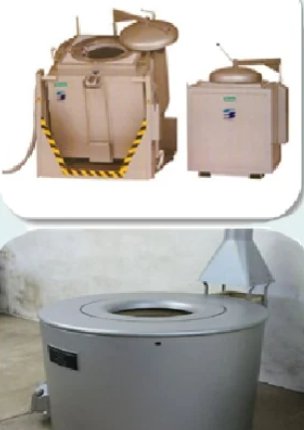
What are Crucible Furnaces?
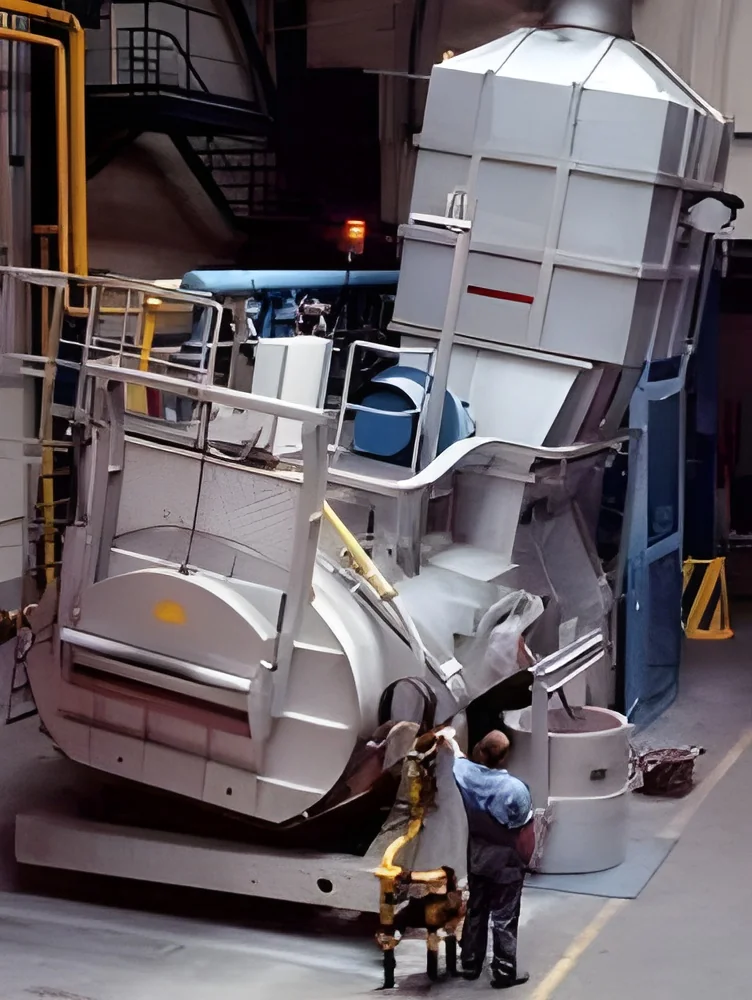
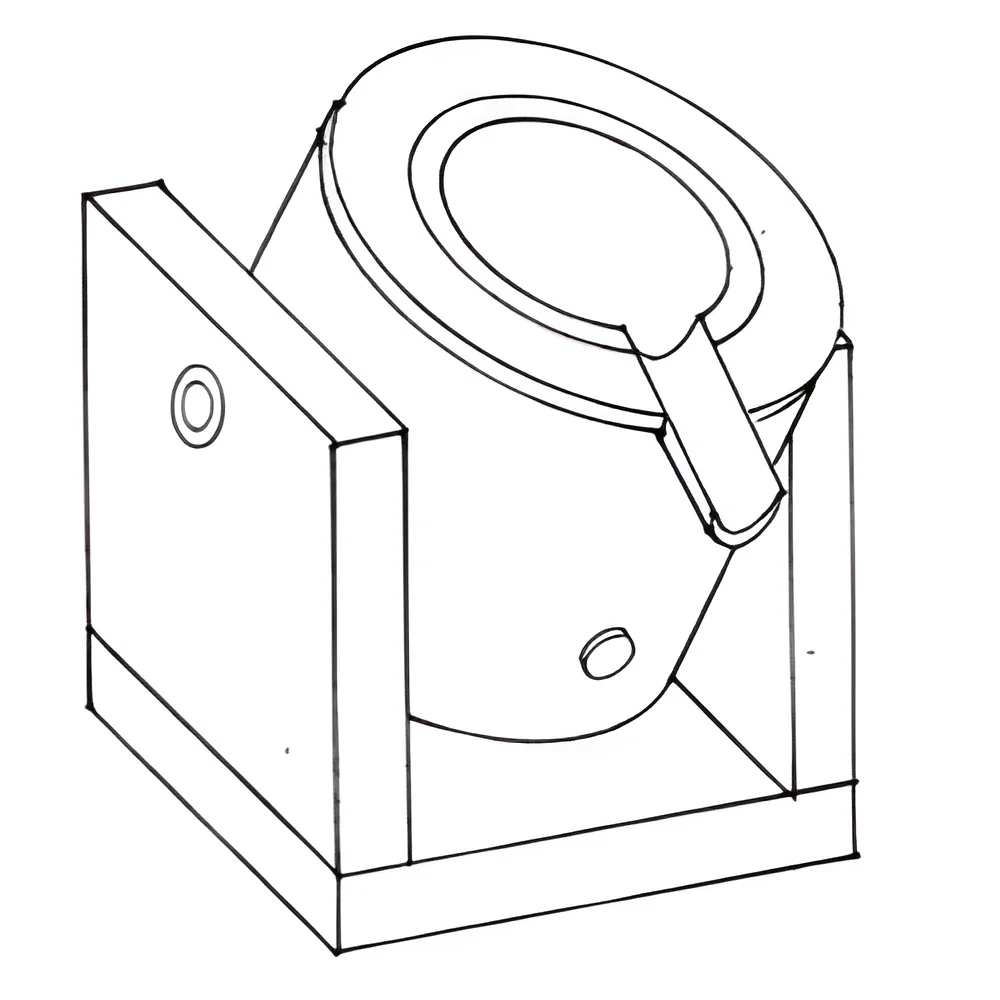
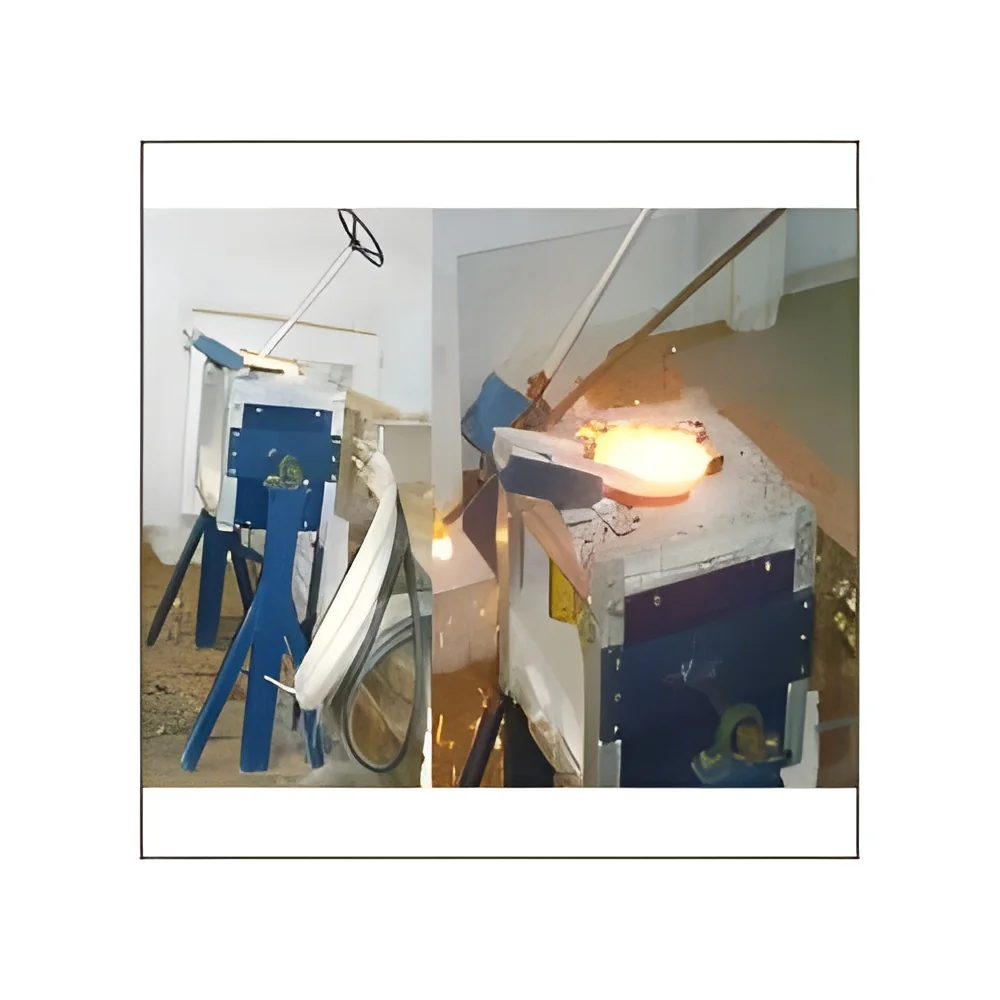
Crucible furnaces are specialized industrial equipment designed for melting and refining metals at high temperatures. They utilize a container, known as a crucible, which holds the metal and is typically made from materials that can withstand extreme heat. The furnace heats the crucible, allowing for precise temperature control and efficient melting processes.
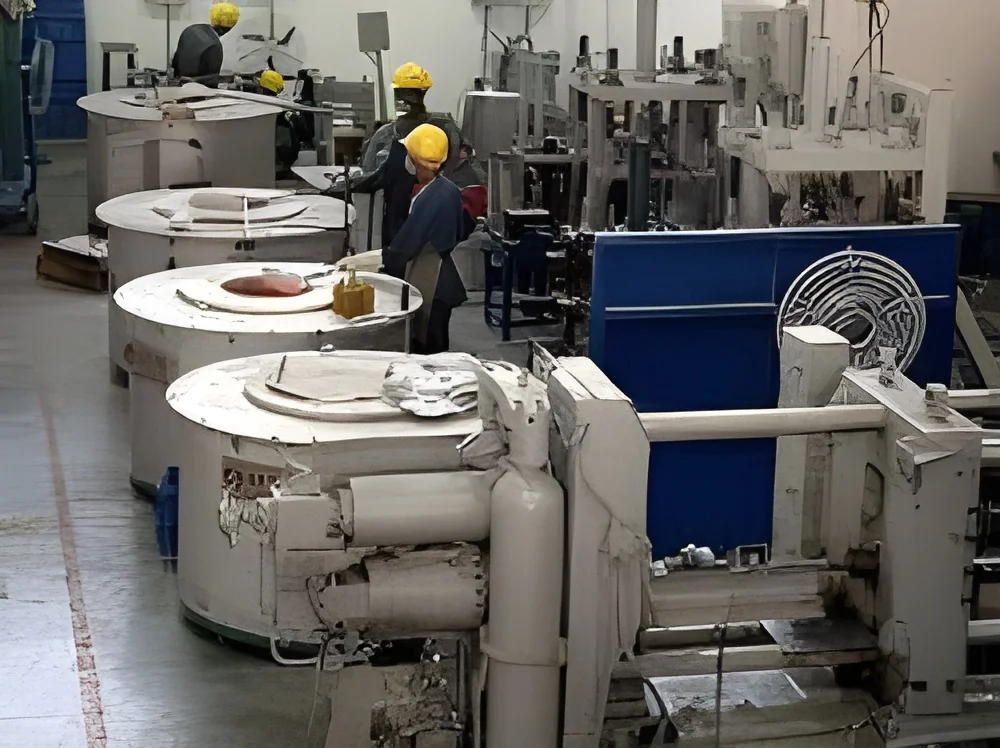
These furnaces are widely used in various industries, including foundries, metalworking shops, and laboratories. They facilitate processes such as casting, alloy production, and metal recycling. The ability to achieve specific temperatures and maintain them consistently makes crucible furnaces essential for producing high-quality metal products.
In the current market, the demand for crucible furnaces is driven by advancements in manufacturing technologies and the need for more efficient metal processing solutions. Industries are increasingly focusing on quality and precision, which further elevates the relevance of crucible furnaces in production lines.
Key Features and Specifications
Crucible furnaces come with several key features that enhance their performance and usability. These features cater to the specific needs of metalworking and refining processes.
Key specifications include:
1. Temperature Control
- Crucible furnaces are designed to achieve and maintain high melting temperatures.
- This typically ranges from 1200 to 1800 degrees Celsius, depending on the metal being processed.
2. Crucible Material
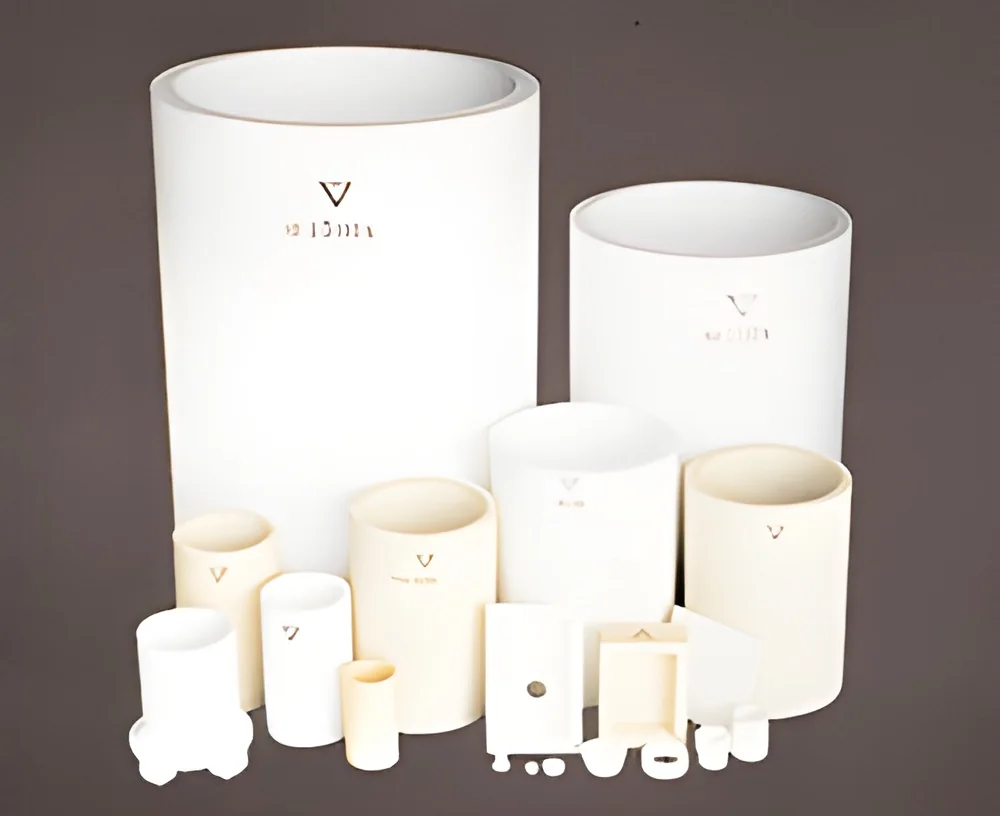
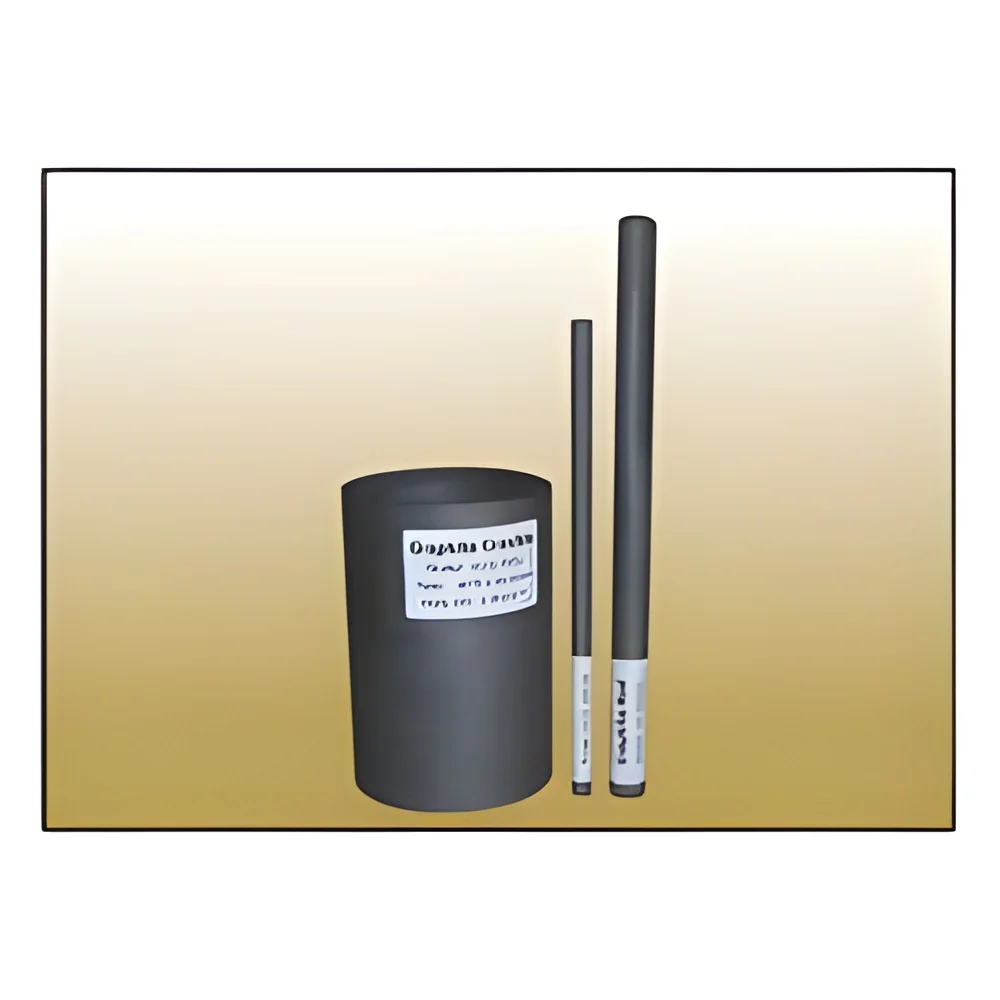
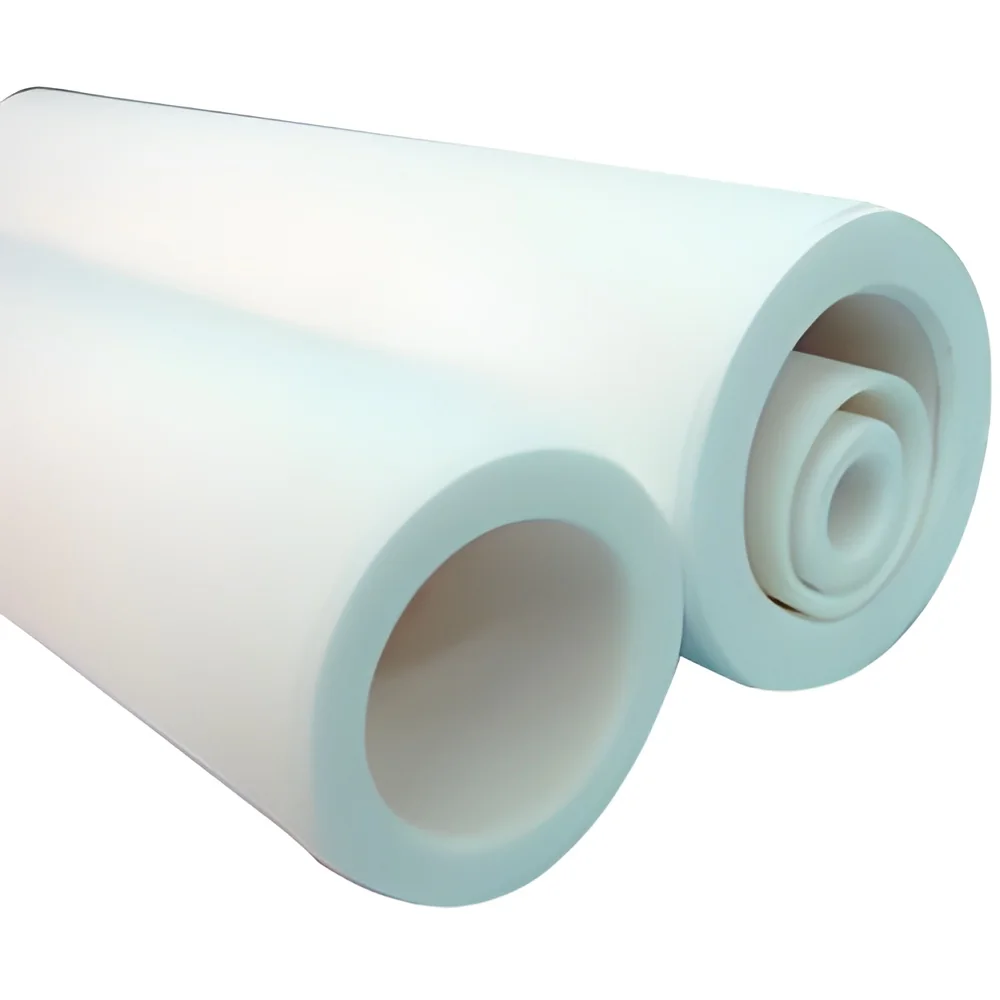
- Crucibles can be made from various materials, such as graphite, ceramic, or metal alloys.
- The choice of material affects the thermal conductivity and durability of the crucible.
3. Heating Method
- Furnaces may employ induction, resistance, or gas-fired heating methods.
- Each method has its advantages in terms of efficiency and cost.
4. Capacity
- Crucible furnaces are available in various sizes to accommodate different batch sizes.
- Capacities can range from a few kilograms to several tons.
5. Insulation
- High-quality insulation materials are used to minimize heat loss.
- This ensures energy efficiency and safety during operation.
6. Safety Features
- Many furnaces include safety mechanisms such as temperature sensors and automatic shut-off systems.
- These features help prevent accidents and equipment damage.
7. Control Systems
- Advanced furnaces may include programmable logic controllers (PLC) for automated operation.
- These systems allow for precise monitoring and adjustments.
In summary, the specifications of crucible furnaces are designed to meet the rigorous demands of metal processing while ensuring safety and efficiency.
Common Applications and Use Cases
Crucible furnaces serve a wide array of industries, each requiring specific functionalities for their metal processing needs.
1. Foundries: In foundries, crucible furnaces are essential for melting various metals to produce castings. They allow for the careful control of temperature, ensuring the integrity of the final product.
2. Metalworking Shops: These furnaces are used in metalworking shops for alloy production and metal recovery. Their ability to melt and refine metals makes them a vital component of the manufacturing process.
3. Jewelry Manufacturing: In the jewelry industry, crucible furnaces are used to melt precious metals for crafting. The precision in temperature control ensures the quality of the finished pieces.
4. Aerospace: The aerospace sector relies on crucible furnaces for producing high-performance alloys. These materials must meet stringent specifications, making the reliable operation of the furnace crucial.
5. Research Laboratories: Laboratories utilize crucible furnaces for experimental metal processing and material research. The capability to achieve high temperatures is important for various scientific applications.
6. Recycling Centers: Crucible furnaces play a role in metal recycling by melting down scrap metals. This process is essential for sustainable manufacturing practices.
7. Automotive Industry: The automotive sector uses crucible furnaces for producing components from various metals, ensuring durability and performance in vehicle manufacturing.
Product Variants and Subcategories
Crucible furnaces come in various configurations to meet diverse industrial needs. Each variant is designed with specific features tailored to particular applications.
Electric Crucible Furnace
This type is known for its efficiency and precision. It is ideal for small-scale operations and laboratory settings, providing accurate temperature control with minimal energy consumption.
Induction Crucible Furnace
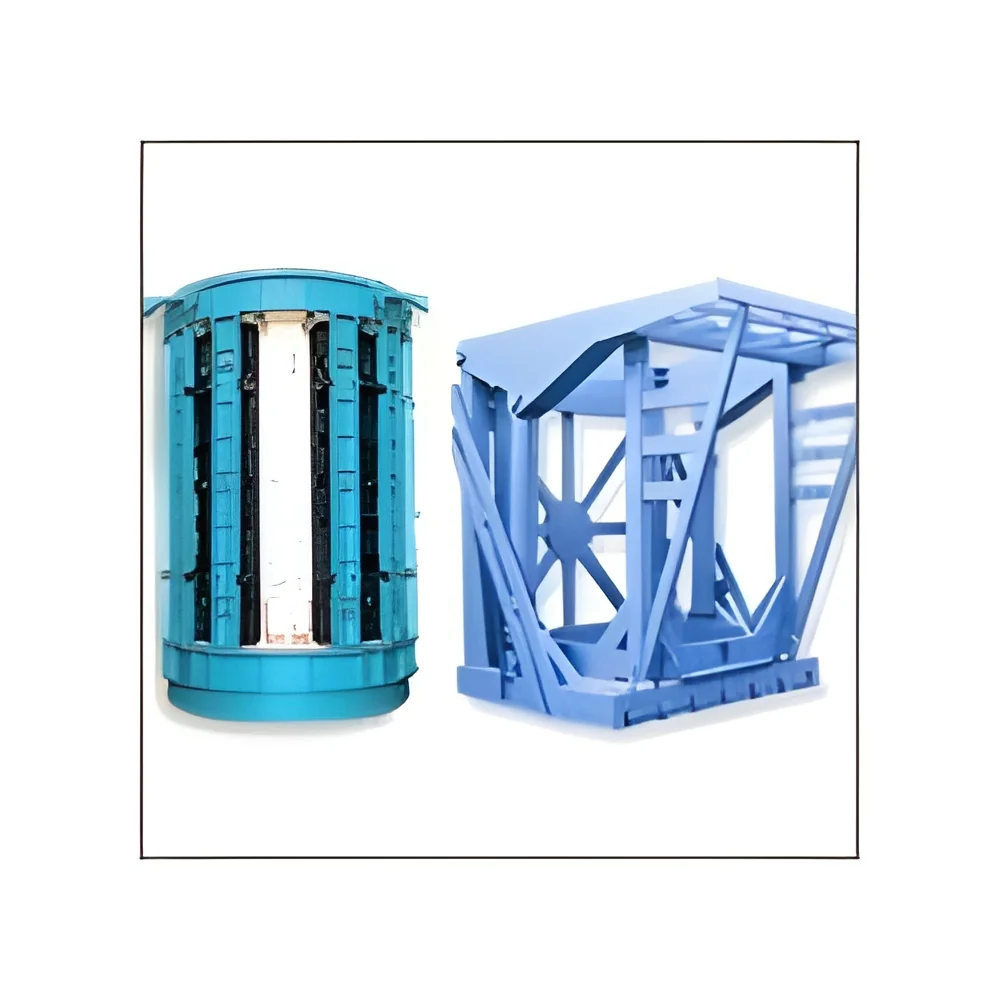
Induction furnaces use electromagnetic fields to heat the crucible directly. This variant is favored for its speed and energy efficiency, making it suitable for large-scale metal production.
Gas-Fired Crucible Furnace
These furnaces utilize gas as a fuel source, offering a cost-effective solution for melting metals. They are often employed in foundries and metalworking shops where large volumes of metal are processed.
Benefits and Advantages
Investing in crucible furnaces offers several advantages that can enhance operational efficiency and product quality.
1. Precision Temperature Control: Crucible furnaces provide accurate temperature settings, which are crucial for achieving desired metal properties.
2. Versatility: They can be used for various metals and alloys, making them suitable for different applications across multiple industries.
3. Energy Efficiency: Many modern crucible furnaces are designed to minimize energy consumption, resulting in cost savings over time.
4. High Quality Output: The controlled melting environment helps prevent contamination, ensuring high-quality metal products.
5. Safety Features: Equipped with advanced safety mechanisms, these furnaces reduce the risk of accidents during operation.
6. Customization Options: Many manufacturers offer customizable features to meet specific operational requirements, enhancing user experience.
Buying Guide for B2B Buyers
When sourcing crucible furnaces, it is essential to consider several key factors to ensure the right fit for your business needs.
1. Quality Assessment: Evaluate the build quality and materials used in the furnace. High-quality components can significantly impact performance and longevity.
2. Supplier Verification: Vet potential suppliers to ensure they have a solid reputation and can provide reliable customer support. This can include checking references and customer feedback.
3. Pricing and MOQ: Consider the cost of the furnace and any minimum order quantities (MOQ). It is important to balance price with quality to ensure a worthwhile investment.
4. Delivery and Lead Times: Assess the supplier’s delivery capabilities and lead times. Timely delivery can be critical for maintaining production schedules.
5. Compliance Requirements: Ensure that the furnaces meet industry-specific regulations and safety standards. This may include certifications like CE and adherence to local compliance guidelines.
Compliance and Certifications
Crucible furnaces must adhere to various quality standards and certifications to ensure safe and efficient operation. One of the key standards is ISO 9001, which focuses on quality management systems. Compliance with this standard indicates that the manufacturer has effective processes in place to maintain quality.
In addition, many crucible furnaces are certified with CE marking, which signifies conformity with health, safety, and environmental protection standards set by the European Union. This certification is vital for ensuring that the equipment meets international safety requirements.
Safety and testing requirements are also paramount in the industry. Furnaces must undergo rigorous testing to assess their performance under high temperatures and other operational conditions. Furthermore, businesses must consider regional compliance, as regulations may vary by location, impacting the installation and operation of crucible furnaces.
Why Source Crucible Furnaces from Pepagora?
Pepagora provides a trusted platform for sourcing crucible furnaces, offering several key advantages for B2B buyers.
One of the primary benefits is the verified supplier network. Pepagora ensures that all suppliers are thoroughly vetted, providing buyers with peace of mind regarding the quality and reliability of their purchases. Buyers can access detailed information about suppliers, including customer reviews and ratings.
The streamlined Request for Quotation (RFQ) process simplifies the procurement experience. Buyers can quickly submit their specifications and receive competitive quotes from multiple suppliers, allowing for informed decision-making.
Trade assurance and support are also significant advantages of sourcing through Pepagora. The platform offers buyer protection to ensure that transactions are secure, providing an additional layer of confidence when making purchases.
Finally, Pepagora's regional coverage extends across India, the GCC, and Southeast Asia, enabling buyers to connect with local suppliers and benefit from reduced shipping times and costs. This geographic reach enhances the overall purchasing experience and supports efficient supply chain management.

 IN
IN