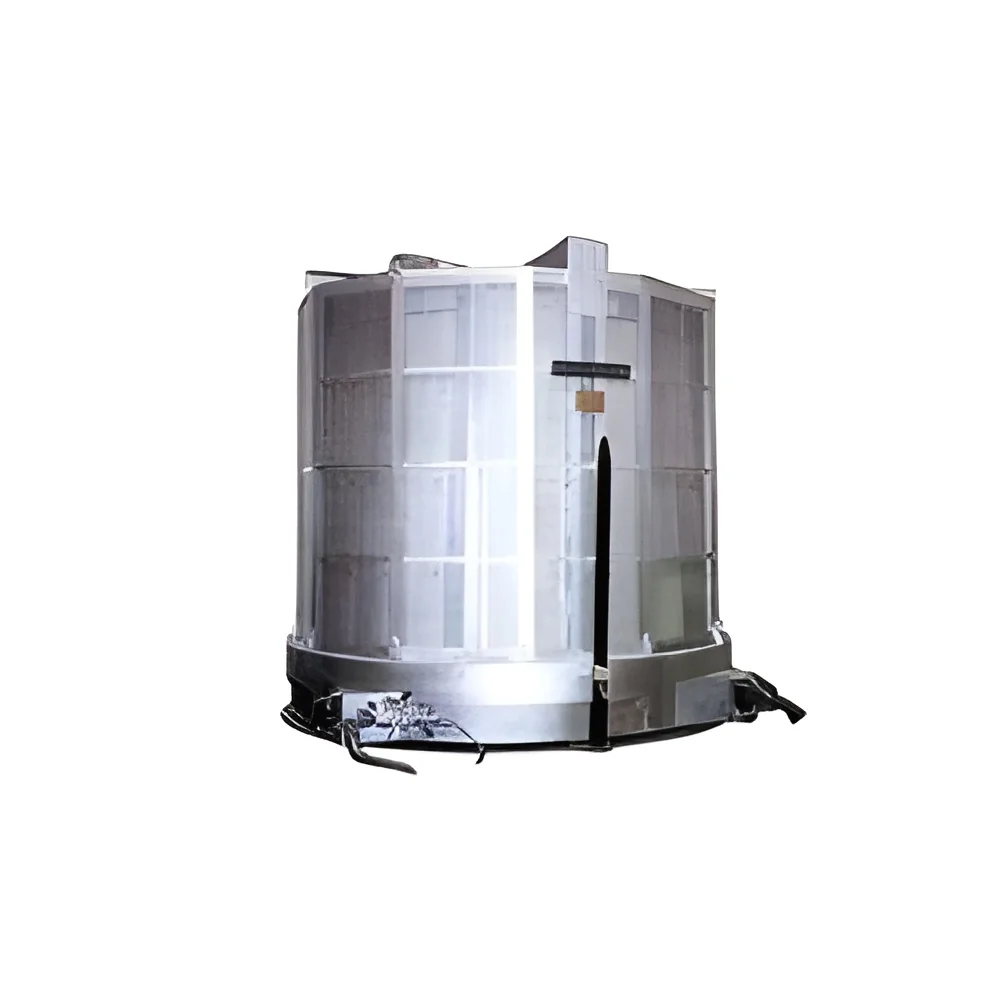
What are Bell Furnaces?
Bell furnaces are high-temperature industrial ovens used primarily in metal processing and heat treatment applications. They are designed in a bell shape that allows for efficient heating and uniform temperature distribution. The design contributes to optimal thermal efficiency and improved energy consumption, making them ideal for various industrial manufacturing processes.
These furnaces are widely used for annealing, hardening, and other heat treatment processes in industries such as automotive, aerospace, and metal fabrication. They play a crucial role in enhancing the mechanical properties of metals, ensuring they meet specific performance standards. The relevance of bell furnaces in the market is underscored by the growing demand for high-quality metal components in various sectors, driving innovations in furnace technology.
Key Features and Specifications
Bell furnaces come equipped with several features that enhance their performance and usability. These specifications vary based on the manufacturer and model, but some common features include advanced temperature control systems, energy-efficient designs, and robust construction materials.
Key specifications include:
1. Temperature Control System
- Provides precise temperature regulation
- Typically ranges between 800°C to 1200°C
2. Capacity
- Varies based on design and application
- Can accommodate loads from 100 kg to several tons
3. Heating Elements
- Utilizes electric or gas heating options
- Ensures rapid heating and uniform temperature distribution
4. Insulation Type
- High-temperature insulation materials to minimize heat loss
- Reduces energy consumption and operational costs
5. Cooling System
- Integrated cooling mechanisms for rapid cooling processes
- Necessary for specific heat treatment applications
6. Control Panel
- User-friendly interface for easy operation
- Allows for programmable settings and monitoring
7. Safety Features
- Equipped with safety interlocks and emergency shut-off mechanisms
- Ensures safe operation in industrial environments
8. Compliance Standards
- Adheres to industry standards such as CE
- Guarantees safety and quality of operations
Bell furnaces are essential in industries that demand precise heat treatment processes and reliable performance.
Common Applications and Use Cases
Bell furnaces find applications across a variety of industries due to their effectiveness in heat treatment processes.
1. Automotive Industry: Used for annealing and hardening components such as gears and shafts to enhance durability and performance.
2. Aerospace Sector: Essential for processing materials that require strict quality standards, including turbine blades and structural components.
3. Metal Fabrication: Employed in the production of high-quality metal products that require specific mechanical properties.
4. Tool Manufacturing: Utilized for heat treating tools and dies to extend their lifespan and improve performance.
5. Electronics Industry: Used for soldering and assembling components that require precise thermal management.
6. Petrochemical Industry: Applicable in processing metal components used in equipment that operates under extreme conditions.
7. Research and Development: Often found in laboratories for experimental heat treatment processes and material testing.
Product Variants and Subcategories
Bell furnaces are available in various configurations to meet specific industrial needs. Each variant offers unique features tailored for different applications.
Electric Bell Furnace
This variant is designed for efficient electric heating, making it ideal for environments where gas use is limited. It provides precise temperature control and is commonly used in laboratories and small-scale production.
Gas Bell Furnace
Utilizes gas as a heating source, offering quick heat-up times and efficient energy use. It is suitable for high-volume industrial applications, particularly in metal processing.
Continuous Bell Furnace
Features a continuous operation design, allowing for high throughput. This variant is well-suited for industries that require consistent production rates and efficient heat treatment.
Batch Bell Furnace
Designed for batch processing, allowing for flexibility in loading and unloading materials. It is commonly used in smaller manufacturing settings.
Benefits and Advantages
Bell furnaces offer numerous benefits that enhance their value in industrial applications.
1. Energy Efficiency: Their design optimizes energy use, leading to reduced operational costs.
2. Uniform Heating: The bell shape ensures even temperature distribution, enhancing the quality of heat-treated products.
3. Versatility: Suitable for a variety of heat treatment processes across multiple industries.
4. High Throughput: Capable of handling large volumes, especially in continuous operation variants.
5. Low Maintenance: Robust construction and reliable components reduce the need for frequent maintenance.
6. Enhanced Product Quality: Improves the mechanical properties of metals, ensuring they meet industry standards.
Buying Guide for B2B Buyers
When sourcing Bell Furnaces, it is essential to consider several key factors to make informed purchasing decisions.
1. Quality Assessment: Evaluate the quality of the furnace based on materials used and construction standards. Look for certifications that ensure reliability and performance.
2. Supplier Verification: Vet suppliers thoroughly by checking their reputation, customer feedback, and experience in the industry.
3. Pricing and MOQ: Understand the pricing structure and minimum order quantities to ensure they align with your budget and production needs.
4. Delivery and Lead Times: Inquire about delivery schedules and lead times to ensure timely installation and operation.
5. Compliance Requirements: Ensure the furnaces meet relevant regulatory standards and safety requirements for your specific industry.
Compliance and Certifications
Bell furnaces must comply with various quality standards to ensure safety and performance. These include ISO 9001, which focuses on quality management systems, and CE marking, which indicates compliance with European safety standards.
Additionally, industry-specific certifications may apply, ensuring that the furnaces meet the necessary performance criteria. Safety and testing requirements are critical, especially in sectors like aerospace and automotive, where the integrity of heat-treated materials is paramount.
Regional compliance considerations are also vital, as different markets may have unique regulations governing industrial equipment. Understanding these requirements helps ensure that the furnaces are suitable for the intended applications.
Why Source Bell Furnaces from Pepagora?
Pepagora provides an excellent platform for sourcing Bell Furnaces, offering several key advantages for B2B buyers.
Verified Supplier Network: Pepagora ensures that all suppliers are thoroughly vetted, providing buyers with confidence in the quality and reliability of the products.
Streamlined RFQ Process: The platform facilitates an easy request for quotation system, allowing buyers to receive competitive pricing and options from multiple suppliers.
Trade Assurance and Support: Pepagora offers protection for buyers, ensuring that transactions are secure and that support is available throughout the purchasing process.
Regional Coverage: With a strong presence in India, the GCC, and Southeast Asia, Pepagora connects buyers with regional suppliers, ensuring access to local market knowledge and support.

 IN
IN