What are Third Party Construction Material Testing Services?
Third Party Construction Material Testing Services refer to independent assessments conducted by certified organizations to evaluate the quality, safety, and performance of construction materials. These services ensure that materials used in construction projects meet specified standards and regulations. They play a crucial role in identifying potential issues before construction begins, thus minimizing risks and ensuring compliance with industry standards.
The primary uses of these services include testing materials such as concrete, soil, asphalt, and aggregates to verify their properties and performance under various conditions. Construction companies, engineers, and architects utilize these services to ensure that the materials used in their projects are reliable and safe. This is particularly vital in large-scale projects where the integrity of the structure depends heavily on the quality of materials. Given the increasing emphasis on safety and sustainability in construction, the demand for third-party testing services has grown significantly in recent years.
In the current market context, these services are essential as they provide an added layer of assurance for stakeholders in construction projects. With regulations becoming more stringent, having third-party verification of material quality helps businesses maintain compliance and build trust with clients and regulatory bodies. As construction practices evolve, the role of third-party testing services continues to expand, ensuring that projects are completed successfully and safely.
Key Features and Specifications
Third Party Construction Material Testing Services come with a variety of features and specifications that ensure comprehensive evaluation of construction materials. These features enhance the reliability and accuracy of testing processes.
Key specifications include:
1. Material Testing Types
- Includes tests for concrete, soil, asphalt, and aggregates.
- Ensures compliance with relevant standards.
2. Quality Assurance Standards
- Adherence to international standards such as ISO 9001 and CE certification.
- Guarantees a consistent level of quality in testing procedures.
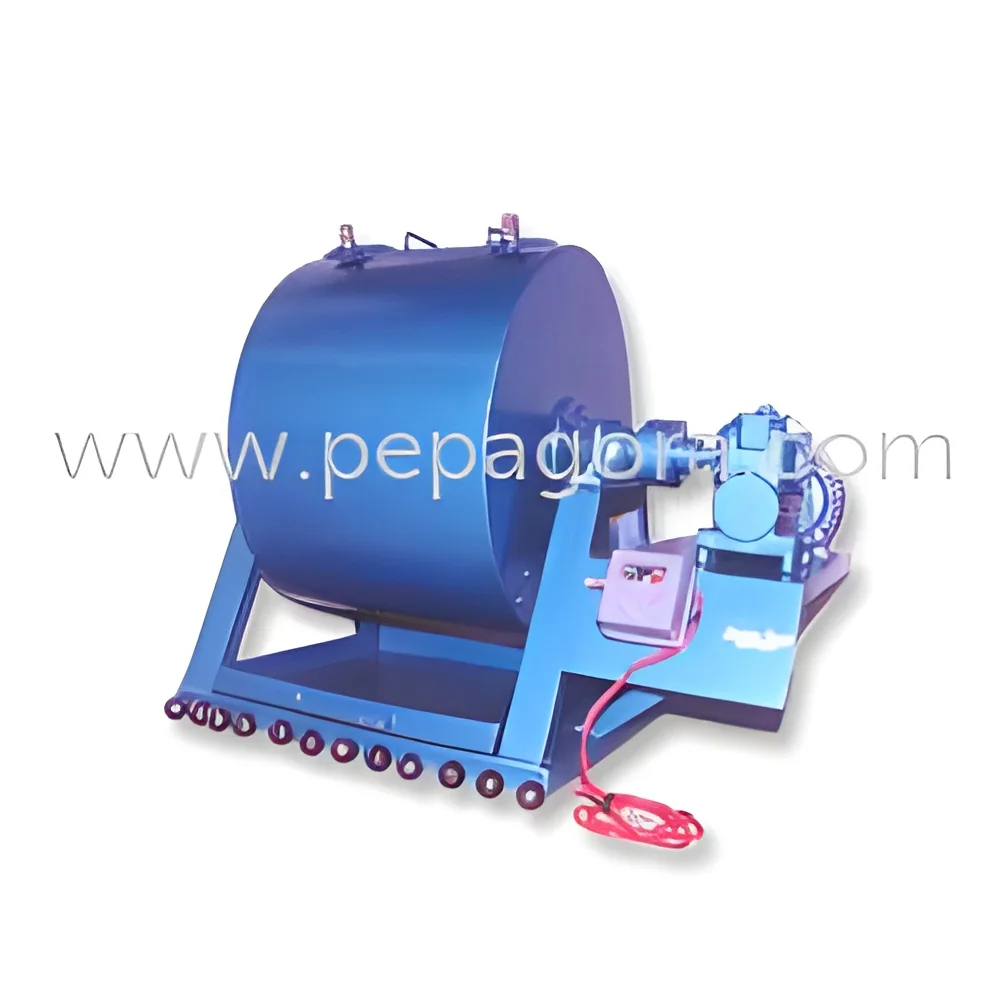
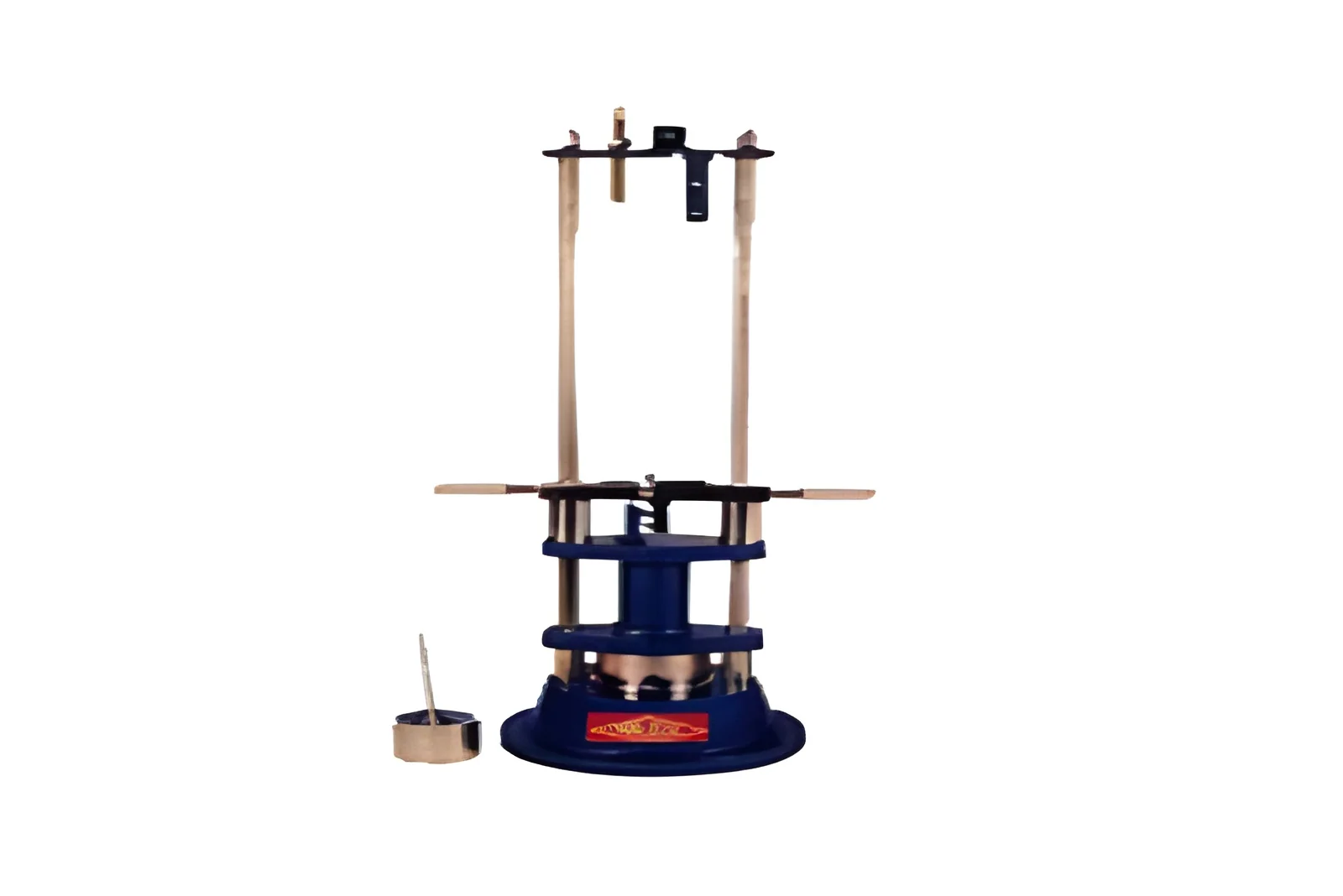
3. Equipment and Methodology
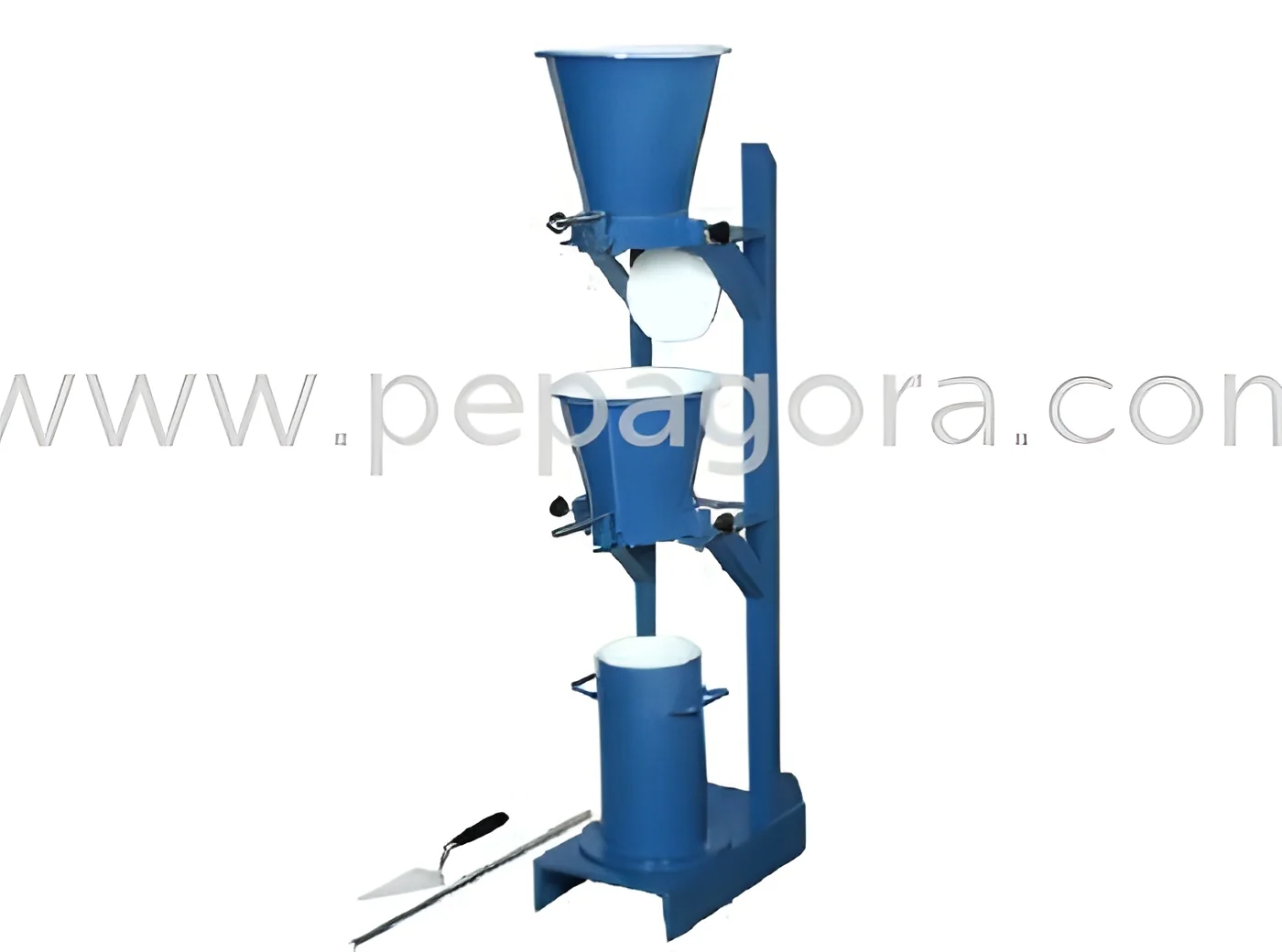
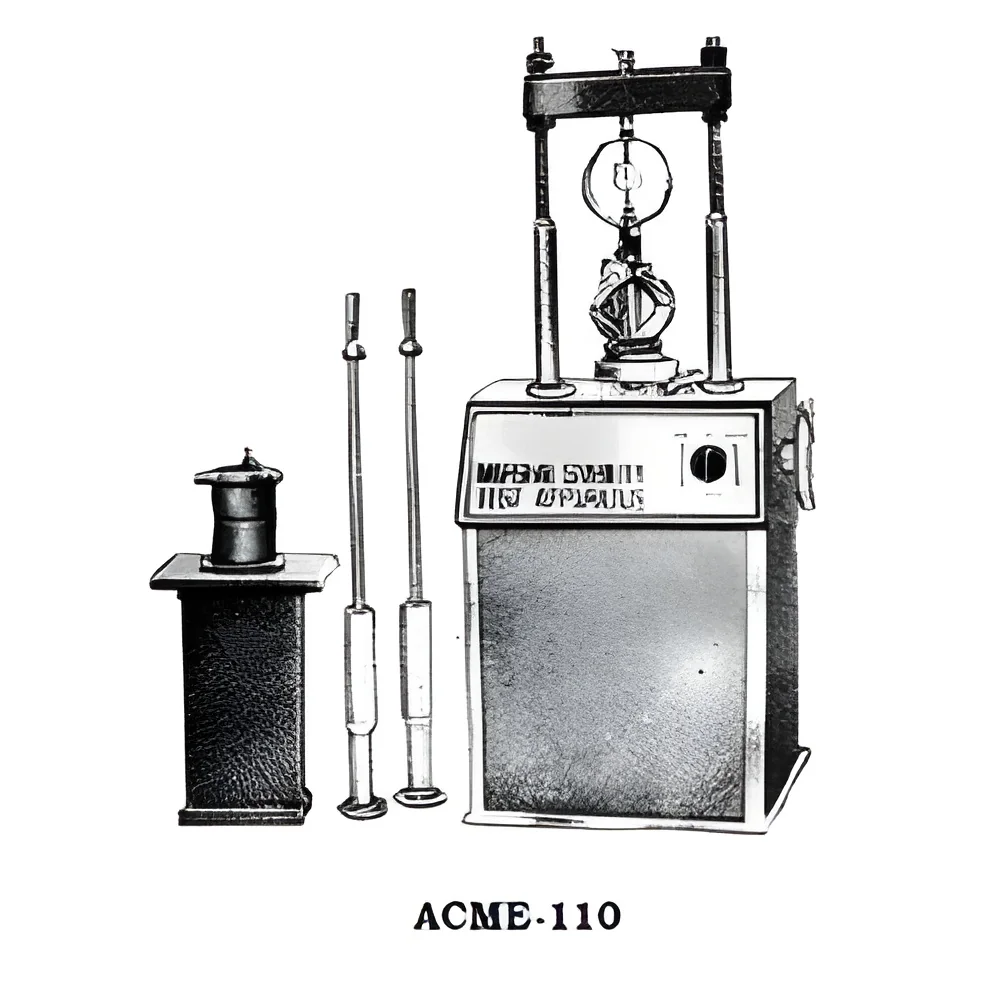
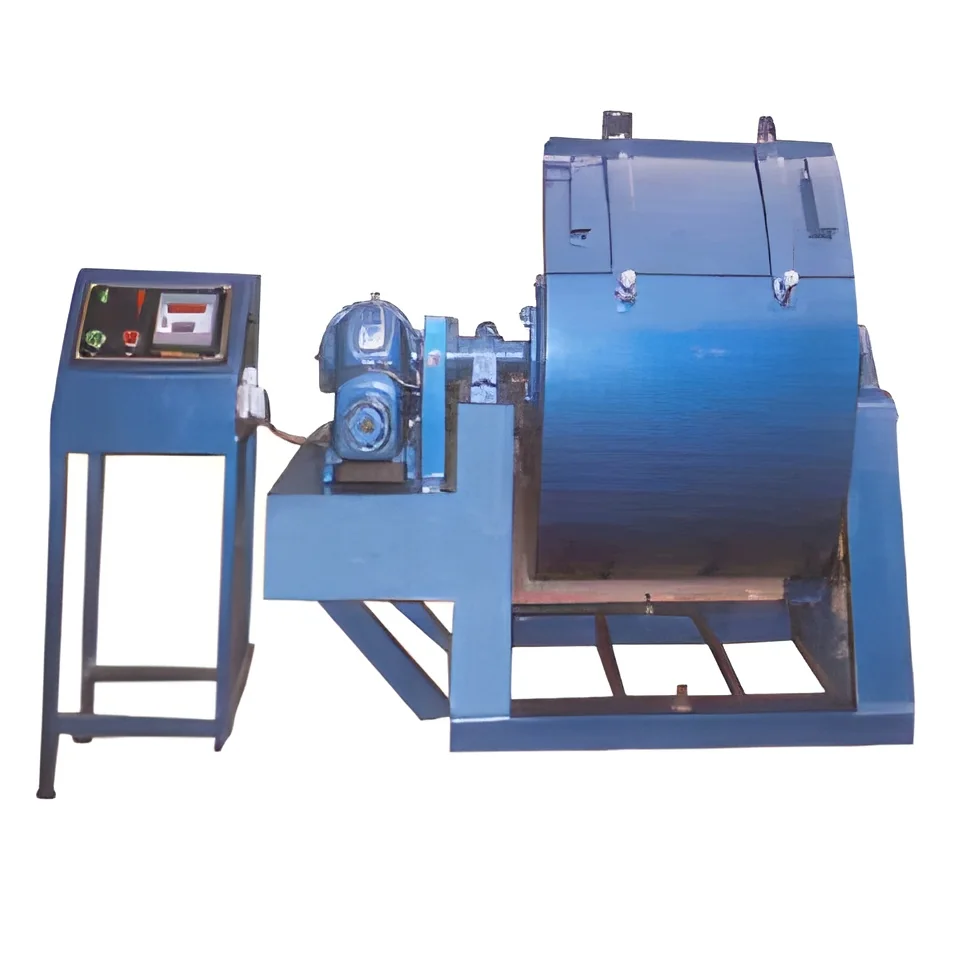
- Utilizes advanced testing equipment and methodologies.
- Ensures accurate and repeatable test results.
4. Reporting and Documentation
- Detailed reports provided after testing, including results and recommendations.
- Documentation supports compliance and project management.
5. Sample Collection and Handling
- Professional sample collection services to ensure integrity.
- Proper handling protocols to maintain sample quality.
6. On-Site Testing Options
- Availability of on-site testing for immediate results.
- Reduces delays associated with laboratory testing.
7. Custom Testing Services
- Ability to tailor testing services based on project-specific requirements.
- Flexibility in addressing unique material challenges.
In summary, these specifications highlight the critical aspects of Third Party Construction Material Testing Services, ensuring that they effectively meet the needs of construction projects.
Common Applications and Use Cases
Third Party Construction Material Testing Services are utilized across various industries to ensure material quality and safety.
1. Construction Industry: Testing of materials like concrete and steel is vital to ensure structural integrity and compliance with building codes.
2. Road and Highway Development: Asphalt testing is crucial for road construction projects to guarantee durability and performance under traffic loads.
3. Environmental Engineering: Soil testing helps assess contamination levels and suitability for construction, ensuring environmental safety.
4. Manufacturing: Material testing is essential for manufacturers to verify that raw materials meet production specifications and quality standards.
5. Infrastructure Projects: Testing materials used in bridges and tunnels helps ensure safety and longevity under extreme conditions.
6. Oil and Gas: Testing of construction materials used in energy infrastructure ensures compliance with industry safety regulations.
7. Mining: Material testing helps assess the suitability of materials for construction in mining operations, ensuring stability and safety.
Product Variants and Subcategories
While Third Party Construction Material Testing Services do not have specified subcategories, they can be tailored to meet various industry needs. This diversity allows companies to find the right testing solutions for their specific applications.
Concrete Testing Services
These services involve evaluating the strength, durability, and composition of concrete used in construction. They are essential for ensuring that concrete meets required performance standards.
Soil Testing Services
Soil testing assesses the properties of soil to determine its suitability for construction projects. This includes evaluating soil composition, compaction, and moisture content to ensure stability.
Asphalt Testing Services
These services analyze the quality and performance of asphalt used in paving. Proper testing ensures that asphalt mixtures meet industry standards for durability and longevity.
Aggregate Testing Services
Aggregate testing involves assessing the quality of materials such as sand, gravel, and crushed stone. This testing is crucial for ensuring that aggregates meet specifications for strength and performance.
Benefits and Advantages
Third Party Construction Material Testing Services offer several key benefits that enhance the construction process.
1. Risk Mitigation: Independent testing helps identify potential material deficiencies, reducing the risk of structural failures.
2. Quality Assurance: Ensures that materials meet industry standards, leading to higher quality construction outcomes.
3. Compliance Support: Helps companies maintain compliance with regulations, avoiding legal and financial penalties.
4. Cost Efficiency: Identifying material issues early can save costs associated with rework and project delays.
5. Enhanced Reputation: Companies that prioritize quality assurance build trust with clients and stakeholders, enhancing their market reputation.
6. Improved Project Management: Detailed testing reports provide valuable insights that aid in project planning and management.
Buying Guide for B2B Buyers
When sourcing Third Party Construction Material Testing Services, it is important for businesses to consider several key factors to ensure they choose the right provider.
1. Quality Assessment: Evaluate the quality criteria used by testing services, including adherence to recognized standards and certifications.
2. Supplier Verification: Vet suppliers thoroughly to ensure they have a proven track record and necessary accreditations.
3. Pricing and MOQ: Understand the pricing structures and minimum order quantities that may apply to testing services.
4. Delivery and Lead Times: Consider logistics and the expected timeframes for receiving test results to avoid project delays.
5. Compliance Requirements: Ensure that the testing services meet all relevant regulatory requirements for your specific industry or project.
Compliance and Certifications
Third Party Construction Material Testing Services are governed by a range of quality standards and certifications that ensure their reliability and effectiveness.
Relevant quality standards such as ISO 9001 outline requirements for quality management systems, ensuring that testing services maintain high-quality processes. Certifications like CE indicate that testing services comply with European standards, providing assurance to clients about the quality of materials tested.
Safety and testing requirements are critical for the construction industry, as they reduce the risk of accidents and structural failures. Compliance with regional regulations is also essential, with different areas having specific requirements that testing services must meet to operate legally and effectively.
Why Source Third Party Construction Material Testing Services from Pepagora?
Pepagora offers a trusted platform for sourcing Third Party Construction Material Testing Services, providing several key advantages for businesses in the construction industry.
Verified Supplier Network: Pepagora maintains a network of verified suppliers who offer reliable testing services. This ensures that businesses can trust the quality and integrity of the services they choose.
Streamlined RFQ Process: The platform simplifies the request for quotation process, allowing businesses to easily compare offers and select the best option based on their specific needs.
Trade Assurance and Support: Pepagora provides trade assurance to protect buyers, ensuring that they receive the services as promised. This support adds an extra layer of security in the purchasing process.
Regional Coverage: With a focus on areas such as India, GCC, and Southeast Asia, Pepagora ensures that businesses can find local suppliers who understand regional requirements and standards, facilitating smoother transactions.

 IN
IN