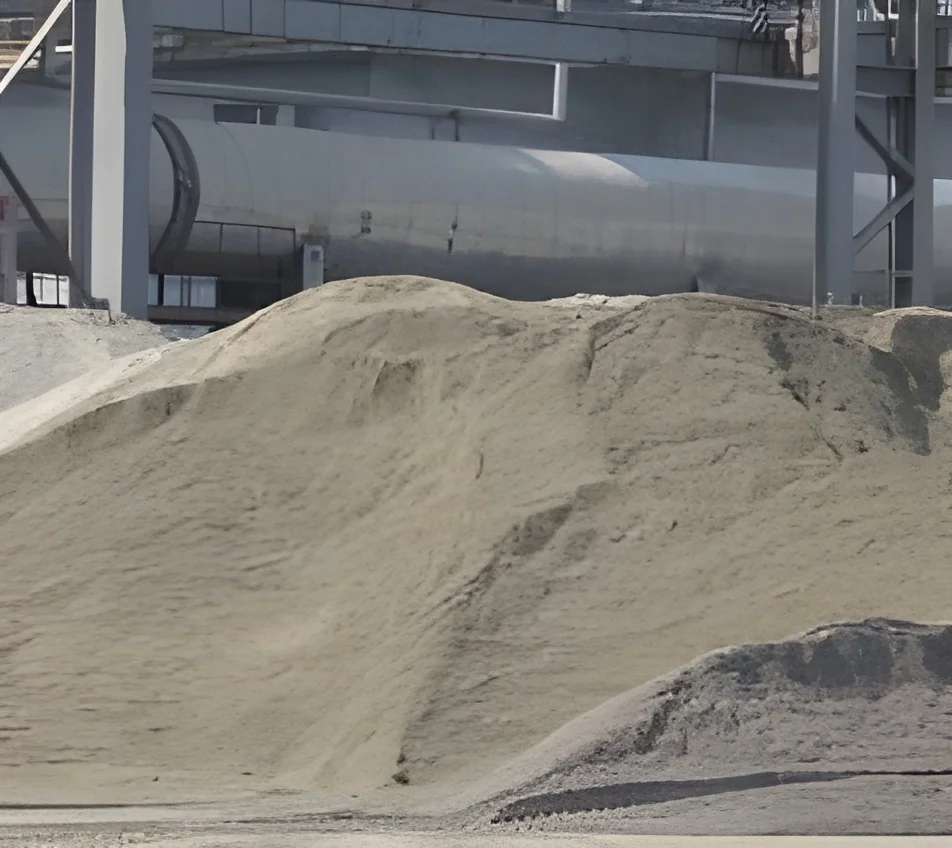
What are Low Heat Cement?
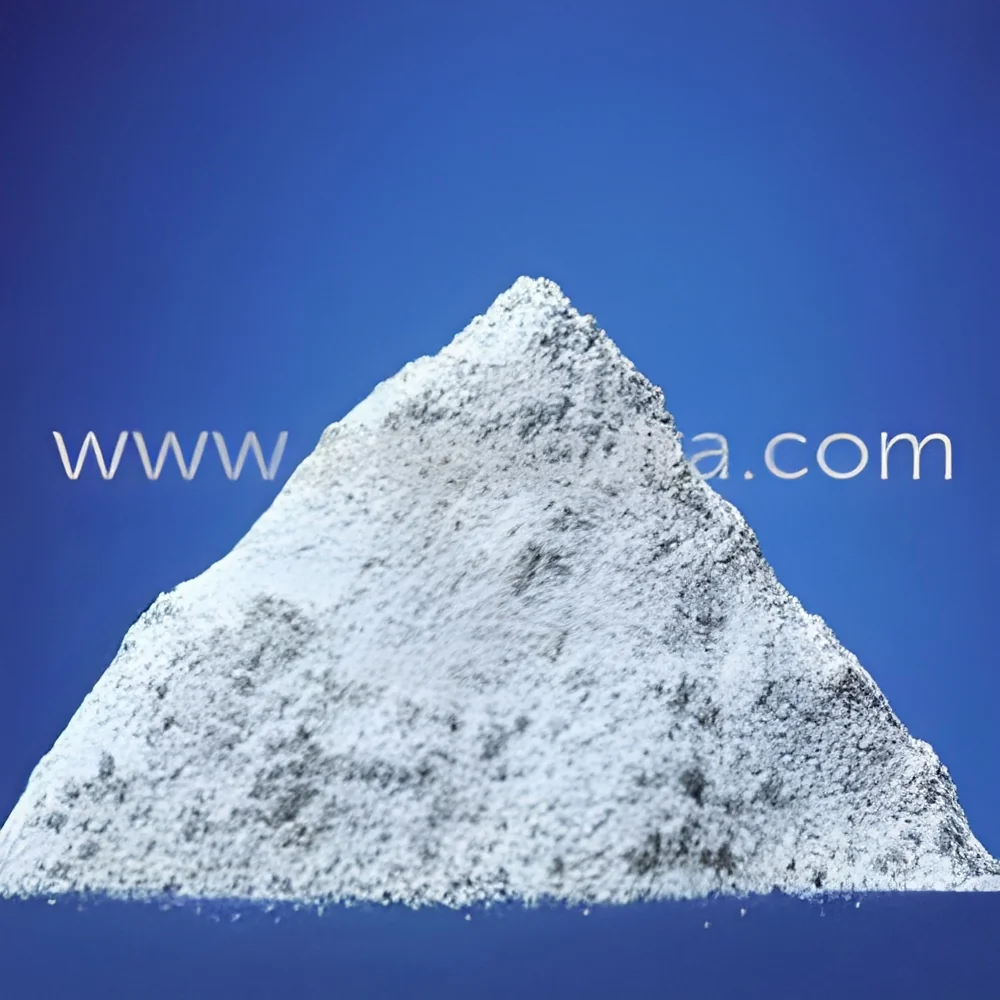
Low heat cement is a specialized type of cement designed to minimize the heat generated during the curing process. This characteristic is particularly crucial in large-scale concrete constructions, where excessive heat can lead to cracking and structural issues. Low heat cement achieves this by having a lower proportion of tricalcium aluminate compared to standard cements, which reduces heat evolution during hydration.
Primarily, low heat cement is used in massive structures such as dams, large foundations, and other projects where thermal stress can significantly impact the integrity of the concrete. Its slow setting time also allows for more manageable workability, making it suitable for extensive pours. The demand for low heat cement is growing in the construction industry as companies seek to enhance the durability and longevity of their projects while managing costs.
In the current market, low heat cement plays a vital role in sustainable construction practices. With increasing awareness of thermal control and its implications on concrete performance, businesses are more inclined to adopt this material for their projects. The growing trend towards eco-friendly construction materials further enhances the relevance of low heat cement in the industry.
Key Features and Specifications
Low heat cement boasts several key features that make it suitable for specific construction needs. Understanding its specifications is essential for choosing the right product for your project.
Key specifications include:
1. Compressive Strength
- Low heat cement typically offers high compressive strength.
- Common ranges are between 28 to 50 MPa after 28 days of curing.
2. Heat of Hydration
- This cement generates less heat during hydration compared to regular cement.
- The heat evolution rate is significantly lower, making it suitable for large pours.
3. Setting Time
- The initial setting time is extended, allowing for better workability.
- Average initial setting time is around 4 to 6 hours.
4. Durability
- Low heat cement exhibits enhanced resistance to cracking and thermal stress.
- It is ideal for projects requiring long-term durability.
5. Composition
- Contains a higher percentage of silicates and lower amounts of aluminates.
- Contributes to reduced heat generation during curing.
6. Workability
- Improved workability due to its slower setting time.
- Facilitates easier handling and application.
7. Chemical Resistance
- Offers good resistance to aggressive environmental conditions.
- Suitable for structures exposed to chemical agents.
8. Environmental Impact
- Low heat cement is often produced with lower carbon emissions.
- Aligns with sustainable building practices.
In summary, low heat cement features a unique combination of properties that support its use in large structural projects while minimizing the risks associated with heat generation during curing.
Common Applications and Use Cases
Low heat cement serves various industries, each utilizing its unique properties to meet specific needs.
1. Infrastructure Projects: In large infrastructure projects like highways, bridges, and tunnels, low heat cement helps manage thermal stress during the curing process, ensuring structural integrity.
2. Dams and Reservoirs: For dam construction, low heat cement is essential in managing the temperature fluctuations that can cause cracking, thereby enhancing the lifespan of the structure.
3. Industrial Buildings: In the construction of industrial facilities, low heat cement contributes to the durability of concrete foundations and walls, especially in large-scale applications.
4. Marine Structures: Its resistance to chemical exposure makes low heat cement a preferred choice for marine environments, where saltwater can cause deterioration.
5. Power Plants: Low heat cement is ideal for the construction of power plants, where large volumes of concrete are poured, necessitating careful temperature management.
6. High-Rise Buildings: In the construction of high-rise buildings, it reduces the risk of thermal cracking during the setting of massive concrete elements.
7. Bridges: Low heat cement is often employed in bridge construction to ensure stability and longevity under varying environmental conditions.
Product Variants and Subcategories
Low heat cement is available in several variants to cater to different construction needs. While specific subcategories are not available, the diversity in formulation allows for tailored solutions.
Standard Low Heat Cement: This variant provides essential low heat properties and is suitable for general applications requiring reduced thermal stress.
High-Performance Low Heat Cement: This variant is engineered for enhanced strength and durability, suitable for high-load applications in challenging environments.
Low Heat Blended Cement: This version incorporates supplementary cementitious materials, offering improved sustainability and workability while maintaining low heat properties.
Specialty Low Heat Cement: Designed for niche applications, this variant may include additives to enhance specific performance characteristics, such as chemical resistance or setting time.
Benefits and Advantages
Choosing low heat cement offers several advantages that can enhance project outcomes.
1. Reduced Thermal Cracking: The lower heat generation minimizes the risk of cracks in large concrete structures, promoting longevity.
2. Enhanced Workability: The extended setting time allows for better handling and application, making it easier for construction teams to manage large pours.
3. Improved Durability: Low heat cement provides enhanced resistance to environmental stressors, ensuring the structural integrity over time.
4. Sustainable Option: With lower carbon emissions during production, low heat cement aligns with eco-friendly building practices and regulations.
5. Versatile Applications: Its unique properties make low heat cement suitable for a wide range of construction projects, from infrastructure to industrial buildings.
6. Cost-Effective Solutions: By reducing the risk of cracking and structural failures, low heat cement can lead to lower maintenance costs in the long run.
Buying Guide for B2B Buyers
When sourcing low heat cement, it is essential to consider various factors to ensure you select the right product for your project needs.
1. Quality Assessment: Evaluate the quality of low heat cement by reviewing its specifications and performance data. Consider third-party testing results to verify claims.
2. Supplier Verification: Vet suppliers thoroughly by checking references, certifications, and their history in the market. A reliable supplier is crucial for consistent quality.
3. Pricing and MOQ: Understand the pricing structures and minimum order quantities (MOQ) that suppliers offer. This will help in budgeting and planning your procurement strategy.
4. Delivery and Lead Times: Inquire about logistics, including lead times for delivery. Timely access to materials can significantly impact project timelines.
5. Compliance Requirements: Ensure that the low heat cement meets relevant industry standards and regulations. This is important for legal compliance and project approval.
Compliance and Certifications
Low heat cement must adhere to various quality standards and certifications to ensure it meets industry requirements. Common standards include ISO 9001, which focuses on quality management systems, ensuring consistent quality in production.
Additionally, low heat cement may be certified by CE, confirming its compliance with European safety standards. Safety and testing requirements are vital, especially in large construction projects where structural integrity is paramount.
Regional compliance considerations must also be taken into account. Different regions may have specific regulations governing the use of construction materials. It is essential to verify that the low heat cement complies with local building codes and regulations.
Why Source Low Heat Cement from Pepagora?
Pepagora provides a trusted platform for sourcing low heat cement, offering several advantages to B2B buyers.
Verified Supplier Network: Pepagora connects buyers with a network of verified suppliers, ensuring that all products meet high-quality standards. This helps mitigate risks associated with procurement.
Streamlined RFQ Process: The Request for Quotation (RFQ) system simplifies the sourcing process. Buyers can easily request quotes from multiple suppliers, facilitating competitive pricing and informed decisions.
Trade Assurance and Support: Pepagora offers trade assurance, providing protection for buyers throughout the procurement process. Their dedicated support team is available to assist with any inquiries or issues that may arise.
Regional Coverage: With a strong presence in India, the GCC, and Southeast Asia, Pepagora ensures that buyers have access to low heat cement suppliers across diverse markets, enhancing trade opportunities.

 IN
IN