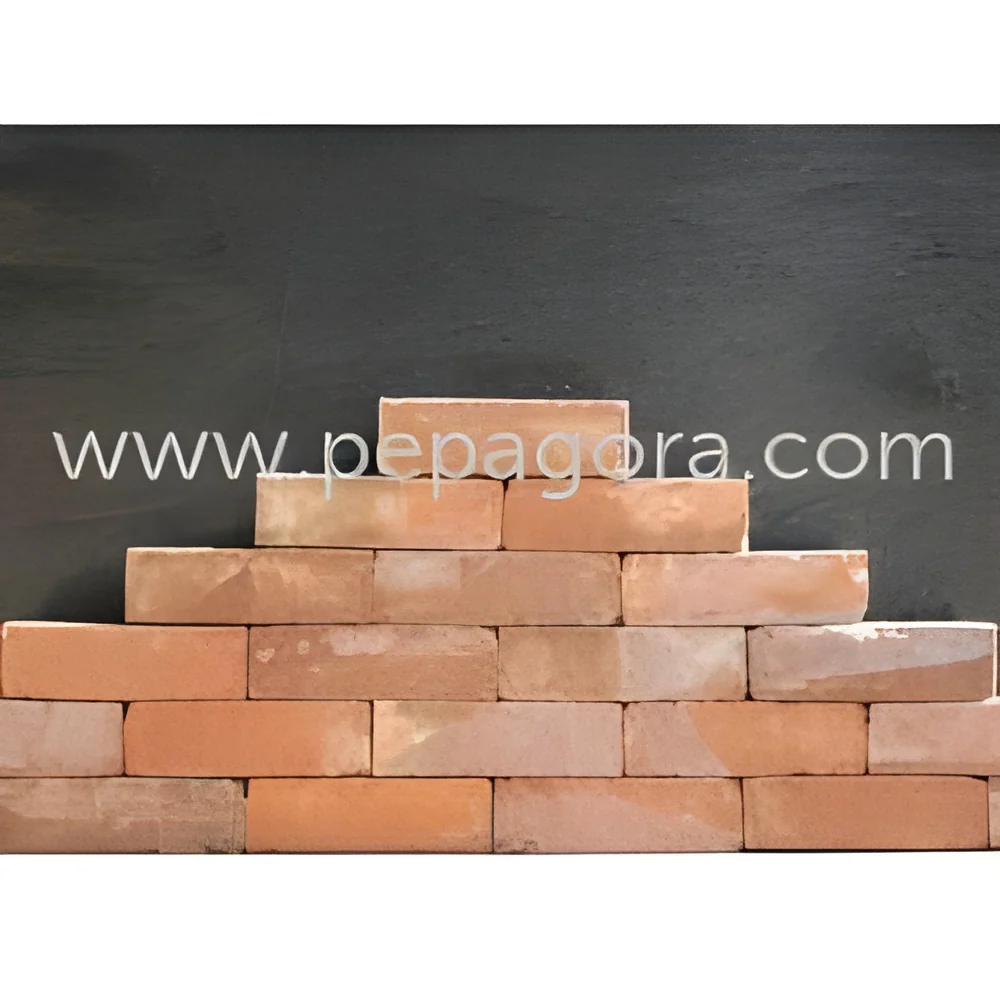
What are Red Clay Bricks?
Red clay bricks are building materials made from natural clay that is shaped and fired at high temperatures. This process results in a durable and sturdy product, suitable for various construction applications. The distinct reddish hue comes from the iron oxide present in the clay, which also contributes to the brick's strength and thermal properties.
These bricks are primarily used in the construction of walls, pavements, and other structural elements. They are favored in both residential and commercial projects due to their aesthetic appeal and thermal performance. In addition to traditional uses, red clay bricks are also employed in innovative architectural designs, providing a sustainable option that aligns with modern building practices. The red clay brick market is significant, with a steady demand driven by urbanization and the growth of the construction industry.
Key Features and Specifications
Red clay bricks boast several key features that enhance their utility in construction. Their specifications often include various physical and mechanical properties that meet industry standards.
Key specifications include:
1. Compressive Strength
- Typically ranges from 7.5 to 10 MPa
- Essential for structural integrity
2. Water Absorption
- Generally between 8% to 12%
- Influences durability and performance in weather conditions
3. Dimensions
- Standard size is 190 x 90 x 90 mm
- Custom sizes may be available based on project requirements
4. Density
- Ranges from 1.8 to 2.2 g/cm³
- Affects weight and handling during construction
5. Thermal Conductivity
- Typically around 0.6 to 0.8 W/mK
- Important for energy efficiency in buildings
6. Fire Resistance
- Rated up to 1,200 degrees Celsius
- Enhances safety in construction applications
7. Color Consistency
- Uniform reddish hue due to consistent clay sourcing
- Important for aesthetic value in visible structures
8. Eco-Friendliness
- Made from natural materials with minimal environmental impact
- Supports sustainable building practices
In summary, red clay bricks are versatile and robust construction materials, offering a variety of specifications tailored to meet different project needs.
Common Applications and Use Cases
Red clay bricks are utilized across multiple industries due to their durability and aesthetic appeal.
1. Construction Industry: Widely used for building residential homes, commercial establishments, and infrastructure projects, providing strength and insulation.
2. Landscaping: Employed in garden pathways, retaining walls, and decorative features, adding a natural look to outdoor spaces.
3. Interior Design: Used in exposed brick walls and decorative elements within buildings, enhancing visual interest and character.
4. Restoration Projects: Ideal for historic renovations, as they can match the original materials used in older structures.
5. Industrial Applications: Utilized in the construction of kilns and ovens, leveraging their high-temperature resistance.
6. Educational Institutions: Commonly found in the construction of schools and universities, reflecting durability and a commitment to sustainability.
7. Public Infrastructure: Used in road construction and public buildings, ensuring longevity and aesthetic appeal in community projects.
Product Variants and Subcategories
Red clay bricks come in various forms, each suited to specific applications.
Standard Red Clay Brick: This is the most common variant, known for its durability and versatility. It is ideal for general construction purposes, including walls and pavements.
Fired Red Clay Brick: These bricks undergo additional firing processes to enhance strength and durability. They are often used in high-load bearing applications.
Perforated Red Clay Brick: Designed with holes to reduce weight and improve insulation, these bricks are commonly used in residential construction.
Lightweight Red Clay Brick: Made with a specific formulation to reduce weight while maintaining strength, suitable for projects requiring easier handling and transport.
Benefits and Advantages
Red clay bricks offer numerous benefits for construction projects.
1. Durability: Known for their long lifespan, red clay bricks withstand weather extremes and wear, making them a reliable choice.
2. Thermal Insulation: They provide excellent thermal properties, helping to maintain indoor temperatures and reduce energy costs.
3. Aesthetic Appeal: The natural color and texture of red clay bricks enhance the visual appeal of structures, aligning with modern architectural trends.
4. Fire Resistance: Their ability to withstand high temperatures enhances safety in building designs.
5. Eco-Friendly: Made from natural materials, they are a sustainable option for environmentally conscious projects.
6. Low Maintenance: Red clay bricks require minimal upkeep compared to other construction materials, saving time and costs over the building's life.
Buying Guide for B2B Buyers
When sourcing red clay bricks, several factors should be considered to ensure quality and suitability for your projects.
1. Quality Assessment: Evaluate the compressive strength, water absorption, and thermal properties to ensure the bricks meet your project specifications.
2. Supplier Verification: Research and vet suppliers to confirm their reputation, production capabilities, and adherence to quality standards.
3. Pricing and MOQ: Understand the pricing structure and minimum order quantities to align with your budget and project needs.
4. Delivery and Lead Times: Discuss logistics with suppliers to ensure timely delivery that fits your project schedule.
5. Compliance Requirements: Ensure that the bricks meet local building codes and regulations, including any necessary certifications.
Compliance and Certifications
Red clay bricks must adhere to various quality standards and certifications to ensure their reliability and safety in construction.
ISO 9001: This standard ensures that manufacturing processes meet international quality management principles, providing confidence in the product's consistency and quality.
CE Certification: This indicates that the bricks comply with European health, safety, and environmental protection standards, making them suitable for use in construction across Europe.
Safety and Testing Requirements: Regular testing for compressive strength, water absorption, and fire resistance is essential to maintain product quality and compliance.
Regional Compliance Considerations: Different regions may have specific regulations regarding building materials, making it crucial for buyers to verify local compliance requirements when sourcing red clay bricks.
Why Source Red Clay Bricks from Pepagora?
Pepagora is a trusted platform for sourcing red clay bricks, offering several advantages to buyers.
Verified Supplier Network: Pepagora features a comprehensive network of verified suppliers, ensuring that buyers can connect with reputable manufacturers who meet quality standards.
Streamlined RFQ Process: The platform simplifies the request for quotation process, allowing buyers to easily compare prices and specifications from multiple suppliers, saving time and effort.
Trade Assurance and Support: Pepagora offers buyer protection through trade assurance, providing added security for transactions and support throughout the purchasing process.
Regional Coverage: With a strong presence in India, the GCC, and Southeast Asia, Pepagora connects buyers with suppliers across these regions, enhancing accessibility and options for sourcing red clay bricks.

 IN
IN