
 IN
Binding Wire & Tie Rods
8 products available
What are Binding Wire & Tie Rods?
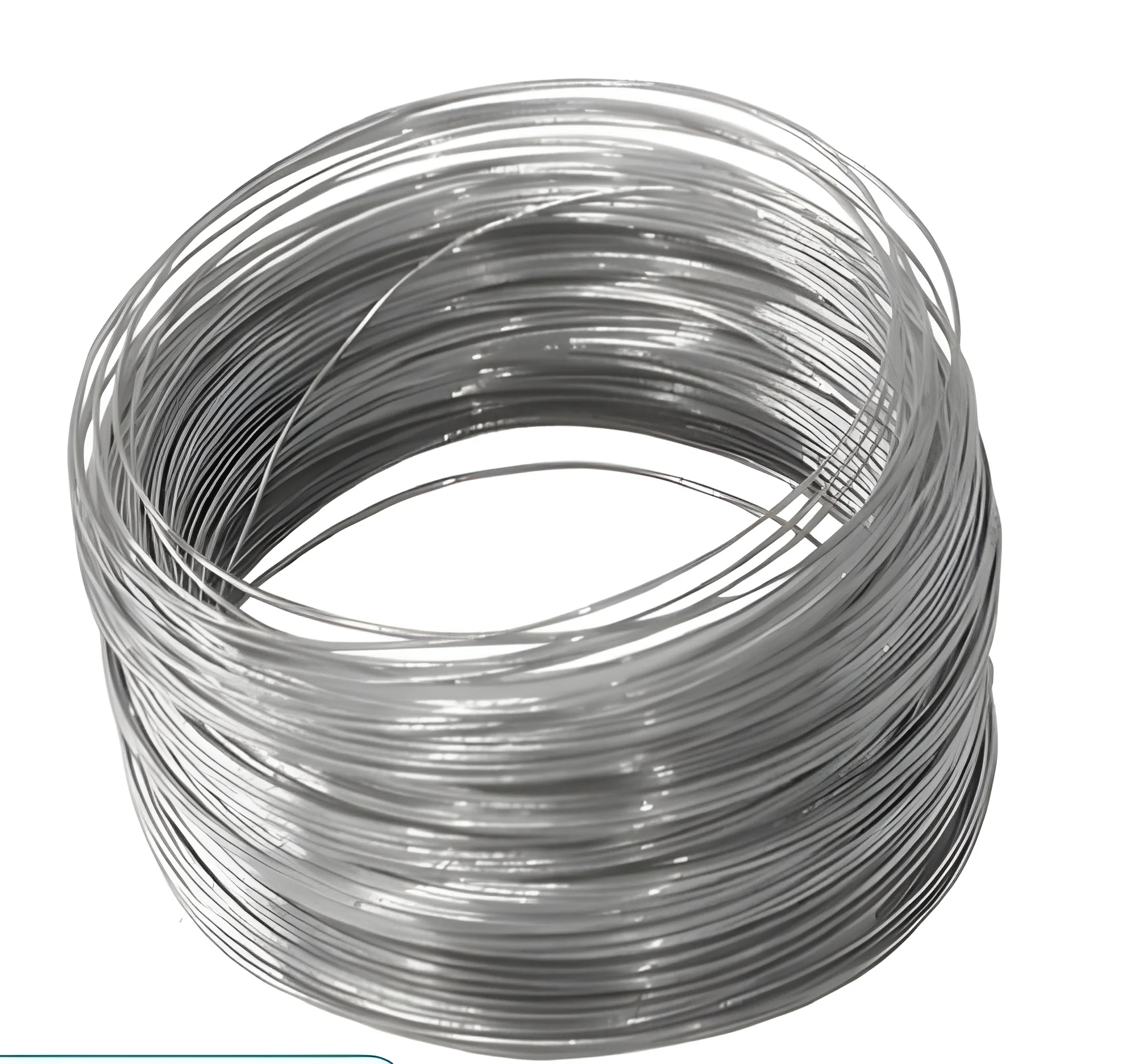
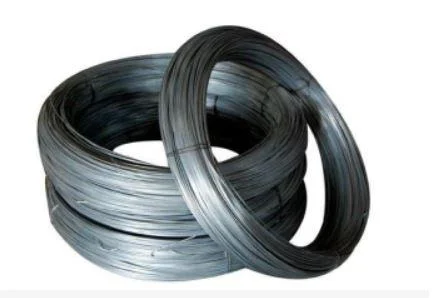
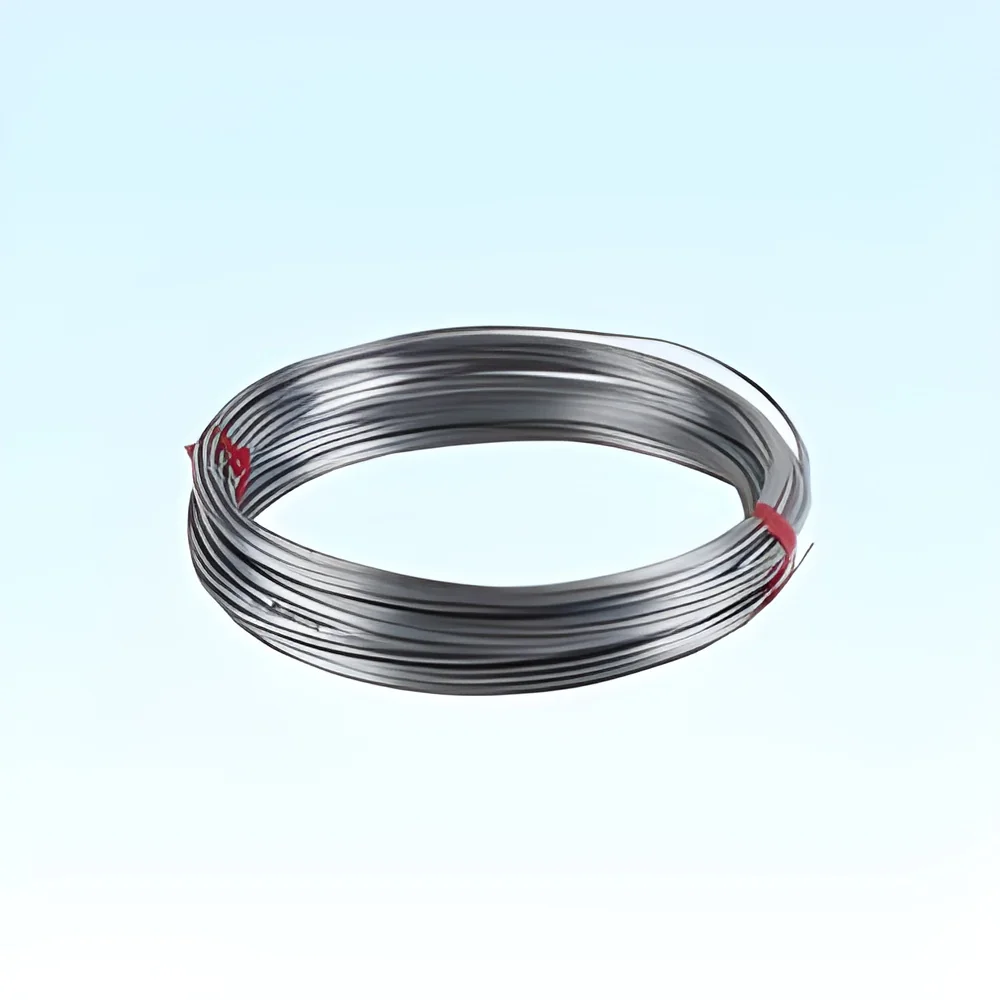
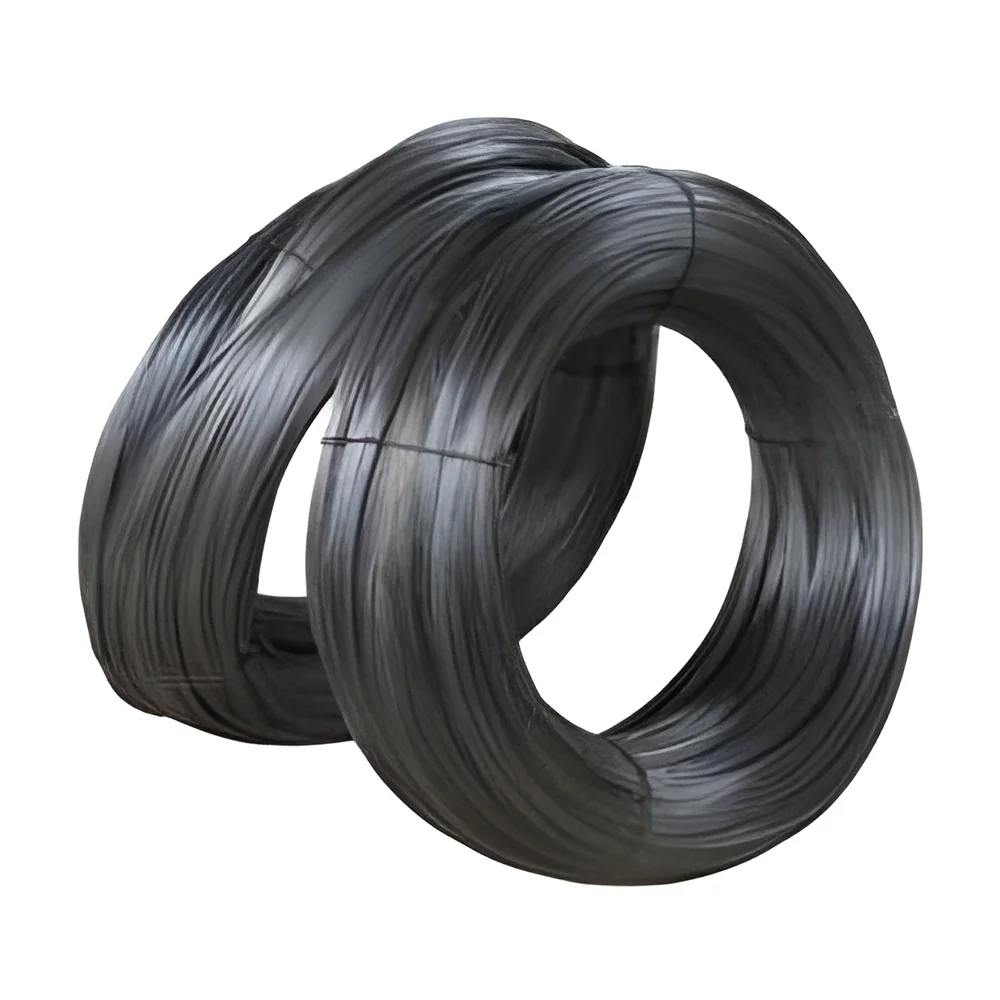
Binding wire and tie rods are essential components used in various construction and industrial applications. Binding wire is typically made from mild steel and is used for tying or binding materials together, providing support and stability. Tie rods, on the other hand, are structural elements designed to bear tensile loads and are often used to support structures or components, ensuring they remain securely in place.
These products find extensive use across different sectors, including construction, manufacturing, and automotive industries. In construction, binding wire is commonly used for reinforcing concrete structures by securing rebar. Tie rods are utilized in various applications, such as stabilizing walls, supporting roofs, and in tensioning systems. The relevance of these products in the market is significant, as they contribute to the overall safety and integrity of structures and machinery.
Key Features and Specifications
Binding wire and tie rods come with specific features and specifications that make them suitable for a range of applications. Understanding these specifications is crucial for selecting the right product for your needs.
Key specifications include:
1. Material Composition
- Typically made from mild steel for binding wire, ensuring strength and flexibility.
- Tie rods are often coated or treated for corrosion resistance.
2. Diameter
- Available in various diameters ranging from 1mm to 10mm for binding wire.
- Tie rods usually range from 8mm to 20mm in diameter, depending on load requirements.
3. Length
- Standard lengths for binding wire can vary from 50 meters to 1000 meters per spool.
- Tie rods are available in lengths from 1 meter to several meters based on project specifications.
4. Tensile Strength
- Binding wire generally offers tensile strength ranging from 300 to 500 MPa.
- Tie rods can provide tensile strengths of up to 1000 MPa, depending on the application.
5. Coating Options
- Binding wire may come in galvanized or uncoated versions.
- Tie rods often feature protective coatings to enhance durability.
6. Compliance Standards
- Products meet industry standards, including CE certification.
7. Packaging
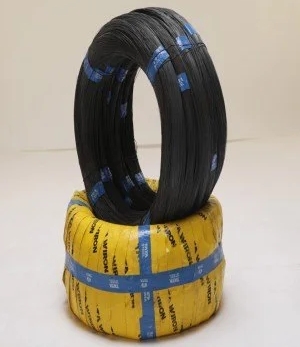
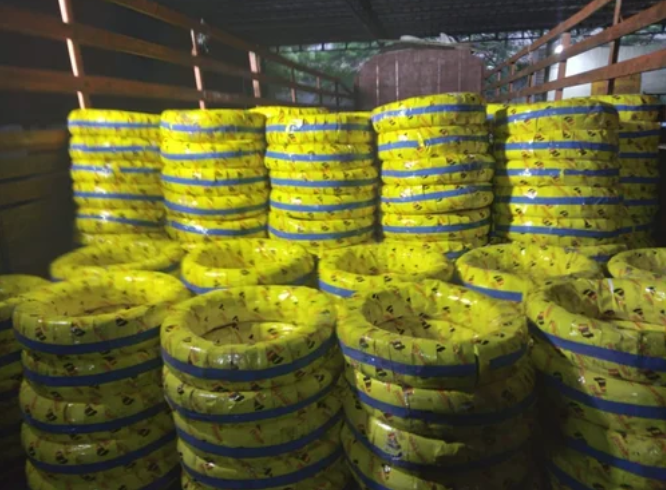
- Binding wire is typically packaged in spools for easy handling.
- Tie rods are commonly packaged in bundles or crates for bulk delivery.
These specifications ensure that both binding wire and tie rods can meet the demanding requirements of various industries.
Common Applications and Use Cases
Binding wire and tie rods serve a multitude of industries, each with specific applications.
1. Construction: In the construction sector, binding wire is used extensively for tying rebar in concrete structures. Tie rods provide crucial support for scaffolding and structural components.
2. Manufacturing: In manufacturing settings, binding wire can be used for bundling products or materials, while tie rods are essential in machinery for maintaining structural integrity.
3. Automotive: The automotive industry utilizes tie rods in the assembly of vehicles, ensuring parts remain securely fastened during operation.
4. Agriculture: Binding wire is often used in agriculture for securing plants and trellises, promoting growth and stability.
5. Infrastructure: In infrastructure projects, tie rods play a vital role in stabilizing bridges and tunnels.
6. HVAC Systems: Tie rods are used to support ductwork and other components in heating, ventilation, and air conditioning systems.
7. Electrical: In electrical installations, binding wire is used for securing cables and wiring, ensuring safety and organization.
Product Variants and Subcategories
Binding wire and tie rods come in various forms to cater to different applications and requirements.
Galvanized Binding Wire
This variant features a zinc coating that provides enhanced corrosion resistance. It is ideal for outdoor applications, ensuring longevity and durability.
High-Strength Tie Rods
These tie rods are manufactured to provide superior tensile strength, making them suitable for heavy-duty applications in construction and industrial settings.
Soft Binding Wire
This variant is made from low carbon steel, offering high flexibility. It is commonly used in delicate applications where ease of manipulation is required.
Benefits and Advantages
Binding wire and tie rods provide numerous advantages to businesses in various industries.
1. Versatility: These products can be used across multiple applications, making them ideal for diverse industries.
2. Strength: Both binding wire and tie rods are designed to withstand considerable loads, ensuring structural integrity.
3. Cost-Effectiveness: Sourcing high-quality binding wire and tie rods can lead to significant savings in construction and manufacturing processes.
4. Easy Handling: Binding wire comes in convenient spools, while tie rods are designed for straightforward installation, reducing labor costs.
5. Corrosion Resistance: Many variants are treated for corrosion resistance, ensuring longevity in various environmental conditions.
6. Compliance: These products often meet industry standards, ensuring safety and reliability in applications.
Buying Guide for B2B Buyers
When sourcing binding wire and tie rods, it is essential to consider several factors to ensure you make an informed purchase.
1. Quality Assessment: Evaluate the quality of binding wire and tie rods by looking for industry certifications and conducting material tests to ensure compliance with specifications.
2. Supplier Verification: Vet suppliers thoroughly by checking their reputation, customer feedback, and certifications to ensure reliability and quality.
3. Pricing and MOQ: Understand the pricing structure and minimum order quantities (MOQ) to ensure that you can meet your project needs without overspending.
4. Delivery and Lead Times: Discuss logistics with suppliers to confirm delivery timelines and ensure that products arrive when needed to avoid project delays.
5. Compliance Requirements: Be aware of regional compliance and certification requirements to ensure that the products meet local regulations and standards.
Compliance and Certifications
Binding wire and tie rods are subject to various compliance and certification requirements that ensure their quality and safety in industrial applications.
Relevant quality standards such as ISO 9001 are crucial in affirming that manufacturing processes meet international benchmarks for quality management. This certification indicates that the products are produced consistently and meet customer expectations.
Additionally, CE certification is essential, particularly for products sold in the European market. This certification ensures that the products comply with health, safety, and environmental protection standards.
Safety and testing requirements are also paramount. Products should undergo rigorous testing to confirm their strength and durability under load conditions. This testing can include tensile tests and fatigue assessments.
Regional compliance considerations may vary, so it is vital to check local regulations that can impact the sourcing and use of binding wire and tie rods in specific markets.
Why Source Binding Wire & Tie Rods from Pepagora?
Pepagora provides a trusted platform for sourcing binding wire and tie rods, offering several key advantages to B2B buyers.
Verified Supplier Network: Pepagora connects buyers with a network of verified suppliers. This ensures that you can source high-quality products from reputable manufacturers, reducing the risk of purchasing subpar materials.
Streamlined RFQ Process: The quotation system on Pepagora allows buyers to request quotes easily from multiple suppliers. This simplifies the procurement process and helps you compare prices and services efficiently.
Trade Assurance and Support: Pepagora offers buyer protection through trade assurance, ensuring that your transactions are secure. The platform provides support throughout the purchasing process, helping you resolve any issues that may arise.
Regional Coverage: With a strong presence in India, GCC, and Southeast Asia, Pepagora can facilitate sourcing across a wide geographic area, ensuring that you can meet your supply needs regardless of location.
By choosing Pepagora, B2B buyers can confidently source binding wire and tie rods, knowing they have access to high-quality products and reliable suppliers.

Frequently Asked Questions
What are Binding Wire & Tie Rods?
Binding Wire & Tie Rods are essential components used in construction and manufacturing. They serve the purpose of providing structural support and securing elements together, ensuring stability and safety in various applications.
What are the different types of Binding Wire & Tie Rods?
Binding Wire & Tie Rods come in various types, including mild steel tie rods, galvanized binding wires, and stainless steel tie rods. Each type offers different properties in terms of strength, corrosion resistance, and application suitability.
How do I choose the right Binding Wire & Tie Rods?
Choosing the right Binding Wire & Tie Rods involves considering factors such as the load requirements, environmental conditions, and the specific application. It is advisable to consult with suppliers or manufacturers to ensure you select a product that meets your project needs.
What are the standard specifications for Binding Wire & Tie Rods?
The standard specifications for Binding Wire & Tie Rods typically include diameter, tensile strength, and length. Common diameters range from 4mm to 20mm, with tensile strength varying based on material and manufacturing standards.
What is the price range for Binding Wire & Tie Rods?
The price range for Binding Wire & Tie Rods varies based on factors such as material, diameter, and quantity ordered. Generally, prices can start from INR 30 per kg and can go up to INR 200 per kg or more for specialized products.
What quality standards apply to Binding Wire & Tie Rods?
Binding Wire & Tie Rods must adhere to various quality standards such as ISI, ASTM, or ISO certifications. These standards ensure that the products meet specific performance and safety requirements for construction and industrial applications.
Where can I find Binding Wire & Tie Rods suppliers in India?
You can find Binding Wire & Tie Rods suppliers in India through B2B marketplaces like Pepagora.com, local hardware stores, or by searching online directories. It is recommended to compare multiple suppliers to ensure quality and pricing.
Can Binding Wire & Tie Rods be customized?
Yes, Binding Wire & Tie Rods can often be customized based on specific project requirements. Many manufacturers offer customization in terms of size, coating, and material to better suit the needs of their clients.
What is the typical minimum order quantity for Binding Wire & Tie Rods?
The typical minimum order quantity (MOQ) for Binding Wire & Tie Rods can vary by supplier but generally ranges from 100 kg to 1000 kg. It is advisable to check with individual suppliers for their specific MOQ policies.
What is the typical lead time for Binding Wire & Tie Rods?
The typical lead time for Binding Wire & Tie Rods can range from 1 to 4 weeks, depending on factors such as availability, order size, and supplier location. Always confirm the lead time with the supplier before placing an order.
Why Businesses Trust Pepagora
Thousands of companies trust Pepagora to source smarter and sell faster
Expand Your Sales Globally

Source Smarter,Grow Faster
