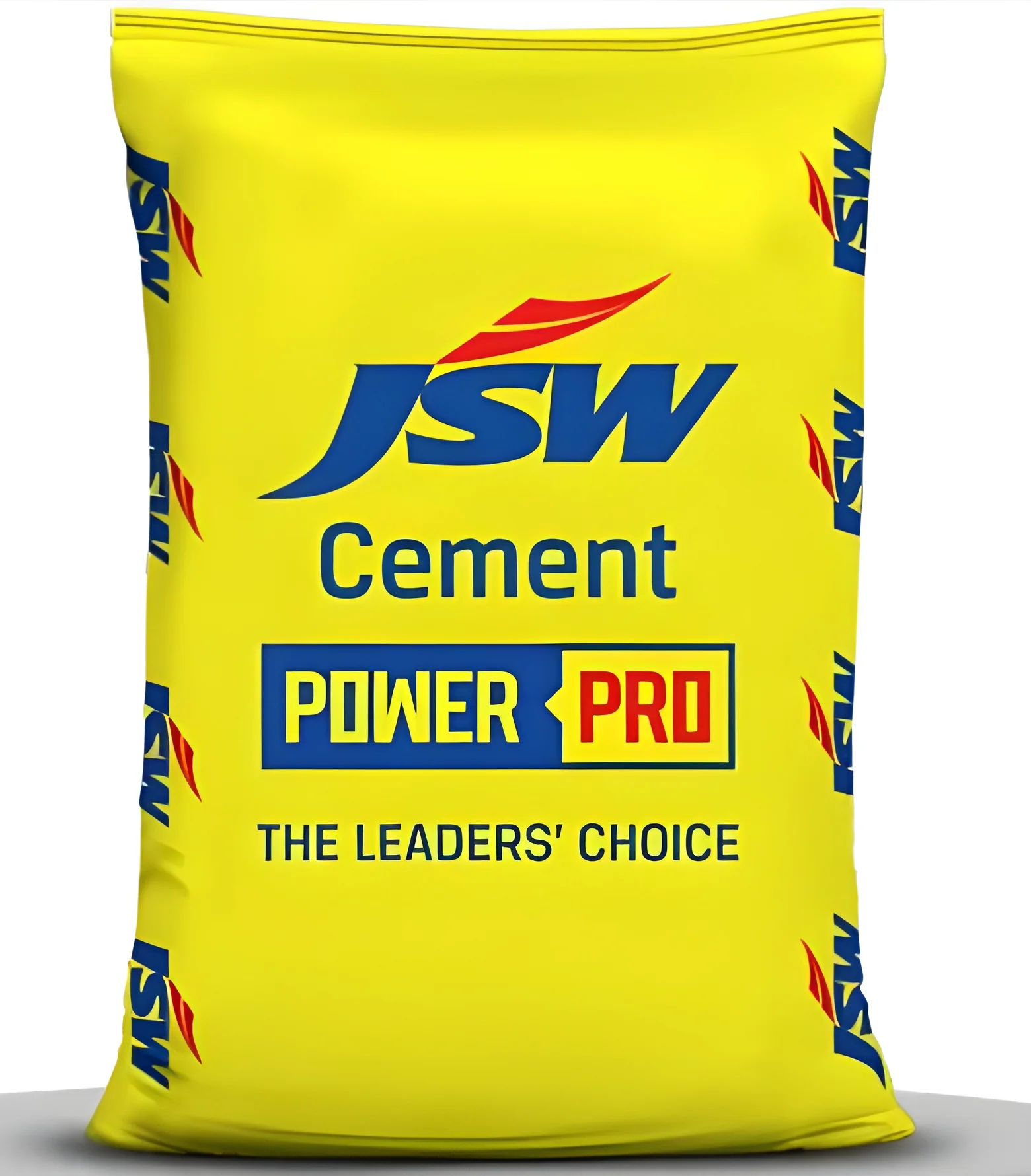
What are Sulphate Resistant Cement?
Sulphate Resistant Cement (SRC) is a specialized type of cement formulated to withstand the detrimental effects of sulphate ions in soil and water. These ions can cause expansion and cracking in concrete structures, leading to significant long-term damage. SRC is designed to provide enhanced durability in environments where sulphate exposure is a concern, making it a vital choice for construction and infrastructure projects.
This type of cement is primarily used in construction applications where resistance to sulphate attack is critical. Common uses include foundations, wastewater treatment facilities, and structures in coastal areas or regions with high soil sulphate levels. The increasing need for durable construction materials in various industries has elevated the relevance of SRC in today's market. As infrastructure projects expand globally, the demand for sulphate resistant solutions continues to grow, influencing market trends and driving innovation in cement technology.
Key Features and Specifications
Sulphate Resistant Cement offers specific features that make it suitable for high-performance applications. These features include its chemical composition, low heat of hydration, and superior resistance to sulphate attack.
Key specifications include:
1. Compressive Strength
- High initial and ultimate strength
- Typical ranges from 25 MPa to 60 MPa depending on the mix
2. Sulphate Resistance
- Designed to resist sulphate concentrations in soil and water
- Effective in environments with sulphate levels up to 4,000 ppm
3. Low Heat of Hydration
- Reduces thermal cracking in massive concrete structures
- Ideal for large pours and mass concrete applications
4. Workability
- Enhanced workability for easier placement and finishing
- Suitable for both dry and wet conditions
5. Setting Time
- Moderate setting time for flexibility in application
- Initial set typically around 2-3 hours
6. Durability
- Excellent long-term durability in harsh environments
- Resistance to chemical attacks beyond sulphates
7. Environmental Impact
- Lower carbon footprint compared to traditional cements
- Contributes to sustainable construction practices
In summary, Sulphate Resistant Cement combines strength and durability, making it an essential material for specific construction challenges.
Common Applications and Use Cases
Sulphate Resistant Cement is widely utilized across various industries due to its unique properties.
1. Construction: In residential and commercial buildings, SRC is used for foundations and structural components in areas with high soil sulphate levels to ensure longevity and stability.
2. Infrastructure: Bridges and highways benefit from SRC in regions prone to sulphate exposure, reducing maintenance costs and increasing service life.
3. Wastewater Management: Treatment plants employ SRC for their structures to prevent degradation from sulphate-rich effluents.
4. Marine Applications: Coastal structures use SRC for enhanced resistance against seawater and sulphate-rich environments.
5. Industrial Facilities: Factories that handle chemicals may use SRC in their construction to protect against chemical attacks.
6. Oil and Gas: In drilling and extraction sites, SRC is used to build resilient structures in challenging soils.
7. Roadworks: SRC is a choice for road bases and sub-bases where high durability is required.
Product Variants and Subcategories
Sulphate Resistant Cement is a versatile product with various formulations suited for different applications.
[Variant 1 Name]
SRC for marine environments is specifically formulated to withstand the high levels of sulphates found in seawater. This variant is ideal for constructing docks and piers.
[Variant 2 Name]
SRC for industrial applications is designed to meet the rigorous demands of chemical processing facilities. It provides enhanced resistance to a variety of aggressive chemicals.
In addition to these variants, other formulations may be offered based on specific project requirements, ensuring that users can find the right solution for their needs.
Benefits and Advantages
Sulphate Resistant Cement offers numerous advantages that enhance its value in construction projects.
1. Increased Lifespan: Structures built with SRC can withstand harsh environments, leading to reduced maintenance and repair costs.
2. Improved Safety: The use of SRC minimizes the risk of structural failure, providing enhanced safety for both workers and the public.
3. Cost-Effective: While initial costs may be higher, the long-term durability of SRC leads to significant savings over time.
4. Environmental Sustainability: SRC contributes to greener building practices and reduces the carbon footprint of construction projects.
5. Versatility: Suitable for a wide range of applications, SRC can be used in various industries, making it a highly adaptable choice.
6. Enhanced Performance: SRC provides superior performance in challenging conditions, ensuring reliable results.
Buying Guide for B2B Buyers
When sourcing Sulphate Resistant Cement, several critical factors must be considered to ensure the right product is selected.
1. Quality Assessment: Evaluate the quality of SRC by reviewing certifications and testing standards. Look for compliance with relevant quality standards such as ISO 9001.
2. Supplier Verification: Vet potential suppliers to ensure they have a reliable track record. Check references and customer feedback to gauge their reputation.
3. Pricing and MOQ: Understand the pricing structure and minimum order quantities (MOQ) required by suppliers. This helps in budgeting and planning purchases effectively.
4. Delivery and Lead Times: Assess the logistics involved in sourcing SRC. Consider lead times for production and delivery to ensure timely project completion.
5. Compliance Requirements: Be aware of local and regional regulations that may affect the use of SRC. Ensure that the product meets all compliance standards.
Compliance and Certifications
Sulphate Resistant Cement must adhere to various quality standards and certifications to ensure its reliability and safety in use.
Relevant quality standards include ISO 9001, which outlines requirements for a quality management system. Adhering to these standards ensures that manufacturers maintain consistent quality throughout their production processes.
Industry certifications such as UL and CE validate that the cement meets specific safety and performance criteria. These certifications can be essential for gaining buyer confidence and complying with regulatory requirements.
Safety and testing requirements are also critical, as SRC must undergo rigorous testing to confirm its resistance to sulphate attack and overall performance in various conditions.
Furthermore, regional compliance considerations should be taken into account, as different areas may have specific regulations governing the use of construction materials. Understanding these compliance needs is crucial for successful procurement.
Why Source Sulphate Resistant Cement from Pepagora?
Pepagora provides a trusted platform for sourcing Sulphate Resistant Cement, offering several key advantages for buyers.
Verified Supplier Network: Pepagora connects buyers with a network of verified suppliers, ensuring that all products meet high-quality standards and industry certifications. This network reduces risks associated with sourcing.
Streamlined RFQ Process: The platform features a straightforward Request for Quotation (RFQ) system that simplifies the process of obtaining quotes from multiple suppliers. This efficiency allows buyers to make informed decisions quickly.
Trade Assurance and Support: Pepagora offers trade assurance, providing buyers with protection throughout the sourcing process. This support helps ensure that transactions are secure and satisfactory.
Regional Coverage: With a strong presence in India, the GCC, and Southeast Asia, Pepagora enables buyers to access Sulphate Resistant Cement from a wide geographical area, catering to diverse market needs and preferences.
By choosing Pepagora, businesses can confidently navigate the procurement of Sulphate Resistant Cement, benefiting from quality assurance and comprehensive support.

 IN
IN