IN
IN₹
Apparel & Fashion
Description
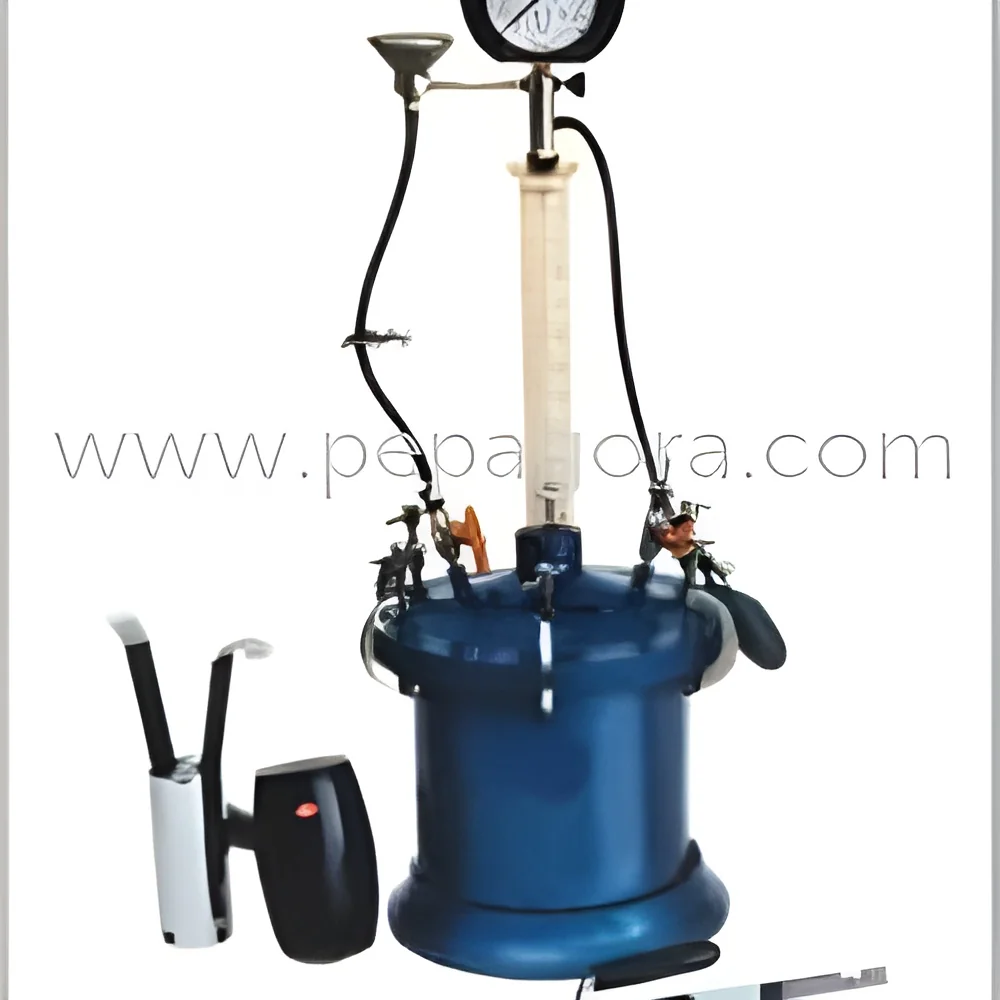
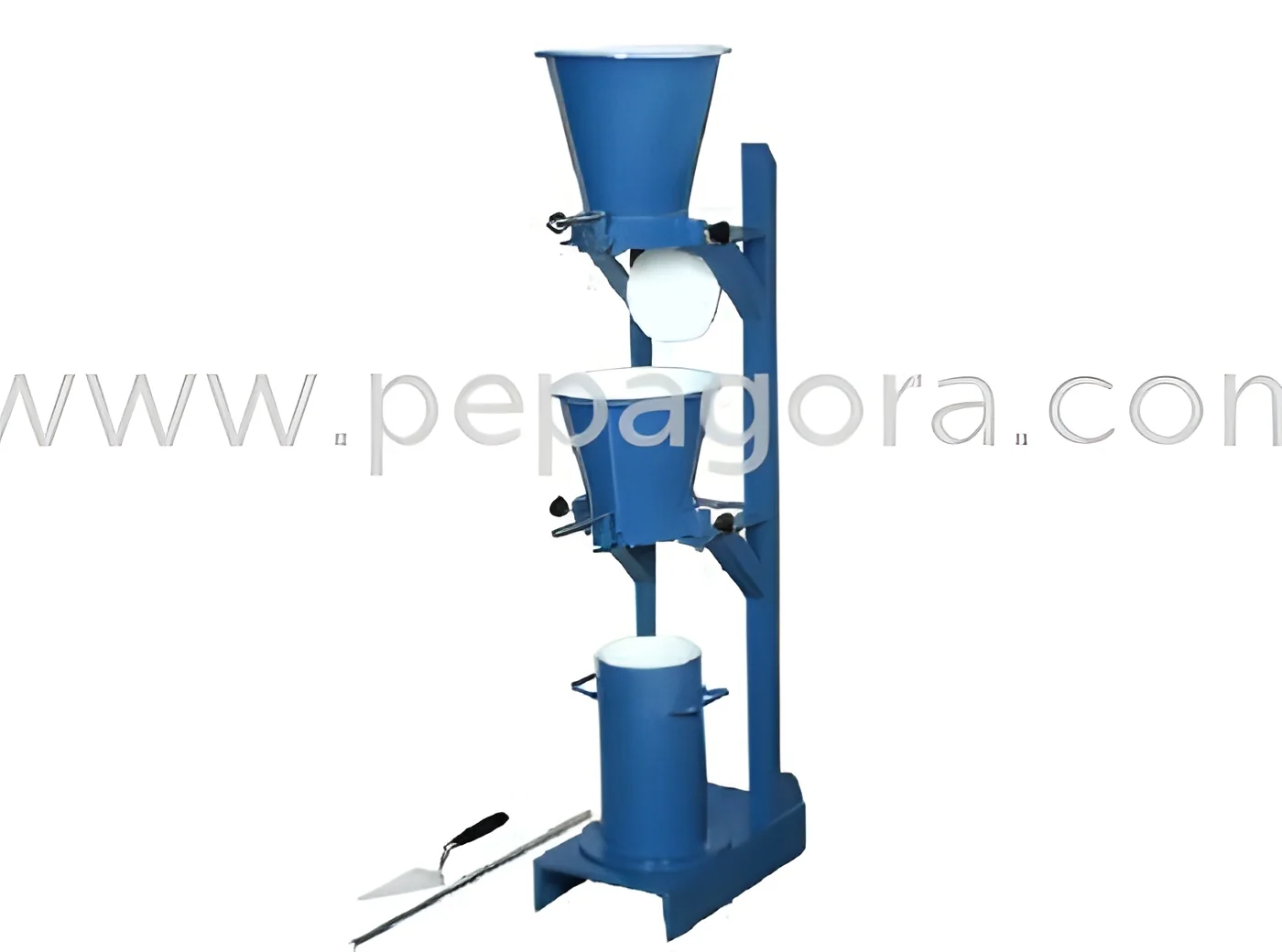
The Compaction Factor Apparatus is a precision engineering instrument designed to measure concrete workability by calculating the ratio between partially compacted and fully compacted concrete mass. This standardized test involves dropping a specific volume of concrete through two vertically aligned hoppers into a cylinder, then comparing its mass to that of fully compacted concrete achieved through proper compaction methods. Unlike simpler slump tests, it provides superior accuracy for medium to low workability mixes, making it essential for rigorous quality assurance in concrete production and application. The complete apparatus includes a rigid frame, two conical hoppers, cylinder, trowel, and tamping bar, ensuring immediate readiness for both field and laboratory testing environments without requiring additional components.

This testing apparatus serves multiple industries where concrete quality directly determines structural integrity and project success. Civil engineering firms ...
The Compaction Factor Apparatus is a precision engineering instrument designed to measure concrete workability by calculating the ratio between partially compacted and fully compacted concrete mass. This standardized test involves dropping a specific volume of concrete through two vertically aligned hoppers into a cylinder, then comparing its mass to that of fully compacted concrete achieved through proper compaction methods. Unlike simpler slump tests, it provides superior accuracy for medium to low workability mixes, making it essential for rigorous quality assurance in concrete production and application. The complete apparatus includes a rigid frame, two conical hoppers, cylinder, trowel, and tamping bar, ensuring immediate readiness for both field and laboratory testing environments without requiring additional components.

This testing apparatus serves multiple industries where concrete quality directly determines structural integrity and project success. Civil engineering firms utilize it for major infrastructure projects including bridges, dams, and high-rise buildings to verify mix designs before large-scale concrete pouring operations. Ready-mix concrete producers depend on it for batch consistency testing, while precast manufacturers ensure their products meet specified workability standards for various applications. Construction material testing laboratories, both private and government-operated, employ it for compliance certification with international standards. Educational institutions also incorporate it into civil engineering curricula to provide hands-on learning about concrete properties and quality control methodologies.

The business value of this apparatus lies in its ability to prevent costly construction failures and material wastage through accurate concrete workability assessment before application. Its reliability stems from robust construction and standardized testing methodology that ensures consistent results across different operators and environmental conditions. This instrument differentiates itself through superior accuracy compared to slump tests, particularly for stiff concrete mixes commonly used in modern construction. Investing in this testing equipment demonstrates commitment to quality assurance, reduces rework expenses, and enhances credibility with clients and regulatory bodies through verifiable compliance with industry standards and specifications.

Key Features:
- Rigid frame construction with vertically aligned conical hoppers for consistent concrete flow
- Complete testing kit including tamping bar and trowel for immediate operation
- Designed for accurate workability measurement per ASTM and IS standards
- Suitable for both laboratory and field testing environments
- Compatible with optional accessories including concrete scoop and weighing balance

Benefits:
- Prevents structural failures through accurate workability assessment
- Reduces material waste by ensuring proper concrete mix consistency
- Ensures compliance with international testing standards and specifications
- Provides reliable results across different operators and environments
- Supports quality assurance programs in concrete production and construction
Specifications
| Additional Information | |
|---|---|
| Country of Origin | India |
Application
The Compaction Factor Apparatus delivers precise concrete workability measurements critical for construction material testing. Engineers and contractors rely on it to verify mix designs meet project specifications before pouring, reducing structural risks and material waste. This instrument is indispensable for quality assurance in concrete production and on-site application verification across various construction environments and testing scenarios.
Widely utilized in civil engineering projects, precast manufacturing, and ready-mix concrete plants, this apparatus ensures compliance with international standards like ASTM C138 and IS 1199. Its accuracy in determining compaction factor makes it preferred for critical infrastructure projects where concrete performance directly impacts structural longevity and safety. The robust design guarantees reliable results in both laboratory and field conditions.
- Quality control testing in ready-mix concrete batching plants
- Laboratory analysis for civil engineering and construction material research
- On-site concrete workability verification for bridges, dams, and high-rise buildings
- Educational and training purposes in engineering colleges and technical institutes
- Compliance testing for infrastructure projects adhering to ASTM C138 or IS 1199 standards
Trade Details
| Available Stock | In Stock |
| Sample Availability | No |
Payment Terms
| Payment Terms |
|
Company Profile
Scientific &Technological Equipment Corp, New Delhi
 New Delhi, India
New Delhi, IndiaIndustrial Equipment & Machinery•Manufacturer•Distributor / Wholesaler•Importer / Exporter
Factory Details
Factory SizeBelow 1000 sqm
Annual Production Capacity0
Concrete Testing Compaction Factor Apparatus for Workability Measurement
Concrete Testing Compaction Factor Apparatus precisely measures workability by comparing partially and fully compacted concrete mass. Essential for construction quality control, civil engineering labs, and compliance with ASTM/IS standards.
Min. Order Quantity: 1 unit
Shipping
Shipping fee and delivery date to be negotiated. Contact supplier now for more details.
Scientific &Technological Equipment Corp
 New Delhi, India
New Delhi, IndiaIndustrial Equipment & MachineryManufacturer