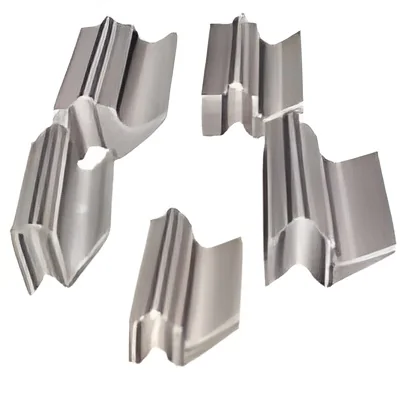
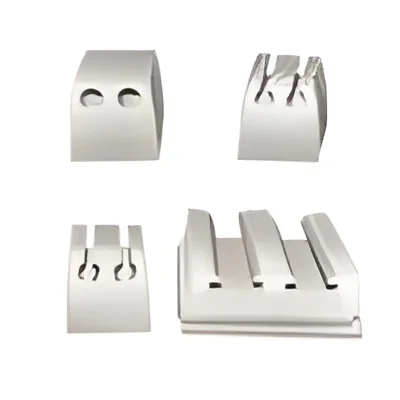
What are Interlocking Bricks?
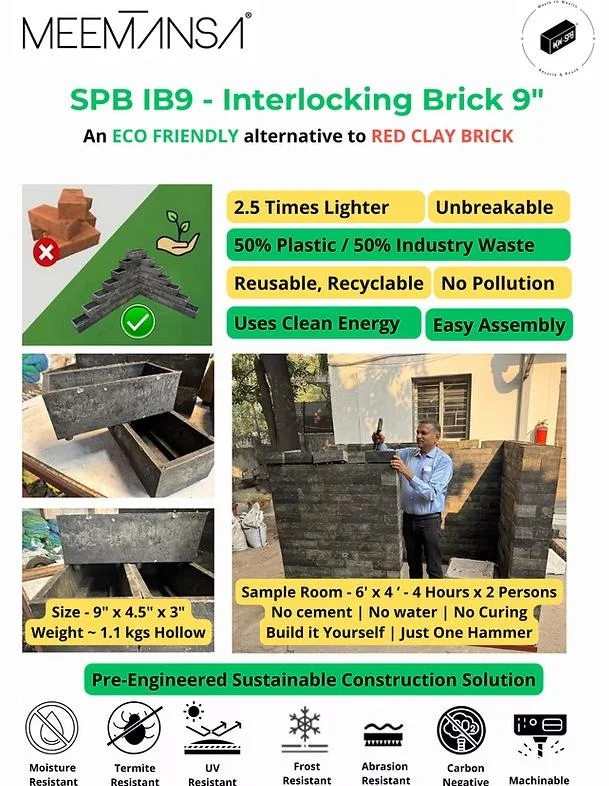
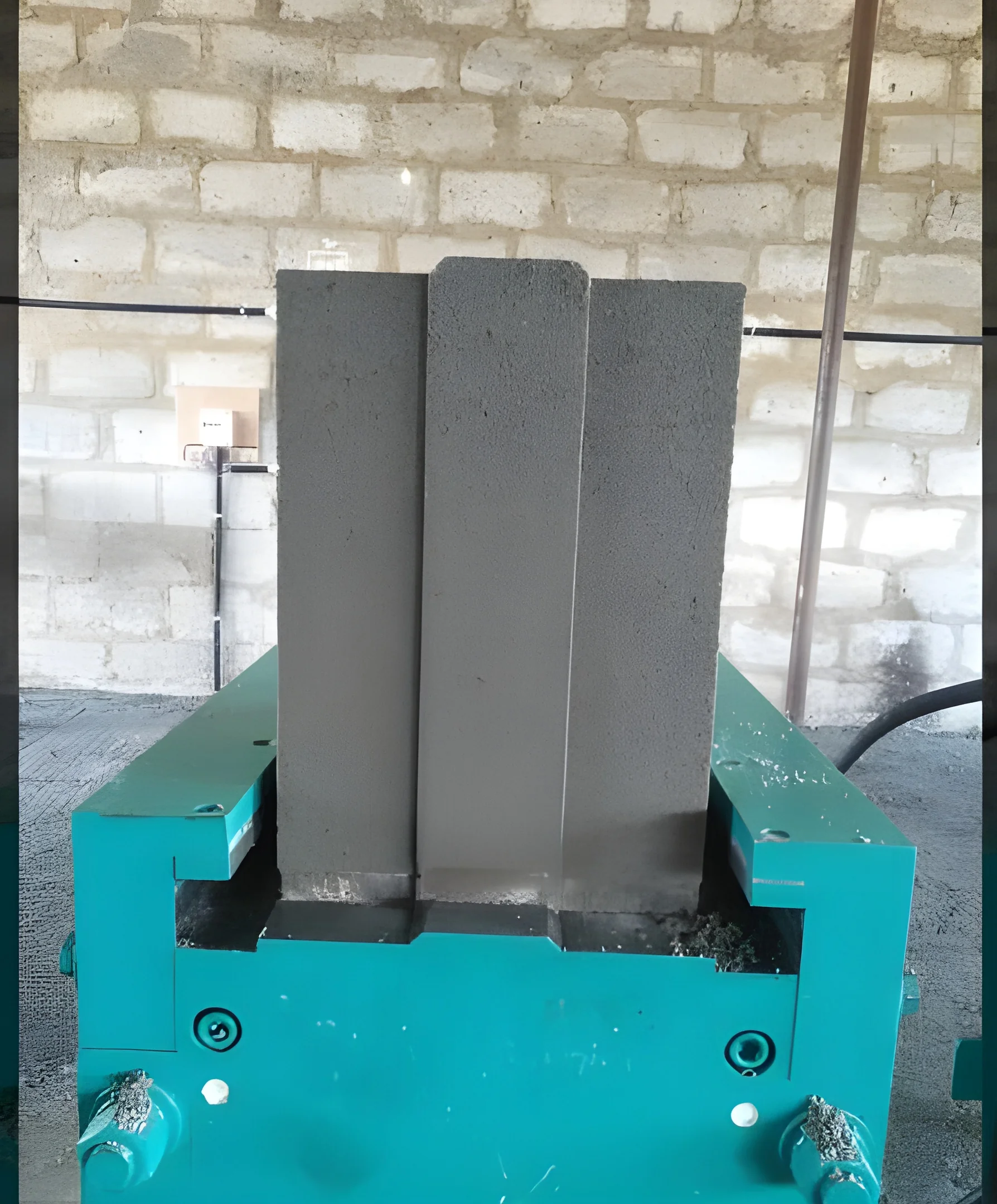
Interlocking bricks are a type of construction material designed to fit together seamlessly without the need for mortar. These bricks feature a unique design that allows them to lock into place when stacked, creating a stable and durable structure. Made from various materials such as concrete or clay, interlocking bricks are engineered to provide strength and insulation. Their interlocking mechanism not only enhances the structural integrity of walls but also simplifies the building process, reducing the need for skilled labor.
These bricks are primarily used in construction projects ranging from residential buildings to commercial structures. They are particularly popular in regions facing labor shortages, as the ease of installation allows for quicker project completion. Additionally, interlocking bricks find applications in landscaping, retaining walls, and even in disaster relief housing due to their speed of assembly and durability. The market for interlocking bricks is growing, driven by the increasing demand for sustainable and cost-effective building solutions.
Key Features and Specifications
Interlocking bricks offer several features that make them an attractive option for construction projects. Their design allows for quick assembly, reducing labor costs and construction time. Additionally, they provide excellent thermal insulation, contributing to energy efficiency in buildings.
Key specifications include:
1. Material Composition
- Typically made from concrete or stabilized soil
- Can include additives for enhanced strength
2. Dimensions
- Common sizes include 200mm x 150mm x 100mm
- Custom sizes may be available depending on supplier
3. Weight
- Average weight is around 3-4 kg per brick
- Weight varies with material and design
4. Strength Rating
- Compressive strength typically ranges from 2.5 MPa to 7.0 MPa
- Suitable for load-bearing applications
5. Water Absorption
- Standard absorption rate is about 10-15%
- Important for durability in various climates
6. Thermal Conductivity
- Typically ranges from 0.5 to 1.0 W/mK
- Affects energy efficiency in buildings
7. Fire Resistance
- Generally offers good fire resistance
- Specific ratings depend on material used
8. Sustainability
- Often made from recycled materials
- Contributes to LEED certification for green buildings
In summary, interlocking bricks combine structural integrity with ease of use, making them a versatile choice for modern construction.
Common Applications and Use Cases
Interlocking bricks serve a wide variety of industries and applications, showcasing their flexibility and effectiveness.
1. Residential Construction: Interlocking bricks are used for building homes, providing a quick and cost-effective solution for walls and foundations.
2. Commercial Buildings: These bricks are ideal for commercial structures, allowing for rapid construction while ensuring durability and energy efficiency.
3. Landscaping: Interlocking bricks are often used in landscaping projects, such as garden walls and pathways, enhancing aesthetic appeal while providing functionality.
4. Disaster Relief Housing: Due to their quick assembly, interlocking bricks are increasingly utilized in emergency housing solutions after natural disasters.
5. Retaining Walls: They are commonly used to create retaining walls, effectively managing soil erosion and creating level surfaces on slopes.
6. Eco-Friendly Projects: Many green building initiatives utilize interlocking bricks for their sustainable materials and efficient construction methods.
7. Educational Institutions: Schools and universities are increasingly adopting interlocking bricks for new facilities, benefiting from their cost-effectiveness and durability.
Product Variants and Subcategories
Interlocking bricks come in various forms to suit different construction needs and preferences.
Stabilized Soil Interlocking Bricks: These bricks are made using a mix of soil and cement, providing an eco-friendly option for building. They are lightweight and suitable for low-cost housing projects.
Concrete Interlocking Bricks: Made from high-strength concrete, these bricks offer superior durability and are ideal for commercial applications. They can withstand harsh weather conditions, making them suitable for outdoor use.
Benefits and Advantages
The use of interlocking bricks presents numerous benefits that appeal to both builders and end-users.
1. Cost Efficiency: Interlocking bricks reduce labor costs and construction time, leading to significant savings on projects.
2. Durability: These bricks are designed to withstand various environmental conditions, ensuring long-lasting structures.
3. Energy Efficiency: Their thermal insulation properties contribute to lower energy bills, making buildings more sustainable.
4. Reduced Waste: The manufacturing process often utilizes recycled materials, promoting an eco-friendly approach to construction.
5. Flexibility in Design: Interlocking bricks can be used in various architectural styles, providing versatility for designers and architects.
6. Quick Installation: The interlocking design allows for faster assembly, which is crucial in time-sensitive projects.
Buying Guide for B2B Buyers
When sourcing interlocking bricks for construction projects, several key factors should be considered to ensure the best choice.
1. Quality Assessment: Evaluate the quality of the bricks by reviewing material composition and strength ratings. Check for certifications that indicate compliance with industry standards.
2. Supplier Verification: It is essential to vet suppliers for reliability and quality assurance. Look for reviews, references, and past project examples to ensure they meet your requirements.
3. Pricing and MOQ: Understand the pricing structures and minimum order quantities (MOQ) to align with your budget and project scale.
4. Delivery and Lead Times: Consider logistics when sourcing bricks. Confirm delivery times and shipping options to avoid delays in your project schedule.
5. Compliance Requirements: Ensure that the interlocking bricks meet local building codes and regulations. Familiarize yourself with compliance requirements relevant to your region.
Compliance and Certifications
Interlocking bricks must meet specific quality and safety standards to ensure their effectiveness and reliability in construction.
Relevant quality standards include ISO 9001, which ensures consistent quality management systems. This certification guarantees that manufacturers adhere to strict quality control measures throughout the production process.
Industry certifications such as CE indicate compliance with European safety standards. This certification is crucial for products entering the European market, ensuring they meet essential health, safety, and environmental protection requirements.
Safety and testing requirements are also critical. Interlocking bricks should undergo rigorous testing for strength, durability, and fire resistance to ensure they can withstand various environmental conditions.
Regional compliance considerations may vary, so buyers should be aware of local regulations that affect the use of interlocking bricks in construction.
Why Source Interlocking Bricks from Pepagora?
Pepagora offers a reliable platform for sourcing interlocking bricks, providing several advantages for B2B buyers.
Verified Supplier Network: Pepagora connects buyers with a network of verified suppliers. This ensures that all suppliers meet quality and reliability standards, providing peace of mind when making purchasing decisions.
Streamlined RFQ Process: The platform simplifies the request for quotation (RFQ) process, allowing buyers to obtain competitive pricing quickly and efficiently. This saves time and enhances the procurement experience.
Trade Assurance and Support: Pepagora provides buyer protection through trade assurance, ensuring that transactions are secure. This support fosters a trustworthy environment for sourcing construction materials.
Regional Coverage: With a strong presence in India, the GCC, and Southeast Asia, Pepagora has a broad geographic reach, making it easier for buyers to find suitable suppliers in their region. This regional coverage supports local construction needs while facilitating global trade.

 IN
IN