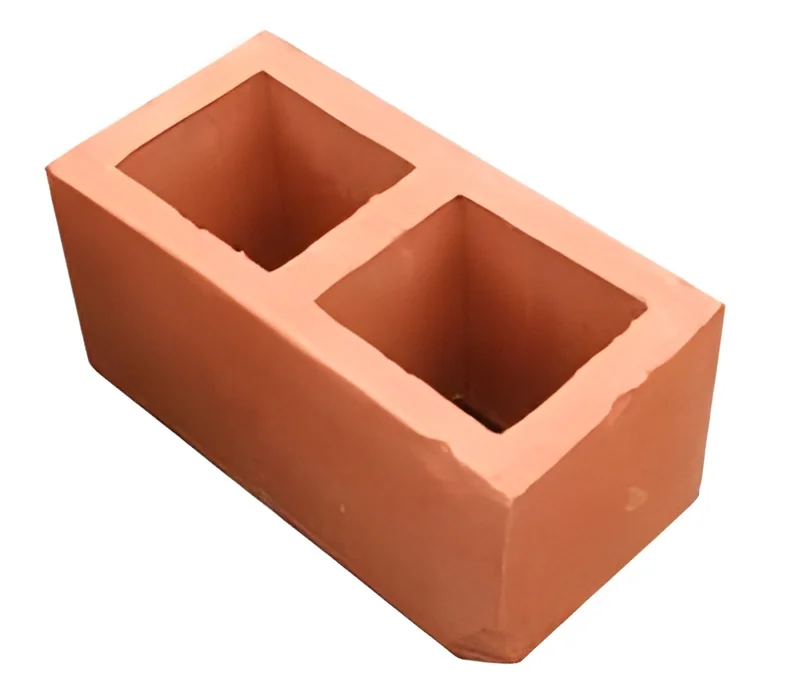
What are Cement Bricks?
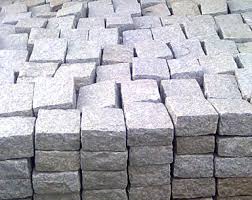
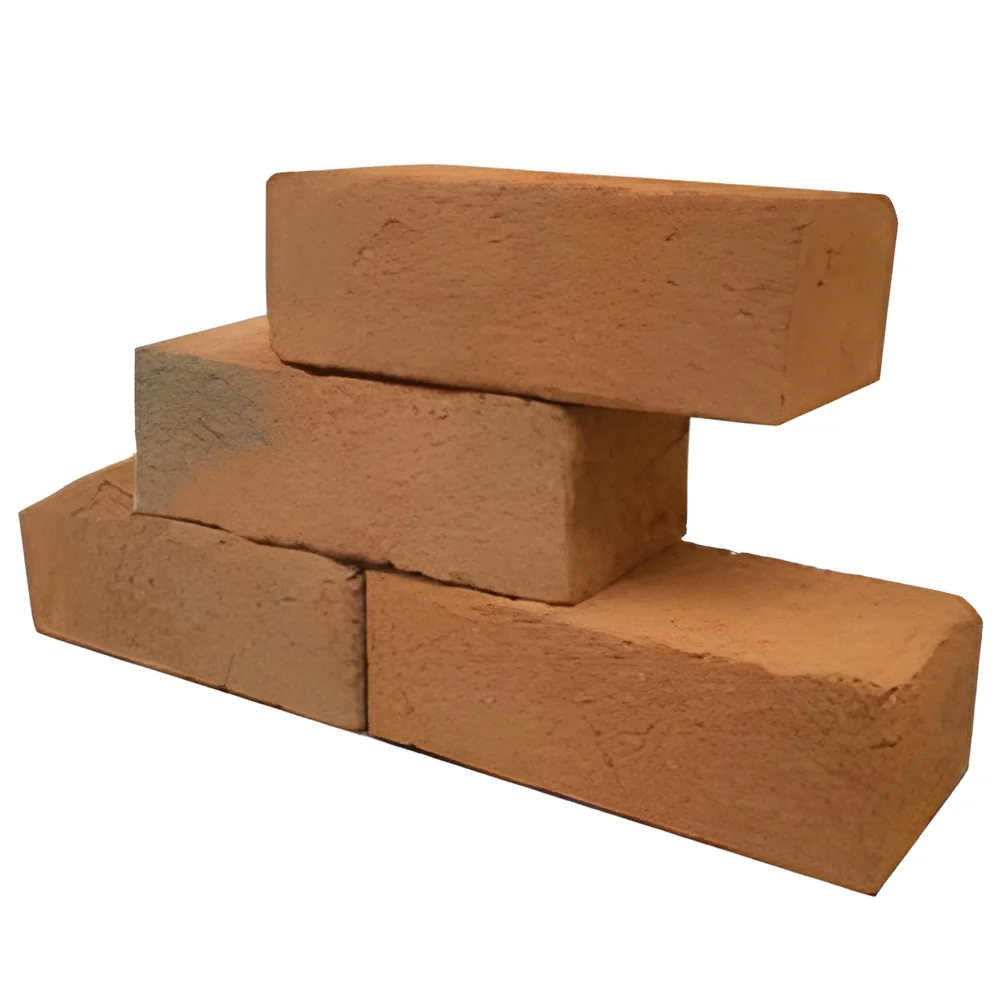
Cement bricks, also known as concrete bricks, are building materials made from a mixture of cement, aggregates, and water. These bricks are formed into a rectangular shape and cured to achieve their strength and durability. Unlike traditional clay bricks, cement bricks are manufactured using a process that involves hydraulic pressing, which enhances their density and load-bearing capacity.
Cement bricks are primarily used in construction and masonry applications. They serve as fundamental building blocks for walls, pavements, and other structures. Their robust nature allows for effective insulation against weather elements and sound, making them suitable for residential, commercial, and industrial buildings. The growing preference for sustainable construction practices has further increased the demand for cement bricks, as they can be produced using recycled materials and contribute to energy-efficient building designs.
In the current market context, cement bricks represent a significant segment within the construction industry. The rising urbanization and infrastructure development in various regions have led to increased investments in building projects, further driving the demand for durable and cost-effective construction materials like cement bricks. As builders and architects prioritize quality and sustainability, cement bricks continue to gain relevance in modern construction practices.
Key Features and Specifications
Cement bricks are engineered for strength, durability, and versatility. Their design allows them to meet various construction needs while adhering to quality standards. Below are some key specifications that are essential for understanding cement bricks.
Key specifications include:
1. Compressive Strength
- Generally ranges from 3.5 to 7.5 MPa
- Indicates the load-bearing capacity of the bricks
2. Water Absorption
- Typically less than 10%
- Essential for assessing durability and moisture resistance
3. Dimensions
- Common sizes include 400mm x 200mm x 200mm
- Standardized dimensions ensure uniformity in construction
4. Density
- Ranges from 1,800 to 2,200 kg/m3
- Affects the thermal and acoustic insulation properties
5. Fire Resistance
- Non-combustible material with fire ratings per local standards
- Important for safety and compliance in building codes
6. Environmental Impact
- Can be produced using recycled materials
- Contributes to sustainable construction efforts
7. Color Options
- Available in natural gray and can be colored with pigments
- Offers aesthetic versatility for various architectural styles
8. Curing Process
- Cured using steam or water for optimal strength development
- Affects the overall quality and longevity of the bricks
Cement bricks are engineered to meet industry standards, ensuring that they provide reliable performance in various construction applications.
Common Applications and Use Cases
Cement bricks are widely used across multiple industries, thanks to their strength and versatility.
1. Construction: Cement bricks are the backbone of residential and commercial buildings, providing structural integrity and durability.
2. Infrastructure: They are used in road construction and paving, offering a solid surface ideal for high-traffic areas.
3. Landscaping: Cement bricks serve as retaining walls and decorative elements in gardens and parks.
4. Industrial: Factories and warehouses utilize cement bricks for partitions and structural walls due to their robustness.
5. Public Projects: Schools, hospitals, and government buildings often incorporate cement bricks for their reliability and fire resistance.
6. Green Building: Many eco-friendly constructions favor cement bricks as they can be made from recycled materials, aligning with sustainability goals.
7. Soundproofing: Their density allows for effective sound insulation, making them suitable for noise-sensitive environments.
Product Variants and Subcategories
Cement bricks come in various forms to meet different construction needs. Although specific subcategories are not available, the following variants showcase the diversity of cement bricks.
Standard Cement Bricks
These are the most common variant, used in general construction and masonry. They provide excellent durability and strength for wall structures.
Hollow Cement Bricks
These bricks have voids that decrease their weight and improve insulation properties. Ideal for applications requiring thermal efficiency.
Solid Cement Bricks
Solid bricks are denser and offer higher compressive strength. They are typically used in load-bearing walls.
Perforated Cement Bricks
These bricks feature holes that enhance their bonding with mortar and reduce weight, making them suitable for various building applications.
Benefits and Advantages
Cement bricks offer numerous advantages that make them a preferred choice in construction.
Key benefits include:
1. Durability: Cement bricks are highly durable and resistant to weathering, ensuring long-lasting performance.
2. Cost-Effectiveness: Their production process allows for lower costs compared to traditional bricks, making them budget-friendly.
3. Environmental Sustainability: They can be manufactured using recycled materials, supporting green building initiatives.
4. Fire Resistance: Cement bricks do not burn, providing an added layer of safety in construction.
5. Energy Efficiency: Their thermal mass properties help regulate indoor temperatures, reducing energy consumption for heating or cooling.
6. Easy Installation: The uniform shape and size of cement bricks facilitate quick and efficient construction.
Buying Guide for B2B Buyers
When sourcing cement bricks, several key factors should be considered to ensure you make informed purchasing decisions.
1. Quality Assessment: Evaluate the compressive strength and water absorption rates to ensure the bricks meet industry standards.
2. Supplier Verification: Research and verify suppliers to ensure they have a good track record and adhere to quality controls.
3. Pricing and MOQ: Understand the pricing structure and minimum order quantities to align with your project budget and requirements.
4. Delivery and Lead Times: Discuss delivery schedules and lead times with suppliers to ensure timely project completion.
5. Compliance Requirements: Ensure that the cement bricks comply with local building codes and safety standards to avoid regulatory issues.
Compliance and Certifications
Cement bricks must adhere to various quality standards and certifications to ensure their reliability in construction.
The ISO 9001 standard emphasizes quality management systems, ensuring that manufacturers of cement bricks maintain high production standards.
The CE marking indicates that the bricks comply with European safety, health, and environmental protection standards.
Additionally, cement bricks must meet safety and testing requirements relevant to fire resistance and structural integrity.
Regional compliance may vary, so it is crucial to understand local regulations and standards when sourcing cement bricks for construction projects.
Why Source Cement Bricks from Pepagora?
Pepagora provides a trusted platform for sourcing cement bricks, offering several key advantages that benefit B2B buyers.
Verified Supplier Network: Pepagora ensures that all suppliers undergo rigorous vetting, guaranteeing quality and reliability in sourcing cement bricks.
Streamlined RFQ Process: The request for quotation process is designed to be simple and efficient, allowing buyers to receive multiple quotes quickly for informed decision-making.
Trade Assurance and Support: Pepagora offers trade assurance, providing buyers with protection against potential risks and ensuring a smooth purchasing experience.
Regional Coverage: With a wide geographic reach, including India, the GCC, and Southeast Asia, Pepagora connects buyers with local suppliers to meet their cement brick needs effectively.

 IN
IN