IN
IN₹
Apparel & Fashion
Description
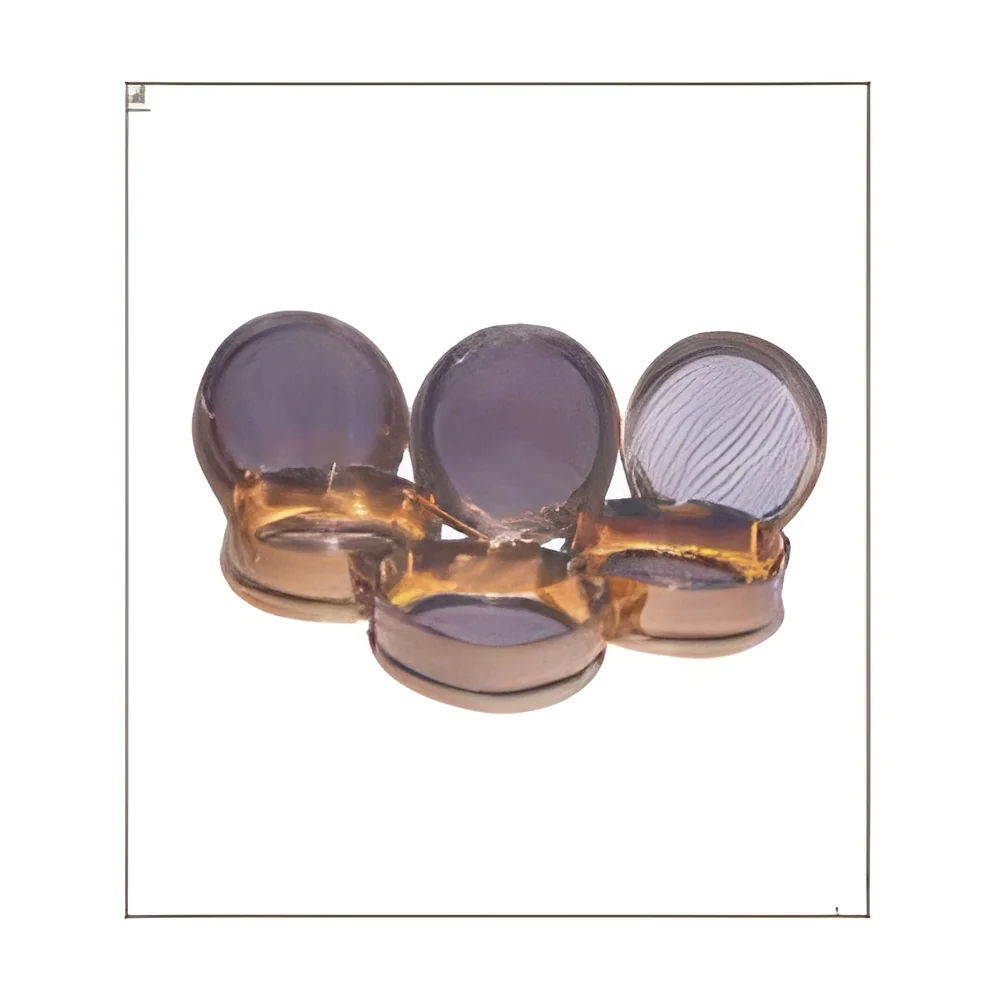
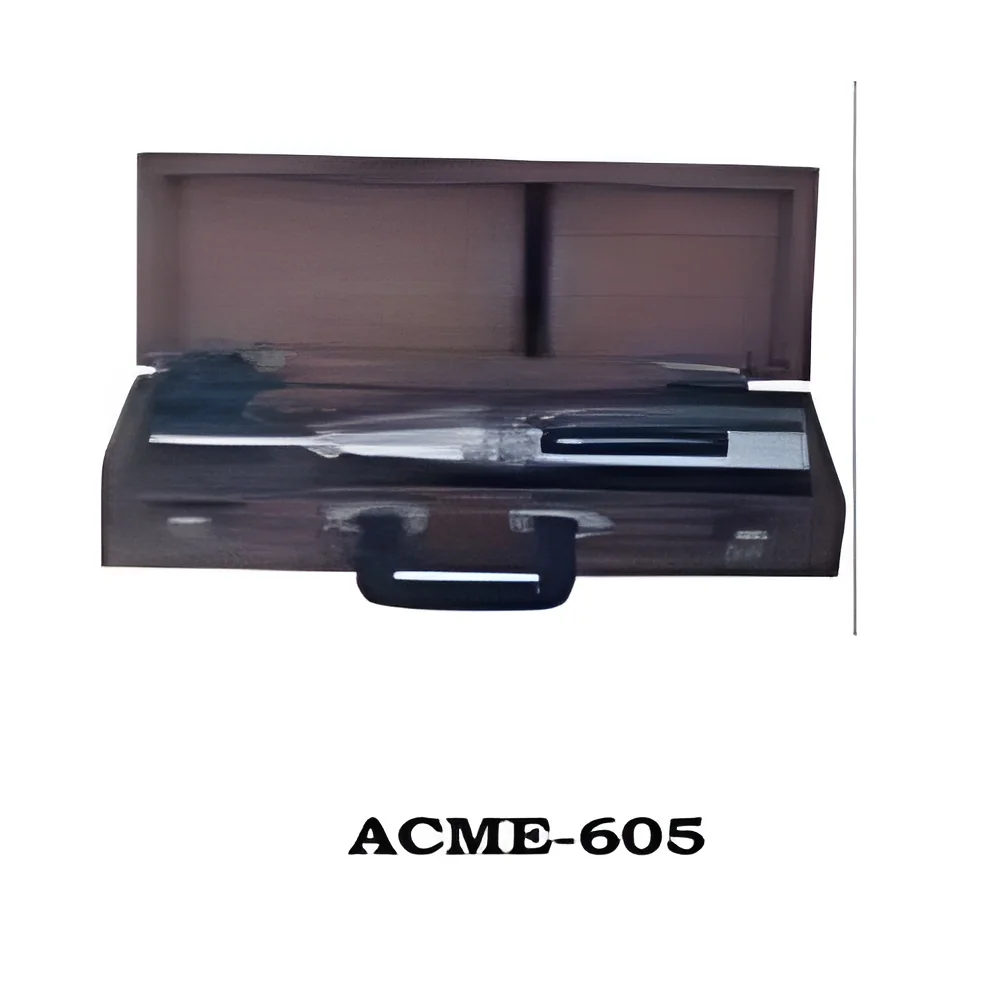
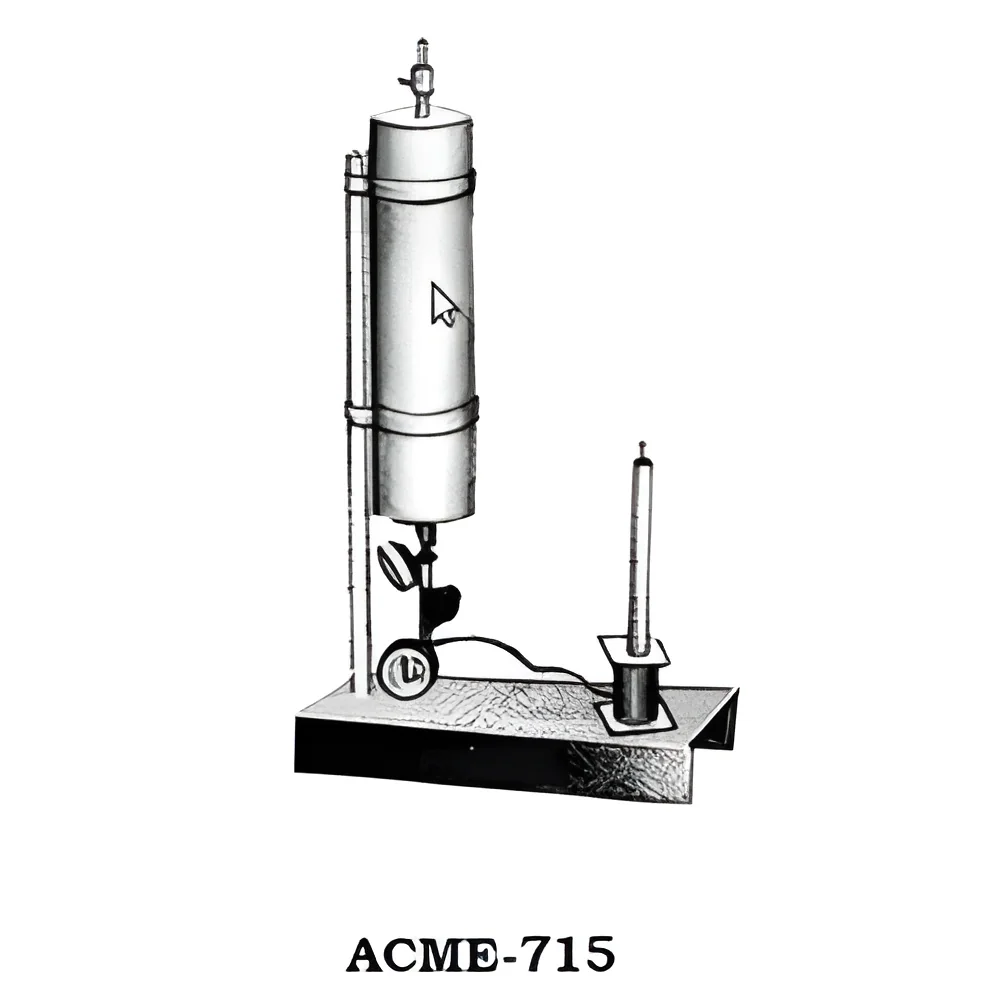
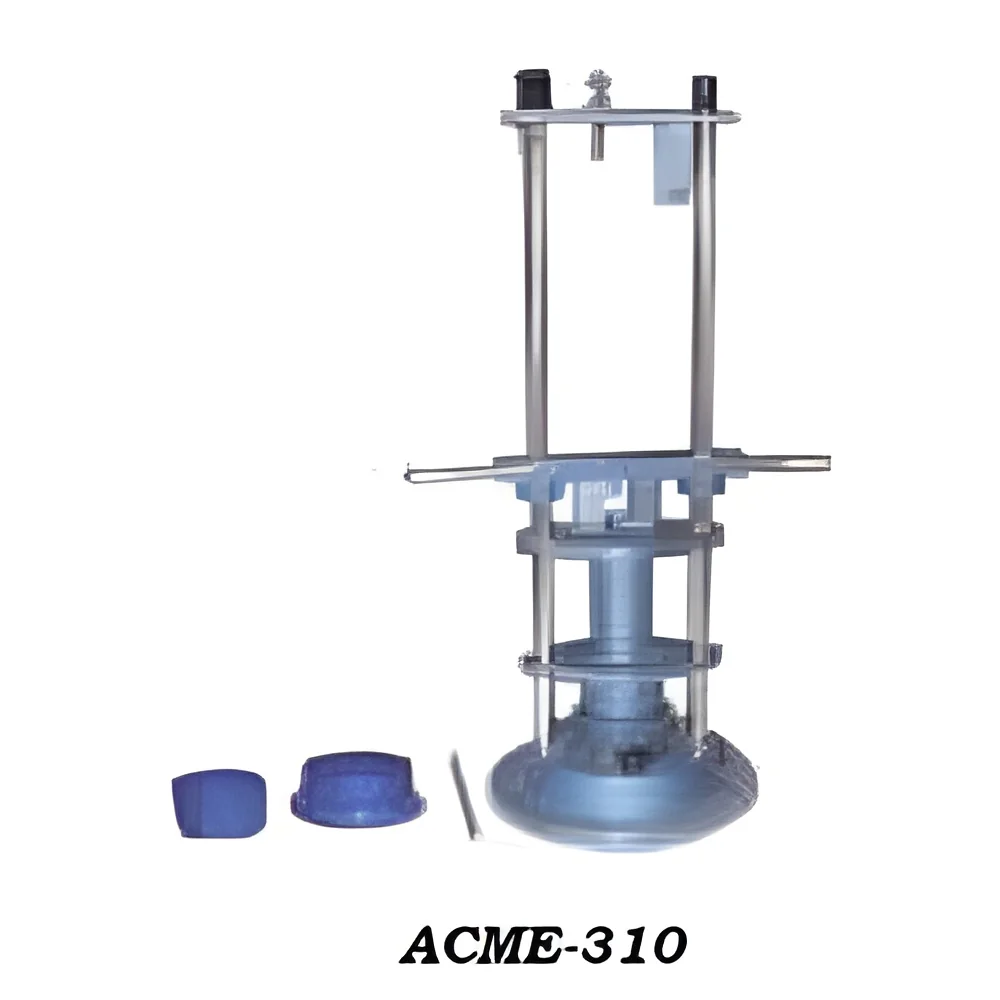
Concrete testing lab capping sets are precision-engineered systems designed to prepare concrete cylinder specimens for accurate compressive strength testing. These specialized tools apply capping compounds to create perfectly flat, parallel end surfaces on test specimens, eliminating irregularities that could distort test results. The process involves using either sulfur-based or gypsum-based capping materials in conjunction with a capping machine to ensure uniform surface preparation. This equipment is essential for laboratories and field testing operations that must adhere to strict international standards including ASTM C617, ASTM C1231, and IS 516. Proper capping ensures that compressive forces are distributed evenly during testing, providing reliable data that engineers and construction professionals depend on for structural integrity assessments and quality verification.

The construction materials testing industry relies heavily on capping sets across multiple sectors including ...
Concrete testing lab capping sets are precision-engineered systems designed to prepare concrete cylinder specimens for accurate compressive strength testing. These specialized tools apply capping compounds to create perfectly flat, parallel end surfaces on test specimens, eliminating irregularities that could distort test results. The process involves using either sulfur-based or gypsum-based capping materials in conjunction with a capping machine to ensure uniform surface preparation. This equipment is essential for laboratories and field testing operations that must adhere to strict international standards including ASTM C617, ASTM C1231, and IS 516. Proper capping ensures that compressive forces are distributed evenly during testing, providing reliable data that engineers and construction professionals depend on for structural integrity assessments and quality verification.

The construction materials testing industry relies heavily on capping sets across multiple sectors including ready-mix concrete production, civil engineering projects, and research institutions. These systems are fundamental in quality control laboratories at concrete batching plants, where they verify mixture compliance before shipment to construction sites. Engineering firms use capping equipment for structural assessment projects on bridges, dams, and high-rise buildings. Government transportation departments utilize these systems for highway and infrastructure projects, while educational institutions incorporate them into civil engineering curricula. The mining industry also employs capping sets for testing concrete supports in underground operations, demonstrating their cross-industry importance in materials verification and structural safety compliance.

Investing in quality capping equipment delivers significant business value through improved testing accuracy and regulatory compliance. Reliable capping systems reduce testing variability, which minimizes the risk of false results that could lead to costly construction delays or safety issues. These systems enhance laboratory efficiency by streamlining the specimen preparation process and reducing retest rates. The durability of professional-grade capping equipment ensures long-term operational consistency with minimal maintenance requirements. Businesses benefit from the confidence that comes with using equipment that meets international standards, providing assurance to clients and regulatory bodies that test results are accurate and trustworthy for critical construction decisions.

Key Features:
- Precision-engineered capping machines for uniform surface preparation
- Compatibility with both sulfur and gypsum-based capping compounds
- Robust construction suitable for laboratory and field environments
- Compliance with ASTM C617, ASTM C1231, and IS 516 standards
- Adjustable settings for different specimen sizes and compound types

Benefits:
- Ensures accurate and reliable compressive strength test results
- Maintains compliance with international testing standards and protocols
- Reduces testing variability and minimizes retest requirements
- Enhances laboratory efficiency with streamlined specimen preparation
- Provides long-term operational consistency with minimal maintenance
Specifications
| Additional Information | |
|---|---|
| Country of Origin | India |
Application
Capping sets are essential in construction materials testing laboratories where precise compressive strength measurements are critical. These systems create perfectly flat surfaces on concrete cylinder ends using specialized capping compounds, ensuring reliable test results that meet ASTM C617 and IS 516 standards. Proper capping eliminates surface irregularities that could compromise data integrity during compression testing, making them indispensable for quality assurance in construction projects.
These versatile systems serve both field testing and laboratory environments, providing consistent performance across various concrete sample types including cylinders and cores. The equipment's reliability makes it suitable for quality control in ready-mix concrete plants, research institutions, and construction sites where compliance with international testing protocols is mandatory for structural safety and project specifications. Real-world applications:
- Quality control testing in ready-mix concrete production facilities
- Compliance verification for bridge and highway construction projects
- Research and development in construction materials laboratories
- Structural integrity assessment in building construction sites
- Educational training in civil engineering institutions
Trade Details
| Available Stock | In Stock |
| Sample Availability | No |
Payment Terms
| Payment Terms |
|
Company Profile

ACME Scientific International, New Delhi
 New Delhi, India
New Delhi, IndiaManufacturer•Distributor / Wholesaler•Importer / Exporter
Factory Details
Factory SizeBelow 1000 sqm
Annual Production Capacity0
Concrete Testing Lab Capping Sets For ASTM IS Standards
Professional concrete testing lab capping sets ensure accurate compressive strength results with perfectly flat cylinder ends. Essential equipment for ASTM and IS standards compliance in construction materials testing laboratories.
Min. Order Quantity: 1 unit
Shipping
Shipping fee and delivery date to be negotiated. Contact supplier now for more details.
ACME Scientific International
 New Delhi, India
New Delhi, IndiaManufacturer