IN
IN₹
Apparel & Fashion
Description
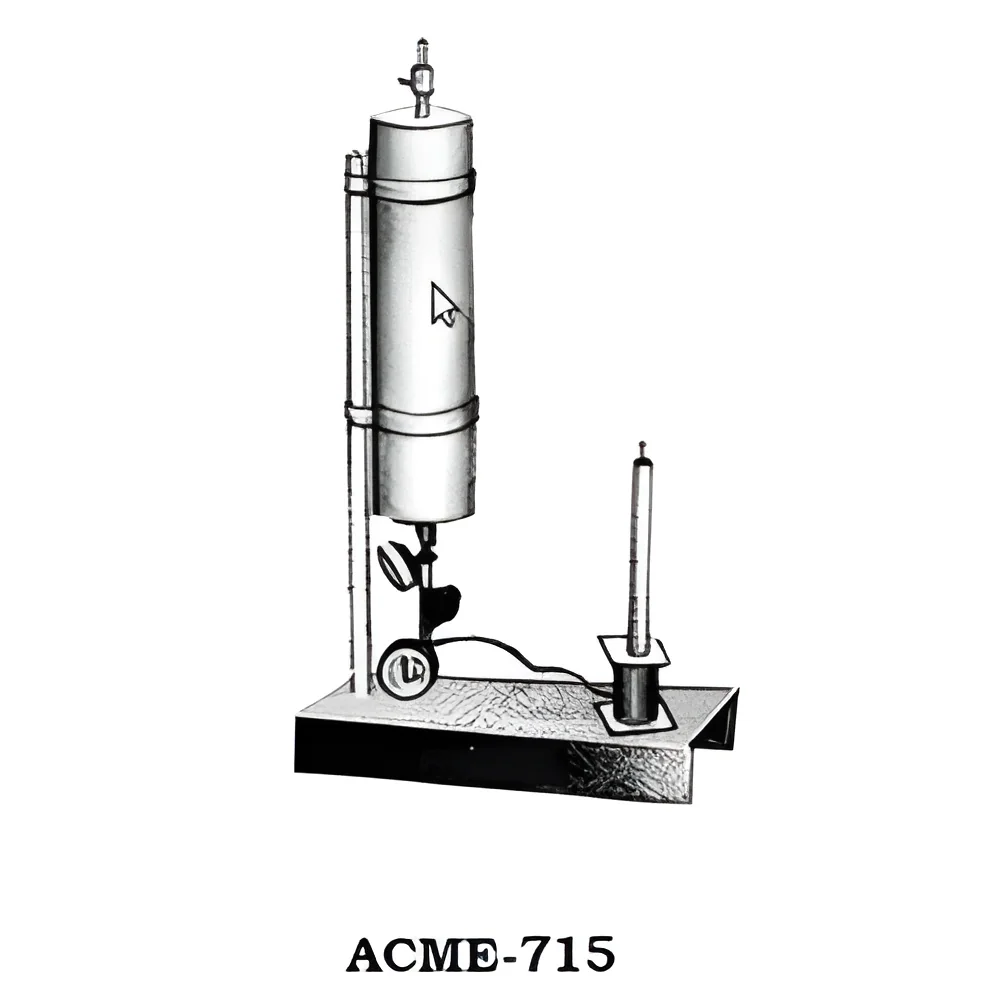
The Deval Attrition Tester is a robust laboratory instrument designed to determine the resistance of aggregates and granular materials to wear and degradation. It operates by subjecting a prepared sample to controlled abrasion and impact within a rotating drum, simulating harsh real-world conditions. The resulting attrition loss value is a key metric for assessing material quality and longevity. This reliable, standardized testing method delivers accurate, reproducible data essential for informed material selection and stringent quality assurance protocols.

This instrument is indispensable across industries where material performance is critical. In construction and civil engineering, it tests aggregates for concrete, asphalt, and road bases to ensure they meet specifications and withstand heavy loads. The mining sector uses it to evaluate the abrasive nature of ores and minerals. Manufacturers of ceramics, refractories, and railway ballast rely on the Deval tester to verify that thei...
The Deval Attrition Tester is a robust laboratory instrument designed to determine the resistance of aggregates and granular materials to wear and degradation. It operates by subjecting a prepared sample to controlled abrasion and impact within a rotating drum, simulating harsh real-world conditions. The resulting attrition loss value is a key metric for assessing material quality and longevity. This reliable, standardized testing method delivers accurate, reproducible data essential for informed material selection and stringent quality assurance protocols.

This instrument is indispensable across industries where material performance is critical. In construction and civil engineering, it tests aggregates for concrete, asphalt, and road bases to ensure they meet specifications and withstand heavy loads. The mining sector uses it to evaluate the abrasive nature of ores and minerals. Manufacturers of ceramics, refractories, and railway ballast rely on the Deval tester to verify that their products have the necessary mechanical strength and wear resistance for demanding applications, ensuring safety and preventing premature failure.

The business value of the Deval Attrition Tester lies in risk mitigation, cost reduction, and enhanced product reliability. By identifying inferior materials early, companies avoid expenses from structural failures, warranty claims, and project delays. Its proven reliability and compliance with international standards make it a trusted tool for quality control labs, providing clear evidence of product quality to clients and regulators. This investment in precise testing builds client trust, strengthens market reputation, and delivers a competitive edge for suppliers.

Key Features:
- Durable construction with a robust rotating drum for consistent long-term operation.
- Precision-engineered to meet standardized testing methods for accurate results.
- User-friendly operation with clear controls for efficient laboratory workflow.
- Low maintenance design using high-quality components for dependable performance.
- Standardized testing procedure ensuring reproducibility and compliance.

Benefits:
- Ensures material quality and durability for reliable project outcomes.
- Reduces risk of material failure and associated costs.
- Supports compliance with industry standards and specifications.
- Enhances client trust through verifiable quality data.
- Provides long-term operational reliability with minimal maintenance.
Specifications
| Additional Information | |
|---|---|
| Country of Origin | India |
Application
The Deval Attrition Tester is essential for evaluating how aggregates and industrial materials withstand wear during handling and use. It provides critical data on durability, helping businesses verify that materials meet strict performance standards before use in projects or manufacturing processes. This testing is fundamental for maintaining quality and preventing material failures in demanding operational environments.
Industries that depend on material integrity use this tester to ensure safety and avoid costly operational disruptions. It is vital for construction material suppliers, mining companies, and manufacturers who need to confirm their products can endure mechanical stress and abrasive conditions. The insights gained support proper material selection and consistent quality output for reliable project execution and client satisfaction.
- Quality control testing for construction aggregates like crushed stone, gravel, and sand in concrete and asphalt production.
- Assessing wear resistance of industrial minerals before they are processed and supplied to manufacturers.
- Evaluating abrasive properties of raw materials in mining and mineral extraction operations.
- Testing mechanical durability of ceramic raw materials and refractories for industrial manufacturing.
- Determining suitability of railway ballast materials to ensure long-term track stability and safety.
Trade Details
| Available Stock | In Stock |
| Sample Availability | No |
Payment Terms
| Payment Terms |
|
Company Profile
ACME Scientific International, New Delhi
 New Delhi, India
New Delhi, IndiaManufacturer•Distributor / Wholesaler•Importer / Exporter
Factory Details
Factory SizeBelow 1000 sqm
Annual Production Capacity0
Deval Attrition Tester for Aggregate Wear Resistance and Durability Testing
Deval Attrition Tester measures aggregate wear resistance and durability for construction, mining, and material testing industries with precision-engineered reliability and accurate results.
Min. Order Quantity: 1 unit
Shipping
Shipping fee and delivery date to be negotiated. Contact supplier now for more details.
ACME Scientific International
 New Delhi, India
New Delhi, IndiaManufacturer