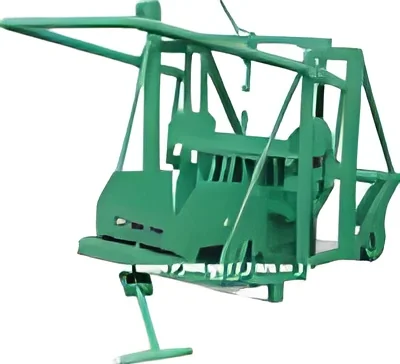
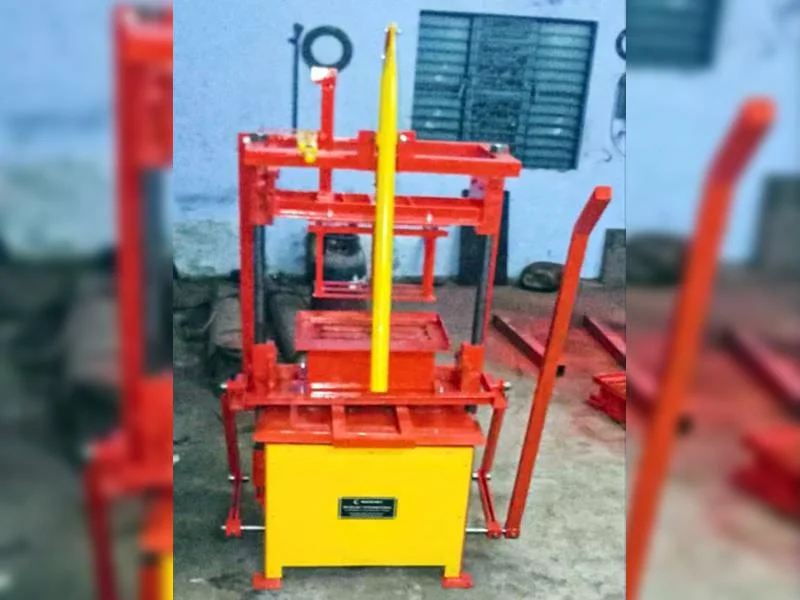
What are Block Making Machine Manufacturers?
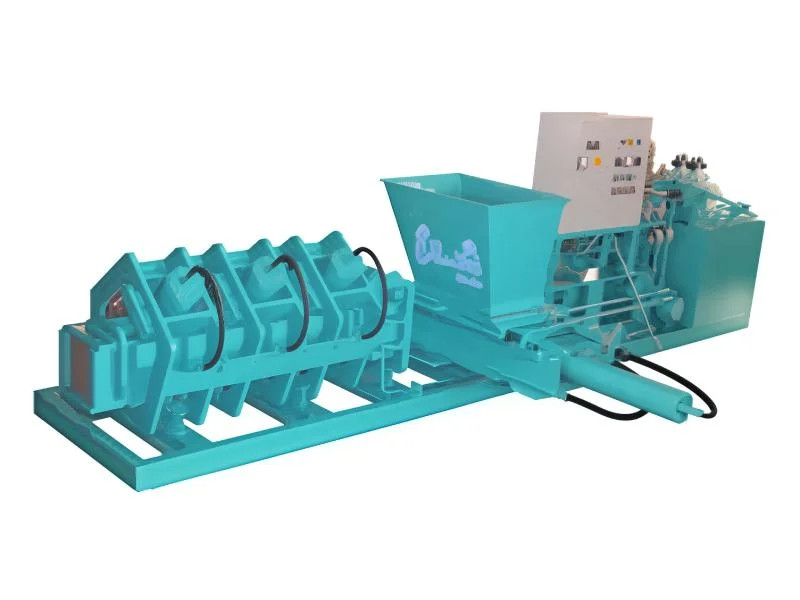
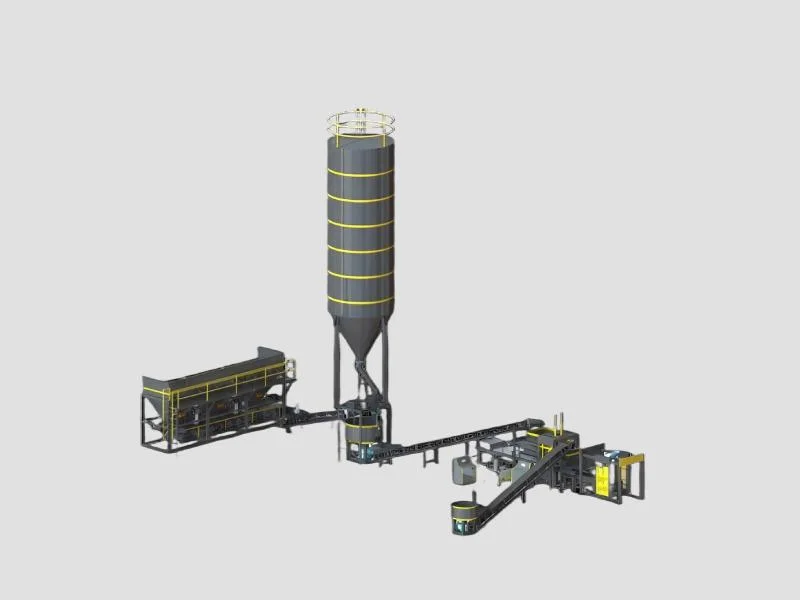
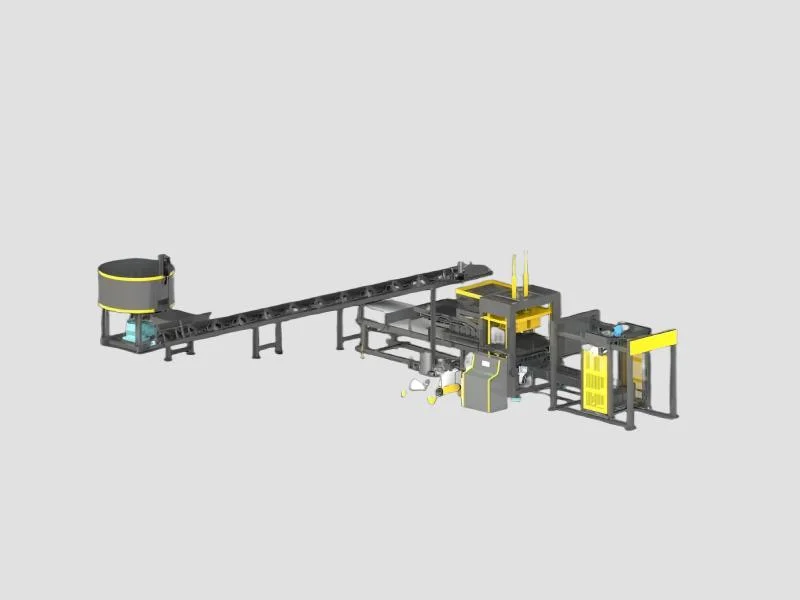
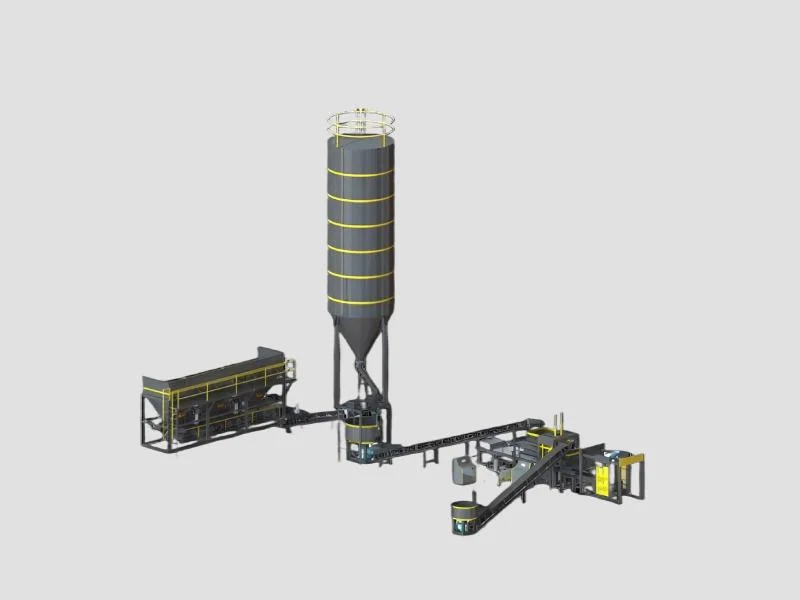
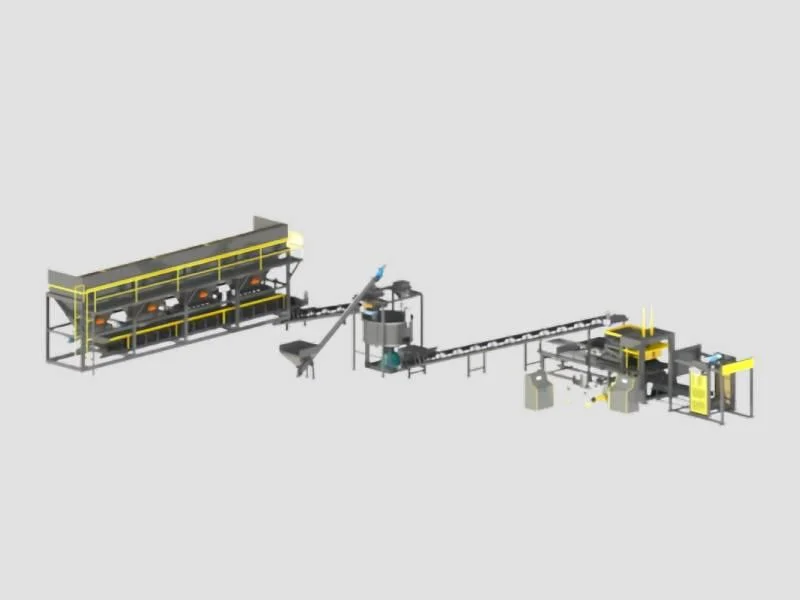
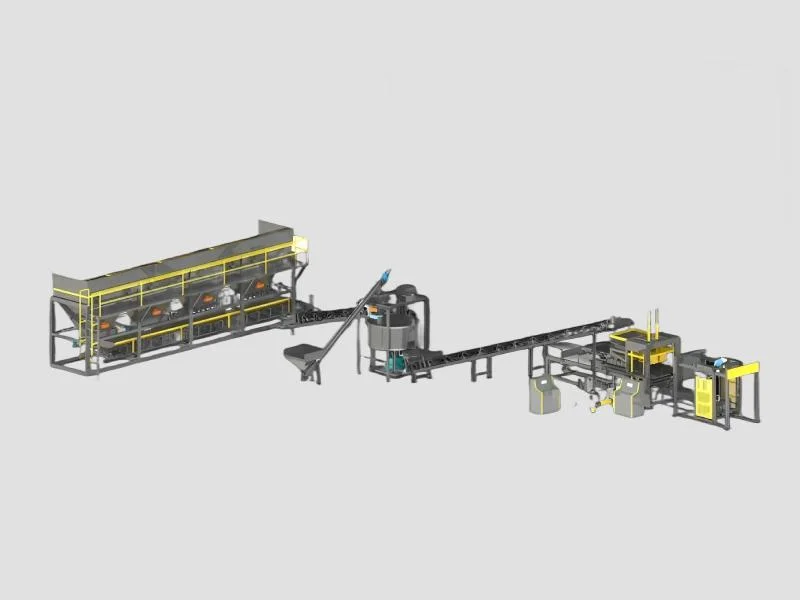
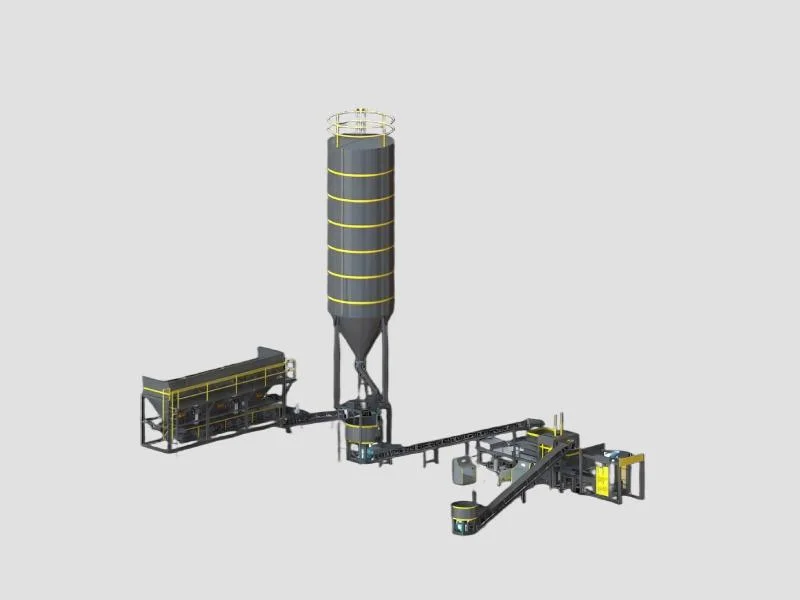
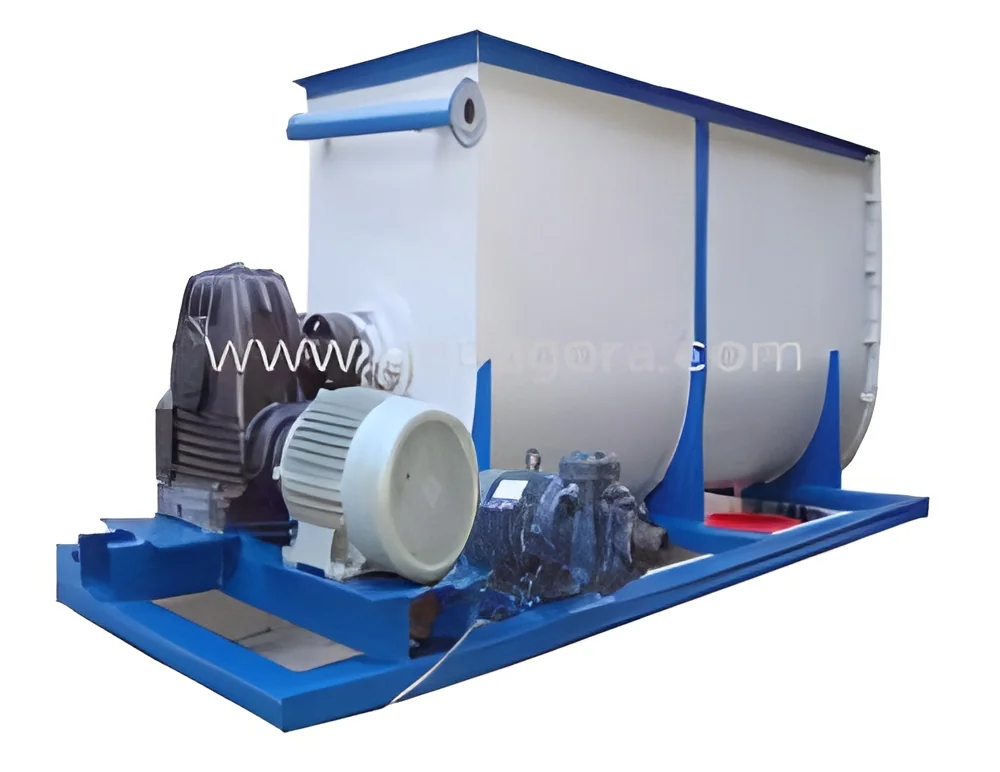
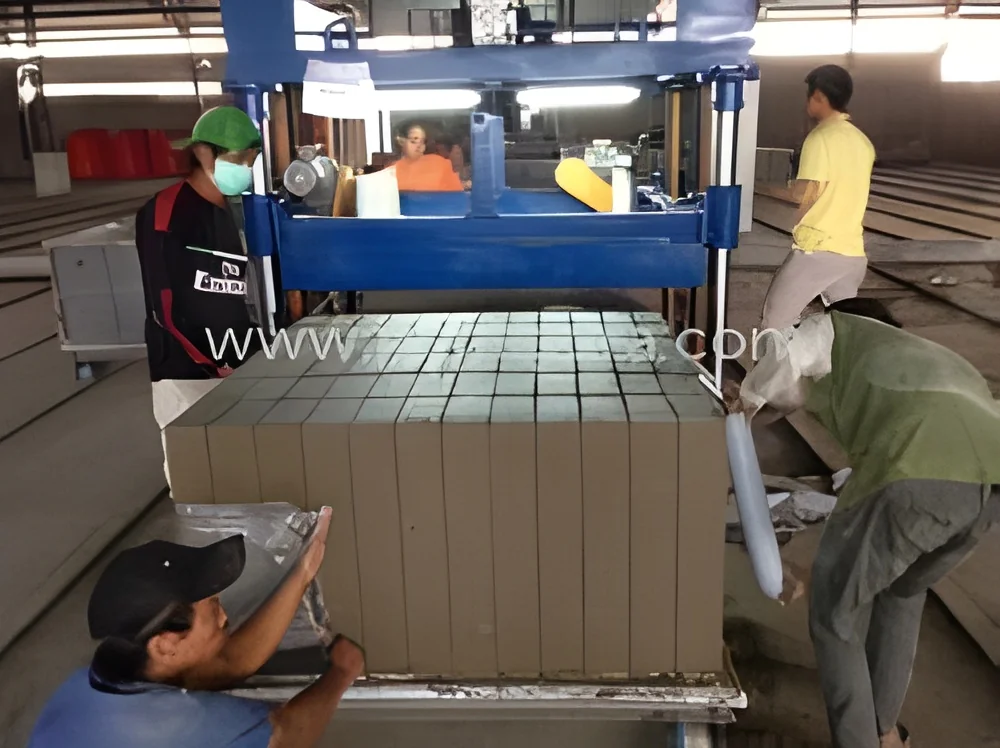
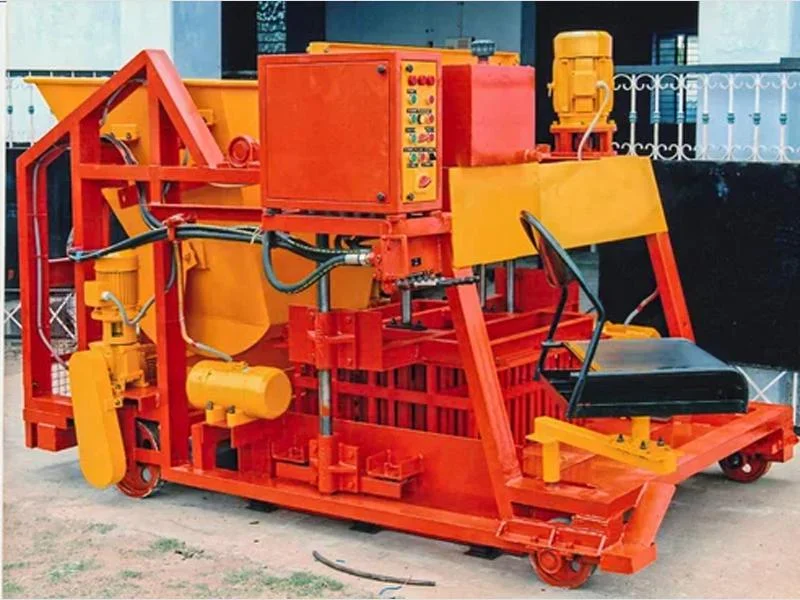
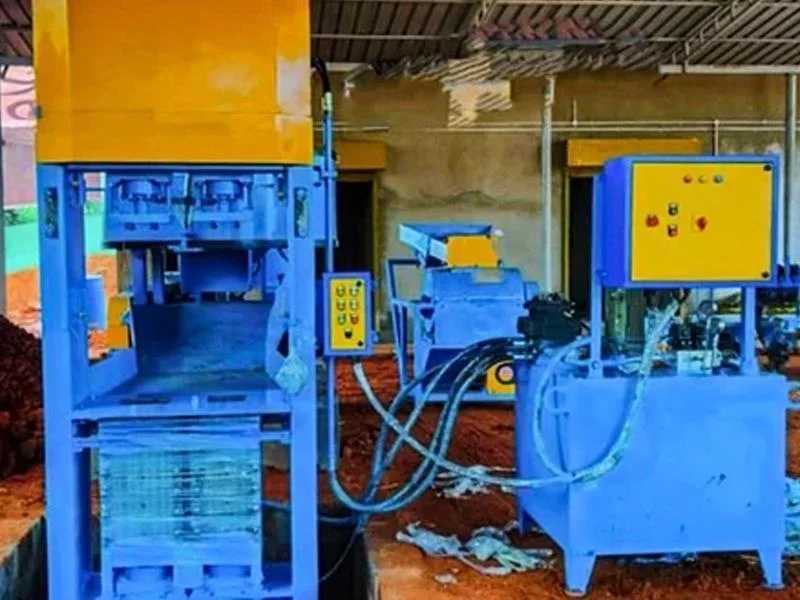
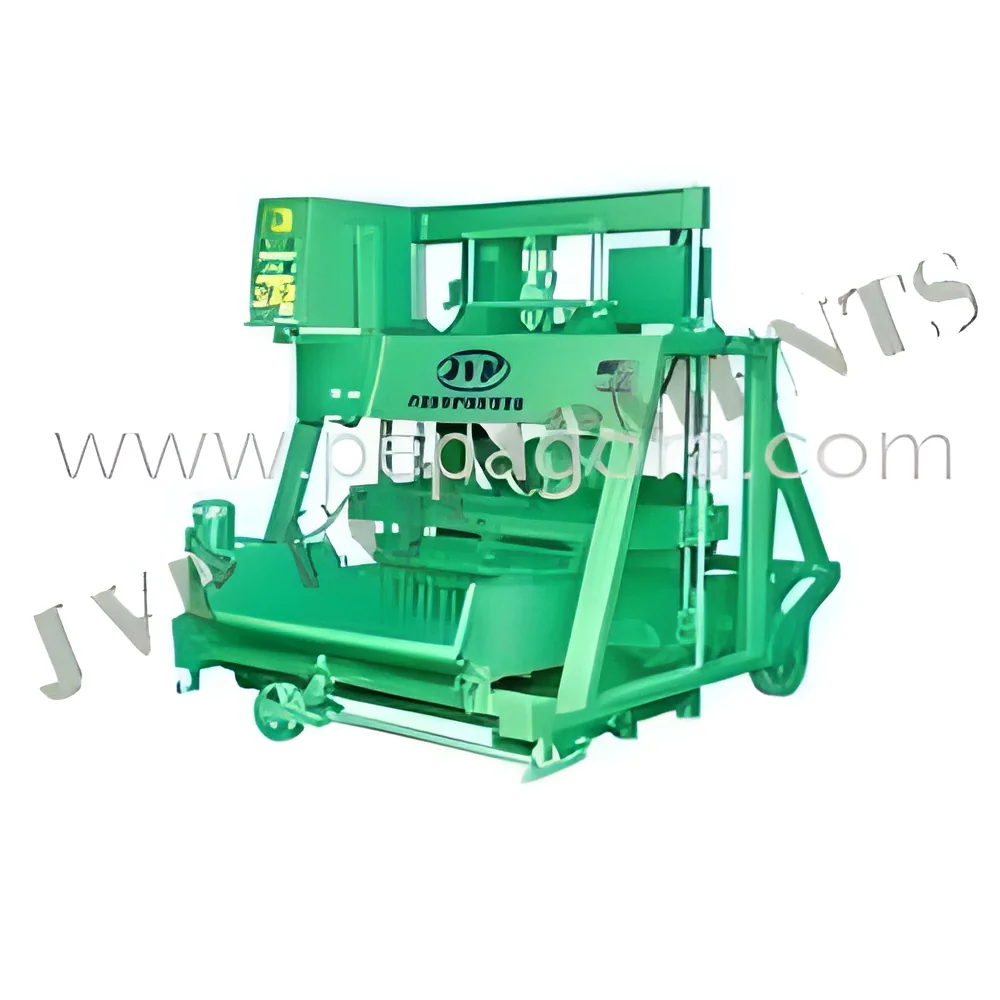
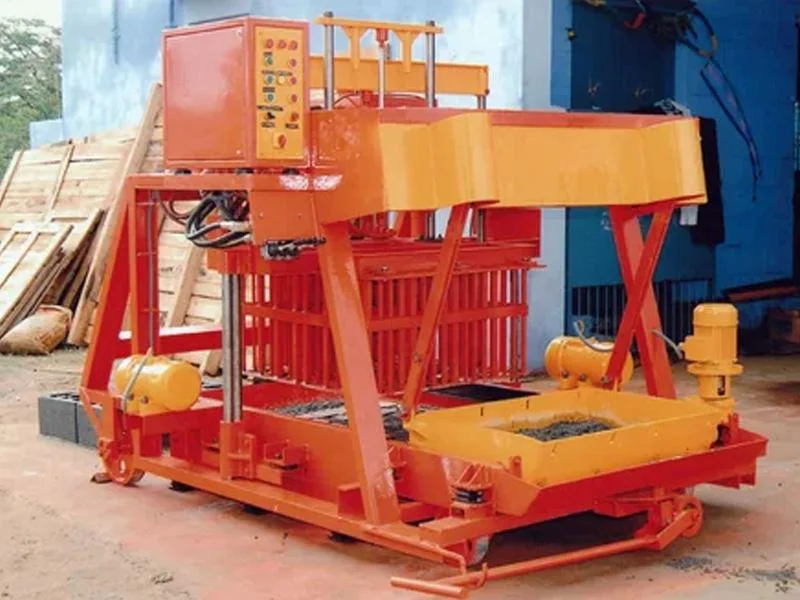
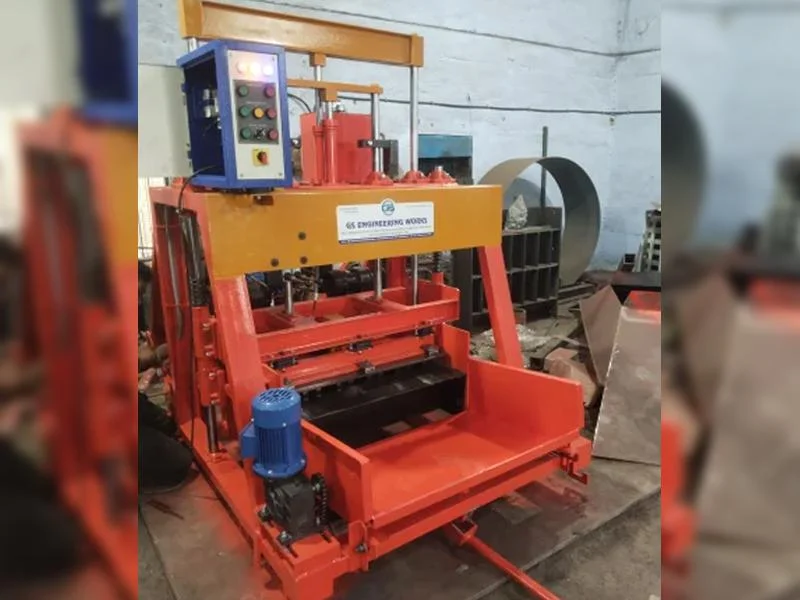
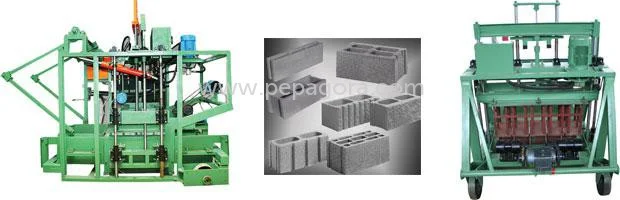
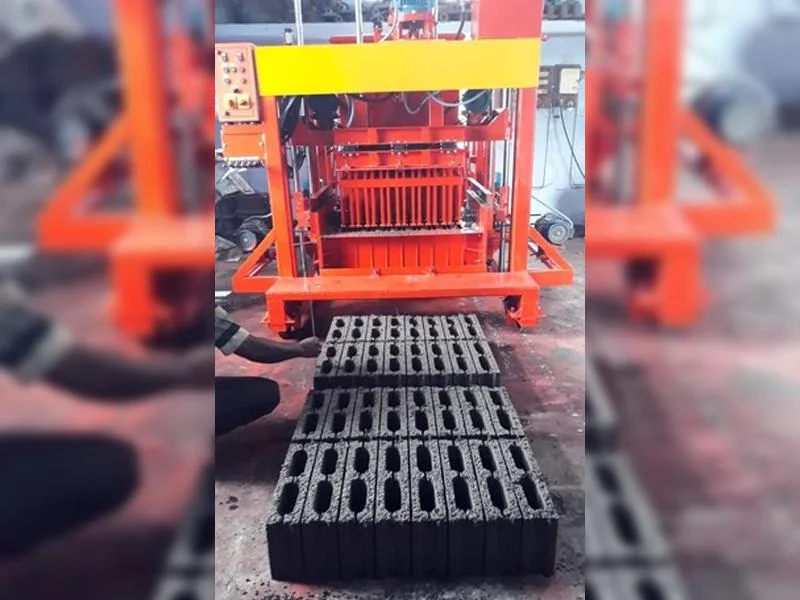
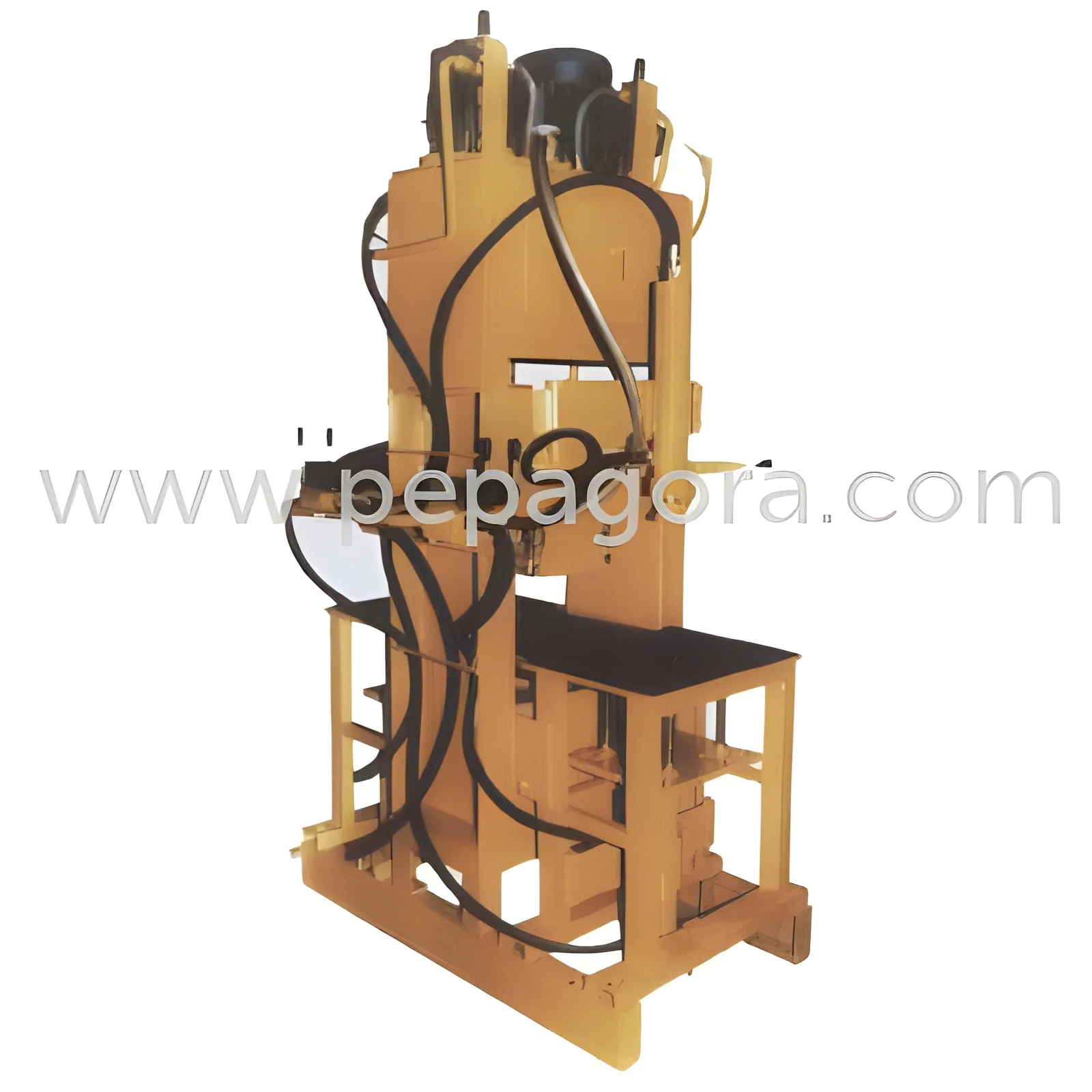
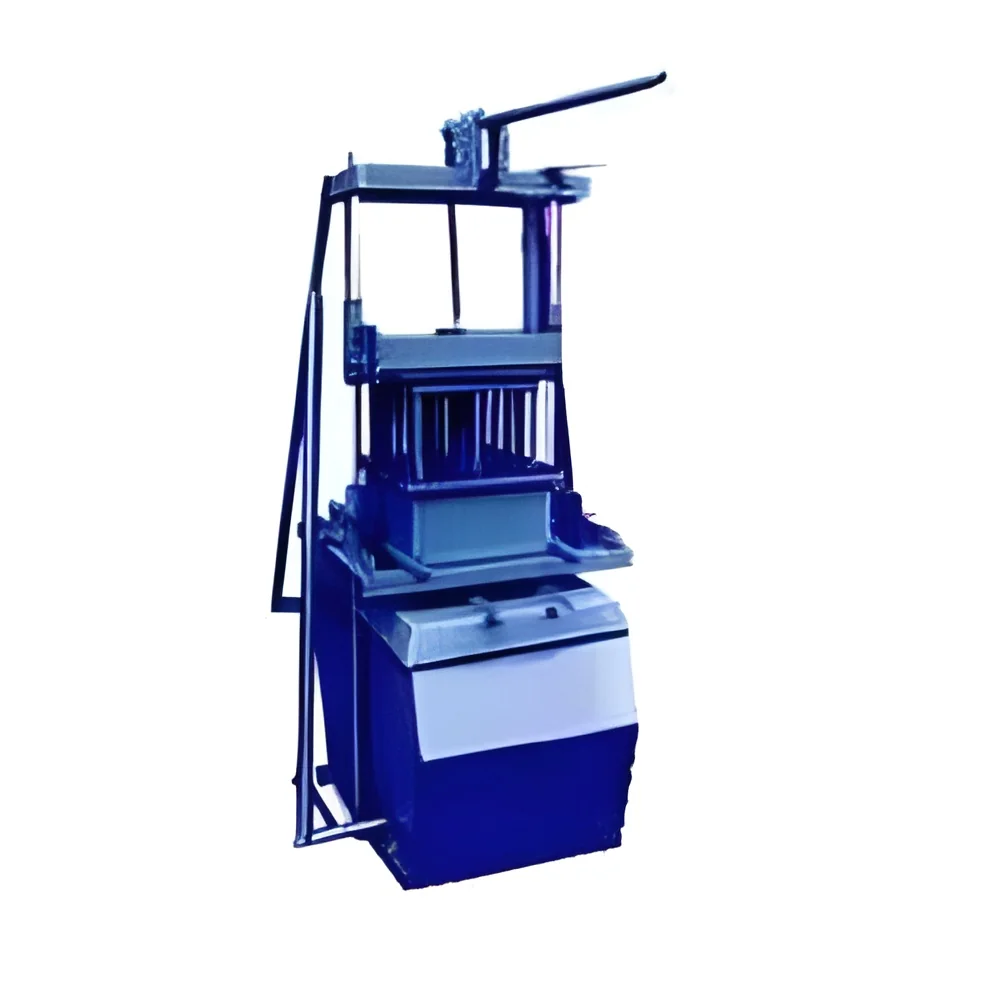
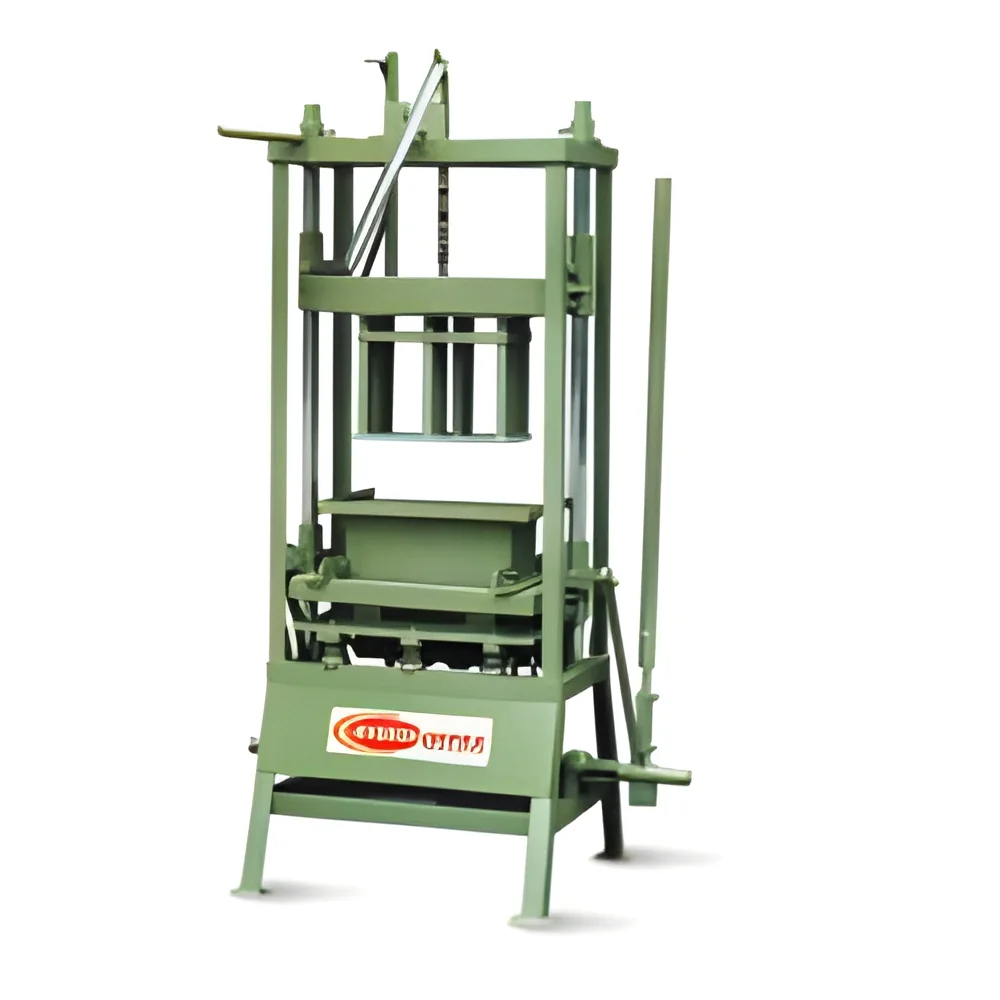
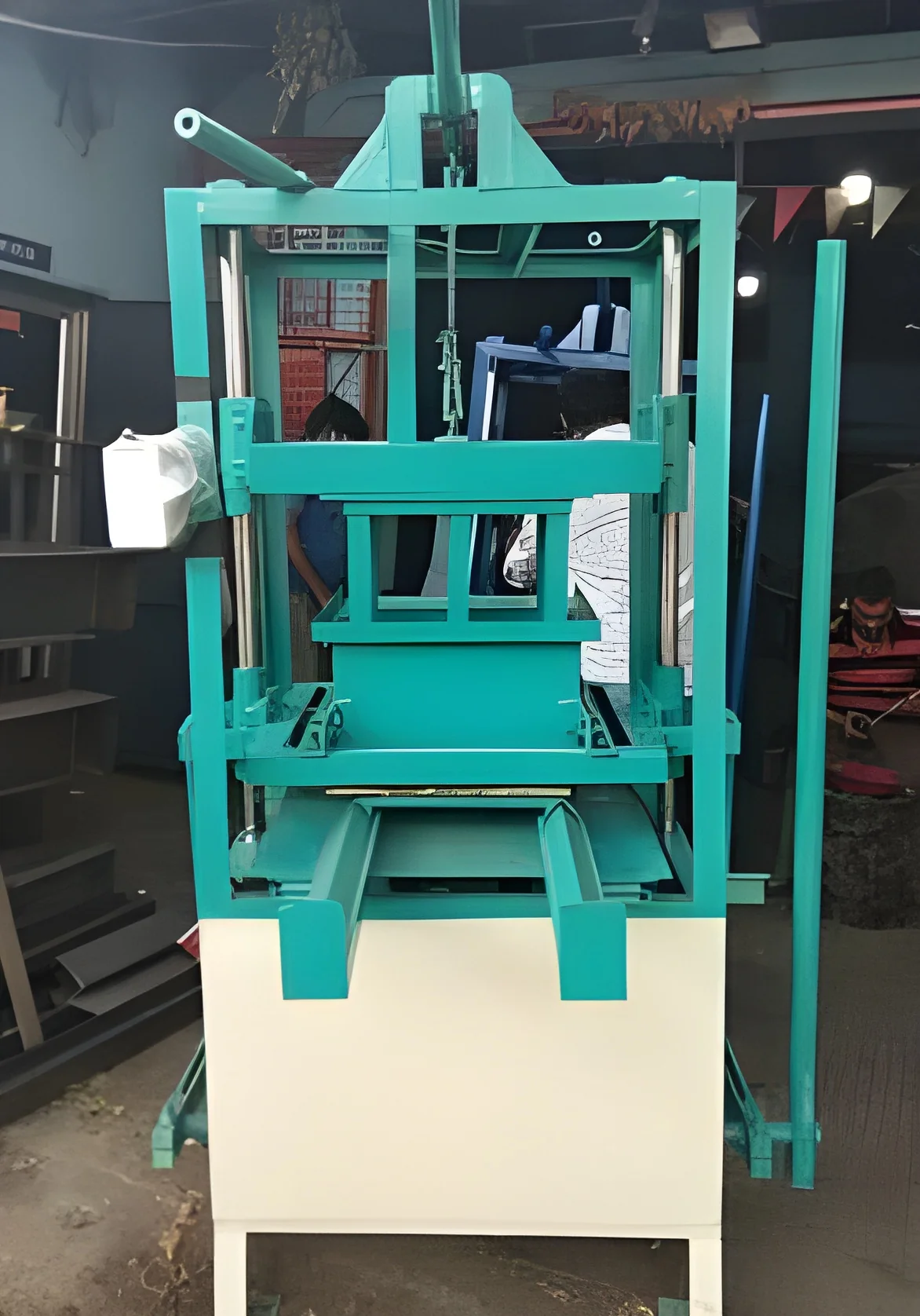
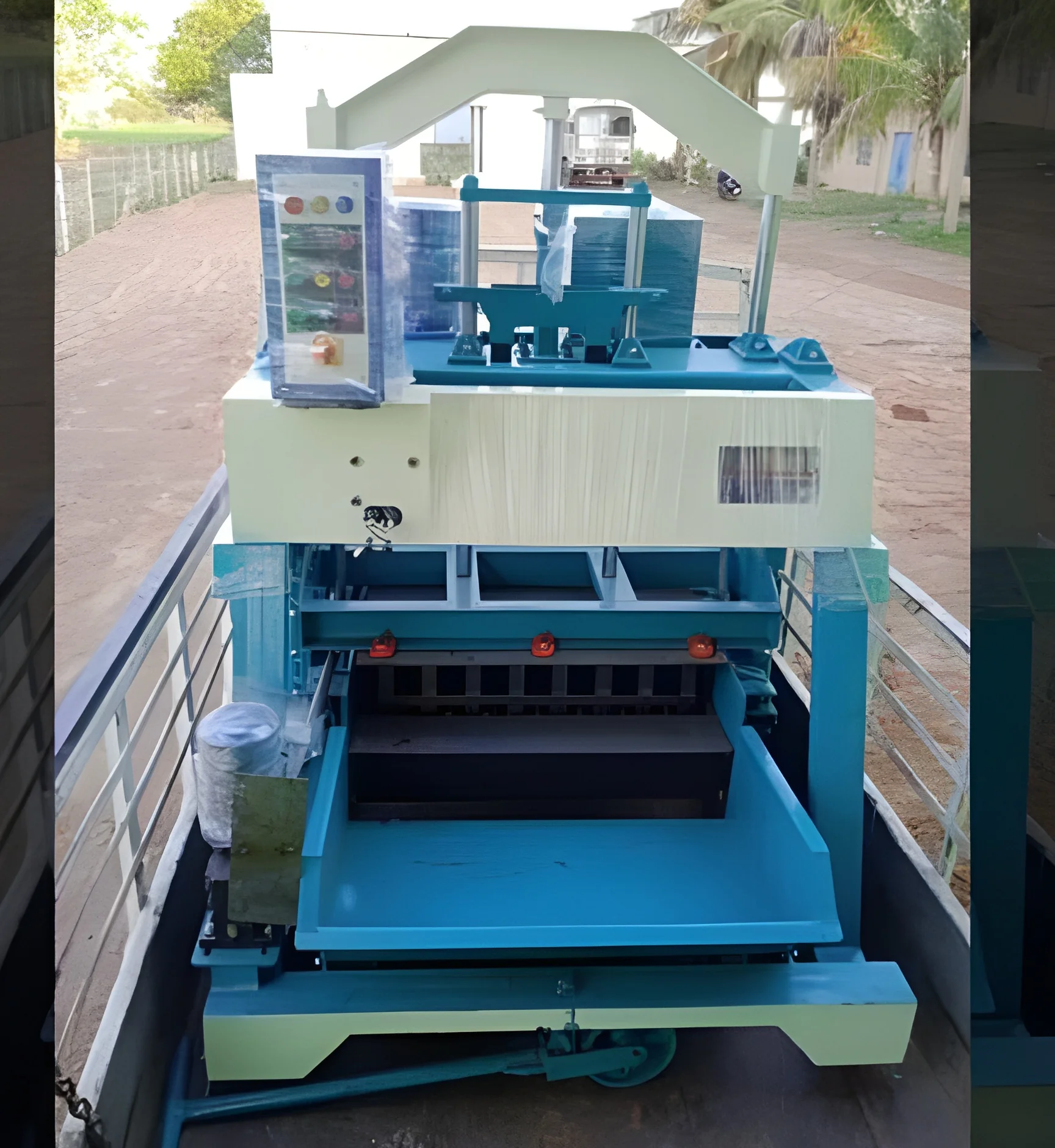
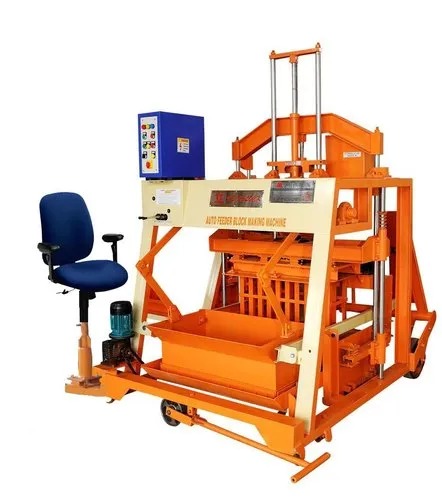
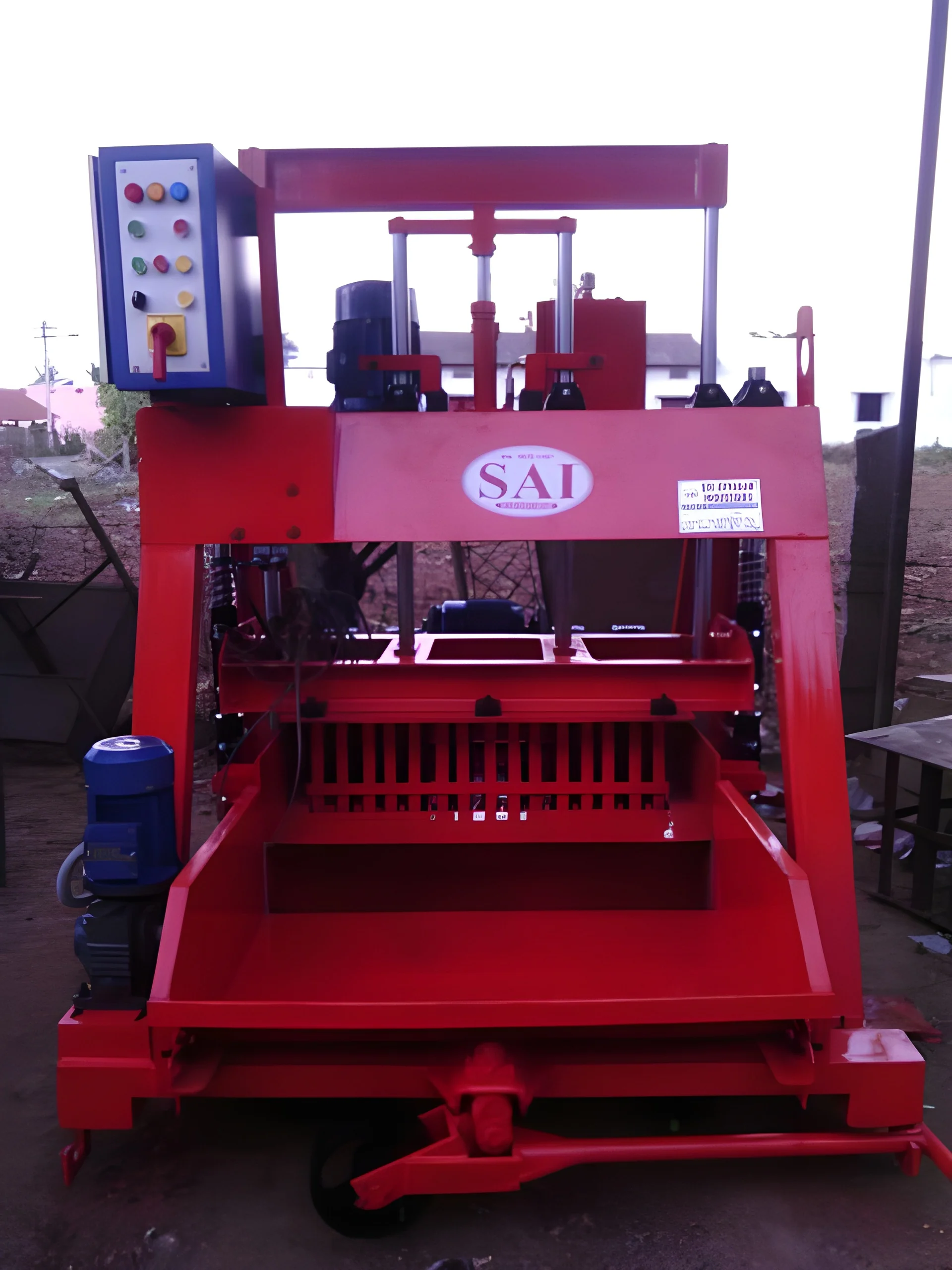
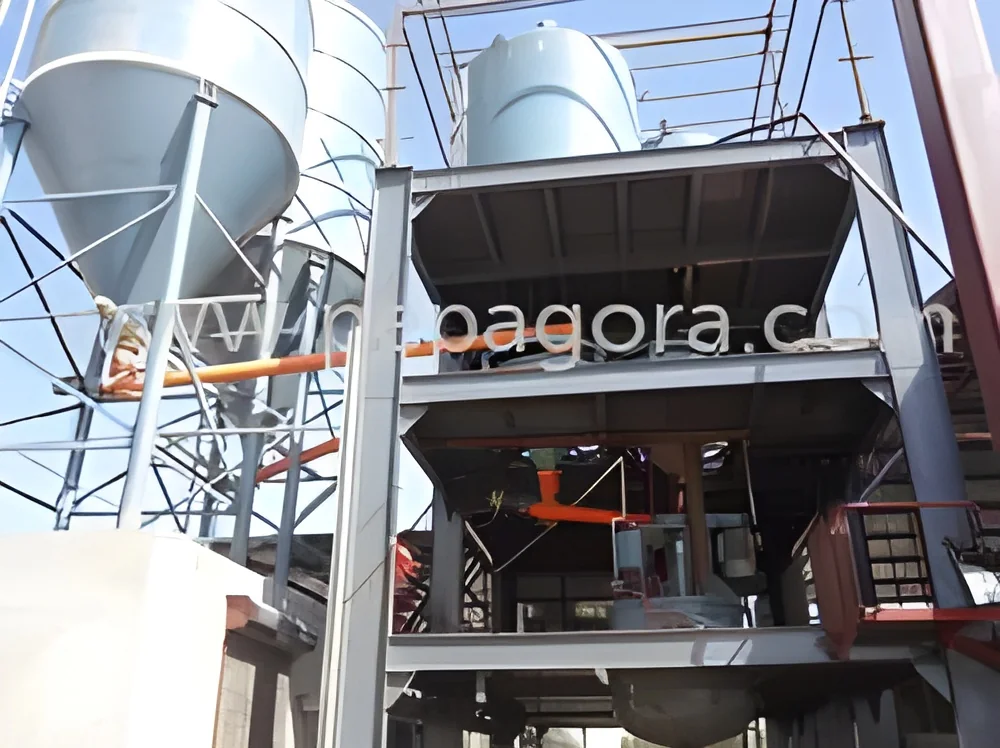
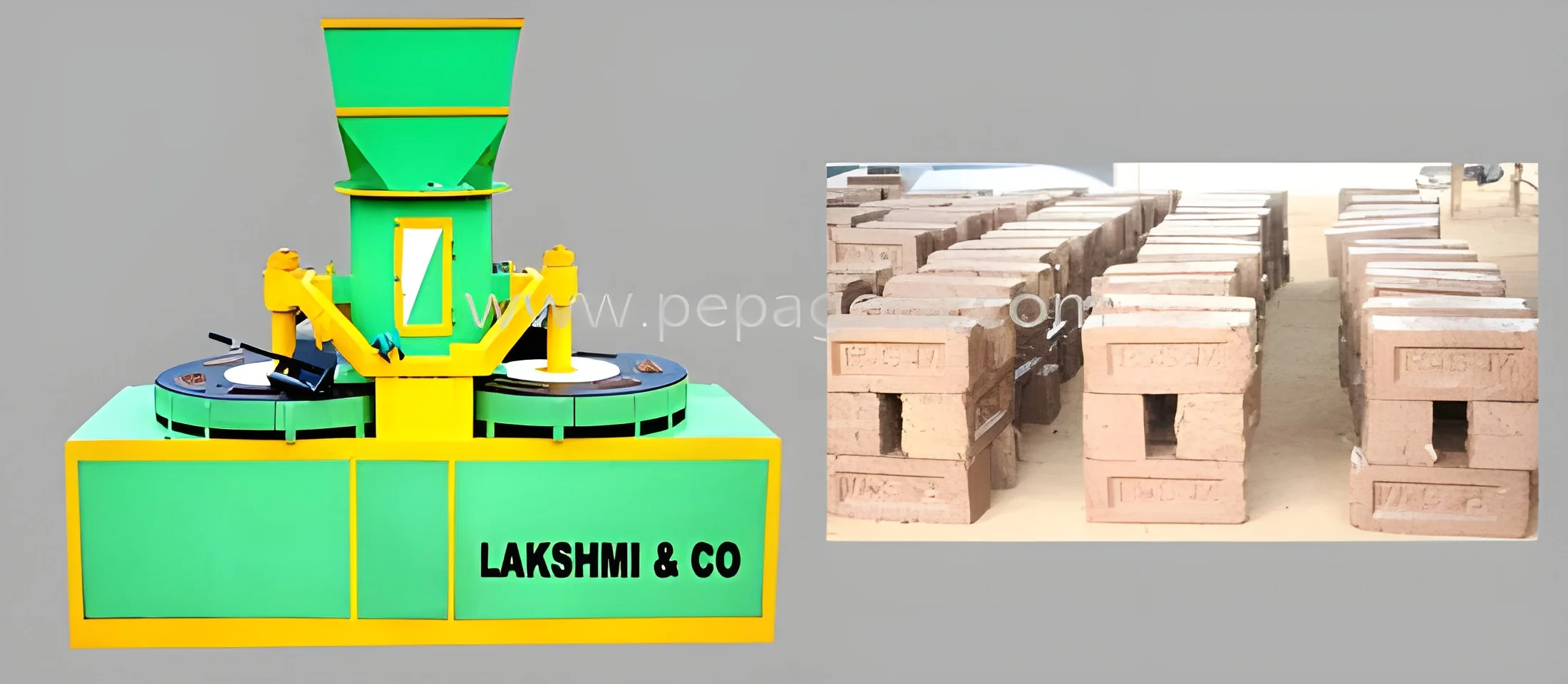
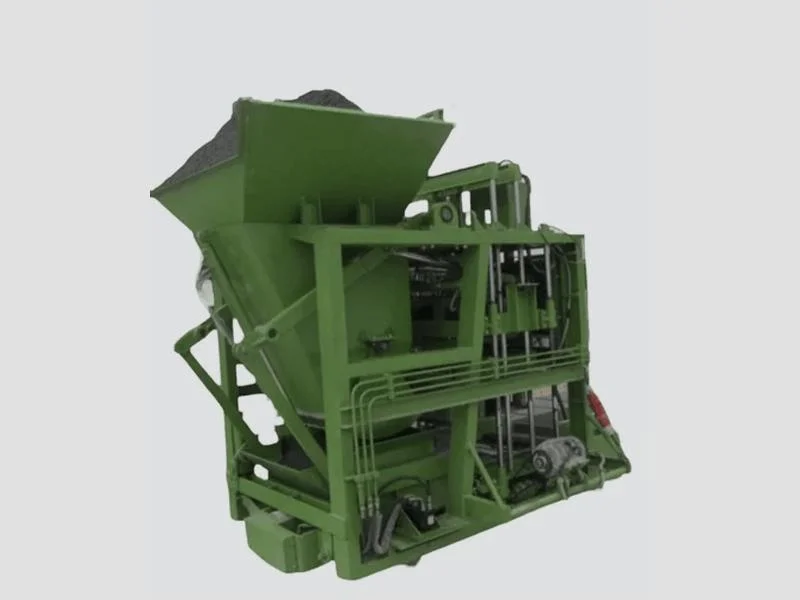
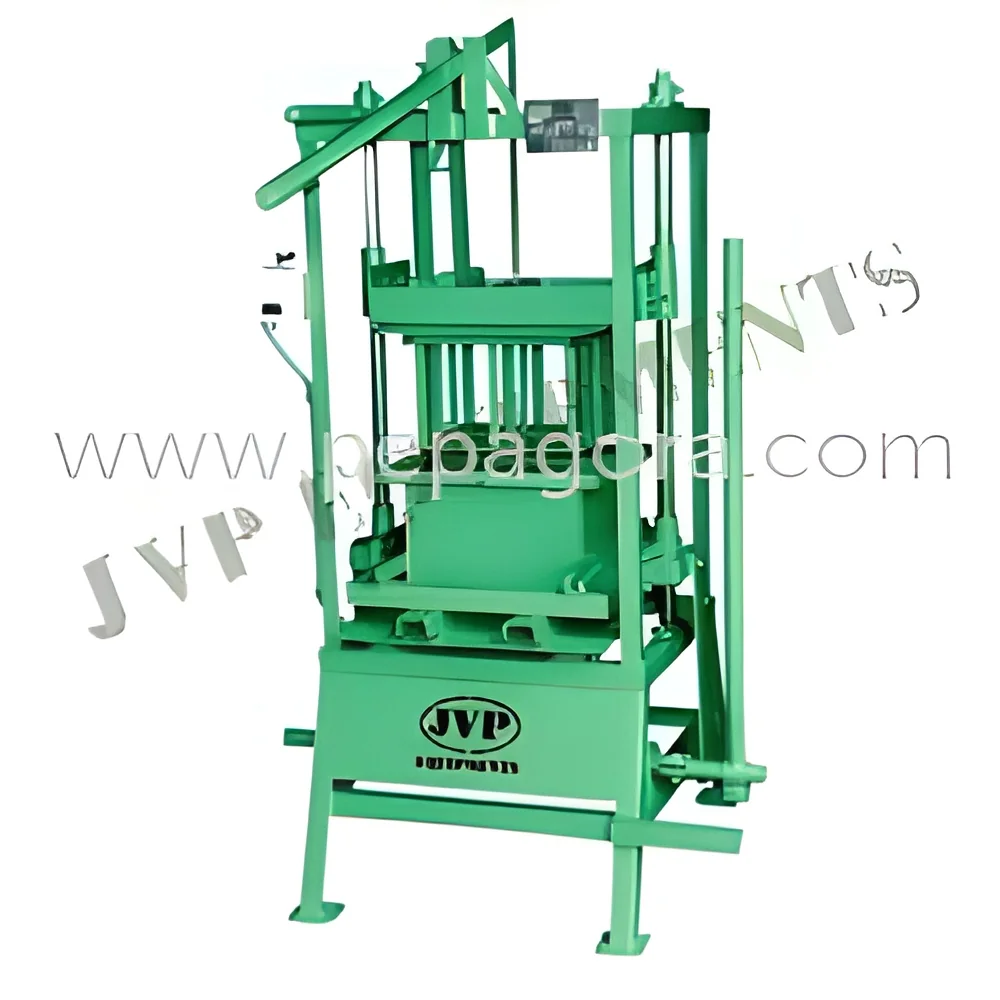
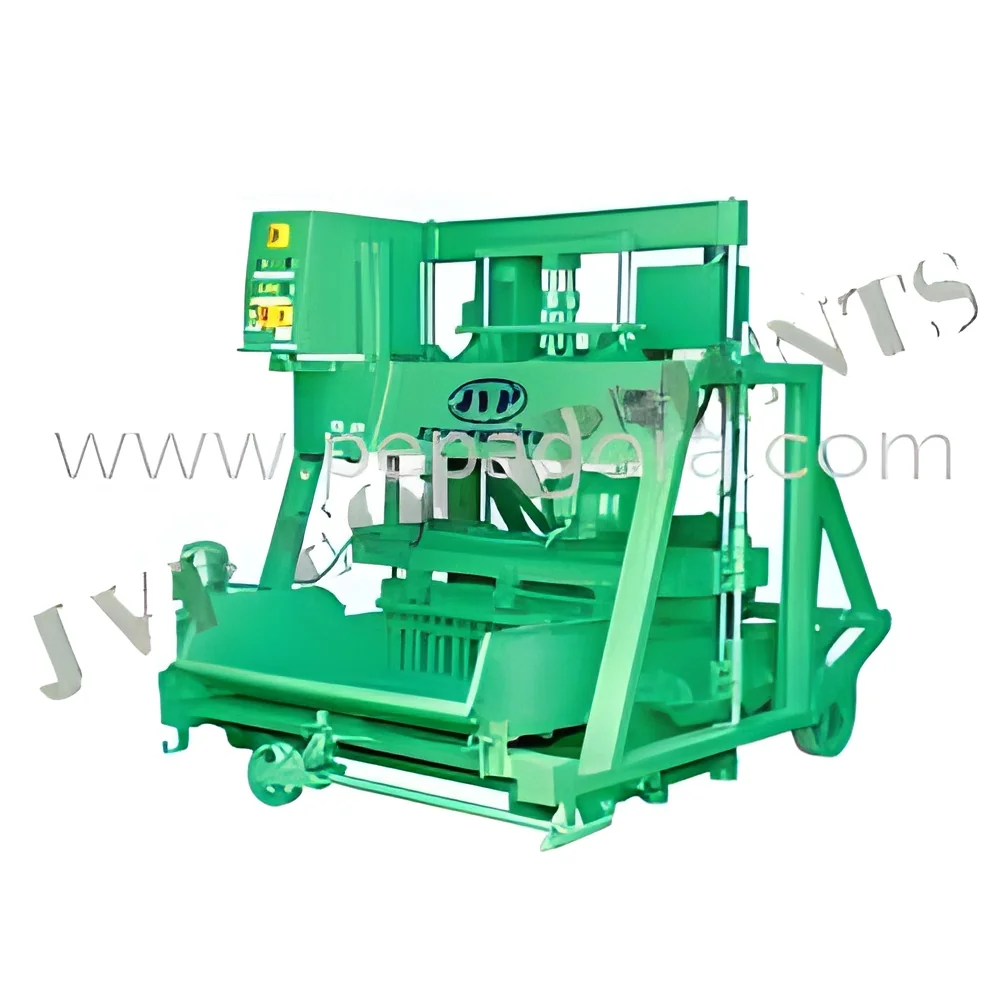
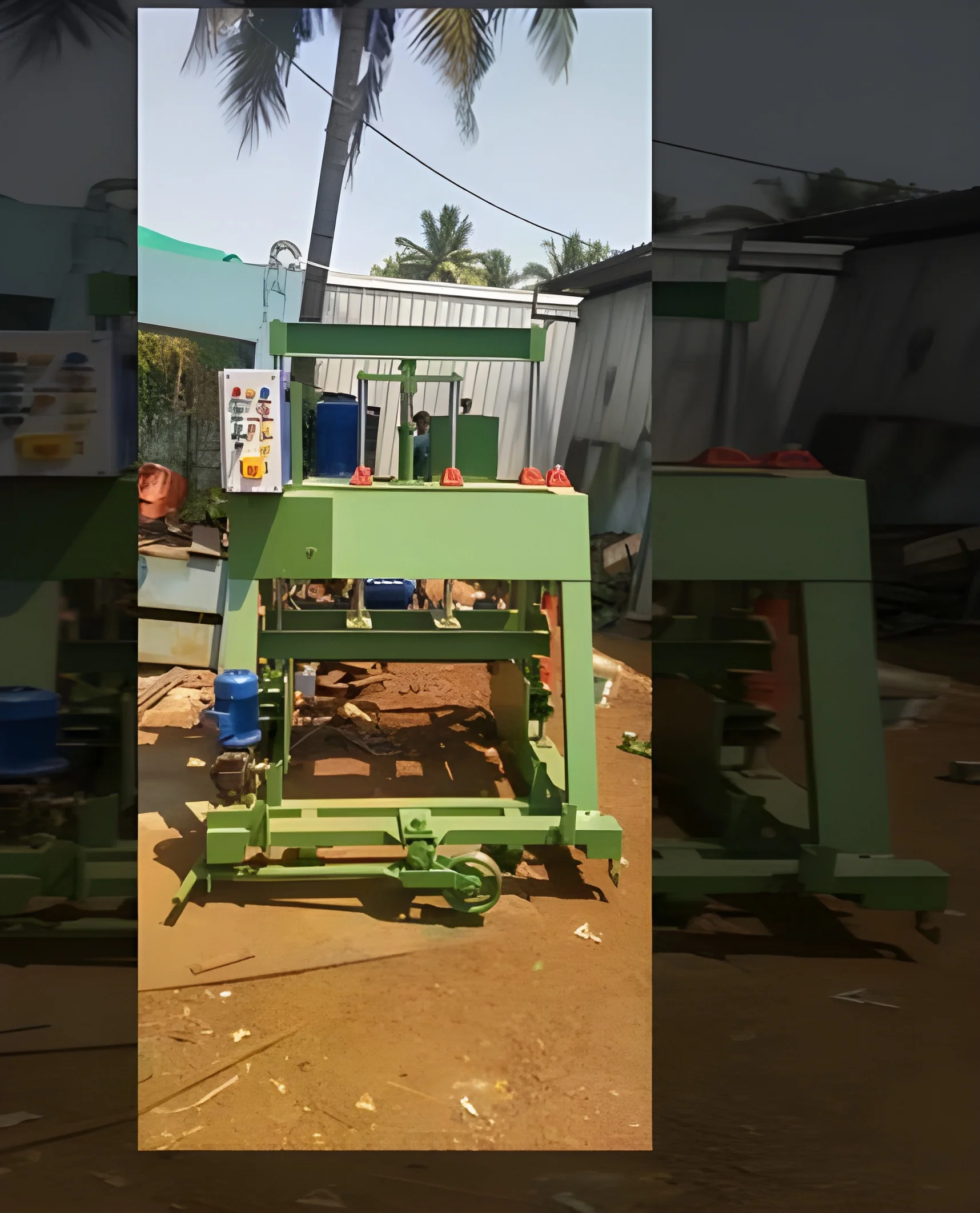
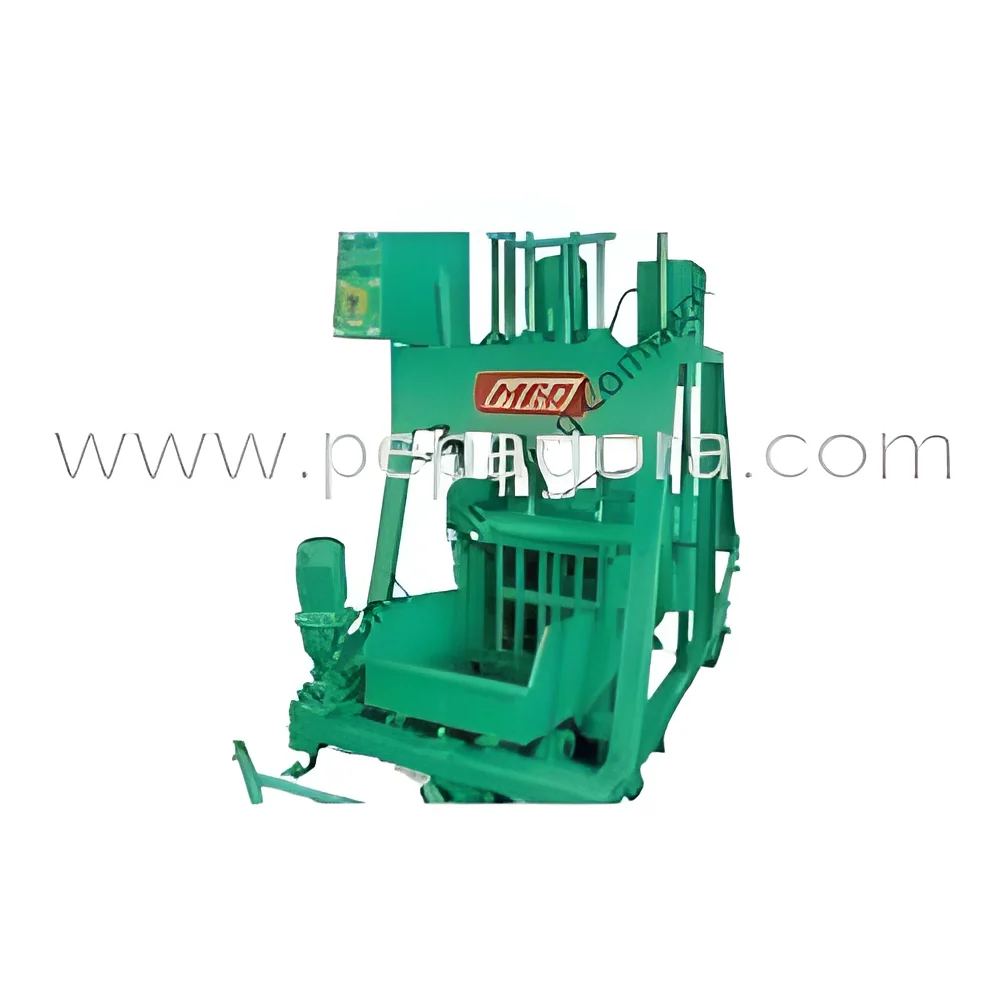
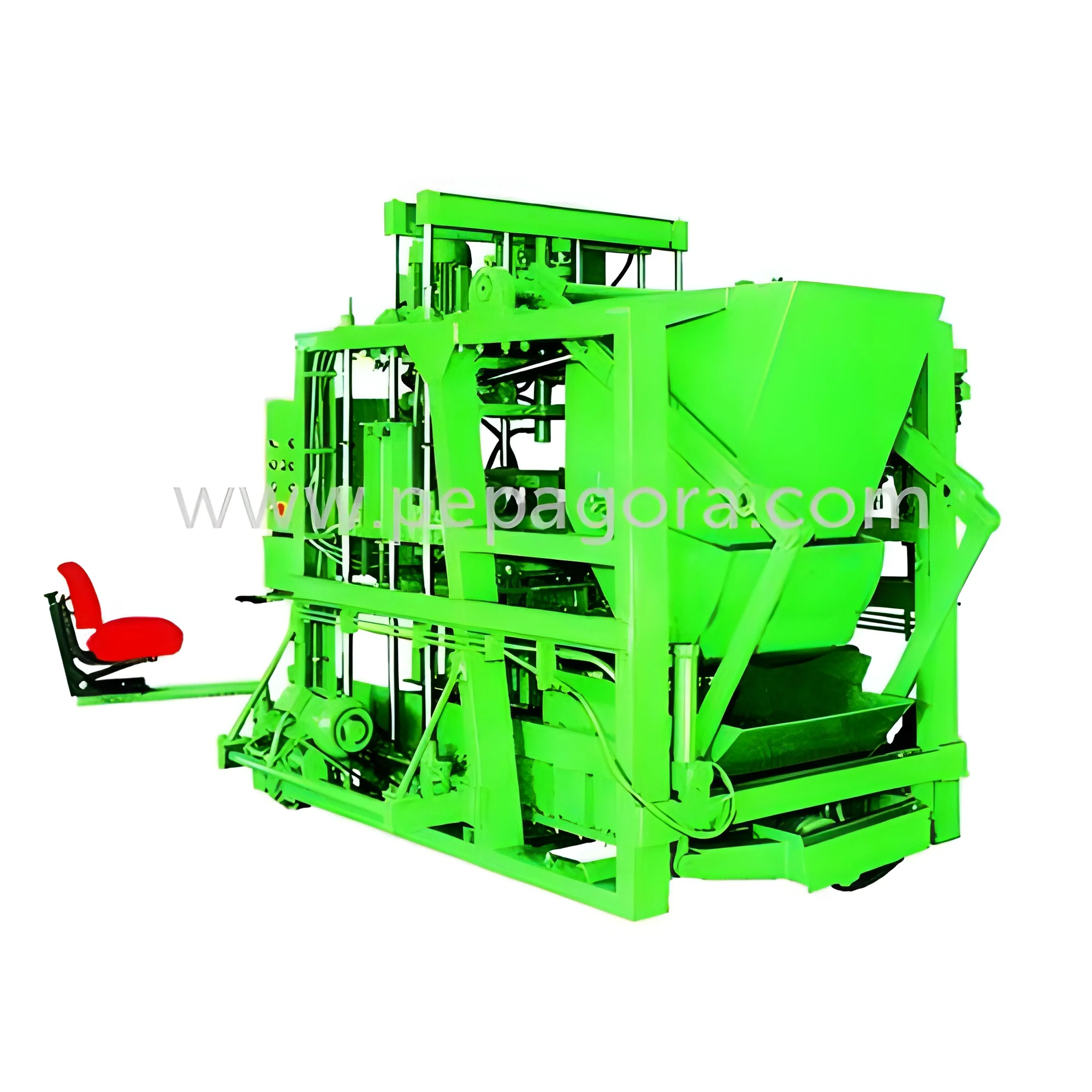
Block making machine manufacturers specialize in designing and producing machines that create concrete blocks used in construction. These machines are engineered to form blocks of various sizes and shapes, utilizing raw materials like cement, aggregates, and water. The manufacturing process typically involves mixing the materials, molding them into blocks, and curing them to achieve the desired strength and durability.
The primary uses of block making machines extend across multiple sectors within the construction industry. They are essential for producing blocks for building foundations, walls, and other structural elements. Additionally, these machines can be utilized in landscaping projects and for creating decorative elements. The versatility of block making machines makes them an invaluable asset to contractors, builders, and manufacturers in the construction supply chain.
In today's market, block making machine manufacturers play a critical role in meeting the growing demand for sustainable and durable building materials. As construction practices evolve, there is an increasing emphasis on eco-friendly materials and efficient production processes. Manufacturers are responding with innovative solutions that not only improve the quality of blocks produced but also enhance operational efficiency, thereby solidifying their relevance in the industry.
Key Features and Specifications
Block making machines come equipped with various features that enhance their functionality and efficiency. These features make them suitable for different production needs and help manufacturers meet the demands of the construction industry.
Key specifications include:
1. Production Capacity
- The number of blocks produced per hour.
- Ranges from a few hundred to several thousand blocks depending on the machine model.
2. Power Consumption
- The energy required for operation.
- Can vary from low-energy machines to high-output models that require significant power.
3. Automation Level
- The extent of automation integrated into the machine.
- Options range from fully manual to fully automated systems.
4. Molding Type
- The technology used for molding blocks.
- Includes hydraulic, pneumatic, and mechanical molding systems.
5. Block Size Range
- The dimensions of blocks that can be produced.
- Typically ranges from standard sizes to custom dimensions based on client requirements.
6. Curing Method
- The process used to cure the blocks post-manufacturing.
- Options include steam curing, water curing, and air curing.
7. Material Compatibility
- Types of materials that can be used in the machine.
- Most machines can handle various aggregates, including recycled materials.
8. Safety Features
- Built-in mechanisms to ensure safe operation.
- Includes emergency stop buttons, safety guards, and overload protection.
In summary, understanding the key features and specifications of block making machines helps buyers choose the right equipment that meets their production needs and operational goals.
Common Applications and Use Cases
Block making machines are widely utilized across various industries, meeting diverse construction requirements.
1. Construction Industry: These machines are primarily used to produce concrete blocks for building residential and commercial structures. The blocks serve as foundational elements, walls, and partitions.
2. Landscaping: Block making machines are employed to create decorative blocks used in gardens, parks, and public spaces. These blocks can be designed to enhance aesthetics and functionality.
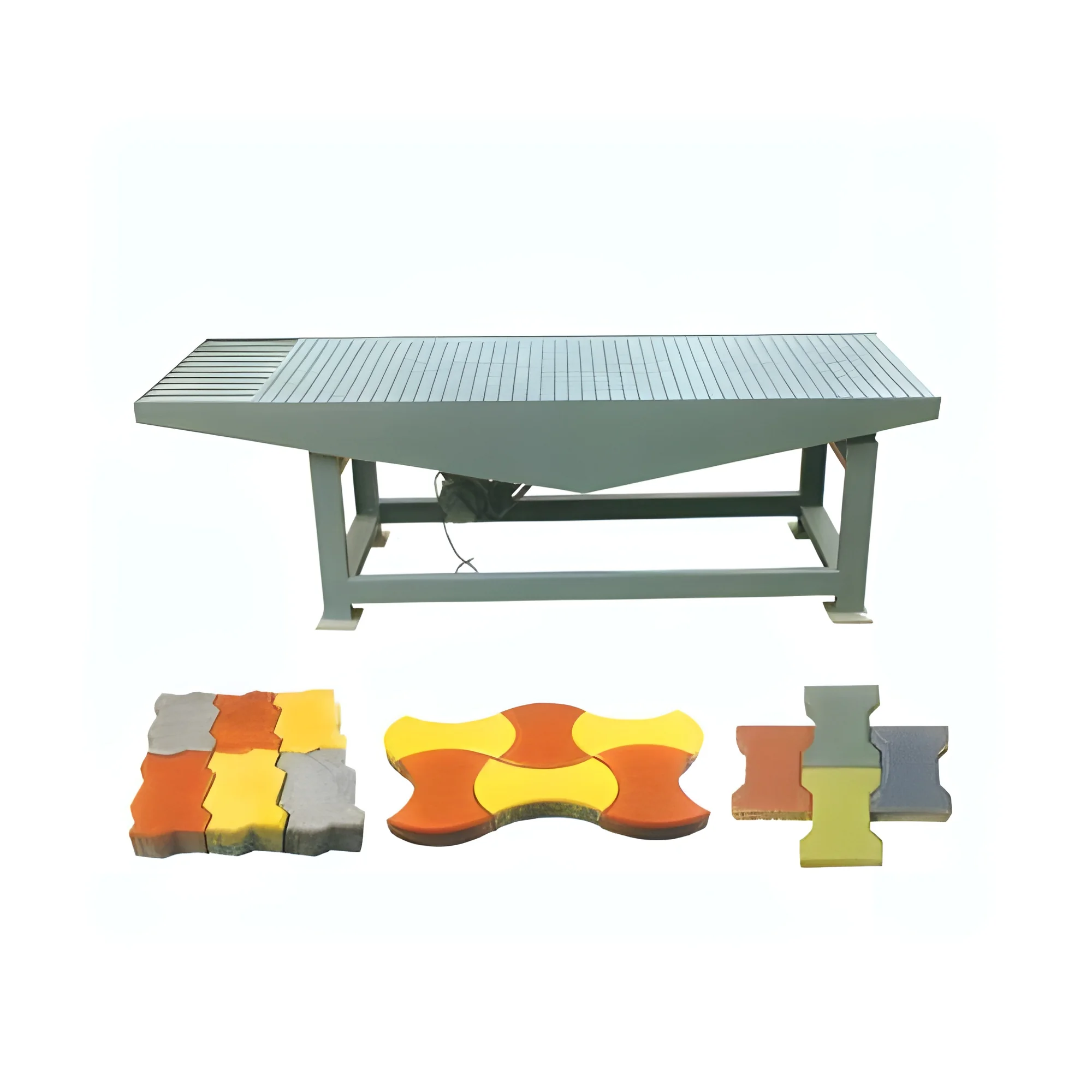
3. Road Infrastructure: The machines are also used to manufacture blocks for road construction, including interlocking pavers that provide durable and effective surface solutions.
4. Precast Manufacturing: Block making machines play a significant role in precast concrete production, allowing manufacturers to create standardized components for various construction projects.
5. Agricultural Buildings: Certain block types produced by these machines are suitable for agricultural buildings and structures, providing durable and cost-effective solutions.
6. Retaining Walls: The machines can create blocks specifically designed for retaining walls, offering strength and stability in landscaping and civil engineering projects.
7. Sound Barriers: Block making machines can also produce sound barrier blocks used alongside highways and railways to minimize noise pollution.
Product Variants and Subcategories
Block making machines come in various types to cater to different production needs and specifications. The diversity allows businesses to select the most suitable machine for their operations.
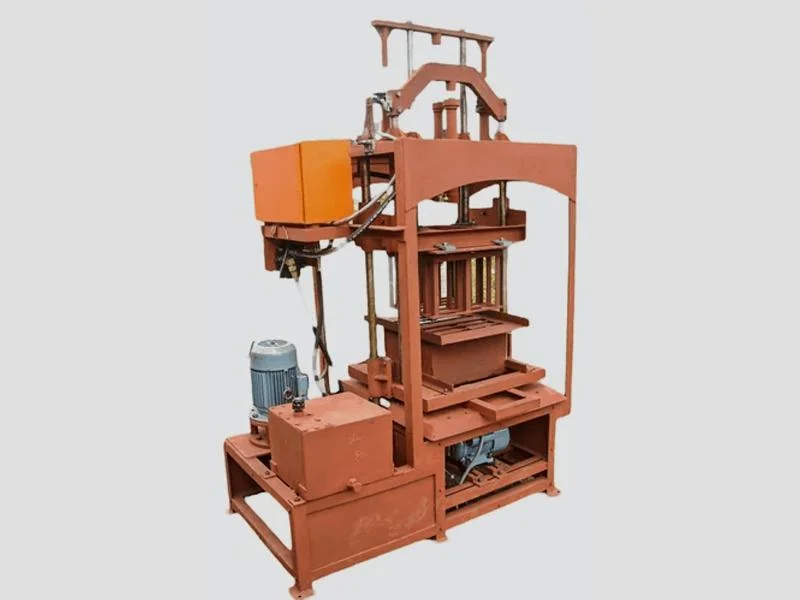
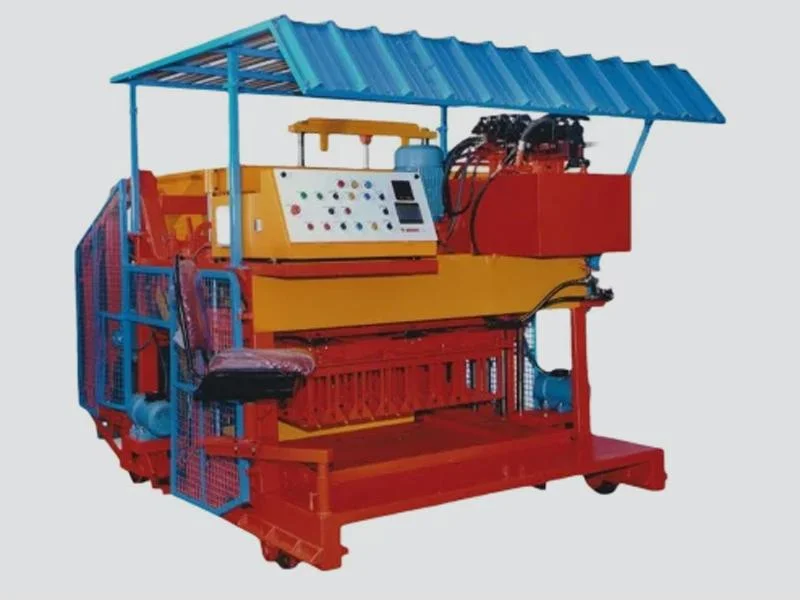
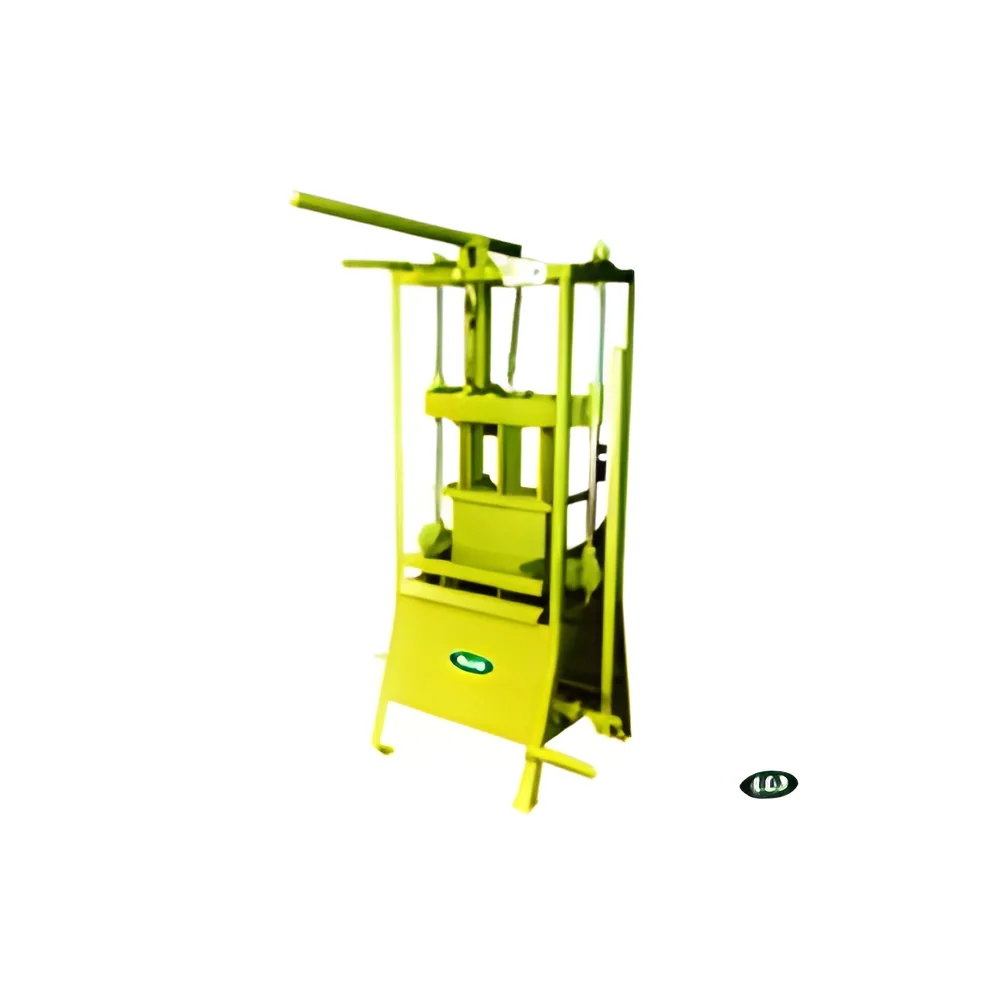
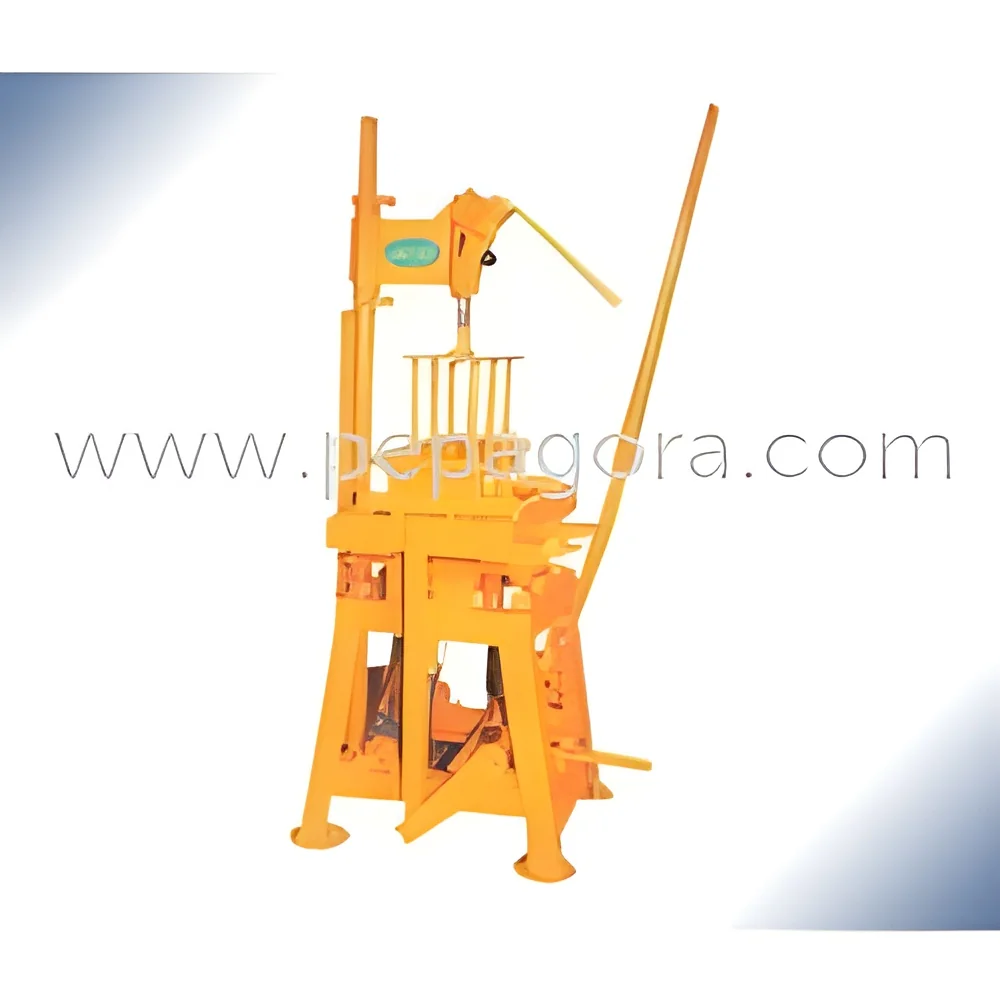
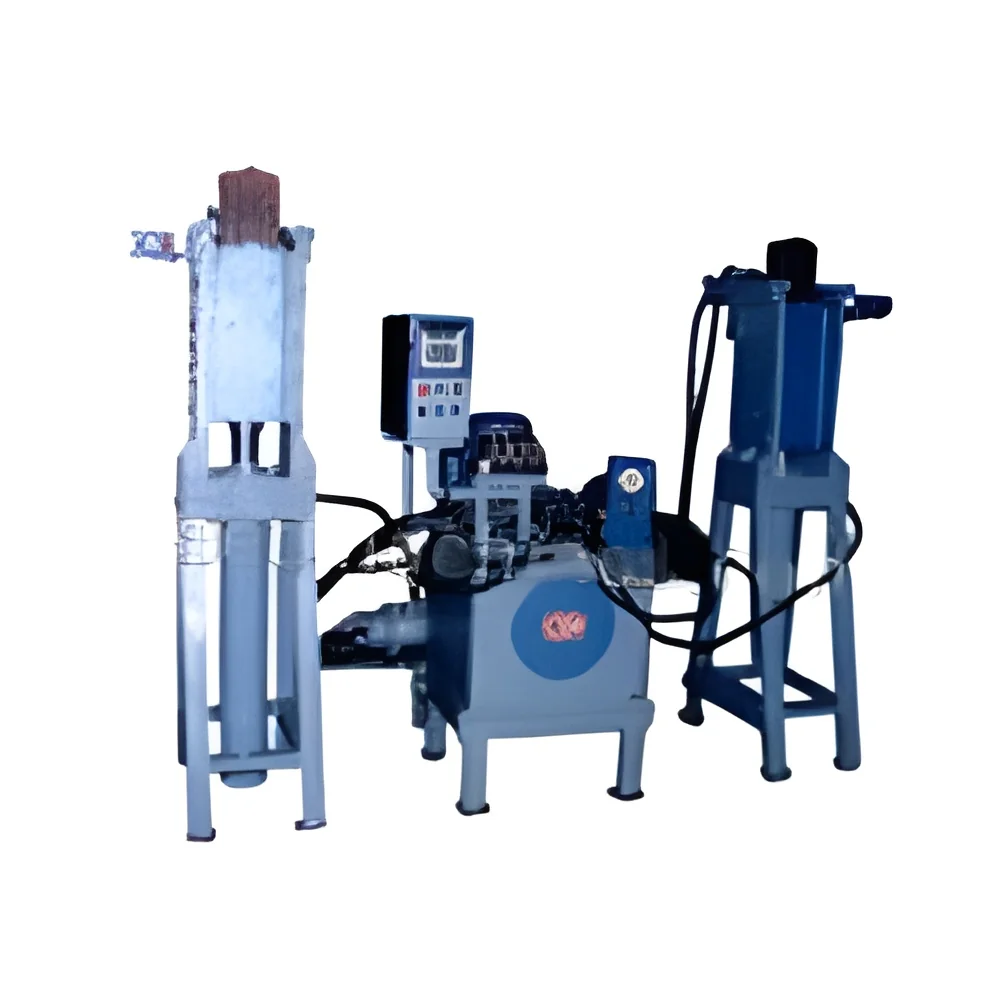
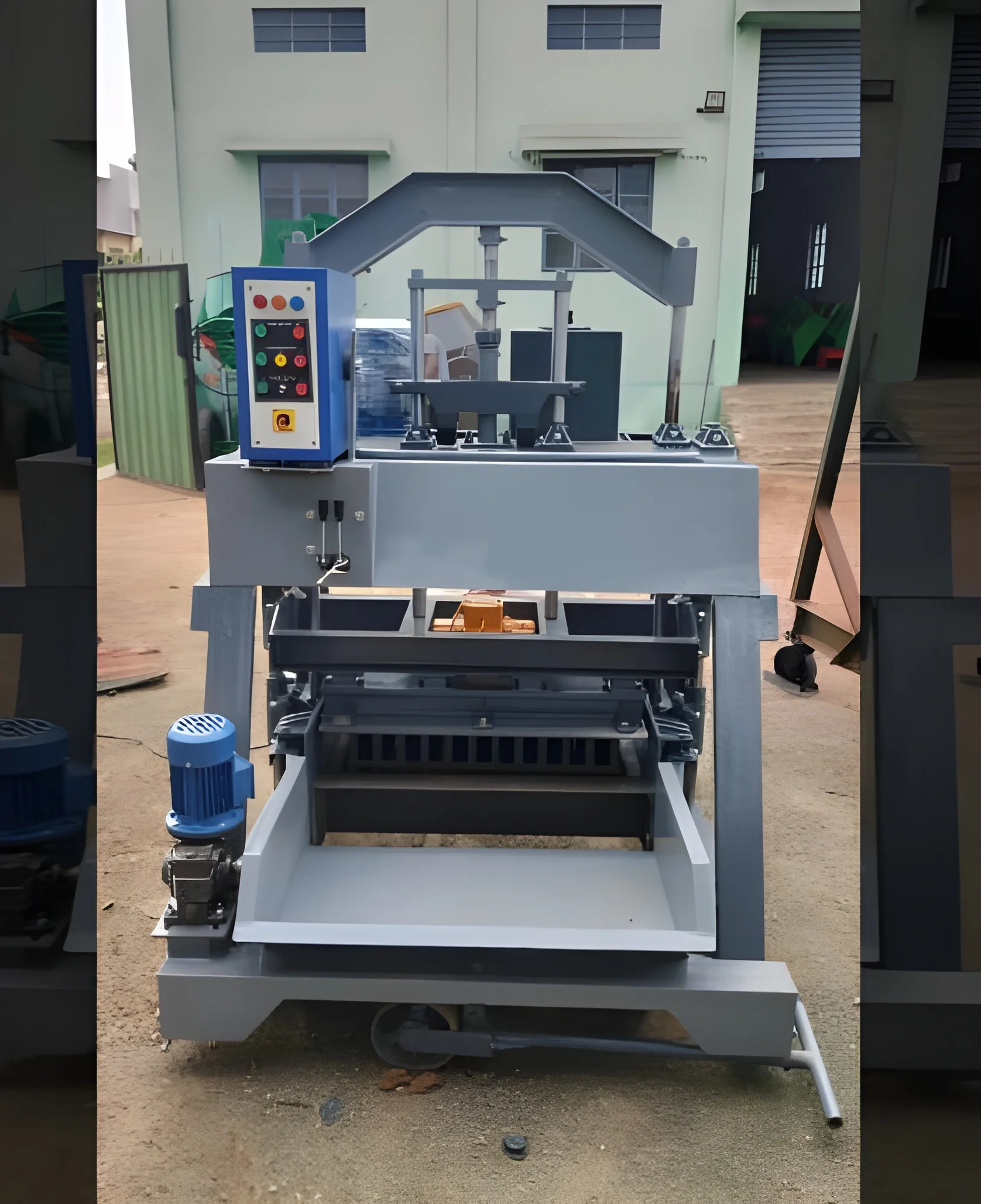
Semi-Automatic Block Making Machine: This variant combines manual and automated processes, allowing for flexibility in production. It is ideal for small to medium-sized operations looking to balance efficiency with cost.
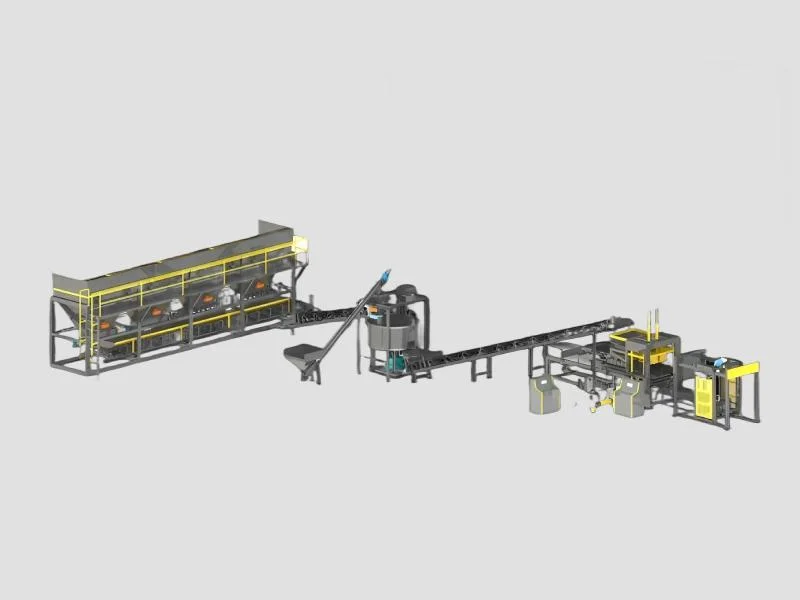
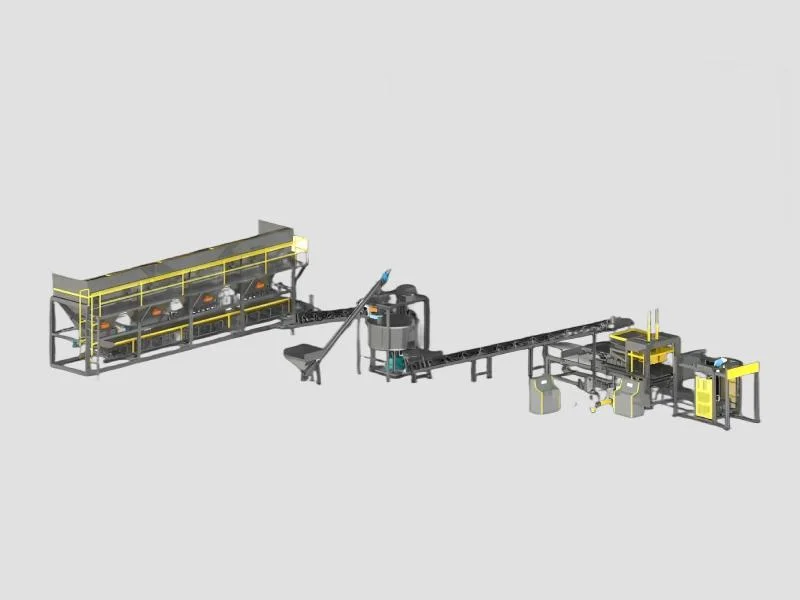
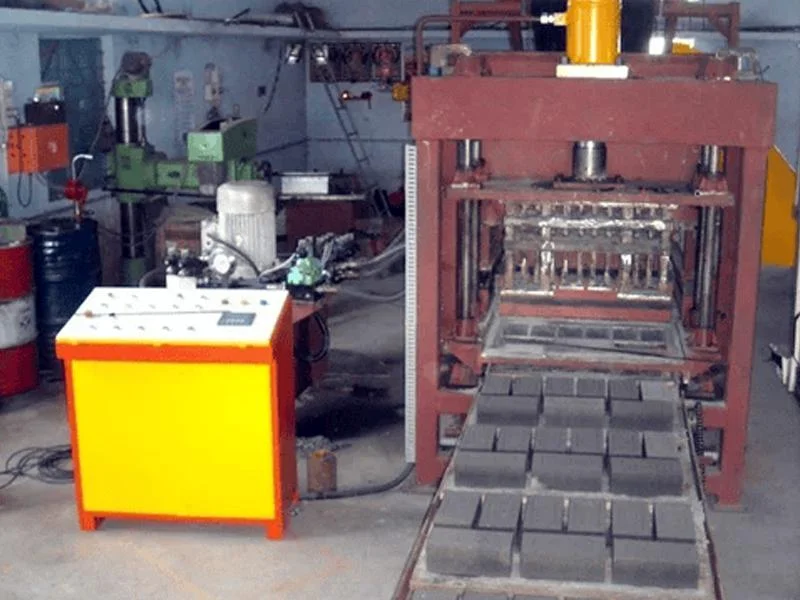
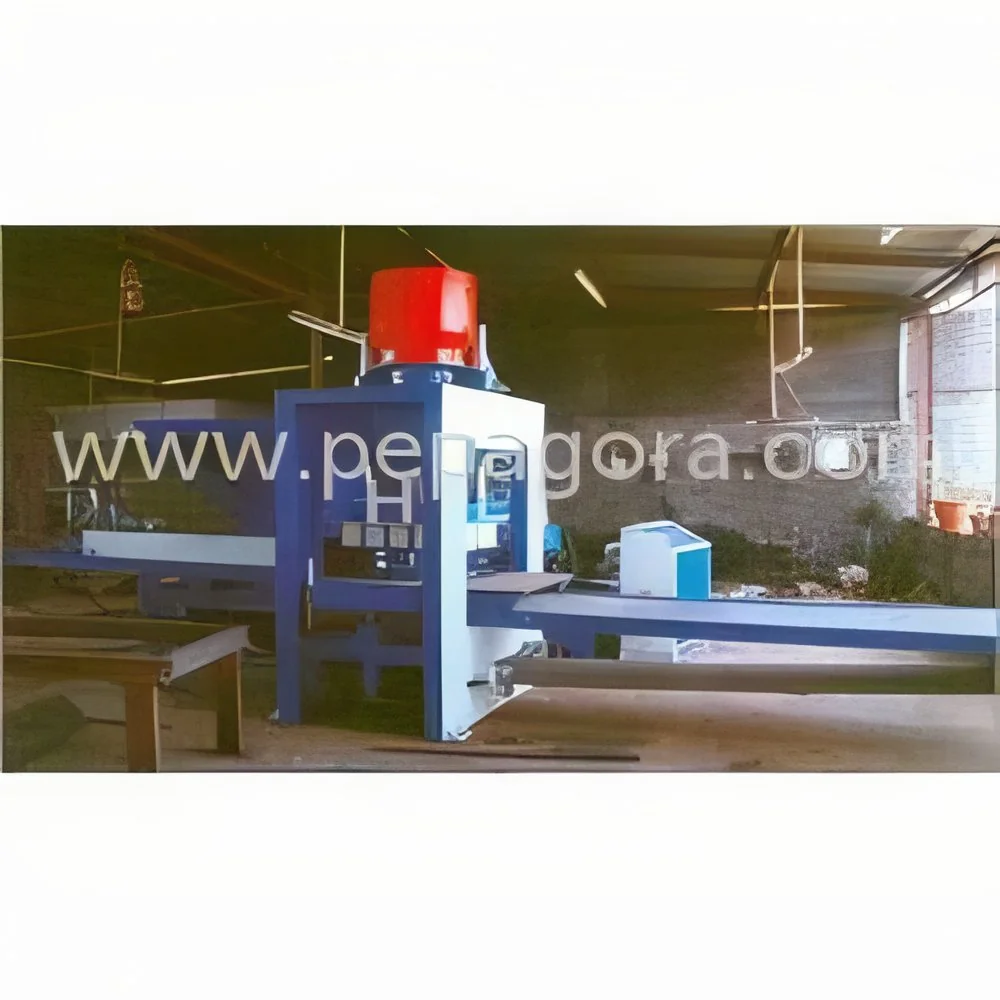
Fully Automatic Block Making Machine: Designed for high-volume production, this variant automates the entire block-making process. It is suitable for large-scale manufacturers who require consistent output and minimal labor involvement.
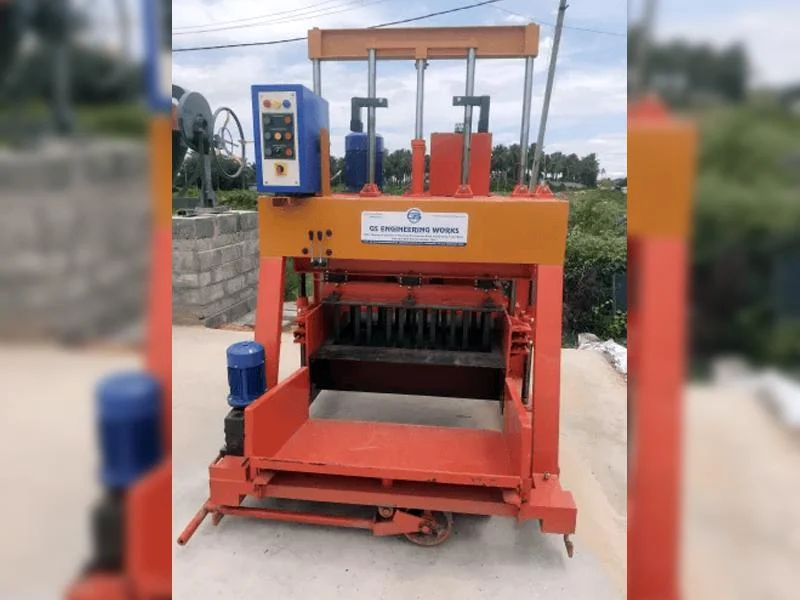
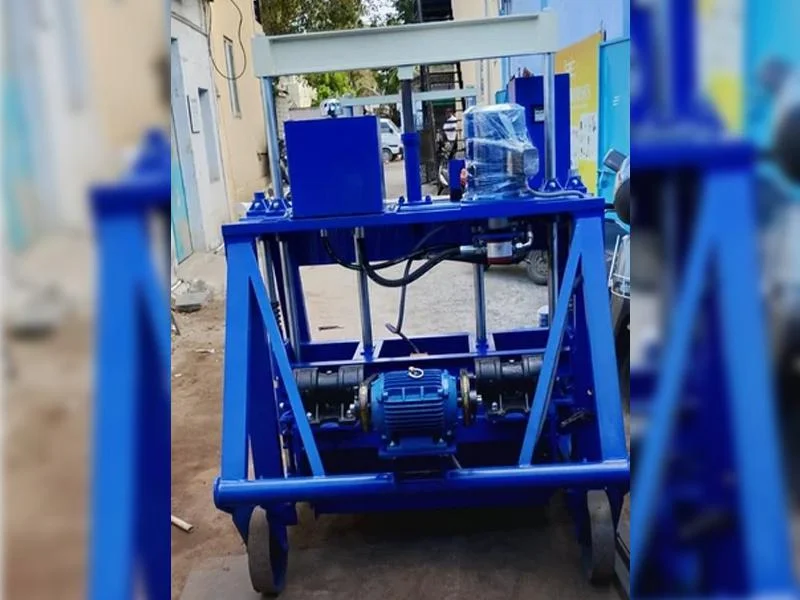
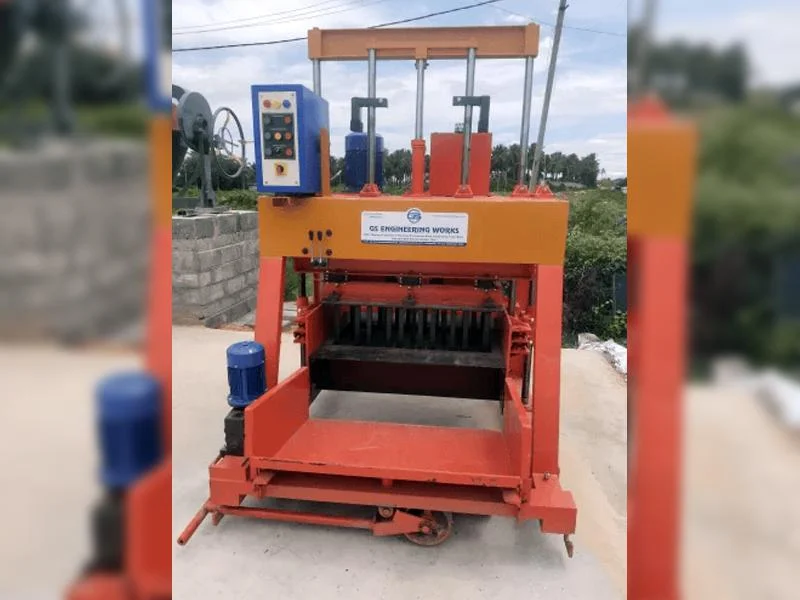
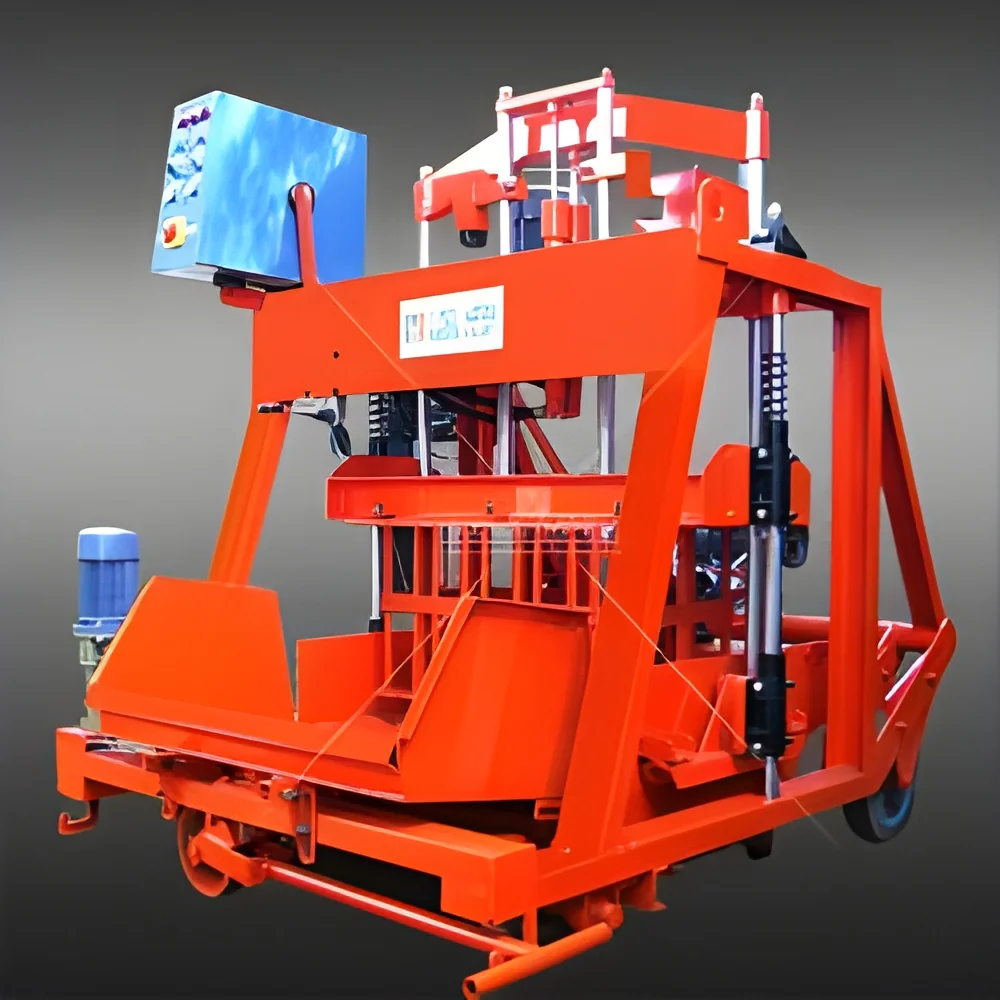
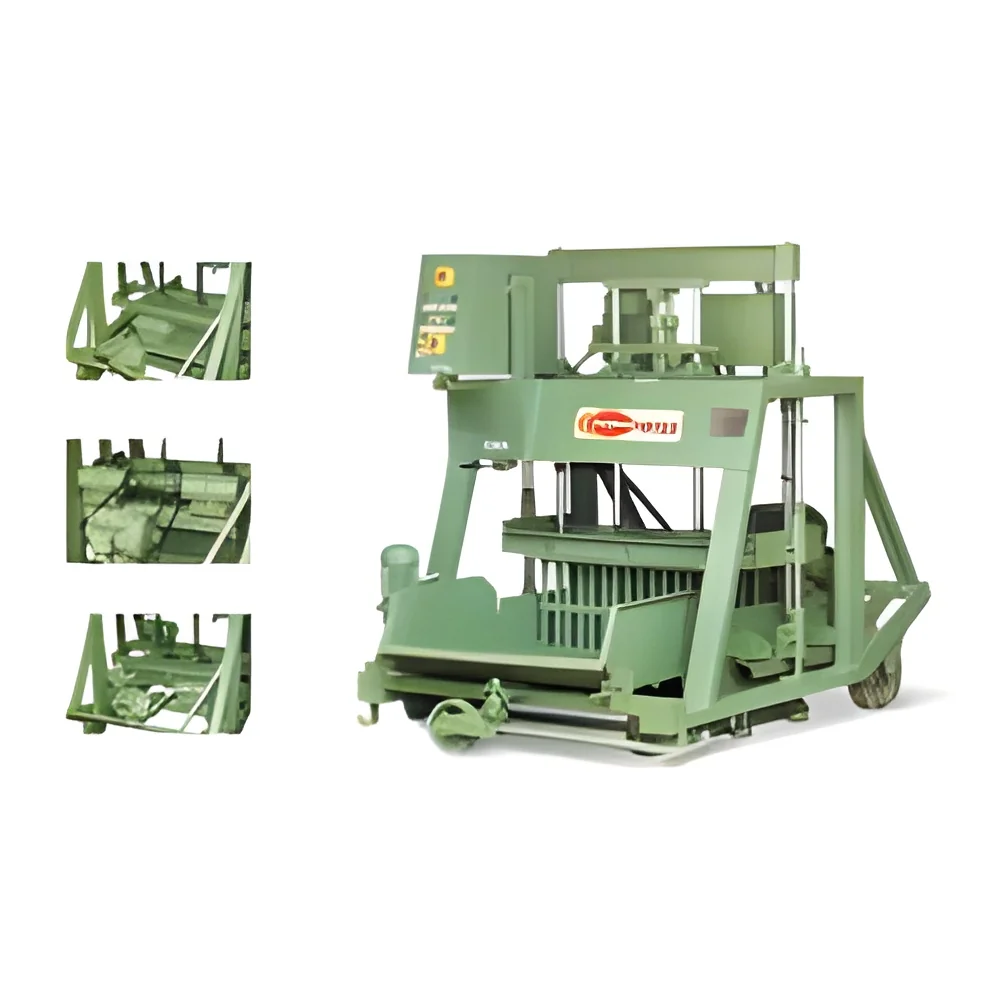
Mobile Block Making Machine: This portable variant allows manufacturers to produce blocks on-site. It is particularly useful for projects where transport costs need to be minimized.
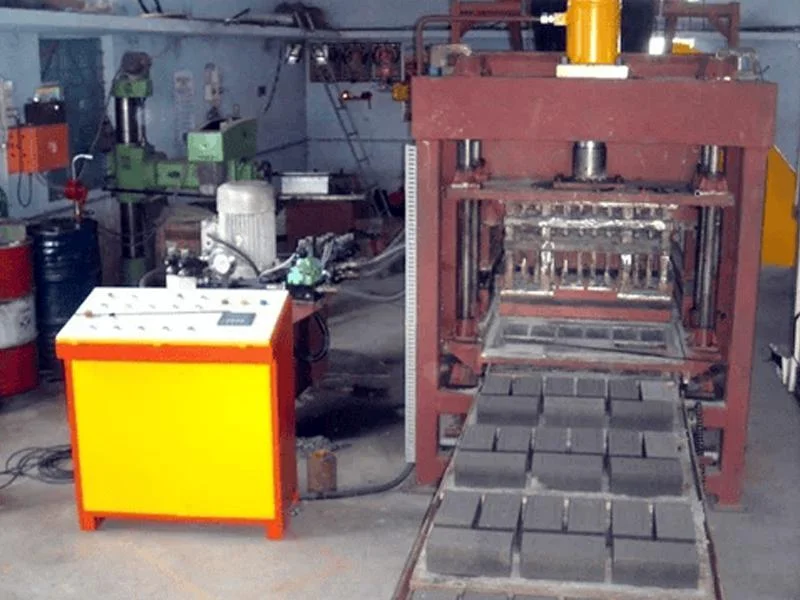
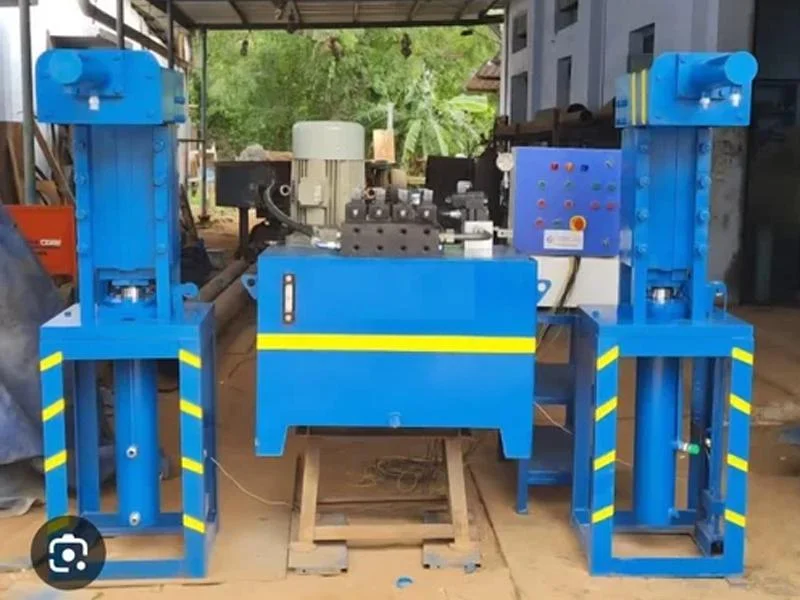
Hydraulic Block Making Machine: Known for producing high-quality blocks, this machine employs hydraulic pressure to create strong and durable concrete blocks. It is favored for its efficiency and output quality.
Paver Block Making Machine: Specifically designed for creating interlocking pavers, this variant is essential for landscaping and road construction applications.
Benefits and Advantages
Investing in a block making machine offers numerous advantages for businesses involved in construction and manufacturing.
Key benefits include:
1. Increased Production Efficiency: Automated processes significantly reduce production time, allowing manufacturers to meet increased demand.
2. Cost-Effectiveness: Producing blocks in-house can lead to substantial savings on material costs and transportation expenses.
3. Customization: Manufacturers can create blocks tailored to specific projects or client needs, providing a competitive edge in the market.
4. Quality Control: In-house production allows for better quality monitoring and assurance, resulting in superior end products.
5. Sustainability: Many block making machines can utilize recycled materials, supporting environmentally friendly practices within the construction industry.
6. Versatility: These machines can produce a variety of block types and sizes, accommodating diverse construction projects and requirements.
Buying Guide for B2B Buyers
When sourcing block making machine manufacturers, it is crucial for buyers to consider several key factors to ensure they make informed decisions.
1. Quality Assessment: Evaluate the quality of machines based on industry standards and performance reviews. Look for manufacturers with a reputation for reliable and durable equipment.
2. Supplier Verification: Conduct thorough research to verify the legitimacy of suppliers. This includes checking references, certifications, and customer feedback.
3. Pricing and MOQ: Understand the pricing structure and minimum order quantities. Compare quotes from different suppliers to find the best deal that meets budget constraints.
4. Delivery and Lead Times: Inquire about delivery schedules and lead times to ensure the machines arrive when needed. Timely delivery is essential for maintaining project timelines.
5. Compliance Requirements: Ensure that the machines meet local and international compliance standards. This may include safety certifications and environmental regulations.
Compliance and Certifications
Compliance and certifications are critical aspects of block making machine manufacturing. Manufacturers must adhere to various quality standards to ensure their machines meet industry expectations.
Relevant quality standards include ISO 9001, which focuses on quality management systems, ensuring consistent quality in products and services. Other standards may pertain to specific manufacturing processes or materials used.
Industry certifications, such as CE marking, indicate that the machines comply with European safety and health requirements. This certification is essential for manufacturers wishing to market their products in Europe and other regions that recognize CE standards.
Safety and testing requirements also play a significant role in ensuring that block making machines operate safely and effectively. Regular testing and adherence to safety protocols help minimize risks during operation.
Regional compliance considerations may vary based on local regulations. Manufacturers should stay informed about the specific compliance requirements applicable to their target markets.
Why Source Block Making Machine Manufacturers from Pepagora?
Pepagora serves as a trusted platform for sourcing block making machine manufacturers, offering several key advantages that benefit B2B buyers.
Verified Supplier Network: Pepagora connects buyers with a network of verified suppliers, ensuring that manufacturers meet quality and reliability standards. This network provides peace of mind when selecting partners for your business.
Streamlined RFQ Process: The platform offers a streamlined request for quotation process, making it easy for buyers to receive multiple quotes from various suppliers. This efficiency helps buyers compare options and make informed decisions quickly.
Trade Assurance and Support: Pepagora provides trade assurance that protects buyers from potential risks associated with sourcing. Their support system assists with any issues that may arise during the purchasing process, ensuring a smooth transaction.
Regional Coverage: With a strong presence in key regions such as India, the GCC, and Southeast Asia, Pepagora facilitates connections between buyers and suppliers across these markets. This geographic reach enhances opportunities for collaboration and growth in block manufacturing.

 IN
IN