What are Ordinary Portland Cement (OPC)?
Ordinary Portland Cement (OPC) is a key ingredient in the construction industry, widely utilized for its binding properties. It is produced by grinding clinker, which is a mixture of limestone and clay, along with gypsum. This process results in a fine powder that hardens when mixed with water, forming a strong and durable building material. The versatility and strength of OPC make it an essential component in various concrete applications.
OPC is primarily used in the construction of buildings, bridges, roads, and other infrastructure projects. Its ability to set quickly and gain strength rapidly makes it ideal for demanding construction environments. Additionally, it serves as a foundational material for precast concrete products, which are manufactured off-site and then assembled on-site, enhancing construction efficiency. The relevance of OPC in the industry is underscored by its consistent demand, driven by ongoing urbanization and infrastructure development worldwide.
๐๐ฒ๐ ๐๐ฒ๐ฎ๐๐๐ฟ๐ฒ๐ ๐ฎ๐ป๐ฑ ๐ฆ๐ฝ๐ฒ๐ฐ๐ถ๐ณ๐ถ๐ฐ๐ฎ๐๐ถ๐ผ๐ป๐
Ordinary Portland Cement (OPC) is characterized by several important specifications that define its performance and suitability for various applications. Understanding these specifications is crucial for selecting the right product for specific construction needs.
Key specifications include:
1. Compressive Strength
- Initial strength of 16 MPa at 3 days
- Minimum strength of 42.5 MPa at 28 days
2. Fineness
- Specific surface area of 300 to 400 m2/kg
- Ensures better hydration and strength development
3. Setting Time
- Initial setting time around 30 to 60 minutes
- Final setting time within 6 to 8 hours
4. Soundness
- Expansion limit of 10 mm
- Ensures stability and prevents cracking
5. Chemical Composition
- Predominantly composed of CaO, SiO2, Al2O3, and Fe2O3
- Ensures robust mechanical properties
6. Heat of Hydration
- Low heat of hydration suitable for mass concrete work
- Minimizes the risk of thermal cracking
7. Sulfate Resistance
- Designed to withstand exposure to sulfate-rich environments
- Enhances durability in specific conditions
8. Packaging
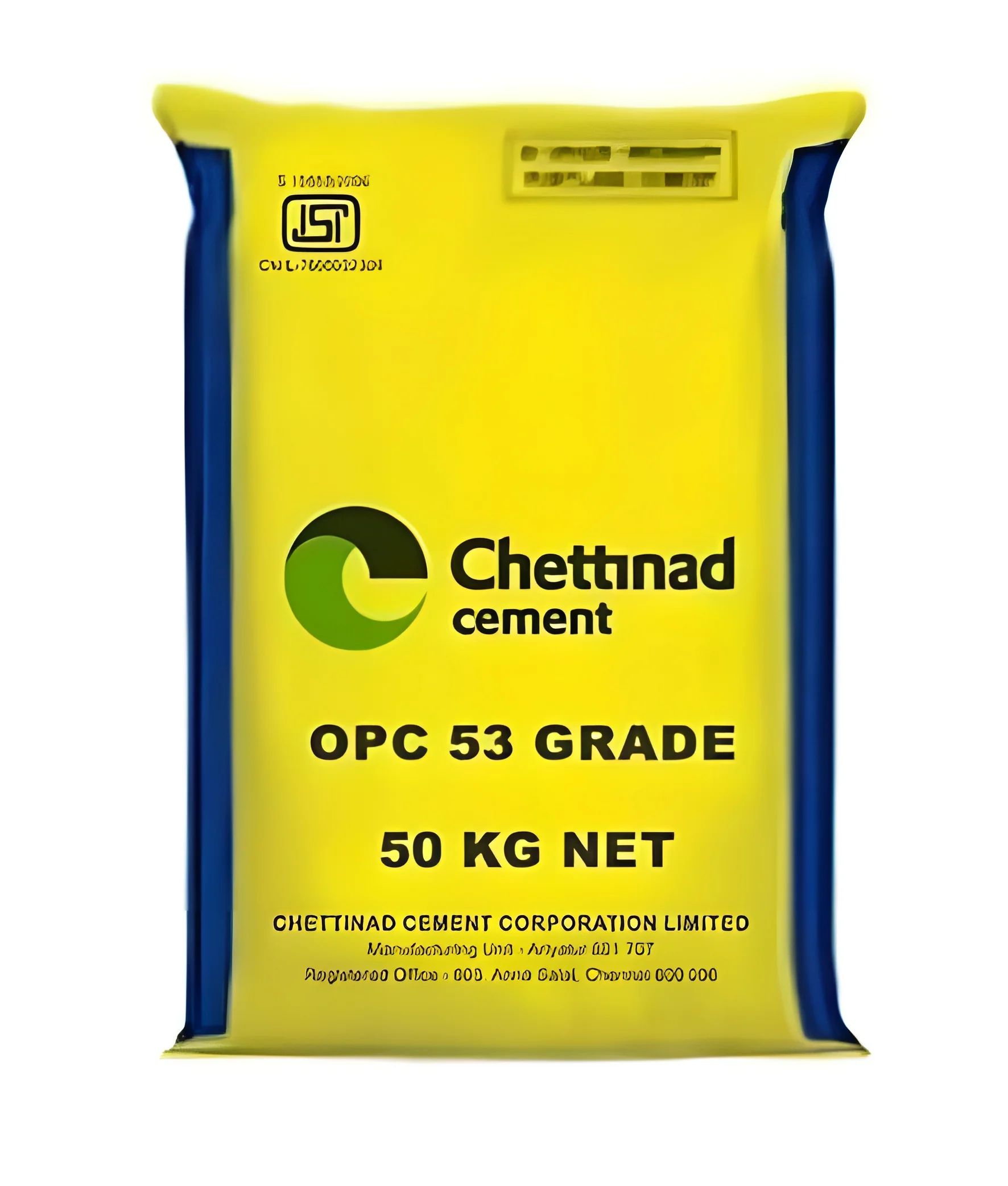
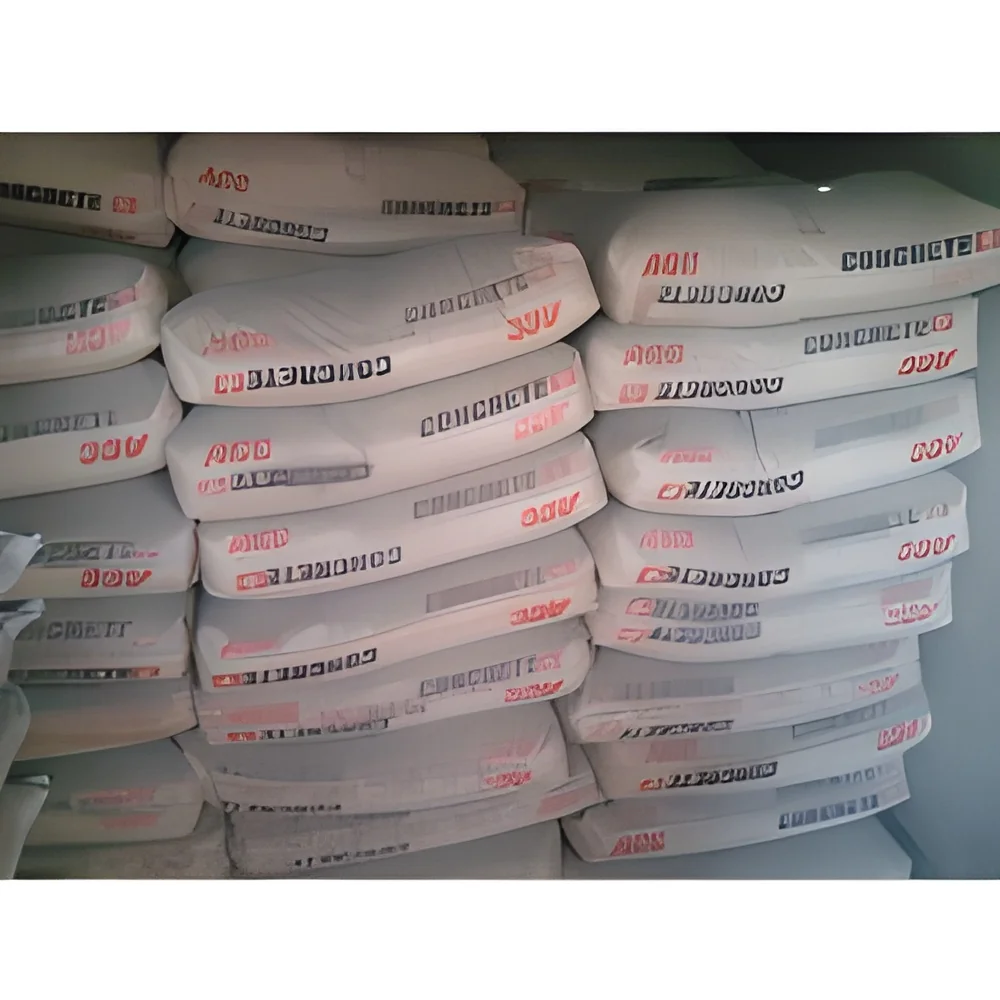
- Available in 50 kg bags or bulk delivery
- Facilitates easy transport and handling
In summary, these specifications highlight the performance characteristics of OPC, making it a reliable choice for a variety of construction projects.
๐๐ผ๐บ๐บ๐ผ๐ป ๐๐ฝ๐ฝ๐น๐ถ๐ฐ๐ฎ๐๐ถ๐ผ๐ป๐ ๐ฎ๐ป๐ฑ ๐จ๐๐ฒ ๐๐ฎ๐๐ฒ๐
Ordinary Portland Cement (OPC) finds extensive use across multiple industries due to its versatile nature.
1. Construction: OPC is the primary choice for concrete in residential and commercial buildings, providing structural integrity and durability.
2. Infrastructure: It is essential in the construction of roads, bridges, and tunnels, where strength and longevity are critical.
3. Precast Concrete: OPC is used to manufacture precast elements such as beams, columns, and panels, facilitating efficient construction.
4. Water Retaining Structures: Its properties make it suitable for constructing dams, reservoirs, and water tanks, ensuring longevity under water pressure.
5. Pavements: OPC is utilized in road pavements, offering resistance to wear and tear from traffic.
6. Soil Stabilization: It is effective in stabilizing soil for construction purposes, enhancing load-bearing capacity.
7. Architectural Finishes: OPC can be used in decorative elements and finishes, combining aesthetic appeal with structural functionality.
๐ฃ๐ฟ๐ผ๐ฑ๐๐ฐ๐ ๐ฉ๐ฎ๐ฟ๐ถ๐ฎ๐ป๐๐ ๐ฎ๐ป๐ฑ ๐ฆ๐๐ฏ๐ฐ๐ฎ๐๐ฒ๐ด๐ผ๐ฟ๐ถ๐ฒ๐
Ordinary Portland Cement (OPC) is a diverse product with various applications tailored to meet specific construction needs.
OPC 33 Grade
This variant is designed for general construction purposes. It provides adequate strength for low-rise buildings and is cost-effective for projects with less stringent requirements.
OPC 43 Grade
This grade is suitable for medium construction projects. It offers higher strength than the 33-grade variant, making it ideal for residential buildings and small commercial structures.
OPC 53 Grade
This variant is formulated for high-strength applications. It is used in large-scale projects requiring quick setting and high durability, such as high-rise buildings and infrastructure works.
๐๐ฒ๐ป๐ฒ๐ณ๐ถ๐๐ ๐ฎ๐ป๐ฑ ๐๐ฑ๐๐ฎ๐ป๐๐ฎ๐ด๐ฒ๐
Sourcing Ordinary Portland Cement (OPC) comes with numerous benefits for construction projects.
1. High Compressive Strength: OPC provides excellent load-bearing capacity, ensuring structural safety and longevity.
2. Quick Setting Time: The rapid setting properties facilitate faster construction, reducing overall project timelines.
3. Versatility: OPC is applicable in a wide range of construction projects, from residential buildings to large infrastructure.
4. Cost-Effectiveness: Its availability and efficiency in various applications make OPC a budget-friendly option for builders.
5. Durability: OPC is designed to withstand harsh environmental conditions, ensuring the longevity of structures.
6. Eco-Friendly Options: Many manufacturers are now producing OPC with lower carbon footprints, contributing to sustainable construction practices.
๐๐๐๐ถ๐ป๐ด ๐๐๐ถ๐ฑ๐ฒ ๐ณ๐ผ๐ฟ ๐๐ฎ๐ ๐๐๐๐ฒ๐ฟ๐
When sourcing Ordinary Portland Cement (OPC), B2B buyers should consider several critical factors to ensure they select the right product for their needs.
1. Quality Assessment: Verify the quality of OPC by checking for relevant certifications and compliance with industry standards. Conduct tests on samples to assess chemical and physical properties.
2. Supplier Verification: Vet potential suppliers by examining their track record, customer reviews, and production capacity. Ensure they adhere to quality and safety standards.
3. Pricing and MOQ: Understand the pricing structure and minimum order quantities (MOQ) to determine budget constraints and purchasing feasibility.
4. Delivery and Lead Times: Discuss logistics with suppliers to ensure timely delivery and manage project schedules effectively. Confirm lead times for bulk orders.
5. Compliance Requirements: Ensure that the OPC meets all regulatory requirements and industry standards relevant to your project location.
๐๐ผ๐บ๐ฝ๐น๐ถ๐ฎ๐ป๐ฐ๐ฒ ๐ฎ๐ป๐ฑ ๐๐ฒ๐ฟ๐๐ถ๐ณ๐ถ๐ฐ๐ฎ๐๐ถ๐ผ๐ป๐
Ordinary Portland Cement (OPC) is subject to stringent quality standards and certifications to ensure its safety and reliability in construction processes.
The most relevant quality standard is ISO 9001, which sets criteria for a quality management system. This certification ensures that manufacturers maintain consistent quality in their products. Additionally, OPC may adhere to HACCP (Hazard Analysis Critical Control Point) principles, which guarantee that the product is safe for use in construction.
CE certification is also critical, particularly in Europe, as it indicates that the product meets EU safety, health, and environmental protection requirements.
Safety testing requirements include assessing the cement for chemical composition, soundness, and compressive strength. Regional compliance considerations vary, so it is essential to understand local regulations governing construction materials in specific markets.
Why Source Ordinary Portland Cement (OPC) from Pepagora?
Pepagora provides a trusted platform for sourcing Ordinary Portland Cement (OPC) with several key advantages that cater to the needs of B2B buyers.
Verified Supplier Network: Pepagora features a network of verified suppliers who meet stringent quality standards. This ensures that buyers can access high-quality OPC with confidence.
Streamlined RFQ Process: The platform simplifies the request for quotation (RFQ) process, allowing buyers to quickly compare prices and specifications from multiple suppliers, saving time and effort.
Trade Assurance and Support: Pepagora offers trade assurance and support to protect buyers throughout the procurement process. This includes assistance with negotiations and conflict resolution.
Regional Coverage: With a strong presence in India, GCC, and Southeast Asia, Pepagora enables buyers to source OPC from local suppliers, ensuring timely delivery and reduced logistics costs.
By choosing Pepagora, businesses can enhance their procurement efficiency while ensuring they receive quality products that meet their construction needs.