Key Features and Specifications
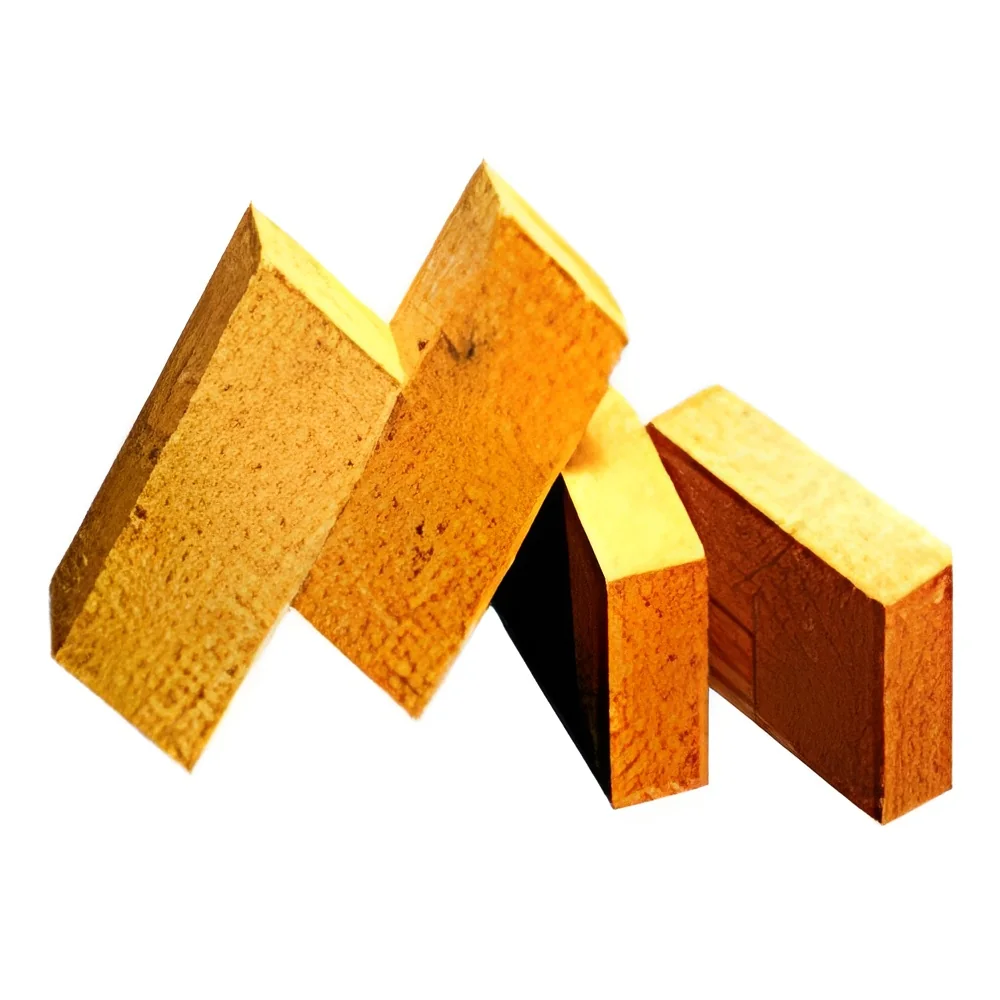
Fire bricks come with a variety of features that make them suitable for high-temperature applications. Understanding these specifications is crucial for businesses looking to invest in refractory products.
Key specifications include:
1. Temperature Resistance
- Fire bricks can withstand temperatures ranging from 1,200 to 1,800 degrees Celsius, depending on the material composition.
2. Density
- The density of fire bricks typically ranges from 1.5 to 3.0 grams per cubic centimeter, affecting their thermal conductivity and insulation properties.
3. Thermal Shock Resistance
- Fire bricks exhibit excellent thermal shock resistance, allowing them to endure sudden temperature changes without cracking.
4. Chemical Resistance
- These bricks resist various chemicals, making them ideal for use in environments where chemical exposure is likely.
5. Compressive Strength
- The compressive strength of fire bricks can vary significantly, generally ranging from 20 to 50 MPa, ensuring they can withstand heavy loads.
6. Porosity
- Fire bricks have a controlled porosity, which contributes to their insulation properties while preventing excessive moisture absorption.
7. Frost Resistance
- Many fire bricks are frost-resistant, which is essential for applications in colder climates.
In summary, fire bricks are designed with specific features and specifications that enhance their performance in high-temperature environments, making them a critical component in various industrial applications.
Common Applications and Use Cases
Fire bricks are utilized across diverse industries, reflecting their versatility and performance in high-temperature settings.
1. Metallurgy: In the metallurgy sector, fire bricks are crucial for lining furnaces and kilns, providing insulation and protection from extreme heat during metal processing.
2. Ceramics: The ceramics industry employs fire bricks in kilns for firing pottery and tiles, where their high temperature resistance ensures product quality.
3. Glass Manufacturing: Fire bricks are used in glass furnaces to maintain high temperatures essential for glass melting and shaping.
4. Petrochemical: In the petrochemical industry, these bricks line reactors and furnaces, ensuring safe and efficient operations.
5. Power Generation: Fire bricks are used in the lining of boilers and incinerators, where they withstand high heat and corrosive conditions.
6. Aerospace: Certain aerospace applications utilize fire bricks for thermal protection in engines and other high-heat areas.
7. Industrial Ovens: Fire bricks are often used in commercial baking ovens, providing consistent heat retention and distribution.
Product Variants and Subcategories
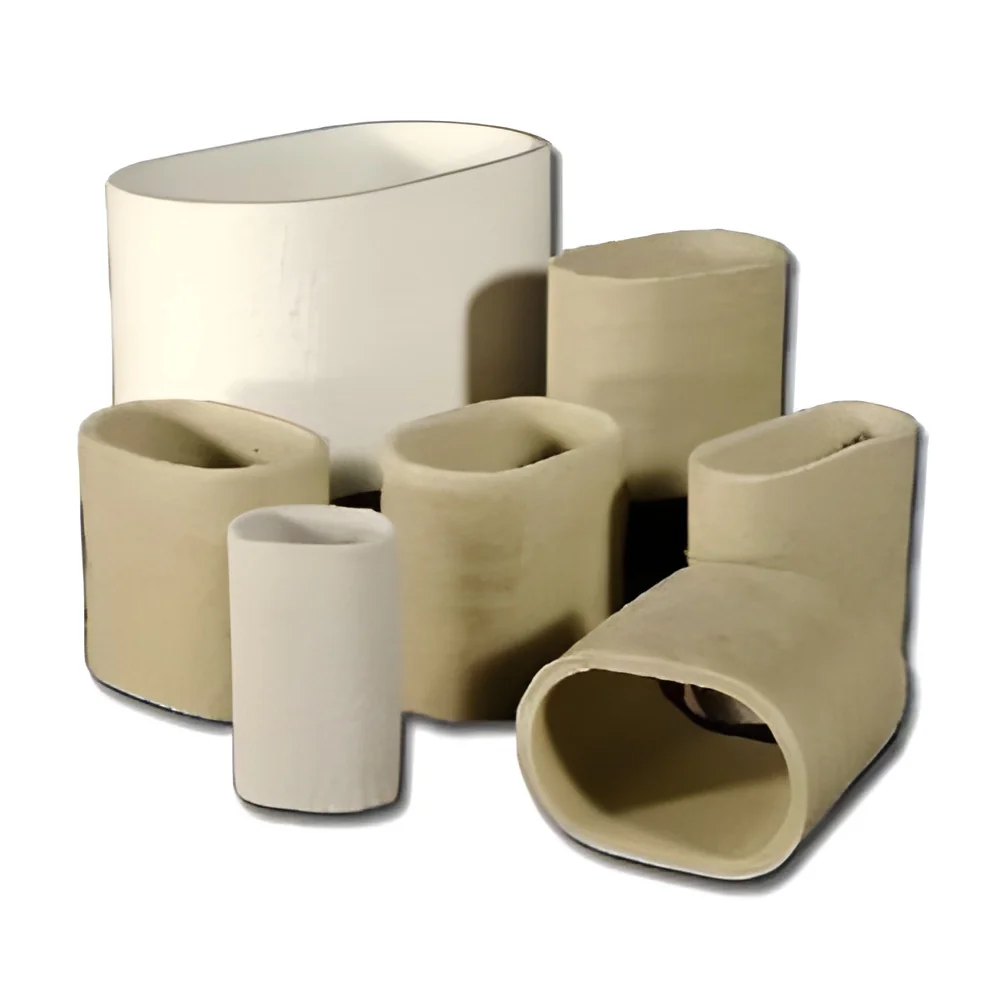
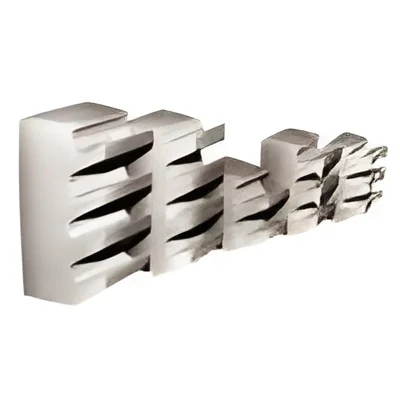
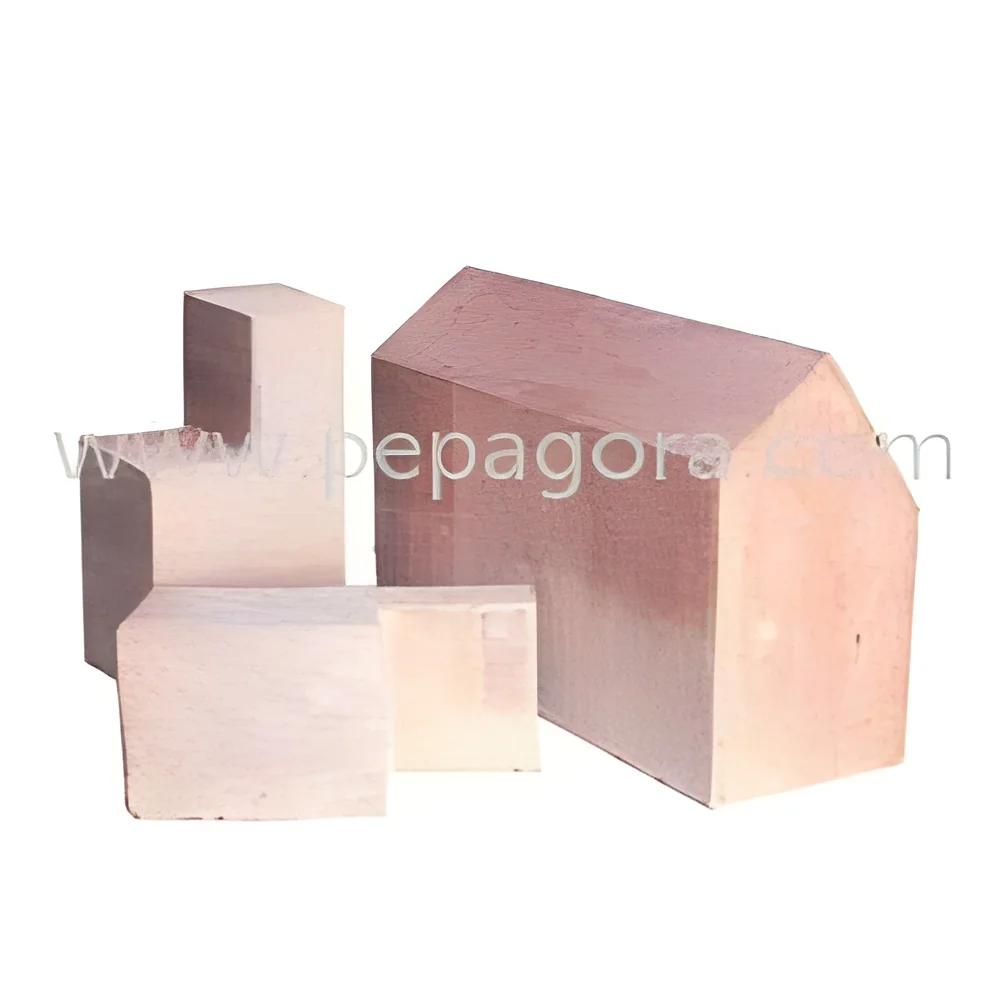
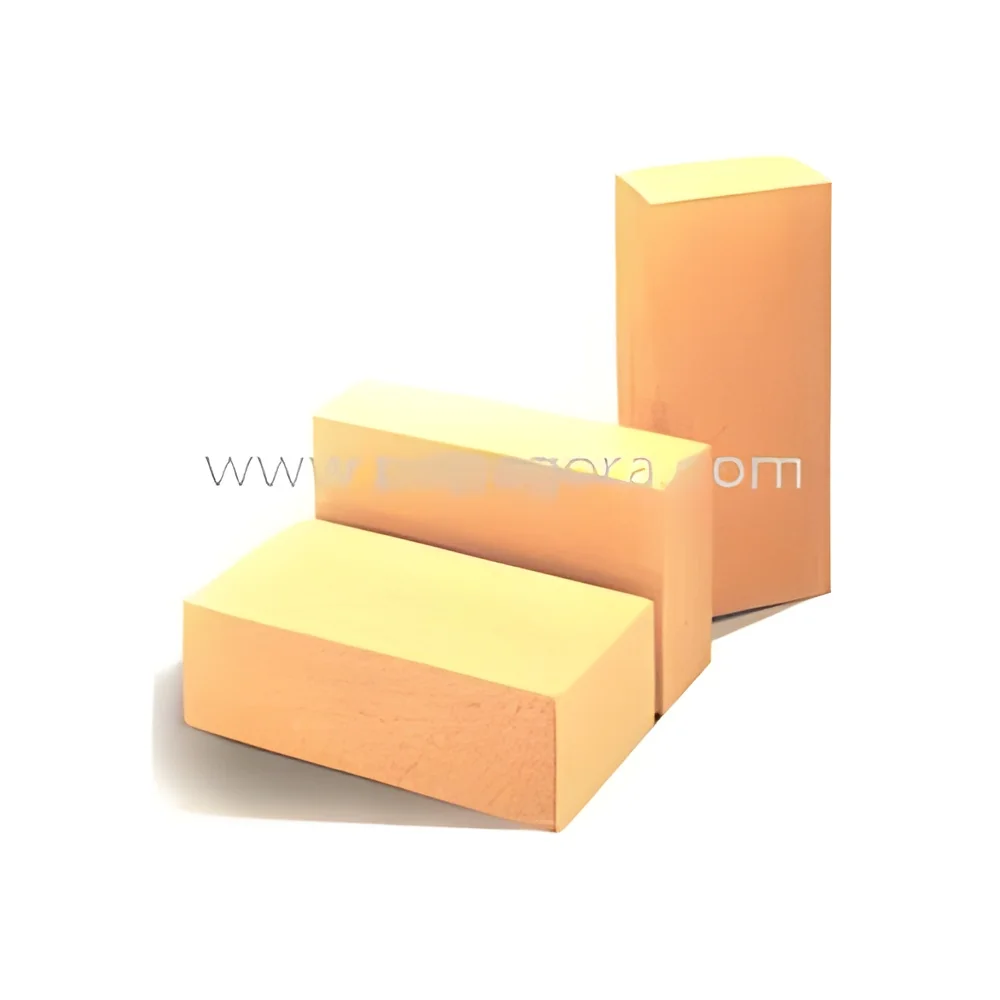
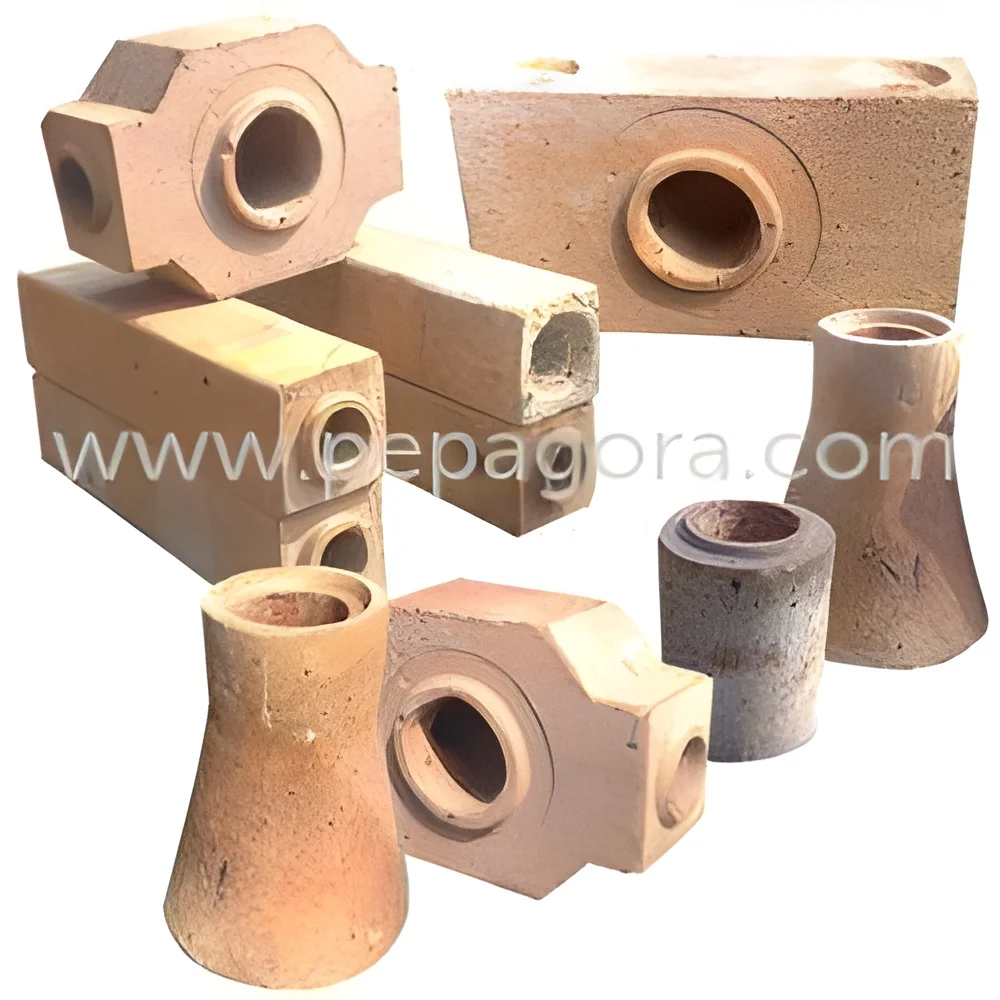
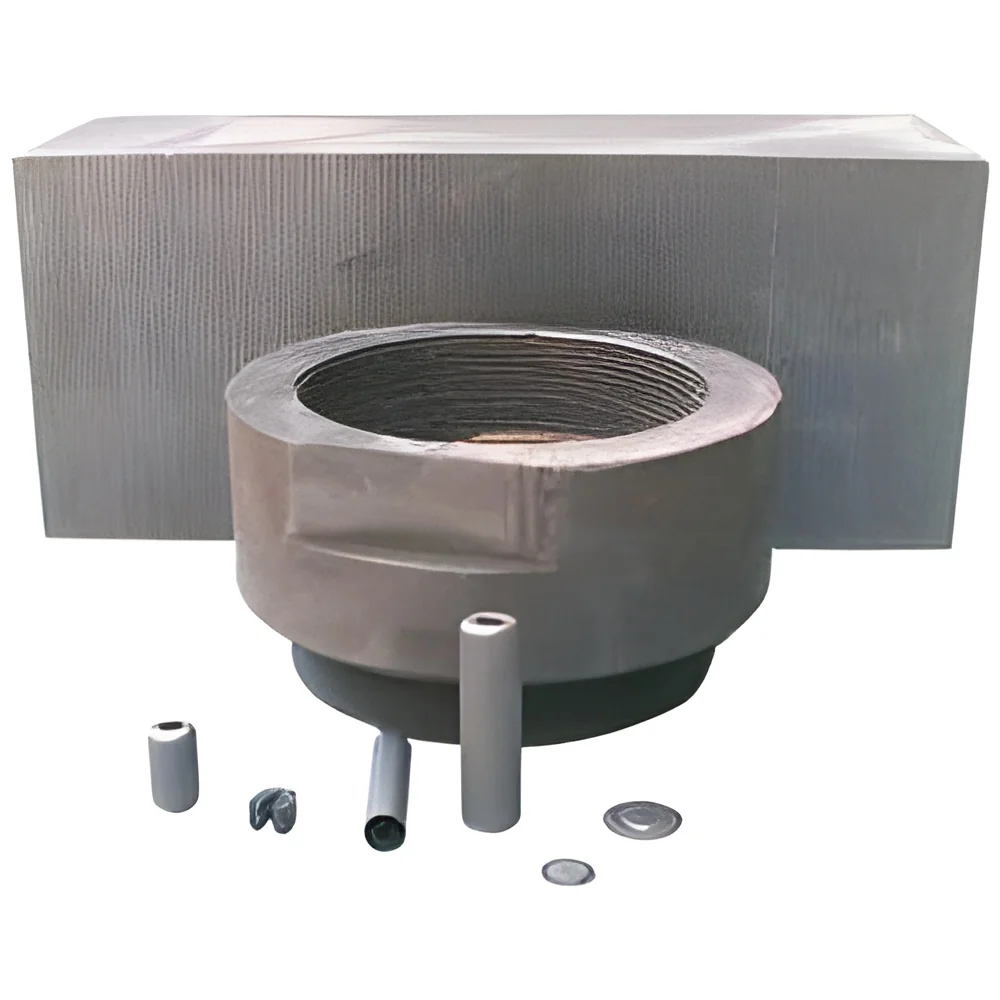
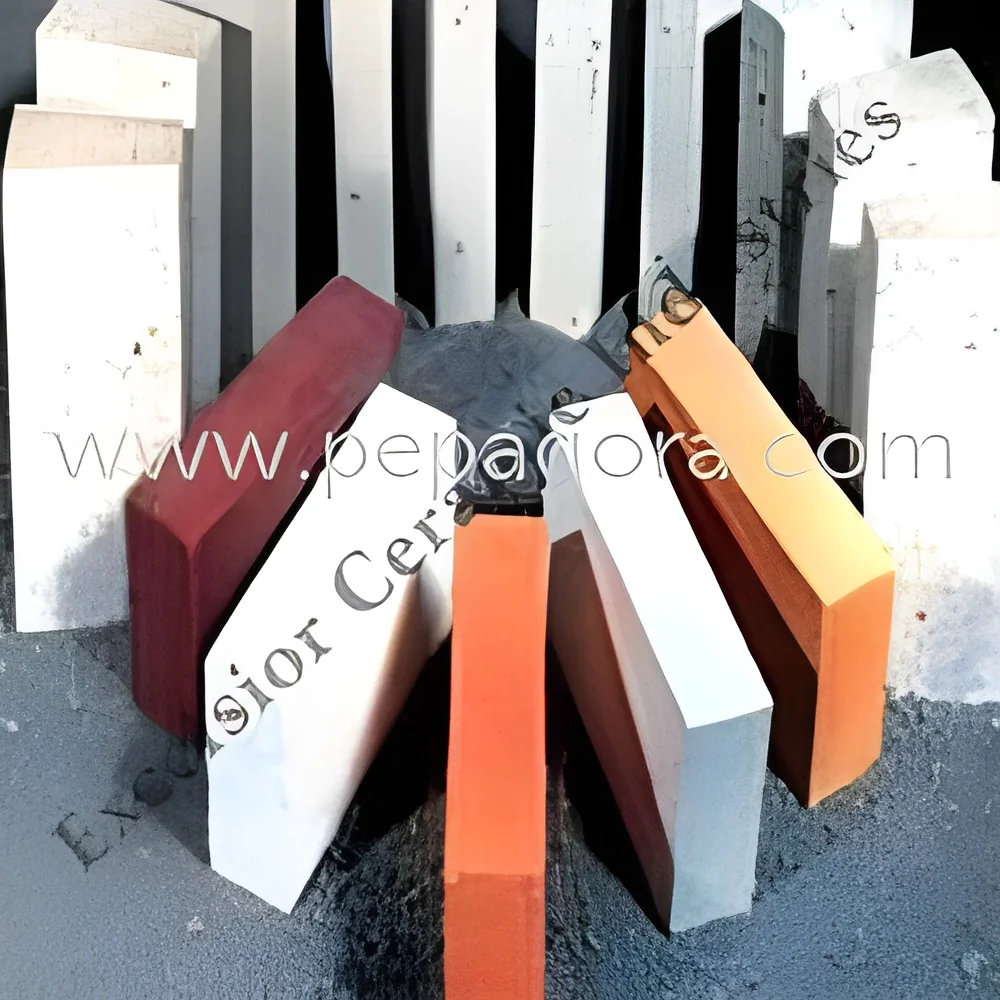
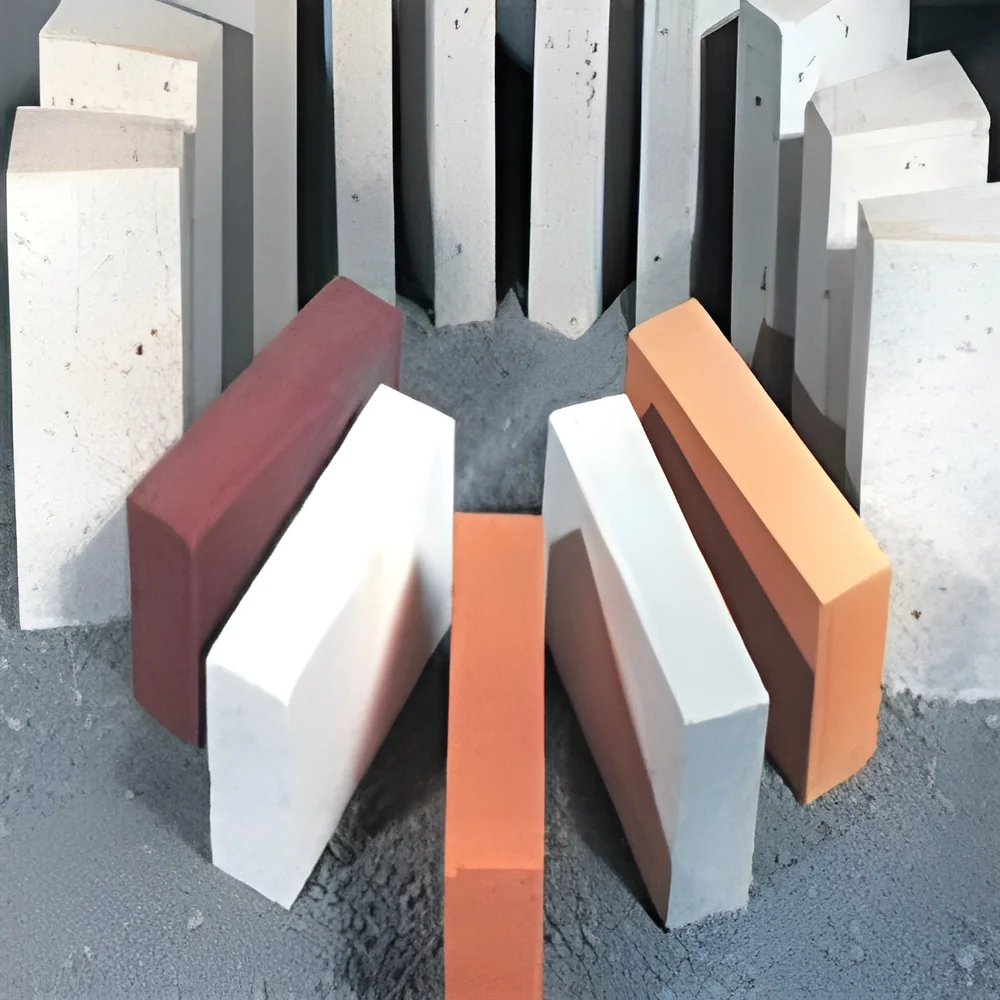
Fire bricks are available in various forms to meet specific industrial needs.
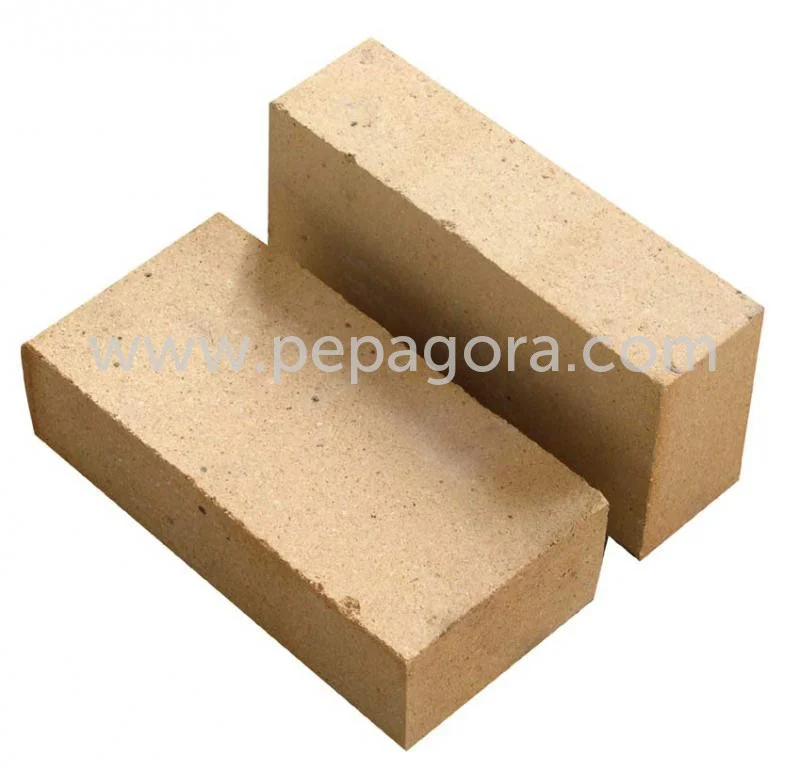
High Alumina Fire Bricks: These bricks contain a higher percentage of alumina, making them suitable for extreme temperatures and demanding applications. They offer excellent durability and thermal stability.
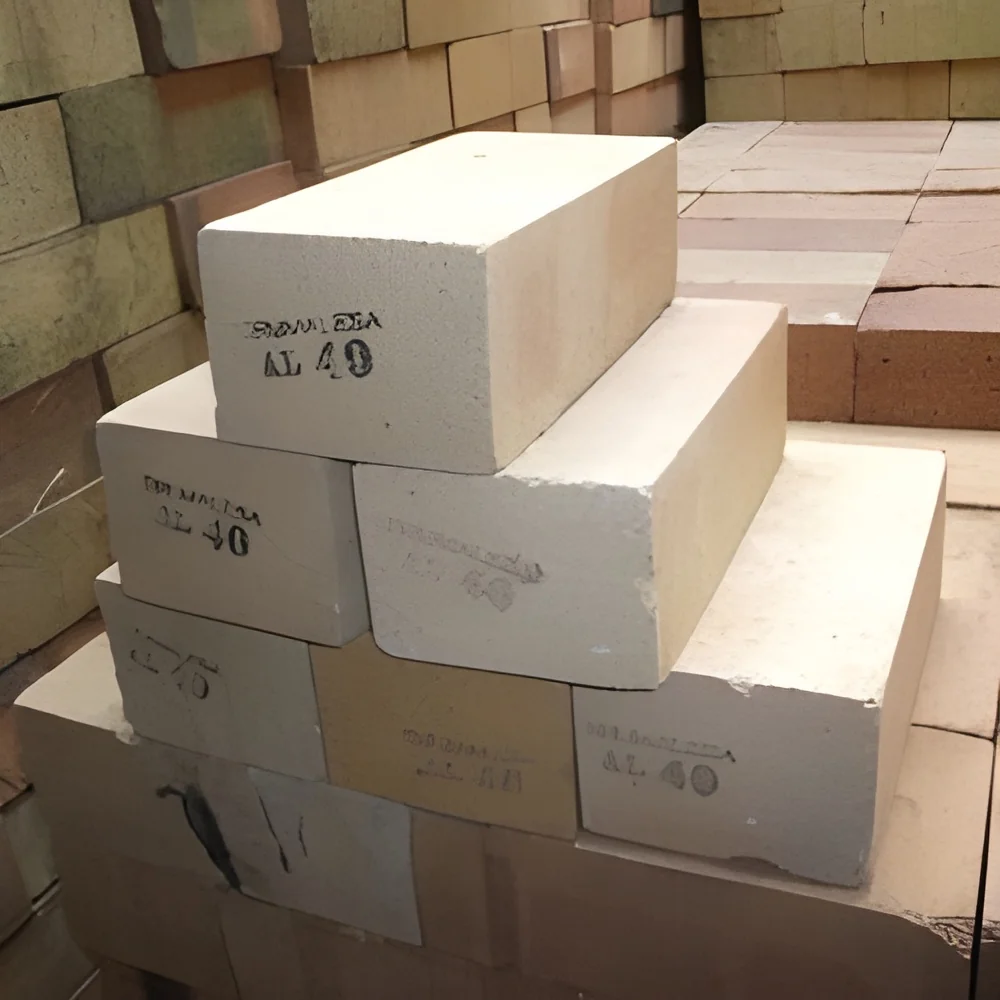
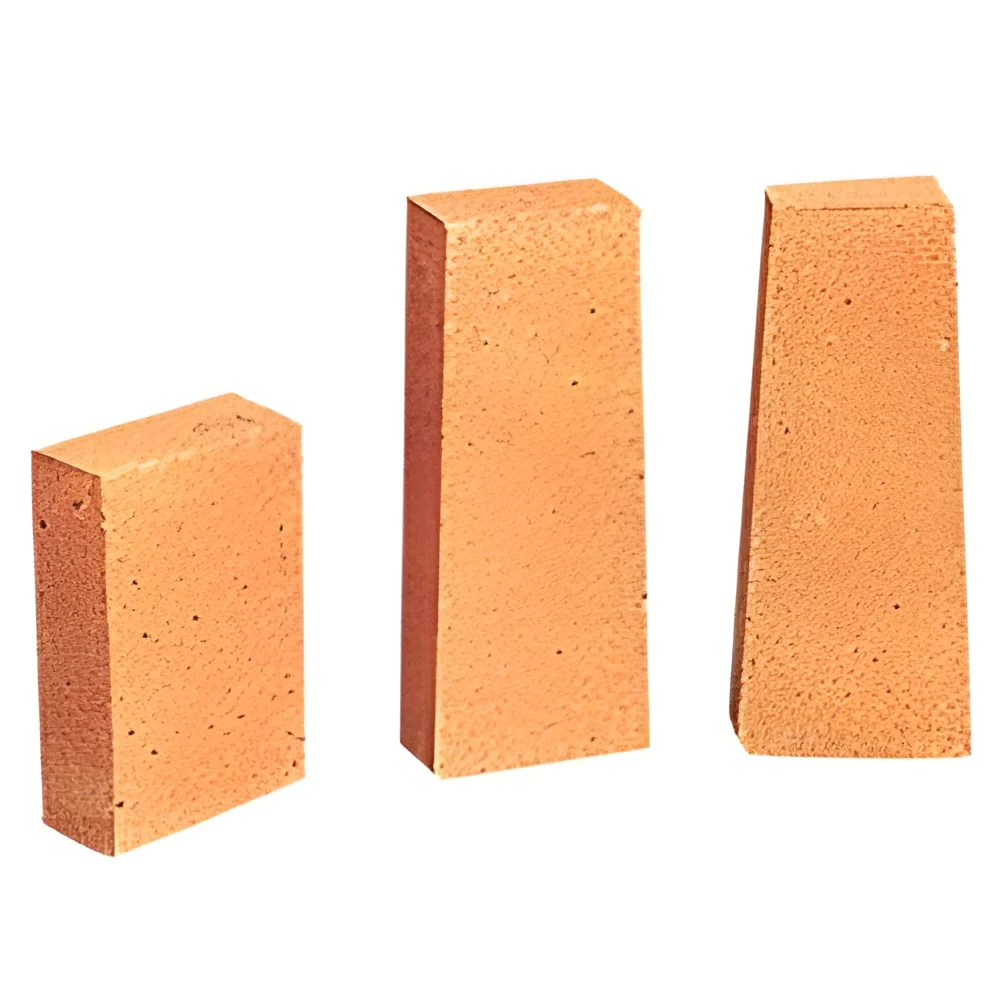
Insulating Fire Bricks: These lightweight bricks provide superior insulation properties, making them ideal for energy-efficient applications where heat retention is crucial.
Dense Fire Bricks: These bricks have a higher density, offering greater strength and thermal conductivity, suitable for heavy-duty applications.
Low Duty Fire Bricks: Designed for lower temperature applications, these bricks are suitable for use in areas where extreme heat is not a concern.
Benefits and Advantages
Investing in fire bricks offers numerous advantages for businesses.
Key benefits include:
1. High Temperature Resistance: Fire bricks can endure extreme temperatures, making them indispensable in high-heat applications.
2. Energy Efficiency: Their excellent insulation properties help reduce energy consumption by minimizing heat loss.
3. Durability: Fire bricks are designed to withstand harsh conditions, ensuring longevity and reducing the need for frequent replacements.
4. Versatility: With various types available, fire bricks can be tailored to meet specific requirements across different industries.
5. Chemical Resistance: Their chemical resistance ensures safe use in environments where exposure to corrosive substances occurs.
6. Cost-Effectiveness: The longevity and performance of fire bricks can lead to significant cost savings over time.
Buying Guide for B2B Buyers
When sourcing fire bricks, businesses should consider several important factors to ensure they select the right products for their needs.
1. Quality Assessment: Evaluate the quality of fire bricks by reviewing technical specifications and performance features. Look for certifications that validate their heat resistance and durability.
2. Supplier Verification: Vet potential suppliers by checking their reputation, customer reviews, and experience in the industry to ensure reliable delivery and product quality.
3. Pricing and MOQ: Understand the pricing structure and minimum order quantities from suppliers, as this can significantly impact budgeting and inventory management.
4. Delivery and Lead Times: Confirm logistics details, including delivery times and shipping options, to plan for timely project execution.
5. Compliance Requirements: Ensure that the fire bricks meet regional regulatory standards and certifications, such as CE marking, to avoid compliance issues.
Compliance and Certifications
Fire bricks must adhere to specific quality standards and certifications to ensure their performance and safety in industrial applications.
Relevant quality standards include ISO 9001, which focuses on quality management systems, ensuring consistent product quality. Additionally, certifications such as CE indicate compliance with European safety and environmental regulations, reflecting the bricks' suitability for various applications.
Safety and testing requirements are crucial for fire bricks, emphasizing their ability to withstand extreme conditions without failure. Regular testing ensures that the products maintain their integrity and performance over time.
Regional compliance considerations may vary, so it is essential for buyers to understand the specific regulations applicable in their market to ensure their chosen fire bricks meet all necessary standards.
Why Source Fire Bricks (Refractory Bricks) from Pepagora?
Pepagora offers a trusted platform for sourcing fire bricks, providing several key advantages for businesses.
Verified Supplier Network: Pepagora collaborates with a network of verified suppliers, ensuring that buyers can access high-quality fire bricks from reputable manufacturers. This verification process helps mitigate risks associated with sourcing.
Streamlined RFQ Process: The platform features a streamlined request for quotation (RFQ) system, allowing buyers to easily compare prices and specifications from multiple suppliers. This efficiency simplifies the procurement process and saves valuable time.
Trade Assurance and Support: Buyers benefit from trade assurance programs that protect their purchases, offering support throughout the sourcing process. This commitment to buyer protection enhances confidence in transactions.
Regional Coverage: Pepagora's geographic reach extends across India, the GCC, and Southeast Asia, facilitating access to a diverse range of suppliers and products. This broad coverage ensures that businesses can find the right fire bricks to meet their specific needs, regardless of location.

 IN
IN