
 IN
Cement, Bricks & Concrete Materials
521 products available
𝗪𝗵𝗮𝘁 𝗮𝗿𝗲 𝗖𝗲𝗺𝗲𝗻𝘁, 𝗕𝗿𝗶𝗰𝗸𝘀 & 𝗖𝗼𝗻𝗰𝗿𝗲𝘁𝗲 𝗠𝗮𝘁𝗲𝗿𝗶𝗮𝗹𝘀?
Cement, bricks, and concrete materials are fundamental components in the construction industry. Cement is a binding agent that, when mixed with water, forms a paste that hardens over time. Bricks are solid blocks made from clay or other materials used for building walls, while concrete is a composite material made of cement, aggregates, and water, known for its strength and durability. Together, these materials form the backbone of structures ranging from residential homes to massive commercial buildings.
These materials are primarily used in various construction applications, including foundations, walls, pavements, and other structural elements. The versatility of cement and concrete allows them to be molded into different shapes and sizes, making them suitable for both decorative and functional purposes. Bricks, on the other hand, are often utilized for aesthetic appeal as well as structural integrity. The demand for these materials is driven by the ongoing growth in the construction sector, infrastructure development, and urbanization across the globe.
In the current market context, the cement and concrete industry is evolving to meet increased demands for sustainable and environmentally friendly building materials. Innovations in production methods and the introduction of recycled materials are becoming more common as businesses strive to reduce carbon footprints. The relevance of these materials in construction continues to grow, aligning with trends that prioritize durability, cost-effectiveness, and ecological responsibility.
𝗞𝗲𝘆 𝗙𝗲𝗮𝘁𝘂𝗿𝗲𝘀 𝗮𝗻𝗱 𝗦𝗽𝗲𝗰𝗶𝗳𝗶𝗰𝗮𝘁𝗶𝗼𝗻𝘀
Cement, bricks, and concrete materials come with a range of features and specifications that ensure their effectiveness in various applications. Understanding these specifications is crucial for B2B buyers to make informed decisions.
Key specifications include:
1. Compressive Strength
- This measures the ability of concrete and cement to withstand axial loads.
- Typically ranges from 20 MPa to over 50 MPa for different applications.
2. Water-Cement Ratio
- This ratio defines the relative proportions of water to cement in a mix.
- Generally ranges from 0.4 to 0.6 for standard concrete mixes.
3. Density
- Affects the weight and thermal properties of bricks and concrete.
- Common densities are 1,800 to 2,400 kg/m³ for concrete.
4. Thermal Conductivity
- Indicates how well a material conducts heat, important for energy efficiency.
- Ranges from 0.1 to 1.5 W/m·K for various types of bricks and concrete.
5. Durability
- Refers to the material's ability to resist weathering and wear over time.
- Must meet specific standards for different environmental conditions.
6. Fire Resistance
- Measures how well a material can withstand high temperatures.
- Concrete generally offers high fire resistance, rated up to 2 hours.
7. Moisture Resistance
- Important for preventing damage in humid conditions.
- Concrete and bricks should be rated for low permeability.
8. Aesthetic Finishes
- Options for surface finishes can enhance the visual appeal.
- Various textures and colors are available for bricks and concrete.
In summary, understanding these specifications helps buyers select the right materials for their specific construction needs, ensuring both performance and compliance with industry standards.
𝗖𝗼𝗺𝗺𝗼𝗻 𝗔𝗽𝗽𝗹𝗶𝗰𝗮𝘁𝗶𝗼𝗻𝘀 𝗮𝗻𝗱 𝗨𝘀𝗲 𝗖𝗮𝘀𝗲𝘀
Cement, bricks, and concrete materials serve diverse industries and applications.
1. Construction: These materials are essential in residential and commercial building projects, forming structural components like walls and foundations.
2. Infrastructure: Cement and concrete are widely used for roadways, bridges, and tunnels, providing strength and durability for heavy traffic loads.
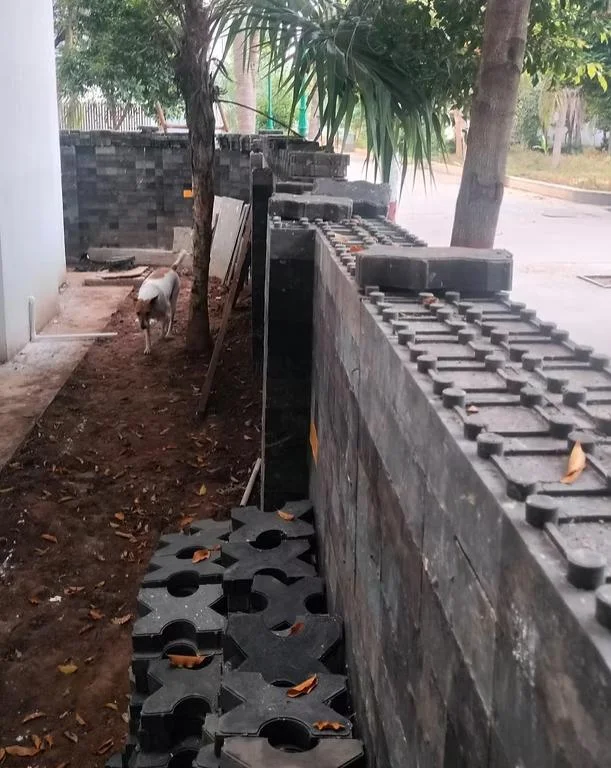
3. Landscaping: Bricks can be utilized in outdoor projects such as patios, walkways, and retaining walls, enhancing the aesthetic appeal of gardens and public spaces.
4. Precast Manufacturing: Concrete is often used in precast applications for producing components like beams, columns, and slabs, allowing for quicker assembly on-site.
5. Energy Sector: Cement plays a crucial role in building structures for renewable energy installations, including wind farms and solar power plants.
6. Industrial Facilities: Cement and concrete are used in constructing warehouses, factories, and processing plants, which require robust materials to withstand operational demands.
7. Water Management: Concrete is utilized in designing drainage systems, reservoirs, and flood control structures, aiding in effective water management.
𝗣𝗿𝗼𝗱𝘂𝗰𝘁 𝗩𝗮𝗿𝗶𝗮𝗻𝘁𝘀 𝗮𝗻𝗱 𝗦𝘂𝗯𝗰𝗮𝘁𝗲𝗴𝗼𝗿𝗶𝗲𝘀
Cement, bricks, and concrete materials are available in various forms to meet different construction needs.
Cement Types:
Ordinary Portland Cement (OPC) is widely used for general construction due to its strength and versatility. Other variants include Portland Pozzolana Cement (PPC), which enhances durability and resistance to chemical attacks.
Bricks:
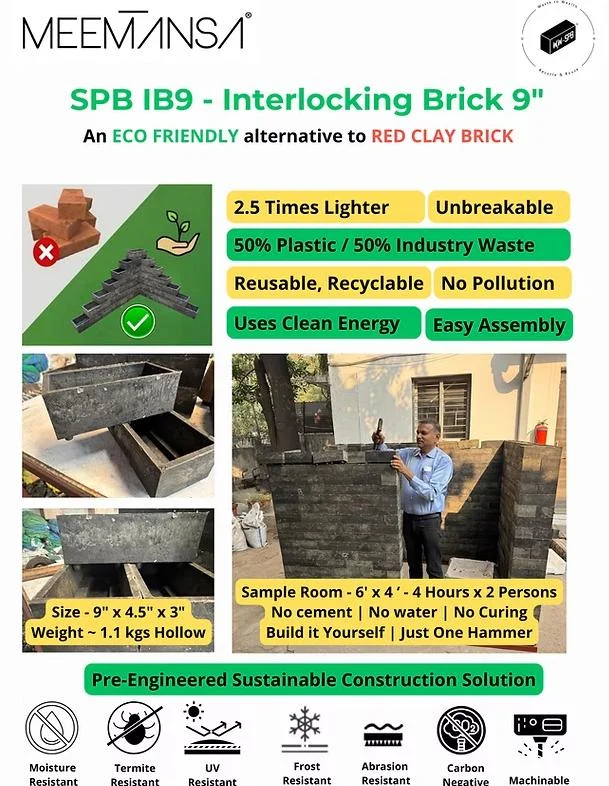
Common clay bricks are available in various sizes and textures, making them suitable for both load-bearing and aesthetic applications. Fly ash bricks are another eco-friendly option, utilizing industrial waste for production.
Concrete Mixes:
Ready-mix concrete is pre-mixed and delivered to construction sites, ensuring consistency and quality. Self-compacting concrete is another variant known for its ability to flow and fill molds without the need for vibration.
𝗕𝗲𝗻𝗲𝗳𝗶𝘁𝘀 𝗮𝗻𝗱 𝗔𝗱𝘃𝗮𝗻𝘁𝗮𝗴𝗲𝘀
Choosing cement, bricks, and concrete materials offers several advantages for construction projects.
1. Strength and Durability: These materials provide long-lasting performance, capable of withstanding various environmental conditions.
2. Versatility: Cement and concrete can be molded into different shapes and sizes, accommodating diverse architectural designs.
3. Cost-Effectiveness: The availability and longevity of these materials often result in lower maintenance costs over time.
4. Fire Resistance: Concrete inherently possesses fire-resistant qualities, enhancing the safety of structures.
5. Eco-Friendly Options: Innovations in materials, such as recycled aggregates, contribute to sustainable building practices.
6. Low Maintenance: Once installed, cement and concrete structures typically require minimal upkeep compared to other materials.
𝗕𝘂𝘆𝗶𝗻𝗴 𝗚𝘂𝗶𝗱𝗲 𝗳𝗼𝗿 𝗕𝟮𝗕 𝗕𝘂𝘆𝗲𝗿𝘀
When sourcing cement, bricks, and concrete materials, B2B buyers should consider various factors to ensure they make sound purchasing decisions.
1. Quality Assessment: It is essential to evaluate the quality of materials based on industry standards and certifications to ensure performance and reliability.
2. Supplier Verification: Vetting suppliers is crucial for reliability, focusing on their reputation, experience, and compliance with quality standards.
3. Pricing and MOQ: Understanding the pricing structure and minimum order quantities helps buyers negotiate better deals and plan budgets effectively.
4. Delivery and Lead Times: Timely delivery is vital for project schedules, so buyers should inquire about lead times and logistics capabilities.
5. Compliance Requirements: Familiarity with regional compliance and safety regulations ensures that selected materials meet all necessary legal standards.
𝗖𝗼𝗺𝗽𝗹𝗶𝗮𝗻𝗰𝗲 𝗮𝗻𝗱 𝗖𝗲𝗿𝘁𝗶𝗳𝗶𝗰𝗮𝘁𝗶𝗼𝗻𝘀
Cement, bricks, and concrete materials must adhere to various quality standards and certifications to ensure safety and reliability in construction.
ISO 9001 certification is crucial as it ensures quality management systems are in place for consistent production and service delivery. Compliance with HACCP and GDP standards is important in ensuring that materials do not pose health risks.
The CE marking signifies that products meet EU safety, health, and environmental protection standards. This certification is essential for trade within Europe, ensuring that materials are compliant with necessary regulations.
Regional compliance considerations should also be taken into account, as different countries may have specific requirements related to construction materials, affecting their use in projects.
𝗪𝗵𝘆 𝗦𝗼𝘂𝗿𝗰𝗲 𝗖𝗲𝗺𝗲𝗻𝘁, 𝗕𝗿𝗶𝗰𝗸𝘀 & 𝗖𝗼𝗻𝗰𝗿𝗲𝘁𝗲 𝗠𝗮𝘁𝗲𝗿𝗶𝗮𝗹𝘀 𝗳𝗿𝗼𝗺 𝗣𝗲𝗽𝗮𝗴𝗼𝗿𝗮?
Pepagora provides a trusted platform for sourcing cement, bricks, and concrete materials, offering several key advantages to B2B buyers.
Verified Supplier Network: Pepagora ensures that all suppliers are thoroughly vetted, guaranteeing reliability and quality. This network connects buyers with trusted manufacturers who meet stringent quality standards.
Streamlined RFQ Process: The platform offers an efficient Request for Quotation (RFQ) process, allowing buyers to receive competitive quotes quickly from multiple suppliers, saving time and effort.
Trade Assurance and Support: Pepagora provides buyer protection through trade assurance, ensuring that transactions are secure and that buyers receive the quality they expect.
Regional Coverage: With a wide geographical reach, Pepagora connects buyers from India, the GCC, and Southeast Asia to a diverse range of suppliers, facilitating easy access to quality construction materials.

















Frequently Asked Questions
What are Cement, Bricks & Concrete Materials?
Cement, Bricks & Concrete Materials are essential components used in construction and infrastructure projects. Cement serves as a binding agent, while bricks are building blocks made from clay or concrete. Concrete materials include aggregates, water, and additives used to create concrete that is durable and strong.
What are the different types of Cement, Bricks & Concrete Materials?
There are various types of cement, including Ordinary Portland Cement (OPC), Portland Pozzolana Cement (PPC), and Sulphate Resisting Cement. Bricks can be classified into fired bricks, concrete bricks, and fly ash bricks. Concrete materials encompass different grades and mixes depending on the application, including ready-mix concrete and precast concrete products.
How do I choose the right Cement, Bricks & Concrete Materials?
Choosing the right Cement, Bricks & Concrete Materials involves considering the specific requirements of your project, such as strength, durability, and environmental conditions. Additionally, evaluating the local availability and compliance with industry standards can aid in making the right selection.
What are the standard specifications for Cement, Bricks & Concrete Materials?
Standard specifications for Cement, Bricks & Concrete Materials are set by organizations such as the Bureau of Indian Standards (BIS). These specifications cover aspects like composition, strength, and performance characteristics to ensure quality and safety in construction.
What is the price range for Cement, Bricks & Concrete Materials?
The price range for Cement, Bricks & Concrete Materials can vary widely based on factors like type, quality, and supplier. Generally, cement can range from INR 300 to INR 600 per bag, while bricks may cost between INR 5 to INR 20 each, depending on the type and specifications.
What quality standards apply to Cement, Bricks & Concrete Materials?
Quality standards for Cement, Bricks & Concrete Materials are established by BIS and include criteria for compressive strength, chemical composition, and durability. Compliance with these standards ensures that the materials used in construction meet safety and performance requirements.
Where can I find Cement, Bricks & Concrete Materials suppliers in India?
You can find Cement, Bricks & Concrete Materials suppliers in India through various channels such as online marketplaces, construction trade shows, and industry directories. Websites like Pepagora.com provide a platform to connect with verified suppliers and manufacturers across the country.
Can Cement, Bricks & Concrete Materials be customized?
Yes, Cement, Bricks & Concrete Materials can often be customized to meet specific project requirements. Customization may include altering the composition of concrete mixes, producing bricks in different sizes, or providing special finishes for aesthetic purposes.
What is the typical minimum order quantity for Cement, Bricks & Concrete Materials?
The typical minimum order quantity (MOQ) for Cement, Bricks & Concrete Materials varies by supplier and product type. Generally, cement is sold by the bag, while bricks may be ordered in bulk, often starting from a few hundred pieces.
What is the typical lead time for Cement, Bricks & Concrete Materials?
The typical lead time for Cement, Bricks & Concrete Materials can range from a few days to several weeks, depending on factors such as order size, supplier capabilities, and logistics. It is advisable to check with suppliers for accurate delivery timelines based on your specific needs.
Why Businesses Trust Pepagora
Thousands of companies trust Pepagora to source smarter and sell faster
Expand Your Sales Globally

Source Smarter,Grow Faster
